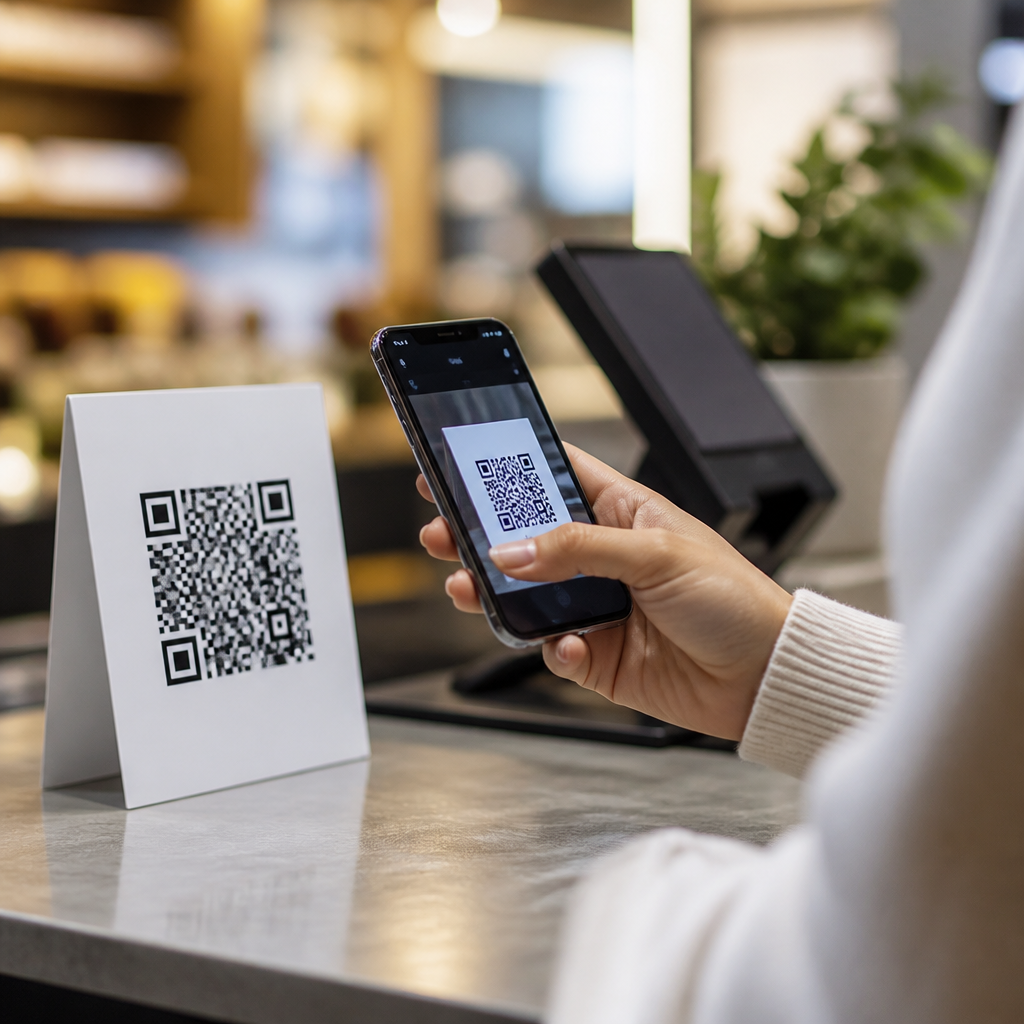
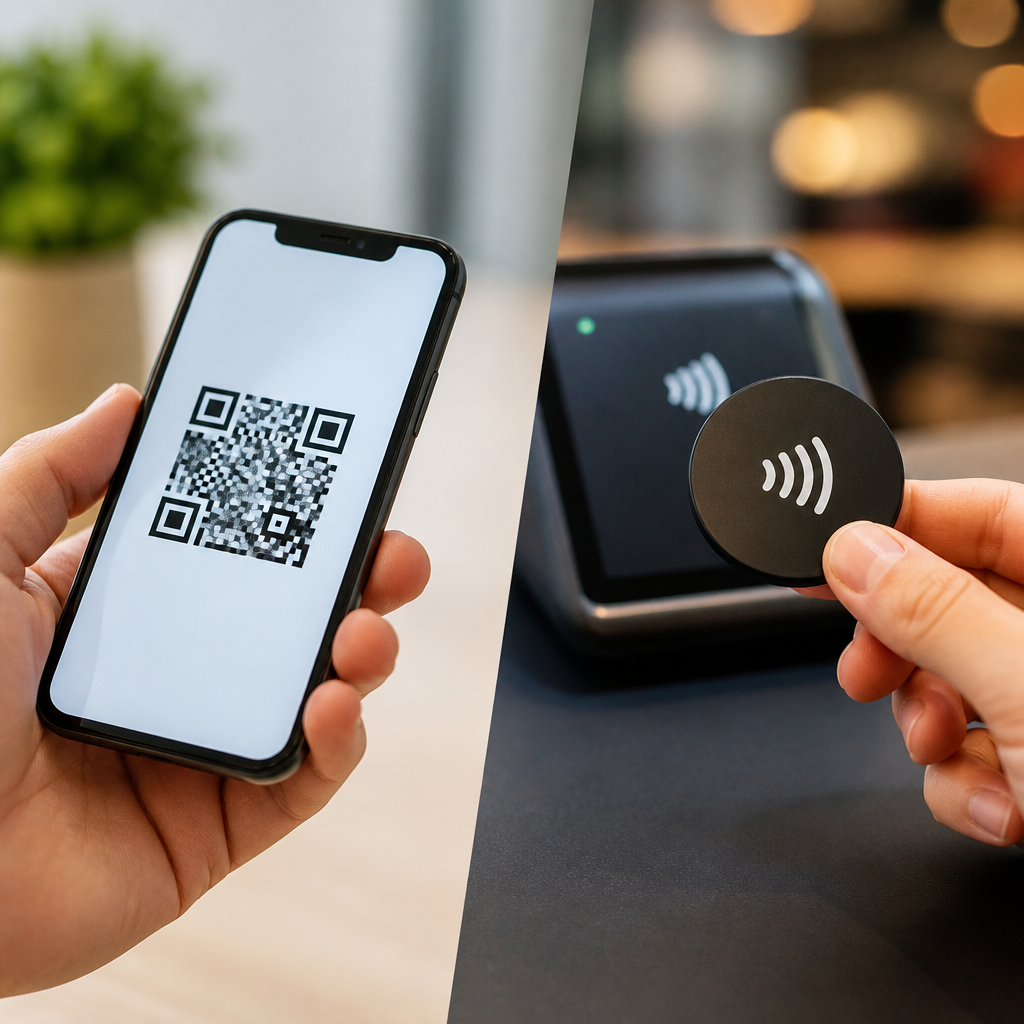
QR codes and NFC are two of the most common bridge technologies linking physical objects to digital actions, yet they solve different problems and perform best in different environments. A QR code is a two-dimensional matrix barcode that a camera reads visually, while NFC, or Near Field Communication, uses short-range radio waves to transmit data when a phone or card comes within a few centimeters of a tag or reader. Both can open a website, trigger app behavior, enable payments, authenticate products, or deliver product information, but the user journey, hardware requirements, security model, and deployment cost are not the same.
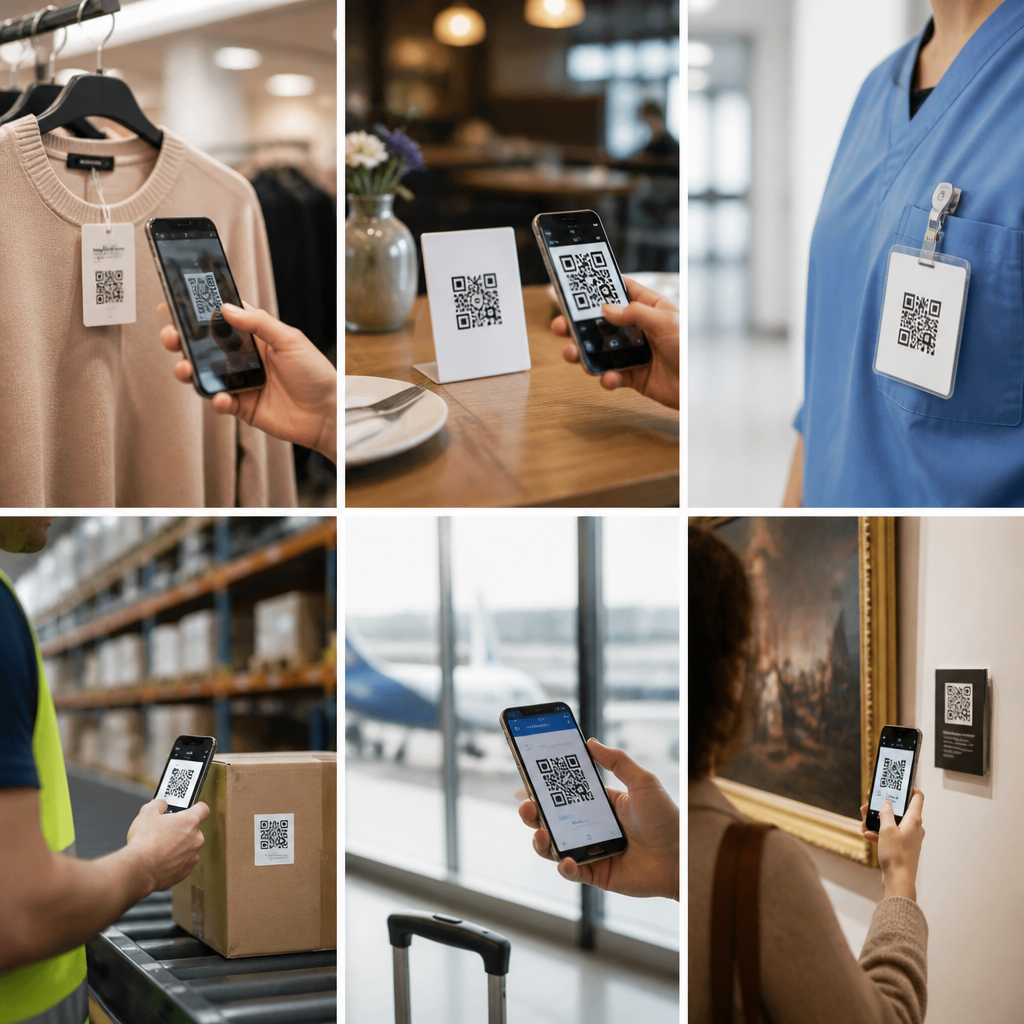
This comparison matters because businesses regularly choose between printed QR labels, embedded NFC tags, Bluetooth beacons, RFID systems, short URLs, or even plain old barcodes when building packaging, retail, payments, events, logistics, and customer engagement programs. I have worked on campaigns that used both technologies, and the deciding factors were never just novelty or trend. Teams had to weigh scan rates, tag durability, smartphone compatibility, analytics depth, accessibility, environmental conditions, and unit economics at scale. In a museum exhibit, QR codes were ideal for low-cost multilingual content delivery. In luxury retail authentication, NFC tags added stronger anti-counterfeit controls because each tag carried a unique chip identity. The better technology depends on the task, not the hype.
For a sub-pillar view, it helps to define the core question clearly: when should you use QR codes, when should you use NFC, and when should you consider other technologies instead? The answer starts with mechanics. QR codes need line of sight, lighting, and a camera. NFC needs compatible hardware and close proximity, but no visible code. QR codes are cheap to print and easy to distribute across posters, packaging, menus, receipts, and screens. NFC is more seamless in tap-based experiences and can store credentials securely in a chip, which is why it dominates contactless payments and access control. Understanding these tradeoffs helps marketers, product managers, operations teams, and IT leaders invest in the right interaction model from the start.
How QR Codes and NFC Actually Work
QR codes encode data in black and white modules arranged in a square grid. A smartphone camera captures the pattern, software corrects perspective distortion, and the operating system or app decodes the payload, which is often a URL but may also contain text, Wi-Fi credentials, vCard data, or deep links. Error correction is a major advantage: Reed-Solomon recovery allows many codes to remain readable even after partial damage. In practice, that means a printed code on a shipping box or storefront sign can still function after scratches, minor folds, or dirt. Dynamic QR systems add a redirect layer, letting teams change the destination and track scans without reprinting the code.
NFC works differently. It operates at 13.56 MHz and supports communication between a reader and a passive or active tag at very short range. Passive tags draw power from the reader’s electromagnetic field, which is why a sticker or card can function without a battery. Standards from the ISO/IEC 14443 and ISO/IEC 15693 families underpin many deployments, including payment cards, secure badges, and smart posters. Modern smartphones can read NDEF-formatted tags and, in many cases, emulate cards for wallet payments. Because NFC requires intentional proximity, the action often feels faster than scanning; the user simply taps. That reduction in friction can materially improve completion rates in access, payments, and loyalty workflows.
The biggest operational difference is visibility versus invisibility. A QR code announces itself and teaches the user what to do. An NFC tag may be hidden inside packaging, a countertop, or a product label, which creates cleaner design but can also reduce discoverability if no clear instruction is present. In field deployments, I have seen beautifully embedded NFC fail because users did not know where to tap, while a plainly printed QR beside it carried the majority of interactions. Good design often pairs the technologies rather than treating them as mutually exclusive options.
Cost, Deployment, and Analytics Tradeoffs
For most organizations, cost is where QR codes pull ahead immediately. A QR code can be generated at essentially zero marginal cost and printed on existing materials with no added electronics. That makes it ideal for mass campaigns, outdoor signage, menus, direct mail, and consumer packaged goods where every cent matters. NFC tags, by contrast, add a hardware component. Depending on chip type, memory, security features, material, and volume, tags can range from a few cents to substantially more for tamper-evident or cryptographically secure variants. If you need millions of units on low-margin packaging, that difference is decisive.
Deployment complexity also differs. QR code programs usually require artwork management, testing across distances and lighting conditions, landing page optimization, and analytics setup. NFC programs add supply chain coordination for tag sourcing, encoding, serialization, lock states, testing across phone models, and physical placement to avoid interference from metal or liquid. These details matter. I have seen NFC tags fail on beverage packaging until ferrite-backed inlays were added, while QR codes on glossy curved containers needed larger quiet zones and stronger contrast to scan reliably.
Analytics can be excellent with both technologies, but QR systems are often simpler to measure because dynamic URLs naturally capture timestamp, device, campaign, and geography. NFC can deliver the same insights when a tap launches a tracked URL or app intent, yet analytics may become fragmented if native app actions, wallet passes, and offline reads are mixed. The best practice is to define one measurement framework before launch, then normalize scan and tap events into the same dashboard.
| Factor | QR Codes | NFC | Best Fit |
|---|---|---|---|
| Unit cost | Near zero after design and printing | Higher due to physical tag hardware | QR for large-scale low-cost distribution |
| User action | Open camera and scan | Tap phone near tag | NFC for fastest intentional interactions |
| Visibility | Highly visible and self-explanatory | Can be hidden or subtle | QR for discoverability |
| Security potential | Depends on destination controls | Can use unique chip identity and secure elements | NFC for payments and authentication |
| Durability | Works if printed code remains readable | Works if chip and antenna remain intact | Depends on environment and materials |
Security, Trust, and User Experience
Security is where the conversation becomes nuanced. A QR code itself is not inherently insecure, but it is visually easy to replace with a malicious sticker that redirects users to a phishing site. That risk can be reduced with tamper-evident labels, branded domains, app clips, passwordless flows, and user education that encourages checking the destination preview. NFC also carries risks, but secure implementations can do more than point to a URL. A chip can expose a unique identifier, support challenge-response authentication, or integrate with payment tokenization. That is why EMV contactless payments rely on NFC rather than QR in many markets, although QR-based payment schemes remain successful where infrastructure or smartphone behavior favors scanning.
User experience depends heavily on context. In a quick-service restaurant, QR codes on tables work because customers are seated and can take a second to scan a menu or pay tab. At a subway gate, that pause becomes unacceptable; tap-based NFC wins because throughput matters. In product packaging, QR is often better for education, recipes, warranty registration, and sustainability disclosures because the code is obvious and printable. In secure access control, NFC badges or wallet credentials are usually better because they work offline, authenticate faster, and fit established facility workflows.
Accessibility deserves attention as well. QR codes can be difficult for low-vision users if they are small, glossy, or poorly placed. NFC removes the need to frame a code in a camera viewfinder, but it can confuse users if the tap point is not marked and audio guidance is absent. The strongest implementations provide redundant paths: a visible QR code, an NFC tap area, and a human-readable short URL. That layered approach improves resilience and broadens device compatibility.
QR Codes vs NFC vs Other Technologies
Other technologies still matter, and a complete hub page should place QR and NFC in the wider landscape. One-dimensional barcodes remain essential in retail and logistics because laser scanners read them quickly and global standards from GS1 keep product identification consistent. Bluetooth Low Energy beacons support proximity-based experiences over longer ranges than NFC, making them useful for indoor navigation, passive presence detection, and some event environments, though app dependency has limited mainstream consumer adoption. RFID, especially UHF RFID, is powerful in inventory management because readers can identify many tagged items without line of sight, something neither QR nor NFC can do efficiently at scale.
Short URLs and printed alphanumeric codes are low-tech alternatives that help when cameras fail or users need to continue on desktop. Computer vision markers, digital watermarks, and image recognition can turn packaging itself into a trigger without visible codes, but they usually require dedicated apps or heavier software investment. Sound-based pairing and geofencing appear in niche use cases, yet neither has matched the universal familiarity of scanning a QR code or tapping NFC.
So which technology is better? For marketing reach, QR codes usually win because every printed surface can become interactive at minimal cost. For secure, fast, intentional interactions such as payments, ticketing, identity, and anti-counterfeiting, NFC often wins because the chip adds trust and the tap reduces friction. For warehouse inventory, RFID is usually better than both. For ambient proximity, Bluetooth has advantages. The right decision comes from matching the job to the interaction model, not from forcing one tool into every use case.
How to Choose the Right Option for Your Use Case
Start with five filters: cost per unit, required speed, security level, environment, and measurement needs. If the interaction must scale across millions of packages or signs, start with QR. If the action involves payments, credentials, or premium authentication, evaluate NFC first. If users may be moving quickly, test tap throughput against scan completion time. If packaging contains metal or liquid, validate NFC materials early. If the experience must work from a distance, QR is stronger because users can scan before touching an object.
A practical decision framework is simple. Use QR codes for awareness, information access, promotions, onboarding, and broad campaign analytics. Use NFC for frictionless tap actions, wallet integrations, secure product identity, and controlled environments. Use both when you want redundancy, discoverability, and a premium experience. In several launches I have managed, the best-performing setup was a dynamic QR code printed prominently on pack with an NFC tag embedded beneath the label for authentication or loyalty enrollment. The visible code educated the consumer; the hidden chip carried the trust layer.
QR codes and NFC are not rivals in every scenario. They are complementary technologies with different strengths, and the better choice depends on what success looks like for your business. If you want reach, low cost, and easy deployment, QR codes are usually the strongest option. If you want speed, secure tap interactions, and stronger hardware-based identity, NFC is often the better investment. Review your audience, environment, and operational constraints, then test both against a real user journey before you commit.
Frequently Asked Questions
What is the main difference between QR codes and NFC?
The biggest difference is how each technology is triggered and read. A QR code is a visual, printed code that a smartphone camera scans. NFC, or Near Field Communication, uses short-range wireless communication and works when a compatible phone, card, or device is brought within a few centimeters of an NFC tag or reader. In practical terms, QR codes rely on line of sight and a camera, while NFC relies on proximity and a radio-based tap or hover interaction.
That distinction affects everything from user experience to deployment. QR codes are inexpensive, easy to print, and simple to place on packaging, signs, menus, labels, and posters. NFC tags, by contrast, require embedded hardware, which makes them more expensive but often more seamless to use. A person can scan a QR code from a distance, but NFC generally requires intentional close-range interaction. Because of that, QR codes are often better for broad public access and low-cost campaigns, while NFC is often better for faster, more frictionless actions such as tap-to-pay, secure access, smart product authentication, or instant device pairing.
Which technology is better for customer experience and ease of use?
It depends on the situation, because “better” user experience is highly context-specific. QR codes are familiar to most users and work on nearly every modern smartphone without extra hardware beyond the camera. They are excellent when you want to give users a clearly visible call to action, such as “Scan to view the menu,” “Scan to register,” or “Scan to download the app.” They also work well when the user is a few feet away from the object, such as on a wall poster, product box, storefront window, or event banner.
NFC often feels more effortless when the environment supports it. Tapping a phone to a tag can be faster than opening the camera and lining up a scan, especially in repeat-use scenarios. That is one reason NFC performs so well in access control, mobile payments, loyalty check-ins, transit systems, and connected packaging experiences. However, NFC can introduce uncertainty if users are not sure where to tap, whether their phone supports NFC, or whether the tag is active. So if you need maximum clarity and universal visibility, QR codes often win. If you want a fast, near-invisible interaction for users already comfortable with tap-based behavior, NFC can offer the smoother experience.
Are QR codes or NFC more secure?
Neither technology is automatically “secure” or “insecure” on its own; security depends on how it is implemented. A basic QR code is simply a visual carrier of information, often a URL. That means someone can replace a legitimate code with a malicious sticker, redirect users to phishing pages, or exploit trust if the destination is not clearly branded and protected. On the other hand, QR codes can also be made much safer through secure domains, HTTPS, short-lived URLs, dynamic code management, app-based validation, and visible tamper monitoring in physical environments.
NFC can offer stronger security advantages in certain use cases because the interaction happens at very short range and can support secure elements, encrypted exchanges, authentication routines, and credential-based systems. This is why NFC is widely used for payments, badges, access cards, and identity-related interactions. Still, NFC is not immune to risk. Cloning low-security tags, unauthorized rewriting of poorly configured tags, and weaknesses in the broader application system are all possible. In other words, if security and authentication are top priorities, NFC often has the edge, especially in professionally managed systems. But for both technologies, real security comes from the surrounding infrastructure, not just the medium itself.
Which is more cost-effective for businesses to deploy at scale?
QR codes are usually far more cost-effective, especially for large-scale public deployment. A QR code can be generated quickly, printed on almost any surface, and distributed across packaging, signage, receipts, labels, and marketing materials with minimal incremental cost. For businesses running campaigns, customer onboarding flows, restaurant menus, product information pages, or event activations, QR codes are often the easiest and cheapest way to connect physical touchpoints to digital destinations.
NFC requires physical tags, chips, or readers, so the hardware cost is higher from the start. Installation can also be more complex, particularly when tags need to be embedded into products, counters, kiosks, smart posters, or secure infrastructure. That said, higher cost does not mean lower value. In scenarios where speed, convenience, repeat use, or secure interaction matter more than initial budget, NFC may produce a stronger return on investment. For example, in contactless payments, employee access, hotel room entry, connected retail, or anti-counterfeit verification, the improved functionality can justify the added expense. Businesses should think beyond setup cost alone and evaluate lifetime value, operational efficiency, and the kind of interaction they want customers to have.
When should a business choose QR codes, NFC, or both together?
A business should choose QR codes when it needs affordability, visibility, easy deployment, and broad device compatibility. They are ideal for mass communication and public-facing interactions where users may be standing at different distances or encountering the touchpoint for the first time. Common examples include packaging links, instruction manuals, promotional displays, ticketing confirmations, digital menus, surveys, lead generation, and quick access to websites or app downloads. If the goal is to get as many people as possible to a digital action with minimal cost, QR codes are usually the better fit.
NFC is the stronger choice when the interaction should be fast, intentional, close-range, and potentially more secure. It works especially well for payments, access control, identity verification, loyalty taps, smart product engagement, and authenticated product experiences. It is also useful where aesthetics matter and businesses want to avoid visible printed codes. In many cases, though, the best answer is not one or the other, but both together. A dual approach allows a visible QR code for universal access and an NFC tag for instant tap-based convenience. That combination improves accessibility, supports more user preferences, and creates redundancy if one method is inconvenient in a particular environment. For many brands, especially in retail, events, hospitality, and smart packaging, using both technologies together delivers the most flexible and future-ready solution.