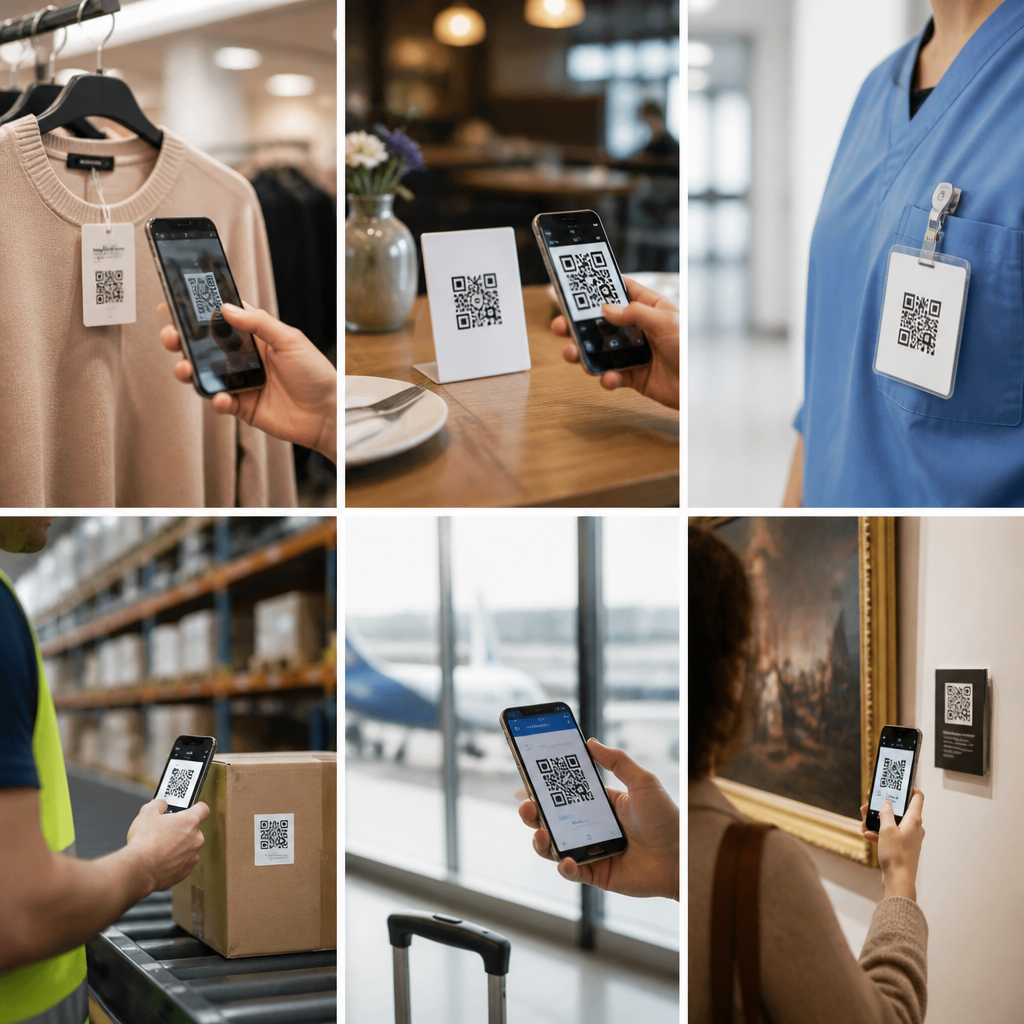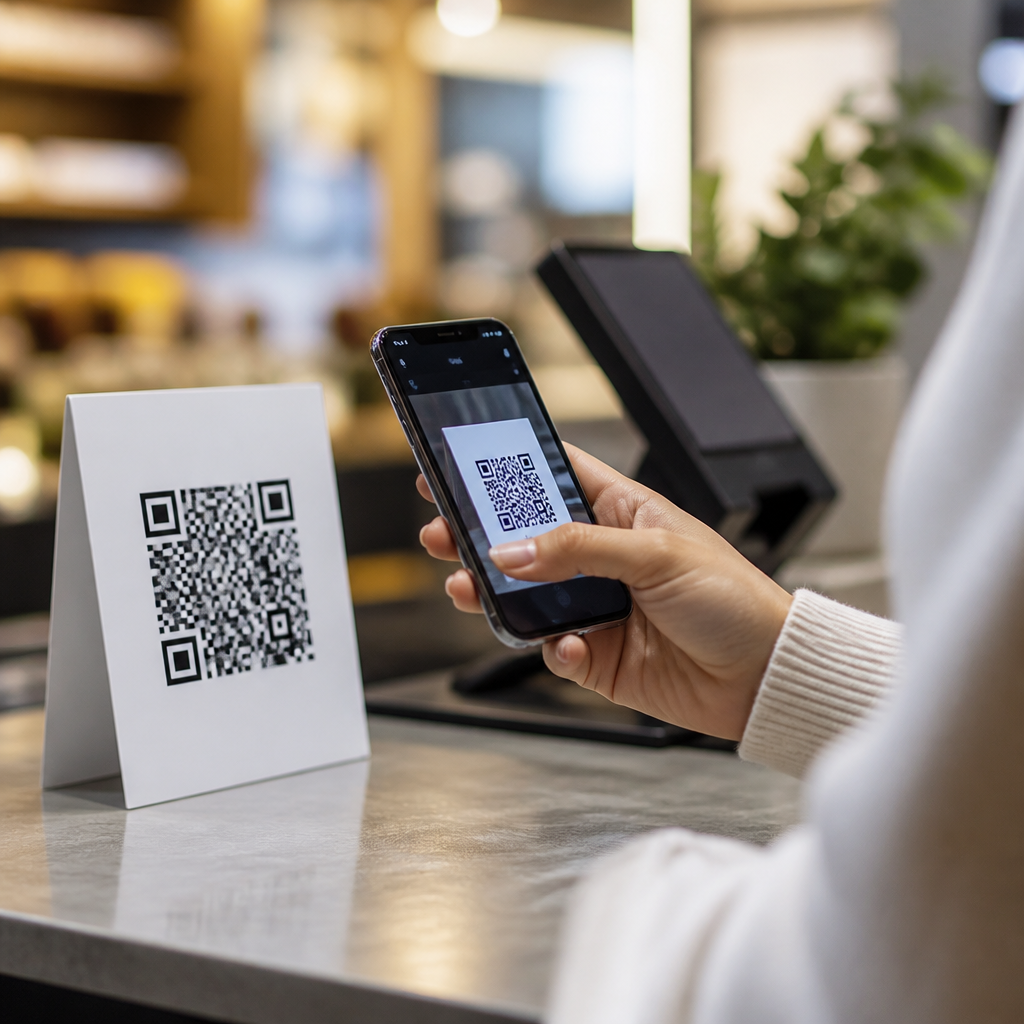
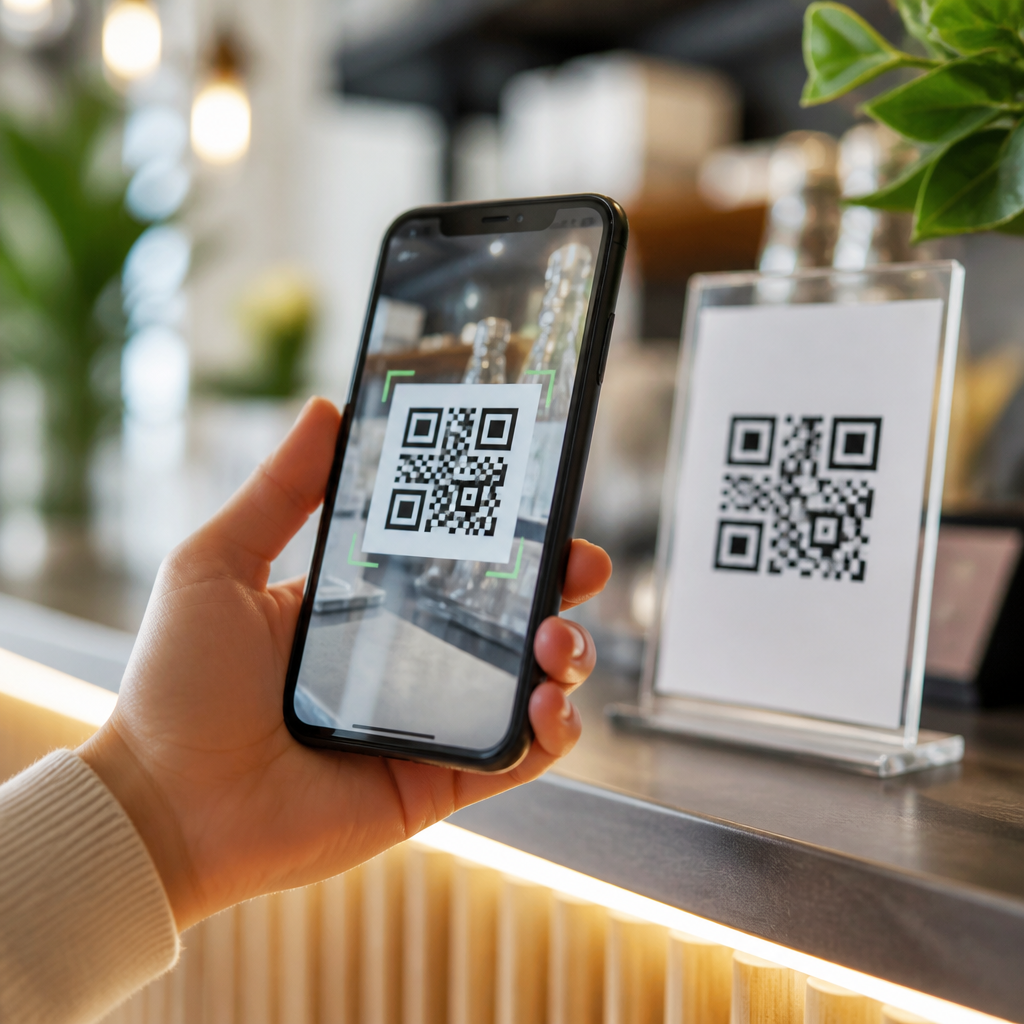
Mobile technology has turned the QR code from a niche industrial label into a mainstream bridge between physical and digital experiences. A QR code, or Quick Response code, is a two-dimensional barcode that stores data such as URLs, payment credentials, app links, menu files, contact cards, and authentication tokens. Its current growth is inseparable from smartphones because cameras, operating systems, mobile wallets, and high-speed networks removed the friction that once limited scanning. When people ask why QR code adoption accelerated so quickly, the direct answer is simple: modern phones made scanning instant, familiar, and useful in daily life.
The future of mobile QR codes matters because smartphones now sit at the center of commerce, identity, service delivery, and customer engagement. In my work on mobile campaigns and retail rollouts, I have seen performance improve the moment a code is placed where a phone can solve an immediate problem, such as paying a bill, joining Wi-Fi, opening a support guide, or verifying a ticket. Adoption is not driven by novelty. It is driven by convenience, lower implementation cost than dedicated hardware, and broad compatibility across iOS and Android ecosystems.
This hub article explains how mobile technology is shaping QR code growth and where the market is heading next. It covers the role of built-in smartphone scanning, wallet integrations, contactless payments, 5G connectivity, app clips and deep linking, augmented reality, security standards, and analytics. It also addresses the limits: poor code placement, low trust, weak lighting, and fragmented user flows still reduce scan rates. Understanding these drivers and barriers is essential for any business building a future of mobile QR codes strategy under the broader QR code trends, statistics, and future landscape.
Why smartphones unlocked mass QR code adoption
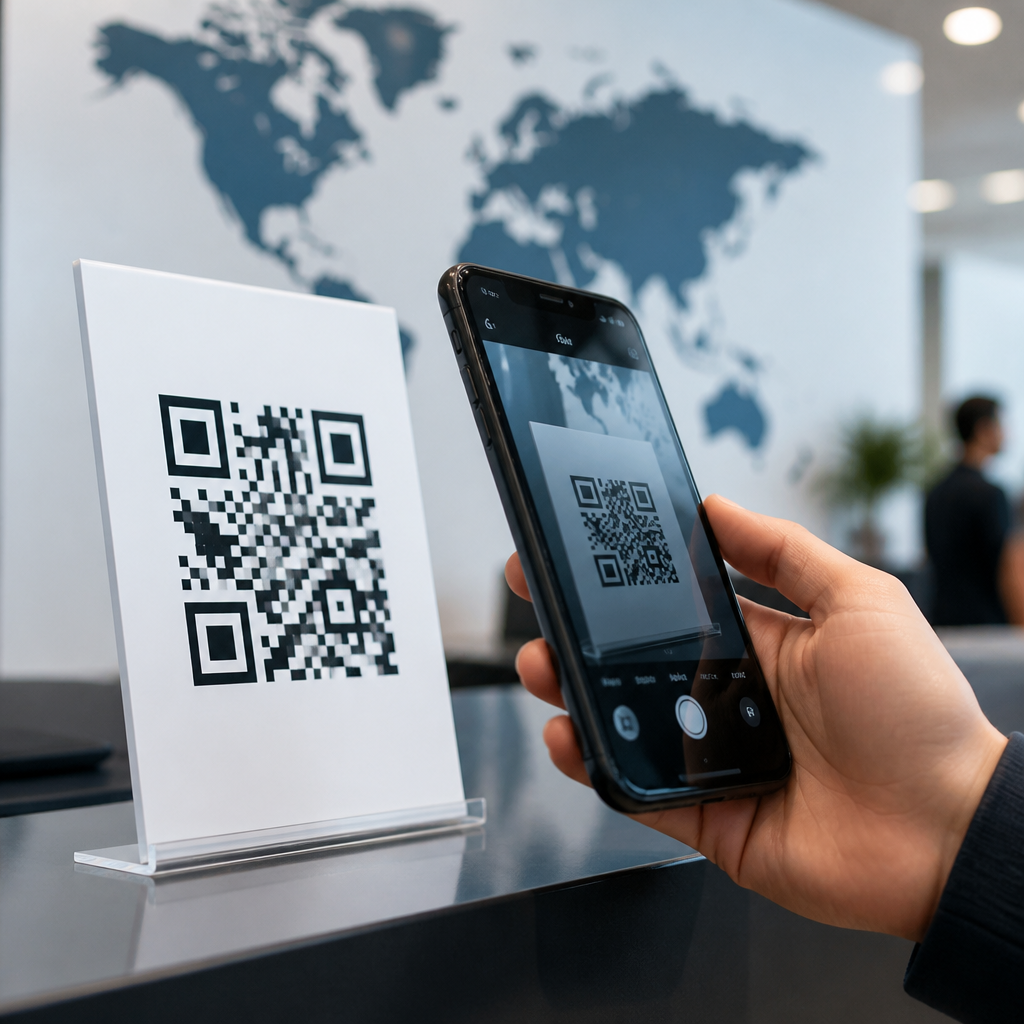
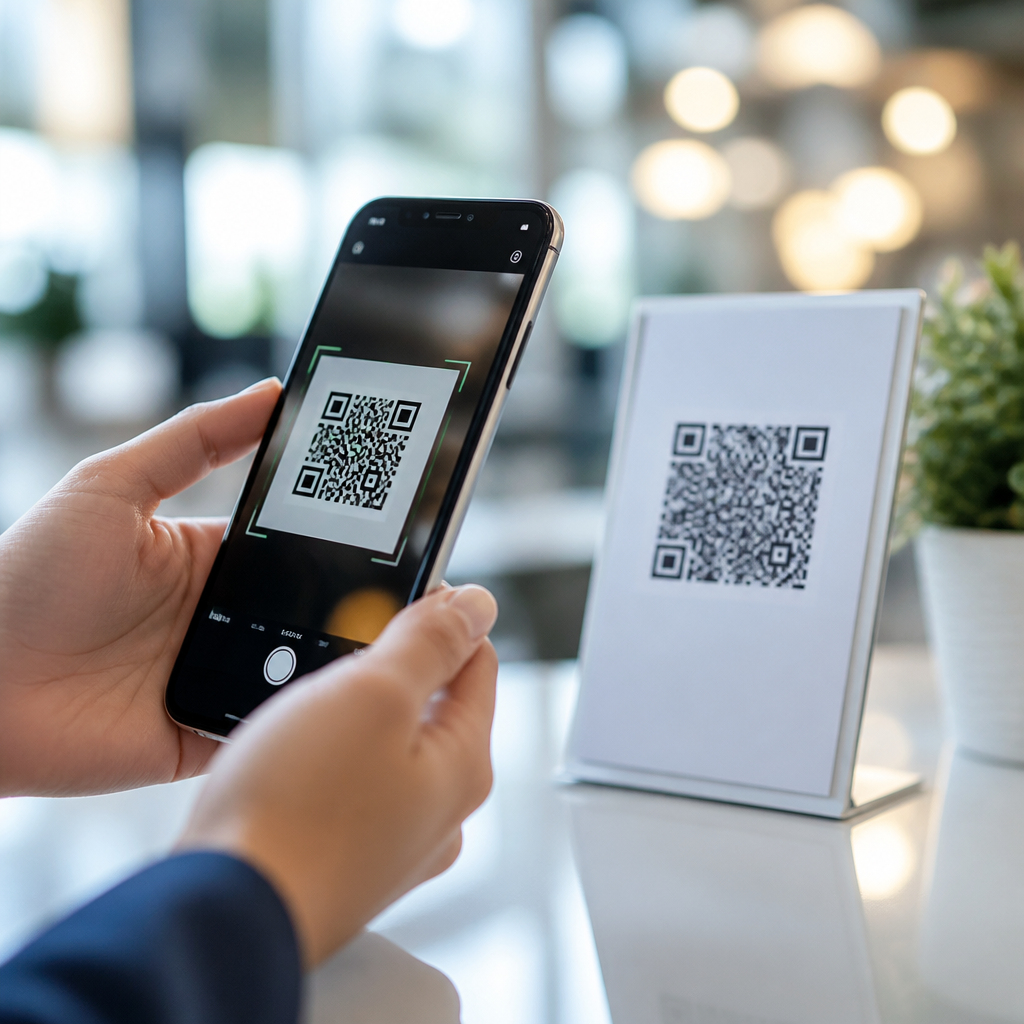
The first major growth catalyst was native scanning inside smartphone cameras. Apple added QR recognition directly in the Camera app with iOS 11 in 2017, and Android vendors followed through Google Lens and OEM camera features. That change removed the biggest historical obstacle: users no longer needed a separate scanner app. Once scanning became a default phone behavior, QR codes gained the same kind of accessibility that links have on the web. A user could point, tap, and complete an action in seconds.
Hardware improvements reinforced that usability. Better low-light performance, autofocus, image stabilization, and high-resolution sensors made small or slightly damaged codes readable. Larger screens also improved post-scan experiences. A code is only as effective as the landing page that follows it, and responsive mobile design, accelerated checkout, and wallet-ready interfaces made the full journey smoother. In field testing, I have repeatedly found that scan intent drops when the phone can read the code but the destination loads slowly or forces desktop navigation. Mobile technology solved both the scan and the destination problem.
Consumer behavior shifted at the same time. People became accustomed to using phones for everything from maps to boarding passes. During the pandemic era, QR codes became normalized for restaurant menus, health check-ins, and touch-free information access. That normalization created durable behavior, not a temporary spike. Once users learn that scanning answers an immediate question faster than searching, they continue using it.
How mobile payments are driving the future of mobile QR codes
Payments are one of the strongest forces behind QR code growth. In many markets, QR-based payments scale faster than card terminal expansion because they are cheaper to deploy and easier for small merchants to adopt. Static merchant-presented codes can route a customer to a wallet or payment app, while dynamic codes can include transaction amounts, order identifiers, or expiry rules. This makes QR payments suitable for pop-up shops, taxis, market stalls, utilities, and enterprise invoicing.
China demonstrated how quickly mobile-first payment behavior can transform QR usage through Alipay and WeChat Pay. India accelerated adoption with UPI and interoperable QR acceptance. In both cases, the phone did not just scan a code; it became the primary payment instrument. That model is influencing other regions as banks, fintechs, and point-of-sale providers integrate account-to-account transfers, wallet passes, and loyalty offers into scan flows.
For businesses, the practical benefit is measurable. QR payment setups often reduce upfront hardware costs, speed cashierless or line-busting checkout, and connect transaction data to CRM or loyalty platforms. The best implementations reduce friction after the scan. A code that opens a prefilled payment screen with clear confirmation performs better than one that sends users through multiple redirects. Mobile technology shapes this growth by embedding biometric authentication, secure elements, and tokenization directly into the payment journey.
Operating systems, apps, and deep linking are making QR codes smarter
The next phase of QR growth is not just about getting users to scan. It is about routing them to the most efficient mobile action. Deep links let a QR code open a specific in-app page rather than a generic homepage. On iOS, App Clips can launch lightweight app experiences without a full install. On Android, Instant Apps and intent routing can achieve similar outcomes. This reduces abandonment because users reach the exact function promised by the code, whether that is redeeming an offer, starting a return, checking order status, or joining a loyalty program.
Dynamic QR codes add another layer of intelligence. Instead of permanently encoding a single destination, they point to a managed redirect that can be updated without reprinting the code. That allows brands to change campaigns, localize content by device language, schedule time-based promotions, or send users to different pages based on operating system. In practice, dynamic codes are the backbone of any serious mobile QR strategy because they support analytics, governance, and testing.
| Mobile capability | How it shapes QR growth | Real-world example |
|---|---|---|
| Native camera scanning | Removes need for separate scanner apps | Customer scans a poster code directly from the iPhone Camera app |
| Deep linking | Sends users to a precise in-app destination | Retail app opens a saved-cart checkout screen after scanning packaging |
| Dynamic redirects | Lets teams update destinations and track performance | Restaurant chain changes menu links by location without reprinting table tents |
| Mobile wallets | Connects scan flows to payment, tickets, and loyalty passes | Event code adds a pass to Apple Wallet or Google Wallet after registration |
| Biometric authentication | Improves security for payments and login approval | User scans to confirm a high-value bank transfer with Face ID |
As these capabilities mature, QR codes become less like static labels and more like mobile entry points into orchestrated customer journeys. The future of mobile QR codes will belong to organizations that treat each scan as a contextual interaction, not just a click substitute.
5G, edge computing, and richer mobile experiences
Faster mobile networks are expanding what can happen after a scan. Early QR implementations mostly opened lightweight web pages because bandwidth and latency were limiting factors. With 4G and now 5G, brands can support richer landing experiences including high-definition product video, interactive product configurators, AR overlays, telehealth intake, and real-time support chat. Edge computing further reduces lag for location-aware or media-heavy experiences, which matters because even small delays increase drop-off.
One emerging pattern is the use of QR codes as launch points for contextual assistance. A field technician can scan a code on equipment and immediately access maintenance history, sensor data, and step-by-step repair guidance on a mobile device. A shopper can scan packaging and view provenance details, allergen information, or a virtual try-on flow. In both cases, mobile technology determines whether the experience feels instant and trustworthy or clumsy and disposable.
This shift is especially important for industries with distributed physical assets. Manufacturing, healthcare, logistics, and hospitality all benefit when mobile connectivity turns a printed code into a live service layer. The code itself remains inexpensive, but the value increases as mobile infrastructure improves around it.
Security, trust, and governance will define sustainable growth
QR code growth is not guaranteed unless trust keeps pace with convenience. The main risks are malicious redirects, code tampering, spoofed payment stickers, and phishing pages designed for small screens. Because users often cannot see the destination before opening it, security design matters. Businesses should use branded domains, HTTPS everywhere, mobile-safe landing pages, and clear preview messaging. Payment implementations should rely on established standards and regulated providers rather than improvised redirect chains.
Governance is equally important. Dynamic QR platforms should provide access controls, expiration settings, audit logs, and campaign ownership rules. Regulated sectors may also need records retention, consent handling, and privacy disclosures. I have seen enterprises underestimate this operational layer, only to discover later that no one knows which team controls a heavily distributed code printed on packaging or store signage.
Users also need education. Simple cues such as “Scan to pay at brand.com” or “Verify the merchant name before confirming” can reduce fraud. The future of mobile QR codes will favor trustworthy implementations that make legitimate scans feel consistent and safe.
What businesses should do next to build a future-ready QR strategy
Companies planning for the future of mobile QR codes should start with utility, not design novelty. Place codes where the user has a clear intent and an immediate payoff: packaging for instructions, receipts for returns, store displays for inventory lookup, invoices for payment, and venues for ticket validation. Optimize the full mobile path with responsive pages, short forms, wallet options, and app deep links where appropriate. Measure scan-through rate, completion rate, device split, time of day, and location performance to learn what actually drives results.
Testing remains essential. Contrast, quiet zone, size, placement height, lighting, and call-to-action wording all affect scan volume. ISO/IEC barcode standards provide useful technical guidance, but field validation matters just as much because real environments are messy. The strongest programs combine reliable code generation with analytics platforms, tag management, and mobile UX review. That is how teams turn simple scans into revenue, support efficiency, and better customer experiences.
Mobile technology will keep shaping QR code growth because the smartphone is now the universal interface for payments, identity, information, and service. Businesses that align QR deployments with real customer tasks, secure infrastructure, and measurable mobile journeys will capture the greatest benefit. Use this hub as your starting point, then map each scan opportunity to a concrete user need and improve from there.
Frequently Asked Questions
1. Why has mobile technology been so important to the growth of QR codes?
Mobile technology is the main reason QR codes moved from limited industrial use into everyday consumer behavior. In the past, scanning often required a separate app, which created friction and reduced adoption. Once smartphone manufacturers and operating systems built QR recognition directly into native camera apps, the experience became almost effortless. A user could simply open the camera, point it at a code, and tap a prompt. That small change dramatically improved usability and made QR codes accessible to a much broader audience.
Just as important, modern smartphones combine several technologies that make QR codes more useful than ever. High-resolution cameras scan faster and more accurately, mobile internet connects users instantly to online content, and app ecosystems allow codes to trigger actions such as opening menus, downloading apps, starting payments, saving contact details, or verifying identities. Mobile wallets and secure authentication features also expanded what a scan could do beyond just opening a webpage. In practical terms, smartphones turned QR codes into a fast link between offline environments and digital experiences, which is why mobile technology is inseparable from QR code growth.
2. How do smartphones make QR code scanning easier for everyday users?
Smartphones simplify QR code scanning by removing technical barriers and making the process feel natural. Most current devices include built-in QR code detection in the default camera app, so users do not need specialized software or prior knowledge. The phone instantly recognizes the code, interprets the embedded data, and presents a clear action such as visiting a website, connecting to Wi-Fi, opening a payment screen, or viewing a file. That immediacy matters because convenience is one of the strongest drivers of repeated use.
Mobile operating systems also improve the overall experience through design and integration. Notifications are cleaner, prompts are more secure, and the phone can hand off the scan result directly to the right app or service. For example, a restaurant menu QR code can open in a browser, a payment QR code can launch a banking or wallet app, and an event check-in code can connect to a ticketing platform. Autofill, saved logins, biometric authentication, and responsive mobile websites all reduce the number of steps after the scan. As a result, the smartphone does not just scan the code; it completes the digital journey in a way that feels fast, familiar, and reliable.
3. What types of experiences and services are driving QR code use on mobile devices?
QR code growth is being driven by a wide range of mobile-first experiences that benefit from speed and low friction. One major category is instant access to information. Businesses use QR codes to connect users to product details, menus, user guides, event schedules, promotional pages, and contact forms without requiring manual typing. This is especially valuable in physical settings where a person wants information immediately, such as in stores, restaurants, transit hubs, packaging, or printed advertising.
Another major growth area is payments and transactions. Mobile wallets, banking apps, and peer-to-peer payment platforms allow QR codes to serve as a quick way to pay or receive money. In many markets, this has made contactless commerce more affordable and scalable because merchants do not always need expensive hardware. QR codes are also widely used for app downloads, loyalty programs, digital tickets, authentication, account sign-ins, and device pairing. In each case, the value comes from using a mobile phone as the action device. The phone scans, processes, authenticates, and completes the task in one place, which is why QR codes continue expanding across retail, hospitality, healthcare, education, transportation, and marketing.
4. How have mobile wallets, faster networks, and app ecosystems accelerated QR code adoption?
These three mobile advancements have played a major role in turning QR codes into a practical mainstream tool. Mobile wallets made QR codes far more valuable by giving users a trusted, familiar way to complete payments, store passes, redeem offers, and manage digital credentials. When people know that scanning a code can lead directly to a secure payment or stored pass on their phone, they are more likely to see QR codes as useful rather than experimental.
Faster networks such as 4G and 5G have also improved the experience by reducing delay after a scan. A QR code is only as effective as the destination it connects to. If a code opens a slow page, fails to load a menu, or struggles to launch a digital payment, the user experience breaks down. High-speed mobile connectivity helps ensure that the transition from physical object to digital content feels seamless. At the same time, app ecosystems give QR codes many possible endpoints. A scan can route to a browser, payment app, authentication service, map, video platform, download page, or customer account portal. That flexibility increases business use cases and consumer familiarity, creating a reinforcing cycle of adoption.
5. What does the future of QR code growth look like as mobile technology continues to evolve?
The future of QR code growth is closely tied to how smartphones continue to improve in convenience, security, and contextual awareness. As cameras become more advanced and software becomes more intelligent, scanning will feel even more seamless. Phones may recognize codes faster in low light, from awkward angles, or within more complex environments such as packaging, digital displays, or moving transit screens. At the same time, stronger on-device security and biometric verification will make QR-based actions like payments, logins, and identity checks more trustworthy for users and businesses.
We are also likely to see QR codes become more deeply integrated into omnichannel customer experiences. Instead of acting as simple links, they will increasingly function as smart touchpoints that connect packaging, storefronts, printed media, in-person events, and connected products to personalized digital journeys on mobile devices. Dynamic QR codes, analytics, localization, and app-based experiences will help businesses measure engagement and adjust content in real time. While newer technologies such as NFC, digital wallets, and augmented reality will continue to grow alongside them, QR codes remain attractive because they are inexpensive, flexible, and easy to deploy at scale. As long as smartphones remain central to daily life, QR codes are likely to keep growing as one of the simplest ways to bridge the physical and digital worlds.