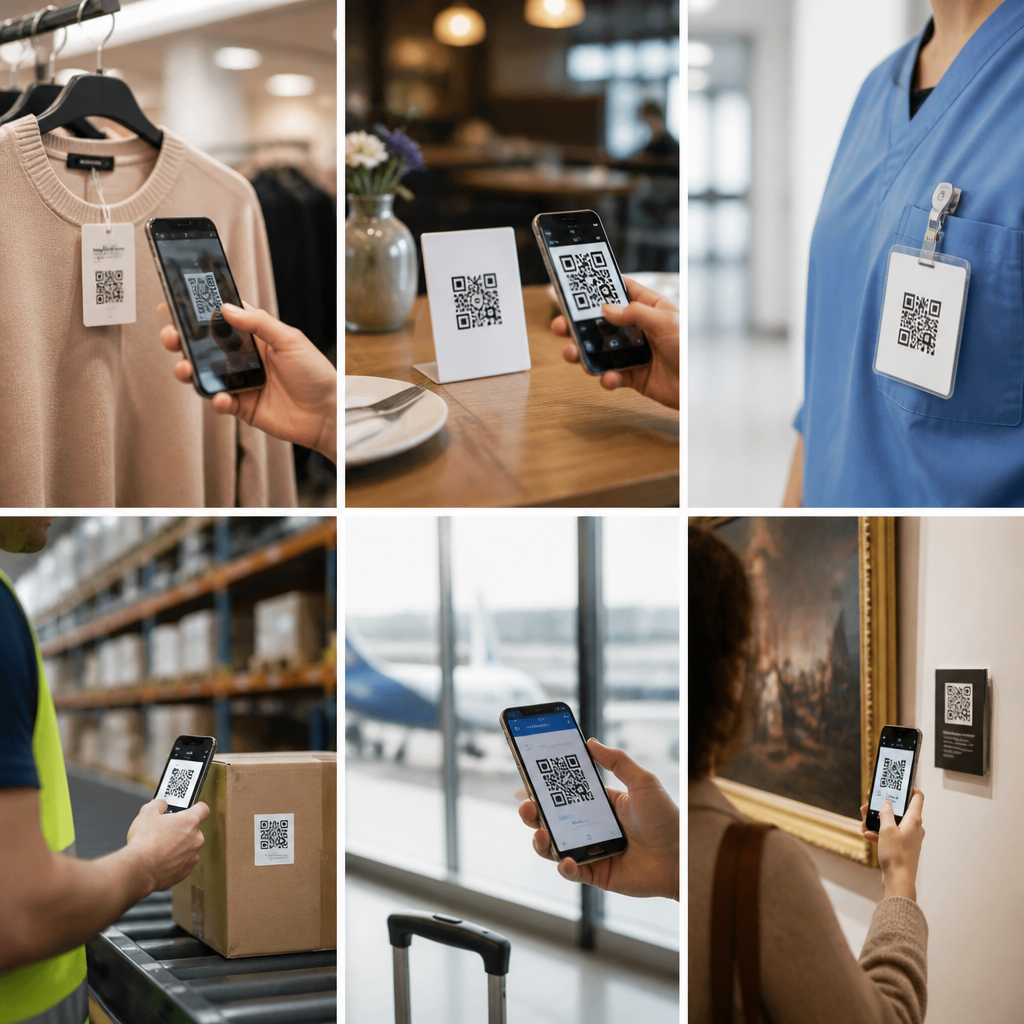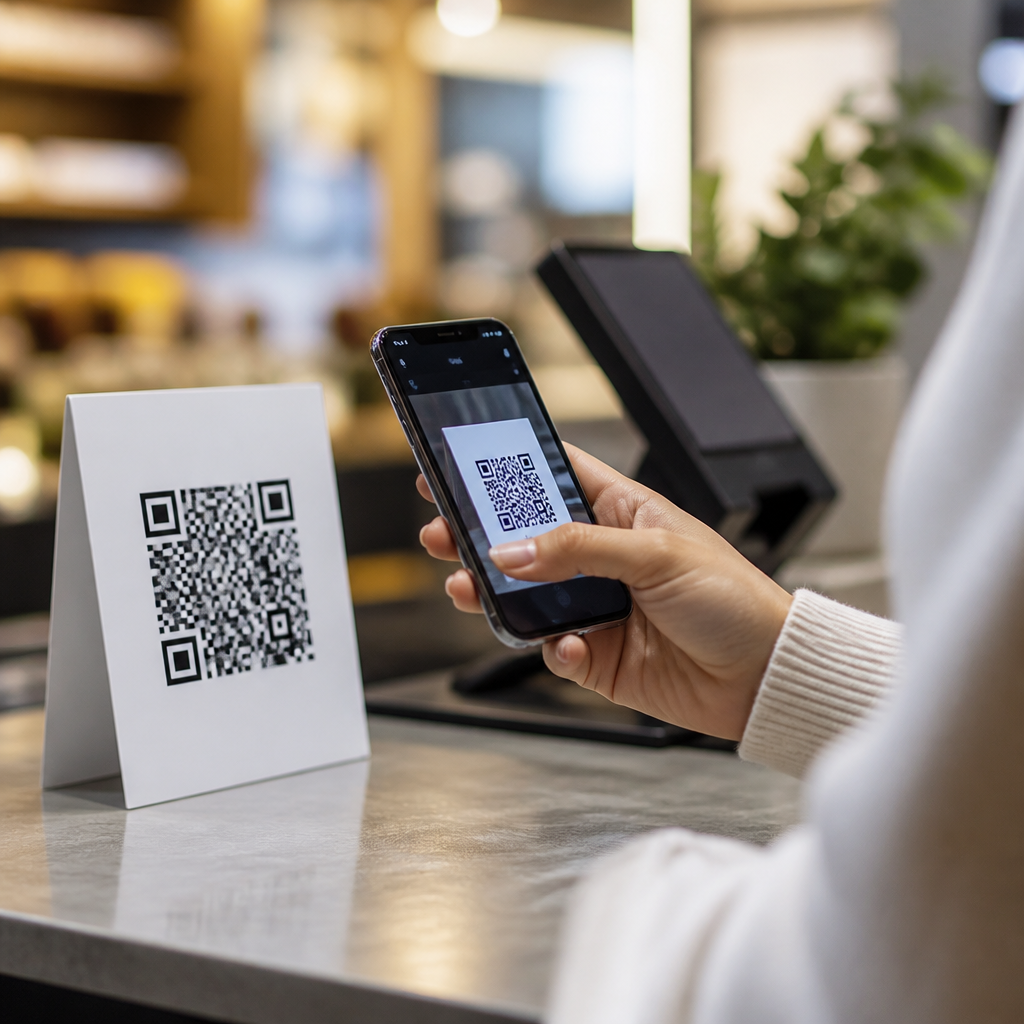
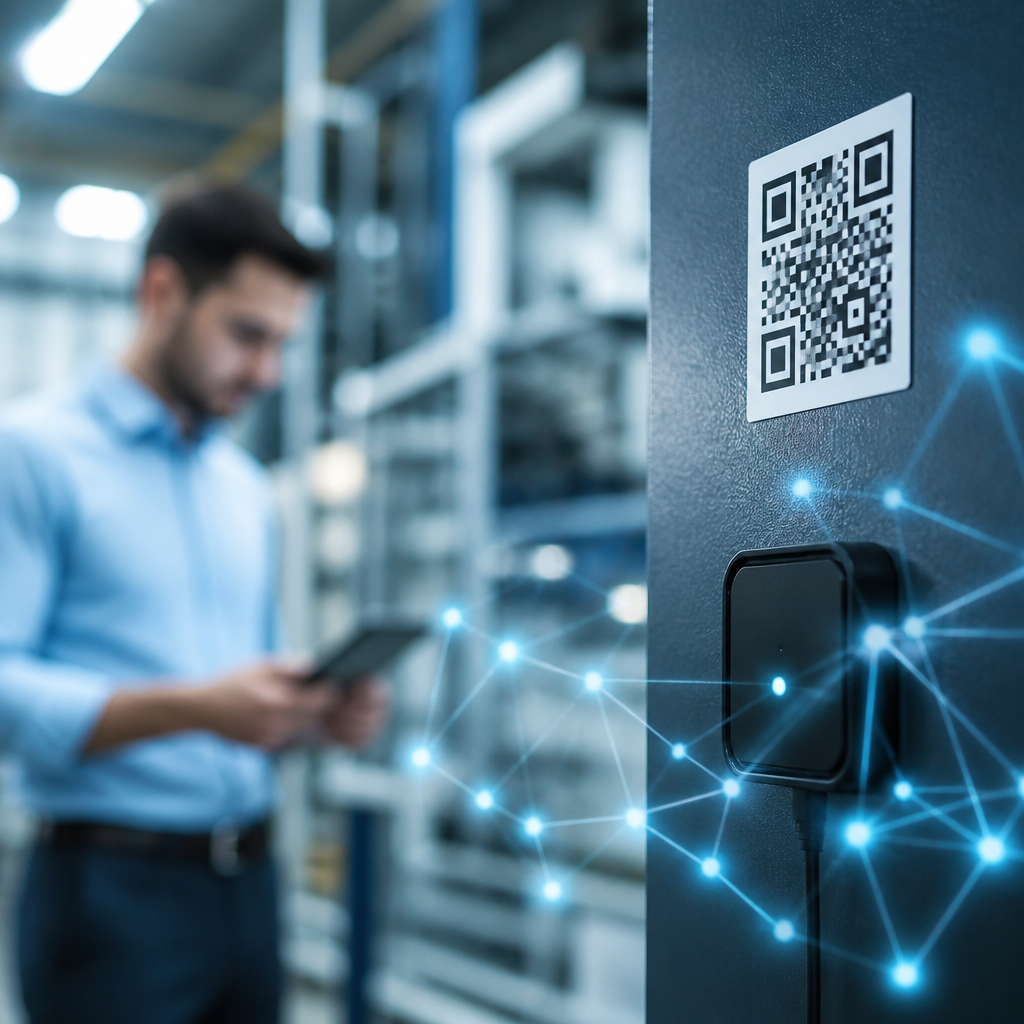
QR codes and IoT integration are moving from a convenience feature to a core layer of digital infrastructure. A QR code, or Quick Response code, is a two-dimensional barcode that stores data such as a URL, device identifier, authentication token, or product record. The Internet of Things, or IoT, refers to connected physical devices that collect, exchange, and act on data through networks and software. When these two technologies work together, a printed or on-screen code becomes a bridge between a person, a mobile device, and a connected object. That matters because the future of mobile QR codes is not just about faster scanning at restaurants or payments at checkout. It is about connecting products, machines, buildings, vehicles, and healthcare assets to useful digital actions at the exact moment someone needs them.
I have worked on QR deployment projects for product packaging, field service workflows, and device onboarding, and the pattern is consistent: adoption accelerates when a scan leads immediately to a practical outcome. A technician scans a code on a pump and opens its maintenance history. A tenant scans a code in a lobby and registers a visitor pass tied to a building access platform. A consumer scans a medicine package and verifies authenticity against a cloud database. Mobile QR codes are becoming the lowest-friction interface for initiating IoT interactions because nearly every user already carries a scanner in a smartphone camera. No app training, manual typing, or specialized reader is required.
This shift also matters for business strategy. Companies want lower support costs, better asset visibility, stronger security, and measurable engagement. QR-linked IoT systems can deliver all four when implemented correctly. They can reduce misidentification of devices, speed onboarding, and create auditable records. They also make physical environments queryable in plain terms: scan to diagnose, scan to authorize, scan to configure, scan to replenish. The future of mobile QR codes will be shaped by dynamic code management, edge computing, digital product passports, privacy regulation, and tighter links between scans and real-time sensor data. Understanding where those changes are headed helps brands, operators, and product teams design systems that remain useful as connected ecosystems mature.
Why mobile QR codes fit naturally into IoT
QR codes solve one of IoT’s oldest usability problems: how a human reliably identifies the right object at the right moment. Sensors and cloud platforms can monitor a device continuously, but a person standing in front of ten similar devices still needs a simple way to select the correct digital record. A mobile QR code can encode a unique identifier, serial number, batch ID, or secure session token. Once scanned, that identifier resolves to the exact asset in an IoT platform such as AWS IoT Core, Azure IoT, or Siemens Insights Hub. This reduces human error compared with manual entry and improves data integrity across service, inventory, and compliance workflows.
Mobile is the reason the model scales. Apple integrated native QR recognition into the Camera app in iOS 11, and Google Lens and Android camera tools made the same behavior mainstream. That removed the adoption barrier that used to limit enterprise QR projects. In the field, I have seen onboarding time for connected devices drop sharply when installers scan a code to claim a device, assign location metadata, and pull the latest configuration from the cloud. The scan acts as both a selector and a permissioned action trigger. It turns a generic smartphone into a reliable control point for IoT operations.
Another reason QR codes fit IoT is cost. NFC, RFID, and custom provisioning hardware each have valid use cases, but printed QR labels are extremely cheap, easy to distribute, and resilient across channels. They can live on packaging, machine housings, shipping labels, manuals, or screens. For consumer scenarios, they avoid requiring users to pair over Bluetooth before any value is delivered. For industrial scenarios, they can complement, not replace, other identification technologies by giving workers a visible fallback path to the same digital record.
Where the future of mobile QR codes is heading
The next phase is dynamic, contextual, and event-driven. Static QR codes that simply open a website are giving way to managed codes linked to rules engines and live device data. A single code on a connected appliance can send a homeowner to different destinations depending on warranty status, language, geolocation, or error condition. A code on a logistics pallet can surface chain-of-custody records during transit, then switch to receiving and condition reports at arrival. This is the practical future of mobile QR codes: one scannable layer, many real-time outcomes.
Digital product passports will expand that role. In the European Union, sustainability, repairability, and traceability requirements are pushing manufacturers to maintain structured records for products and components. QR codes are the most likely consumer-facing doorway to that information because they are cheap, visible, and compatible with phones. In IoT contexts, the passport can connect not only to static manufacturing data but also to live usage history, firmware version, maintenance instructions, and end-of-life handling guidance. That transforms a code from a marketing asset into a persistent service interface.
Authentication will also become more sophisticated. High-value products already use serialized QR codes tied to anti-counterfeit systems, but future implementations will combine one-time tokens, cryptographic signatures, and anomaly detection. A user scan may check whether the item exists, whether it was scanned in an expected geography, and whether tamper events were recorded by connected sensors. In regulated industries such as pharmaceuticals, food, and aerospace, that link between code identity and sensor-backed evidence will matter more than the code image itself.
High-impact use cases across industries
In manufacturing, mobile QR codes increasingly serve as the front end for digital work instructions and machine histories. A line operator scans a code on a robot cell and immediately sees status, last maintenance, spare part numbers, and lockout procedures. If vibration sensors have detected an emerging bearing issue, the same scan can prioritize the relevant repair checklist. This cuts time spent hunting through CMMS records and helps standardize service quality. Plants using platforms like PTC ThingWorx or IBM Maximo often integrate QR labels directly with work order systems for this reason.
In healthcare, the combination of QR and IoT supports safer asset tracking and patient-adjacent workflows. A biomedical technician can scan an infusion pump, verify calibration status, and review location data from RTLS infrastructure. A hospital pharmacy can place serialized QR codes on temperature-sensitive stock and connect each item to cold-chain sensor logs. If an excursion occurs, staff can isolate affected units quickly instead of discarding entire lots. Accuracy improves because the scan confirms the exact device or package before any action is taken.
Retail and consumer goods present another strong example. Smart packaging can connect a QR code to freshness sensors, loyalty systems, and post-purchase support. A customer scanning a coffee bag might see origin details, roast date, brewing guides, and a freshness indicator derived from storage data. A connected water filter might show remaining life, reorder options, and installation videos after a scan. The value is not the code alone; it is the coupling of identity, content, and device state.
| Industry | Typical QR-IoT use case | Main benefit |
|---|---|---|
| Manufacturing | Scan equipment to open live maintenance records | Faster service and fewer identification errors |
| Healthcare | Scan assets tied to calibration and temperature data | Higher compliance and patient safety |
| Logistics | Scan pallets linked to location and condition sensors | Better chain-of-custody visibility |
| Retail | Scan packaging connected to product history and support | Stronger engagement and trust |
| Buildings | Scan rooms or devices for access, service, or reporting | Lower friction for occupants and staff |
Security, privacy, and implementation realities
Security is the main reason some QR-IoT projects stall, and the concern is valid. A QR code can be copied, replaced, or used in phishing attempts if governance is weak. The right response is not to avoid QR; it is to architect the system properly. Use HTTPS everywhere, avoid embedding sensitive credentials directly in the code, and prefer short-lived tokens or device claim workflows. For consumer products, route scans through a managed redirect service so destinations can be updated and monitored. For enterprise environments, tie actions to authenticated sessions, role-based access control, and device certificates rather than trusting the scan alone.
Privacy needs equal attention. A mobile QR code scan can reveal location, timestamp, device type, and user intent. In some settings, that is operationally necessary; in others, it is excessive. The best implementations follow data minimization principles and clearly state what is being collected. If a building services code lets occupants report a problem, they should not need to surrender broad personal data to submit a basic ticket. If a connected product uses scan history for warranty or engagement analytics, retention policies and consent choices should be explicit.
Implementation quality determines whether a QR-IoT program survives beyond a pilot. Labels must be durable, high-contrast, and placed where users can scan them without awkward angles or safety risks. Naming conventions need to match asset registers exactly. Redirect logic should be tested for offline conditions, poor lighting, and multilingual contexts. Most failures I have seen were not caused by the QR format itself. They came from weak content design, inconsistent identifiers, or disconnected back-end systems that prevented the scan from leading to a useful next step.
What businesses should do now
Companies planning for the future of mobile QR codes should start with workflows, not graphics. Identify moments where a person needs immediate, accurate interaction with a connected object: onboarding, troubleshooting, verification, refill, recall, inspection, or resale. Then define the minimum data and system integrations required to make the scan genuinely useful. Dynamic QR management platforms, product information systems, and IoT dashboards should be linked through stable identifiers and documented governance. Measure scan-to-action completion, not just scan volume, because operational value comes from outcomes.
The long-term opportunity is a physical world that behaves more like software: addressable, updateable, and responsive at the point of use. QR codes are not the only interface in that future, but they are the most deployable one today. Used well, they give every connected product or asset a visible entry point that works with the device already in a user’s hand. For brands and operators, that means lower friction, better data, and stronger service continuity. Audit your current customer and asset journeys, find the moments where identification breaks down, and build from there.
Frequently Asked Questions
How do QR codes strengthen IoT connectivity and user interaction?
QR codes strengthen IoT connectivity by giving people a simple, low-friction way to access, identify, and interact with connected devices. Instead of requiring manual entry of serial numbers, complicated app pairing steps, or specialized hardware interfaces, a user can scan a QR code printed on a product, screen, label, package, or control panel. That scan can instantly open a device onboarding page, retrieve a product record, trigger a maintenance workflow, authenticate ownership, or connect the user to a cloud dashboard tied to that specific asset.
In practical terms, this makes QR codes a highly effective bridge between physical objects and digital systems. In an IoT environment, every device needs context: what it is, where it belongs, who owns it, what configuration it should use, and what data permissions apply. A QR code can carry or point to that context in a fast, standardized format. For example, in smart manufacturing, a technician can scan a machine’s QR code to view live telemetry, service history, operating instructions, and alerts. In a smart home, a user can scan a code on a new device to begin setup, join it to a network, and register it with a mobile app in seconds.
Just as importantly, QR codes improve the human side of IoT adoption. Many connected products fail to deliver full value because setup, troubleshooting, and lifecycle management are too complex. QR-driven interactions reduce user friction and help organizations deploy connected systems at scale without relying on lengthy training or support calls. As IoT ecosystems continue to expand, QR codes are increasingly becoming a core access layer that makes connected infrastructure more discoverable, manageable, and usable.
What are the most important use cases for QR codes in IoT today?
Today, the most important QR code use cases in IoT center on device onboarding, asset tracking, authentication, maintenance, and supply chain visibility. One of the biggest is device provisioning. A QR code can encode or reference device identifiers, network details, activation credentials, or registration tokens, allowing a user or technician to quickly connect a sensor, appliance, gateway, or industrial machine to the correct platform. This is especially valuable in large-scale deployments where hundreds or thousands of devices must be activated accurately and efficiently.
Asset management is another major use case. Organizations place QR codes on connected tools, medical equipment, warehouse inventory, utility meters, and factory systems so workers can instantly access status data, inspection logs, calibration records, or location history. Rather than treating the QR code as a static label, businesses use it as an interface into a live digital twin or asset management platform. That makes every scan a gateway to real-time operational intelligence.
Authentication and security are also becoming more significant. In some implementations, scanning a QR code helps verify that a device is genuine, properly registered, or authorized for service. This can help reduce counterfeit risk, streamline access control, and support zero-touch deployment models. In logistics and retail, QR codes linked to IoT sensors can reveal temperature history, chain-of-custody details, or environmental data for sensitive goods such as food, pharmaceuticals, and electronics. Across all of these scenarios, the value comes from combining the simplicity of a scannable code with the dynamic intelligence of connected systems.
What’s next for QR codes and IoT integration over the next few years?
Over the next few years, QR codes and IoT integration will likely evolve from basic linking and setup functions into a more intelligent and secure infrastructure layer. One major shift will be the tighter connection between QR codes, cloud platforms, and digital twins. Instead of simply opening a webpage, a scan will more often launch a personalized, real-time view of a device’s condition, usage patterns, permissions, service needs, and automation options. This will make QR interactions far more contextual and operationally valuable.
Another important development will be dynamic and time-sensitive QR experiences. Rather than relying only on fixed printed codes, organizations will increasingly use QR codes that point to changing device states, rotating authentication tokens, or workflow-specific actions. For example, a field technician might scan the same code at different times and receive different interfaces based on role, location, maintenance schedule, or system health. That kind of adaptive behavior aligns well with the broader move toward intelligent automation in IoT ecosystems.
We are also likely to see QR codes play a larger role in interoperability across fragmented device environments. As businesses struggle to unify devices from multiple vendors, a QR-based interaction layer can simplify onboarding, identity resolution, and service access across platforms. Combined with edge computing, AI analytics, and stronger mobile management tools, QR codes may become a practical standard for connecting people to machine data without forcing them to navigate complex backend systems. In short, the next phase is not just more scanning. It is smarter scanning tied directly to device intelligence, security, and lifecycle orchestration.
Are there security risks in using QR codes with IoT devices?
Yes, there are security risks, and they should be taken seriously. While QR codes are convenient, they can also become entry points for spoofing, phishing, unauthorized access, or manipulation if they are not implemented correctly. A malicious actor could replace a legitimate label with a fraudulent QR code, redirect users to a fake device management page, or attempt to capture credentials during onboarding. In IoT settings, where devices may control physical environments or collect sensitive operational data, that risk extends beyond simple inconvenience.
The good news is that these risks can be reduced through strong design and governance. Organizations should avoid placing sensitive credentials directly in static QR codes unless the data is encrypted and short-lived. A better approach is often to use the code as a pointer to a secure backend system that validates the user, device, and context before allowing access or issuing a token. Digital signatures, rotating links, certificate-based identity, and role-based permissions can all make QR-enabled IoT workflows much safer. Tamper-evident labels and physical inspection procedures are also important in industrial and field environments.
Security awareness matters on the human side as well. Users and technicians should be trained to recognize trusted interfaces, verify domain names, and follow approved scanning procedures. When QR code interactions are built into a broader zero-trust or device identity strategy, they can be both secure and scalable. The key point is that QR codes are not inherently insecure, but they should never be treated as a shortcut around proper authentication, authorization, and monitoring controls.
How can businesses prepare for the future of QR code and IoT integration?
Businesses can prepare by treating QR code and IoT integration as part of their long-term digital infrastructure strategy rather than as an isolated convenience feature. The first step is to define the business outcomes they want to improve, such as faster device onboarding, better field service efficiency, stronger product traceability, reduced support costs, or more transparent customer experiences. Once those goals are clear, organizations can design QR workflows that connect physical assets to the right cloud systems, data layers, and user permissions.
It is also important to standardize device identity and data architecture early. QR codes are most effective when they link into reliable records for each asset, product, or endpoint. That means businesses should invest in clean asset registries, interoperable APIs, lifecycle management processes, and secure authentication frameworks. If a scanned code leads to incomplete, outdated, or siloed information, the value of the entire system drops quickly. Scalability depends on consistency across hardware, software, labeling, and operational workflows.
Finally, companies should plan for governance, user experience, and security from the beginning. This includes deciding who can generate QR codes, how those codes are maintained over time, what happens when devices are transferred or retired, and how scanning events are logged and monitored. Organizations that combine strong backend controls with simple user-facing experiences will be best positioned to benefit from the next wave of QR-IoT innovation. In many industries, the companies that move early will not just improve convenience. They will create more responsive, data-rich, and resilient operating environments.