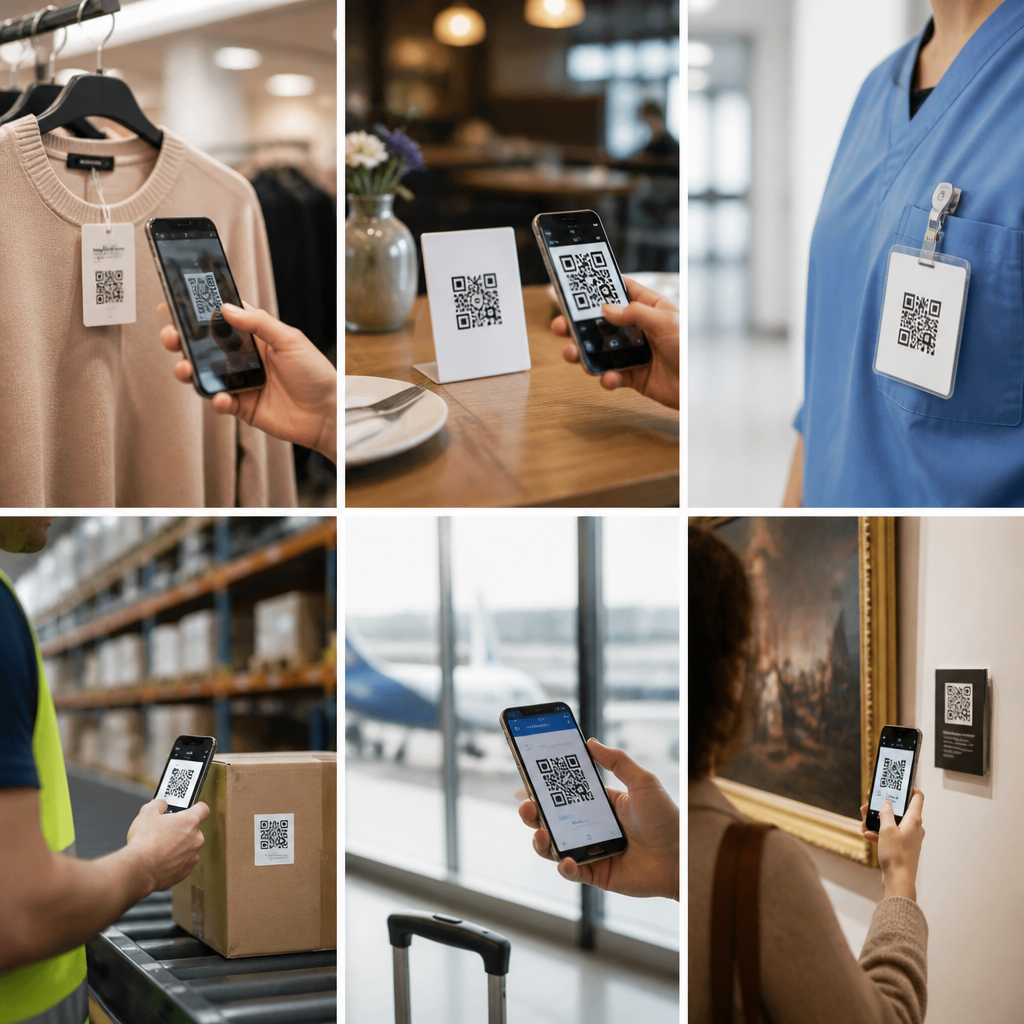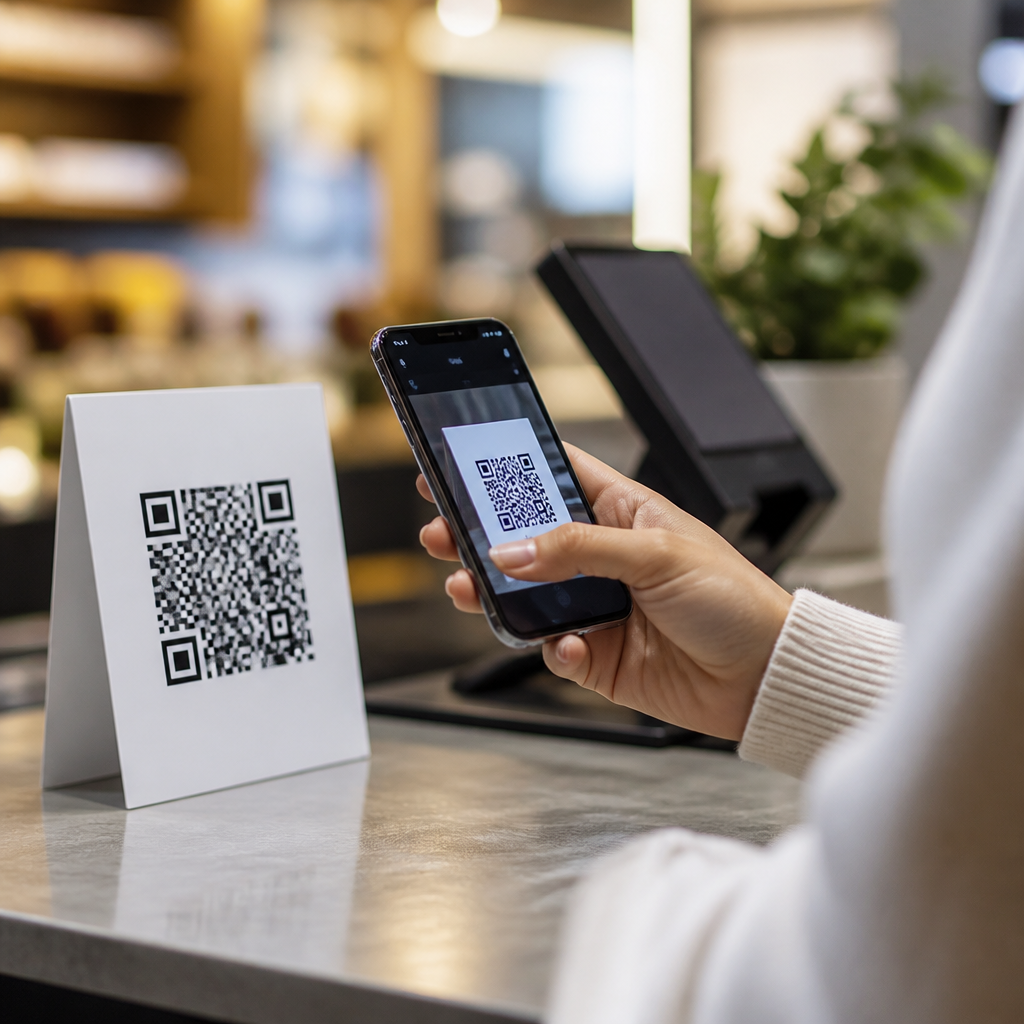
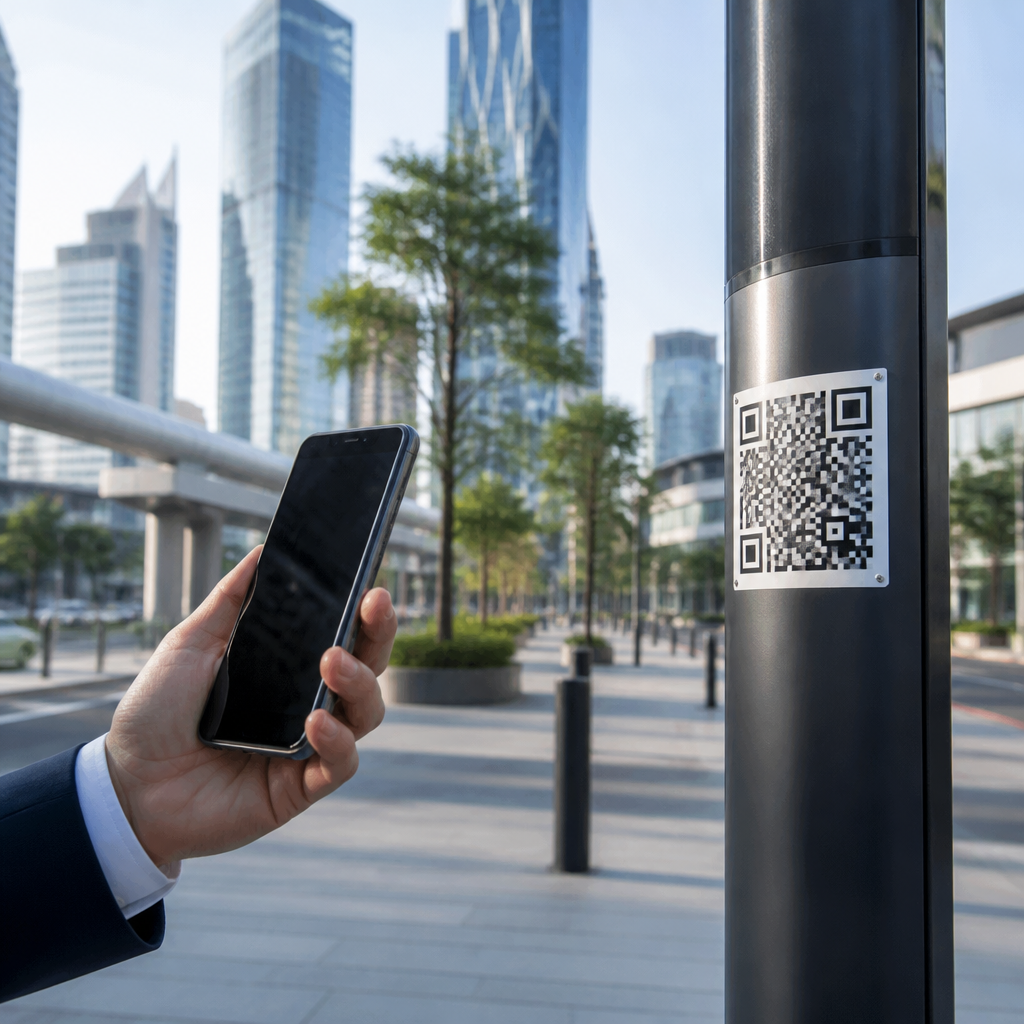
QR codes have moved far beyond restaurant menus and package labels, and in smart cities they are becoming a practical bridge between physical places and digital public services. A QR code, short for quick response code, is a two-dimensional barcode that stores information such as URLs, payment credentials, authentication tokens, or service identifiers. When scanned with a smartphone camera, it can launch actions instantly, making it one of the simplest interfaces a city can deploy at scale. For urban planners, transit operators, utilities, tourism boards, and public health teams, that low-friction access matters because it turns signs, kiosks, tickets, meters, and civic assets into connected touchpoints.
The role of QR codes in smart cities sits inside a larger discussion about the future of mobile QR codes. Mobile QR codes are codes primarily designed to be scanned by smartphones, which now include native camera recognition, wallet integration, and secure payment frameworks. Their importance is growing because cities need low-cost, interoperable tools that work across device brands, income levels, and language barriers. Unlike dedicated hardware systems, QR deployments can often be added to existing infrastructure with modest investment, yet still connect residents to dynamic information in real time.
I have seen municipalities choose QR programs not because they are fashionable, but because they solve stubborn operational problems quickly. A printed code on a bus shelter can link to live arrivals without installing a digital screen. A code on a utility bill can route residents to a mobile payment page without requiring an app download. A code on a park sign can provide multilingual accessibility content, maintenance reporting, and event registration from the same physical surface. That flexibility explains why QR codes are now part of mobility, governance, tourism, sustainability, and emergency response strategies.
Why QR codes fit smart city infrastructure
Smart city infrastructure depends on interoperability, affordability, and speed of deployment. QR codes perform well on all three criteria. They are standardized through ISO/IEC 18004, printable on almost any substrate, readable by mainstream smartphones, and easy to update when paired with dynamic redirects. In practice, this means a city can place codes on lampposts, bins, parking meters, transit stations, library materials, public art, and municipal buildings, then connect each asset to a cloud-managed destination. Instead of replacing hardware, teams can layer digital services onto existing urban environments.
The strongest use case is reducing friction at the point of need. Residents standing in front of a parking meter need payment options immediately, not after searching a municipal website. Visitors at a trailhead need maps, safety rules, and accessibility details where they are, not later. Maintenance crews need asset histories on site. A QR code creates a direct path from place to service, which is why it continues to outperform more complex technologies in many public scenarios.
Transit, mobility, and contactless movement
Public transportation has become one of the clearest examples of the future of mobile QR codes. Transit agencies use codes for mobile ticketing, fare inspection, bike-share unlocks, scooter onboarding, and live service updates. During the pandemic, many systems accelerated contactless fare options, and that behavioral shift remained. Riders now expect to buy a pass on a phone, store it in a wallet, and present a scannable code at gates or to inspectors. This lowers dependence on proprietary cards while supporting occasional riders and tourists.
In multimodal cities, QR codes also help connect fragmented systems. A commuter can scan a code at a rail station to download the local transit app, buy a day pass, locate nearby bike docks, and receive disruption alerts. Operators benefit because dynamic codes can encode route-specific or station-specific parameters, improving attribution and service analysis. When a shelter code gets heavy use during delays, planners can identify information gaps and prioritize signage or frequency improvements.
Payments, public services, and urban commerce
City payments are another major growth area. QR-based payments can support parking, congestion pricing, market stall permits, museum entry, municipal fines, and utility collection. In regions where account-to-account payment rails are widespread, QR acceptance can be cheaper than card infrastructure and easier for small vendors operating in public spaces. Even in card-dominant markets, codes extend access by letting users pay through digital wallets, banking apps, or hosted checkout pages with fewer steps.
Public service delivery improves as well. Codes on government forms can route residents to digital applications, appointment booking, document checklists, and status portals. Housing departments can place codes in community centers that link directly to local assistance programs. Sanitation departments can add codes to bins or collection calendars so residents can report missed pickups or request bulk collection. The key advantage is context: the code appears exactly where the need arises, reducing abandonment and call-center volume.
Tourism, culture, and citizen engagement
Smart cities are not only about sensors and networks; they are also about better civic experiences. QR codes have become a practical storytelling and engagement tool for tourism boards, museums, heritage sites, and neighborhood programs. A plaque on a historic building can trigger audio narration in multiple languages. A mural code can present the artist’s notes, accessibility transcripts, and nearby business offers. Event organizers can use venue-specific codes for schedules, wayfinding, and emergency instructions without printing thousands of revised brochures.
Citizen engagement benefits when codes are paired with feedback loops. I have worked on campaigns where construction notices included QR links to project timelines, detour maps, and short surveys. Participation rates were significantly higher than with generic homepage links because the request was immediate and specific. People are more willing to engage when the action takes seconds and the page already knows the project, location, or service category they care about.
Data, management, and measurable outcomes
The future of mobile QR codes in smart cities depends on disciplined management, not just widespread placement. Static codes point to fixed destinations and are useful for simple, durable applications. Dynamic codes route through a management platform, allowing destination changes, analytics, A/B testing, language routing, and campaign governance without replacing printed materials. For municipal teams, that is crucial because physical assets stay in place for years while digital content changes frequently.
| Use case | Best QR approach | Why it works |
|---|---|---|
| Bus stop live arrivals | Dynamic QR code | Destination can change by route, service alert, or language |
| Utility bill payment | Dynamic QR code | Supports payment provider updates and campaign tracking |
| Museum object label | Static or dynamic | Static works for stable pages; dynamic helps with multilingual updates |
| Asset maintenance tag | Dynamic QR code | Links to service logs, forms, and authenticated staff tools |
Analytics should be interpreted carefully. Scan counts alone do not prove success. Better measures include completed payments, reduced support calls, form completion rates, dwell time on service pages, repeat use by location, and accessibility engagement. Leading teams connect QR analytics with tools such as Google Analytics 4, Adobe Analytics, mobile deep links, CRM records, and ticketing systems. That creates a fuller picture of resident behavior and service performance.
Security, privacy, and accessibility requirements
QR codes are effective only when people trust them. Cities must account for phishing, sticker tampering, malicious redirects, and poor destination hygiene. The best defense is governance: use branded short domains, HTTPS everywhere, visible human-readable URLs where possible, routine physical inspections, and redirect management with access controls. Payment destinations should use PCI-compliant processors, while staff-facing maintenance flows should require authentication rather than exposing sensitive records through open links.
Privacy also matters. Municipal QR programs should collect only the data required for service improvement and disclose tracking practices clearly. Location-level reporting can often be useful without identifying individuals. Accessibility standards should be treated as mandatory, not optional. The landing page must meet WCAG guidance, support screen readers, load quickly on mobile networks, and provide language selection. Physical placement matters too: if a code is too high, poorly lit, reflective, or impossible to scan from a wheelchair position, the system fails in the real world.
What comes next for mobile QR codes in smart cities
The future of mobile QR codes will be shaped by convergence with digital identity, wallets, IoT systems, and AI-driven service layers. Codes are increasingly becoming launch points rather than destinations. A single scan may open a wallet pass, authenticate a visitor, trigger indoor navigation, attach a case ID to a service request, or personalize the content based on time, language, and location. Combined with universal links and app clips, cities can deliver app-like experiences without forcing a full installation.
Several trends are especially important. First, dynamic QR governance platforms will mature, giving city teams version control, permissions, and asset inventories across departments. Second, payment standards and open banking rails will make QR transactions more mainstream in public settings. Third, digital product passports and circular economy initiatives may push cities to use QR systems in waste sorting, repair networks, and public procurement transparency. Fourth, AI assistants will increasingly surface the content behind municipal codes, so destinations must be structured, accurate, and current.
QR codes will not solve every smart city challenge. They depend on smartphone access, mobile connectivity, and clear user intent. In some cases, NFC, Bluetooth, dedicated displays, or staffed service points are better choices. But as a scalable mobile interface, QR technology remains one of the most cost-effective tools cities can deploy. The biggest benefit is not the code itself; it is the ability to connect streets, services, and citizens through a simple action almost anyone can perform.
For city leaders and urban technology teams, the path forward is straightforward: start with high-friction public journeys, deploy dynamic QR codes where context matters most, measure service outcomes instead of vanity scans, and maintain strong security and accessibility standards. Done well, QR codes turn ordinary infrastructure into responsive digital entry points. That is why they will remain central to the future of mobile QR codes and to the practical evolution of smart cities. Audit your public touchpoints, identify the moments where people need instant access, and build from there.
Frequently Asked Questions
What role do QR codes play in a smart city ecosystem?
QR codes act as a simple, low-cost connection point between physical city infrastructure and digital public services. In a smart city, that matters because residents, commuters, and visitors constantly move through spaces where they need fast access to information or transactions without downloading a new app or navigating a complex website. A QR code placed on a bus stop, parking meter, utility box, public building, event sign, or street asset can instantly direct someone to a real-time schedule, a payment portal, a maintenance request form, a public notice, or a multilingual information page.
What makes QR codes especially valuable is that they reduce friction. Cities often invest heavily in back-end systems for transportation, permitting, payments, alerts, and citizen engagement, but those systems only create value when people can access them easily. QR codes provide a practical front-end interface that most smartphone users already understand. They can support transit ticketing, wayfinding, tourism, public health messaging, waste and recycling instructions, emergency updates, and access to digital identity or authentication workflows.
They also fit well into a broader smart city strategy because they are flexible and scalable. A city can deploy them quickly, update linked content without replacing signage when dynamic QR systems are used, and integrate them with analytics to understand usage patterns. In that sense, QR codes are not the smart city itself; they are an accessible tool that helps residents interact with smart city services in everyday settings.
How are QR codes used in public services and city infrastructure?
Public-sector use cases for QR codes are broad because cities manage so many touchpoints across transportation, utilities, public spaces, and administration. In transit, QR codes can be used for mobile ticketing, station information, route maps, service alerts, and first- or last-mile mobility options such as bike share or scooter rentals. At parking facilities and curbside spaces, they can enable contactless payments, permit verification, and access to local parking rules.
In city facilities, QR codes can guide residents to online forms for permits, tax payments, appointment scheduling, or service directories. In parks and public spaces, they can link to maps, historical information, accessibility details, trail conditions, and event schedules. On public works assets such as streetlights, benches, waste bins, hydrants, or traffic cabinets, QR codes can help field crews identify equipment, log maintenance, verify inspections, and pull up asset records in real time.
They are also useful for citizen reporting. A resident who notices graffiti, potholes, damaged signage, or overflowing bins can scan a nearby code and submit a location-specific report without needing to search for the correct department. During emergencies or disruptions, codes posted at shelters, public buildings, or transit hubs can route people to current updates, assistance resources, evacuation guidance, or multilingual instructions. In practice, QR codes help cities make services more immediate, more discoverable, and easier to use at the exact moment a person needs them.
Why are QR codes considered a practical technology for large-scale city deployment?
QR codes are practical because they offer a rare combination of low implementation cost, broad public familiarity, and high utility. Unlike specialized hardware, they do not require residents to own a dedicated device beyond a smartphone, and most modern phones can scan them directly through the camera. For city governments working within budget constraints, that makes QR codes appealing as a lightweight layer that can sit on top of existing digital systems rather than requiring a complete rebuild of infrastructure.
They are also easy to deploy physically. A code can be printed on signs, decals, kiosks, utility stickers, posters, transit shelters, or public notices. If a city uses dynamic QR codes, the destination can be changed centrally without reprinting the code itself, which is especially useful when policies, URLs, schedules, or service workflows change. This flexibility supports pilot programs and phased rollouts, allowing agencies to test adoption before expanding citywide.
Another advantage is interoperability. QR codes can point to web apps, payment gateways, mapping tools, customer service systems, digital forms, authentication pages, or open data dashboards. That means different departments can use the same basic interface pattern while connecting to different back-end platforms. When combined with analytics, cities can also measure scan volume, location-based engagement, and service demand trends. In short, QR codes are practical because they are simple enough for mass adoption but versatile enough to support sophisticated smart city interactions.
What security, privacy, and accessibility concerns should cities consider when using QR codes?
Security and trust are essential because QR codes are easy to create and easy to place in public environments. One of the biggest risks is code tampering, where a legitimate city code is covered or replaced by a malicious one that redirects users to phishing pages, fake payment portals, or malware. To reduce this risk, cities should use durable, tamper-evident materials, inspect high-traffic installations regularly, and ensure that linked destinations use official domains with clear branding and HTTPS encryption. Public education also helps; residents should know how to verify they are interacting with an official city service.
Privacy matters as well. If a QR code leads to a service that collects personal data, payment credentials, location information, or authentication details, the city should apply strong data minimization practices and be transparent about what is being collected and why. A scan itself can generate useful analytics, but those analytics should be governed responsibly, especially when tied to individual user sessions or identity systems. Clear consent flows, published privacy notices, and secure integrations are important for maintaining public confidence.
Accessibility is equally critical. QR codes should never be the only path to an essential public service. Not every resident has a smartphone, reliable mobile data, or comfort with digital tools. Codes should be accompanied by readable text, short URLs, phone numbers, and where appropriate, multilingual instructions. Placement should consider wheelchair access, visibility, lighting, and legibility. If the linked page is not mobile-friendly or accessible to screen readers, the code fails many users. For QR codes to support inclusive smart city services, they must be implemented as part of a broader human-centered design strategy, not as a one-size-fits-all shortcut.
How might QR codes evolve as smart cities become more connected and data-driven?
As smart cities mature, QR codes are likely to become more integrated with real-time systems, identity frameworks, and contextual public services. Rather than serving only as static links, they can function as gateways into dynamic experiences. A code at a transit stop might open a page that adapts instantly based on live arrivals, service disruptions, crowding conditions, language preferences, and accessibility needs. A code on public infrastructure could connect maintenance crews to asset histories, sensor readings, compliance logs, and repair workflows from a single scan.
QR codes may also play a larger role in secure transactions and authenticated access. In city programs involving digital permits, resident benefits, event entry, public facility access, or mobility subscriptions, codes can work alongside identity verification systems and time-sensitive tokens. This can improve efficiency while still using an interface the public already recognizes. In tourism and placemaking, codes may become richer storytelling tools, linking landmarks and neighborhoods to audio guides, augmented reality layers, cultural archives, and local business ecosystems.
Perhaps most importantly, QR codes will continue to matter because they solve a very practical problem in urban technology: how to make advanced systems easy to reach in the real world. Even as sensors, AI platforms, connected infrastructure, and digital twins become more sophisticated, cities still need intuitive entry points for human interaction. QR codes are likely to remain relevant not because they are flashy, but because they are fast, familiar, and effective at turning public spaces into access points for digital services.