QR codes have become a practical bridge between physical travel experiences and digital planning, and nowhere is that more visible than in modern tourism campaigns. In travel and tourism, a QR code is a scannable matrix barcode that sends a visitor to content such as booking pages, itineraries, maps, attraction details, coupons, reviews, or multilingual guides. I have used them across destination marketing, hotel operations, museum interpretation, and event wayfinding, and the pattern is consistent: when the code solves a real traveler need in the exact moment it appears, scan rates and conversion rates rise. This matters because tourism marketing has to serve audiences before, during, and after a trip. Printed brochures, airport posters, attraction signage, transit ads, menus, tickets, and hotel room materials all create moments of intent. QR codes turn those moments into measurable digital actions. For destination marketing organizations, airlines, cruise brands, hotels, and attractions, that means lower friction, better attribution, and more personalized engagement. For travelers, it means faster access to useful information without typing long URLs or downloading an app first.
As a hub for case studies and success stories, this article examines how QR codes perform in travel and tourism campaigns, what use cases produce meaningful results, where implementation often fails, and how to evaluate success. It also connects campaign tactics to broader commercial outcomes such as direct bookings, ancillary revenue, satisfaction scores, dwell time, and operational efficiency. The strongest programs do not treat QR codes as decoration. They treat them as a channel with clear audience intent, disciplined landing page design, strong analytics, and content that respects context. A code on a heritage plaque should not lead to a generic homepage. A code on a boarding gate display should not open a desktop-only page. When travel brands align placement, message, and mobile destination, QR codes become one of the simplest high-impact tools in the campaign mix.
Why QR codes work in travel journeys
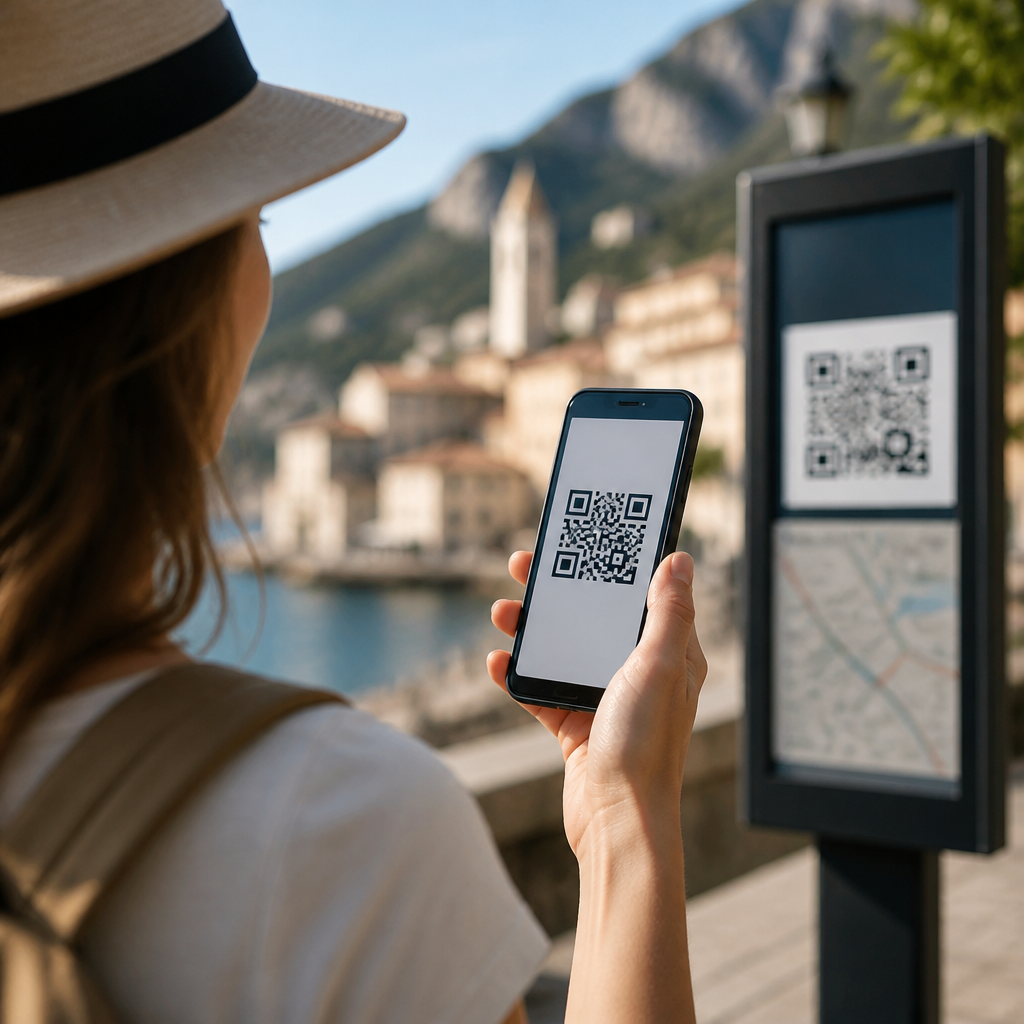
Travel is full of transitional moments: researching destinations, navigating airports, checking into hotels, waiting for tours, dining, and exploring neighborhoods. Each moment creates a micro-intent. In my work, the best-performing QR campaigns map codes to these exact points of friction or curiosity. A traveler standing in front of a landmark wants interpretation and language support. A guest in a hotel lobby wants spa booking, late checkout, or restaurant reservations. A passenger seeing a transit shelter ad wants directions, fare information, or destination inspiration. The strength of the format is immediacy. The traveler already has a smartphone in hand, and modern phone cameras scan codes natively on iOS and Android, removing the app barrier that slowed adoption a decade ago.
QR codes also solve a measurement problem that has always limited offline travel media. Posters, brochures, out-of-home placements, museum labels, and print ads traditionally produced weak attribution. By assigning unique dynamic QR codes to each placement, marketers can measure scans by location, time, device type, and campaign creative. Dynamic codes can be edited after printing, which matters in tourism because schedules, landing pages, weather advisories, and seasonal offers change often. UTM parameters, Google Analytics 4, Adobe Analytics, and CRM integrations make it possible to connect a scan to newsletter signups, booking engine sessions, ticket purchases, or loyalty enrollments. That closes the loop between physical presence and digital performance in a way static print never could.
Case study patterns across destinations, hotels, attractions, and transport
Destination marketing organizations often use QR codes in airport arrivals halls, visitor centers, street furniture, and print collateral to drive visitors into curated landing pages. A strong destination example usually includes multilingual content, geolocation-based suggestions, and itinerary modules such as “48 hours in the city” or “family-friendly rainy day activities.” In one city campaign format I helped structure, neighborhood banners each used a different dynamic code linked to walking maps, local business offers, and event listings. The result was not simply more scans; it revealed which districts generated the highest engagement and what time visitors explored them, informing future media placement and merchant partnerships.
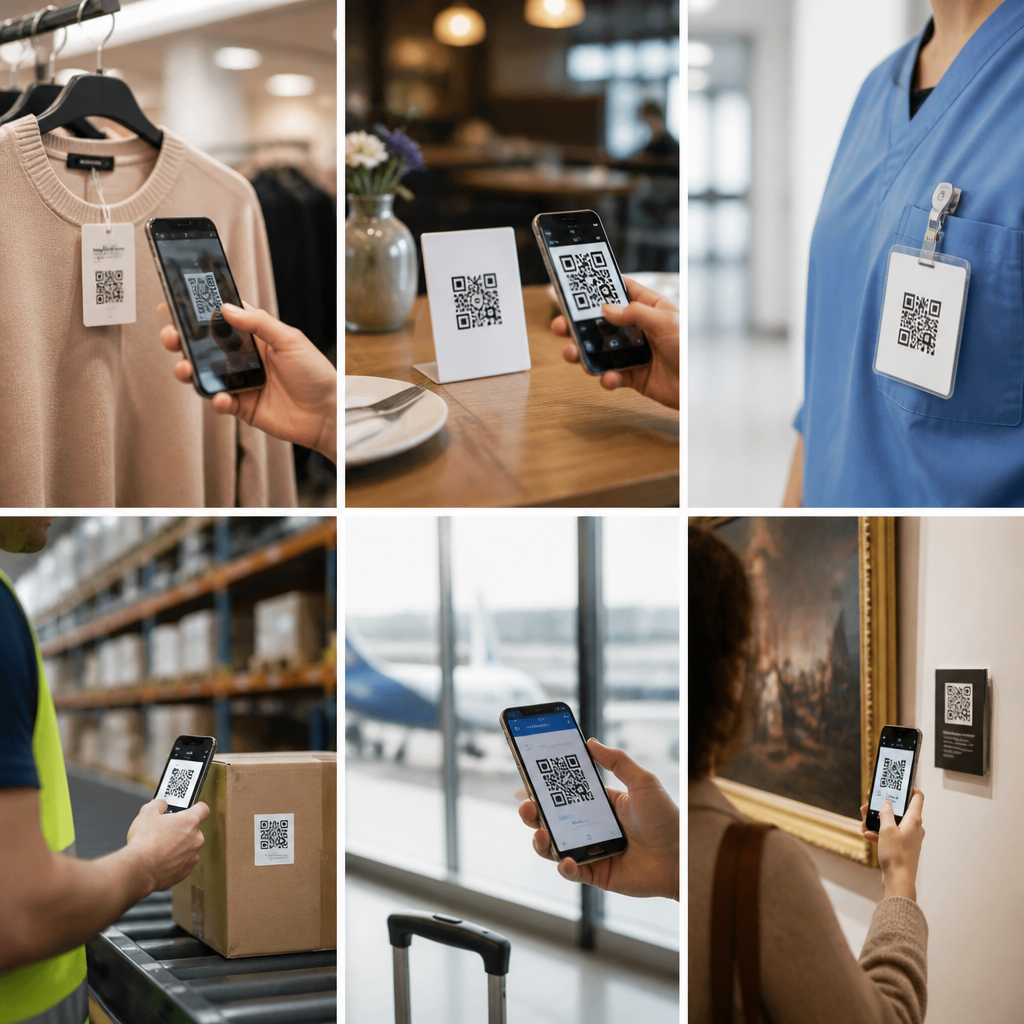
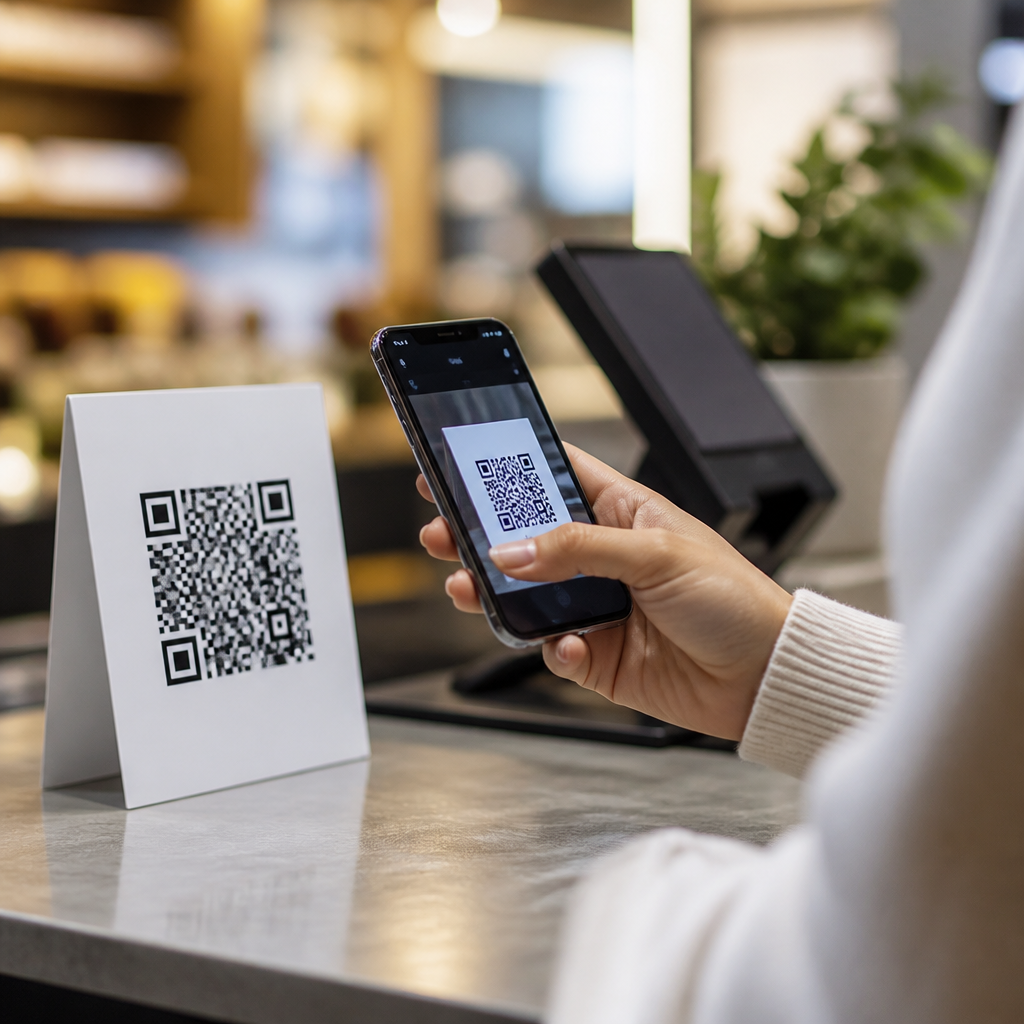
Hotels use QR codes both in marketing and operations. Campaign success stories often start with pre-arrival emails, lobby signage, in-room tent cards, poolside menus, and conference materials. Marriott, Hilton, and Accor properties have all tested contact-light guest experiences that use scannable menus, digital compendiums, amenity booking flows, and local recommendation pages. In practice, the highest-value hotel use cases are not generic room-service menus. They are revenue-generating actions such as spa reservations, premium dining, airport transfer booking, and upsell packages. A code by the elevator promoting late checkout can convert because it appears when guests are already thinking about departure timing.
Attractions and cultural sites get especially strong value from QR codes because visitors seek context. Museums, heritage sites, zoos, and city trails use them for audio guides, accessibility support, archival images, and children’s content. The Louvre, Smithsonian institutions, and many UNESCO-linked sites have explored mobile interpretation layers in different forms, although execution quality varies widely. When codes are placed near exhibits with a clear prompt like “Hear the curator explain this artifact in two minutes,” visitors understand the benefit immediately. Generic prompts such as “Scan for more” usually underperform because they force the visitor to guess the reward.
Transport and mobility brands use QR codes to reduce uncertainty. Airlines place them on airport signage, check-in kiosks, and printed materials to direct travelers to gate updates, baggage rules, destination entry requirements, and loyalty offers. Rail operators use them for timetables, disruption updates, and station maps. Cruise operators add codes in terminals and onboard spaces to support excursion sales, deck navigation, and safety information. These are not glamorous uses, but they are effective because they remove friction during stressful moments. In travel, utility consistently outperforms novelty.
What successful campaigns have in common
The consistent success factors are clear call-to-action language, strong mobile landing pages, dynamic code management, and rigorous testing. The wording beside the code matters more than many teams expect. “Scan to unlock today’s city pass discount” performs better than “Learn more.” “Scan for the multilingual audio guide” beats “More information.” Every high-performing campaign I have reviewed made the value exchange explicit. Travelers scan when they know what they will get, how long it will take, and why it helps right now.
Landing page design is equally important. The first screen should load fast, fit the traveler’s context, and avoid forcing unnecessary app installs. Google’s Core Web Vitals principles matter here because poor mobile performance can erase scan intent in seconds. Pages should support Apple Maps and Google Maps links, tap-to-call actions, one-click translation options, and booking modules above the fold. If connectivity is weak, lightweight pages win. For outdoor tourism, compressed images, cached maps, and concise copy often outperform visually heavy destination pages.
| Travel setting | Common QR goal | Best landing page outcome | Main KPI |
|---|---|---|---|
| Airport arrival zone | Trip planning | Localized itinerary page | Sessions to bookings |
| Hotel room | Upsell services | Spa, dining, late checkout offers | Ancillary revenue |
| Museum gallery | Interpretation | Audio guide or curator note | Dwell time per exhibit |
| Transit shelter ad | Destination discovery | Map plus campaign offer | Scan-through rate |
| Cruise terminal | Excursion sales | Bookable shore activities page | Conversion rate |
Analytics discipline separates genuine success stories from anecdotes. Each placement should have its own dynamic code, naming convention, and tagged URL. In GA4, teams should define events for menu views, booking starts, form submissions, and completed purchases. Heatmaps from tools such as Hotjar or Microsoft Clarity can reveal whether users stall on language selection, fare grids, or checkout forms. CRM matching can connect scans to known guests or loyalty members when privacy permissions are properly handled. Without that setup, teams may celebrate scan volume while missing the commercial truth that scans did not turn into bookings or spend.
Common failures and how to avoid them
The most common failure is weak context. A beautiful code on a poster does nothing if the traveler cannot tell why scanning is worth the effort. Another frequent mistake is linking to a desktop homepage, a PDF that loads slowly on mobile data, or a page in only one language. I have also seen campaigns place codes where connectivity is poor, glare makes scanning difficult, or the code size is too small for the expected distance. As a rule, code size, contrast, quiet zone, and placement angle are production details that directly affect performance, not cosmetic choices.
Trust is another practical issue. Travelers are cautious about scanning unknown codes, especially in crowded public places. Brands should reinforce legitimacy with clear branding, short explanatory copy, and secure HTTPS destinations. Staff training matters too. At hotels, museums, and transport hubs, frontline teams should be able to explain exactly what the code does. Accessibility should be addressed with readable typography, alternative access methods, and content that works with screen readers. QR campaigns succeed when they respect traveler constraints: limited time, variable connectivity, different languages, and varying comfort with mobile actions.
How to build a stronger case study program for this topic cluster
Because this page is a hub for case studies and success stories, the smartest next step is to organize future articles by travel segment and campaign objective. Build supporting pages around hotels, destinations, museums, airlines, cruise operators, and events. Then layer in tactical analyses covering menus, wayfinding, loyalty enrollment, digital guides, sustainable print reduction, and direct booking growth. Each case study should document the campaign goal, placement strategy, CTA wording, landing page structure, analytics setup, measurable outcomes, and limitations. That format makes the content genuinely useful for marketers, operators, and tourism boards evaluating whether QR codes deserve more budget.
Benchmarking should be practical rather than sensational. Compare scan rate by placement, conversion rate by use case, revenue per scan for upsells, and completion rate for information tasks such as map opens or itinerary downloads. Include seasonality because travel demand shifts around holidays, weather, and school calendars. Account for audience composition, since international visitors, domestic weekend travelers, business guests, and cruise passengers behave differently. The most credible case studies explain not just what worked, but why it worked in that context and what tradeoffs were involved.
QR codes in travel and tourism campaigns work best when they deliver immediate utility, connect offline moments to mobile action, and are measured with the same rigor as any digital channel. The strongest success stories come from specific traveler needs: finding a map, booking an add-on, hearing an audio guide, checking entry rules, or unlocking a timed offer. Across destinations, hotels, attractions, and transport, the pattern is remarkably stable. Clear value proposition, mobile-first landing pages, dynamic code management, and disciplined analytics produce results. Weak prompts, poor connectivity planning, generic destinations, and missing attribution waste opportunity.
As the hub for case studies and success stories within the broader QR code trends landscape, this article establishes the framework for evaluating what good looks like. Use it to audit existing campaigns, identify the moments in your traveler journey where scanning removes friction, and structure future case studies with evidence instead of assumptions. Start with one high-intent touchpoint, implement a dynamic code, define the conversion event, and measure the business impact carefully. That is how travel brands turn a simple square into a reliable performance channel.
Frequently Asked Questions
How are QR codes used in travel and tourism campaigns?
QR codes are used in travel and tourism campaigns as a direct connection between physical touchpoints and digital experiences. In practice, that means a code placed on a brochure, airport display, hotel sign, event banner, museum label, transit shelter, or attraction entrance can instantly take a traveler to a booking page, interactive map, digital itinerary, attraction guide, promotional offer, review platform, or multilingual visitor resource. This makes them especially valuable in tourism, where people are constantly moving, making decisions in real time, and looking for fast access to reliable information without downloading an app or typing a long web address.
In destination marketing, QR codes often support awareness and conversion at the same time. A traveler might scan a code on a print ad to explore seasonal packages, local experiences, and accommodation options in one mobile-friendly landing page. In hotels, the same technology can streamline guest operations by linking to room service menus, check-in instructions, spa reservations, or local recommendations. In museums and cultural sites, QR codes can add depth by connecting visitors to audio guides, extended exhibit interpretation, archival images, or translated content. For festivals, guided tours, and city events, they are widely used for schedules, maps, ticket validation, and wayfinding. Their real strength is versatility: one small code can reduce friction, improve access to information, and make campaigns more measurable for tourism teams.
Why are QR codes so effective for improving the traveler experience?
QR codes are effective because they match how modern travelers behave. Most visitors already rely on their phones to research destinations, compare options, navigate unfamiliar places, and make purchases on the go. A QR code removes several steps from that process. Instead of asking someone to remember a website, search for the right page, or wait in line for printed materials, a scan takes them exactly where they need to go. That speed matters in tourism, where timing, convenience, and clarity can strongly influence whether someone books an activity, visits a site, or engages with a promotion.
They also improve the overall experience by making information more flexible and more inclusive. A single printed sign can lead different visitors to updated schedules, weather-related alerts, translated guides, accessibility information, transport directions, or neighborhood recommendations. This is particularly useful in destinations serving international audiences, because QR codes can support multilingual content without requiring large amounts of printed signage in every language. They also help organizations keep information current. If opening hours change, routes shift, or promotions are updated, the linked destination can often be changed without reprinting every physical asset. From a traveler’s perspective, the result is a smoother, more self-directed experience. From a campaign perspective, it means fewer barriers between interest and action.
What types of tourism businesses and destinations benefit most from QR code campaigns?
Nearly every segment of the travel industry can benefit from QR code campaigns, but they tend to be especially effective for organizations with physical visitor touchpoints and a need to deliver timely digital information. Destination marketing organizations use them to connect print, outdoor, and in-person promotion with trip planning resources. Hotels and resorts use them to improve the guest journey through digital concierge services, in-room information, amenity booking, loyalty offers, and local partner recommendations. Museums, galleries, historic sites, and interpretive centers use them to expand storytelling with multimedia content, language options, and self-guided experiences. Event organizers and attractions use them for schedules, registration, ticketing, navigation, and sponsor activation.
They are also highly valuable for transport hubs, tour operators, restaurants, visitor centers, cruise terminals, and regional tourism boards. Any organization that wants to reduce printed material, simplify access to information, or encourage immediate action can use QR codes strategically. The strongest results usually come from cases where the code solves a clear traveler need: finding directions, viewing a menu, confirming a reservation, learning about an attraction, or claiming a special offer. Even smaller tourism businesses benefit when QR codes are used thoughtfully. A boutique inn can link to local guides and upsell packages. A walking tour company can direct guests to waiver forms and meeting-point maps. A city district can connect foot traffic to business listings and cultural trails. The value is not limited to large campaigns; it scales well when linked to a practical visitor experience.
What makes a QR code tourism campaign successful?
A successful QR code tourism campaign starts with relevance. The code should appear at a moment when the traveler naturally wants more information or is ready to take action. If a visitor is standing outside an attraction, the scan destination should help them buy tickets, view hours, access a guide, or understand what they are about to see. If the code is on a hotel welcome card, it should lead to useful guest services rather than a generic homepage. High-performing campaigns are built around this principle: the destination after the scan must feel immediate, helpful, and worth the effort.
Design and usability also matter. The code must be easy to scan, placed where people can notice and access it, and supported by a clear call to action such as “View the map,” “Book today,” “See exhibit audio guide,” or “Get your local discount.” Mobile optimization is essential, because tourism scans almost always happen on smartphones. Landing pages should load quickly, present focused information, and avoid forcing unnecessary logins or complicated navigation. Strong campaigns also account for context. Outdoor codes should be large enough to scan from a comfortable distance. Codes in multilingual destinations should lead users to language choices or auto-detected localized pages. Temporary campaigns should have flexible, updateable destinations in case schedules, offers, or visitor instructions change. Finally, measurement is what turns a useful tactic into a strategic one. Tracking scan volume, location performance, time-of-day usage, conversion rates, and on-page engagement helps tourism teams understand what travelers actually respond to and improve future campaigns accordingly.
Are there any common mistakes to avoid when using QR codes in travel and tourism marketing?
Yes, and most of them come down to poor planning after the code is generated. One of the most common mistakes is linking a QR code to a generic homepage instead of a specific, relevant page. Travelers scan with intent, so if they land somewhere broad, cluttered, or unrelated to the message on the sign, brochure, or display, they are likely to leave immediately. Another frequent issue is failing to optimize the destination for mobile users. Since most scans happen on phones, a slow page, awkward layout, tiny text, or difficult booking process can undo the convenience the QR code was supposed to create.
Other avoidable problems include placing codes where connectivity is weak, making them too small to scan comfortably, using low-contrast designs that reduce readability, or offering no explanation of what the scan will provide. In tourism settings, trust and clarity matter, so travelers should know whether they are scanning for tickets, maps, menus, translation, or offers. It is also a mistake to ignore accessibility and language needs. If an attraction welcomes international or diverse audiences, the linked content should be easy to understand and navigate for more than one type of visitor. Finally, many organizations miss the analytics opportunity. Without tracking, it becomes difficult to know which placements perform best, whether people complete bookings, or which visitor segments are engaging most. The best QR code campaigns in travel and tourism are not just convenient; they are intentional, tested, and continually refined based on real-world use.