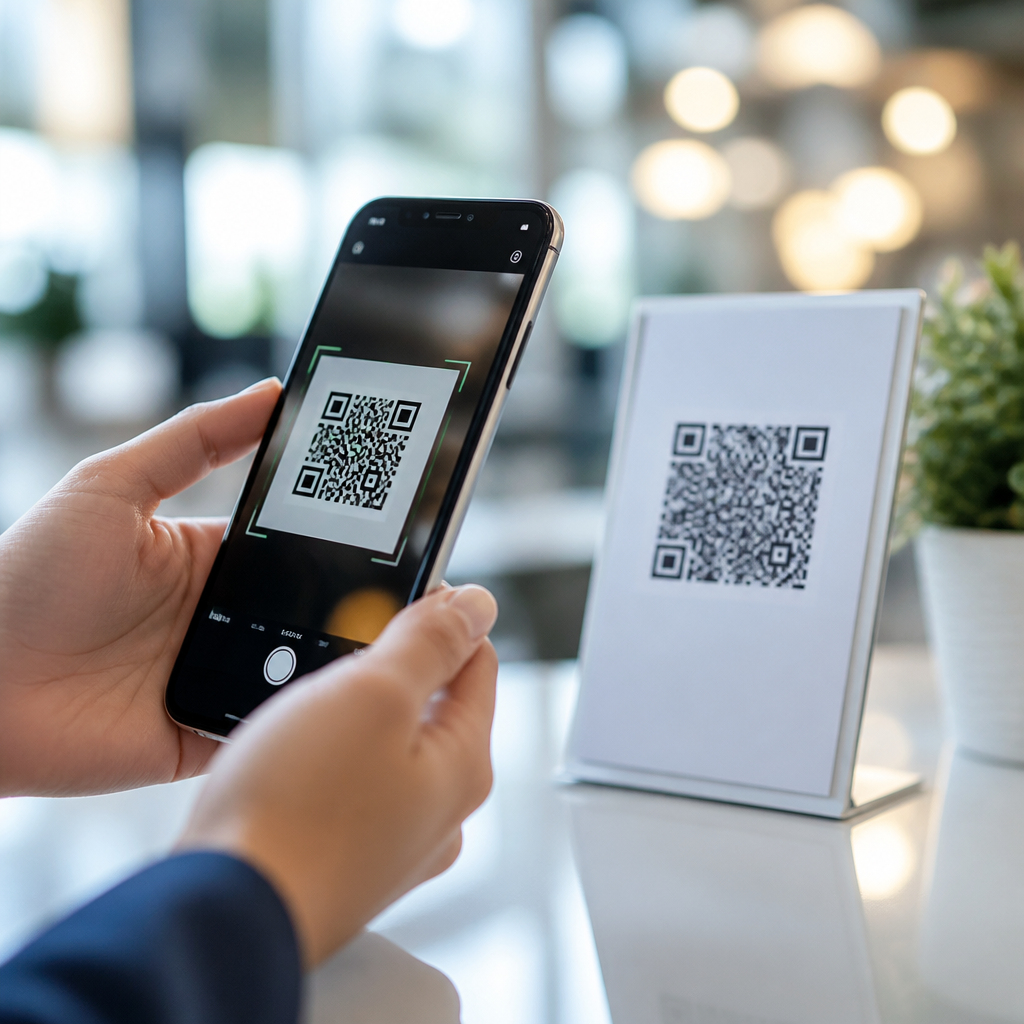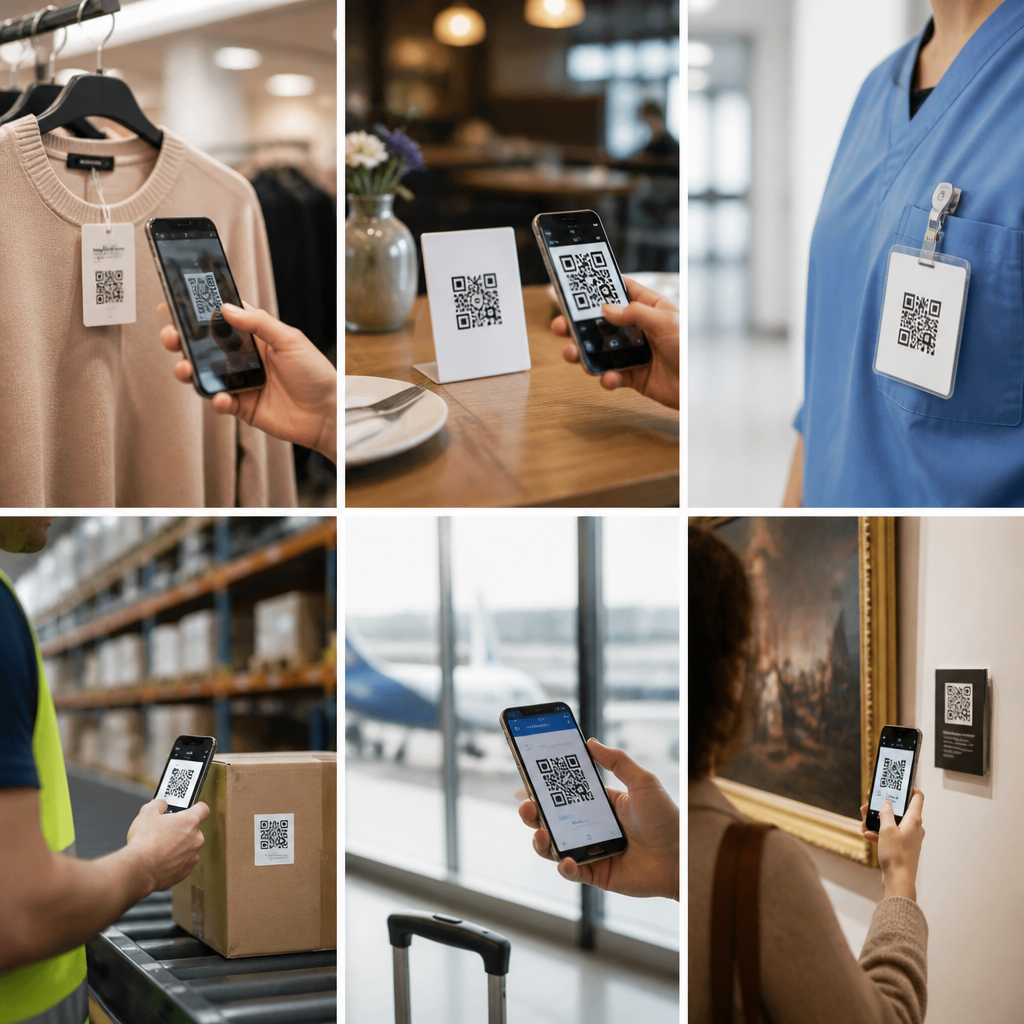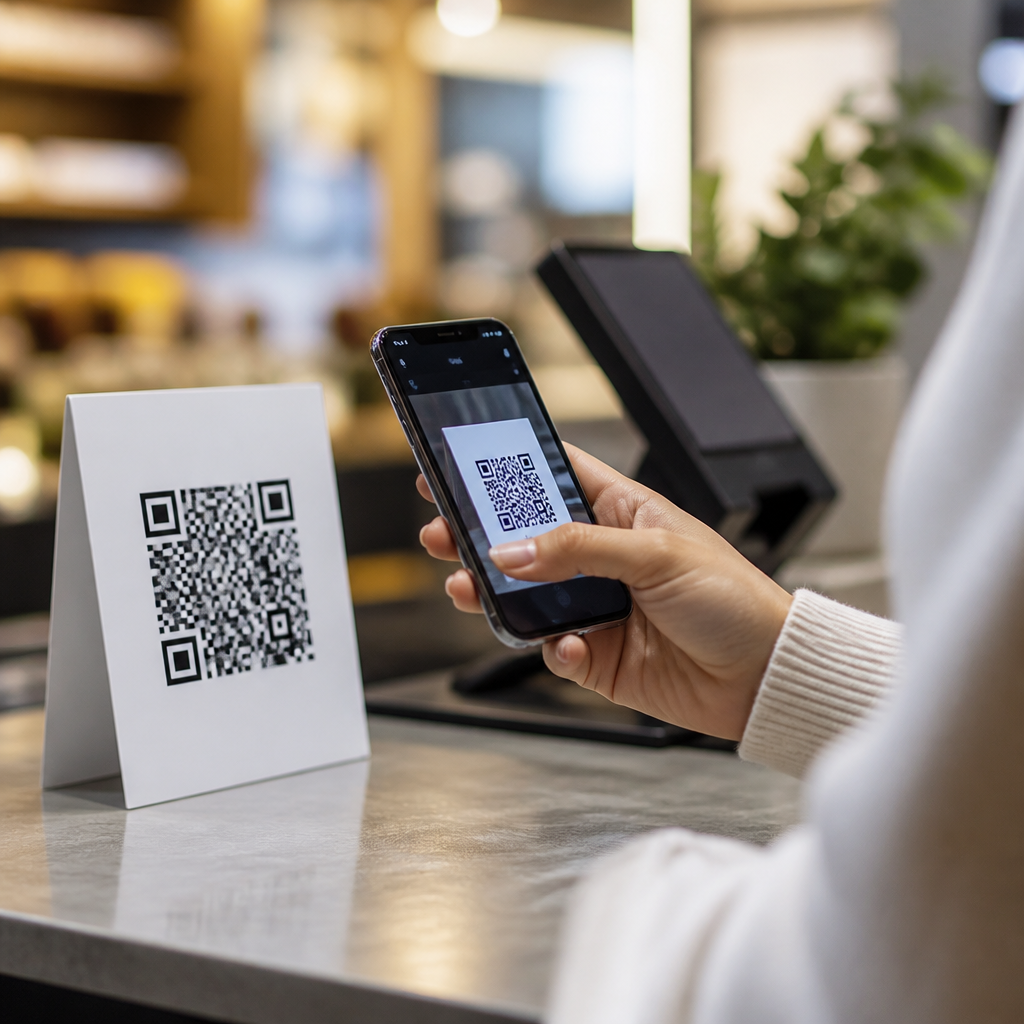

QR codes have moved far beyond restaurant menus and event check-ins, and in B2B marketing they now serve as measurable bridges between offline touchpoints and digital intent. A QR code, or quick response code, is a scannable two-dimensional barcode that opens a URL, downloads a file, launches a form, or triggers another digital action from a smartphone camera. For B2B teams, that simple scan matters because long sales cycles depend on tracking every interaction across trade shows, direct mail, packaging, print ads, sales decks, and field events. When I have deployed QR campaigns for B2B clients, the strongest results came from treating the code not as a gimmick but as a conversion path with a clear audience, offer, and follow-up workflow.
This article examines QR codes for B2B marketing success through the lens of practical case studies and repeatable patterns. It also functions as a hub for the wider case studies and success stories subtopic within QR code trends, statistics, and future planning. The central question is straightforward: how do business marketers use QR codes to generate leads, accelerate attribution, and improve buyer experience without adding friction? The answer lies in pairing dynamic codes with campaign-specific landing pages, CRM integration, and concise calls to action. When those elements are aligned, QR codes become one of the most efficient tools for connecting physical attention to digital action.
B2B environments are especially well suited to QR code strategy because buyers frequently encounter marketing in physical contexts where typing a long URL is unrealistic. A procurement manager walking a manufacturing expo floor, an IT director reviewing a printed solution brief, or a channel partner opening a dimensional mailer will scan if the value is immediate and obvious. The business impact is measurable: better lead capture, cleaner source attribution, faster access to product documentation, and richer retargeting audiences. The following sections break down the main use cases, the metrics that signal success, and the operational lessons that separate effective campaigns from forgettable ones.
Trade show lead generation and post-event attribution
Trade shows remain one of the clearest examples of QR codes for B2B marketing success because they compress awareness, consideration, and action into a few minutes at the booth. In one campaign I worked on for an industrial software company, we replaced generic homepage QR codes with dynamic codes tied to each booth station: product demo, ROI calculator, case study library, and meeting scheduler. Visitors scanning the demo station code landed on a page with a two-minute explainer video and a form prefilled with the event source. That structure raised form completion because the page matched the exact context of the scan, not a broad corporate message.
The most important lesson from trade show case studies is that attribution improves when every asset gets its own destination and UTM framework. Marketers should create separate codes for booth signage, badge handouts, speaking sessions, and printed one-pagers. Platforms such as QR Code Generator Pro, Bitly, HubSpot, and Salesforce Campaigns make this manageable by allowing dynamic redirects and source labeling. A successful setup captures scan count, unique users, device type, time of day, and downstream conversions such as booked meetings or marketing qualified leads. That data helps revenue teams compare booth traffic against actual pipeline instead of relying on badge scans alone.
Another proven tactic is using QR codes for instant content delivery after a live conversation. Rather than promising to email a brochure later, sales staff can direct prospects to scan a code that opens a tailored resource center. For complex purchases, this shortens the lag between curiosity and research. It also supports account-based marketing because follow-up pages can vary by segment, such as healthcare, manufacturing, or financial services. Companies that do this well use dynamic codes so destinations can be updated after the event without reprinting materials, preserving campaign longevity and reducing waste.
Direct mail, packaging, and sales collateral that convert offline interest
Direct mail has become more effective in B2B precisely because inboxes are crowded and physical mail stands out. QR codes make that channel measurable. A strong example comes from enterprise cybersecurity marketing, where dimensional mailers often target a small list of decision-makers. Instead of sending recipients to a homepage, successful campaigns place a QR code beside a sharply defined offer: book a threat assessment, watch a three-minute executive briefing, or claim a benchmark report. Because each mailer can carry a unique dynamic code, marketers can track response by account, creative version, and sales territory while keeping the user experience simple.
Product packaging and printed inserts also create overlooked opportunities, especially in manufacturing, medical devices, and B2B distribution. When a buyer receives a machine component, calibration kit, or hardware sample, a QR code can open installation instructions, safety documentation, training videos, or reorder workflows. This reduces support friction while creating new marketing signals from existing customers. In one packaging program for a parts supplier, scans of setup guides identified accounts preparing for deployment. The customer success team used that signal to trigger onboarding outreach, which improved activation and opened cross-sell conversations. That is a clear example of marketing, service, and sales aligning around a single scan event.
Printed sales collateral works best when the code extends the story rather than repeating it. A capability brochure should not send users to a generic product page. It should open the next logical asset, such as an industry-specific case study, total cost of ownership calculator, or interactive product selector. The guiding rule is relevance at the moment of interest. B2B buyers reward convenience, and QR codes succeed when they remove typing, searching, and internal forwarding from the process.
What the strongest B2B QR code case studies have in common
Across industries, the most credible success stories follow the same operational principles. They define a narrow audience, present one clear action, and connect scan behavior to business outcomes. They also avoid common mistakes such as tiny code placement, weak mobile pages, or vague prompts like “learn more.” The table below summarizes the patterns I see repeatedly in winning programs.
| Campaign element | What successful teams do | Why it works |
|---|---|---|
| Code type | Use dynamic QR codes | Destinations can change without reprinting; scan analytics remain intact |
| Landing page | Build a mobile-first page matched to the asset | Message continuity improves conversion and lowers bounce rate |
| Call to action | Offer one specific next step | Clear intent increases scans and reduces decision friction |
| Measurement | Add UTM parameters and CRM campaign tracking | Offline touches can be tied to pipeline, meetings, and revenue |
| Follow-up | Trigger immediate email or sales workflows | Fast response captures intent while interest is highest |
| Testing | Compare copy, placement, and offers by segment | Incremental optimization compounds over repeated campaigns |
These factors matter because QR code performance is rarely about the code itself. It is about campaign architecture. The best case studies show that scan rate is only the first metric. More important are landing-page conversion rate, meeting rate, influenced pipeline, activation speed, and retained engagement over time. A campaign with fewer scans but higher sales-qualified lead creation is stronger than a high-scan campaign with no commercial outcome.
Measurement, governance, and the limits marketers should respect
Measurement is where many B2B teams either prove value or lose credibility. A useful reporting framework starts with three layers: engagement metrics such as scans and unique visitors, conversion metrics such as form fills and bookings, and revenue metrics such as opportunities, pipeline influence, and closed-won business. Google Analytics 4, HubSpot, Marketo, and Salesforce can support this model when naming conventions are disciplined. I recommend campaign taxonomies that encode channel, asset, audience, and offer, because reporting becomes difficult when QR links are created ad hoc by different teams.
Governance matters just as much as tracking. QR codes should point to secure HTTPS destinations, avoid unnecessary redirects, and respect privacy requirements when forms collect personal data. In regulated sectors, legal and compliance review may be needed for downloadable content, cookies, or retargeting. Marketers should also consider accessibility: high contrast, adequate quiet zone spacing, and placement where scanning is physically easy. ISO/IEC 18004 defines technical standards for QR code symbology, and following established generation and print practices reduces failure rates in the field.
There are limits. QR codes will not rescue a weak offer, an irrelevant booth presence, or a badly timed direct-mail campaign. Some executive audiences still prefer a short vanity URL, so dual-path access is wise. International campaigns may require localized landing pages and app-store behavior checks. Still, when the experience is useful, immediate, and trackable, QR codes consistently outperform cumbersome manual response paths.
How to build a scalable case-study-driven hub strategy
As a hub topic, case studies and success stories should help readers compare industries, tactics, and outcomes without forcing them to piece the narrative together themselves. The most effective content structure starts with broad patterns, then links to focused examples: trade show QR code case studies, direct mail success stories, packaging and post-sale engagement examples, account-based marketing use cases, and measurement frameworks for revenue attribution. This approach strengthens discoverability because each supporting article targets a distinct search intent while reinforcing the central theme of QR codes for B2B marketing success.
The practical takeaway is simple. Use QR codes where buyers already show intent, make the next step obvious, and measure beyond scans. Start with one event, one mailer, or one sales asset. Give each code a specific destination, connect it to your CRM, and review results against pipeline, not just traffic. The brands that win with QR codes are not chasing novelty; they are reducing friction and improving attribution in moments that already matter. If you are building your own case-study program, begin with your highest-cost offline channel and test a QR journey that delivers immediate value.
Frequently Asked Questions
How do QR codes support B2B marketing goals differently than they do in consumer campaigns?
In B2B marketing, QR codes are valuable because they connect physical touchpoints directly to measurable digital actions across a much longer and more complex buying journey. Unlike many consumer campaigns that focus on immediate purchases or promotions, B2B programs often aim to generate qualified leads, nurture interest, support account-based marketing, and capture engagement data from multiple stakeholders inside a target company. A QR code placed on direct mail, trade show signage, product brochures, sales decks, packaging inserts, or even printed thought leadership can send prospects to a landing page, demo request form, case study library, webinar registration, or gated asset designed for a specific stage of the funnel.
What makes this especially useful in B2B is attribution. Teams can assign different QR codes to different channels, campaigns, regions, or accounts, making it easier to understand which offline assets are creating meaningful digital intent. Instead of guessing whether a trade show handout or executive mailer influenced pipeline, marketers can see scans, landing page visits, form fills, and downstream conversions. That data helps sales and marketing teams prioritize follow-up, personalize outreach, and improve campaign performance over time. In short, QR codes do more than create convenience in B2B; they turn offline engagement into trackable signals that strengthen demand generation and revenue reporting.
What does a successful B2B QR code campaign usually look like in a real-world case study?
A strong B2B QR code case study usually starts with a clear business objective rather than the code itself. The most successful campaigns are designed around a specific action marketers want prospects to take, such as booking a consultation, downloading a technical guide, watching a product demo, or registering for an event. For example, a company exhibiting at a trade show might place unique QR codes on booth graphics, one-pagers, and product stations, each leading to tailored landing pages that match the visitor’s interest. Someone scanning near an enterprise security solution display might land on a page with a relevant case study, a short explainer video, and a meeting request form for the sales team.
In a well-executed campaign, those scans are connected to tracking parameters, marketing automation, and CRM workflows. That means the team can see not only how many people scanned, but also who converted, what content they viewed, whether they returned later, and whether the engagement eventually contributed to an opportunity or closed deal. The case study often reveals additional best practices: concise calls to action, mobile-optimized landing pages, value-driven offers, and rapid follow-up from sales. The most persuasive success stories also show how QR code data informed future strategy, such as identifying which messaging attracted decision-makers, which events produced the highest-quality leads, or which verticals responded best. The key takeaway is that successful B2B QR campaigns work because they are integrated into a larger revenue process, not treated as a novelty.
Where should B2B companies use QR codes to get the best marketing results?
B2B companies tend to get the strongest results when they place QR codes at moments where prospects already have intent, curiosity, or a reason to continue the conversation digitally. Trade shows are one of the most effective environments because attendees are actively evaluating solutions and often want information quickly without carrying stacks of printed collateral. A QR code can direct them to product specs, case studies, pricing request forms, or meeting calendars. Direct mail is another high-impact channel, especially for account-based marketing. A personalized mailer with a QR code can guide a target account to a custom landing page, executive message, industry-specific resource hub, or invitation-only webinar.
Other high-performing placements include brochures, print ads, sales leave-behinds, presentation slides, packaging, customer onboarding kits, office signage, and sponsored event materials. Even internal sales enablement efforts benefit when reps use QR codes on physical materials to simplify follow-up after in-person meetings. The best placement depends on context, but the guiding principle is simple: the destination should match the audience’s likely next step. A top-of-funnel audience may scan for educational content, while a bottom-of-funnel buyer may be ready for a product comparison sheet or live demo request. Companies that see the best results are intentional about placement, audience segmentation, and post-scan experience rather than using the same generic destination everywhere.
What metrics should marketers track to measure QR code success in a B2B campaign?
Measuring B2B QR code performance requires looking beyond scan volume alone. While total scans and unique scans are useful starting points, they only tell part of the story. The more meaningful metrics are tied to engagement quality and pipeline impact. Marketers should track scan-through behavior such as landing page visits, bounce rate, time on page, content downloads, video plays, form completions, meeting bookings, and return visits. If the QR code is tied to a specific asset or channel, teams should also compare performance by campaign source, event, geography, account segment, or persona. This reveals not just whether people scanned, but whether the right people engaged.
For mature B2B organizations, the most important measurement layer is downstream attribution. That includes marketing qualified leads, sales accepted leads, influenced opportunities, pipeline created, and revenue generated from QR-driven interactions. Integrating QR campaigns with analytics platforms, marketing automation systems, and CRM tools makes it possible to connect an offline scan to the broader customer journey. Marketers should also evaluate operational metrics such as mobile conversion rate, landing page speed, and follow-up response time, since these can dramatically affect results. Ultimately, a successful B2B QR campaign is not defined by novelty or raw traffic. It is defined by whether it moves target accounts deeper into the funnel and contributes to measurable business outcomes.
What are the most common mistakes to avoid when using QR codes in B2B marketing?
One of the biggest mistakes is treating the QR code as the strategy instead of as a delivery mechanism. A code by itself does not create value; the offer, context, and destination do. If a B2B marketer sends users to a generic homepage, an unoptimized PDF, or a slow mobile page with no clear next step, performance will suffer no matter how well-designed the printed asset looks. Another common issue is failing to tailor the post-scan experience to the audience. A procurement leader, technical evaluator, and executive sponsor may all need different content, and sending them all to the same destination can reduce relevance and conversion rates.
Other frequent mistakes include poor placement, weak calls to action, lack of testing, and inadequate tracking. If the QR code is too small, hard to scan, visually buried, or placed where there is little motivation to act, engagement will naturally be low. If there is no compelling reason to scan, such as access to exclusive insights, a fast product overview, or a personalized next step, the code becomes easy to ignore. Marketers also sometimes forget to use dynamic QR codes and campaign tagging, which limits optimization and reporting. Finally, many teams underestimate the importance of internal follow-up. In B2B, a scan can be a strong buying signal, but only if sales and marketing have a process to act on it quickly. Avoiding these mistakes turns QR codes from a passive graphic element into a practical, trackable tool for generating and advancing high-quality opportunities.