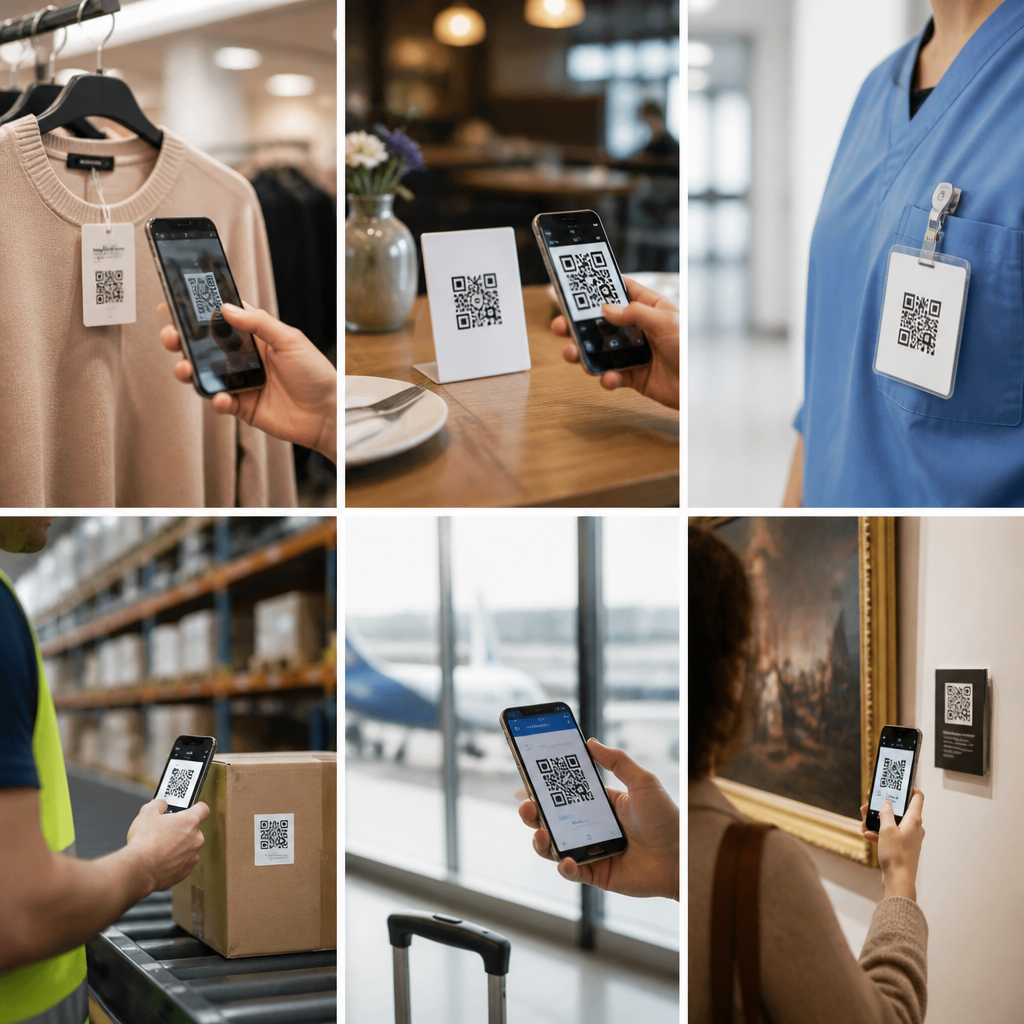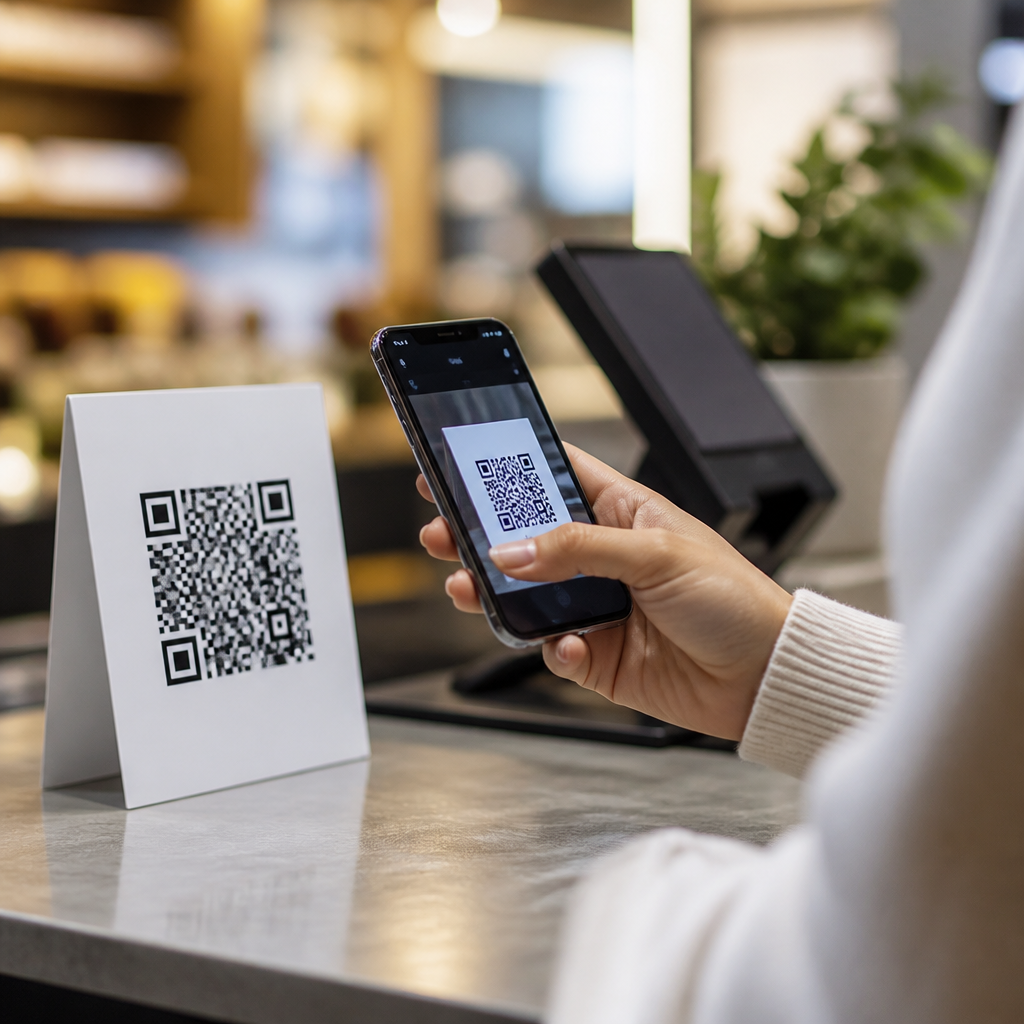
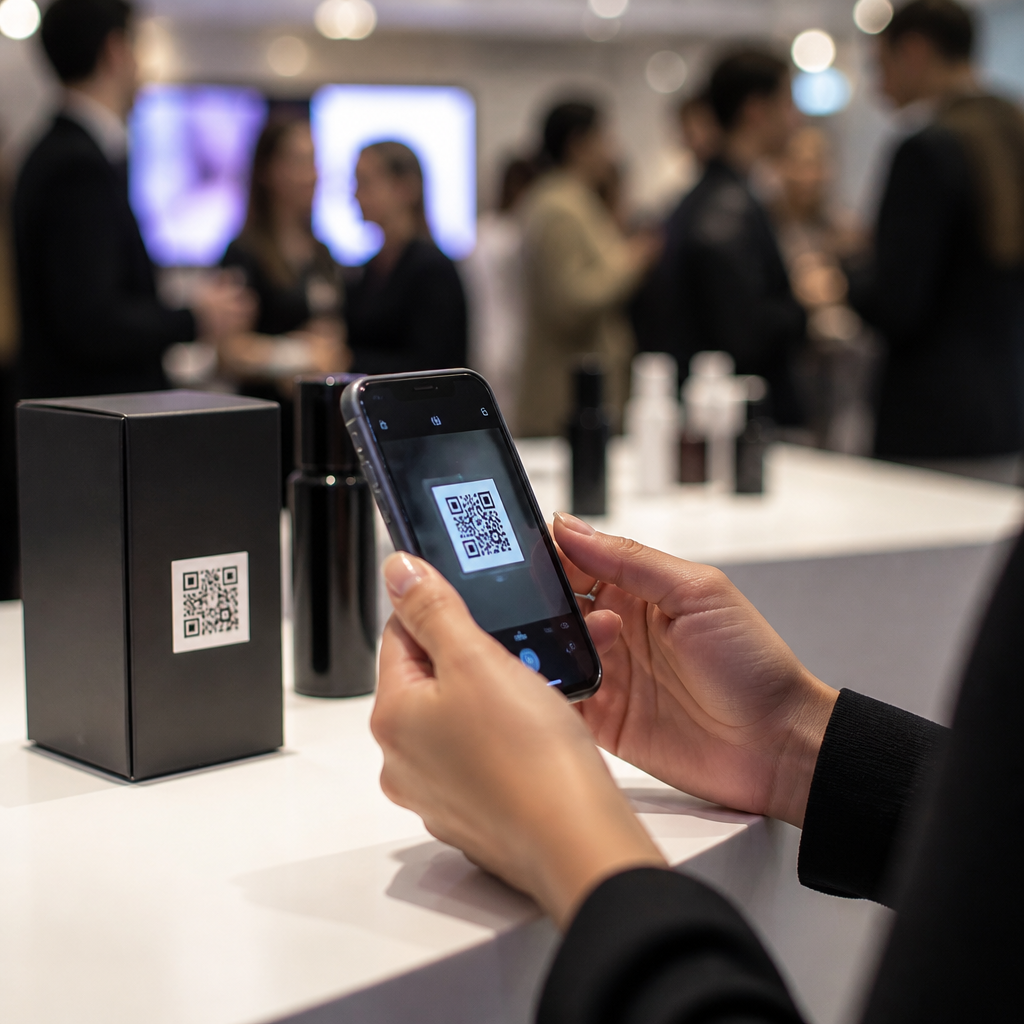
QR codes have become one of the most practical tools in modern product launch marketing because they connect offline attention to measurable digital action in seconds. In a product launch campaign, a QR code is a scannable two-dimensional barcode that sends a customer to a landing page, video, coupon, registration form, app download, or product experience without requiring manual typing. I have used QR codes across retail rollouts, event launches, and packaging pilots, and the pattern is consistent: when the code is tied to a clear value exchange, scan rates and downstream conversions rise sharply. This matters because launches are expensive, time-bound, and difficult to optimize if print, out-of-home, packaging, and in-store media cannot be tracked with precision.
This hub article examines case studies and success stories around QR codes for product launch campaigns, explains what separates effective campaigns from forgettable ones, and shows how brands can evaluate performance with confidence. It also serves as a central guide to the broader case study category within QR code trends, statistics, and future planning. For launch teams, the appeal is straightforward. QR codes lower friction, support omnichannel attribution, and let marketers update destinations even after creative assets have been printed when dynamic code platforms are used. That flexibility is especially valuable when inventory dates shift, influencers publish early, or regional teams need localized offers. Used well, QR codes turn physical marketing into a responsive launch channel rather than a static one.
To assess campaign quality, marketers should define a few terms clearly. A static QR code contains a fixed destination and cannot be changed after publication. A dynamic QR code points to a short redirect URL managed through a platform, allowing destination changes, scan analytics, UTM tagging, device and location reporting, and A/B testing. Scan rate measures how often a code is scanned relative to impressions or reach. Conversion rate measures the percentage of scanners who complete the intended action, such as purchasing, registering, requesting a sample, or watching a demo. Product launch campaigns benefit most from dynamic codes because they create an optimization loop between creative, media placement, and customer response.
Why QR codes work in product launches
QR codes work in launches because they align with the moment of curiosity. A customer sees the new product on packaging, a shelf talker, a transit ad, or a live event display and can act immediately. There is no need to remember a URL, search later, or install a dedicated app. Smartphone camera integration normalized scanning behavior globally, and payment, menu, and ticketing use cases trained customers to trust the interaction. In launch settings, that learned behavior shortens the path from awareness to consideration. A code can reveal ingredients, show setup instructions, unlock early access, or deliver a launch-day discount before interest fades.
From an operational standpoint, QR codes also solve a long-standing measurement problem in offline media. Traditional launch assets like posters, endcaps, direct mail inserts, and product sleeves generate awareness, but attribution is often estimated through brand lift studies or broad sales correlations. With QR codes, the brand can track scans by asset, location, time of day, operating system, and destination path. That does not capture every influenced purchase, but it provides a direct behavioral signal. In my experience, even simple segmentation by store cluster or event venue quickly reveals which messages are driving intent and which placements only look attractive in creative review.
Case study patterns behind successful launch campaigns
Across successful campaigns, the same structural elements appear repeatedly. First, the call to action is explicit and concrete: “Scan to unlock launch pricing” outperforms generic prompts like “Learn more.” Second, the destination matches launch intent. If the asset promises a sample, the landing page should open directly to the sample claim form, not a homepage. Third, the code is easy to scan under real conditions, with adequate size, contrast, quiet zone spacing, and placement above the natural hand line on packaging or near eye level on displays. Fourth, the experience loads fast and is mobile-first, because launch traffic often arrives from unstable retail or event networks.
One recurring success pattern is the use of QR codes on product packaging during a phased release. Beauty, beverage, and consumer electronics brands often launch with limited shelf space and need richer storytelling than packaging alone can provide. A code can link to founder video, how-to content, warranty registration, or retail locator pages. Another pattern is event-led launches, where the code becomes the bridge from physical spectacle to owned digital channels. At trade shows and pop-ups, I have seen brands double lead capture efficiency by replacing manual form entry with QR-driven landing pages prefilled through social sign-in or wallet passes. The key is not novelty. The key is reducing friction at exactly the moment interest peaks.
Representative examples by channel and objective
Consider three common launch scenarios. In retail, a food brand introducing a functional beverage can place dynamic QR codes on shelf blades and multipack cartons. The code sends shoppers to a short page explaining caffeine content, flavor notes, subscription savings, and nearby stock availability. Success is measured through scan-to-coupon redemption and repeat purchase enrollment. In direct mail, a home appliance launch can use personalized QR codes that route households to region-specific landing pages with financing options and dealer appointments. Success is measured by scan rate, booked consultations, and assisted revenue. In live events, a software hardware bundle can use a large-format QR code on stage screens to push trial signups during the keynote. Success is measured by concurrent scans, completed registrations, and product-qualified leads.
Although many brands publicize QR activations, the strongest examples share disciplined execution rather than flashy creative. PepsiCo, L’Oréal, Nike, and Starbucks have all used scannable packaging or in-store experiences to extend product engagement, but the lesson is not simply that large brands use codes. The lesson is that each code serves a specific customer task. Nike often pairs scans with product storytelling and member benefits. Starbucks links convenience and loyalty behaviors. L’Oréal uses packaging and displays to answer ingredient and usage questions that influence purchase confidence. These examples show that QR codes perform best when they resolve uncertainty, reward action, or continue a branded experience that already has demand behind it.
Metrics that separate vanity scans from launch impact
Not every scan is valuable, and experienced teams distinguish curiosity from commercial intent. The most useful framework tracks four layers: exposure, engagement, conversion, and retention. Exposure estimates how many people could reasonably have seen the code. Engagement includes scans, unique users, scan location, and dwell time on the landing page. Conversion captures the target action: add-to-cart, signup, coupon save, reservation, or purchase. Retention measures whether launch scanners come back through email, SMS, app usage, or repeat orders. Without that full chain, a campaign can look strong on scan count while failing to influence sales.
| Metric | What it shows | Why it matters in a launch |
|---|---|---|
| Scan rate | Response to creative and placement | Reveals whether the CTA and visibility are working |
| Unique scans | Distinct interested users | Filters out repeated scans from the same person |
| Landing page conversion | Completion of the intended action | Shows whether the post-scan experience is persuasive |
| Coupon or offer redemption | Offline or online sales activation | Connects scanning behavior to purchase behavior |
| Time and location data | Context of engagement | Helps optimize stores, events, and media placements |
| Repeat engagement | Return visits or follow-up actions | Indicates lasting launch interest, not one-time curiosity |
Benchmarks vary by channel, price point, and audience. A code on premium packaging may generate lower scan volume than a code on a high-traffic event display, yet produce better downstream revenue because the user has stronger purchase intent. For that reason, launch teams should not compare all placements using one blunt target. Instead, assign success thresholds by objective. A retail shelf code may be judged on coupon saves and retailer sell-through. A keynote screen code may be judged on trial starts within ten minutes. A packaging code may be judged on product education completion and post-purchase registration. Measurement becomes useful when it reflects the job each asset is meant to perform.
Common failure points and how launch teams avoid them
The most common failure is strategic mismatch. Brands add a QR code because it seems current, but they do not decide what the customer should gain from scanning. The result is a homepage visit with no clear next step. Another frequent issue is poor physical execution: low contrast, glossy surfaces, warped labels, tiny print, or placement where a shopper cannot step back enough to scan. I have also seen campaigns fail because legal review delayed the final landing page, forcing a generic redirect that wasted launch traffic during the most valuable first week.
Teams avoid these problems by treating the QR code as part of the product launch system, not as a decorative add-on. That means testing on multiple devices, under store lighting, and at realistic distances before print approval. It means building dedicated mobile landing pages with compressed assets and one primary action. It means using dynamic QR management platforms, analytics integrations, and UTM governance from the start. Tools such as Bitly, QR Code Generator PRO, Flowcode, Beaconstac, and Google Analytics 4 are commonly used because they support redirects, event tracking, and campaign segmentation. Security also matters. Branded short domains, HTTPS destinations, and transparent copy increase trust and reduce abandonment.
How this hub guides deeper case studies and future planning
As a hub for case studies and success stories, this page establishes the evaluation criteria that should shape every deeper article in the subtopic. Each supporting case study should identify the launch objective, audience, code type, placement strategy, landing page design, incentive structure, measurement model, and commercial outcome. That structure makes comparisons meaningful across industries such as retail, food and beverage, beauty, healthcare, consumer electronics, automotive, and events. It also supports future planning. As connected packaging expands and first-party data becomes more valuable, QR codes will play a larger role in post-purchase education, loyalty enrollment, authentication, and lifecycle marketing tied to launches.
The central lesson from successful QR code product launch campaigns is simple: a scan is not the goal, a completed customer action is. The best campaigns make the exchange obvious, the experience fast, and the measurement rigorous. They use QR codes to answer questions, remove friction, and connect physical attention to digital outcomes that can be improved in real time. If you are building a launch program or expanding coverage within QR code case studies and success stories, start by mapping each code to one customer need and one business metric. Then test, measure, and refine every placement with the same discipline you would apply to any performance channel.
Frequently Asked Questions
How do QR codes improve the performance of a product launch campaign?
QR codes improve product launch performance because they remove friction at the exact moment a customer is interested. Instead of asking someone to remember a URL, search for a product, or type in a landing page manually, the code creates an immediate path from physical exposure to digital action. In practice, that means a person can see a new product on packaging, in a retail display, at an event booth, on direct mail, or in out-of-home advertising and move to a product page, demo video, waitlist, registration form, coupon, or app download in seconds.
From a campaign strategy perspective, this matters because launches are highly time-sensitive. Attention is strongest when the product is new, and QR codes help capture that attention before it fades. They also make campaign activity measurable. Marketers can track scans, time of day, location trends, device behavior, conversion rates, and downstream actions such as sign-ups or purchases. That level of visibility turns a launch from a broad awareness effort into something much more accountable and optimizable. If one placement is outperforming another, the team can shift budget, creative, or messaging quickly. The real advantage is not just convenience; it is the combination of speed, trackability, and the ability to connect physical campaign moments to clear digital outcomes.
Where should QR codes be placed during a product launch for the best results?
The best placement depends on where your target audience encounters the product and what action you want them to take next. In most launch campaigns, the strongest results come from placing QR codes at high-intent touchpoints. These include product packaging, shelf talkers, endcap displays, event signage, demo stations, point-of-sale materials, trade show booths, print inserts, and launch mailers. Each placement serves a different role. Packaging is ideal for post-purchase education, onboarding, warranty registration, reviews, and repeat purchase offers. Retail signage works well for pre-purchase comparison, limited-time promotions, and product education. Event placements are strong for registrations, live demos, and gated content.
Placement quality matters as much as placement type. A QR code should be visible, easy to scan, sized appropriately for viewing distance, and supported by a clear call to action. People are far more likely to scan when they understand exactly what they will get, such as “Watch the 30-second demo,” “Claim launch offer,” or “Join the early access list.” It is also important to think about environmental conditions. Codes in dim lighting, reflective surfaces, curved packaging, or crowded visual layouts often underperform. In successful launch campaigns, QR placement is treated as part of the user journey, not as an afterthought. The code should appear where curiosity is highest and where the next step feels natural.
What should a QR code link to in a product launch campaign?
A QR code should link to the next best action for that specific audience segment and launch objective. There is no single destination that works for every campaign. For awareness-stage audiences, a short product video, teaser landing page, or interactive brand experience may be the right choice. For consideration-stage prospects, the better destination might be a product detail page, comparison guide, feature explainer, or customer proof content. For conversion-focused campaigns, it could be a launch discount page, pre-order form, in-store coupon, retailer locator, or direct checkout experience. If the launch includes a mobile app or digital activation, an app download page or onboarding screen can be highly effective.
The key is relevance and continuity. The destination should match the promise made beside the QR code and should be optimized for mobile. A common launch mistake is sending every scan to a generic homepage, which often creates drop-off because users have to search again for what interested them in the first place. A stronger approach is to create dedicated landing pages for each channel, audience, or creative variation. That lets you personalize messaging, improve conversion rates, and gather more useful attribution data. In advanced campaigns, dynamic QR codes can route users to different content based on geography, device type, time window, or campaign phase, making the experience even more precise and useful.
How can marketers measure whether QR codes are actually working in a product launch?
Measuring QR code performance starts with defining success before the campaign begins. A scan by itself is useful, but it is not the end goal. The stronger metrics are what happen after the scan: landing page engagement, video completion, email sign-ups, coupon redemptions, add-to-cart actions, app installs, registrations, purchases, and repeat visits. In a launch environment, QR performance should be tied directly to the stage of the funnel it supports. For example, a retail display code may be judged on product page visits and store-level conversions, while an event code may be measured by demo sign-ups or post-event follow-up engagement.
To get meaningful insights, marketers should use trackable URLs, campaign parameters, channel-specific destination pages, and analytics dashboards that connect scans to downstream actions. Dynamic QR codes are especially valuable because they allow edits without reprinting and usually provide richer scan data. Comparing performance across placements, creatives, and calls to action often reveals practical opportunities. One code may get more scans because of better visibility, while another may convert better because the landing page is more aligned with user intent. When teams review scan rate, conversion rate, bounce rate, and completion rate together, they gain a much clearer picture of whether the QR code is truly driving launch results or simply generating curiosity without meaningful action.
What are the most common mistakes to avoid when using QR codes in a product launch campaign?
The most common mistakes are usually simple execution problems that create unnecessary friction. One of the biggest is using a QR code without a clear reason to scan. If there is no compelling call to action or obvious value exchange, many customers will ignore it. Another frequent issue is linking to a non-mobile-friendly page, a slow-loading destination, or a generic homepage that forces users to search for information after scanning. That breaks momentum and reduces conversion. Poor physical design can also hurt results. Codes that are too small, placed on busy backgrounds, printed with low contrast, wrapped around curved packaging, or positioned in hard-to-reach locations often fail in real-world conditions even if they worked in testing.
There are also strategic mistakes. Some brands treat QR codes as a novelty instead of a measurable campaign tool, which means they do not set objectives, segment destinations, or monitor outcomes closely enough. Others use static codes for launch materials that may need updates later, limiting flexibility if pricing, offers, or landing pages change. Another common oversight is failing to test across devices, lighting conditions, print surfaces, and scan distances before rollout. In well-run product launch campaigns, QR codes are planned with the same discipline as any other conversion asset. They are tested, tied to a specific customer action, supported by persuasive messaging, and connected to a landing experience that fulfills the promise instantly. When those basics are handled well, QR codes tend to perform consistently and deliver measurable value across launch channels.