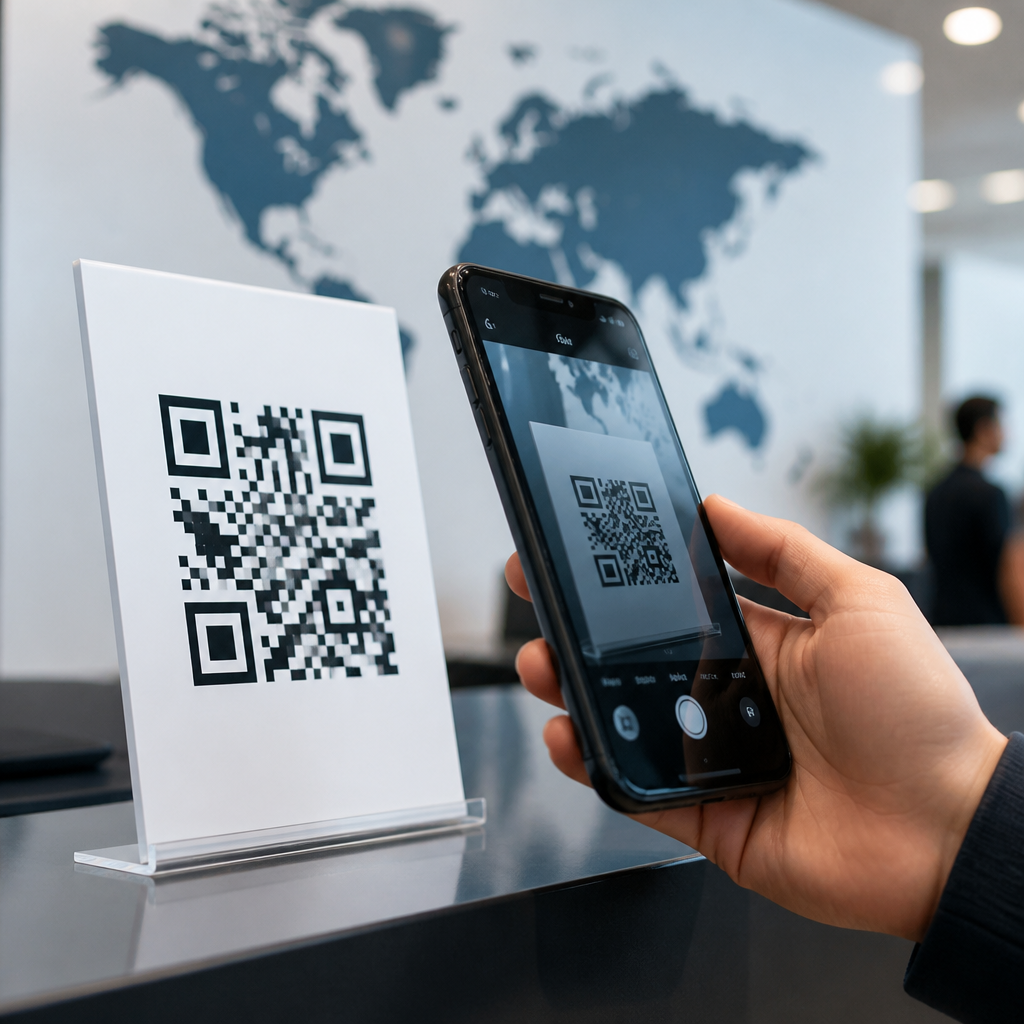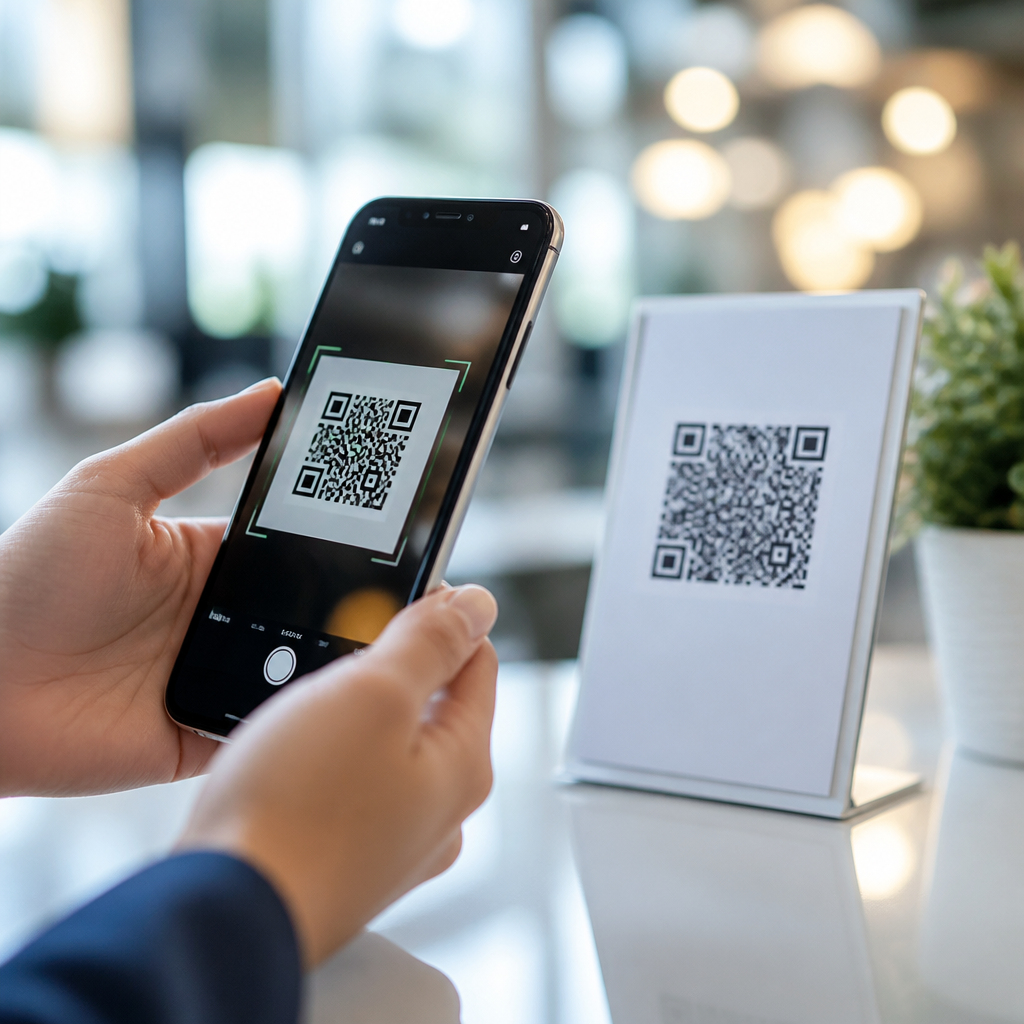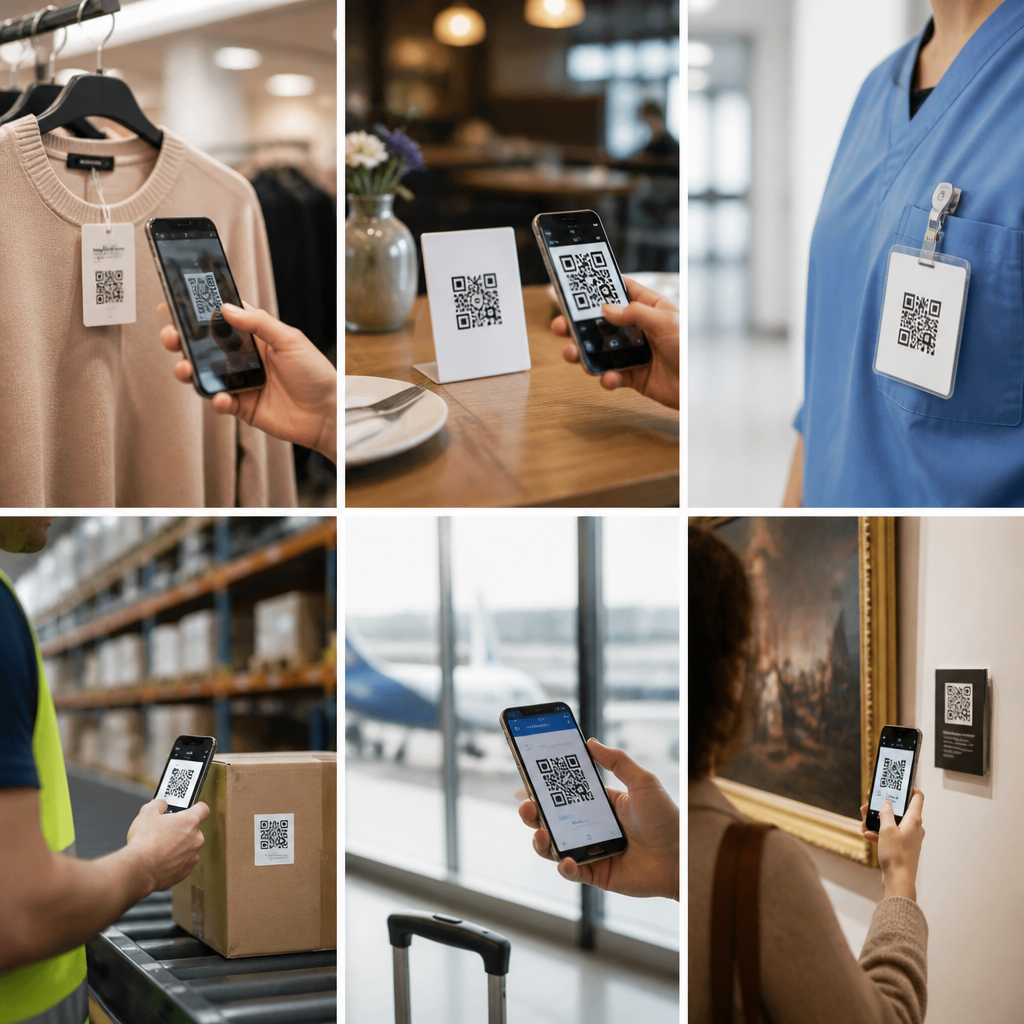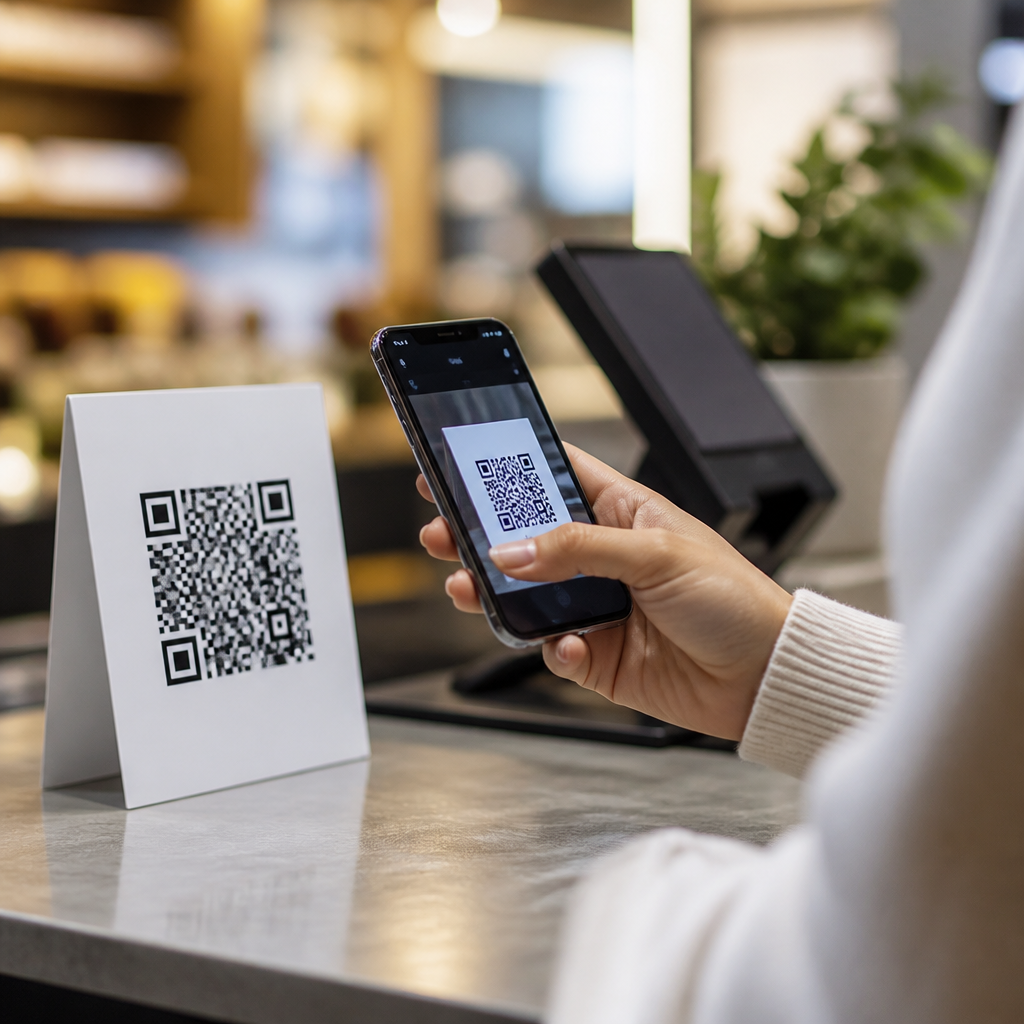
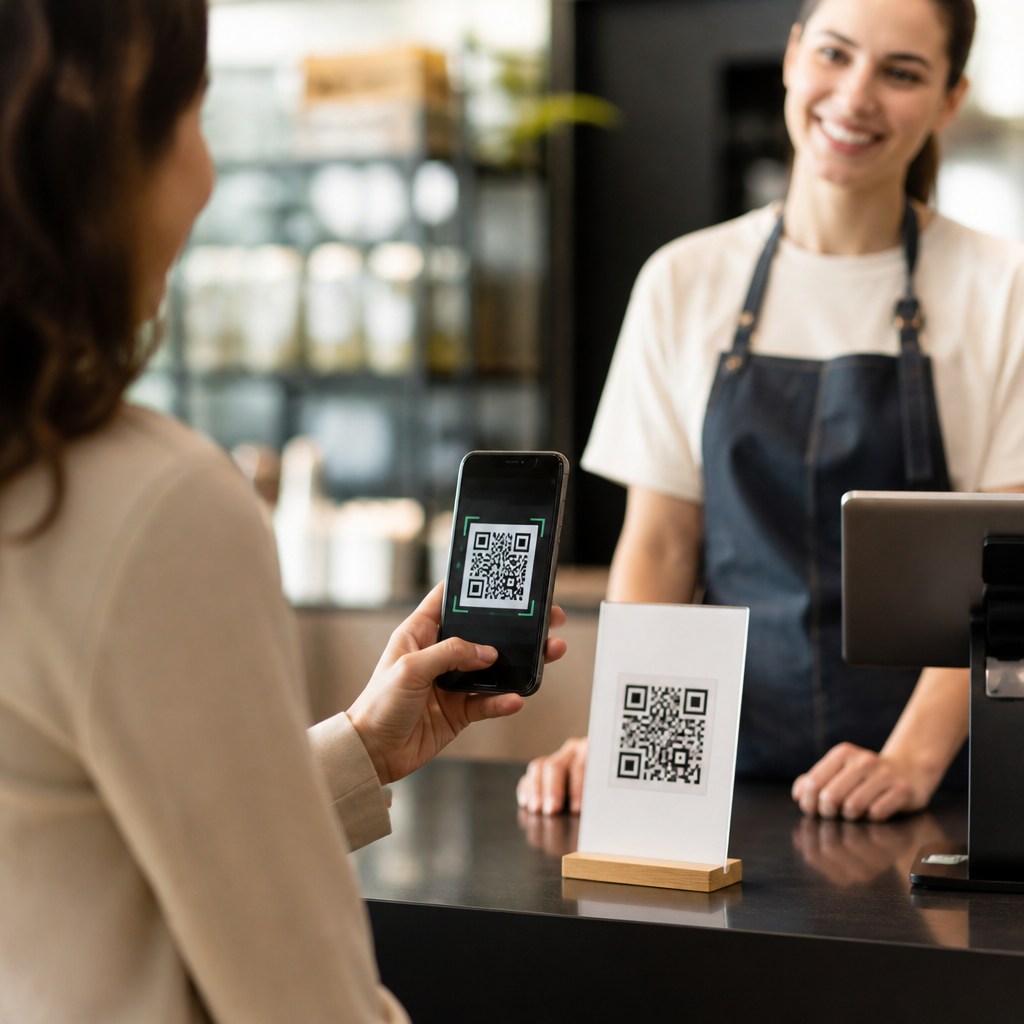
QR codes have become a practical engine for modern loyalty programs because they connect physical visits, digital identity, and measurable customer behavior in one quick scan. In this case study hub, “QR codes for loyalty programs” refers to using static or dynamic scannable codes to enroll members, issue points, redeem rewards, trigger offers, and track repeat purchases across stores, apps, packaging, receipts, and events. I have implemented these systems for retailers, restaurant groups, and service brands, and the pattern is consistent: when the scan flow is simple and the reward is immediate, participation rises faster than with plastic cards or phone-number lookups. This matters because loyalty economics are unforgiving. Acquisition costs keep rising, while margin pressure makes retention, basket growth, and visit frequency more valuable than broad discounting. A well-designed QR loyalty program reduces friction, captures first-party data with consent, and links campaign spend to revenue. As a hub for case studies and success stories, this article explains how the model works, what winning implementations share, where programs fail, and which metrics prove real business impact.
How QR Codes Improve Loyalty Program Performance
QR codes improve loyalty program performance by lowering the effort required at every stage of the customer journey. A customer can scan a code on a tabletop tent, shelf tag, receipt, package insert, kiosk, or checkout screen and immediately join a program without downloading an app first. Dynamic QR codes are especially effective because they let brands change destination URLs, personalize offers, attribute scans by location, and pause broken campaigns without reprinting materials. In practice, the strongest flows use deep links into Apple Wallet, Google Wallet, mobile web signup pages, or a customer data platform form with prefilled source parameters. The fewer fields required, the higher the completion rate.
Restaurants illustrate the benefit clearly. In one quick-service rollout I worked on, replacing a printed “join online later” message with a counter QR code cut the time from interest to enrollment to under thirty seconds. Enrollment rose because the code linked directly to a branded mobile form, the first reward was visible before signup, and the welcome offer redeemed on the same visit. Retailers see similar gains when codes on receipts or fitting-room signage connect purchases to member IDs after checkout. Beauty brands often place QR codes on packaging to register products, verify authenticity, and award points for reviews or replenishment reminders. In each case, the code is not the strategy by itself; it is the friction-reduction layer that makes the loyalty value exchange usable.
Case Study Patterns Across Retail, Restaurants, and Events
Successful case studies usually follow one of three patterns: enrollment acceleration, repeat-visit stimulation, or omnichannel identity stitching. Enrollment acceleration happens when a brand turns passive signage into an active join point. A coffee chain, for example, may place a QR code at the register promising a free add-on after signup. The scan opens a lightweight landing page, captures permission for email or SMS, and issues a wallet pass with a scannable member ID. Repeat-visit stimulation appears when every receipt includes a unique QR code that awards points only after the next purchase, nudging return behavior without staff intervention. Omnichannel identity stitching is common in retail and direct-to-consumer programs, where the QR code links in-store behavior to online accounts so the brand can recognize the same customer across channels.
Events provide another strong use case. Conference organizers and stadium operators often use QR-based loyalty to reward attendance, booth visits, food-and-beverage purchases, and sponsor interactions. Instead of handing out paper punch cards, they issue personalized codes through registration emails or event apps. Each scan at a checkpoint logs activity in the loyalty engine and can unlock tiered rewards, exclusive content, or merchandise. The operational advantage is important: staff need only a scanner or mobile device, and marketers can see scan volume, completion rates, and drop-off points in real time. That visibility makes QR loyalty particularly useful for temporary environments where speed, attribution, and low setup costs matter.
What the Best Success Stories Have in Common
The best QR loyalty success stories share several design principles. First, the value proposition is concrete and immediate. “Join for 10 percent off today” consistently outperforms vague future benefits. Second, the scan destination matches user intent. If the code is on packaging, customers expect product-specific content, registration, or rewards, not a generic homepage. Third, the identity model is resilient. Programs that rely on one brittle method, such as a session cookie or an app-only login, often lose attribution. Stronger systems use customer IDs, wallet passes, POS-linked member numbers, or authenticated web sessions. Fourth, operations are trained. Staff prompts at the register often determine whether QR codes become part of habit or remain ignored signage.
Measurement discipline is another shared trait. High-performing brands define success before launch and instrument the entire path: impressions where possible, scan rate, landing-page conversion, first reward redemption, repeat purchase within 30 or 60 days, average order value, and opt-in retention. They also separate vanity metrics from outcome metrics. A campaign can generate thousands of scans and still fail if those users never make a second purchase. Conversely, a modest scan count can be valuable if enrolled members show higher frequency and lower churn than nonmembers. The strongest case studies therefore compare cohorts, not just raw totals, and control for store traffic, seasonality, and offer strength.
Implementation Models and Technology Choices
Choosing the right implementation model affects security, reporting quality, and customer experience. Static QR codes are inexpensive and easy to deploy, but they are best for simple destinations such as a universal signup page. Dynamic QR codes are better for loyalty because they support campaign edits, UTM governance, geotargeting, and scan analytics. At the systems layer, brands usually connect the code destination to a customer relationship management platform, loyalty engine, point-of-sale system, and analytics stack. Common tools include Salesforce Marketing Cloud, Braze, Klaviyo, HubSpot, Segment, Adobe Analytics, Google Analytics 4, and POS ecosystems such as Square, Toast, Shopify POS, and Lightspeed.
Security and fraud controls are essential. If points can be earned from publicly visible codes, brands need rate limits, one-time tokens, device fingerprinting, cashier validation, or receipt-linked unique identifiers to prevent abuse. I have seen programs lose margin because a single static code on social media became an unofficial “free points” shortcut. Governance matters just as much as creative execution. Redirects should use HTTPS, personal data collection should follow consent requirements, and redemption logic should be tested under real checkout conditions. Accessibility also deserves attention: codes should be large enough to scan easily, paired with plain-language instructions, and supported by a fallback URL for older devices or damaged prints.
| Use Case | Recommended QR Model | Primary KPI | Main Risk |
|---|---|---|---|
| In-store enrollment signage | Dynamic code to mobile signup page | Signup conversion rate | Too many form fields |
| Receipt-based return visit offer | Unique code per transaction | Second purchase rate | Code sharing |
| Packaging rewards | Dynamic code with product metadata | Registration and repeat purchase | Fraud from duplicate scans |
| Event engagement | Personalized attendee code | Checkpoint completion rate | Scanner congestion |
Common Failure Points and How to Avoid Them
Most failed QR loyalty launches break down in predictable places. The first is weak incentive design. If the reward is too small, too delayed, or buried in terms and conditions, customers abandon the flow. The second is poor placement. A code hidden near the exit or printed with low contrast will underperform no matter how good the offer is. The third is operational inconsistency. If store associates do not mention the program, or if scanners at checkout struggle with brightness and glare, redemption feels unreliable. The fourth is disconnected data. When POS records, CRM profiles, and campaign analytics do not reconcile, brands cannot calculate incremental revenue or troubleshoot friction.
Avoiding these problems requires disciplined testing. Run A/B tests on offer framing, landing-page length, and placement height. Pilot in a limited number of stores before scaling network-wide. Track not only conversions but also time to complete, redemption success, and support tickets. Audit the full journey weekly during launch. For enterprise brands, build a governance checklist covering URL ownership, redirect rules, naming conventions, consent copy, and expiration logic. Also plan for offline edge cases. Some store environments have poor connectivity, and some customers disable camera permissions or do not want to install an app. The best programs offer alternatives such as short URLs, SMS join keywords, or cashier lookup, while keeping the QR path as the fastest option.
How to Evaluate Case Studies and Build Your Own Hub Strategy
When evaluating case studies, look beyond headline lifts and ask five specific questions. What was the baseline enrollment or visit rate before QR deployment? Was the code tied to a strong offer, a better placement, or both? Were results measured by scans, signups, redemptions, and long-term repeat behavior? Did the brand use dynamic codes with source attribution? Were fraud, duplicate scans, and staff compliance addressed? These questions separate useful success stories from promotional anecdotes. A credible case study states channel, context, audience, timeframe, and KPI definitions clearly enough that another operator could reproduce the logic.
As a hub for case studies and success stories under the broader QR code trends topic, this page should connect readers to deeper articles on restaurant loyalty, retail receipt campaigns, packaging-based rewards, event activations, wallet pass strategies, fraud prevention, and analytics benchmarks. That internal structure helps teams compare models without mixing incompatible goals. A coffee chain optimizing morning frequency should not copy a luxury retailer focused on clienteling and high-ticket repeat purchases. The right lesson is not “use QR codes everywhere.” It is “match the code, incentive, and measurement framework to the customer moment.” Brands that do that well turn a simple scan into a durable retention asset.
QR codes for loyalty programs work best when they remove friction, deliver immediate value, and connect cleanly to measurement systems. The strongest case studies show the same fundamentals repeatedly: clear incentives, thoughtful placement, dynamic links, reliable identity capture, trained staff, and disciplined reporting. They also show the limits. A QR code cannot rescue a weak loyalty proposition, broken redemption experience, or fragmented data stack. It is an activation layer, not a substitute for strategy. For brands building a case study-driven roadmap, the practical approach is to start with one high-intent touchpoint such as checkout, receipts, or packaging, define the primary KPI, and pilot a tightly scoped flow before expanding.
This hub should serve as the starting point for comparing loyalty success stories across industries and campaign types. Use it to identify patterns, benchmark implementation choices, and decide which subtopics deserve a deeper review for your business model. If you are planning a QR loyalty initiative, map the customer journey, choose dynamic codes, connect them to your CRM and POS, and measure cohort behavior after the first redemption. That is how you move from interesting scans to profitable retention.
Frequently Asked Questions
How do QR codes improve loyalty programs compared with traditional punch cards or app-only systems?
QR codes improve loyalty programs by removing friction at the exact moments when participation matters most: sign-up, purchase, reward redemption, and repeat visits. Traditional punch cards are simple, but they are difficult to track, easy to lose, and almost impossible to connect to real customer behavior across multiple channels. App-only systems can be powerful, but they often create a barrier because customers must download software, create an account, remember a password, and keep notifications enabled before they receive any value. QR codes sit in the middle as a practical bridge between physical and digital experiences.
In a loyalty program, a QR code can instantly enroll a customer from a table tent, checkout counter, product package, receipt, direct mail piece, or event display. That means the first interaction can happen in seconds, not minutes. Once scanned, the code can direct the customer to a mobile sign-up form, a digital wallet pass, a loyalty landing page, or an authenticated in-app experience. This reduces drop-off and gives the business a better chance of capturing intent while the customer is actively engaged.
Another major advantage is measurability. Unlike paper cards, QR codes can be tied to campaign source, location, time, device, and customer action. Businesses can see which store drove the enrollment, which offer triggered a redemption, and which touchpoint created the highest repeat-purchase rate. In a case study environment, this is especially valuable because it allows program managers to compare performance across stores, formats, and promotional strategies using real data instead of assumptions.
QR codes also support flexibility. Static codes may be appropriate for evergreen sign-up pages or simple loyalty instructions, while dynamic codes allow businesses to change destinations, personalize offers, segment traffic, and track ongoing engagement without reprinting materials. That flexibility makes QR-driven loyalty systems much more adaptable than legacy punch cards and less restrictive than requiring every customer to fully commit to an app on day one.
Most importantly, QR codes align with how customers already behave. People are comfortable scanning codes in restaurants, retail environments, events, and product packaging. When implemented clearly and backed by a strong value exchange, such as points, discounts, birthday rewards, or members-only perks, QR codes can make loyalty participation feel immediate and convenient instead of procedural.
What are the most effective ways to use QR codes at different stages of a loyalty program?
The most effective QR code strategies depend on where the customer is in the loyalty journey. At the enrollment stage, QR codes should focus on simplicity and speed. Placing a sign-up code at checkout, on menus, receipts, packaging, in-store displays, or on event signage can capture interest in the moment. The landing experience should be lightweight, mobile-friendly, and clearly explain the benefit of joining. If the sign-up process asks for too much information too early, conversion rates usually drop.
During the earning stage, QR codes can help connect purchases to customer accounts. In some programs, the customer presents a member QR code at checkout to identify themselves. In others, the business displays a transaction-specific code that the customer scans to claim points or complete a post-purchase action. Restaurants, retailers, and service businesses can also use codes on receipts or packaging so customers can scan after the transaction and still receive credit. This is useful in environments where line speed matters and staff cannot spend extra time walking customers through loyalty enrollment at the register.
At the redemption stage, QR codes can trigger reward delivery or validation. For example, a member might scan a code from an email, app, or digital wallet at the point of sale to redeem a free item, discount, or points-based reward. Alternatively, a code displayed in-store can unlock a limited-time member offer or bonus challenge. In both cases, the QR interaction should be tied to clear business rules so rewards are easy for customers to understand and easy for staff or systems to verify.
QR codes are also highly effective for retention and reactivation. A lapsed customer might receive a printed offer with a personalized code, or see a code on packaging that leads to a reorder incentive, bonus points promotion, or member-exclusive campaign. At events and pop-ups, QR codes can be used to bring temporary foot traffic into a long-term loyalty ecosystem. This is one of the strongest use cases because it turns one-time attention into trackable customer identity.
Finally, the best programs use QR codes not just as a single feature, but as connective tissue across channels. A customer might first join by scanning in-store, later earn points through a receipt scan, redeem through a wallet pass, and receive personalized follow-up offers based on previous scans. When the program is designed this way, QR codes stop being a novelty and become part of a repeatable customer lifecycle system.
Should a loyalty program use static or dynamic QR codes, and what are the trade-offs?
Both static and dynamic QR codes have a place in loyalty programs, but they serve different operational goals. Static QR codes contain fixed information and usually point to a permanent destination. They are useful when the experience is unlikely to change, such as a basic sign-up URL, evergreen loyalty explainer page, or a long-term landing page printed on packaging or store fixtures. Static codes are often easier and cheaper to deploy because they do not require advanced management once created.
However, static codes have significant limitations in a loyalty context. If the destination URL changes, the code typically needs to be replaced everywhere it appears. They also provide limited flexibility for campaign management, segmentation, and optimization. If a business wants to route customers differently by store, season, promotion, or audience type, static codes quickly become difficult to manage at scale.
Dynamic QR codes are usually the better choice for serious loyalty programs because they allow the destination and logic behind the scan to change without altering the printed code itself. That means a retailer can use the same printed sign but update the landing page from “Join now” to “Earn double points this weekend” or “Members get early access today.” Dynamic codes also support stronger analytics, including scan volume, timestamp data, location trends, and performance by placement or campaign. For a case study-driven approach, this level of visibility is extremely important because it supports testing and iteration.
There are practical trade-offs. Dynamic codes require a platform or system to manage redirects, data, and integration workflows. That introduces cost, governance, and technical dependency. Businesses must think about ownership of the QR infrastructure, data retention, privacy practices, and what happens if a vendor relationship changes. There is also a strategic consideration: dynamic codes offer more power, but only if the organization actually uses that power to test, personalize, and optimize.
In most real-world loyalty deployments, a hybrid approach works well. Static codes may be used for durable, simple entry points, while dynamic codes are used for campaigns, multi-location programs, targeted offers, and anything tied to attribution or performance measurement. If the goal is long-term learning and scalable program management, dynamic codes usually deliver more value despite the added complexity.
What metrics should businesses track to measure the success of QR code loyalty campaigns?
Businesses should measure QR code loyalty campaigns across the full funnel, not just by counting scans. Scan volume is useful, but on its own it can be misleading. A high number of scans does not necessarily mean the program is driving profitable behavior. The stronger approach is to track how QR interactions translate into enrollments, purchases, repeat visits, reward use, and customer lifetime value.
At the top of the funnel, important metrics include scan rate by placement, unique scans versus repeat scans, landing page conversion rate, and sign-up completion rate. These show whether the QR code placement and offer are compelling enough to move customers from interest to action. Comparing in-store displays, receipts, packaging, table tents, and event signage can reveal which touchpoints create the highest-quality loyalty members, not just the highest traffic.
In the middle of the funnel, businesses should track point accrual frequency, purchase-linked scan activity, time from enrollment to first qualified transaction, and redemption eligibility progress. These metrics help answer a critical question: are members actually engaging with the program, or are they simply joining and disappearing? In many case studies, the difference between a successful and unsuccessful loyalty initiative is not enrollment volume, but how quickly new members take a second meaningful action.
Lower-funnel and retention metrics are where the business impact becomes clearer. These include reward redemption rate, repeat purchase rate, visit frequency, average order value among members, reactivation rate for lapsed users, and incremental revenue attributable to QR-driven campaigns. For multi-location businesses, it is also valuable to compare store-level performance and see whether QR-enabled loyalty participation correlates with stronger retention or basket growth in specific regions.
Businesses should also monitor operational metrics such as scan failures, staff intervention rate, redemption errors, and customer support issues. If the QR experience is confusing or unreliable, program adoption will suffer even if the value proposition is strong. Finally, the best measurement frameworks connect QR interactions to customer cohorts over time. That allows program managers to understand not just what happened after a scan, but whether those customers became more loyal, more valuable, and more responsive to future offers than non-participants.
What implementation mistakes should businesses avoid when launching QR codes for loyalty programs?
The most common mistake is treating the QR code