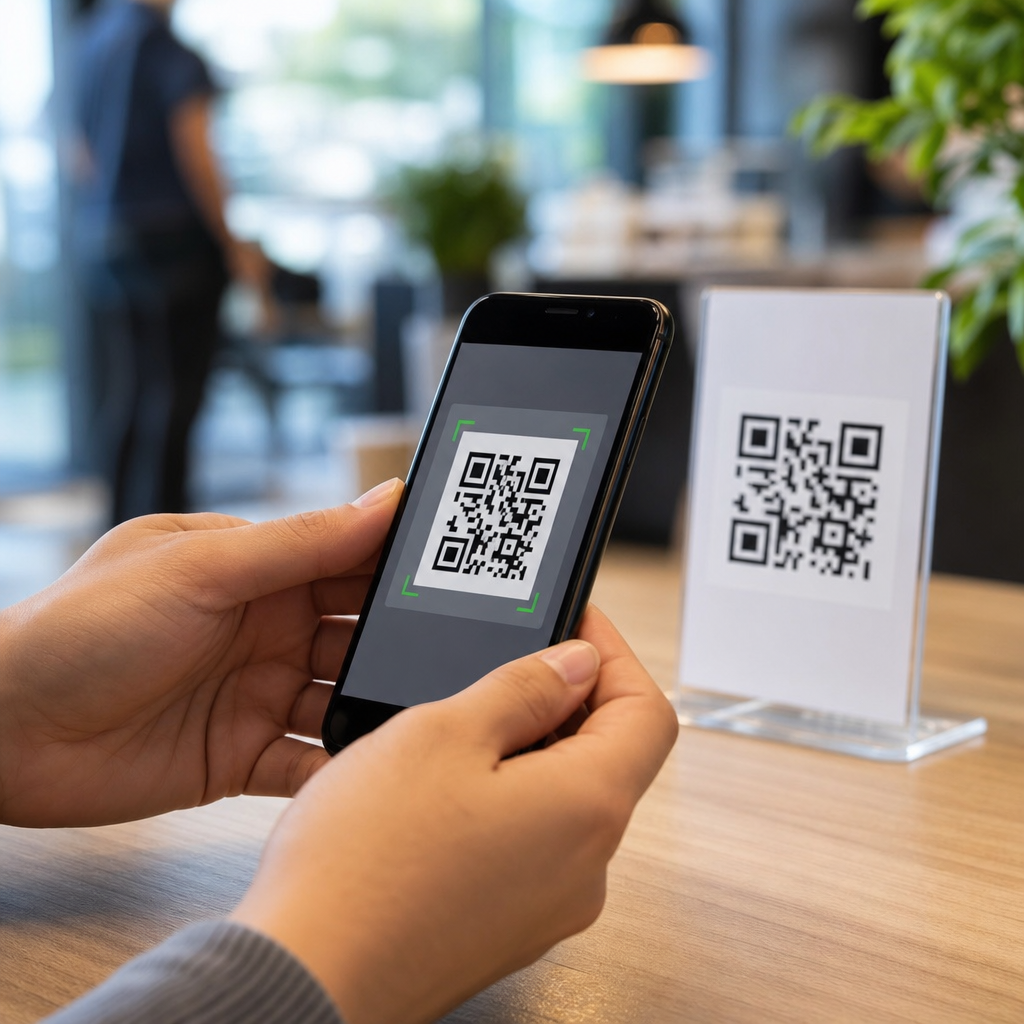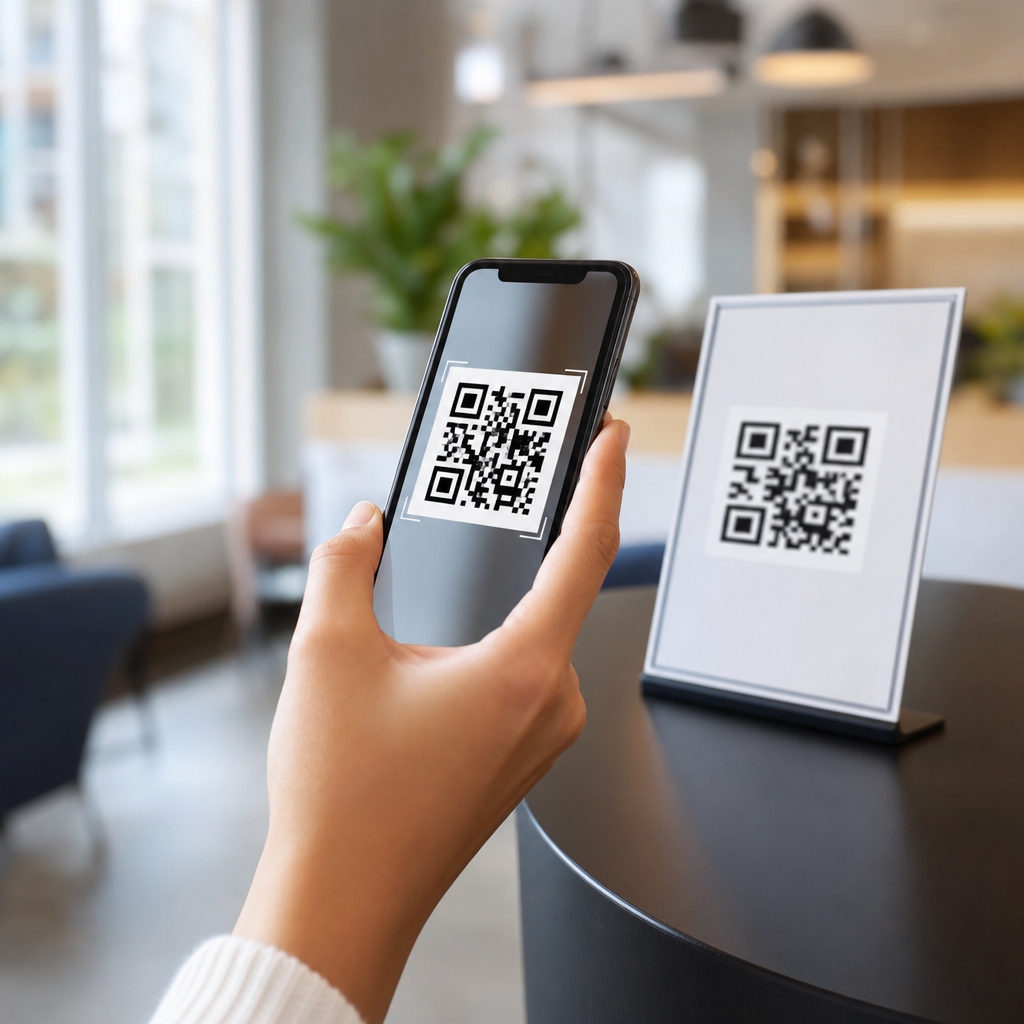
Mobile-first customers expect information, checkout options, support, and rewards to appear instantly on the device already in their hands, which is exactly why QR codes have become such an effective bridge between physical touchpoints and digital actions. A QR code, or Quick Response code, is a two-dimensional barcode that stores data such as a URL, payment request, contact card, app deep link, Wi-Fi credential, or product identifier. Unlike traditional barcodes, QR codes can hold significantly more information and can be scanned from multiple angles with standard smartphone cameras. In practice, that means a customer can point a phone at packaging, a menu, a sign, a receipt, or a screen and move directly into a mobile experience without typing a long address or searching manually.
The reason this matters is simple: mobile behavior dominates everyday commerce and information discovery. Customers compare prices in aisles, read reviews at tables, sign up for loyalty programs at checkout, and complete payments while commuting. Every extra step increases friction, and friction reduces conversion. I have seen this firsthand in retail rollouts and event campaigns where replacing printed instructions and long URLs with well-placed QR codes cut drop-off dramatically. When the scan opened a fast mobile landing page, more users finished the action. When it opened a desktop page, performance suffered. The lesson is consistent: QR codes work best when they are designed around mobile-first customer behavior, not treated as a novelty.
Benefits of mobile QR codes extend beyond convenience. They improve speed, reduce typing errors, connect offline marketing to measurable digital outcomes, and support contactless interactions that customers now consider normal. They also create a flexible hub for related mobile experiences, including payments, app installs, digital menus, product education, lead capture, reviews, customer support, and omnichannel attribution. For businesses building a strong Mobile QR Code Basics foundation, understanding these benefits helps shape better campaign design, better user journeys, and better results from packaging, print, signage, and in-store media.
Speed and convenience drive higher mobile engagement
The most immediate reason QR codes work well for mobile-first customers is speed. Scanning removes the need to type a URL, search in a browser, download a document from email, or navigate a complex app menu. Smartphone camera integration on iOS and Android made scanning mainstream because the barrier to use dropped sharply. A user now scans in one motion and reaches the intended destination in seconds. That convenience matters because mobile sessions are often short, distracted, and context-driven. People scan while standing, walking, ordering, shopping, or comparing options. If the path is not immediate, they abandon it.
In hospitality, mobile QR codes replaced laminated menus because they match how customers actually behave at the table. In retail, brands use QR codes on shelf talkers to surface specifications, reviews, and compatibility details that would never fit on packaging. In healthcare settings, clinics use them for forms, directions, and post-visit instructions, reducing paper handling and front-desk bottlenecks. Across these use cases, the customer benefit is the same: less effort, faster access, fewer mistakes, and a smoother mobile interaction that respects limited attention.
QR codes reduce friction across the entire customer journey
Friction is any unnecessary step between customer intent and customer action. QR codes lower friction at awareness, consideration, conversion, and retention stages because they compress the path from physical moment to mobile response. A poster can lead to a booking page. A product label can open setup instructions. A receipt can launch a review request. A package insert can connect to a warranty registration form. Each scan converts passive interest into measurable intent.
I recommend mapping QR codes to the exact micro-moment a customer is experiencing. Someone in a store needs proof and reassurance, so a code should open concise product details, comparison charts, or social proof. Someone who just bought needs setup help, so the code should deep link into onboarding content, not the home page. Someone at an event may want immediate lead capture, so the code should send users to a short form with autofill support. This alignment is where benefits of mobile QR codes become tangible. Businesses often blame low scan performance on the code itself when the real issue is weak landing page relevance or poor placement.
Static and dynamic QR codes also affect friction differently. Static codes encode fixed information and cannot be edited after printing. Dynamic codes route through a short URL and can be updated, tracked, and redirected without changing the printed asset. For campaigns, packaging, and long-lived signage, dynamic codes are usually the stronger choice because they preserve continuity while allowing destination changes, A/B tests, or localization over time.
They connect offline media to measurable digital outcomes
One of the strongest business benefits of mobile QR codes is attribution. Print, packaging, direct mail, out-of-home ads, receipts, and in-store displays have historically been difficult to measure with precision. QR codes solve part of that problem by turning offline exposure into a trackable digital visit. With UTM parameters, analytics platforms such as Google Analytics 4, and QR management tools like Bitly, QR Code Generator PRO, Scanova, or Uniqode, marketers can evaluate scans, sessions, conversions, geography, device type, and time patterns.
This visibility changes decision-making. A restaurant group can test whether table tents or window decals produce more menu scans. A consumer packaged goods brand can compare packaging scans by retail channel and region. A trade show team can measure which booth surfaces generated the most lead captures and which post-scan offers converted best. Because the code creates a direct bridge, businesses can optimize creative, placement, and destination page design using actual behavior instead of assumptions.
| Use case | Typical QR destination | Primary mobile benefit | Key metric |
|---|---|---|---|
| Product packaging | Setup guide or ingredients page | Instant post-purchase support | Completion rate |
| Restaurant table | Mobile menu or payment page | Faster ordering and checkout | Scans per table |
| Retail signage | Reviews or comparison page | Decision support in aisle | Assisted conversion |
| Direct mail | Offer landing page | Low-friction response | Conversion rate |
Contactless access fits modern customer expectations
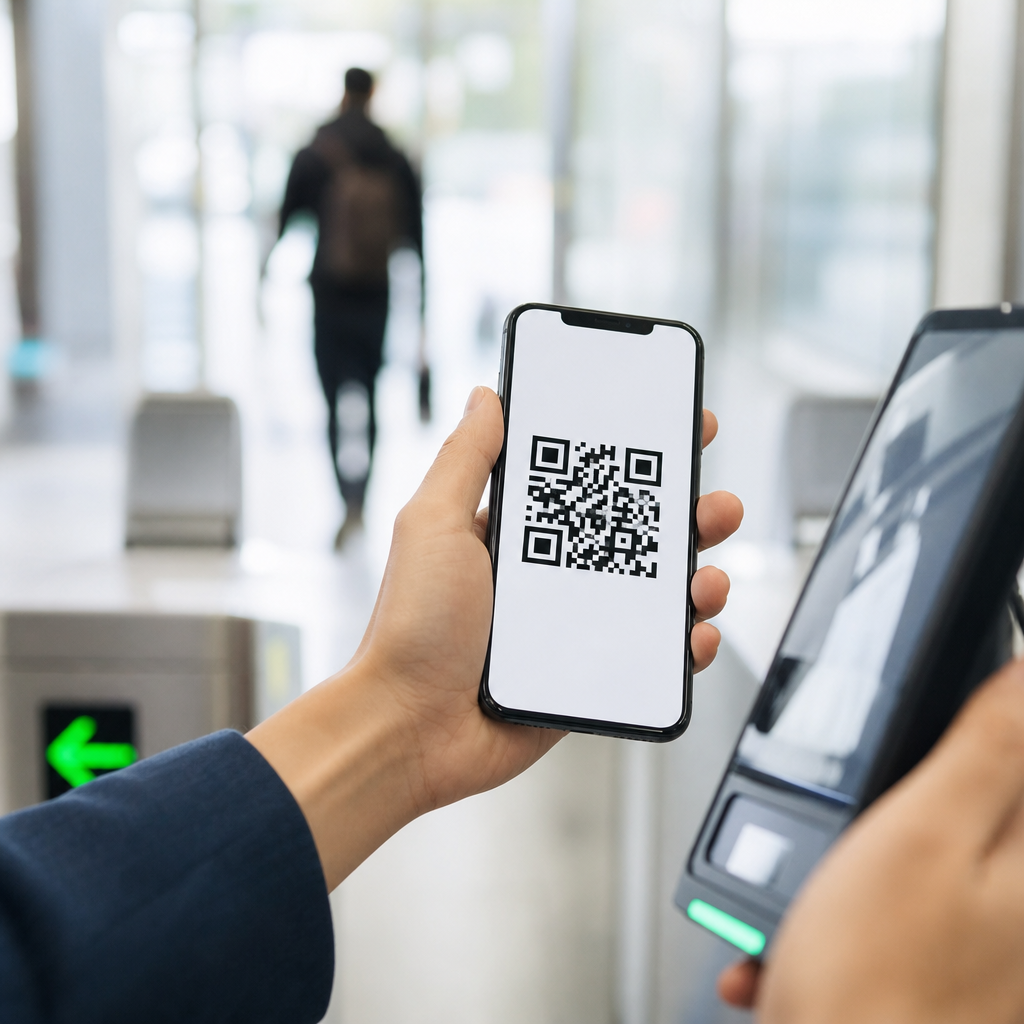
QR adoption accelerated when contactless interactions became a practical necessity, but the behavior remained because it is efficient. Mobile-first customers now expect to access services without waiting for staff, handling shared materials, or entering information manually. QR codes support contactless menus, payments, check-ins, registrations, coupons, authentication, and support requests. That makes them valuable in restaurants, transportation hubs, healthcare facilities, campuses, hotels, and live events.
Contactless does not mean impersonal. In well-designed systems, QR codes actually improve service by letting staff spend less time on repetitive handoffs and more time on higher-value interactions. For example, a hotel lobby can use a code for local guides, Wi-Fi details, and amenity booking while front-desk staff focus on exceptions and guest questions. A clinic can place a code on appointment reminders so patients complete forms before arrival, reducing queues and administrative errors. The mobile device becomes the interface customers already trust and know how to use.
QR codes support payments, loyalty, and repeat business
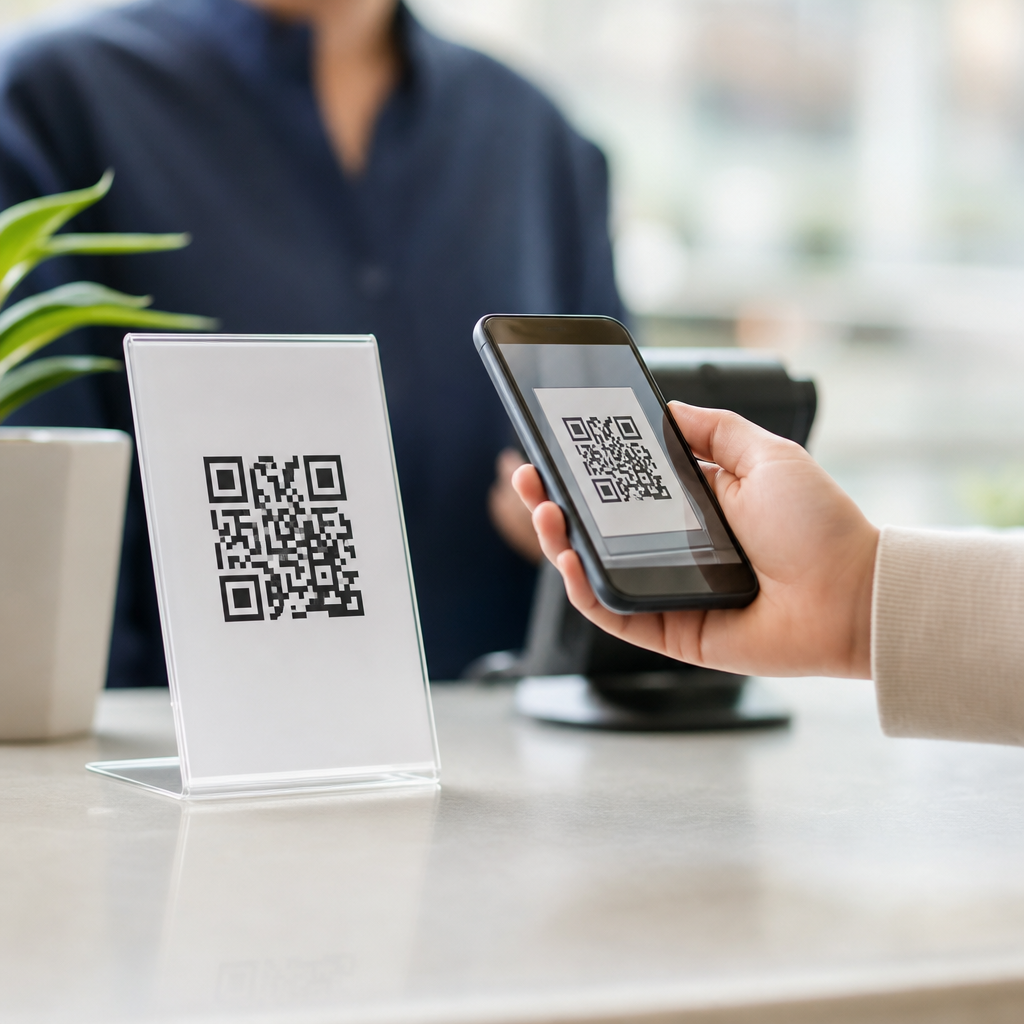
Mobile-first customers increasingly move from discovery to transaction on the same device, and QR codes help unify that path. Payment providers such as PayPal, Square, Stripe, and regional digital wallet systems support QR-based payment flows that reduce checkout friction for small merchants, pop-up sellers, and service businesses. A code can open a payment sheet, preload order details, or connect to a checkout page optimized for wallets like Apple Pay and Google Pay. When implemented correctly, that shortens lines and improves completion rates.
Beyond the first transaction, QR codes are useful retention tools. A printed code on packaging, receipts, table cards, or thank-you inserts can drive loyalty enrollment, referral sharing, review generation, reorder flows, or subscription management. I have seen especially strong results when a post-purchase QR code offers a clear next step: register your product, earn points, reorder in one tap, or watch the two-minute setup video. These actions feel natural on mobile because the customer is already in possession of the product and already using a phone. The code simply removes the gap between intent and repeat engagement.
Better customer education improves trust and lowers support costs
Many products and services are harder to explain in limited physical space than on a mobile screen. QR codes solve that by extending packaging, displays, manuals, and receipts into richer educational content. A cosmetics brand can link to shade matching tips and ingredient sourcing. An electronics company can link to installation videos, troubleshooting trees, firmware instructions, and safety documentation. A food brand can link to allergen details, recipes, certifications, and recycling guidance. This mobile layer increases transparency, which builds trust and reduces preventable support contacts.
The key is to present information in formats suited to mobile use: concise headings, short paragraphs, compressed images, subtitles on video, and prominent calls to action. Schema markup, fast page speed, accessible contrast, and responsive design all contribute to stronger outcomes after the scan. If the destination loads slowly or hides key information below clutter, the convenience of the QR code is wasted. The code earns the click; the mobile experience earns the result.
Best practices determine whether QR codes actually perform
QR codes work well for mobile-first customers only when implementation follows proven standards. The destination must be mobile optimized, secure over HTTPS, and closely matched to scan intent. The code should be large enough to scan easily, placed where lighting and distance make sense, and surrounded by adequate quiet space. Error correction levels matter when codes may be partially obscured, such as on curved packaging. Contrast should remain high, and overly decorative designs should never compromise scannability.
Instructional context also helps. A simple prompt like “Scan to see setup steps” or “Scan for ingredients and reviews” outperforms an unlabeled code because customers know what value they will receive. Testing is nonnegotiable. Scan on multiple devices, under realistic lighting, across different camera apps and operating systems. Use short URLs, maintain redirects carefully, and monitor analytics for failed destinations, bounce rates, and unusual device patterns. Accessibility matters too. Important information should not be available only through a QR code; provide an alternate URL or printed cue for users who cannot scan.
QR codes work well for mobile-first customers because they match how people already navigate the world: quickly, contextually, and through the phone in their hand. They reduce friction, accelerate access, connect offline touchpoints to measurable digital outcomes, support contactless service, and strengthen payments, loyalty, and education. Those are the core benefits of mobile QR codes, and together they explain why this format remains effective across retail, hospitality, healthcare, events, and consumer products.
For teams building a stronger Mobile QR Code Basics strategy, the priority is not simply generating more codes. It is choosing the right destination, the right moment, and the right mobile experience after the scan. Start with one high-intent use case, measure performance carefully, and improve from there. When the scan solves a real customer need in seconds, QR codes stop being a marketing add-on and become a practical tool that improves the entire customer journey.
Frequently Asked Questions
Why are QR codes especially effective for mobile-first customers?
QR codes work so well for mobile-first customers because they remove the friction between interest and action. Instead of asking someone to remember a website, type a long URL, download an app later, or search for a product manually, a QR code lets them move from a physical moment to a digital experience in seconds using the phone already in their hand. That speed matters because mobile-first users expect immediate access to information, payments, support, and offers without extra steps.
They are also effective because they match how people behave today. Customers often discover brands in stores, on packaging, at events, on menus, in transit, or through printed promotions, but they want the next step to happen digitally. A QR code creates that bridge instantly. With one scan, a customer can open a landing page, redeem a coupon, join a loyalty program, view a product tutorial, start a chat, save contact details, connect to Wi-Fi, or complete a payment. That convenience supports the core expectation of mobile-first experiences: fast, simple, and device-native interactions.
Another reason QR codes perform well is that smartphone cameras now support scanning natively, which lowers the barrier to use even further. Customers no longer need special equipment or technical knowledge. When the code is clearly placed and paired with a compelling call to action, it becomes one of the easiest ways to turn offline attention into measurable online engagement.
What types of information or actions can a QR code deliver on a mobile device?
A QR code can deliver far more than just a website link, which is one of the main reasons it is so useful in mobile-first marketing and customer experience design. Depending on how it is configured, a QR code can open a product page, launch an app deep link, trigger a payment request, display a digital menu, save a contact card, connect a user to Wi-Fi, open a customer support form, start an SMS message, or send someone directly to a review page. That flexibility makes QR codes practical across retail, hospitality, healthcare, events, logistics, and service businesses.
For customers, this means the scan can lead directly to the exact next step they need instead of forcing them through a generic homepage. A shopper might scan a shelf tag to compare colors and sizes, a diner might scan a table sign to browse and order, or an event attendee might scan a badge to access schedules and networking tools. In each case, the QR code reduces searching, clicking, and typing. That streamlined experience is valuable on mobile because small screens reward precision and punish unnecessary navigation.
Businesses also benefit from the range of use cases because the same basic technology can support multiple goals across the customer journey. A single campaign might use one code for awareness, another for checkout, and another for post-purchase support. When used thoughtfully, QR codes become a practical mobile entry point for education, conversion, service, and retention.
How do QR codes improve convenience and conversion rates for mobile users?
QR codes improve convenience by collapsing several steps into one action. On mobile devices, every extra tap, form field, and search query creates a chance for a customer to lose interest. Scanning a QR code eliminates much of that friction by taking the user directly to the intended destination. That destination can be optimized for mobile from the start, whether it is a checkout page, appointment scheduler, product demo, loyalty signup, or personalized offer. The less effort required, the more likely customers are to complete the action.
They can also improve conversion rates because they capture intent at the exact moment it is strongest. If someone is standing in front of a product, reading a poster, opening a package, or sitting at a restaurant table, their interest is immediate and contextual. A QR code allows the business to respond to that intent instantly instead of hoping the customer follows up later. That timing can make a major difference in whether the interaction leads to a sale, registration, subscription, or other valuable outcome.
In addition, QR codes support cleaner user journeys. Instead of sending people to a broad homepage and expecting them to find the right content, businesses can direct scans to highly relevant landing pages with concise messaging, clear calls to action, and mobile-friendly layouts. This level of alignment between the code placement, the user’s intent, and the landing experience often leads to better engagement and stronger conversion performance.
Are QR codes useful only for marketing, or do they support the full customer experience?
QR codes are not limited to marketing at all. While they are excellent for promotions and campaign tracking, they are just as valuable across the full customer experience, from discovery to purchase to post-sale support. A business can use QR codes on packaging to provide setup guides, on receipts to collect feedback, on displays to unlock product specifications, on invoices to enable payments, and in service environments to route customers to FAQs or live assistance. That breadth makes them a practical operational tool, not just a promotional tactic.
For mobile-first customers, this matters because expectations do not stop after the initial click or scan. They want every stage of the experience to be fast and accessible on their phone. If a QR code helps them compare options before buying, track an order after purchase, register a warranty, reorder supplies, or join a rewards program, it continues delivering value beyond the first interaction. In other words, the best QR code strategies support continuity, not just attention.
From a business standpoint, that wider use can also improve consistency and reduce support burden. When customers can access instructions, troubleshooting, account tools, or payment options directly from a code, they are less likely to abandon tasks or contact support for routine issues. Used this way, QR codes help create smoother self-service experiences that align with mobile behavior while also improving efficiency behind the scenes.
What makes a QR code experience successful for mobile-first audiences?
A successful QR code experience starts with relevance and clarity. Customers should immediately understand what they will get when they scan, whether that is a discount, product information, instant checkout, account access, or support. A vague code with no context tends to underperform, while a clear call to action such as “Scan to pay,” “Scan for sizing,” or “Scan for rewards” sets the right expectation and encourages action. The destination should also match the promise exactly, with no confusion or unnecessary steps.
Mobile optimization is equally important. The landing page or action triggered by the code needs to load quickly, display properly on small screens, and make completion easy with minimal typing. If the scan opens a cluttered desktop page, a slow site, or a generic homepage, the convenience advantage disappears. The strongest QR experiences are designed with a single purpose in mind and guide users smoothly toward that outcome.
Placement, sizing, and trust also play a major role. Codes should be easy to scan in the real-world environment where they appear, whether on packaging, signage, menus, direct mail, or in-store displays. They should be printed clearly, placed where users naturally look, and presented in a way that feels credible and brand-consistent. Finally, businesses should track performance and refine results over time. Measuring scans, engagement, and downstream actions helps identify what content, locations, and offers resonate most with mobile-first customers.