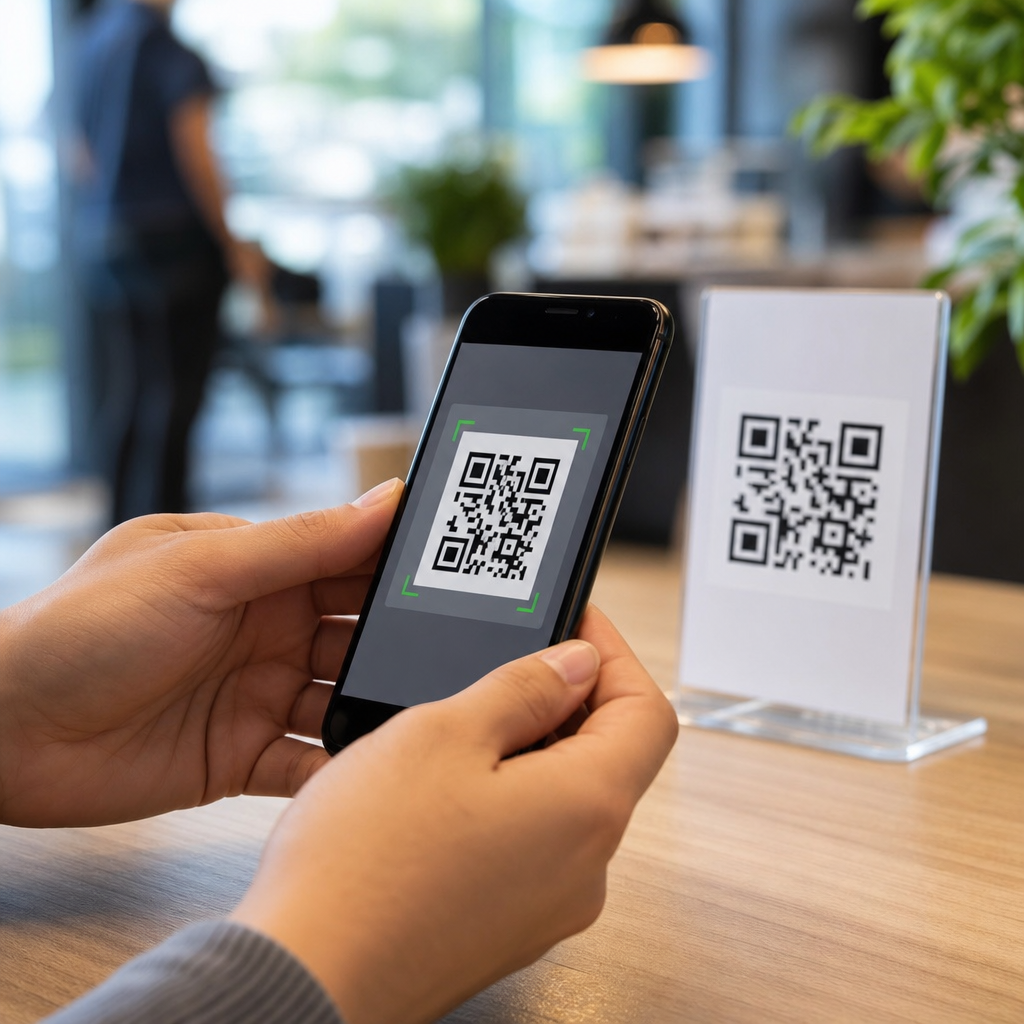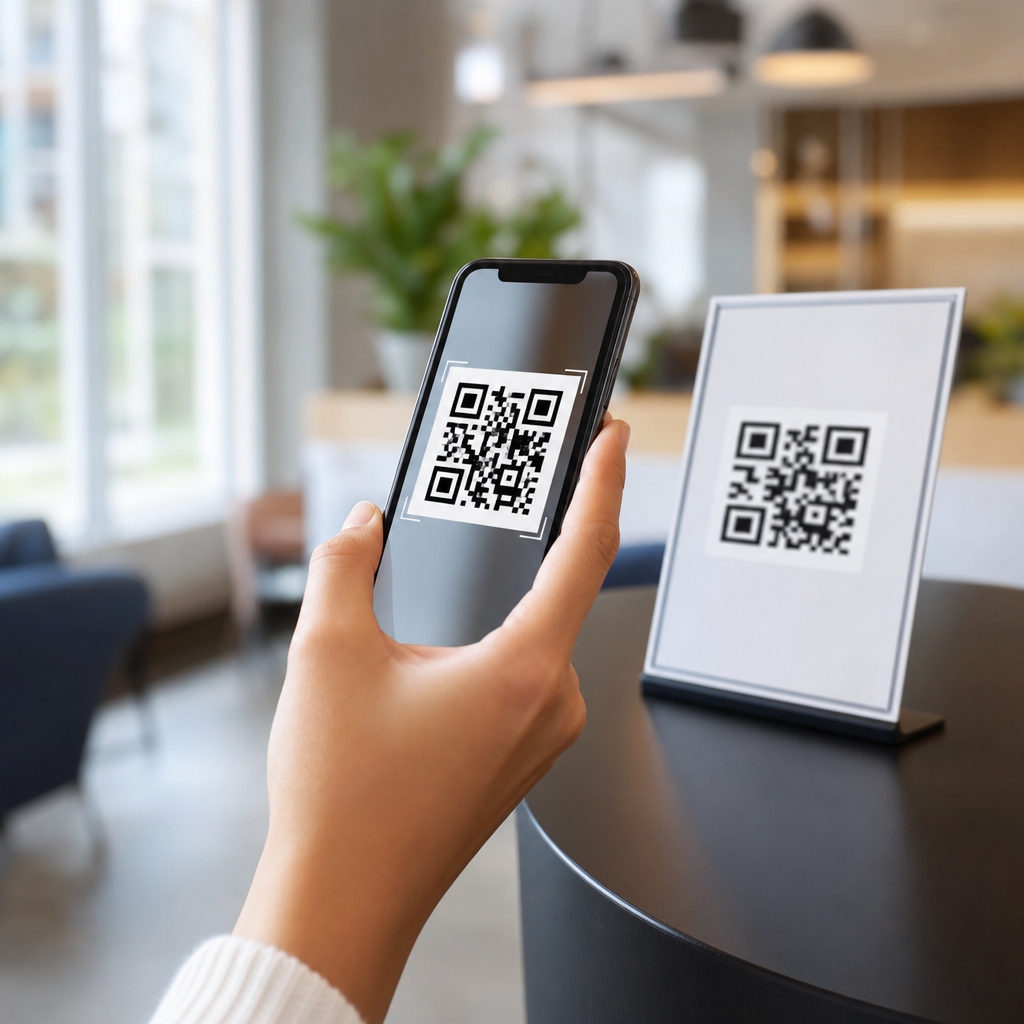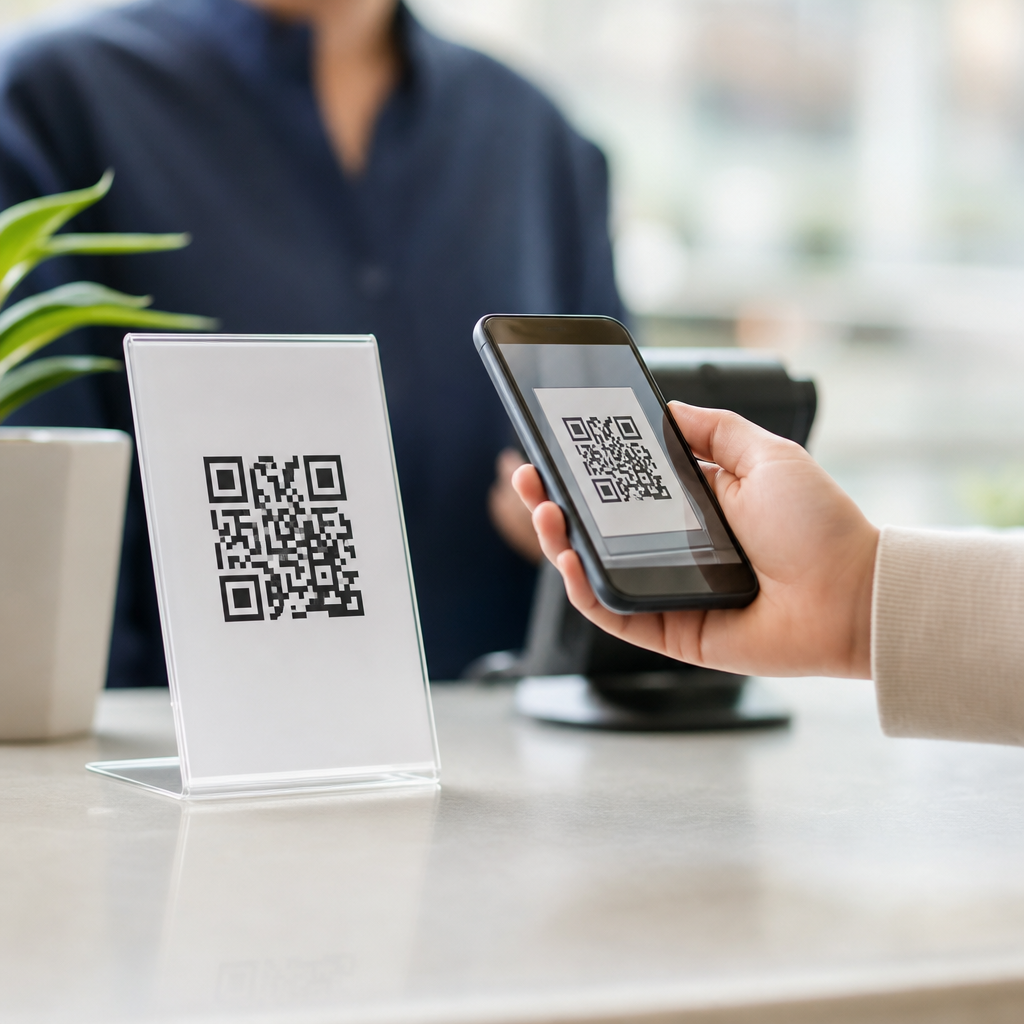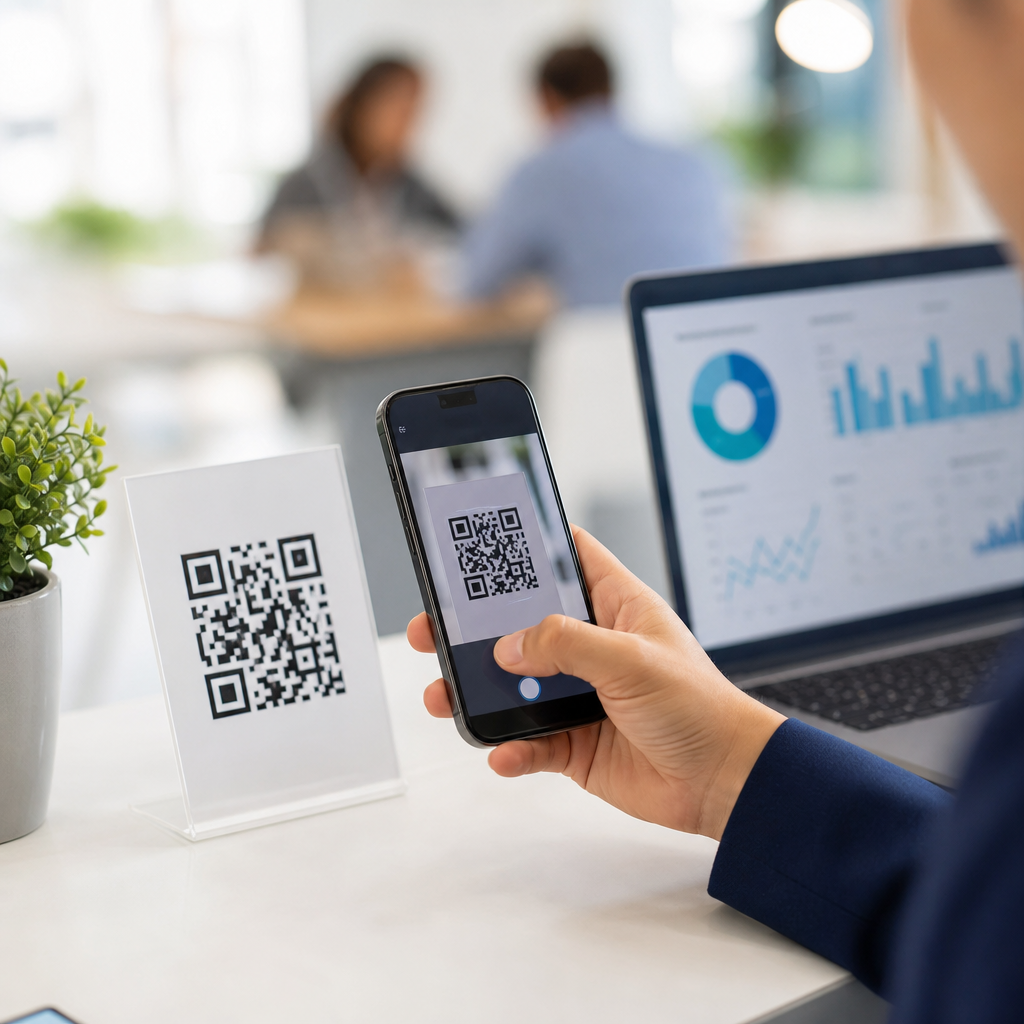
Mobile QR codes give businesses and consumers a faster way to connect physical spaces with digital actions, which is why they have become central to modern customer journeys. A mobile QR code is a scannable two-dimensional barcode designed to be read by a smartphone camera, instantly sending a user to a website, payment screen, app download, contact card, coupon, menu, form, or support page. The speed advantage matters because every extra tap, search, or typed URL creates friction, and friction reduces conversions. In campaigns I have managed for retailers, restaurants, and event teams, the highest-performing mobile experiences were usually the ones that removed steps between interest and action. QR codes do exactly that.
Understanding the benefits of mobile QR codes starts with understanding what “speed” really means in digital marketing and operations. It is not only page load speed, though that matters. It also includes decision speed, checkout speed, onboarding speed, information access speed, and staff workflow speed. When a customer scans a code on product packaging and reaches setup instructions in one second, that is speed. When a diner scans a table tent and pays without waiting for a check presenter, that is speed. When a technician scans equipment labels to access maintenance logs, that is operational speed. Mobile QR codes compress the path from intent to outcome.
This topic matters because smartphone behavior has changed permanently. Apple integrated QR scanning directly into the Camera app years ago, and Android devices broadly followed, eliminating the old requirement to download a separate scanner. According to Statista reporting on US usage trends, tens of millions of smartphone users scan QR codes annually, and adoption accelerated after contactless interactions became routine during the pandemic. That rise was not a temporary spike. Businesses discovered that QR codes are inexpensive to deploy, measurable, flexible, and useful across industries. For consumers, the value is simplicity. For organizations, the value is faster access, better tracking, and more efficient customer flows.
Why mobile QR codes reduce friction
The core benefit of mobile QR codes is friction reduction. A user sees an offer, points a camera, taps the prompt, and lands exactly where the business wants them to go. Compare that with a printed URL, which forces typing on a small keyboard and introduces spelling errors, abandonment, and distraction. In usability testing I have run on in-store displays, even motivated users abandon a process when they have to type a long web address or search for a promotion manually. A QR code eliminates that gap and preserves intent while it is strongest.
This is especially important on mobile devices, where sessions are short and attention is fragmented. People scan while standing in aisles, commuting, attending events, or comparing products. Mobile QR codes match these contexts because they support immediate action. A consumer can claim a discount at shelf level, register a warranty from the product box, or join a loyalty program during checkout. Speed is not a superficial convenience here; it directly affects conversion rate. When the action takes seconds, more people complete it before getting interrupted or losing interest.
Friction reduction also improves accessibility of information. Printed materials have limited space, but a QR code can connect users to multilingual instructions, video walkthroughs, nutrition facts, assembly guides, or FAQs. This is one reason manufacturers and healthcare providers increasingly use mobile QR codes: they can keep packaging clean while still offering deep information on demand. The result is a better mobile customer experience and lower support burden.
Business benefits across marketing, sales, and service
Mobile QR code benefits extend far beyond convenience. In marketing, they shorten the path from awareness to engagement. A poster can drive to an event registration page. A direct mail piece can open a personalized landing page. A social proof display in a store can link to reviews or user-generated content. Because the code is scanned from a mobile phone, the destination can be optimized for immediate actions such as calling, texting, saving a coupon to a wallet app, or completing a mobile payment. That alignment with real mobile behavior makes campaigns more efficient.
In sales environments, QR codes accelerate product discovery and purchase decisions. Real estate agents use yard signs to send prospects to listing pages with photos, pricing, and tour scheduling. Auto dealers place codes on windshields linking to vehicle history, financing options, and inventory comparisons. Consumer electronics brands use packaging and shelf talkers to route shoppers to feature demos and compatibility checkers. In each case, the buyer receives timely answers without waiting for staff assistance, which can improve both close rates and staff productivity.
Service teams also gain operational advantages. Restaurants use mobile QR codes for menus, ordering, feedback, and payment. Hotels place codes in rooms for Wi-Fi access, room service, local recommendations, and late checkout requests. Field service companies add QR labels to equipment so staff can retrieve service histories, manuals, and parts lists on site. These uses reduce search time, standardize processes, and lower error rates. When information is one scan away, teams spend less time chasing details and more time solving problems.
Where mobile QR codes create the most value
Not every use case has equal impact. The strongest results come from moments where users have high intent and limited patience. That typically includes point-of-sale interactions, product onboarding, event check-in, support escalation, and payments. I advise clients to map the exact point where a person would otherwise type, search, wait, or ask for help. If a QR code removes that step cleanly, it usually adds value. If it sends users to a generic homepage or forces extra navigation, it often underperforms.
| Use case | Fastest user action enabled | Business benefit |
|---|---|---|
| Retail shelf signage | Scan to product details or coupon | Higher in-store conversion and fewer lost sales |
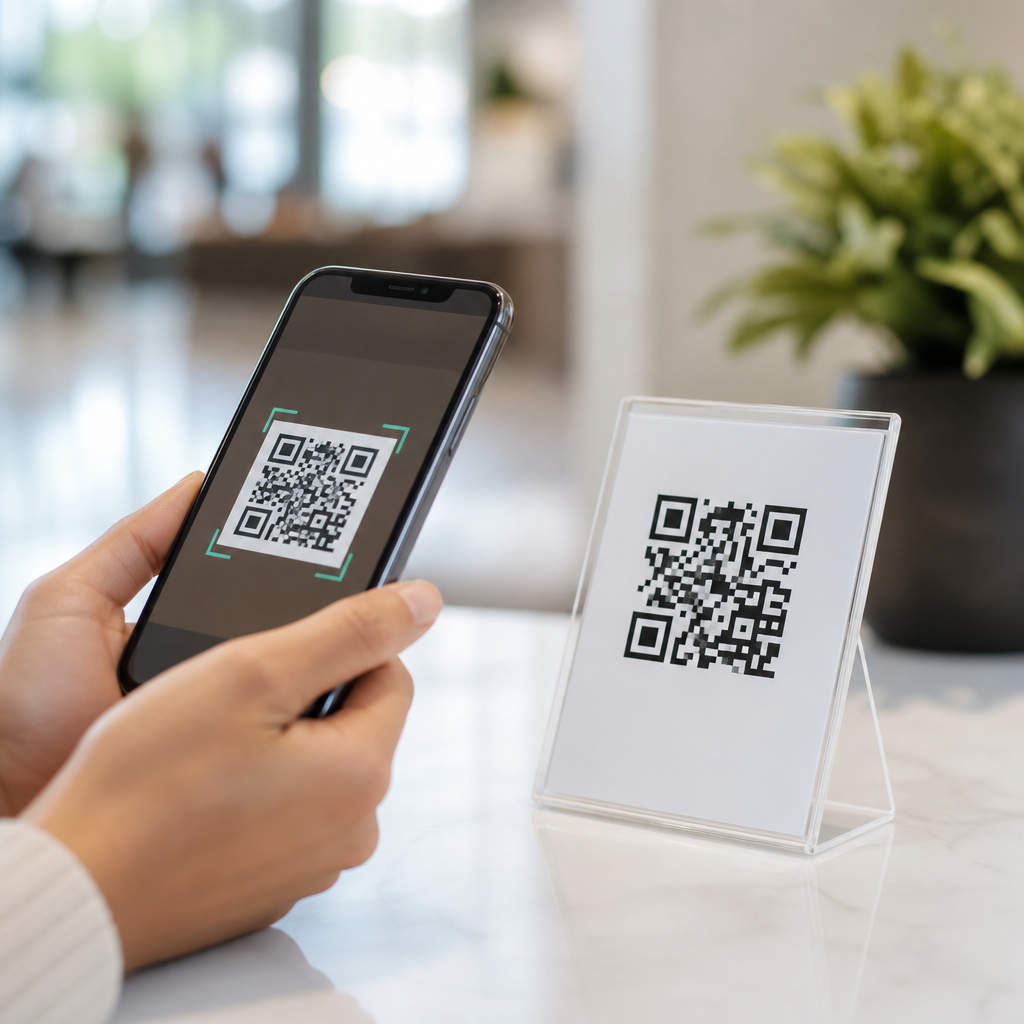
| Restaurant table display | Scan to menu, order, or pay | Faster table turns and lower wait times |
| Product packaging | Scan to setup guide or warranty form | Reduced support contacts and better onboarding |
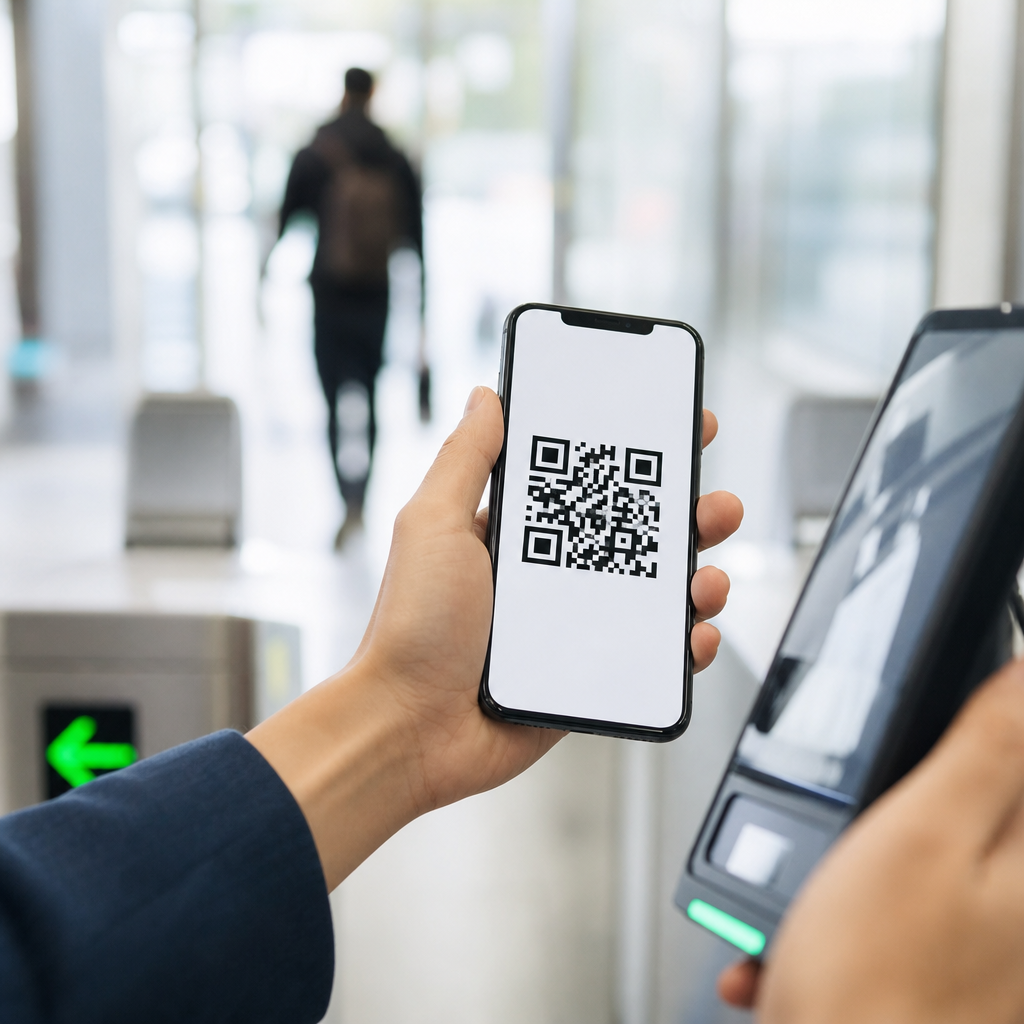
| Event badge or poster | Scan to register or view agenda | Higher attendance and smoother check-in |
| Equipment label | Scan to maintenance records | Quicker service workflows and fewer mistakes |
Payments are a particularly strong example. QR-based mobile payments can reduce queue times because customers do not need to handle cash, cards, or shared terminals in the same way. In markets such as China and India, QR payment systems became mainstream because they are cheap to deploy and fast to use. Even in markets where cards dominate, mobile QR payment options can improve speed for peer-to-peer transactions, pop-up shops, and small merchants.
Another high-value area is post-purchase support. Instead of burying setup instructions in a paper leaflet, brands can place a QR code on the product or box and direct customers to model-specific video guides. That reduces returns caused by confusion rather than product defects. It also supports better self-service, which lowers call center volume.
Measurement, optimization, and practical limits
One of the most overlooked benefits of mobile QR codes is measurability. Dynamic QR codes can be updated without changing the printed asset, and they can track scans by time, device, and location pattern depending on the platform and privacy setup. Tools from providers such as Bitly, QR Code Generator Pro, Beaconstac, and Uniqode let teams monitor scan-through performance, run A/B tests on landing pages, and compare placements. This matters because speed gains should be measured, not assumed. A code on packaging may outperform a code on signage, or vice versa, depending on user context and landing page quality.
Good performance depends on execution. The landing page must load quickly, display clearly on mobile, and match the promise near the code. The code itself needs sufficient contrast, quiet space, and a reasonable scanning distance. ISO/IEC 18004 defines the QR Code symbology standard, and following established print and testing practices prevents avoidable failures. I have seen campaigns blame “QR fatigue” when the real problem was a low-contrast code, poor lighting placement, or a destination page buried behind cookie banners and slow scripts.
There are also limits. A QR code is not automatically the best option when a Near Field Communication tap, short vanity URL, or native app flow is simpler. Some users remain cautious about scanning unknown codes because malicious redirects exist. Trust signals matter: brand the destination, explain what the scan does, and place codes in credible contexts. Accessibility also matters. Important information should not be available only through a QR code; provide an alternative path for users with older devices, limited connectivity, or visual impairments.
The speed advantage of mobile QR codes is most powerful when it is intentional. Use codes to remove a real step, not to add novelty. Put them where user intent peaks, route them to mobile-first destinations, track what happens after the scan, and refine based on evidence. Done well, mobile QR codes make marketing more responsive, service more efficient, and customer experiences easier to complete. That is the real benefit: less friction between interest and action. If you are building out your Mobile QR Code Basics resources, start by auditing every place customers hesitate, then deploy QR codes where one fast scan can turn delay into momentum.
Frequently Asked Questions
What makes mobile QR codes faster than traditional ways of accessing digital content?
Mobile QR codes remove several steps from the customer journey. Instead of asking someone to type a web address, search for a business online, download a brochure later, or navigate through multiple menu options, a QR code lets them point a smartphone camera and go directly to the intended destination in seconds. That destination might be a product page, payment screen, digital menu, support form, contact card, coupon, or app store listing. The speed advantage comes from eliminating friction at the exact moment a person is ready to act.
That matters more than many businesses realize. Every extra action, whether it is typing, searching, scrolling, or re-entering information, increases the chance that a user will hesitate or abandon the process entirely. Mobile QR codes compress the path between interest and action. In physical environments such as storefronts, packaging, events, restaurants, transit stations, and printed marketing materials, they create an immediate bridge to a mobile-friendly digital experience. When the path is shorter, the experience feels easier, and easier experiences typically lead to better engagement, faster conversions, and higher completion rates.
Why is speed so important in the mobile customer journey?
Speed is critical because mobile users are often acting in real time and with limited patience. They may be standing in a store aisle comparing products, trying to pay quickly, checking a menu at a table, registering at an event, or looking for support while already frustrated. In these moments, convenience strongly influences behavior. If the next step is instant, users are more likely to continue. If the process feels slow or complicated, they are more likely to stop.
Mobile QR codes support this need for immediacy by matching user intent with a near-instant next action. Instead of forcing people to remember a URL, open a browser, type carefully, and navigate to the right page, the code launches the desired destination almost immediately. This reduces cognitive load as well as physical effort. For businesses, that means fewer drop-off points and more momentum in the journey from awareness to action. In practical terms, speed can improve conversions, increase form completions, accelerate payments, drive more downloads, and help customers get the information they need before attention shifts elsewhere.
How do mobile QR codes improve business results beyond just convenience?
While convenience is the most visible benefit, the speed advantage of mobile QR codes can influence measurable business outcomes. Faster access often leads to stronger engagement because users reach the content or action point while interest is still high. A shopper can scan packaging for product details immediately, a diner can open a menu without waiting, and a customer can pay or redeem an offer on the spot. These faster interactions can shorten sales cycles, reduce abandonment, and create a smoother path to conversion.
Mobile QR codes also help businesses connect offline touchpoints with trackable digital actions. A printed sign, flyer, product label, receipt, direct mail piece, or in-store display can become an active entry point into the digital experience. That means businesses can guide people more precisely to landing pages, promotions, customer support tools, loyalty programs, and other high-value destinations. When deployed strategically, QR codes can improve operational efficiency, reduce customer confusion, and support better campaign performance. In short, speed is not just a user experience benefit. It can directly contribute to revenue, engagement, and more effective marketing execution.
Where are mobile QR codes most effective for creating faster interactions?
Mobile QR codes are especially effective anywhere a person moves from a physical environment to a digital task. Common examples include restaurant tables linking to menus or ordering systems, product packaging linking to instructions or reviews, retail displays linking to product details, event signage linking to registration or schedules, invoices linking to payment pages, and posters or mailers linking to promotions. In each case, the QR code cuts out unnecessary steps and helps the user act immediately from the context they are already in.
They are also powerful in service and support scenarios. A QR code on equipment can open a troubleshooting guide, a code on a receipt can launch a feedback form, and a code on a welcome packet can save contact information or open an onboarding page. Their effectiveness grows when the destination is clearly relevant to the user’s current need and optimized for mobile. The key is contextual speed: the right action, available instantly, at the moment it is most useful. That is where mobile QR codes create their strongest advantage.
What should businesses do to maximize the speed advantage of mobile QR codes?
To get the full benefit, businesses should think beyond the code itself and optimize the entire scan-to-action experience. First, the destination should be mobile-friendly, fast-loading, and highly specific. A QR code should not send users to a generic homepage if a direct product page, payment form, support article, or coupon redemption screen would be more efficient. The fewer decisions the user has to make after scanning, the better. Clarity also matters. People should know what they will get when they scan, whether that is “View Menu,” “Pay Now,” “Download App,” or “Get 10% Off.”
Placement and usability are equally important. Codes should be easy to spot, easy to scan, and printed at a size that works in real conditions. Businesses should also test them across devices, lighting conditions, and distances. Finally, the offer or action must be relevant to the moment. A well-placed QR code that solves an immediate need will outperform one that asks for unnecessary effort or sends users into a cluttered experience. When the code, the message, and the destination all align, businesses turn speed into a meaningful competitive advantage.