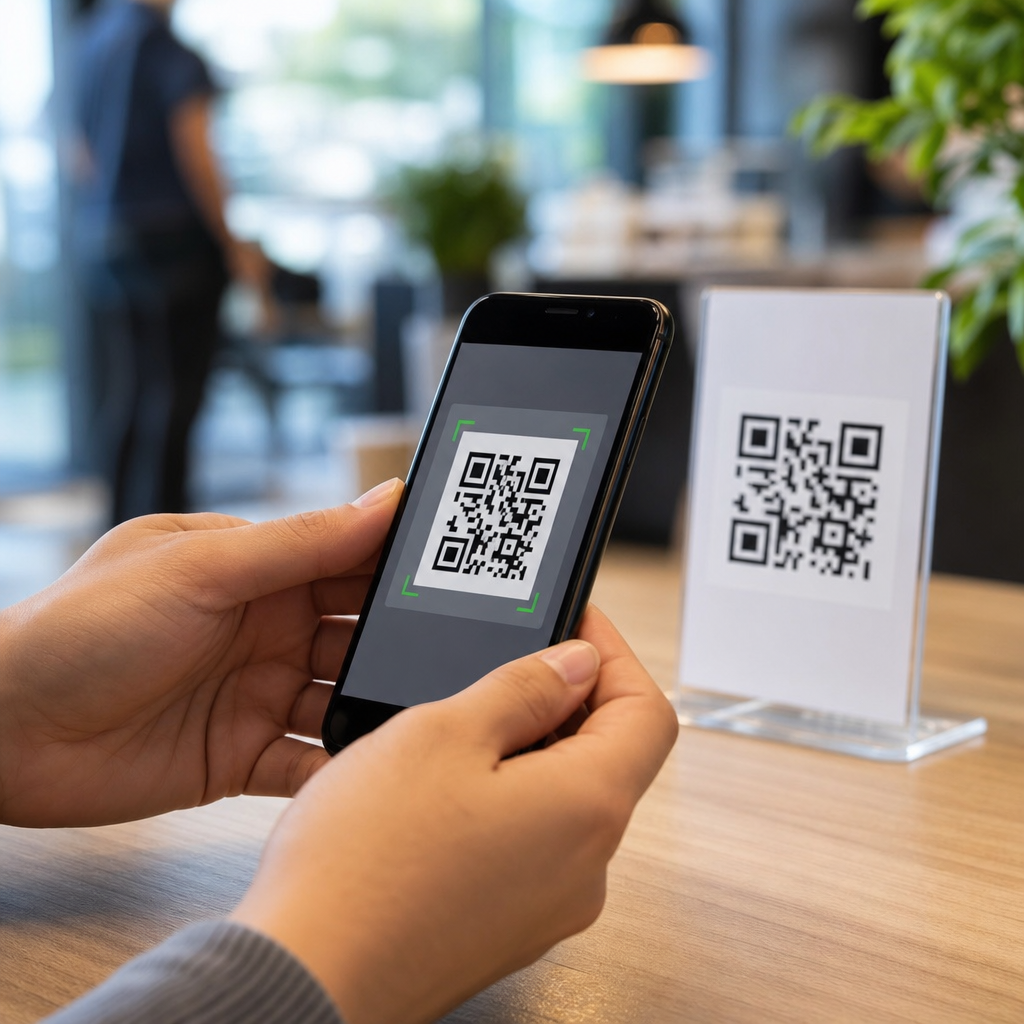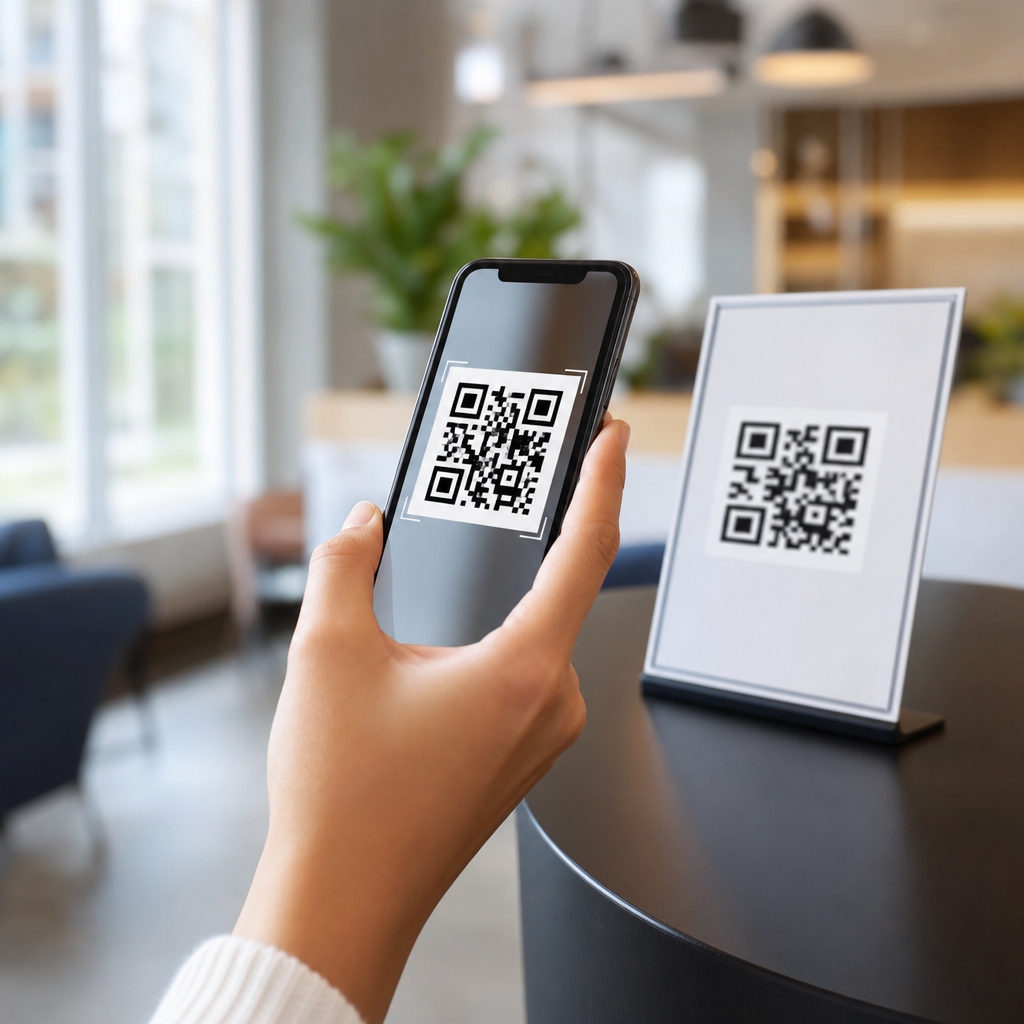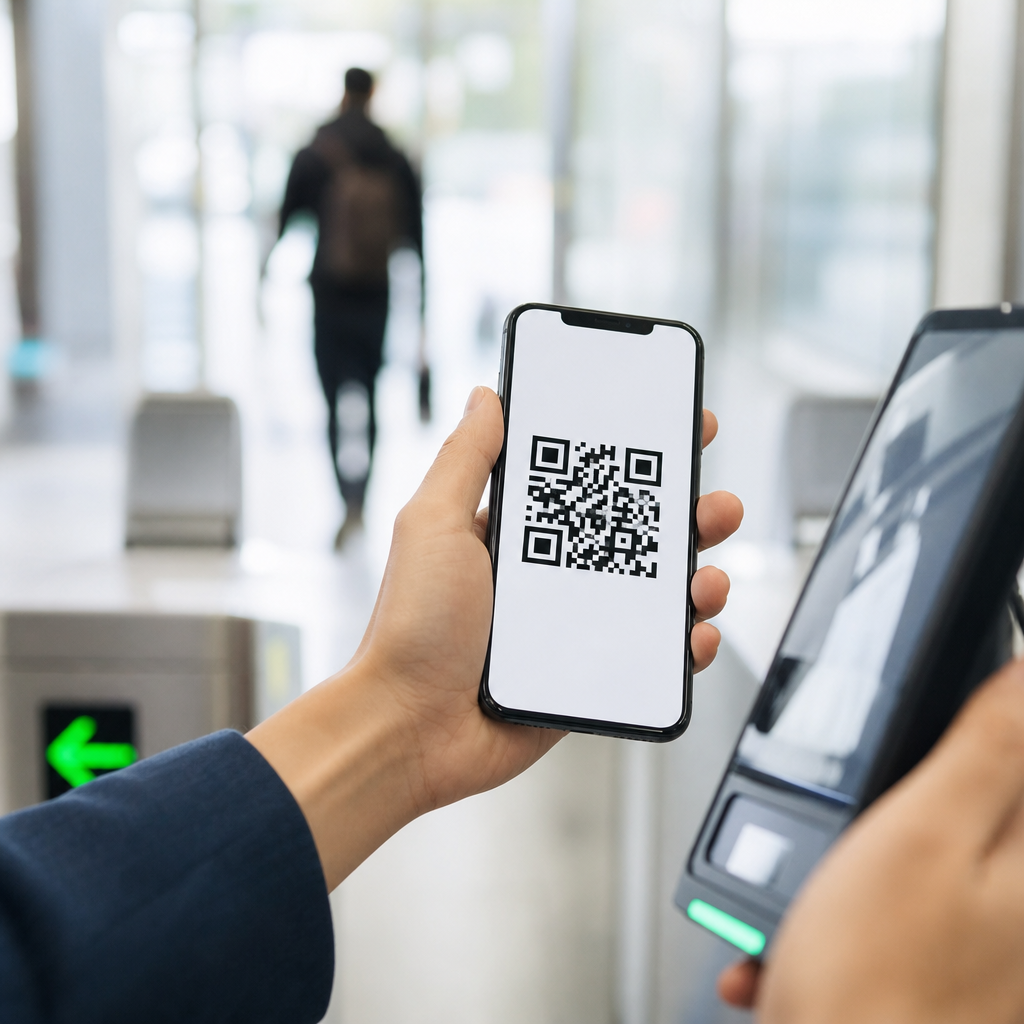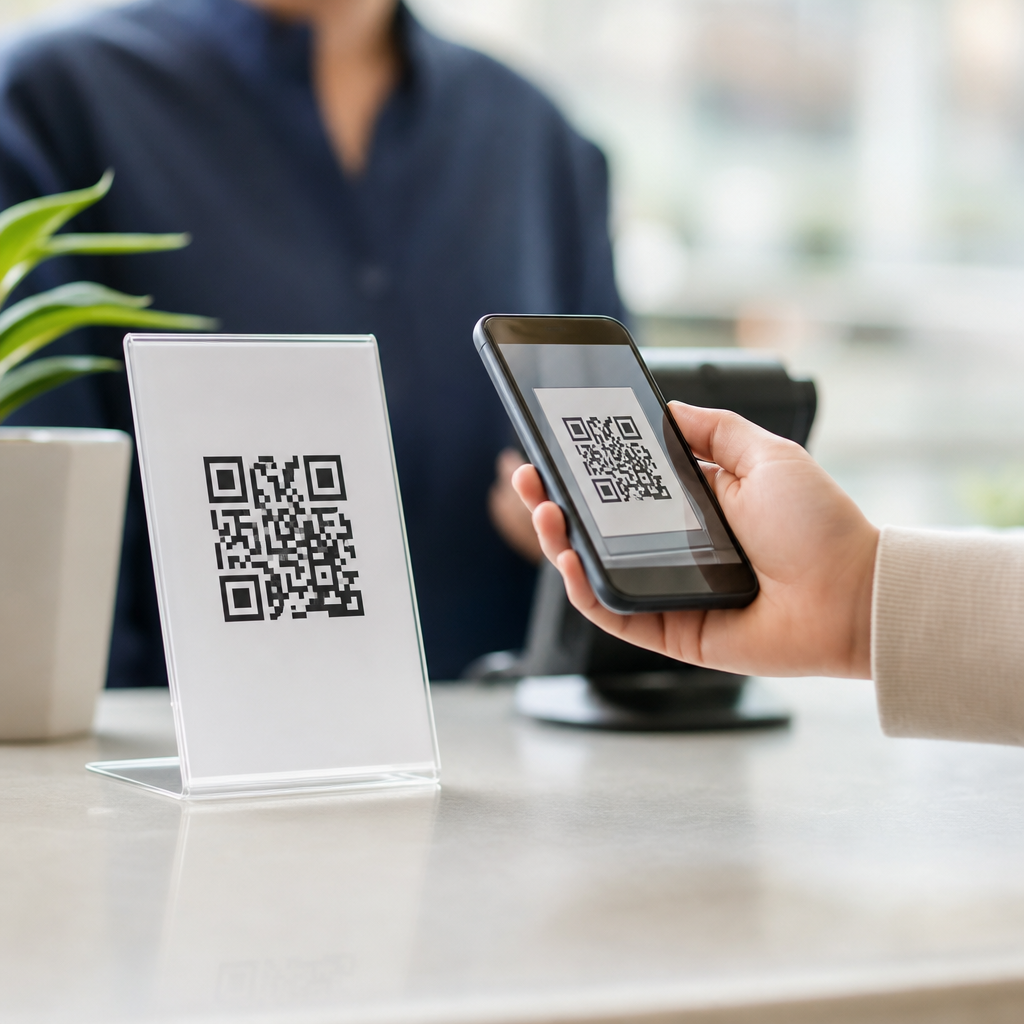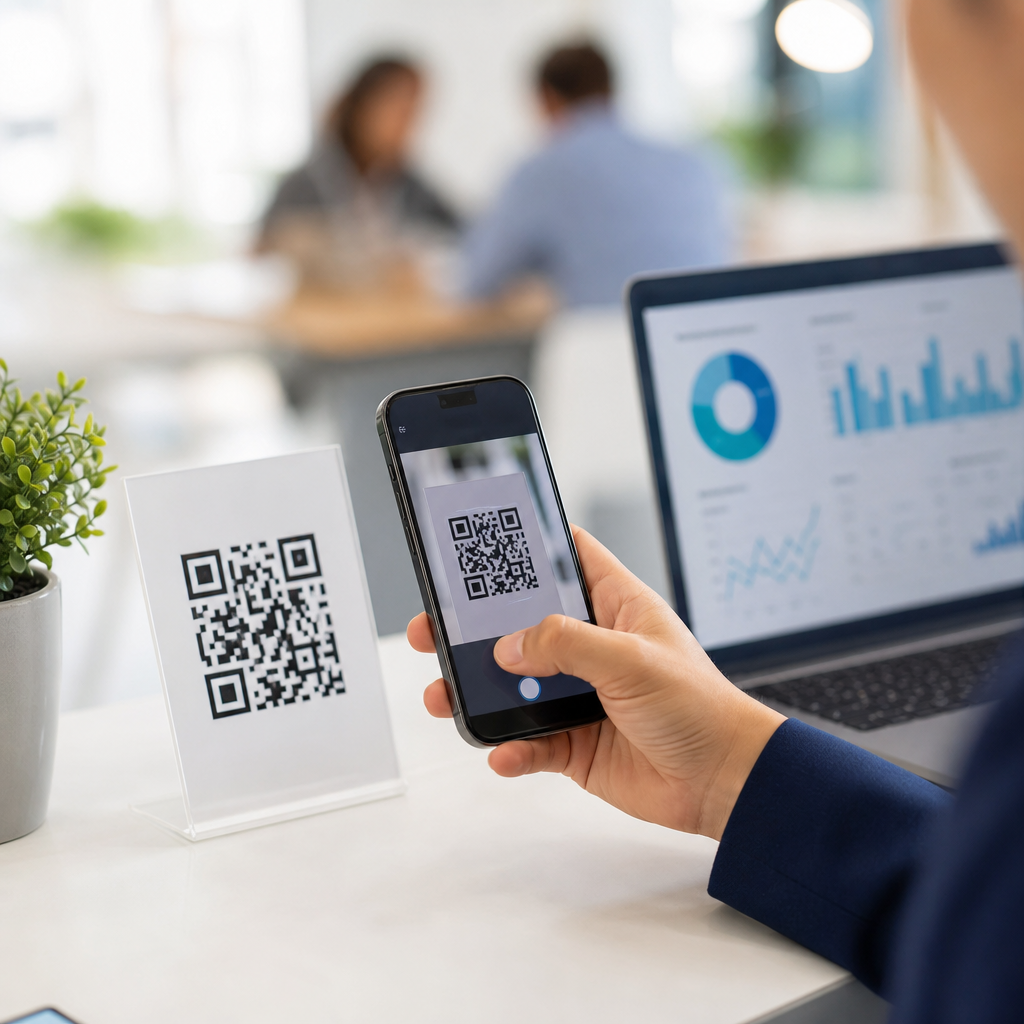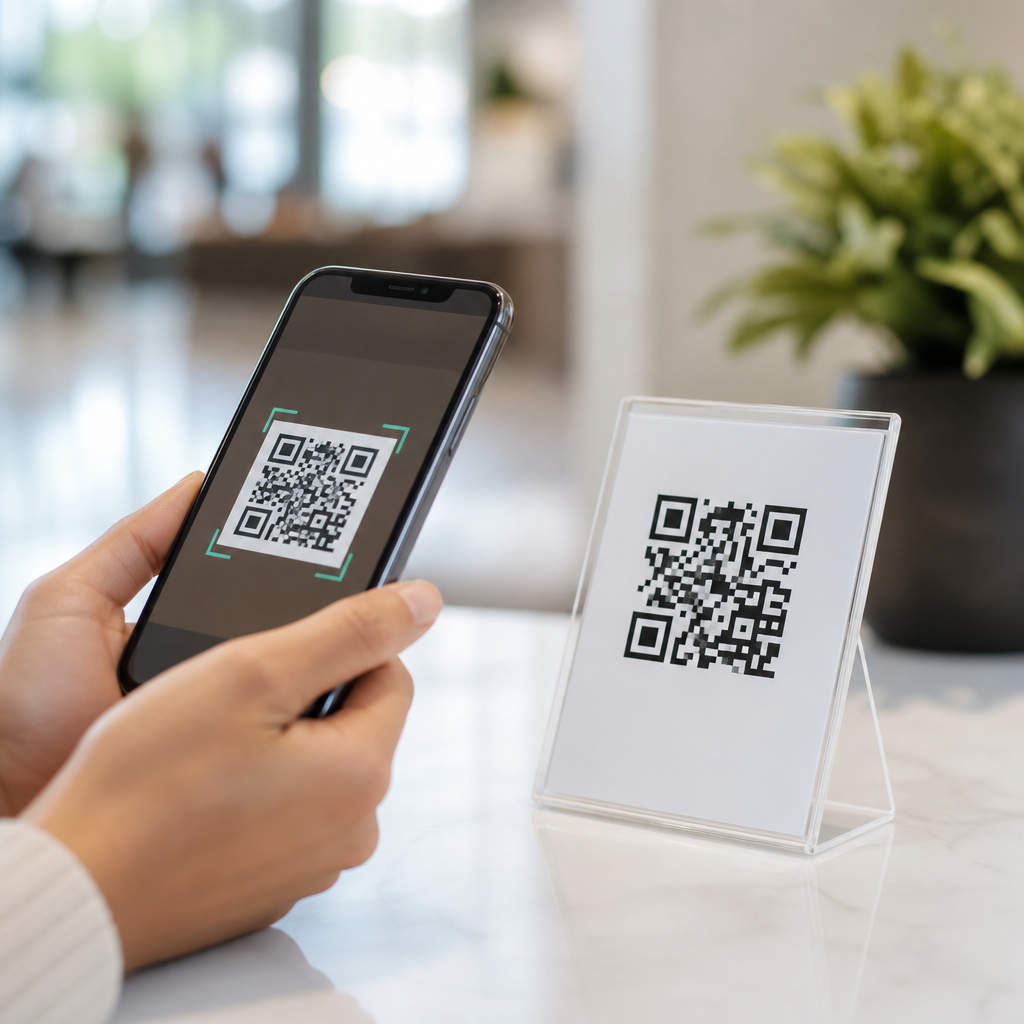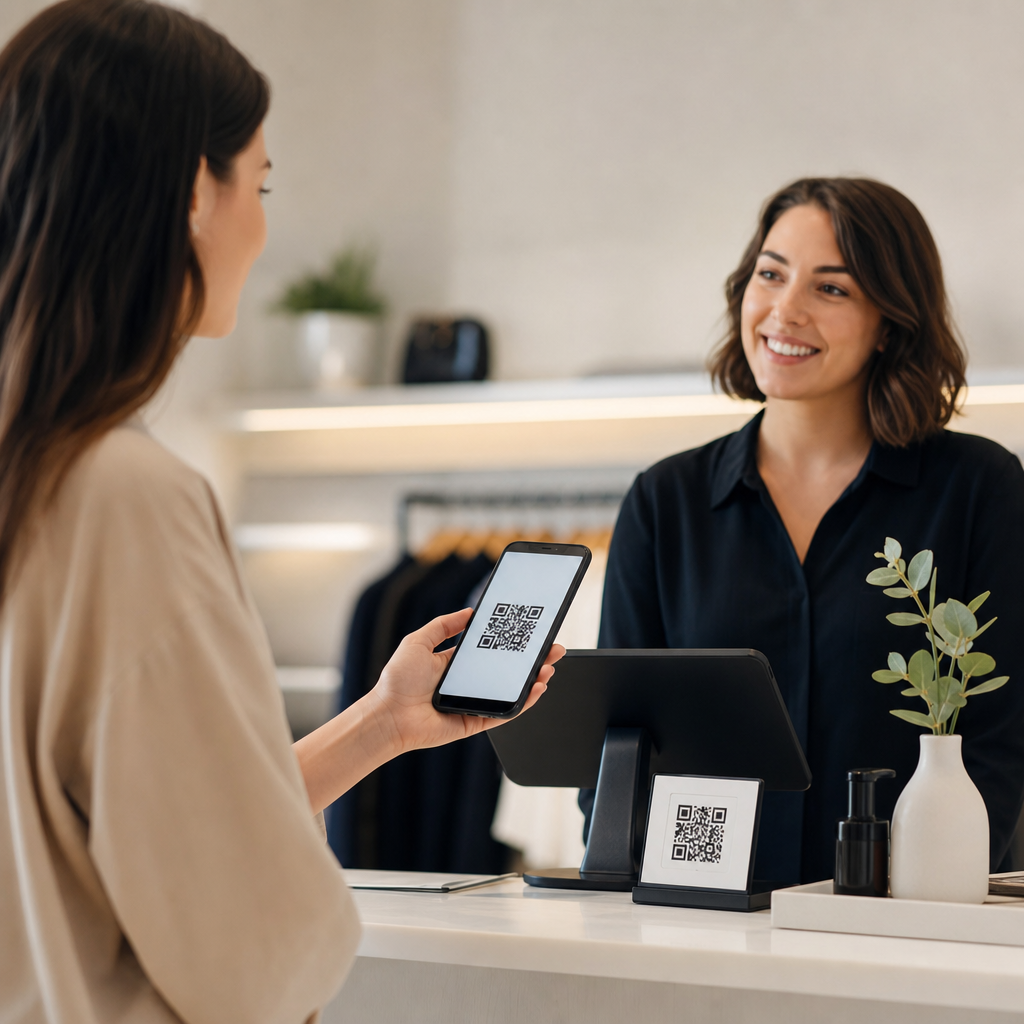
QR codes have moved from a novelty on posters and product boxes to a practical customer experience tool used across retail, hospitality, healthcare, events, logistics, and public services. A QR code, or Quick Response code, is a two-dimensional barcode that a smartphone camera can scan to open a link, launch a payment screen, save contact details, download an app, display a menu, or verify information. When businesses use mobile QR codes well, they reduce friction at key moments in the customer journey. That matters because customer experience is often decided by convenience: how quickly someone can find information, complete a purchase, get support, or move from offline interest to online action.
In mobile strategy work, I have seen the same pattern repeatedly. Customers respond well when QR codes remove a task, not when they add one. A code that opens a digital menu in two seconds feels useful. A code that sends someone to a slow, nonmobile page feels like a dead end. The benefit of mobile QR codes is not the square itself; it is the faster path it creates between intent and outcome. That path can improve satisfaction, increase conversion rates, cut service costs, and give businesses clearer attribution for offline marketing.
For a hub page on the benefits of mobile QR codes, it helps to define the core idea simply. Mobile QR codes connect a physical touchpoint to a digital action through a smartphone. Static codes point to one fixed destination. Dynamic codes route through a managed short URL, so the destination can be updated later and performance can be measured. The difference matters for customer experience because dynamic QR codes support testing, localization, campaign changes, and analytics without reprinting signs, packaging, or brochures. Businesses that understand this distinction usually deploy QR codes more effectively and with less waste.
Faster access to information and services
The most immediate way QR codes improve customer experience is by reducing search effort. Instead of asking a customer to type a long URL, search for a product manual, or wait for staff assistance, the code opens the exact resource in one scan. In restaurants, that can mean a live menu with allergen information and current pricing. In electronics retail, it can mean setup videos, warranty registration, and troubleshooting steps attached directly to the shelf tag or packaging. In healthcare, clinics use QR codes for digital check-in forms, wayfinding maps, and appointment instructions, saving time at the front desk and reducing paperwork errors.
Speed matters because every extra step increases abandonment. Baymard Institute research consistently shows that friction in digital journeys hurts completion rates, and the same principle applies when the journey starts offline. I have seen event venues cut entrance delays by putting QR codes on confirmation emails and physical signage so attendees can pull up tickets, venue maps, and FAQs before they reach staff. Hotels use room QR codes for Wi-Fi login, spa booking, local recommendations, and late checkout requests. The customer feels more in control because the answer is immediate and self-serve, not hidden behind a queue.
Better purchasing, ordering, and payment experiences
Mobile QR codes also streamline transactions. A code can send a shopper directly to a product page, preload a shopping cart, apply a promotional code, or open a digital wallet payment screen. In stores, this helps bridge the gap when shelf inventory is limited. A customer can scan, choose a size or color not available on-site, and complete the purchase on a mobile-optimized page. In restaurants and cafes, table QR codes can support ordering and payment without waiting for a server to bring a paper menu or card terminal. The result is a shorter path to revenue and a more convenient experience for the customer.
The strongest implementations are tightly aligned with payment behavior. QR-based payments are widely used in Asia and increasingly accepted elsewhere through systems like PayPal, Venmo, bank apps, and merchant wallets. For small businesses, a printed payment QR code can reduce hardware requirements while still supporting fast checkout. For larger brands, dynamic codes embedded in packaging, direct mail, and in-store displays can connect campaigns to measurable sales. The key is mobile page quality. If the landing page is slow, cluttered, or asks for too much information, the customer experience benefit disappears quickly.
Personalization, loyalty, and post-purchase support
One of the most overlooked benefits of mobile QR codes is their ability to personalize service after the scan. Because dynamic QR code platforms can use rules based on location, time, device language, or campaign source, businesses can send different users to different experiences without changing the printed code. A global brand might route customers in Spain to Spanish-language support, while customers in Canada see English or French options. A retailer can use one package code to open setup instructions, reorder links, care guides, and loyalty enrollment depending on what the customer needs at that moment.
Post-purchase support is where QR codes often create the biggest long-term experience gains. Product packaging can link to assembly videos, return policies, live chat, troubleshooting trees, and replacement part ordering. That reduces customer frustration and lowers avoidable support contacts. I have worked on packaging programs where a simple “scan for setup” code cut basic onboarding questions significantly because customers preferred a short mobile video over a printed foldout. Loyalty is also easier to capture through QR codes. A shopper can scan at checkout to join a rewards program, store a digital membership card, or claim points tied to a receipt or product batch.
| Use case | Customer benefit | Business benefit |
|---|---|---|
| Restaurant menu QR | Faster browsing, updates, allergen details | Lower reprint costs, easier upsell changes |
| Retail shelf QR | Reviews, stock options, product specs | Higher conversion, fewer missed sales |
| Packaging support QR | Instant setup help and warranty access | Lower support volume, better retention |
| Event ticketing QR | Quicker entry and live event information | Less congestion, better attendee satisfaction |
| Payment QR | Simple checkout on mobile | Faster transactions, measurable campaigns |
Accessibility, trust, and customer confidence
QR codes can improve accessibility when they are designed as part of a broader mobile experience. They help customers who may struggle to type URLs, navigate complex sites, or find information in crowded environments. Museums and public spaces use large-format QR codes to offer audio guides, translations, and captioned media. Transit systems use them for route maps and service alerts. Packaging can direct customers to enlarged instructions or narrated setup content. These are practical improvements, not just convenience features, because they make services easier to use across different abilities, languages, and contexts.
Trust is equally important. Customers are more likely to scan when the purpose is clear and the destination appears legitimate. Good practice includes labeling the action beside the code, using a recognizable branded domain, serving pages over HTTPS, and avoiding generic URL shorteners when possible. ISO/IEC 18004 defines the QR code standard, but operational trust comes from execution: error correction levels, contrast, quiet zones, and proper sizing all affect scan success. A code that fails under store lighting or on curved packaging creates doubt immediately. Reliable performance is part of customer experience, not a technical footnote.
Analytics, operational efficiency, and omnichannel consistency
Another major advantage of mobile QR codes is measurement. Dynamic QR platforms such as Bitly, QR Code Generator PRO, Beaconstac, and Flowcode can track scans by time, device type, approximate location, and campaign source. When linked with analytics tools like Google Analytics 4 or CRM systems, QR codes provide attribution for physical media that used to be difficult to measure. A retailer can compare scans from window signage, receipts, direct mail, and product tags, then see which touchpoints lead to purchases, app downloads, or support requests. That data makes customer experience improvements more targeted and less guesswork-driven.
Operationally, QR codes reduce printing waste, shorten update cycles, and help teams maintain consistency across channels. Instead of reprinting menus, manuals, or promotional inserts every time information changes, teams can update the destination behind a dynamic code. This is especially valuable in regulated or fast-changing environments, where instructions, pricing, or availability must stay current. As a hub topic within Mobile QR Code Basics, the central lesson is simple: QR codes improve customer experience when they deliver speed, clarity, relevance, and continuity from physical touchpoint to mobile action. Audit your current journey, identify friction, and deploy codes where one scan can remove it.
Frequently Asked Questions
How do QR codes improve the customer experience?
QR codes improve the customer experience by removing unnecessary steps between a customer and the action they want to take. Instead of typing a long web address, downloading a file manually, waiting for a staff member, or searching through a website, a customer can simply scan a code with their phone and get immediate access to the right information or service. That speed matters in real-world situations such as viewing a restaurant menu, checking in at an event, making a payment, tracking a delivery, verifying a product, or opening support instructions.
They also make interactions feel more convenient and self-directed. Customers can access product details, tutorials, promotions, loyalty programs, forms, or contactless services at the exact moment they need them. In retail, that might mean scanning for product comparisons or reviews. In hospitality, it can mean instant room service menus or digital check-in. In healthcare and public services, QR codes can simplify access to appointment details, guidance, and verified information. When implemented well, QR codes reduce friction, save time, and create a smoother journey from interest to action.
Where can businesses use QR codes to make customer interactions easier?
Businesses can use QR codes at nearly every customer touchpoint where speed, clarity, and convenience matter. In stores, QR codes can appear on shelf labels, packaging, receipts, and displays to link customers to product specifications, how-to videos, reviews, warranty registration, or personalized offers. In restaurants and hotels, they are commonly used for digital menus, ordering, feedback collection, Wi-Fi access, mobile check-in, service requests, and local recommendations. At events, they help attendees register, access schedules, download tickets, find maps, and connect with exhibitors.
QR codes are equally useful in logistics, healthcare, and public-facing environments. Delivery and logistics companies can use them for parcel tracking, proof of delivery, and service updates. Healthcare organizations can link patients to appointment confirmations, care instructions, forms, and wayfinding information. Public services can use them on notices, signage, kiosks, and printed materials to direct people to official resources quickly. The main advantage is flexibility: one small code can connect offline experiences to useful digital actions, making routine interactions simpler and more efficient for customers.
Are QR codes better than traditional printed instructions or links?
In many cases, yes. Traditional printed instructions and typed URLs still have value, but QR codes are often more practical because they reduce effort and improve accuracy. A customer does not have to enter a web address manually, risk mistyping it, or search through multiple pages to find the right content. A scan can take them directly to a product guide, payment page, support form, booking screen, or verified information source. That direct path is especially useful on mobile, where convenience strongly influences whether a customer completes an action or abandons it.
Another important advantage is that QR codes can support dynamic experiences. A business can update the destination behind a code without reprinting every physical item, depending on the QR solution being used. That means a code on packaging or signage can continue to serve customers even when promotions, product details, schedules, or service information change. Printed content is static, but QR codes can keep the customer journey current, relevant, and easier to manage. The best approach is often to use QR codes alongside clear labels and brief instructions so customers know exactly what they will get when they scan.
What makes a QR code experience effective for customers?
An effective QR code experience starts with relevance and clarity. Customers should immediately understand why they should scan the code and what benefit they will receive. A simple call to action such as “Scan to view menu,” “Scan for setup instructions,” or “Scan to track your order” sets expectations and increases engagement. The destination must also be mobile-friendly, fast-loading, and directly connected to the customer’s immediate need. If a QR code opens a generic homepage instead of a specific page or action, it creates frustration rather than convenience.
Placement and usability matter just as much. The code should be large enough to scan easily, printed clearly, and positioned where customers naturally pause or make decisions. It should not be hidden, distorted, or placed where glare, distance, or poor lighting make scanning difficult. Trust is another key factor. Customers are more likely to scan codes that appear in branded, professional, and clearly explained contexts. Businesses should also avoid overusing QR codes where simpler methods would work better. The most successful implementations use QR codes to solve a real problem, shorten a process, and make the next step obvious and worthwhile.
Do QR codes help build trust and satisfaction, or are they only about convenience?
QR codes do more than add convenience; they can also strengthen trust and overall satisfaction when used thoughtfully. A well-placed QR code can give customers immediate access to accurate, verified, and up-to-date information, which reduces uncertainty. For example, customers can scan to confirm product authenticity, read ingredient or safety details, view care instructions, check service status, or access official support resources. In situations where people want reassurance before taking action, that transparency can improve confidence in the brand and the experience.
They also support satisfaction by making service feel more responsive. Instead of waiting in line, searching online, or depending on paper documents that may be outdated, customers can get what they need right away on a device they already use. That creates a sense of control and efficiency, which are both important drivers of positive customer experience. When businesses combine QR codes with clear messaging, useful content, secure destinations, and consistent branding, they show customers that the experience has been designed with their needs in mind. The result is not just faster service, but a smoother, more trustworthy interaction overall.