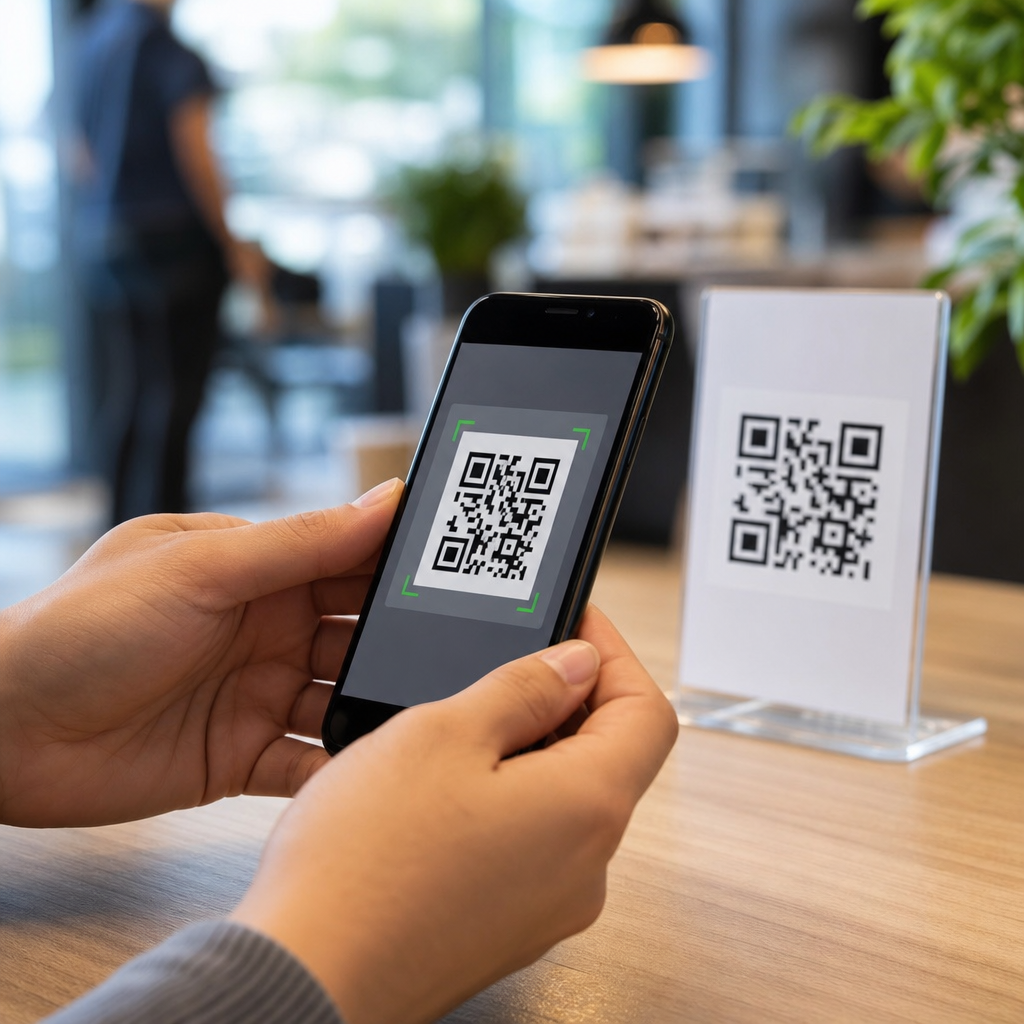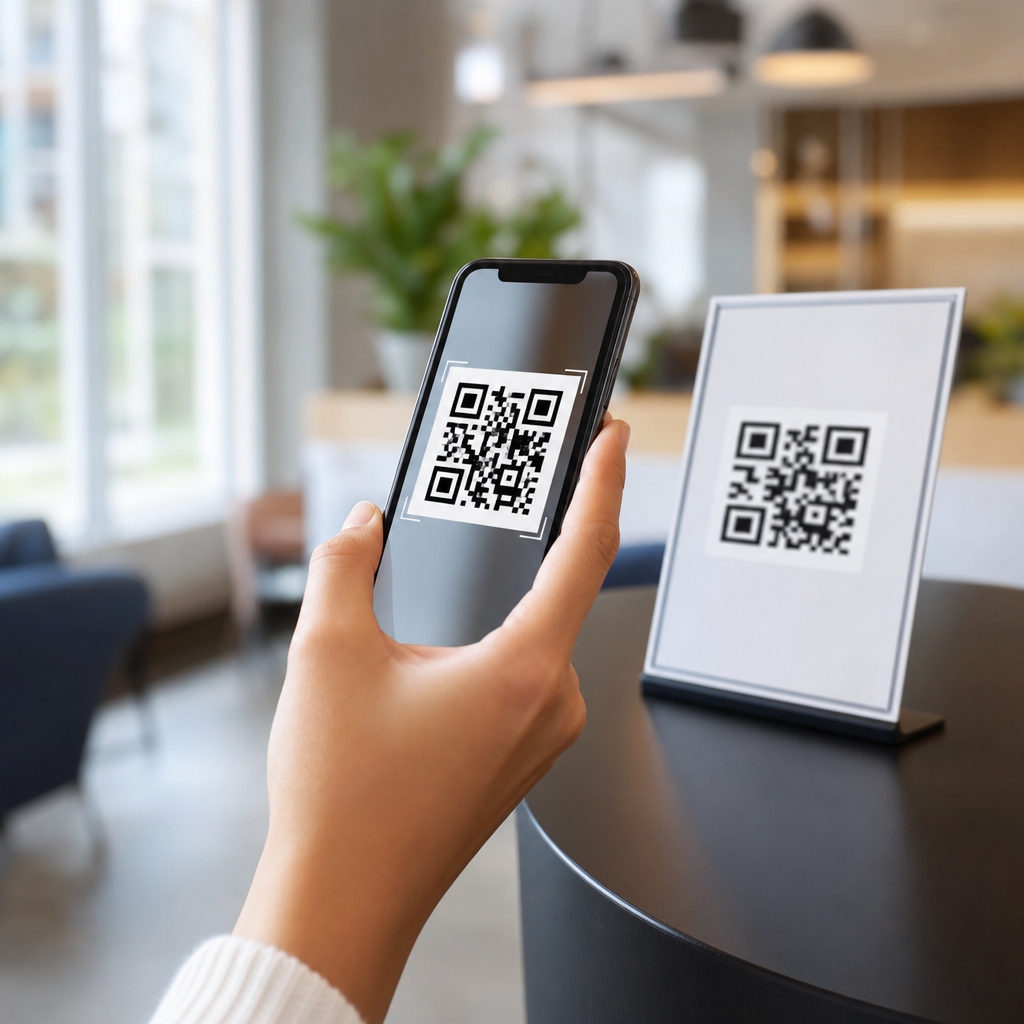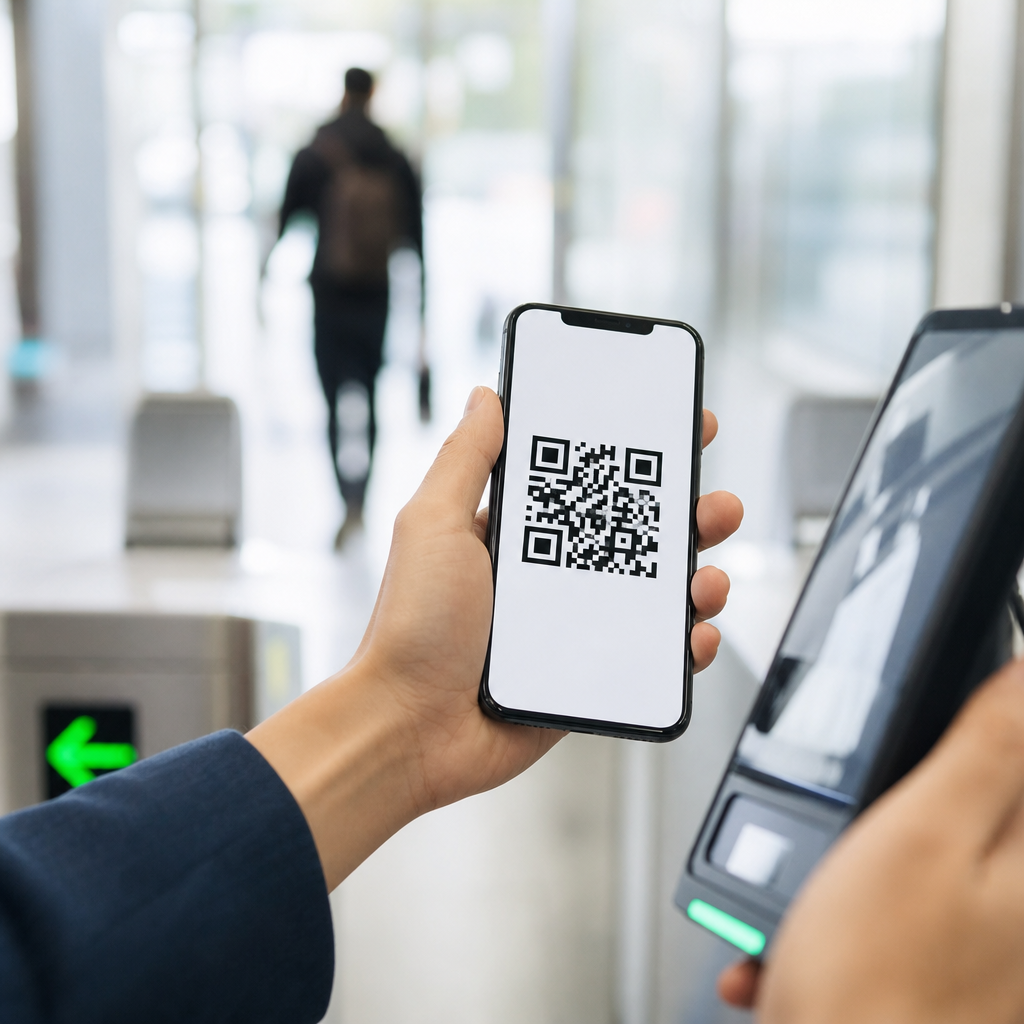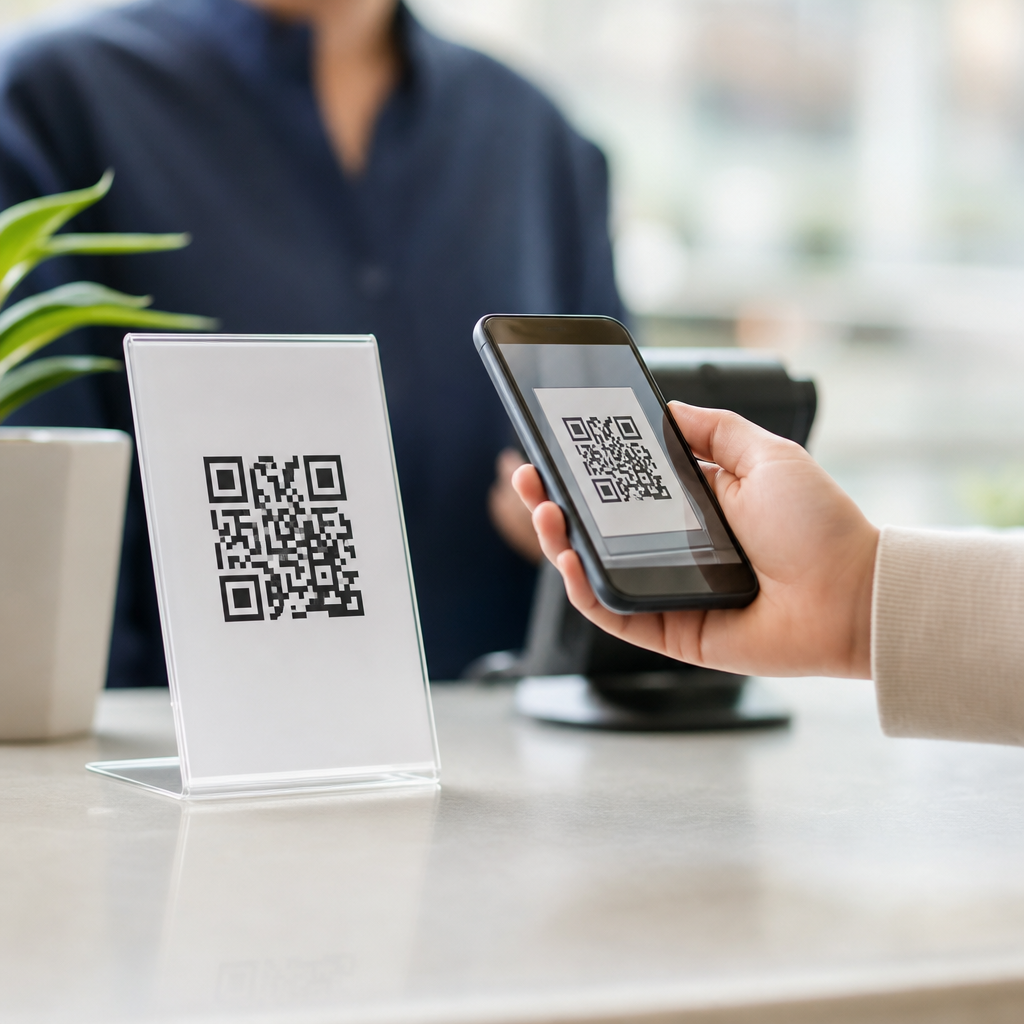
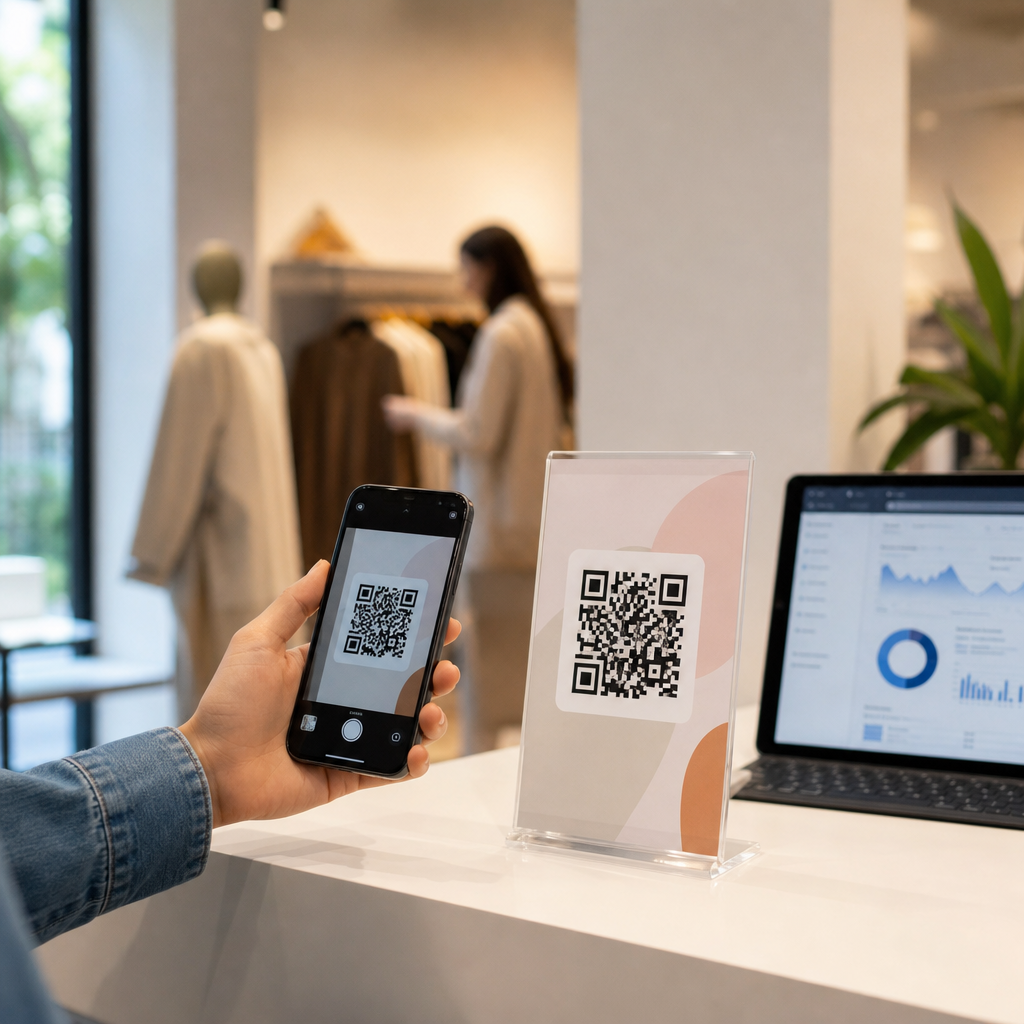
QR codes give businesses a practical way to measure offline campaigns because they connect physical touchpoints to digital analytics. A printed poster, direct mail piece, product package, event badge, or storefront sign can all trigger a measurable action when someone scans with a phone. In plain terms, a QR code is a two-dimensional barcode that stores a destination such as a URL, contact card, payment request, app link, or file. Mobile QR codes are simply QR codes designed to be scanned easily on smartphones, which now have built-in camera support across iPhone and Android devices.
This matters because offline marketing has traditionally been hard to track with precision. A billboard may generate awareness, but proving which location drove traffic is difficult without a measurable bridge. I have worked with retail chains, event teams, and field marketers that used unique QR codes on each placement to see which store window, flyer version, or conference booth actually produced visits, leads, and sales. Instead of relying on anecdotal feedback or broad traffic lifts, teams can assign scans and downstream actions to specific assets, locations, dates, and audience segments.
For businesses building a mobile QR code strategy, measurement is only one benefit. QR codes reduce friction, speed up customer actions, support first-party data collection, improve campaign agility, and make offline channels more accountable. They also work across the customer journey: awareness, consideration, conversion, and retention. When paired with analytics tools such as Google Analytics 4, campaign parameters, CRM tracking, and call-to-action testing, QR codes turn static media into interactive media. That is why this topic sits at the center of mobile QR code basics and why businesses of every size use QR codes to connect offline engagement with real business outcomes.
Why mobile QR codes are effective for offline campaign measurement
The core advantage of mobile QR codes is attribution. Each QR code can point to a unique landing page or a single redirect URL configured with campaign parameters. That setup lets marketers track scans, sessions, conversions, and revenue by source. For example, a restaurant group can place one QR code on table tents, another on takeout bags, and a third in neighborhood mailers. Even if all codes lead to the same promotion, the tracking layer reveals which placement generated coupon redemptions and repeat orders.
Unlike manually typed URLs, QR codes reduce drop-off. A user sees a clear offer, opens the camera, scans, and lands directly on a mobile page. Fewer steps mean more accurate measurement because fewer people abandon the path before arriving. I have seen scan-through rates improve significantly when brands replaced long vanity URLs with QR-driven landing pages, especially in transit ads where attention windows are short. Mobile-first design is critical here: the destination page must load fast, show a clear headline, and match the promise of the offline creative.
Measurement quality also improves when businesses use dynamic QR codes instead of static ones. A static code sends users to one fixed destination forever. A dynamic code uses a short redirect URL, allowing the destination to change without reprinting the code. That means a retailer can keep the same in-store signage but switch from a holiday page to a clearance page while preserving campaign continuity. Dynamic platforms also provide scan-level reporting such as timestamp, approximate location, device type, and total versus unique scans. Businesses should still review privacy rules and consent requirements when combining QR data with customer records.
Key benefits of mobile QR codes beyond attribution
Businesses often adopt QR codes for measurement, then expand because the broader operational benefits are strong. First, QR codes make customer actions faster. A customer can open a menu, claim an offer, register for an event, download an app, leave a review, or save contact details without typing. Second, QR codes lower print constraints. A postcard or shelf talker has limited space, but a code can link to rich product details, video, FAQs, or inventory status. Third, QR codes support first-party data strategies by driving users to owned web experiences instead of third-party platforms.
QR codes also improve campaign agility. If an offer underperforms, marketers can update the destination, test a new headline, or route users by geography without replacing physical materials. In field campaigns, that flexibility saves money. I have used dynamic QR codes at trade shows where booth signage remained constant while landing pages changed by day to reflect speaking sessions, giveaways, or appointment availability. The printed asset stayed relevant, and scan data showed which message resonated with attendees.
Another major benefit is operational consistency across channels. The same campaign taxonomy used in email and paid search can be extended to offline QR codes, making reports easier to compare. When QR destinations include consistent UTM parameters, teams can analyze offline-driven sessions next to digital campaigns inside GA4. This creates a shared language for marketing, sales, and leadership. Offline stops being a blind spot and becomes a measurable part of the funnel.
How businesses set up QR code tracking correctly
Good measurement starts with structure. Create a naming convention for campaign, channel, location, asset, audience, and date. Then generate a unique QR code for each offline placement that matters. If a fitness brand runs posters in ten gyms, each gym should have its own code or redirect path. If the brand is also testing two offers, each offer should have separate tracking. Granularity matters because the value of QR analytics comes from comparing specific variables, not lumping all scans into one total.
Landing pages must be purpose-built for mobile. Use a concise headline, one primary action, fast load times, and minimal form fields. If the goal is lead capture, ask only for necessary information. If the goal is store traffic, provide a map, hours, and one tap-to-call button. Tracking should include scans at the QR platform level and on-site behavior in analytics. Set up events for form submissions, coupon views, add-to-cart actions, purchases, and calls. Where possible, connect the same campaign identifiers to CRM records or point-of-sale redemptions so online behavior ties back to revenue.
| Use case | What the QR code links to | Primary metric | Business result |
|---|---|---|---|
| Direct mail | Personalized offer page | Redemption rate | Measures response by list segment |
| Retail signage | Product detail or coupon page | Unique scans | Shows which stores and displays perform best |
| Events | Lead form or booking page | Qualified leads | Connects booth traffic to pipeline |
| Packaging | Setup guide or loyalty page | Repeat visits | Supports retention and support deflection |
Testing is essential before launch. Scan on multiple devices, in low light, at different distances, and on cellular connections. Ensure the code size fits the viewing distance; a common rule is about one inch of code size for every ten inches of scanning distance, though context matters. Maintain strong contrast, leave a quiet zone around the code, and avoid placing it on curved or reflective surfaces when possible. A technically valid code can still fail in real conditions if the print execution is poor.
Real-world examples of measuring offline campaigns with QR codes
Retail is one of the clearest examples. A home improvement chain can place QR codes on endcap displays for seasonal products. One store may promote grilling accessories, another patio lighting. When each display has a unique code linked to a mobile product bundle page, the team can compare scan volume, add-to-cart rate, and store-level sales lift. If one creative angle outperforms others, that insight can guide future signage and inventory allocation.
Events are another strong fit because speed matters. At conferences, exhibitors use QR codes on booth graphics, badges, and handouts to capture leads or book demos. In practice, this often performs better than asking attendees to type a URL later. The scan creates an immediate handoff to a landing page with a calendar, brochure, or qualification form. Sales teams can then score leads based on scans, page depth, and follow-up actions rather than relying only on badge scans.
Restaurants, healthcare clinics, real estate teams, and consumer packaged goods brands also benefit. A clinic can place QR codes in local print ads to route users to appointment scheduling and then compare new-patient bookings by publication. A real estate agent can place separate codes on yard signs and open house materials to see which listings generate more inquiry depth. A packaged goods brand can add a QR code to packaging that links to recipes, warranty registration, or loyalty enrollment, turning the package into a measurable retention channel rather than a one-time label.
Common mistakes, limitations, and best practices
The biggest mistake is treating every scan as success. Scans are useful, but they are a top-of-funnel metric unless tied to outcomes such as leads, orders, bookings, or retained customers. Another common error is sending traffic to a homepage. That breaks message match and weakens measurement. A user who scans a flyer for a 20 percent discount should land on that exact offer, not on a generic site navigation page. Brands also hurt performance when they place QR codes without context. People need a clear reason to scan: “View menu,” “Claim offer,” or “Book demo” works better than “Scan me.”
There are limitations. Not every audience is equally comfortable scanning, although adoption is now mainstream. Offline reach can still exceed measurable scans because some people remember the brand and visit later through search or direct traffic. That means QR data should complement, not replace, broader media measurement methods such as lift analysis, coupon codes, matched market testing, or customer surveys. Security also matters. Businesses should use branded domains or recognizable links, avoid redirect chains, and monitor codes so customers trust the experience.
Used well, mobile QR codes make offline marketing measurable, flexible, and customer-friendly. They help businesses understand which print, retail, event, packaging, and out-of-home assets actually drive action. They also deliver wider benefits: less friction, stronger first-party data, faster optimization, and clearer reporting across channels. The winning approach is simple: use dynamic codes, build mobile landing pages, track meaningful conversions, and test every physical placement in real conditions. If you are building a mobile QR code program, start with one campaign, assign unique codes to each asset, and review the data weekly. That disciplined process turns offline activity into decisions your business can trust.
Frequently Asked Questions
How do QR codes help businesses measure offline marketing campaigns?
QR codes make offline marketing measurable by linking a physical item directly to a digital destination that can be tracked. When someone scans a code on a poster, flyer, product package, direct mail piece, event sign, or storefront display, that scan creates a digital interaction that can be recorded in analytics tools. This gives businesses visibility into how many people responded to a specific offline placement, when they engaged, what device they used, and what they did after landing on the destination page.
Instead of relying only on rough estimates such as foot traffic or print circulation, businesses can assign unique QR codes to different campaign materials and compare performance at a much more precise level. For example, one code can be used on in-store signage, another on packaging, and another on postcards. Each one can lead to a dedicated landing page or use tracking parameters so the business can see which physical channel drove the most visits, signups, purchases, or inquiries. In practical terms, QR codes turn traditionally hard-to-measure offline campaigns into trackable customer journeys.
What kinds of offline materials work best with QR codes?
QR codes work well on almost any physical marketing asset where a customer has enough time and motivation to scan. Common examples include posters, brochures, direct mail, business cards, menus, event badges, window displays, product labels, trade show booths, receipts, and in-store shelf tags. They are especially effective when the printed material naturally invites a next step, such as claiming an offer, viewing a product demo, booking an appointment, downloading an app, or accessing event information.
The best results usually come from placements where the code is easy to notice, large enough to scan quickly, and supported by a clear call to action. A code by itself is not always enough. People are more likely to scan when they know exactly what they will get, such as “Scan to see pricing,” “Scan for 10% off,” or “Scan to watch the demo.” Businesses should also consider the context. A code on a moving vehicle may be harder to use than one on a checkout counter or waiting room sign. In short, the strongest offline materials are the ones that combine visibility, convenience, and a compelling reason to engage.
What metrics can businesses track from QR code scans?
Businesses can track a wide range of metrics from QR code activity, starting with the most basic measure: total scans. From there, they can often see unique scans, scan time, scan date, approximate location, device type, and operating system. If the QR code leads to a website or landing page with analytics installed, the business can go much deeper and measure page views, bounce rate, time on page, form completions, purchases, coupon redemptions, app downloads, and other conversion events.
This is where QR codes become particularly useful for campaign analysis. A scan is only the starting point. The real value comes from understanding what happened after the scan. For example, if a direct mail campaign generated many scans but few conversions, the business may need to improve the landing page or offer. If event signage produced fewer scans but a higher purchase rate, that placement may be reaching more qualified prospects. By combining scan data with website analytics, CRM data, and ecommerce reporting, businesses can evaluate not only engagement, but also lead quality, return on investment, and customer behavior across offline and online touchpoints.
Should businesses use static or dynamic QR codes for offline campaign tracking?
For most business campaigns, dynamic QR codes are the better choice because they offer flexibility and stronger measurement capabilities. A static QR code contains fixed information, which means the destination cannot be changed after printing. If the link breaks, the page changes, or the campaign needs to be updated, the printed code may become outdated. Static codes can be useful for simple, permanent uses such as sharing a contact card or linking to a stable webpage, but they are limited for active marketing campaigns.
Dynamic QR codes are more practical because they allow businesses to change the destination without reprinting the code. That means a company can update landing pages, rotate promotions, run A/B tests, fix errors, or redirect users based on campaign needs while keeping the same printed material in circulation. Dynamic codes also typically support richer analytics, making it easier to compare performance across locations, formats, and audiences. For offline campaign measurement, this adaptability is a major advantage because it protects print investment and gives marketers more control over optimization after launch.
What are the best practices for creating QR codes that people will actually scan?
Successful QR code campaigns depend on both technical setup and user experience. First, the code must be easy to scan. That means using a high-contrast design, maintaining enough white space around the code, printing it at an appropriate size, and testing it on multiple phone models before distribution. The destination page should also be mobile-friendly, load quickly, and match the promise made on the printed material. If the code leads to a confusing or slow experience, scan rates and conversions will suffer.
Just as important, businesses should give people a clear reason to scan. A strong call to action can significantly improve engagement because it answers the question, “What do I get if I do this?” Offers, exclusive content, product details, appointment scheduling, reviews, loyalty rewards, and event resources are all common incentives. It also helps to place the code where it can be scanned comfortably, not in awkward or fast-moving environments. Finally, businesses should use campaign-specific tracking, monitor results regularly, and refine underperforming placements. The most effective QR code strategies are not just about generating scans; they are about creating a seamless path from offline attention to measurable online action.