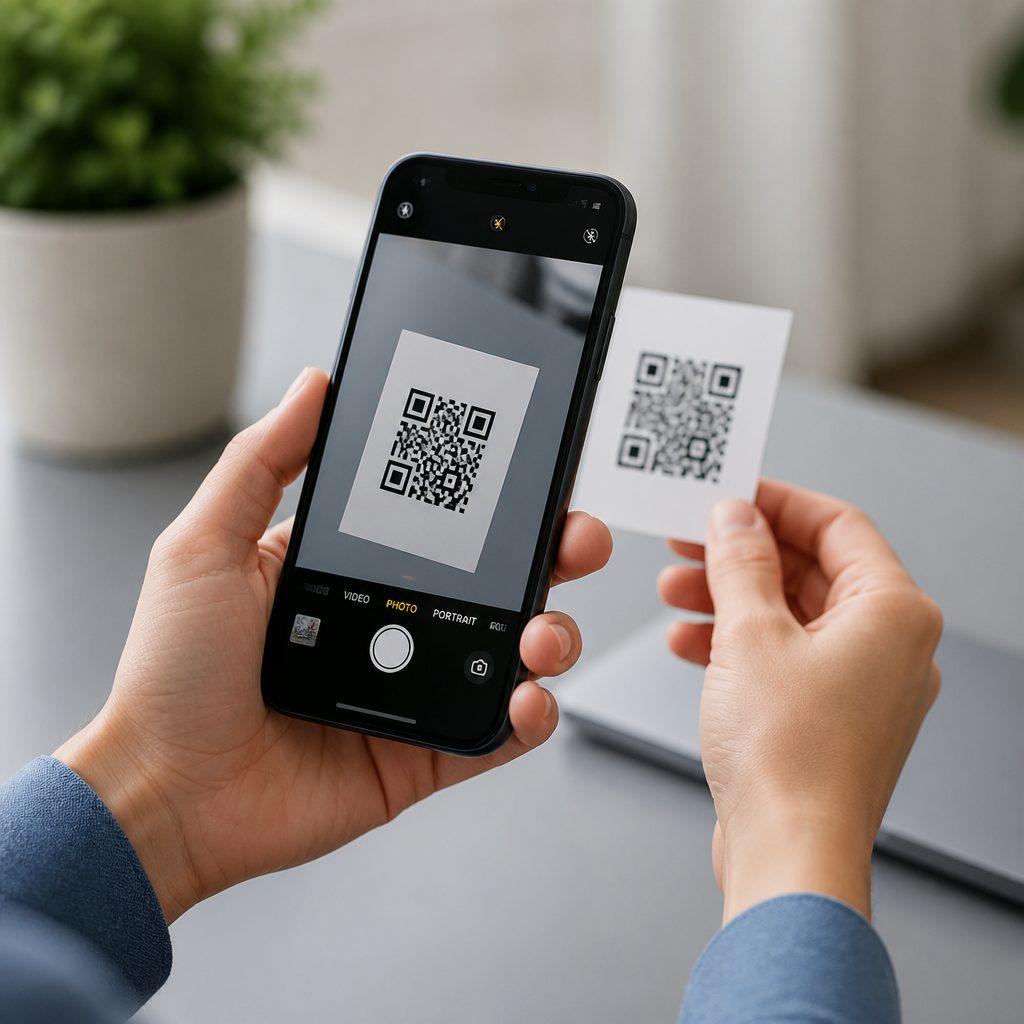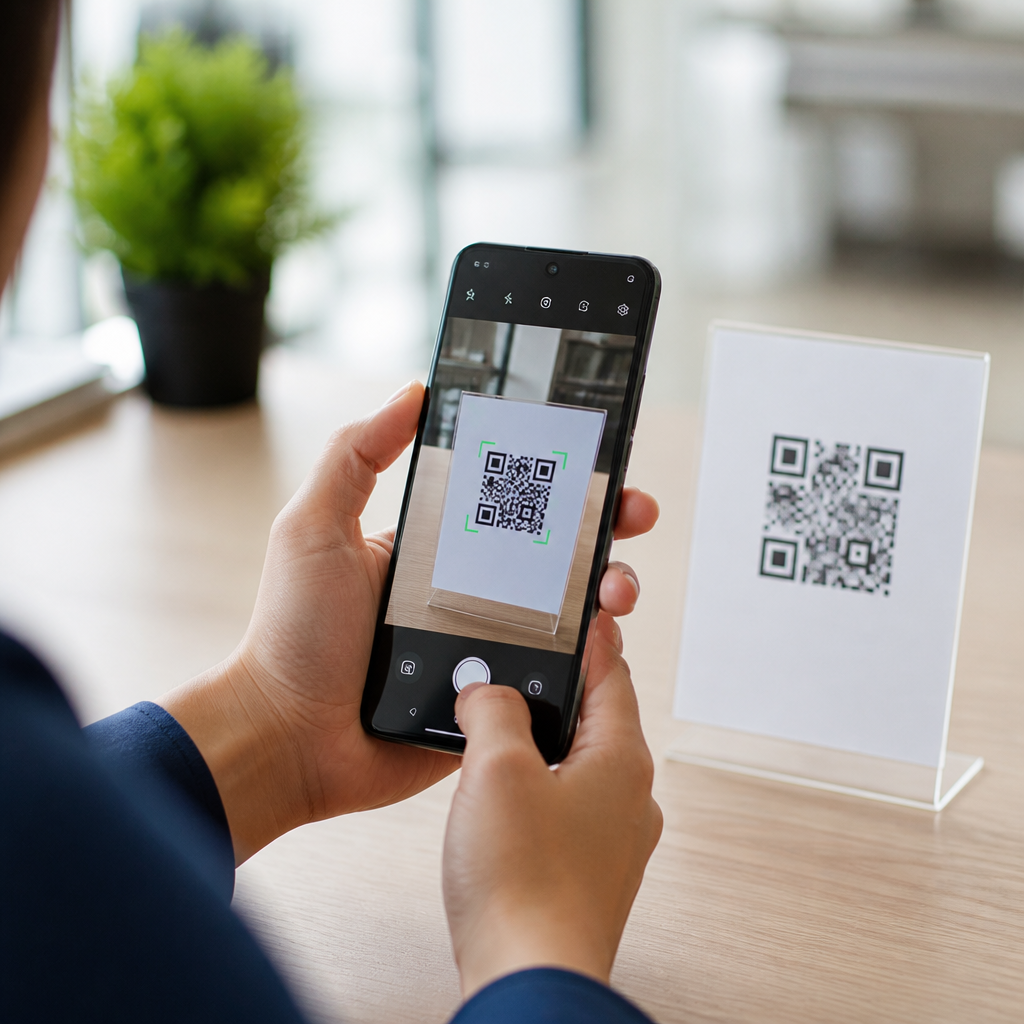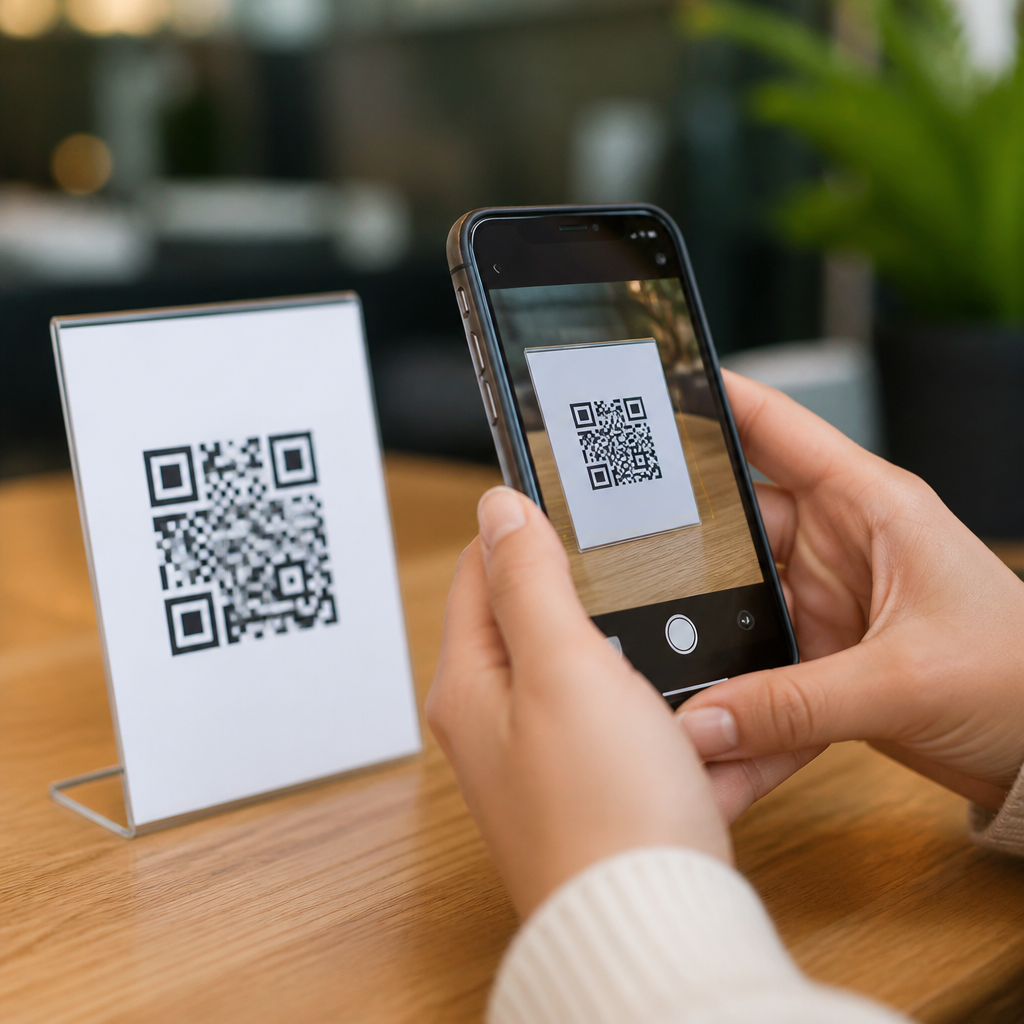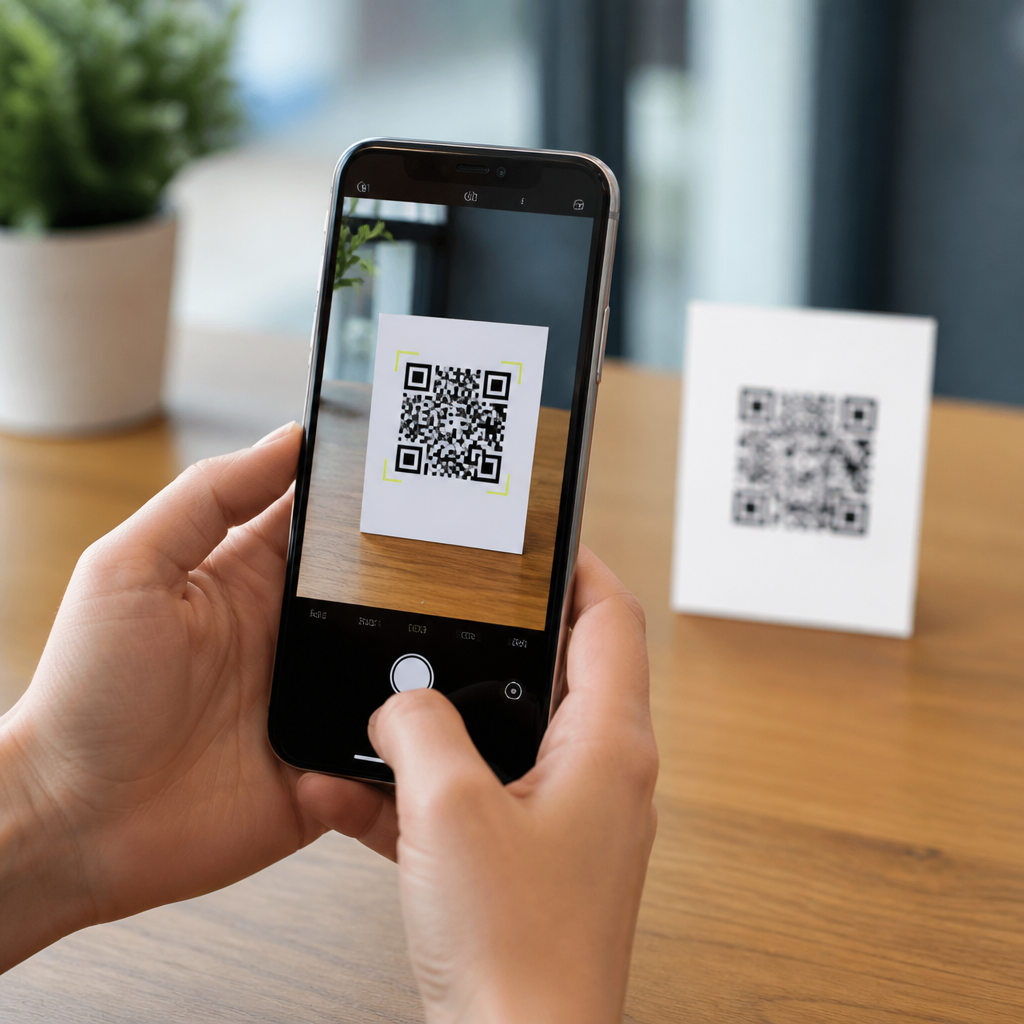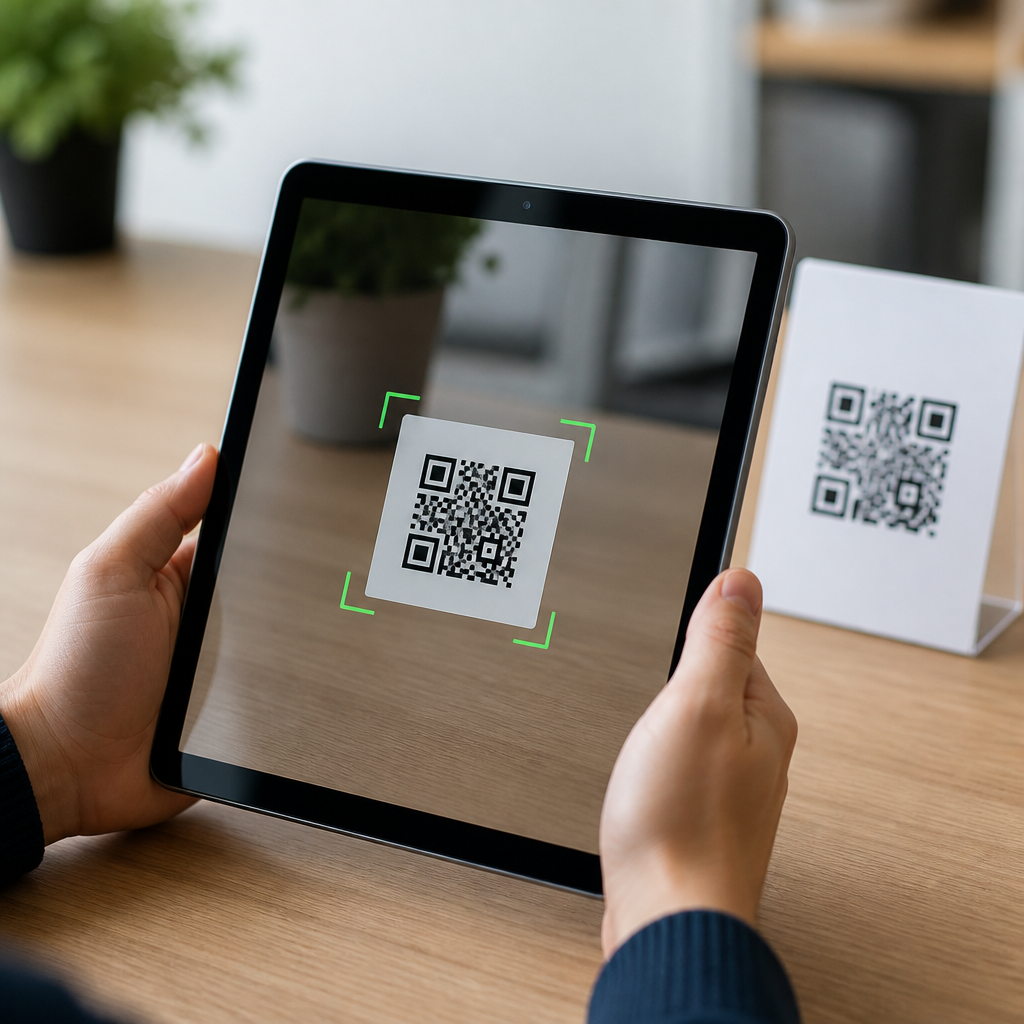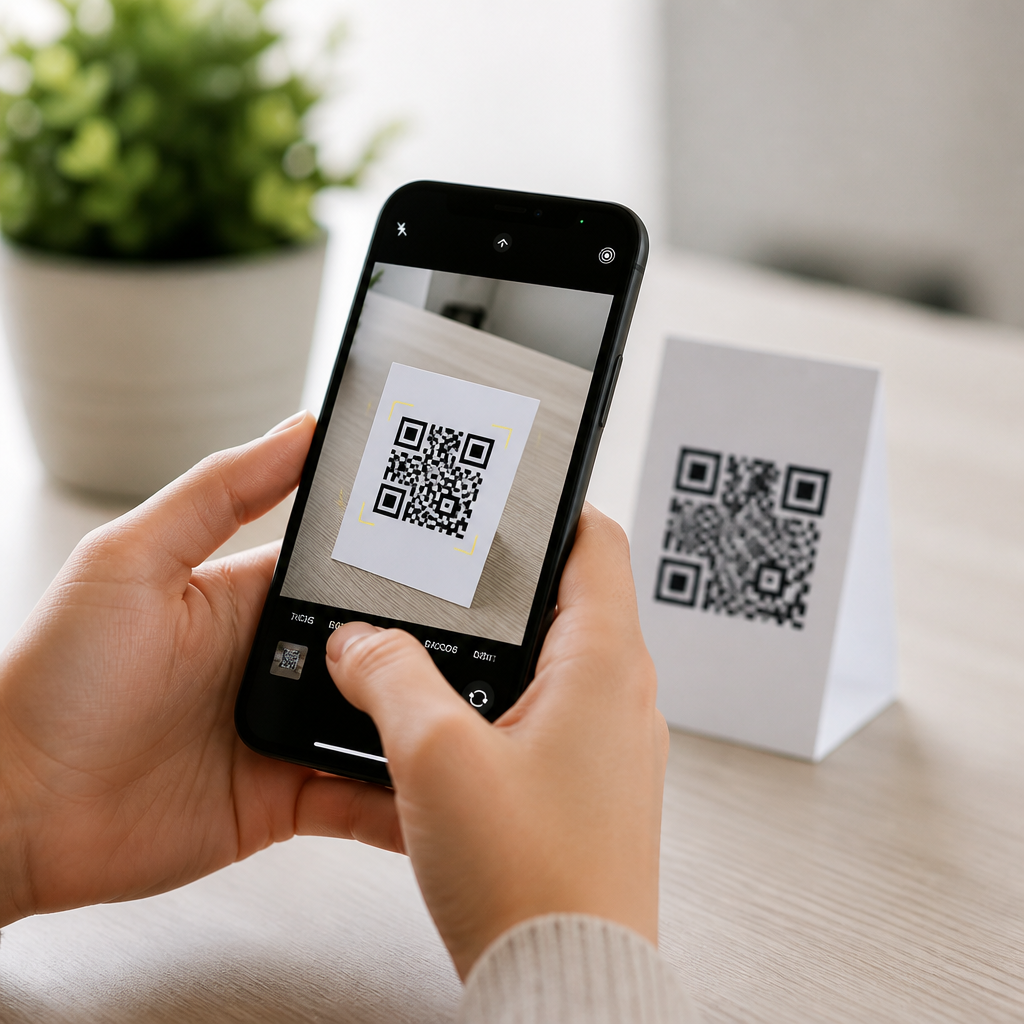

QR codes are fast, cheap, and nearly universal, yet scan failures are still common enough to frustrate customers, stall payments, and break marketing campaigns. A QR code is a two-dimensional barcode that stores data in a grid of dark and light modules, usually linking to a website, payment request, app action, contact card, Wi-Fi credential, or product record. When people ask why QR codes won’t scan, the answer usually falls into four categories: the code itself is damaged or poorly designed, the environment makes detection difficult, the phone or scanner app is limited, or the destination behind the code is broken. I deal with these issues regularly when reviewing packaging proofs, restaurant table tents, event signage, and payment placards, and most failures can be traced to predictable technical mistakes.
This matters because a failed scan is not a minor inconvenience. It interrupts conversion at the exact moment of intent. If a diner cannot open the menu, a shopper cannot load product details, or a customer cannot complete a mobile payment, the business loses trust and revenue immediately. Scan reliability also affects accessibility and customer support costs. A good troubleshooting guide therefore needs to do more than say clean the camera. It should explain how QR detection works, what physical and digital factors interfere with it, and how to test codes before they reach users. This article serves as a complete hub for troubleshooting QR code scans, covering print quality, placement, device limitations, software settings, destination errors, and practical fixes that work in real deployments.
How QR code scanning works and where failures start
A scanner succeeds in two stages: detection and decoding. First, the camera or imaging sensor must detect the three finder patterns, the square markers at three corners, and isolate the symbol from the background. Then the software corrects perspective, reads module timing, applies error correction, and extracts the stored data. If either stage fails, the user sees nothing happen, repeated focusing, or an invalid-code message. That distinction is useful because a code can be visible yet undecodable, or technically valid yet impossible to detect in the real world.
Common detection problems include glare, low contrast, motion blur, shallow focus, extreme viewing angles, and codes printed too small for the camera distance. Common decoding problems include damaged modules, overly aggressive logo placement, missing quiet zones, inverted color combinations that some scanners mishandle, and image compression that softens edges. In practice, I start by asking two simple questions: does the scanner recognize that a code exists, and if it does, what action happens next? Those answers quickly narrow the cause.
Problems with the printed or displayed QR code
The most frequent root cause is the code asset itself. QR codes need a clear quiet zone, the blank margin around the symbol, typically at least four modules wide on all sides. Designers often crop too tightly or place decorative borders that interfere with edge detection. Contrast is equally important. Black on white remains the safest combination because many lower-end cameras and older decoding libraries perform poorly with pastel colors, metallic inks, transparent substrates, or dark-on-dark designs. Reversing the code to white on black can work, but it increases risk, especially under uneven lighting.
Size also matters more than many teams expect. A tiny code on a poster may be mathematically valid but unscannable from normal viewing distance. A practical rule is to increase physical size as scan distance increases, then validate with multiple phones, not just the designer’s device. Print production can introduce additional failures through dot gain, low-resolution exports, lamination glare, warped labels on curved bottles, and creases on folded packaging. On screens, problems come from pixelation, low brightness, cracked glass, moiré patterns, and screenshots compressed by messaging apps.
| Symptom | Likely cause | Practical fix |
|---|---|---|
| Camera never recognizes a code | Missing quiet zone, glare, low contrast, code too small | Increase margin, improve lighting, use dark-on-light colors, enlarge the code |
| Code is recognized but will not open | Broken URL, blocked app action, expired dynamic link | Test destination in browser, update redirect, renew campaign settings |
| Works on one phone but not another | Older camera, limited scanner app, OS restrictions | Test native camera and a dedicated scanner app on multiple devices |
| Intermittent failures in stores or restaurants | Reflections, dirty surfaces, weak connectivity | Change placement angle, replace damaged prints, verify network access |
Environmental conditions that block successful scans
Even a perfect code fails in the wrong environment. Lighting is the biggest external factor. Bright overhead spots create specular reflections on laminated menus, acrylic stands, glossy posters, and phone screens, washing out the modules. Very dim conditions force longer exposure, which increases blur from hand movement. Distance and angle matter too. A code mounted above eye level at a steep angle can distort beyond what the decoder corrects. Curved placement on cups, jars, helmets, and shrink wrap bends the grid and often breaks detection at the edges.
Context changes behavior as well. In retail aisles, shoppers scan while walking, often one-handed, with inconsistent focus and poor cellular reception. In warehouses, worn labels pick up scratches, dust, and abrasion. At outdoor events, direct sun, rain droplets, and wrinkled banners degrade readability. The fix is rarely technological alone. Better placement, matte finishes, stable mounting, and redundancy solve more scan issues than visual styling. When I audit scan environments, I test from realistic user positions rather than ideal close-up angles, because real-world friction is usually where failure appears.
Phone, camera, and scanner app limitations
Not every phone scans equally well. Newer devices have better sensors, autofocus, image stabilization, and native barcode frameworks, while older phones may struggle in low light or at close range. Native camera scanning on current iPhone and Android devices is generally reliable, but some users disable camera permissions, visual lookup features, or link previews without realizing the effect. Third-party scanner apps vary widely in quality. Some use outdated decoding libraries, inject ads before opening links, or mishandle less common payloads such as Wi-Fi credentials, calendar actions, or deep links.
Software restrictions can also block what appears to be a scan problem. Corporate mobile-device-management policies may prevent opening unknown URLs. Payment codes can fail if the required banking app is missing or region-locked. App Clip, instant app, and deep-link flows may break when the target app is outdated. Camera issues should not be ignored either: smudged lenses, cracked lens covers, focus motor faults, and battery saver modes that reduce camera performance are all real causes. A simple troubleshooting sequence is to clean the lens, try the native camera, try a trusted scanner app, test another phone, and verify that the resulting link opens normally.
Destination and network problems after the scan
Sometimes the QR code scans correctly, but users interpret the next failure as a scan issue. The code may point to a dead URL, a mistyped domain, a deleted file, or a redirect chain that times out. Dynamic QR platforms can fail when a campaign is paused, the account lapses, analytics scripts block rendering, or the redirect target is changed without testing. I often see restaurant menu codes that decode instantly but lead to PDFs too large for poor mobile connections, causing blank screens that staff mistake for camera problems.
Network conditions are especially important for mobile QR experiences. Captive portals in hotels or venues may require sign-in before the destination loads. Weak LTE, overloaded event Wi-Fi, VPN filtering, and DNS issues can all prevent the final page from opening. Security software may block shortened links or unfamiliar domains. The right diagnostic step is to separate decoding from delivery: copy the resolved URL into a browser on the same device and network. If it still fails, the problem is not the symbol; it is the destination, the redirect logic, or the connection path.
A step-by-step process to troubleshoot QR code scans
Start with the fastest isolation test. Scan the code with two different devices, ideally one iPhone and one Android phone, using native camera apps. If neither detects the code, inspect the asset: quiet zone, contrast, size, damage, glare, and curvature. If both detect it but cannot open the result, test the destination URL directly. Next, compare the original source file with the printed or displayed version. Many failures appear only after export, resizing, screenshotting, or print finishing. Replacing a low-resolution image with a vector export often resolves stubborn cases immediately.
Then test environmental variables one at a time. Change lighting, move closer or farther away, tilt the surface, increase screen brightness, and remove reflective coverings where possible. On the device side, clean the lens, restart the camera app, confirm permissions, and install a trusted scanner such as Google Lens or another reputable barcode reader for comparison. For production use, create a validation checklist before launch: multi-device scan testing, destination monitoring, print proof inspection, and fallback text such as a short URL placed near the code. That combination prevents most failures and gives users a backup path when scanning still goes wrong.
QR codes usually fail for understandable reasons, and most of them are preventable with disciplined testing. The key takeaway is to diagnose in order: can the camera detect the symbol, can the software decode it, and does the destination load correctly on a real mobile connection. That framework separates design flaws from environmental interference, device limitations, and backend errors. In day-to-day deployments, the biggest wins come from using high-contrast artwork, preserving the quiet zone, sizing codes for realistic scan distance, avoiding glossy placement, and verifying links on multiple phones before launch.
As a hub for troubleshooting QR code scans, this guide should help you identify the failure point quickly and fix it without guesswork. Reliable scanning is not about one trick; it is about the whole chain, from code generation and print production to camera behavior and network delivery. If you manage menus, packaging, labels, signs, tickets, or payment flows, build a repeatable test process and document what works in your environment. Then review every new QR implementation against that checklist before it reaches customers. That simple habit prevents broken experiences and protects conversion.
Frequently Asked Questions
Why won’t my QR code scan even though it looks fine?
A QR code can appear perfectly normal to the eye and still fail when a phone camera or scanner tries to read it. In many cases, the problem is not obvious damage but a technical issue in the code’s construction or how it is being displayed. If the modules are too small, the contrast is too low, the quiet zone around the code is missing, or the design has been over-customized with logos, gradients, or decorative shapes, scanning reliability drops quickly. Even a slight blur from low-resolution printing or image compression can make a code look acceptable while making it unreadable to scanning software.
Another common reason is that the code may scan correctly in one environment but fail in another. For example, a QR code that works well on a computer screen may struggle on glossy packaging, curved labels, outdoor signs, or low-quality receipts. Lighting, glare, camera focus, and viewing angle all affect whether the device can isolate the code and interpret the data correctly. The code itself might also be linking to a dead page, unsupported action, or malformed destination, which can make people think the scan failed when the camera actually read it but the next step broke.
The best approach is to test the code across multiple phones, lighting conditions, and distances before using it publicly. Keep the design simple, use strong black-on-white contrast, preserve the white border around the code, and export or print at sufficient resolution. If it is a dynamic QR code, confirm that the destination still works and has not been edited incorrectly. What looks fine is not always what scans well, so practical real-world testing matters more than visual appearance alone.
Can a damaged or poorly printed QR code still be scanned?
Yes, sometimes. QR codes include built-in error correction, which means they can still work even when part of the symbol is dirty, scratched, smudged, or partially obscured. That is one reason QR codes are so widely used on packaging, tickets, signs, and labels. However, error correction has limits. If too much of the pattern is missing, distorted, stretched, or blocked, the scanner cannot reconstruct the data accurately. Damage near critical areas, including the positioning markers in the corners or the timing patterns, can be especially harmful because those elements help the scanner understand orientation and structure.
Print quality plays a major role. A code printed too small, too faint, or on a surface that absorbs ink unevenly may lose edge definition between the dark and light modules. Thermal receipts are a good example: they can fade over time, wrinkle, or become hard to read under certain lighting. Glossy materials can introduce glare, while textured surfaces can break up the pattern visually. If the code is placed across folds, seams, bottle curves, or package corners, the geometry may distort enough to prevent reliable scanning.
If you suspect print or physical damage is the issue, compare the printed code to the original digital file. Reprint at a larger size with sharper contrast and avoid placing the QR code on reflective, curved, or heavily textured surfaces whenever possible. Leave enough clear space around the edges, and do not let text, borders, or graphics crowd the symbol. If the code will be used in harsh environments, choose a higher error correction level and test a sample after printing, shipping, and handling rather than relying only on the artwork proof.
Do phone camera issues cause QR code scanning problems?
Absolutely. A large number of scan failures come from the device side rather than the QR code itself. If the camera lens is dirty, scratched, or covered by a smudge, the image may not be sharp enough for the phone to distinguish the QR modules clearly. Older phones and lower-quality cameras may also struggle with tiny codes, poor lighting, reflective surfaces, or long scanning distances. Autofocus problems are another common culprit, especially when users move the phone too quickly, hold it too close, or try to scan in dim environments.
Software can also affect performance. Some phones scan QR codes directly in the native camera app, while others rely on separate apps or built-in visual search tools. If the operating system is outdated, camera permissions are blocked, or the scanning app is unreliable, the QR code may not register consistently. In some cases, the phone reads the code but does not know how to handle the encoded content, such as a Wi-Fi credential format, payment prompt, or app-specific deep link. That can make the failure seem like a camera problem when it is really a compatibility issue.
To troubleshoot, clean the lens first and improve lighting without creating glare. Hold the phone steady, back up slightly if you are too close, and let autofocus settle for a moment. Try scanning from a different angle or with another camera app. If possible, test with a second phone to determine whether the issue is device-specific. Keeping the operating system updated and using standard QR formats instead of unusual or app-dependent payloads will improve compatibility across a broader range of devices.
How do size, contrast, and design affect whether a QR code scans?
They affect it a great deal. For a QR code to scan reliably, the camera must distinguish each dark and light module clearly, identify the finder patterns, and interpret the data grid without confusion. If the code is too small for the viewing distance, the modules blend together. If the contrast is weak, such as dark gray on black, pastel colors, metallic inks, or transparent overlays, the scanner may not separate the pattern from the background. A clean white quiet zone around the code is equally important because it tells the scanner where the code begins and ends.
Design customization is one of the most common sources of failure. Brands often want QR codes to look more stylish, but aggressive styling can compromise function. Rounded modules, embedded logos, inverted colors, complex backgrounds, drop shadows, and gradients can all reduce reliability, especially on older phones or in difficult lighting. Even if a customized code scans in ideal conditions, it may fail in real-world use on posters, menus, packaging, or storefront windows. Good QR code design is not just about aesthetics; it is about preserving enough structure for many different devices to read it consistently.
As a rule, prioritize readability over appearance. Use dark modules on a light background, keep the border clear, and make the code large enough for the context. A common practical guideline is that the farther away people will scan it, the larger it needs to be. Avoid placing it over busy graphics, reflective finishes, or colors with low contrast. If you add branding, do it conservatively and test extensively. A plain QR code that scans every time is far more effective than a beautiful one that fails when customers actually need it.
What is the fastest way to troubleshoot a QR code that won’t scan?
The fastest method is to isolate the problem by checking the code, the device, and the destination separately. Start by testing the QR code with more than one phone. If it fails on every device, the issue is likely the code itself, the print quality, or the linked content. If it works on one phone but not another, the problem is more likely camera quality, software compatibility, permissions, or environmental factors such as glare and focus. This simple comparison can save a lot of time because it quickly tells you where to concentrate your troubleshooting.
Next, inspect the code closely. Make sure it is not blurry, stretched, cropped, faded, or missing the white margin around the edges. Check that the contrast is strong and that no logos, graphics, reflections, or folds are interfering with key parts of the symbol. If it is printed, compare it to the original digital version. If it is displayed on a screen, increase brightness and reduce reflections. Then verify that the destination works by opening the encoded URL or action manually. Sometimes the QR code scans successfully, but the landing page is broken, the redirect has expired, or the payment or app flow is no longer valid.
For a practical checklist, try this sequence: clean the phone lens, improve lighting, hold the phone steady, test another device, test the original QR image, verify the link or payload, and then re-export or reprint the code if needed. If the QR code is part of a payment flow, product label, or marketing campaign, always test it in the same real-world conditions your users will face. Fast troubleshooting comes down to methodical elimination. Do not assume the problem is the camera, and do not assume the problem is the code. Test both, confirm the destination, and the cause usually becomes clear very quickly.