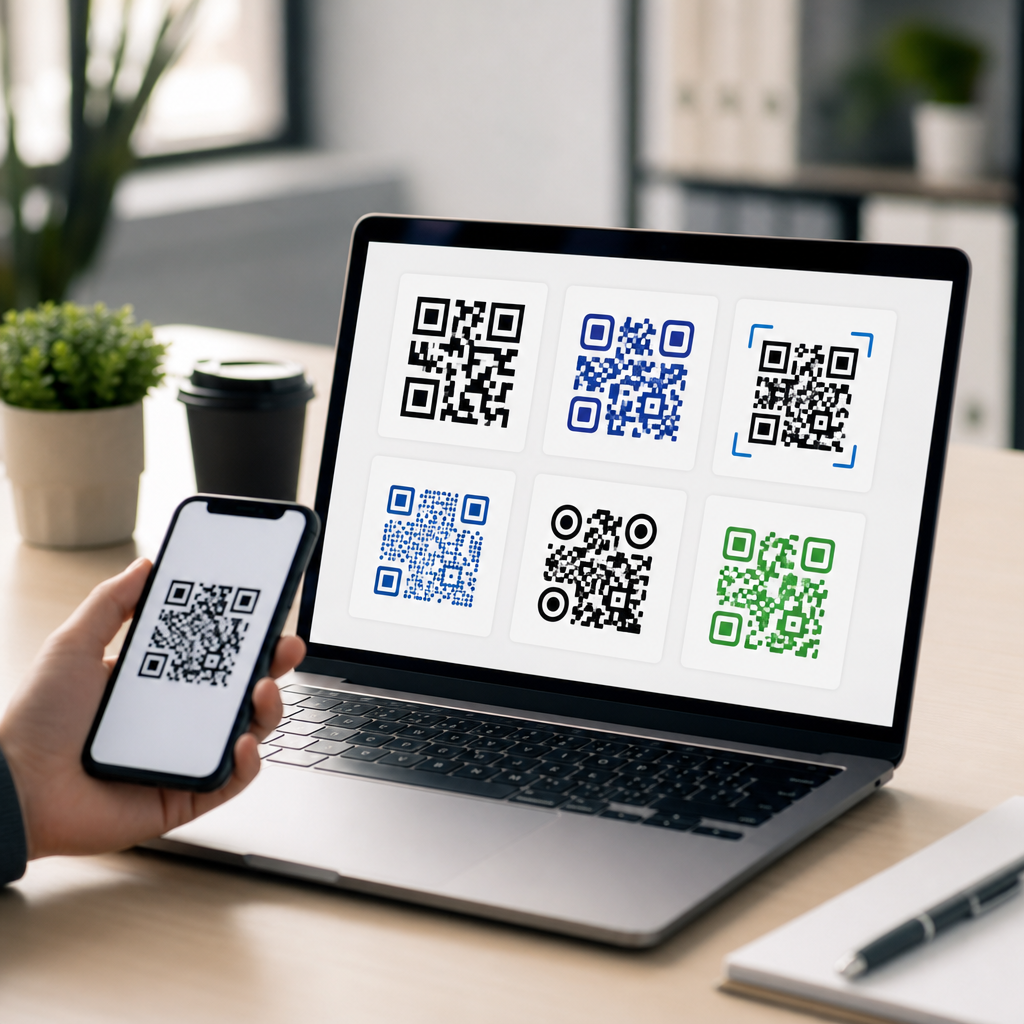
Businesses prefer dynamic QR codes because they turn a printed code into an editable, measurable, and manageable marketing asset instead of a fixed destination. In the context of creating mobile QR codes, the distinction between static vs dynamic QR codes is fundamental: a static QR code stores the final destination directly in the pattern, while a dynamic QR code points to a short redirect URL that can be changed later without reprinting the code. That single architectural difference affects campaign flexibility, analytics, security controls, and long-term cost. I have implemented QR programs for product packaging, restaurant menus, event check-ins, and field service workflows, and the same lesson appears every time: businesses rarely regret choosing dynamic codes when ongoing updates matter. This topic matters because QR codes now sit at the intersection of offline media and mobile action. They connect posters to landing pages, mailers to appointments, packaging to support content, and storefront signs to payments. If the destination changes, if performance needs measuring, or if teams need governance, static codes become limiting quickly. Dynamic QR codes solve those operational problems while supporting better mobile experiences, cleaner campaign management, and stronger decision-making across departments.
Static vs Dynamic QR Codes: the Core Difference
A static QR code is permanent. The encoded data, such as a URL, phone number, text string, Wi-Fi credential, or vCard, is embedded directly in the symbol. Once printed, the destination cannot be edited without generating and distributing a new code. That makes static codes suitable for simple, durable use cases: a Wi-Fi login sign in a café, a personal contact card, or a permanent link to a homepage that is unlikely to change.
A dynamic QR code works differently. The symbol usually contains a short URL managed by a QR platform. When someone scans it, the platform redirects the device to the current destination set in the dashboard. Because the redirect target is editable, the printed code stays the same even as the content changes. This is why businesses prefer dynamic QR codes for campaigns, packaging, menus, training materials, and any mobile touchpoint that may evolve over time.
The difference also affects scan density and reliability. Long URLs create more complex static patterns, which can become harder to scan at small print sizes or on uneven surfaces. Dynamic codes usually encode a shorter redirect URL, producing less dense patterns that are often easier to scan. In practice, this matters on labels, table tents, business cards, and outdoor signage where print constraints are real.
Why Businesses Prefer Dynamic QR Codes for Flexibility
The strongest business case for dynamic QR codes is flexibility after launch. Marketing teams change landing pages. Restaurants update menus. Real estate agents switch listings. Manufacturers revise manuals and warranty pages. With static codes, each change triggers rework: redesign files, reprint materials, replace inventory, and absorb distribution delays. With dynamic codes, teams update the destination in minutes from a dashboard.
I have seen this save entire campaigns. A retailer once launched in-store shelf talkers tied to a seasonal promotion, then changed the offer during week two because inventory shifted. The dynamic QR code remained on every sign; only the linked page changed. Without that redirect layer, hundreds of stores would have needed replacement signage. The cost difference was not theoretical. It meant preserving media value that had already been paid for.
Flexibility is especially important for mobile QR codes used across multiple environments. The same printed code can point to different content over time, support A/B testing, or route users by location, language, or device type if the platform supports rules-based redirects. That gives businesses a practical way to extend the life of printed assets while improving relevance for the scanner.
Analytics, Attribution, and Better Decisions
Static QR codes generally provide no native analytics. Unless the destination page uses separate tracking parameters and analytics software, the business cannot see scan activity clearly. Dynamic QR codes, by contrast, often include dashboards with scan counts, timestamps, approximate geolocation, device type, operating system, and referral context. This visibility is one of the main reasons businesses prefer dynamic QR codes over static alternatives.
Measurement changes how teams operate. If a restaurant places QR codes on takeaway packaging, storefront windows, and table cards, dynamic tracking can reveal which touchpoint drives the most menu views or repeat orders. If a B2B company adds QR codes to trade show booths, brochures, and presentation slides, campaign tags can tie scans to lead source and follow-up quality. Tools such as Google Analytics 4, Adobe Analytics, Bitly, and enterprise QR platforms make this attribution more precise when UTM parameters and conversion events are configured correctly.
Analytics also support optimization. If scans spike on weekends, staffing can be adjusted. If one poster placement underperforms, the creative or placement can be changed. If a code gets scans but low conversions, the issue may be page speed, message match, or form friction rather than the code itself. Dynamic QR codes give businesses the data needed to diagnose these problems instead of guessing.
Operational Control, Security, and Governance
Businesses do not choose QR technology based on marketing alone. IT, compliance, legal, and operations teams care about control. Dynamic QR codes give them more of it. Many platforms allow password protection, scan limits, expiration dates, role-based permissions, custom domains, and destination validation. Those features are useful when codes are used for payments, patient information, gated documents, internal training, or time-bound event access.
Static codes have no management layer. If the linked page is outdated, compromised, or redirected incorrectly at the website level, the printed code keeps sending people there. With a dynamic platform, administrators can pause a code, update the destination immediately, or replace a broken link centrally. This reduces risk and shortens response time when something goes wrong.
Brand trust also improves with managed redirects and custom domains. A code that resolves through a recognizable branded short link generally feels more credible than an unfamiliar generic domain. While no QR format eliminates phishing risk entirely, governance features help businesses maintain quality control. The tradeoff is dependence on the service provider: if the platform account lapses or the vendor has downtime, dynamic codes can be affected. That is why procurement should assess uptime history, export options, domain ownership, and service-level commitments before rollout.
Best Use Cases and When Static Still Makes Sense
Dynamic does not mean universal. The right choice depends on the use case, lifespan, and need for data. For hub-level planning under the creating mobile QR codes topic, the table below summarizes where each type fits best.
| Use case | Static QR code | Dynamic QR code | Why the choice matters |
|---|---|---|---|
| Restaurant menu | Possible but risky | Best choice | Menus change often; destination must stay editable without reprinting table cards. |
| Product packaging | Limited | Best choice | Support pages, manuals, campaigns, and regional content evolve after packaging is printed. |
| Business card homepage link | Good choice | Optional | If the URL is permanent, static keeps things simple and avoids subscription dependence. |
| Event registration | Weak choice | Best choice | Deadlines, capacity, and landing pages change; scan analytics help measure attendance intent. |
| Wi-Fi access | Best choice | Rarely needed | Credentials encoded directly are stable and do not require management. |
| Outdoor advertising | Risky | Best choice | Replacing billboards or transit posters is expensive, so editability is critical. |
Static QR codes still make sense when the information is permanent, the risk of future change is low, and there is no need for scan reporting. They can also be appropriate for low-budget one-off uses where simplicity matters more than management. But once a business is deploying QR codes at scale, across locations, or into materials with long shelf life, dynamic usually becomes the safer operational choice.
Implementation Tips for Creating Mobile QR Codes That Perform
Businesses get the best results from dynamic QR codes when they treat them as part of a mobile journey, not just a graphic. Start with the destination. The landing page should load quickly, match the promise near the code, and be designed for small screens. Google’s Core Web Vitals, responsive layouts, compressed images, and clear calls to action all matter because the scan only succeeds when the mobile experience succeeds.
Next, size and placement should follow practical scanning standards. Codes need adequate contrast, quiet zone spacing, and print dimensions suited to viewing distance. A common rule is roughly one inch of code size for every ten inches of scanning distance, though environmental testing is always better than rules of thumb. Place the code where users can scan safely and where connectivity is available. A code on a subway platform with poor signal may underperform even if the creative is strong.
Use a branded short domain when possible, tag campaigns consistently, and document ownership. I recommend maintaining a QR inventory that records code purpose, destination, campaign dates, asset locations, and accountable team members. This prevents orphaned codes and makes updates routine rather than chaotic. Finally, test with multiple devices and camera apps before launch. The best dynamic QR code strategy combines editable redirects, reliable mobile pages, and disciplined governance.
Dynamic QR codes have become the preferred choice for businesses because they solve real operational problems that static codes cannot. They keep printed materials usable after launch, support scan analytics and attribution, improve governance, and let teams adapt content without wasting inventory. Static QR codes still have a place for permanent, simple information, but they are less suitable for modern campaigns, packaging, menus, events, and multichannel mobile experiences where change is expected.
For anyone comparing static vs dynamic QR codes, the decision comes down to business requirements. If you need editability, measurement, security controls, or long-term flexibility, dynamic is the right default. If the content will never change and reporting is unnecessary, static may be enough. In most organizations I have worked with, the cost of reprinting, broken destinations, and missing data quickly outweighs the subscription cost of a dynamic platform.
As you build out your creating mobile QR codes strategy, treat this page as your hub: start with the format choice, map each use case to the right code type, and standardize how codes are tracked and maintained. Then move to the next step by auditing every current QR code in your business and identifying which ones should be converted to dynamic first.
Frequently Asked Questions
What is the difference between a static QR code and a dynamic QR code?
The core difference is where the destination lives. A static QR code stores the final URL, file link, or piece of information directly inside the QR pattern itself. Once that code is printed or published, the destination is locked in. If the landing page changes, the offer expires, or the business wants to point users somewhere else, the code must be replaced everywhere it appears. That makes static QR codes useful for simple, permanent uses, but limiting for active marketing, promotions, packaging, and customer engagement.
A dynamic QR code works differently. Instead of embedding the final destination directly into the pattern, it encodes a short redirect URL. That redirect sends the user to the current destination chosen by the business. Because the redirect can be updated later, the business can change where the code leads without changing the printed QR code. This is the architectural advantage that makes dynamic QR codes so valuable: the physical code stays the same, while the digital experience behind it can evolve.
For businesses, that difference is not just technical—it is operational and financial. A dynamic QR code transforms a printed asset into something flexible, measurable, and manageable. It lets marketing teams update campaigns after launch, correct mistakes without costly reprints, test different destinations, and track scan performance over time. In practical terms, static codes are fixed endpoints, while dynamic codes are adaptable marketing tools.
Why do businesses prefer dynamic QR codes for marketing and customer engagement?
Businesses prefer dynamic QR codes because they provide control after the code has already been distributed. In real-world marketing, campaigns change constantly. Product pages are updated, seasonal promotions end, event details shift, and landing pages are optimized based on performance. With a dynamic QR code, a business does not lose the value of printed materials every time something changes. The same code on a poster, brochure, package, table tent, direct mail piece, or storefront sign can continue to work even as the destination evolves.
That flexibility reduces waste and improves speed. Instead of reprinting menus, labels, signs, or packaging because a link changed, teams can simply update the redirect destination in the QR code platform. This makes dynamic QR codes especially attractive for businesses running multi-location promotions, time-sensitive offers, product launches, and mobile-first campaigns. They support the reality that modern marketing is iterative, not fixed.
Dynamic QR codes also support better customer engagement because they let businesses route users more intelligently. A code can send customers to a new promotion this month, a feedback form next month, and a loyalty signup page later—without changing the code customers see. In many cases, the destination can also be aligned with campaign goals, device type, geography, or timing. That means businesses are not just placing a QR code; they are managing a live customer touchpoint that can be optimized over time for better results.
How do dynamic QR codes help businesses track performance and measure ROI?
One of the biggest reasons businesses choose dynamic QR codes is visibility. Static QR codes generally do not provide built-in analytics because they send users directly to the final destination. Dynamic QR codes, by contrast, pass traffic through a managed redirect, which creates a measurement point. That allows businesses to monitor scan activity and understand how people are interacting with their offline and online materials.
Depending on the platform, businesses can typically track metrics such as total scans, unique scans, time and date of scans, general location data, device type, and campaign-level performance. This information helps answer important marketing questions: Which poster placement performed best? Did the direct mail campaign generate engagement? Are customers scanning from product packaging after purchase? Is one store location driving more scans than another? Instead of guessing whether a printed asset is working, teams can review real data.
That measurement improves return on investment because it helps businesses make smarter decisions. Marketing teams can compare channels, refine landing pages, pause underperforming campaigns, and shift traffic to better-converting offers. Dynamic QR codes also make A/B testing and post-launch optimization more practical, since the destination can be updated without replacing the code itself. In that sense, dynamic QR codes bridge the gap between physical media and digital analytics, giving businesses a way to measure real-world engagement with much greater precision.
Can a dynamic QR code be edited after it has been printed?
Yes, and that is one of its biggest advantages. A dynamic QR code can usually be edited after printing because the QR pattern contains a redirect URL rather than the final destination. As long as the QR code remains active in the management platform, the business can log in and change where it sends users. This can include updating a website URL, swapping a PDF, changing a menu link, redirecting to a new campaign page, or moving traffic from one offer to another.
This capability is extremely valuable in situations where printed materials are expensive, distributed widely, or intended to stay in circulation for a long time. Think of packaging, in-store signage, vehicle wraps, event banners, catalogs, or business cards. If a landing page breaks or a campaign changes, the business does not need to start over. It can preserve the existing print investment and keep the customer experience current.
Editing also improves risk management. Mistakes happen—a wrong URL is used, a page is unpublished, or a promotion ends earlier than expected. With a static QR code, that error can become permanent unless the code is replaced. With a dynamic QR code, the issue can often be fixed quickly from a dashboard. For businesses, that means more agility, less downtime, and far greater confidence when deploying QR codes across multiple channels.
Are dynamic QR codes better for long-term business use?
In most business scenarios, yes. Dynamic QR codes are generally better for long-term use because they support change, reporting, and centralized management. Businesses rarely operate in a fixed environment. URLs change, product assortments evolve, promotions rotate, branding gets refreshed, and customer journeys are continually refined. A QR code that cannot adapt becomes a maintenance problem over time. A dynamic QR code is better suited to the way businesses actually work.
They are especially useful when a code will remain visible for months or years. A QR code printed on product packaging, installed in a retail location, added to restaurant materials, or used in field marketing needs to remain useful even if backend destinations change. Dynamic QR codes allow that continuity. The physical code can stay in place while the business updates the digital destination to match current objectives.
Long-term value also comes from manageability. Many businesses use dynamic QR code platforms to organize codes by campaign, location, department, or use case. That makes it easier to maintain brand consistency, monitor engagement, and avoid losing track of where codes are deployed. Over time, this turns QR codes from one-off utilities into governed digital assets. For companies that care about flexibility, attribution, and operational efficiency, dynamic QR codes are usually the stronger long-term choice.