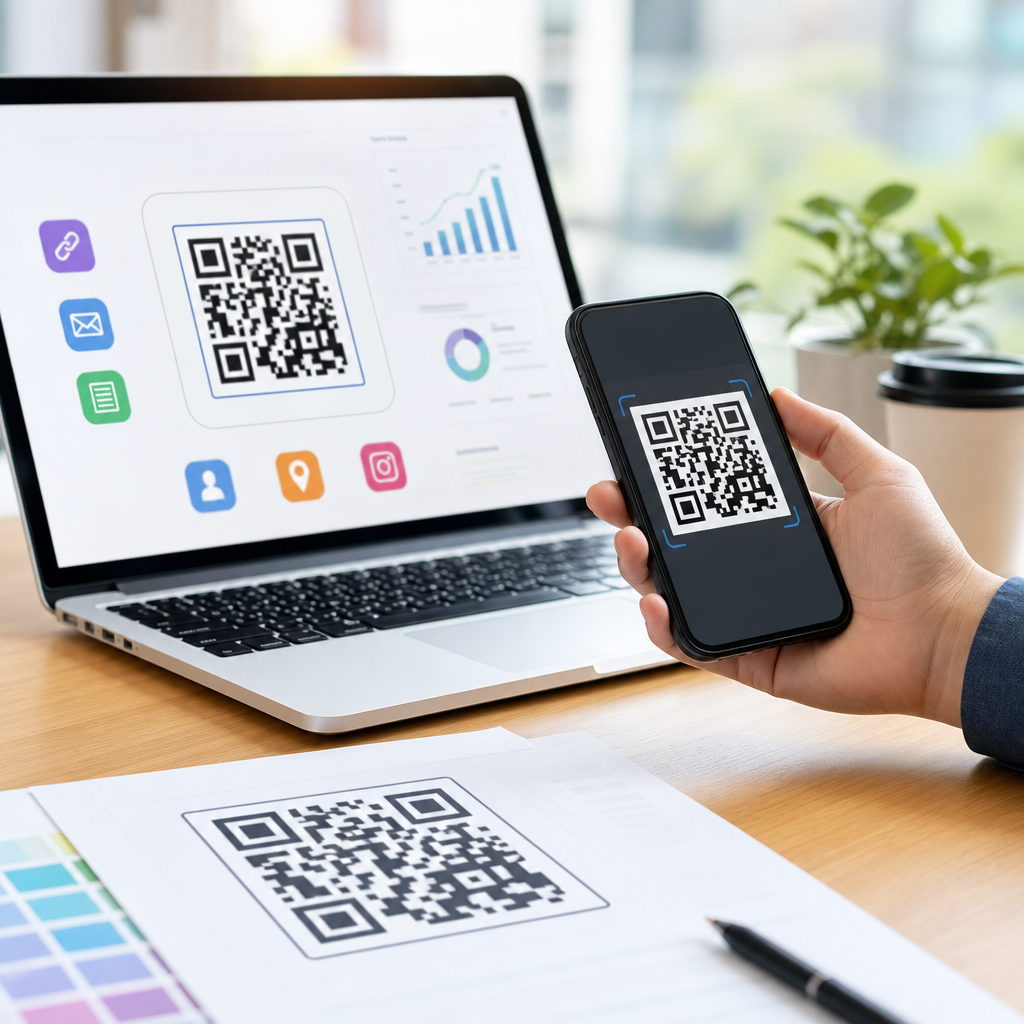
Choosing the best QR code generators for marketing campaigns can determine whether a scan becomes a measurable conversion or a dead end. A QR code generator is the software that creates scannable codes linking users to URLs, app downloads, menus, forms, videos, coupons, or contact details. For marketers, the distinction that matters most is static versus dynamic QR codes. Static codes lock the destination permanently, while dynamic codes route through a managed short link, allowing edits, scan tracking, retargeting, and campaign control after print. That flexibility is why QR codes now sit at the center of packaging, retail displays, direct mail, events, out-of-home advertising, and product onboarding.
I have used QR platforms across product launches, in-store promotions, and lead-generation campaigns, and the same pattern appears every time: the cheapest tool is rarely the most cost-effective. A generator should support brand customization, reliable redirects, analytics, UTM governance, export quality for print, and team workflows. It also needs to protect scan speed and readability. If the code is overly stylized, linked to a slow landing page, or impossible to update once distributed, campaign performance suffers. This hub explains what separates the best QR code generators, which platforms fit specific marketing use cases, and how to choose one that supports growth instead of adding operational friction.
What Makes a QR Code Generator Good for Marketing
The best QR code generators do more than draw a scannable square. They give marketers control before, during, and after launch. At minimum, a marketing-ready platform should offer dynamic QR codes, editable destinations, scan analytics, high-resolution exports in SVG, EPS, or PDF, and support for UTM parameters. Without dynamic capability, a printed brochure or poster becomes risky because any URL change requires complete reprinting. With dynamic routing, you can update a landing page, swap seasonal offers, pause a broken destination, or redirect traffic by region without touching the printed asset.
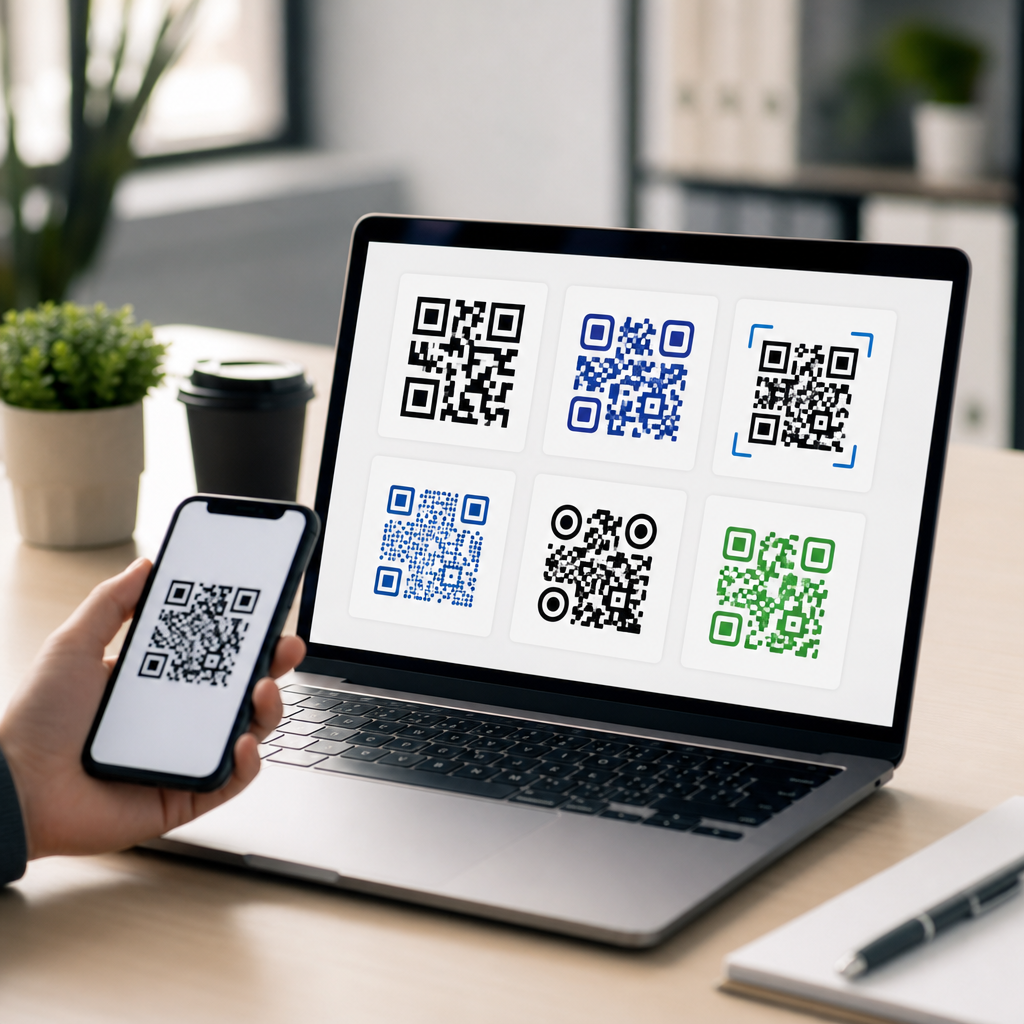
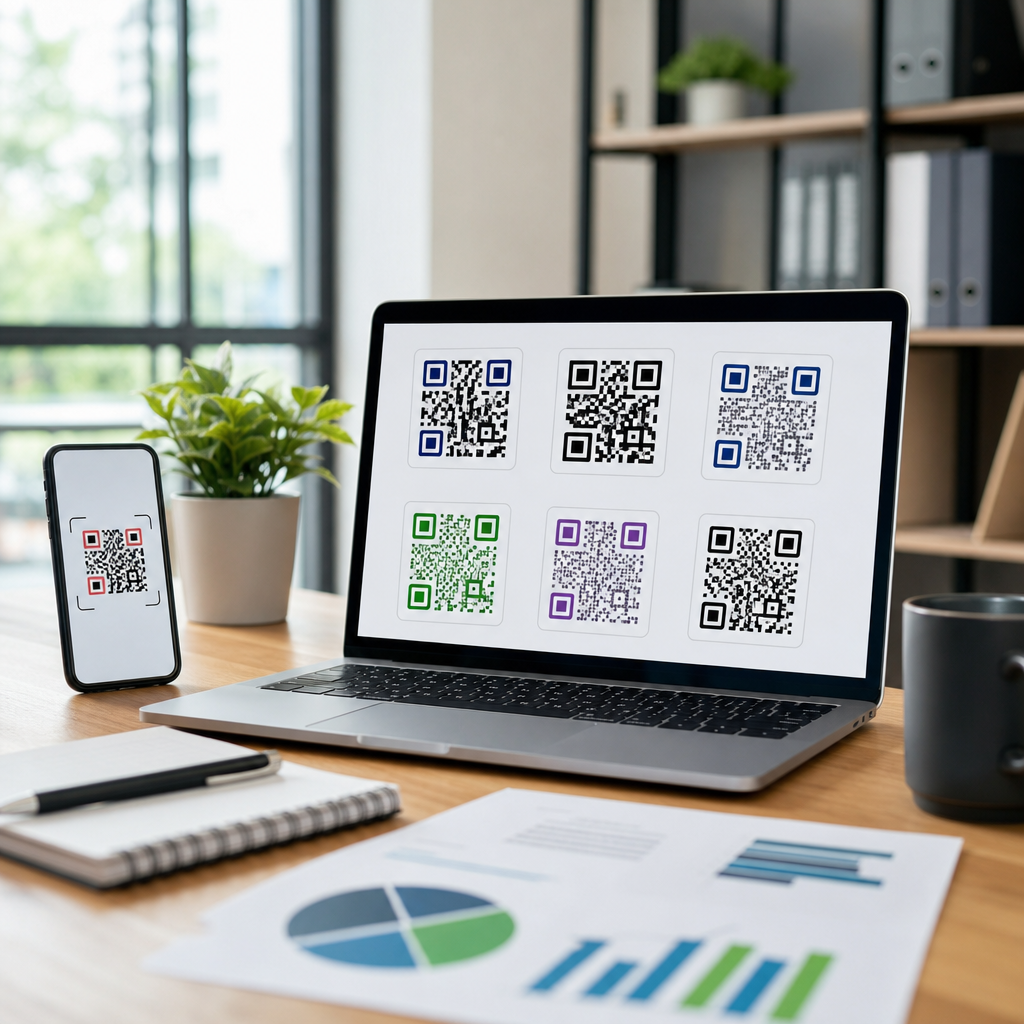
Branding features also matter, but they should be handled carefully. Most strong platforms let you add logos, change colors, and modify eye frames or patterns. In practice, readability comes first. I advise keeping strong contrast, preserving a quiet zone, and testing across older Android devices, newer iPhones, and lower-light environments. Error correction can help by allowing partial logo overlays, but pushing design too far reduces scan reliability. Good generators make these tradeoffs visible with scan testing prompts and preview tools rather than encouraging decorative choices that look impressive in a mockup but fail in stores or on transit ads.
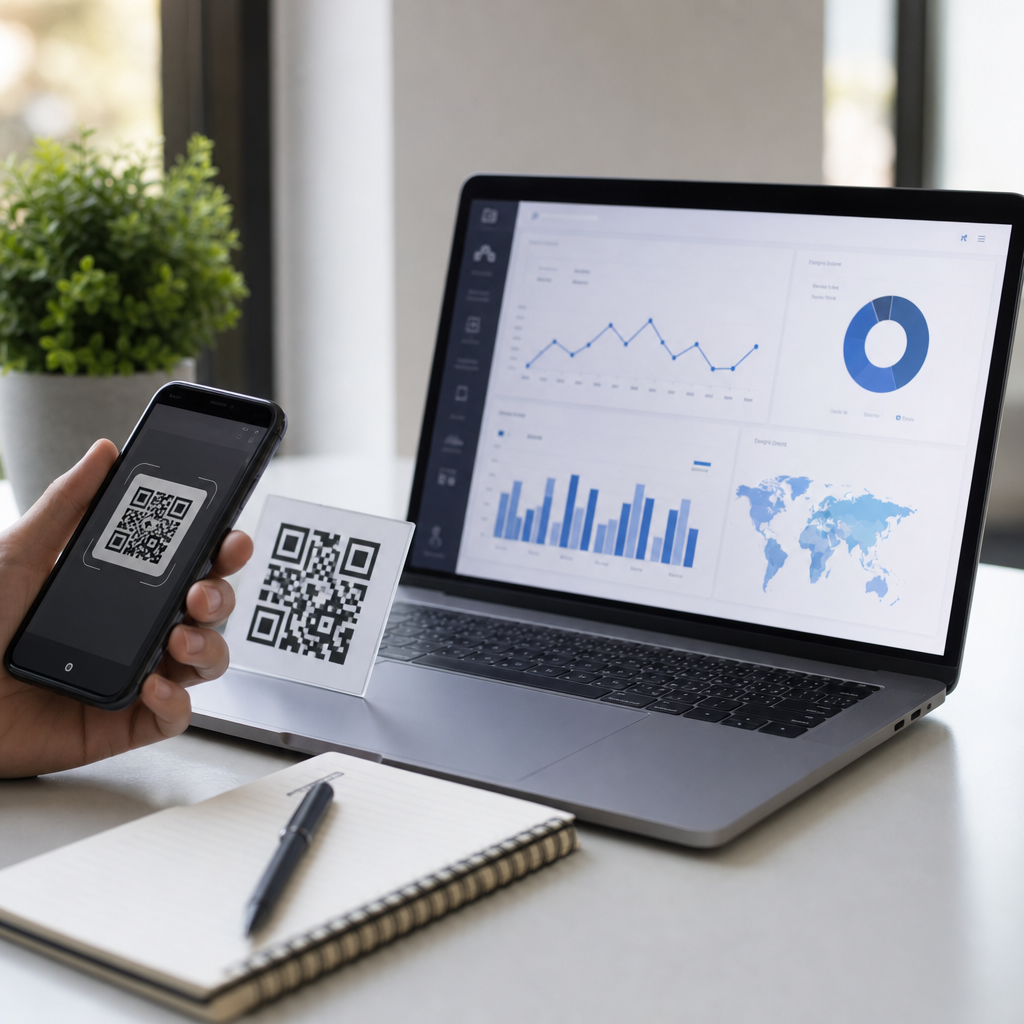
Analytics separates basic tools from platforms designed for serious campaigns. Marketers need total scans, unique scans, time trends, device type, operating system, and approximate location. Some tools add Google Analytics integration, pixels, or webhook support. The strongest setups let you standardize naming conventions, assign campaigns to folders, and export data for reporting. If a platform cannot connect scans to broader attribution, it becomes difficult to compare QR placements against email, paid social, or search traffic.
Top QR Code Generators Worth Considering
Several platforms consistently stand out. QR Code Generator Pro is widely used because it balances ease of use with business features such as dynamic codes, analytics, design controls, and team management. Bitly is compelling when link management already matters inside the organization; its QR functionality ties neatly into branded short domains and campaign tracking. Uniqode, formerly Beaconstac, is one of the most complete enterprise-oriented choices, with strong security, bulk generation, API access, and integrations that larger teams value. Flowcode is especially popular with consumer marketers and event teams because its interface is intuitive and its design options are accessible without becoming overly technical.
Canva also deserves mention, though with a caveat. It is convenient for quick, design-led projects because QR creation sits inside the same workspace as flyers, menus, posters, and social assets. For static use cases, that can be enough. For long-running campaigns, however, Canva is usually not the strongest operational choice because analytics and dynamic management are more limited than dedicated platforms. Adobe Express falls into a similar category: useful for generating simple codes quickly, less suitable for teams that need robust post-launch control.
For WordPress-heavy teams, Short.io and Bitly can be effective because they support branded links and stronger redirect governance. For restaurants, hospitality businesses, and small retailers, tools like QR Tiger and ME-QR often appeal due to templates, affordable pricing tiers, and easy dynamic editing. The best option depends on how much you value enterprise controls, creative flexibility, scale, and reporting depth.
| Platform | Best For | Key Strength | Main Limitation |
|---|---|---|---|
| Uniqode | Enterprise campaigns | Security, analytics, bulk management | Higher cost for small teams |
| Bitly | Brands using link management | Branded links plus QR tracking | Less design-focused than some rivals |
| QR Code Generator Pro | General marketing teams | Balanced features and usability | Advanced options may require premium plans |
| Flowcode | Events and consumer marketing | User-friendly design and reporting | Fewer enterprise governance features |
| Canva | Fast design projects | Convenient inside creative workflow | Limited campaign management depth |
How to Match a Platform to Campaign Type
Different campaign formats create different technical requirements. For print advertising, export quality is non-negotiable. I have seen otherwise solid campaigns fail because teams downloaded a low-resolution PNG and enlarged it for packaging or signage, producing fuzzy edges and inconsistent scans. For print, vector formats such as SVG or EPS are the safest choice. Dynamic URLs are equally important because print lead times are long. If a legal disclaimer changes, a landing page moves, or inventory runs out, a dynamic QR code preserves the asset investment.
For in-store marketing, speed and mobile experience matter more than decorative customization. A shelf talker, window cling, or endcap sign usually has seconds to earn a scan. The linked page should load quickly, reflect the exact promise on the sign, and avoid forcing users to pinch and zoom. Platforms that support deep linking, app detection, or simple mobile landing pages perform better here. In retail, scan analytics by location can also reveal which stores or placements actually influence behavior.
Event campaigns need rapid iteration. A conference may require codes for check-in, speaker bios, lead forms, session feedback, maps, and sponsor offers. In that environment, bulk creation and folder organization save time, while dynamic editing reduces risk if room assignments or URLs change overnight. Consumer brands running influencer kits or product packaging campaigns often care most about branded domains, because a recognizable short link improves trust and strengthens attribution.
B2B lead generation adds another layer. If the destination is a form, CRM integration matters. Some platforms offer native integrations; others rely on Zapier, webhooks, or custom APIs. When the QR code is tied to sales follow-up, governance becomes important too. Teams need standardized naming, permissions, and expiration controls so old codes do not continue sending leads into outdated workflows.
Features That Directly Affect Performance
The highest-impact feature is dynamic management, followed closely by analytics and redirect quality. Dynamic QR codes work by sending a scan through a managed short URL before routing to the final destination. That extra step must be fast and dependable. Established platforms invest in infrastructure and monitoring so redirects resolve quickly across networks and regions. Marketers should also look for password protection, expiration dates, geolocation rules, and device-based redirects when campaigns require audience segmentation or controlled access.
Customization should support brand recognition without undermining usability. In my testing, subtle brand colors and a small centered logo generally scan well when contrast remains high. Inverted colors, busy backgrounds, or reduced quiet zones are common causes of failure. Good generators support frame text such as “Scan to Get 20% Off,” which often lifts scan rates because the value proposition is immediate. The call to action on the creative matters as much as the code itself.
Bulk generation, API access, and team permissions become essential once QR codes move beyond one-off posters. Packaging programs, franchise systems, and multi-location retailers may need hundreds or thousands of codes, each tied to a unique SKU, store, or representative. A serious platform should let teams generate at scale, maintain naming rules, and audit changes. Security is often overlooked, but it matters when QR codes connect to payment pages, confidential PDFs, or account portals. SSO, access controls, and data retention policies are worth reviewing before procurement.
Selection Criteria, Pricing, and Common Mistakes
When comparing platforms, start with business requirements instead of feature lists. Ask whether you need dynamic editing, how many users require access, whether scans must feed existing analytics stacks, and what level of brand control is necessary. Then test usability. A platform can have excellent capabilities and still slow down production if the workflow is clumsy. Most vendors offer free trials, and I strongly recommend creating a real pilot campaign rather than relying on the demo environment alone.
Pricing varies widely. Free tools are acceptable for one-time static QR codes, especially for internal use or temporary materials. For active marketing campaigns, paid plans are usually justified because they unlock dynamic codes, reporting, and better exports. Enterprise plans cost more but often include support, security reviews, SLAs, and integration help. The most expensive option is not automatically the best; the correct question is whether the platform reduces reprints, reporting gaps, and campaign delays enough to justify its subscription.
Several mistakes recur. Teams choose a static code for a printed campaign, then discover too late that the destination needs to change. They design an ornate code with low contrast and assume all phones will scan it. They send users to a desktop page or a generic homepage instead of a dedicated mobile landing page. They forget UTM parameters, making attribution incomplete. They also fail to test in real conditions: from different distances, under glare, on curved packaging, and with low cellular signal. The best QR code generators help, but disciplined execution still determines results.
The best QR code generators for marketing campaigns combine dynamic control, dependable analytics, strong export options, and enough branding flexibility to support the creative without compromising scans. For most teams, the leaders are Uniqode, Bitly, QR Code Generator Pro, Flowcode, and a handful of practical small-business tools such as QR Tiger. Design-first tools like Canva are convenient, but dedicated platforms usually win when campaigns need tracking, governance, and long-term management. The right choice depends on campaign type, team size, reporting needs, and whether QR codes are an occasional tactic or an ongoing channel.
As a hub within Creating Mobile QR Codes, this page should guide your shortlist and your evaluation process. Start by prioritizing dynamic codes, vector exports, mobile-first destinations, and analytics you can actually use. Then test candidates with a live campaign, not a theoretical checklist. If you choose carefully, QR codes become measurable bridges between physical media and digital action, not just decorative squares on printed assets. Review your current campaigns, identify where scans need better tracking or flexibility, and select a platform that can scale with your marketing program.
Frequently Asked Questions
What should marketers look for in the best QR code generators for marketing campaigns?
The best QR code generators for marketing campaigns do much more than create a scannable image. For marketing use, the most important feature is support for dynamic QR codes, because dynamic codes let you change the destination URL or content after the code has already been printed, published, or distributed. That flexibility is essential for campaigns that evolve over time, such as seasonal offers, event promotions, landing page tests, product launches, or region-specific messaging.
Marketers should also prioritize built-in analytics. A strong platform will show scan volume, scan timing, device type, approximate location, and sometimes operating system or browser data. These insights help you understand not just whether a QR code was scanned, but whether it contributed to campaign performance. In practice, that means you can compare placements, optimize calls to action, and connect offline touchpoints like posters, packaging, direct mail, or in-store signage to measurable digital outcomes.
Other high-value features include custom branding, editable destination links, bulk QR code creation, campaign folders, access controls for teams, and integrations with tools like Google Analytics, CRM platforms, or marketing automation systems. Error correction level, download quality, and supported file formats also matter, especially if codes will appear in print, on product packaging, or in large-format displays. A good generator should make it easy to export high-resolution PNG, SVG, EPS, or PDF files for different channels.
Finally, reliability and ease of use should not be overlooked. The ideal platform makes it simple for marketers to launch quickly without sacrificing control. If a QR code generator offers dependable scan performance, strong analytics, dynamic editing, and campaign-level organization, it is usually a strong fit for serious marketing use.
Why are dynamic QR codes usually better than static QR codes for marketing campaigns?
Dynamic QR codes are usually the better choice for marketing because they give you ongoing control after the campaign goes live. A static QR code sends users directly to a fixed destination, which means the link cannot be changed later. If the landing page URL changes, the promotion expires, or you want to redirect traffic to a new offer, a static code becomes outdated. In many cases, that means reprinting materials, replacing signage, or losing scans entirely.
Dynamic QR codes solve that problem by using a managed redirect. The printed code stays the same, but the destination behind it can be updated at any time from the QR code platform. That is incredibly valuable for marketers running time-sensitive promotions, A/B tests, localized experiences, or multi-stage campaigns. For example, the same code on a product insert could first point to a launch page, then to a review form, and later to a loyalty offer without changing the physical code itself.
Another major advantage is tracking. Dynamic QR codes typically include scan analytics, which allows marketers to measure interactions and optimize campaign performance. Static codes generally do not provide native tracking unless you add separate tracking parameters and use outside analytics tools. Even then, static codes are less flexible once deployed.
That said, static QR codes still have a place. They can be useful for permanent information that is unlikely to change, such as basic contact details, Wi-Fi access, or long-term reference pages. But for marketing campaigns where performance, adaptability, and reporting matter, dynamic QR codes are usually the more practical and professional option.
How do QR code analytics help improve marketing campaign performance?
QR code analytics turn scans into actionable marketing data. Without analytics, a QR code is simply a bridge from an offline or visual touchpoint to a digital destination. With analytics, it becomes a measurable campaign asset. Marketers can see how many scans occurred, when they happened, where they came from geographically, what type of device was used, and in some cases how users interacted after arriving at the destination.
This data helps answer important campaign questions. You can compare the performance of QR codes placed on packaging versus flyers, direct mail versus retail displays, or event signage versus social posts. You can identify which call to action drives more engagement, which locations generate the most scans, and whether traffic spikes at specific times of day or during certain campaign windows. That kind of visibility supports smarter budget allocation and faster optimization.
Analytics also improve attribution. One of the biggest challenges in marketing is measuring the impact of offline channels. QR codes help bridge that gap by linking physical materials to digital journeys. When paired with UTM parameters, web analytics platforms, and conversion tracking, QR codes can show how an in-store sign, brochure, menu, or package insert contributes to sign-ups, purchases, downloads, or lead generation. This makes them especially useful for omnichannel campaigns.
The most effective QR code generators present analytics in a way that is easy to interpret and act on. Dashboards, campaign segmentation, exportable reports, and integrations with Google Analytics or ad platforms make it easier to tie scan behavior to broader performance goals. In short, analytics help marketers move from guesswork to evidence-based decision-making.
Can branded and customized QR codes still scan reliably in marketing materials?
Yes, branded and customized QR codes can still scan reliably, provided they are designed correctly. In fact, customization is often a smart marketing move because it helps the code feel like part of the campaign instead of an afterthought. Colors, logos, custom frames, and branded calls to action can improve trust, reinforce brand identity, and increase the likelihood that people will scan the code.
However, design should never come at the expense of functionality. Reliable scanning depends on maintaining strong contrast between the code and its background, preserving the quiet zone around the edges, and avoiding excessive distortion of the pattern. Placing a logo in the center is common, but it should not cover too much of the code. Most professional QR code generators account for this by using appropriate error correction levels, which allow the code to remain readable even when part of it is obscured or customized.
Print quality and placement also affect scan performance. A code that works well on a digital screen may fail on low-quality packaging, glossy materials, or poorly lit signage if it is too small or lacks contrast. Marketers should test codes on multiple devices, from different distances, and in real-world environments before launching a campaign. That includes testing both iPhone and Android cameras, as well as any intended scanning apps.
The safest approach is to use customization strategically. Add branding, but keep the code simple enough for fast recognition. Use high-resolution exports, choose readable colors, include a clear call to action, and test every version before distribution. When done properly, branded QR codes can be both visually polished and highly scannable.
Which use cases make QR code generators especially valuable for marketing campaigns?
QR code generators are especially valuable in marketing because they connect physical experiences to digital actions with almost no friction. One of the strongest use cases is product packaging, where a code can direct customers to tutorials, reviews, warranty registration, loyalty programs, or upsell offers. Instead of relying on a customer to type in a URL, the brand creates an instant path to engagement and conversion.
They are also highly effective in print advertising, direct mail, event marketing, retail displays, restaurant menus, out-of-home advertising, and point-of-sale materials. A QR code on a poster can lead to a landing page, ticket purchase flow, or app download. A direct mail piece can send users to a personalized offer. An in-store shelf sign can unlock coupons, product comparisons, or video demos. In each case, the QR code shortens the path between interest and action.
For lead generation, QR codes are useful on business cards, trade show booths, presentation slides, and brochures, where they can direct users to forms, downloadable assets, calendar booking links, or contact information. For customer retention, they can support onboarding, feedback requests, referral campaigns, and loyalty programs. Because dynamic QR codes can be edited, the same printed asset can continue delivering value across different stages of the customer journey.
The real reason QR code generators are so useful in marketing is that they combine convenience, measurability, and adaptability. They make offline channels interactive, reduce friction for users, and give marketers a way to test, track, and optimize performance. When used thoughtfully, they are not just a convenience tool; they are a practical conversion and attribution asset across many campaign types.