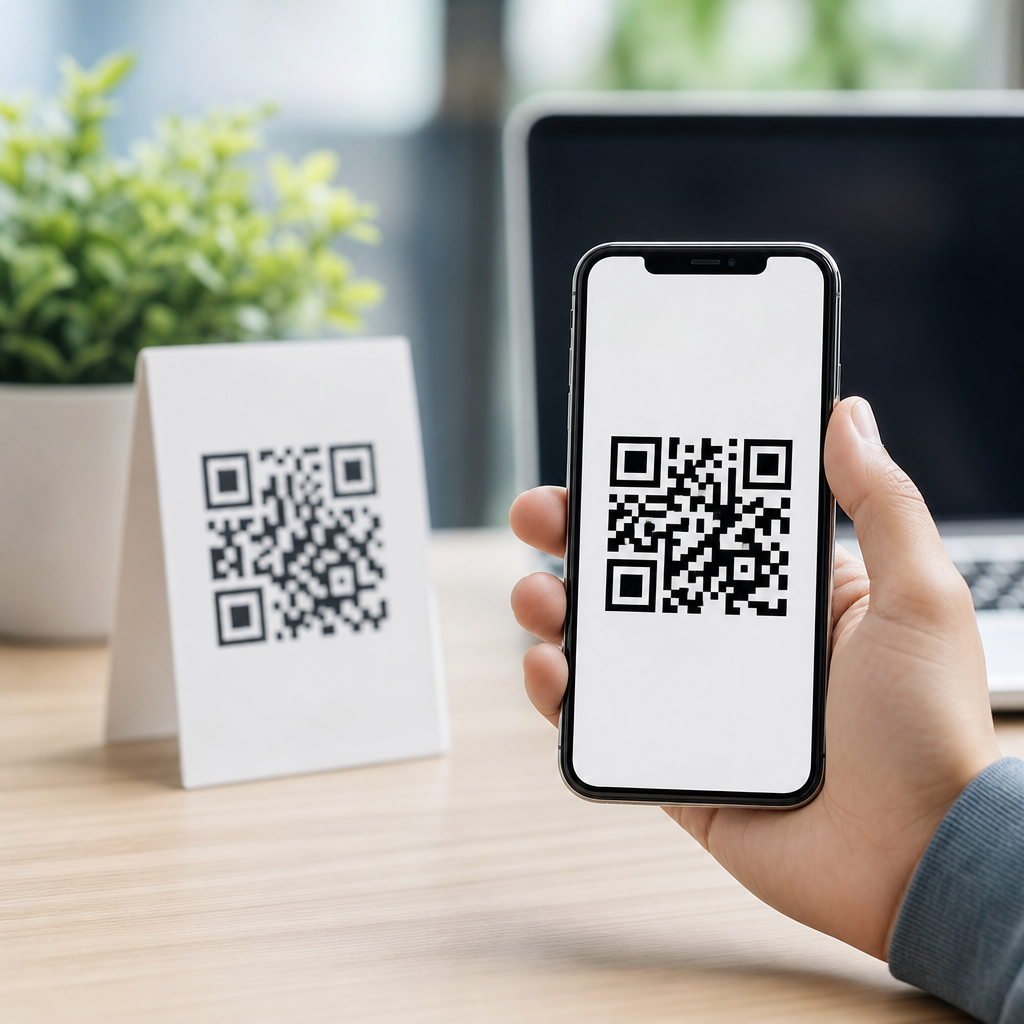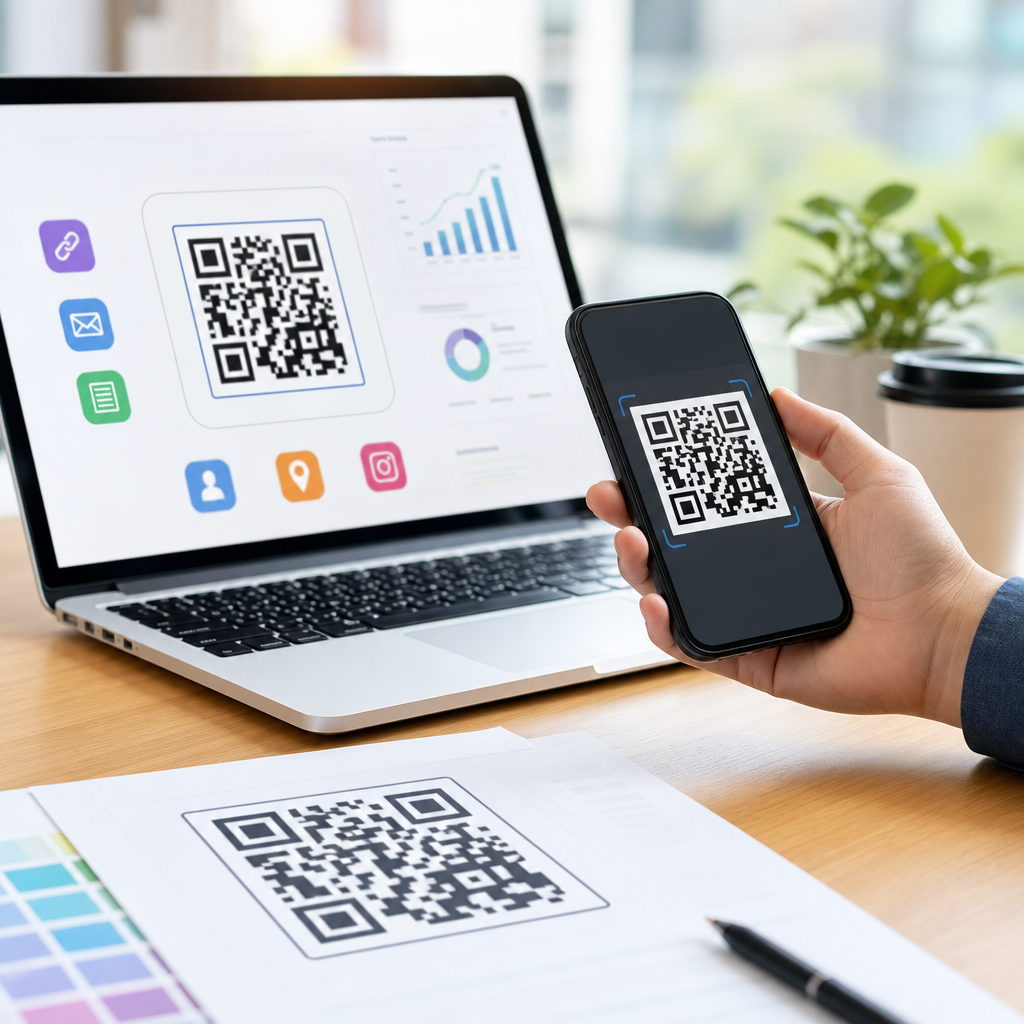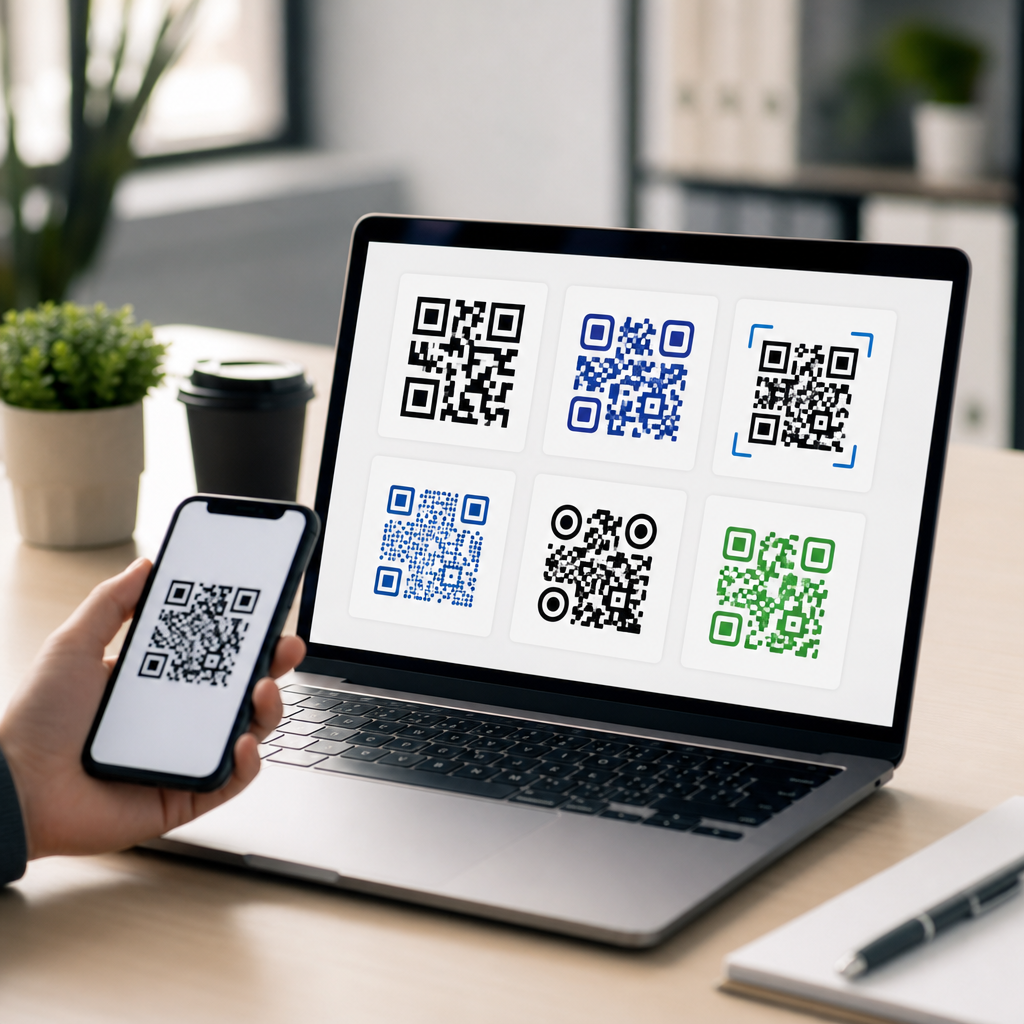
Choosing the best free QR code generator sounds simple until you need a code that scans quickly, fits your brand, prints cleanly, and stays reliable over time. A QR code generator is the tool that converts a URL, file, contact card, menu, payment link, or app install link into a scannable matrix barcode that smartphone cameras can read instantly. In mobile marketing and operations, that small square now powers restaurant ordering, product packaging, event check-in, field service forms, and offline-to-online tracking. I have used QR platforms for campaign launches, packaging proofs, storefront posters, and internal asset labels, and the differences between free tools are not cosmetic. Some platforms create truly static QR codes with unlimited scans, while others advertise free creation but gate analytics, dynamic editing, vector exports, or even long-term availability. For teams building mobile-first experiences, selecting the right generator affects scan rate, design flexibility, data ownership, and maintenance workload.
This hub article compares the top free QR code generators, explains what “free” really means, and shows which tools work best for different use cases. It also serves as the central guide within the broader Creating Mobile QR Codes topic, so the goal is not just to list options but to help you decide quickly and correctly. The key distinction is between static QR codes and dynamic QR codes. A static code permanently stores the destination in the pattern itself; once printed, it cannot be edited, but it usually remains free forever. A dynamic code points to a short redirect URL controlled by the provider; that allows destination changes, scan analytics, device-based routing, and campaign management, but often requires an account or paid plan. Understanding that tradeoff is the foundation for comparing any QR code generator.
Another term that matters is error correction. QR codes include built-in redundancy levels, commonly labeled L, M, Q, and H, allowing the code to remain readable even if part of it is damaged or covered by a logo. Higher error correction improves resilience but increases pattern density, which can hurt readability at small print sizes. File format matters too: PNG is convenient for web use, SVG and EPS are better for professional printing because they scale without blurring. A genuinely useful free QR code generator should therefore be judged on output quality, code type support, export formats, customization controls, watermark policy, and whether the code remains active without subscription pressure.
What to Look for in a Free QR Code Generator
The best QR code generators solve practical problems, not just aesthetic ones. Start with scan reliability. In testing, I look for clear quiet zones, sensible defaults for contrast, and no forced frames or watermarks that interfere with camera detection. A good generator lets you create codes for common mobile actions: website URL, vCard, Wi-Fi, SMS, email, PDF, app link, and location. If your use case involves printed signage or product labels, vector export is essential. A PNG downloaded from a free tool may look sharp on screen yet soften noticeably on a large poster or corrugated carton proof. SVG export preserves edge crispness and is the safer option for production files.
Next, review business constraints. If you need to update a destination after printing, you need dynamic QR capability. If you simply need a permanent link to a homepage, support document, or Google Maps listing, a static code is usually better because it avoids vendor lock-in. Privacy is another factor that many roundups ignore. Dynamic QR providers often route scans through their own domains before forwarding users; that is how analytics work, but it also means the provider sits between your audience and your destination. For regulated industries or long-lived assets, static QR codes created offline or through transparent generators can be the safer choice. Finally, look at branding controls. Rounded modules, custom colors, and embedded logos can help, but every design change should preserve contrast and margin integrity.
Top Free QR Code Generators Compared
Among the strongest free options, QRCode Monkey is often the best starting point for marketers and small businesses. It supports high-resolution PNG, SVG, PDF, and EPS exports, offers strong design controls, and is straightforward enough for nontechnical users. For printed collateral, its vector output is the major advantage. The platform is especially useful when you need branded but static QR codes for menus, flyers, product inserts, or signage. Its free tier is centered on static creation rather than advanced dynamic campaign management, which is exactly why many users find it dependable.
QR Code Generator by Bitly is widely recognized and polished, but free access is more limited. It is a solid option for users who want an intuitive interface and may later upgrade into dynamic features, branded links, and analytics. The catch is that many of the features people associate with the platform sit behind account and plan boundaries. For experimentation, it works well; for permanently free advanced use, it is less generous than static-focused tools. Canva’s QR generator is another convenient choice, particularly for teams already designing social graphics, posters, or flyers inside Canva. Its strength is workflow efficiency, not advanced QR management. You can generate a basic code quickly and place it directly into a design, but customization and export control are lighter than specialized tools.
goQR.me remains useful because it is simple, fast, and supports several data types without overcomplicating the process. It is not the most modern interface, yet it is practical for straightforward static QR creation. Unitag stands out for attractive design customization, which is helpful for brand-led campaigns, though users should still prioritize scan testing over visual novelty. Beaconstac and QR.io are better known for dynamic and enterprise use cases. They may offer free trials or limited free creation, but they are not the first recommendation when your requirement is a no-cost, no-expiry static code. For users comfortable with open-source tools, libraries such as ZXing or python-qrcode are powerful alternatives, especially when integrating QR generation into internal systems or automating bulk creation. Those require technical setup, but they provide maximum control over data handling and output.
| Tool | Best for | Free strengths | Main limitation |
|---|---|---|---|
| QRCode Monkey | Branded static codes for print and web | SVG/PDF/EPS export, logo support, strong customization | No deep free dynamic analytics |
| Bitly QR Code Generator | Users likely to upgrade to campaigns and tracking | Clean interface, brand credibility, dynamic pathway | Best features tied to account or paid plans |
| Canva QR Generator | Fast code placement inside designs | Convenient for posters, flyers, social assets | Limited specialized QR controls |
| goQR.me | Quick static QR creation | Simple, supports common content types | Basic design and export options |
| Unitag | Visual customization | Stylized designs and branding flexibility | Must test carefully for scan reliability |
Best QR Code Generator by Use Case
If you need the best QR code generator for small business print materials, QRCode Monkey is usually the most balanced choice because it combines vector exports, branding controls, and an uncomplicated free workflow. I have used it successfully for countertop displays, shipping inserts, and retail window signage where a static destination was enough. If your highest priority is embedding a QR code into a design workflow with minimal friction, Canva is excellent. A team creating event posters or real estate sheets can generate and place the code without leaving the layout environment, reducing revision time.
For campaigns that may need destination changes later, choose a platform with dynamic QR support, but go in knowing free access may be temporary or restricted. This matters for restaurant menus, property listings, and seasonal promotions, where printed materials outlast the first linked page. For technical teams building internal labeling systems, open-source generation is often the smartest route. Warehousing, IT asset management, and maintenance operations frequently need bulk QR creation tied to internal IDs, and scriptable libraries are more scalable than manual web generators. For visually ambitious branding, use customization sparingly: dark code on a light background, sufficient quiet zone, and real-device scan testing remain the nonnegotiable standards.
Common Mistakes When Choosing a Free QR Code Generator
The biggest mistake is assuming every free QR code remains fully usable forever. Some services let you create a code at no cost, then later restrict edits, analytics, or even continued routing unless you subscribe. That is acceptable if you knowingly selected a dynamic model, but it is a problem if you thought you were generating a permanent free code. Another common error is prioritizing style over readability. Gradient fills, low-contrast palettes, tiny print sizes, and oversized center logos can all reduce scan success, especially on older phones or in low light.
Users also underestimate landing-page quality. A perfectly generated QR code still fails if it points to a slow, non-mobile-friendly destination. Because this hub sits under Creating Mobile QR Codes, that point is central: the QR is only the bridge. The destination must load fast, display cleanly on phones, and match the promise of the call to action near the code. Test across iPhone and Android devices, under different lighting conditions, and at real viewing distances. If the code is headed for packaging or signage, print a sample at final size before mass production.
How to Choose the Right Generator for Your Next Mobile QR Project
Start by answering three questions: Do I need to edit the destination later, do I need analytics, and will this be printed professionally? If the answer is no, no, and yes, a static-focused tool with SVG export is the right choice. If the answer is yes to editing or analytics, compare dynamic providers carefully and review pricing before you print anything. For most readers looking for the best QR code generators free of unnecessary limits, QRCode Monkey is the strongest all-around recommendation, Canva is the fastest design companion, and goQR.me is a dependable minimalist option.
The key takeaway is simple: the best free QR code generator is the one that matches the lifespan, scan environment, and maintenance needs of your project. Choose static codes for permanence, dynamic codes for flexibility, and never sacrifice scan reliability for decoration. As you build out your Creating Mobile QR Codes strategy, use this hub to guide tool selection, then move into deeper how-to articles on design, testing, tracking, and mobile landing-page optimization. Pick one generator, run a real-world scan test, and create your first production-ready code with confidence today.
Frequently Asked Questions
What should I look for when comparing free QR code generators?
Start with scan reliability, because a QR code that looks attractive but fails in real-world conditions is not useful. The best free QR code generators create codes with clean contrast, proper spacing, and export options that preserve readability across screen and print use. You should also compare whether the tool supports the content types you actually need, such as website URLs, PDF files, vCards, menus, Wi-Fi access, payment links, app downloads, or form links. A generator that only handles basic URLs may be fine for simple campaigns, but it can become limiting if you later need codes for events, customer support, packaging, or in-store signage.
Customization is another major factor. Many free tools let you change colors, add a logo, or adjust the frame text, but not all of them do this well. Some free platforms offer only superficial styling, while others let you create brand-friendly QR codes without harming scan performance. When comparing options, check whether the tool warns you if your design choices reduce readability. That matters if you plan to use the code on labels, menus, posters, product inserts, or business cards where scanning conditions vary.
It is also important to understand whether the code is static or dynamic. A static QR code points permanently to the original destination, which is useful for long-term materials and usually available for free. A dynamic QR code lets you change the destination later and may include analytics, but many “free” tools limit this feature, place scans behind a paywall, or stop the code after a trial period. Before choosing a generator, confirm whether your QR code will remain active indefinitely, whether there are scan limits, and whether editing or tracking is included. Free should mean usable, not temporarily available.
Finally, review export quality and usability. A good generator should allow high-resolution PNG downloads at minimum and ideally vector formats like SVG or PDF for print. It should be easy to test the finished code before downloading, and it should not force branding, watermarks, sign-up steps, or redirect pages unless you are comfortable with those tradeoffs. In short, the best free QR code generator is the one that produces dependable scans, supports your use case, offers practical customization, and stays usable over time without hidden restrictions.
Are free QR code generators really free, or are there usually hidden limits?
Many free QR code generators are genuinely free for basic static QR codes, but the details matter. In most cases, generating a simple code that points to a fixed URL costs nothing and remains active permanently because the code encodes the destination directly. That said, some platforms market themselves as free while reserving the most useful capabilities for paid plans. The common restrictions include dynamic editing, scan analytics, password protection, campaign folders, bulk generation, branded templates, and advanced file hosting. If you need only a straightforward code for a website, document, or business card, a free plan may be enough. If you need flexibility or reporting, the “free” label can become misleading quickly.
The biggest hidden issue is dynamic QR code access. Some generators let you create a dynamic code for free during a trial, then require payment to keep it active, edit the destination, or view scan data later. In more frustrating cases, a code may continue to exist but route through a branded landing page, display ads, or stop working as expected once limits are reached. That is why it is essential to read the plan details before you place the code on printed materials, packaging, menus, event passes, or physical signage. If the code appears in the real world, replacing it later can be expensive and inconvenient.
You should also watch for download limitations. A tool may allow free generation but only provide low-resolution exports unless you upgrade. That may be acceptable for digital use but can create problems for posters, labels, storefront displays, and product packaging that require sharp output. Other tools require account creation, limit the number of codes you can create per month, or add their own logo or frame unless you pay. None of these are necessarily deal-breakers, but they should be understood before you commit.
The safest approach is to decide first whether you need a static or dynamic QR code. If you want permanence, no tracking, and no future edits, choose a generator that clearly states its static codes are free forever and downloadable in print-ready quality. If you need editing and analytics, compare the free plan carefully and assume there may be usage caps or feature locks. In other words, free QR code generators can be excellent, but only if you match their limitations to your actual use case instead of assuming all free options work the same way.
Is a static or dynamic QR code better for most people?
For most individuals and small businesses, the better choice depends on how permanent the destination needs to be and whether you want control after printing. A static QR code is ideal when the destination will not change. Because the encoded content is built directly into the QR image itself, there is nothing to manage later, no redirect layer, and usually no ongoing cost. That makes static QR codes a strong fit for personal websites, social profiles, fixed product information, downloadable menus that will stay at the same link, business cards, and permanent instructional materials. If your needs are simple and reliability is the top priority, static is often the smartest option.
Dynamic QR codes are better when flexibility matters. Instead of storing the final destination directly, a dynamic code points to a short redirect that can be updated later. This means you can change the landing page without reprinting the QR code, which is extremely useful for marketing campaigns, seasonal promotions, restaurant menus, real estate listings, event registration, field service forms, or packaging that may need updated product information. Dynamic codes also often include scan analytics such as time, location, device type, and total scans, making them more useful for performance tracking and optimization.
However, dynamic QR codes usually come with tradeoffs. They are frequently tied to an account or subscription, and their long-term reliability depends on the platform staying active and maintaining your redirect. If a service changes pricing, removes features, or disables codes after a trial, your printed materials can be affected. That risk is manageable when you choose a reputable provider and understand the terms, but it is still an important difference from static codes, which do not rely on a hosted redirect service in the same way.
So which is better for most people? If you are creating a code for long-term use and the destination is stable, static is usually the best free option. If you know you will want to edit the destination, test different landing pages, or measure engagement, dynamic is worth considering even if it eventually requires a paid plan. The right decision is less about which type is universally better and more about whether your QR code needs permanence or adaptability.
Can I customize a free QR code with my logo and brand colors without hurting scan quality?
Yes, but customization has to be done carefully. A QR code is a machine-readable pattern first and a design element second, so every visual change should protect its underlying structure. Many free QR code generators allow basic branding features such as color changes, custom frames, shape variations, and logo placement. These can work very well when applied within sensible limits. For example, dark foreground elements on a light background generally scan best, and moderate logo placement in the center is often acceptable when the code uses sufficient error correction. A branded QR code can look more professional and encourage trust, especially on packaging, menus, signs, handouts, and marketing collateral.
The problems begin when visual style overpowers function. Low contrast combinations such as light gray on white, glossy gradients, busy background images, or oversized logos can reduce scan speed or cause complete failures on certain devices. Some generators offer aggressive design freedom without giving useful warnings, so the burden falls on you to test. Rounded modules, decorative eyes, and unusual color schemes are not automatically bad, but they need to be evaluated under real conditions, including different phones, lighting situations, print sizes, and viewing angles. What scans perfectly on a high-end phone indoors may fail on an older device outside or from a crumpled flyer.
To customize safely, keep the contrast high, preserve the quiet zone around the code, avoid clutter behind the pattern, and do not shrink the code too much. If you add a logo, make sure the generator supports error correction appropriately and verify that the logo does not cover too much of the matrix. Also think about the final medium. A code used on a glossy restaurant table tent, a cardboard shipping box, or a small bottle label faces different challenges than one displayed on a website. Good free tools help by previewing your design clearly and exporting files in high enough quality for the intended format.
The best practice is simple: customize, then test thoroughly before publishing. Scan the code with multiple phones, both Android and iPhone if possible, from typical distances and in realistic lighting. Print a sample at actual size if it will be used physically. If your branded QR code still scans quickly and consistently, then the customization is doing its job. Brand alignment matters, but scan performance always matters more.
What are the most common mistakes people make when using free QR code generators?
The most common mistake is choosing a tool based only on appearance or convenience instead of long-term reliability. People often generate a code quickly, download it, and assume all QR codes behave the same