Choosing the best QR code generator is no longer a minor design decision; it affects scan reliability, analytics quality, campaign flexibility, and long-term marketing costs. A QR code generator is the software that creates scannable codes linking users to URLs, PDFs, app downloads, menus, forms, Wi-Fi credentials, and other mobile actions. In my own work managing print campaigns, event signage, product packaging, and retail displays, I have seen the difference between a dependable platform and a cheap tool that fails after launch. Marketers often start with a free maker, then discover they need dynamic redirects, scan tracking, editable destinations, bulk creation, or stronger brand controls. That shift is why a serious QR code generator comparison matters.
The phrase best QR code generators can mean different things depending on use case. A restaurant may need menu QR codes with editable links. An ecommerce brand may need batch generation for packaging inserts. A field sales team may need location-based analytics and UTM tagging. Static QR codes send users to a fixed destination that cannot be changed after printing. Dynamic QR codes use a short redirect URL, allowing the destination, campaign parameters, and some tracking settings to be updated later. That distinction drives both pricing and practicality. Free static tools can be useful for simple, permanent links, but businesses usually benefit from dynamic management because reprinting materials is far more expensive than paying for software.
Good platforms also differ in error correction, file export formats, design customization, collaboration features, integrations, and compliance posture. The strongest vendors support PNG, SVG, EPS, and PDF export, custom frames and logos, password-protected content, API access, folders, multi-user permissions, and dashboards showing unique scans, devices, time of day, and geography. Review quality matters too. A tool can advertise unlimited codes, yet hide branding restrictions, redirect limits, or poor support in lower tiers. This guide compares major options, explains what features actually matter, and helps you match pricing and reviews to your campaign goals so you can choose a QR code generator that works in production, not just in a demo.
What Features Matter Most in a QR Code Generator
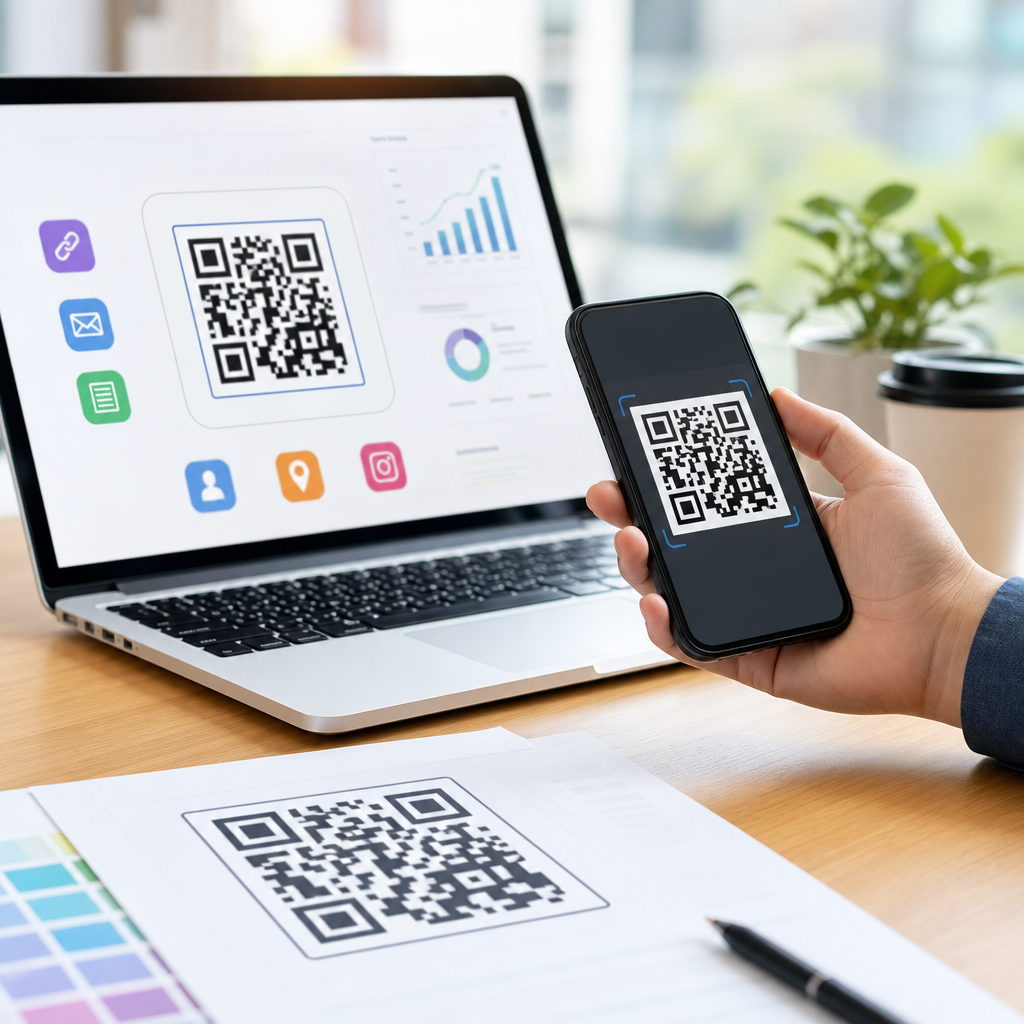
The best QR code generator for business use combines reliable code creation with management features that reduce operational risk. The first checkpoint is dynamic functionality. If you print codes on packaging, posters, menus, business cards, or direct mail, being able to change the target URL later is essential. I treat dynamic editing as the dividing line between hobby tools and production platforms. The next factor is analytics depth. At minimum, you want total scans, unique scans, time-based trends, device types, and location data. Better tools also support campaign tagging through Google Analytics parameters, first-party domains, retargeting pixels, and conversion workflows tied to CRM or automation platforms.
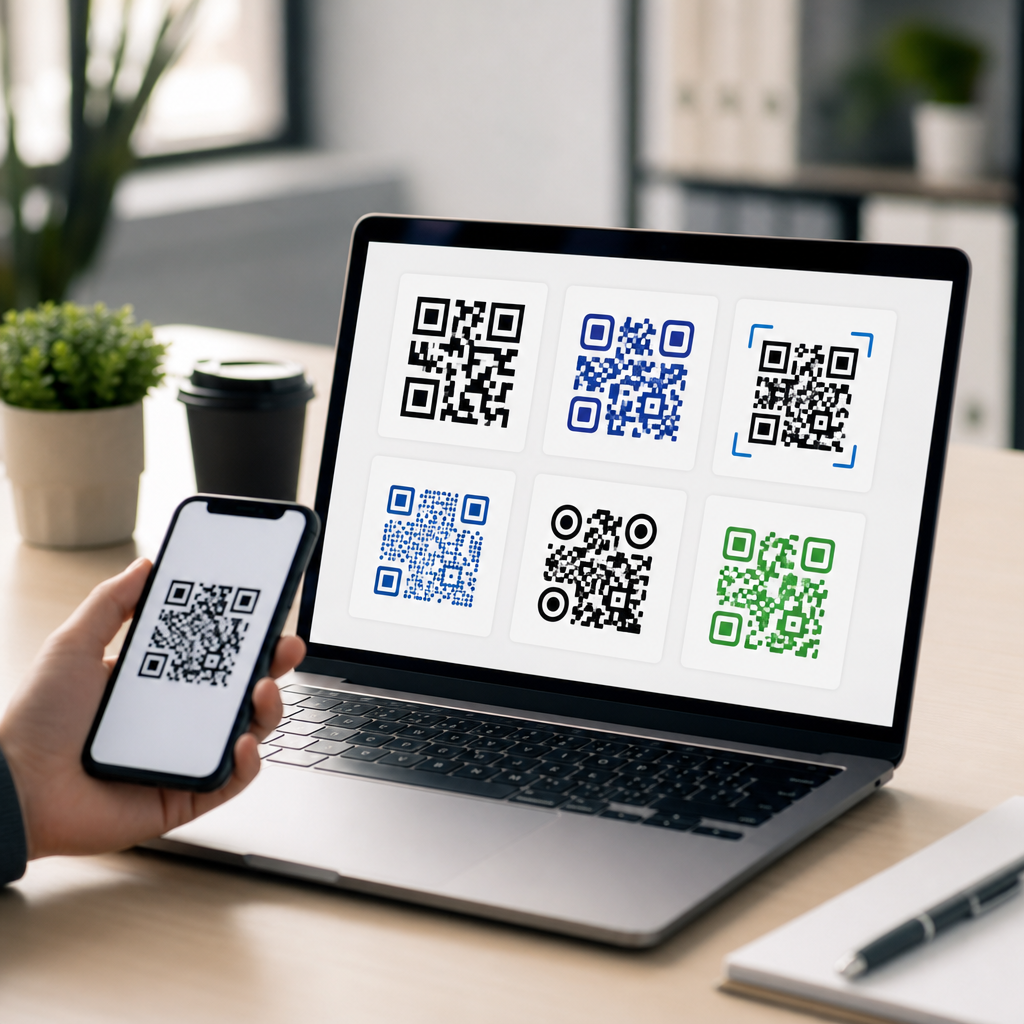
Design controls matter, but only after scan performance is protected. A strong platform lets you add a logo, set brand colors, choose frame text such as “Scan to view menu,” and export at print-safe resolution. However, excessive styling can reduce readability. The safest platforms validate contrast, quiet zone spacing, and logo size against scannability rules. Bulk generation is another major differentiator. For product labels, inventory assets, tickets, and serialized campaigns, CSV upload or API-based generation can save days of manual work. Enterprise teams should also look for folders, access permissions, audit trails, and custom domains because they improve governance and brand trust.
Security and retention policies deserve more attention than they usually get in reviews. If a vendor pauses dynamic redirects after a subscription ends, printed codes can effectively break. That is a real commercial risk. Check whether codes keep working on downgraded plans, whether there are scan limits, and whether exported analytics can be retained. Also confirm support standards. Email-only support can be acceptable for solo users, but agencies and larger brands benefit from onboarding, documentation, SLA-backed assistance, and transparent uptime practices. A QR campaign often touches offline media, sales enablement, and mobile conversion paths; when it fails, multiple teams feel the impact.
Comparison of Leading QR Code Generators
Several platforms consistently appear in shortlists for best QR code generators, but they serve different audiences. QR Code Generator Pro is widely recognized and easy for nontechnical users, with dynamic codes, analytics, design templates, and common business content types. Bitly is strong when link management is as important as QR creation; its branded short links, campaign governance, and analytics make sense for marketing teams already using Bitly for URL control. Flowcode is popular with creators, events, and direct response campaigns because it emphasizes polished design, fast deployment, and simple reporting. Beaconstac targets business users needing stronger integrations, bulk generation, and security controls. QR TIGER appeals to teams wanting a broad feature set at comparatively accessible pricing, including dynamic codes, editable campaigns, and decent customization. Uniqode, formerly Beaconstac in some market discussions, is often evaluated for enterprise capabilities, depending on current branding and product segmentation.
| Platform | Best For | Strengths | Tradeoffs |
|---|---|---|---|
| QR Code Generator Pro | General business use | Easy setup, strong templates, familiar interface | Higher tiers needed for advanced scale |
| Bitly | Link-centric marketing teams | Branded links, governance, campaign analytics | Less specialized for QR-first workflows |
| Flowcode | Events, creators, direct response | Clean design tools, quick publishing | Enterprise controls can be lighter |
| Beaconstac/Uniqode | Mid-market and enterprise | Bulk creation, integrations, security, API | May exceed small-business needs |
| QR TIGER | Value-conscious teams | Broad features, dynamic editing, customization | Interface polish varies by workflow |
Reviews across G2, Capterra, and app marketplaces generally reward ease of use, editable dynamic links, and responsive support. Negative reviews usually cluster around billing confusion, limitations on free plans, or misunderstood differences between static and dynamic codes. That pattern is consistent across the category. When I evaluate vendors, I ignore star ratings in isolation and read the complaints. If users repeatedly report scan redirects failing after plan changes, weak export options, or hard-to-cancel subscriptions, I treat that as more meaningful than a high average score. The best QR code generators earn trust by making limits obvious before deployment.
Pricing Models and What You Actually Pay For
QR code generator pricing usually follows a familiar pattern: free static creation, entry-level dynamic plans, business tiers for analytics and branding, and enterprise contracts for scale and governance. Free tools are acceptable when the destination will never change and you do not need reporting. For example, a personal portfolio link on a resume can work with a static code. Once the code appears on packaging, signage, brochures, or menus, paid dynamic management becomes the smarter choice. Monthly prices in this category often range from roughly $5 to $40 for small-business plans, with advanced marketing or multi-user tiers climbing higher. Enterprise plans are commonly custom-priced based on users, scan volume, support, security, and API needs.
What you are actually paying for is not the square image; it is the redirect infrastructure, dashboard, editing rights, and operational stability behind it. A restaurant chain with 200 tables and seasonal menus saves money by updating one dashboard rather than reprinting materials across locations. A consumer brand running a national campaign benefits from scan analytics by region and device because it improves media decisions. Agencies often pay more for folders, client workspaces, white labeling, and export permissions because those features reduce account chaos. If a platform supports custom domains, that can improve user trust and protect brand continuity if campaigns scale across channels.
Watch for hidden pricing triggers. Some vendors limit dynamic code counts, scan volumes, team seats, or premium design assets. Others reserve bulk generation, password protection, lead forms, or API access for higher tiers. Trial periods can be useful, but only if you test the exact workflow you need: editing an existing code, exporting vector files, adding a logo, sharing dashboard access, and confirming how redirects behave after billing changes. Price should be evaluated against replacement cost. Reprinting a retail display set or product insert run is usually far more expensive than a year of software, which is why low upfront price can be a misleading buying signal.
How to Choose the Best QR Code Generator for Your Use Case
The right choice depends on campaign type, team structure, and tolerance for risk. For simple personal or one-time use, a free static QR code generator may be enough, provided the linked destination is permanent. For small businesses, the best QR code generators usually offer dynamic links, basic analytics, brand styling, and straightforward pricing. Restaurants should prioritize editable menu links, print-ready exports, and durable redirects. Retail brands should focus on bulk creation, custom domains, and UTM controls. Agencies need shared workspaces and billing clarity. Enterprises should insist on SSO, API access, auditability, and security documentation.
Before choosing, run a practical test. Create a code, print it at intended size, scan it on older and newer phones, under indoor and outdoor lighting, and from realistic distances. Then change the destination if the platform claims dynamic editing, and verify the update speed. Review the dashboard for useful metrics rather than vanity charts. Ask support a technical question and evaluate the answer quality. Finally, document ownership: who controls the account, billing, destination URLs, and exported assets. That governance step prevents future disruption when staff change or agencies offboard.
The best QR code generator comparison is the one grounded in your actual workflow, not a generic feature list. Start with scan reliability, dynamic flexibility, and transparent pricing. Then choose the vendor whose reviews confirm strong support and predictable limits. If you are building out a broader Creating Mobile QR Codes strategy, use this hub as your starting point and compare platforms against the specific campaign articles linked from it. A well-chosen generator gives you more than a code; it gives you an editable, measurable mobile gateway that keeps working after the ink dries.
Frequently Asked Questions
What features matter most when comparing QR code generators?
The most important features usually go far beyond simply creating a code that scans. In practice, the best QR code generator should offer reliable dynamic QR codes, strong analytics, customization options, download formats for print and digital use, campaign management tools, and dependable scan performance across different devices. Dynamic QR codes are especially valuable because they let you change the destination URL or content after printing, which is essential for packaging, signage, event materials, and any campaign where reprinting would be expensive or inconvenient.
Analytics also make a major difference. A strong platform should show scan counts, location data, device type, time-based performance, and ideally integrations with marketing tools such as Google Analytics or CRM systems. That visibility helps marketers understand whether a code is actually driving engagement or just taking up space on the design. For teams running multiple campaigns, features like folders, bulk creation, user permissions, and branded dashboards can save a lot of time and reduce confusion.
Customization matters too, but it should never come at the expense of readability. Many platforms let you add logos, change colors, use custom frames, or match the QR code to your brand identity. Those options are useful, especially for consumer-facing campaigns, but the generator should also protect scan reliability by enforcing adequate contrast and safe design boundaries. In short, the best comparison is not just about who offers the most design features, but which platform balances flexibility, analytics, ease of use, and consistent scan performance.
Are free QR code generators good enough, or is a paid platform worth it?
Free QR code generators can be perfectly fine for simple, one-time uses, especially if you only need a static code that points to a fixed URL. For example, if you are creating a QR code for a personal website, a classroom handout, or a short-lived flyer, a free tool may do the job. The problem is that many businesses start with a free generator and later realize they need features like editable destinations, scan tracking, password protection, expiration rules, or better file exports for professional printing.
A paid platform is usually worth it when QR codes are tied to marketing performance, customer experience, or operational workflows. If you are printing codes on packaging, restaurant menus, point-of-sale displays, trade show materials, or direct mail, the ability to update content without changing the printed code can quickly justify the subscription cost. The same is true for analytics. If you are spending money to get people to scan, you should know how often they scan, where they scan, and which campaigns produce results.
Another reason paid tools often make sense is reliability and support. Free platforms may have limited branding control, weak privacy settings, fewer export options, or usage restrictions that become a problem as your needs grow. Some also place their own branding on landing pages or reserve advanced features behind sudden paywalls. A reputable paid QR code generator typically offers more stable infrastructure, better customer support, stronger security, and clearer long-term account management, which is especially important for business-critical campaigns.
How important are analytics and dynamic QR codes in a QR code generator comparison?
They are often two of the most important factors in any meaningful comparison. Dynamic QR codes allow you to change the destination behind the code after it has already been printed or distributed. That flexibility is incredibly valuable in real-world marketing. If a landing page changes, a product goes out of stock, an event schedule updates, or a promotion ends early, you can redirect users without replacing the code itself. For print campaigns, that can prevent wasted inventory and avoid expensive reprints.
Analytics are just as important because they turn QR codes from static design elements into measurable marketing assets. A strong analytics dashboard can show total scans, unique scans, repeat scans, geographic distribution, device information, and scan timing. Those metrics help answer practical questions: Which poster location is performing best? Are customers scanning in-store or after they get home? Did scans spike after an email campaign or social media post? Without that data, it is much harder to evaluate ROI or optimize future campaigns.
Together, dynamic functionality and analytics create a much more useful system than basic code generation alone. They give marketers the ability to adapt campaigns in real time and learn from actual user behavior. If you are comparing platforms for business use, these capabilities should not be treated as premium extras unless your needs are truly minimal. In most cases, they are central to getting ongoing value from QR code marketing.
How should businesses evaluate QR code generator pricing?
Pricing should be evaluated based on total value, not just the monthly subscription number. Many QR code platforms use tiered pricing, and the cheapest plan may come with strict limits on dynamic codes, scan volume, analytics history, team access, or file downloads. At first glance, one service may look more affordable, but once you account for needed features like bulk creation, editable links, branded landing pages, or advanced reporting, the actual cost can be very different.
Businesses should also look at long-term campaign needs. If you plan to use QR codes across packaging, retail displays, printed brochures, restaurant materials, event signage, and product labels, scalability matters. A platform that supports multiple campaigns, organized dashboards, and account collaboration may save far more in labor and rework than a low-cost option with limited functionality. It is also smart to review whether the provider charges based on number of codes, number of scans, number of users, or access to analytics, since those pricing models can affect cost in very different ways.
Another often overlooked issue is what happens if you cancel or downgrade. Some services disable dynamic QR codes or analytics access when a subscription ends, which can create serious problems if those codes are still live in the market. Before choosing a platform, businesses should read the pricing details carefully and understand renewal terms, export options, support levels, and code behavior after cancellation. The best pricing plan is not always the cheapest one; it is the one that aligns with your usage, protects your campaigns, and avoids costly surprises later.
How reliable are user reviews when choosing the best QR code generator?
User reviews are helpful, but they are most useful when read critically and in context. Reviews can reveal practical issues that feature pages often gloss over, such as confusing dashboards, poor customer support, sudden billing changes, weak analytics, or scan reliability problems with heavily customized codes. They can also highlight strengths like ease of use, good onboarding, stable performance, or responsive support teams. That kind of firsthand feedback is valuable because QR code tools often look similar on paper but feel very different in everyday use.
That said, not all reviews carry equal weight. A review from a casual user creating one code for a school project should be interpreted differently from a review written by a marketer managing hundreds of dynamic codes across multiple campaigns. It is best to look for patterns rather than relying on a single opinion. If many reviewers mention billing confusion, limited exports, or unreliable analytics, that is more meaningful than one isolated complaint. Likewise, repeated praise for ease of use or dependable tracking may indicate a genuinely strong platform.
The best approach is to combine reviews with hands-on testing. Read third-party review sites, compare recent customer feedback, and then try the platform yourself if a free trial is available. Test code creation, customization, analytics visibility, file downloads, and mobile scanning under real conditions. Reviews can point you in the right direction, but the final decision should be based on whether the platform performs well for your specific use case, budget, and campaign requirements.