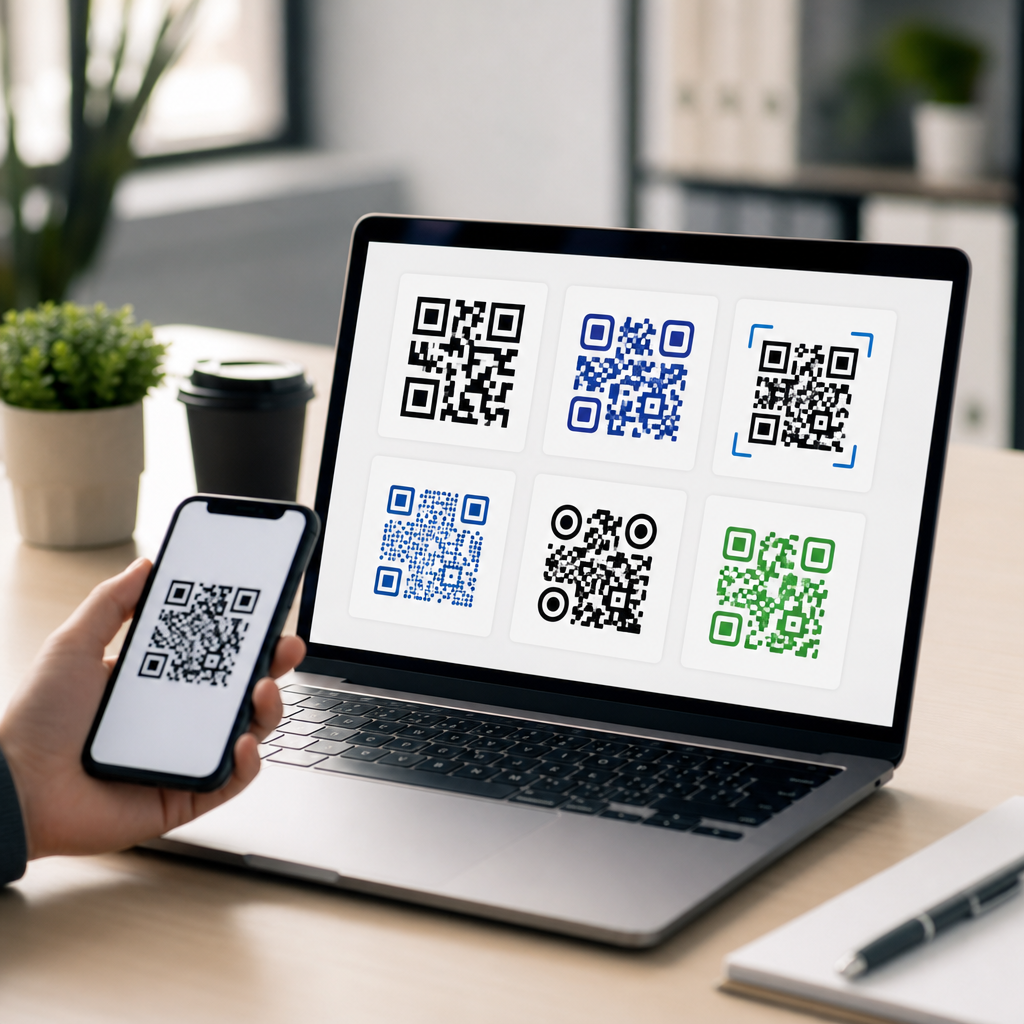
Dynamic QR codes give businesses, educators, retailers, and event organizers a flexible way to share information without reprinting the code every time a link, file, or destination changes. In practical terms, a dynamic QR code points to a short redirect URL managed by a QR platform, while a static QR code stores the final destination directly in the pattern itself. That difference sounds small, but it changes how you manage campaigns, track scans, update content, and control the user experience. I have used both types in product packaging, trade show signage, restaurant menus, and field service manuals, and the choice consistently affects cost, maintenance, and reporting.
For anyone creating mobile QR codes, understanding static vs dynamic QR codes is foundational because the wrong format creates avoidable friction later. A static code is permanent once generated. If the URL breaks, the landing page changes, or you want to switch from a PDF to a booking form, you must create and print a new code. A dynamic code can usually be edited in the dashboard of providers such as Bitly, QR Code Generator Pro, Beaconstac, Uniqode, or Flowcode. Most platforms also add analytics like total scans, device type, rough location, and time of day. Those features matter when QR codes support paid campaigns, customer support flows, omnichannel attribution, or regulated documents that need version control.
This guide explains what dynamic QR codes are, how they work, where they outperform static codes, and when static remains the better choice. It also serves as the hub for this subtopic, giving you the decision framework needed before you move into related pages on tracking, testing, design, print production, and campaign measurement.
What Dynamic QR Codes Are and How They Work
A dynamic QR code does not encode the final web address, file, video, or app destination directly. Instead, it encodes a short intermediary URL controlled by the QR service. When someone scans the code, that intermediary link redirects the phone to the current destination set in the platform dashboard. Because the redirect target can be changed after printing, the visible QR image stays the same while the content behind it evolves.
That redirect layer enables the core benefits people associate with dynamic QR codes: editable destinations, scan analytics, campaign segmentation, expiration settings, password protection on some platforms, and A/B testing in more advanced tools. In real deployments, I rely on this structure when packaging runs are long or expensive. A beverage brand can print one QR code on 500,000 cans, then update the destination from a sweepstakes page in summer to a retailer locator in fall without touching the printed inventory. A museum can keep the same placard code while switching visitors from a temporary exhibit microsite to a permanent archive. A manufacturer can update safety documentation links as manuals are revised.
Technically, dynamic QR code performance depends on the reliability of the redirect service. That means vendor uptime, SSL support, CDN performance, and redirect speed matter. If the platform fails, the code may not resolve even if the final landing page is live. Good providers offer HTTPS, custom domains, role-based access, and exportable analytics. For mission-critical programs, use a provider with a strong SLA, clear data retention policies, and the option to map QR redirects to your own branded short domain.
Static vs Dynamic QR Codes: The Practical Differences
Static QR codes are simple and often free. They work well when the encoded content will never change, such as plain text, Wi-Fi credentials, vCard details for a stable contact card, or a permanent URL that you control and do not expect to replace. Because no redirect service is required, static codes can be more durable over the very long term. If the destination URL remains active, the code remains useful.
Dynamic QR codes are built for change and measurement. They are usually the better choice for marketing, packaging, events, customer support, real estate, restaurants, field operations, and education because these use cases evolve. Menus change. Event schedules shift. Inventory pages are updated. Lead forms move from one campaign to another. Dynamic codes absorb those changes without requiring reprints.
| Factor | Static QR Code | Dynamic QR Code |
|---|---|---|
| Editable after printing | No | Yes, destination can be updated |
| Scan analytics | Usually none | Typically includes scan count, device, time, location |
| Cost | Often free | Usually subscription based |
| Dependency on provider | Low | High, redirect service must remain active |
| Best for | Permanent content | Campaigns, changing content, measurement |
The most important distinction is not technical elegance; it is operational risk. With static codes, the risk appears later when something changes and the print piece becomes obsolete. With dynamic codes, the risk sits with the vendor relationship and recurring platform cost. Choosing correctly means deciding which risk is easier to manage in your environment.
When Dynamic QR Codes Are the Better Choice
Dynamic QR codes are the better choice whenever content may change, performance needs to be measured, or multiple stakeholders need centralized control. In retail packaging, they preserve expensive print inventory. In restaurants, they prevent menu reprints after price changes or ingredient substitutions. In events, they let organizers replace outdated schedules, venue maps, or livestream links instantly. In B2B field service, they allow equipment labels to route technicians to the newest manuals, parts diagrams, or compliance bulletins.
Marketing teams also benefit because dynamic QR codes support attribution. If you place one code on direct mail, another on in-store signage, and another on a vehicle wrap, the dashboard can show which channel generated more scans. Pair that with UTM parameters in Google Analytics 4, and you can connect scans to sessions, conversions, and revenue. For offline-to-online measurement, that is one of the strongest reasons to choose dynamic.
Dynamic codes are also useful when localizing content. A single code can redirect users by geography, language, device type, or time window, depending on the platform. I have seen hotel groups use this approach to send guests to language-specific property guides and manufacturers route scans from old products to updated support pages with regionally compliant documentation. These are not edge cases. They are routine examples of why editable QR infrastructure matters.
When Static QR Codes Still Make Sense
Static QR codes are still the right answer in several scenarios. If you are encoding a plain text message, an unchanging Wi-Fi login, or a URL that you own and expect to keep stable for years, static may be enough. For nonprofits, schools, or small businesses with tight budgets, avoiding a software subscription can be a sensible tradeoff. Static codes are also attractive when long-term independence matters more than analytics. There is no service account to renew and no redirect database to maintain.
They are particularly appropriate for highly durable physical installations where content is genuinely fixed. Think of a memorial plaque linking to a permanent biography page on an institution-owned domain, or a manufacturing floor code that opens a stable internal SOP URL. Even then, discipline is required. The destination must be treated as infrastructure, not a temporary campaign page. If someone redesigns the site and changes URL paths without redirects, the static code fails.
The biggest mistake I see is choosing static because it is cheaper upfront, then discovering six months later that the target page moved, the PDF was replaced, or the campaign needed reporting. Reprinting labels, inserts, posters, menus, and packaging almost always costs more than the software saved. Static is not outdated; it is simply unforgiving.
Analytics, Governance, and Implementation Best Practices
If you select dynamic QR codes, treat them as part of your content operations, not just a graphic asset. Start with naming conventions for campaigns, owners, expiration dates, and destination rules. Use a branded short domain when possible to improve trust and maintain continuity if you migrate vendors. Add UTM parameters consistently so scan data in the QR platform aligns with web analytics in GA4, Adobe Analytics, or another system. Test on both iOS and Android, across native camera apps and low-light conditions.
Print quality matters as much as software. Maintain adequate quiet zone, strong contrast, and a realistic scan distance based on code size. On packaging and outdoor signage, test reflective surfaces, curved materials, and placement near folds or seams. ISO/IEC 18004 remains the core standard for QR code symbology, and following basic print production discipline prevents many scan failures that teams wrongly blame on mobile devices.
Governance matters too. Assign ownership for destination updates, archive old campaigns, and document what happens if a subscription lapses. Before choosing a platform, verify whether inactive accounts disable dynamic redirects, whether analytics can be exported, and whether the service supports GDPR or CCPA obligations if you operate in regulated markets. The best QR program is not the one with the flashiest templates. It is the one your team can maintain reliably over time.
How to Choose Between Static and Dynamic QR Codes
The decision comes down to five questions. Will the destination ever change? Do you need scan analytics? Is the printed item expensive to replace? Do multiple teams need to manage content after launch? Can you support an ongoing software subscription and vendor review process? If the answer to any of the first four is yes, dynamic QR codes are usually the safer choice. If all are no, static may be perfectly adequate.
For most organizations creating mobile QR codes at scale, dynamic should be the default for public-facing use. It reduces reprint waste, supports better measurement, and gives teams room to adapt after launch. Static remains valuable for truly fixed content and low-complexity deployments, but it should be chosen intentionally, not by habit. Review your current QR inventory, classify each code by risk and purpose, and standardize the format before your next print run.
Dynamic QR codes turn a one-time graphic into a manageable digital touchpoint. That is their main benefit: flexibility without changing the physical code people scan. Use this guide as the hub for your next steps, then audit existing codes, map destinations, and decide where editable, trackable QR infrastructure will save time, money, and rework.
Frequently Asked Questions
What is a dynamic QR code, and how is it different from a static QR code?
A dynamic QR code is a QR code that contains a short redirect link rather than the final destination itself. When someone scans it, the QR platform receives the request and forwards the user to the current destination you have set in the dashboard. A static QR code works differently: it encodes the final URL, text, contact card, or other data directly into the pattern, which means the content cannot be changed once the code has been created and printed.
That technical difference has major practical consequences. With a dynamic QR code, you can update the destination after printing the code on packaging, posters, menus, signs, classroom materials, or event displays. For example, a business can swap a landing page during a promotion, a retailer can redirect to a new product page when inventory changes, an educator can replace an outdated resource link, and an event organizer can point attendees to a live schedule instead of reprinting signage. With a static code, any change to the destination usually requires generating a new QR code and replacing the old one everywhere it appears.
Dynamic QR codes also typically support analytics and management features that static codes do not. Because scans pass through a managed redirect, the platform can often report scan counts, timestamps, device types, approximate locations, and campaign-level performance. In short, static QR codes are simple and permanent, while dynamic QR codes are flexible, editable, and better suited to situations where content, campaigns, or customer journeys may change over time.
Why do businesses and organizations use dynamic QR codes instead of static ones?
Businesses and organizations choose dynamic QR codes because they provide control after distribution. Once a QR code is printed on a product label, direct mail piece, storefront sign, trade show banner, worksheet, or ticket, replacing it can be costly, slow, and inconvenient. Dynamic QR codes solve that problem by allowing the destination to be updated behind the scenes without changing the visible code. This makes them especially valuable for marketing campaigns, seasonal promotions, restaurant menus, training materials, event communications, and any situation where information may need to evolve.
Another major reason is measurement. Dynamic QR codes can help teams understand what is working by providing scan data and campaign insights. A company can compare performance across flyers, packaging, in-store displays, or regional campaigns. An event team can monitor engagement before, during, and after a conference. A school or training department can track whether learners are actually accessing linked resources. These insights help organizations improve messaging, placement, and conversion paths rather than guessing what drove engagement.
They also improve the user experience. If a destination page changes, breaks, or becomes outdated, the QR code does not have to become useless. The administrator can quickly redirect users to the correct page, a newer file, a current registration form, or a mobile-optimized landing page. That ability protects printed materials from becoming obsolete and helps organizations maintain a smoother, more professional experience for the people scanning the code.
Can you edit a dynamic QR code after it has been printed or shared?
Yes, and that is one of the biggest advantages of a dynamic QR code. After the code has been printed, posted, emailed, added to packaging, or included in educational or event materials, you can log into the QR management platform and change the destination linked to that code. The actual visual QR pattern stays the same, but the redirect behind it can be updated to point somewhere new. This means the same printed code can remain in circulation while the content it leads to stays current.
In real-world use, this flexibility is extremely useful. A retailer can update a code from a product launch page to a review page, then later to a clearance offer. A business can correct a broken URL without replacing signage. An educator can update a reading list, assignment page, or video resource from one semester to the next. An event organizer can point attendees to a pre-event agenda, then switch the same code to live session updates, and afterward redirect it to recordings or a feedback survey. The code remains consistent while the destination evolves with the campaign or program.
That said, editing options depend on the platform you use. Most providers allow destination changes and scan tracking, while some also offer scheduling, password protection, expiration settings, A/B testing, retargeting integrations, or device-based redirects. It is important to remember that the code remains editable only while the dynamic service is active and properly maintained. If the platform subscription lapses or the service is discontinued, the redirect may stop working. For that reason, reliable platform selection and ongoing account management matter just as much as the code design itself.
Do dynamic QR codes track scans and analytics?
Yes, dynamic QR codes are widely used because they can provide meaningful scan analytics. Since the code routes users through a managed redirect URL, the platform can record interactions before sending the user to the final destination. Depending on the provider, this may include total scans, unique scans, date and time of activity, approximate geographic location, device type, operating system, and in some cases referral or campaign-level performance data. These insights can help you understand not only how often a code is scanned, but also where and when engagement is happening.
This information is especially valuable for optimization. Marketers can compare the performance of QR codes placed on packaging, brochures, window displays, direct mail, or digital ads. Retailers can see which store locations generate the most scans. Event organizers can measure interest in agendas, maps, speaker bios, or sponsor offers. Educators and training teams can assess whether students or employees are using linked resources. Instead of treating QR codes as passive tools, dynamic analytics turn them into measurable engagement channels that can inform strategy and improve results.
However, analytics should be interpreted carefully and managed responsibly. Scan data is often approximate rather than perfect, particularly for location reporting, which may rely on IP-based estimates. Privacy laws and internal compliance policies may also affect what data can be collected and how it can be used. Best practice is to work with a reputable provider, review its data handling policies, and use analytics to improve user experience and campaign effectiveness without over-collecting information. When handled properly, dynamic QR code analytics can offer practical, decision-ready insights while supporting a better experience for the end user.
When should you choose a dynamic QR code over a static QR code?
You should choose a dynamic QR code whenever flexibility, longevity, and measurement are important. If there is any chance the destination could change, the content could be updated, or the campaign might need adjustment after launch, dynamic is usually the smarter choice. This is particularly true for business marketing, retail packaging, restaurant menus, real estate listings, educational resources, visitor information, event materials, and printed assets that are expensive or inconvenient to replace. In these cases, the ability to edit the destination later can save time, reduce waste, and keep information accurate.
Dynamic QR codes are also the better option when tracking matters. If you want to know how many people scanned a code, when they engaged, which materials performed best, or how users responded across locations and campaigns, dynamic functionality is essential. It enables testing and continuous improvement. You can revise landing pages, swap offers, refine calls to action, and track the impact without changing the printed code itself. For organizations that treat QR codes as part of a broader communication or marketing strategy, that level of control is a major advantage.
Static QR codes still have a place when the encoded information is truly permanent and you do not need analytics or editability. For example, a simple Wi-Fi login, a fixed contact card, or a never-changing URL may work perfectly well as a static code. But if the cost of a broken or outdated destination would be high, or if you want the option to improve performance over time, dynamic QR codes are generally the more future-ready choice. They offer the adaptability modern campaigns and communications often require.