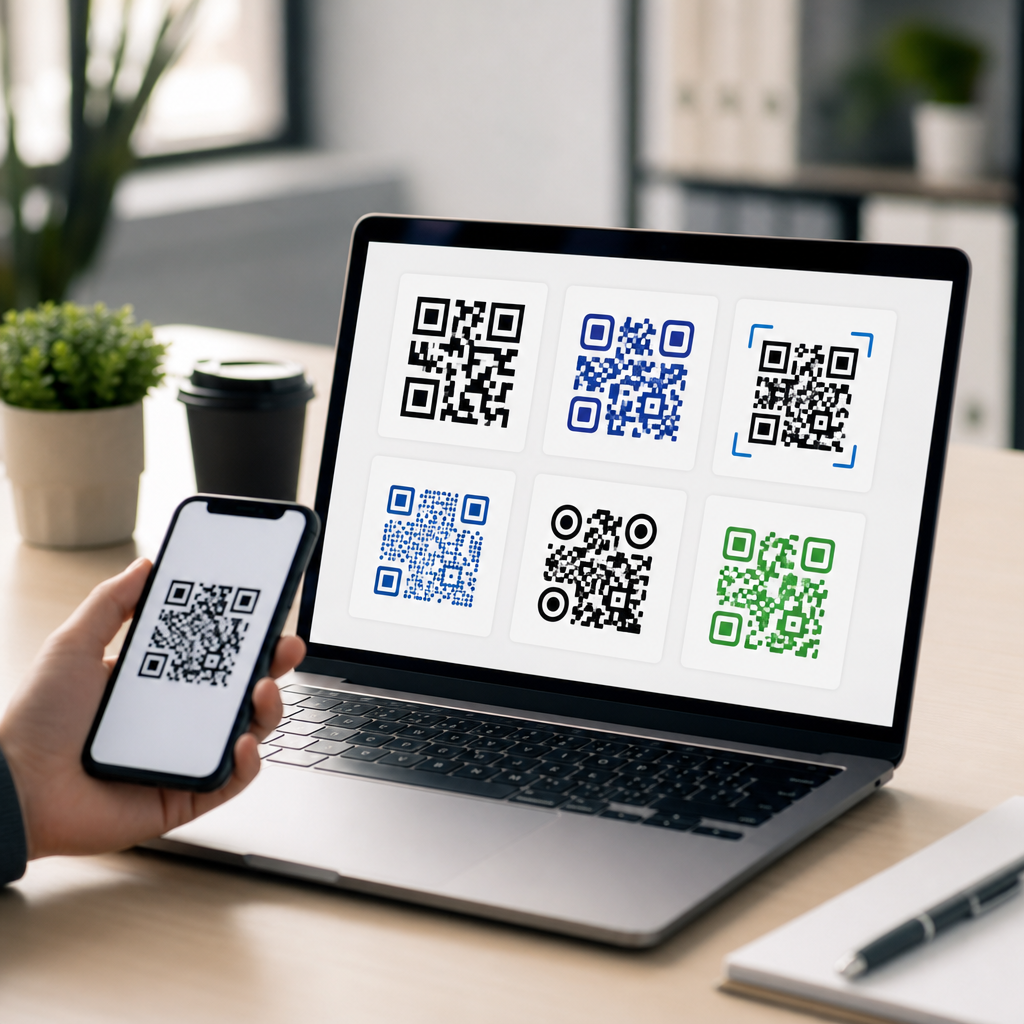

Dynamic QR codes are the flexible workhorse of modern mobile engagement, but they are not always the right choice. In the context of creating mobile QR codes, a dynamic QR code is a scannable code that points to a short redirect URL controlled by a platform, allowing the destination content to be changed after printing. A static QR code, by contrast, stores the final destination directly in the code pattern, so once it is printed, the target cannot be edited without making a new code. That distinction affects cost, analytics, security, campaign management, and long-term reliability. I have used both across retail packaging, event signage, restaurant menus, and field service labels, and the difference becomes obvious the moment a destination page changes, a campaign expires, or a client asks how many people scanned from a poster versus a box insert. Understanding the pros and cons of dynamic QR codes matters because the wrong format can lock a business into avoidable reprints or ongoing platform fees.
Static vs Dynamic QR Codes: What Changes in Practice
The simplest way to compare static vs dynamic QR codes is to ask where the intelligence lives. With a static QR code, the information is embedded directly in the symbol. That could be a URL, plain text, Wi-Fi credentials, a vCard, or an SMS template. Because the data is fixed, the code can keep working indefinitely as long as the destination itself remains available. There is no dependency on a QR management platform. That makes static codes useful for permanent uses such as product serial lookup formats, personal contact sharing, or evergreen URLs that are unlikely to change.
Dynamic QR codes move the destination logic to a server-side redirect. When scanned, the user first reaches a short link managed by a QR platform, which then forwards them to the current destination. That extra layer creates the main advantage: editability. If a marketing team changes a landing page, updates app store links, switches from a PDF menu to a web menu, or localizes by region, the printed code can stay the same. In real deployments, this is often the difference between a one-hour dashboard update and a five-figure reprint across packaging, posters, shelf talkers, manuals, and direct mail pieces.
Dynamic codes also support richer campaign controls. Depending on the platform, you can add scan analytics, UTM tagging, password protection, expiration dates, geolocation rules, device-based redirects, and A/B tests. That is why most enterprise QR programs standardize on dynamic codes for campaigns with any chance of revision. However, these benefits come with dependencies that static codes avoid, including subscription costs, platform uptime, redirect latency, and governance concerns around who controls the destination.
The Main Advantages of Dynamic QR Codes
The biggest benefit of dynamic QR codes is that they are editable after printing. If a restaurant changes menu providers, a venue updates event schedules, or a manufacturer needs to replace a PDF with a product recall notice, the code stays in circulation while the destination changes in the dashboard. This preserves the investment in physical materials. On packaging projects, I have seen dynamic codes prevent reprints when legal copy changed, when campaign microsites were retired, and when brands moved from regional pages to a single responsive hub.
Analytics are the second major advantage. Most dynamic QR platforms record total scans, time of scan, approximate location, operating system, and referral context. While scan analytics are not the same as full web analytics, they provide a useful top-of-funnel view that static codes cannot offer on their own. Teams often combine a dynamic QR code with Google Analytics 4 UTM parameters, creating a cleaner measurement path from scan to session to conversion. For retail displays, this helps distinguish whether a campaign drove interaction at the shelf, on packaging at home, or from printed inserts in shipped orders.
Dynamic QR codes also improve operational control. You can pause a code if a promotion ends, route by language or country, and update a broken destination immediately. Many tools, including Bitly, QR Code Generator PRO, Scanova, Beaconstac, and Uniqode, support centralized management across departments. That matters when dozens or hundreds of codes exist across stores, franchises, campuses, or service fleets. Instead of emailing design files to recreate symbols, a manager can adjust one destination centrally and preserve design consistency. For organizations that need governance, audit trails and role-based access are significant practical advantages, not minor extras.
The Main Disadvantages of Dynamic QR Codes
The most important downside is platform dependency. A dynamic QR code does not point straight to the final content; it relies on the provider’s redirect infrastructure. If the subscription lapses, the vendor shuts down, a domain is misconfigured, or an account gets suspended, the printed code may fail even though the landing page still exists. That is a real business risk. I have audited campaigns where expired plans disabled active packaging codes, forcing urgent renewals because boxes and manuals were already in warehouses and in customer hands.
Cost is the second drawback. Static QR codes can be generated once and used indefinitely with no ongoing fee. Dynamic QR codes usually require a recurring subscription, especially if analytics, custom domains, bulk management, team roles, or API access are needed. For a single code on a one-page flyer, that recurring cost may not be justified. The economics improve when a code appears on expensive printed materials, but for simple, permanent destinations, static codes remain more cost-efficient.
There are also technical and compliance considerations. Every redirect introduces another point of failure and a small amount of latency. Usually this delay is minor, but on slow mobile connections it can affect user experience. Privacy is another concern, especially in regulated sectors. If a platform records IP-based location data or device metadata, the business may need to review consent language, retention settings, and data processing terms. Dynamic QR codes are not inherently unsafe, but they do require vendor due diligence, access controls, and a plan for ownership if agencies or freelancers create codes on behalf of a brand.
When Static QR Codes Are Better Than Dynamic Ones
Static QR codes are the better choice when the destination is permanent, the budget is tight, and failure tolerance is low. If you are linking to a stable homepage, a phone number, a preformatted email, or Wi-Fi login credentials inside a venue, static is often enough. Museums, property managers, and local businesses sometimes prefer static codes for long-lived signage because there is no account to maintain. If the underlying information does not change, the simplicity is a strength.
They are also useful in high-volume, low-margin situations where every recurring software cost matters. A small cafe with one menu page might start with a static code if the URL structure is stable and analytics are not essential. Likewise, for internal operations such as linking employees to a standard safety checklist or equipment manual hosted at a fixed URL, a static code can be more resilient. The fewer moving parts involved, the less administration is required over time.
That said, businesses often overestimate destination stability. URLs change during website migrations, PDF filenames get replaced, and landing pages are retired. If there is any realistic chance of updates, static codes can become expensive later because the physical materials must be replaced. The decision should be based not just on today’s destination, but on the likelihood of change during the life of the printed asset.
Best Use Cases for Dynamic QR Codes
Dynamic QR codes are strongest when flexibility and measurement matter. Marketing campaigns are the clearest example. A single printed poster can route to one page during prelaunch, another during the live promotion, and a third after the campaign ends. Product packaging is another strong fit because printed inventory remains in circulation for months or years. A dynamic code can move from a seasonal promotion to evergreen product support without changing the packaging artwork.
Events benefit as well. Organizers can use one QR code on badges, banners, and programs, then update the destination from agenda to check-in, from session feedback to on-demand recordings. Restaurants and hospitality businesses use dynamic menu codes because links, hours, reservation systems, and offers change frequently. In field service, the same equipment label can point to the latest manual, inspection form, or service bulletin instead of a stale PDF. These are all cases where the ability to update destination content after printing is worth more than the ongoing platform fee.
| Scenario | Better Option | Why |
|---|---|---|
| Permanent contact card or fixed homepage | Static QR code | No edits or analytics required; lowest cost |
| Product packaging with changing campaigns | Dynamic QR code | Avoids reprints and supports analytics |
| Restaurant menu with frequent updates | Dynamic QR code | Menu links and offers change often |
| Internal Wi-Fi access sign | Static QR code | Data is embedded and usually stable |
| Event signage and schedules | Dynamic QR code | Destinations shift before, during, and after the event |
How to Choose the Right QR Code for a Mobile Strategy
Choose based on asset lifespan, likelihood of change, need for analytics, and risk tolerance. If the code will live on packaging, storefront decals, equipment labels, or printed collateral that is costly to replace, dynamic usually wins. If the destination is genuinely stable and the code is easy to reprint, static may be the smarter option. A practical rule I use is simple: if changing the destination later would be painful or expensive, start with dynamic.
Also evaluate vendor reliability before adopting dynamic QR codes at scale. Look for custom domains, export options, API access, team permissions, redirect testing, and clear policies on account suspension and data retention. A custom short domain is especially valuable because it reinforces brand trust and reduces dependency if you migrate providers. Test scan performance on both iPhone and Android, under weak signal conditions, and across native camera apps. Good QR strategy is not just choosing a code type; it is choosing a maintainable system.
For anyone building a broader creating mobile QR codes program, this subtopic sits at the center of every downstream decision, from design standards to analytics implementation. Dynamic QR codes offer editability, measurement, and campaign control that static codes cannot match, but those benefits come with cost and platform dependence. Static QR codes are simpler, cheaper, and often more durable for fixed destinations. The best choice is not ideological; it is operational. Match the code type to the lifespan of the printed asset, the likelihood of URL changes, and the business value of scan data. If you are planning QR codes for menus, packaging, events, or mobile campaigns, audit each use case before generating anything, then choose the format that will still make sense a year from now.
Frequently Asked Questions
What is the main difference between a dynamic QR code and a static QR code?
The core difference is what the QR code actually stores. A static QR code contains the final destination directly in the code itself, such as a specific URL, a block of text, contact details, or Wi-Fi credentials. Once that code is created and printed, the encoded content is fixed. If you need to change the destination later, you generally have to generate a brand-new code and replace it everywhere it appears.
A dynamic QR code works differently. Instead of storing the final destination, it typically stores a short redirect URL managed by a QR code platform. When someone scans it, the platform receives the request and forwards the user to the current destination you have configured. That setup makes dynamic QR codes much more flexible because you can update the landing page, swap campaign links, correct mistakes, or reroute users without changing the printed code itself.
This distinction matters in real-world marketing, packaging, signage, menus, event materials, and product documentation. If the content behind the code may evolve over time, dynamic QR codes can save significant reprint costs and reduce operational headaches. If the destination will never change and you want maximum simplicity, static QR codes may still be the better fit.
What are the biggest advantages of using dynamic QR codes?
The biggest advantage is editability after deployment. If you print a QR code on packaging, posters, business cards, mailers, or in-store displays, you do not need to discard those materials just because a URL changes or a campaign evolves. You can simply log in to the platform and update the destination. That makes dynamic QR codes especially useful for long-term assets and multi-phase campaigns.
Another major benefit is analytics. Most dynamic QR code platforms provide scan data such as total scans, scan timing, approximate location, device type, and operating system. While the exact reporting varies by provider, this level of visibility can be extremely valuable for marketers and business owners who want to measure engagement, compare placements, test offers, or understand which offline materials are driving digital traffic.
Dynamic QR codes can also support better campaign management. You may be able to pause a destination, redirect to seasonal content, A/B test landing pages, apply different rules by geography or device type, or integrate scans with broader marketing systems. In many cases, dynamic codes also use shorter URLs, which can make the code pattern less dense and potentially easier for some scanners to read, especially at smaller print sizes or in less-than-ideal conditions.
Overall, dynamic QR codes are attractive because they combine flexibility, measurable performance, and operational efficiency. For businesses that expect content updates, care about tracking, or want more control over user journeys after print, those benefits can be substantial.
What are the drawbacks or risks of dynamic QR codes?
The biggest drawback is dependency on a third-party platform. Because the QR code usually points to a redirect URL controlled by a provider, the code continues to work only as long as that service remains active and properly configured. If the subscription lapses, the provider changes its policies, the account is suspended, or the company shuts down, the QR code may stop functioning or fail to route users correctly.
Cost is another important consideration. While static QR codes can often be created at little or no ongoing expense, dynamic QR codes frequently come with subscription fees, usage limits, feature tiers, or enterprise pricing. For organizations with many codes or high scan volume, the recurring cost can become a meaningful line item rather than a one-time setup expense.
There can also be privacy and compliance concerns. Since dynamic QR code platforms may collect scan metadata, businesses need to understand what data is being gathered, where it is stored, and whether that aligns with their privacy obligations and regional regulations. In regulated industries or privacy-sensitive use cases, this added layer of data processing deserves careful review.
Finally, dynamic QR codes introduce a technical dependency that static codes do not have. Every scan typically involves a redirect step before the user reaches the final content. In most cases that is fast and seamless, but it still adds another point of failure. If reliability, permanence, and platform independence are top priorities, these tradeoffs should be weighed seriously.
When should you choose a dynamic QR code instead of a static one?
You should choose a dynamic QR code when the destination may need to change after the code has already been published. That includes marketing campaigns, restaurant menus, event pages, real estate listings, product packaging, printed brochures, digital signage, support resources, and any situation where the linked content may be updated, corrected, localized, or replaced over time.
Dynamic QR codes are also the stronger choice when tracking matters. If you want insight into scan behavior, campaign performance, or placement effectiveness, a dynamic setup usually gives you reporting that static codes cannot provide on their own. That can be particularly helpful for testing calls to action, comparing print channels, or proving ROI on offline media.
They are especially valuable for organizations managing multiple stakeholders or long production cycles. If your team prints thousands of labels, posters, or inserts months before launch, a dynamic QR code gives you room to adjust the destination later without scrapping materials. That flexibility reduces risk and allows campaigns to stay agile even after assets are already in circulation.
By contrast, if the content is truly permanent, no analytics are needed, and you want the simplest and most self-contained option possible, a static QR code may be more appropriate. The right choice depends less on trendiness and more on how much control, measurement, and future-proofing your use case requires.
Are dynamic QR codes always the better option for businesses?
No, not always. Dynamic QR codes are powerful, but they are not automatically the best choice in every scenario. Their flexibility and analytics make them highly appealing, yet those benefits only matter if your business actually needs them. If you are linking to a stable page that is unlikely to change and you do not need scan data, a static QR code may deliver everything you need with less complexity and no ongoing platform reliance.
For some businesses, simplicity is a strategic advantage. A static QR code can be generated once and used indefinitely without worrying about subscriptions, dashboard access, redirect rules, or service continuity. That can be ideal for basic informational use cases, internal documentation, fixed contact information, or permanent installations where the destination is unlikely to change.
On the other hand, for businesses running promotions, updating seasonal content, managing distributed print materials, or wanting measurable engagement data, dynamic QR codes often justify their added cost and dependency. They can improve campaign agility, reduce reprint waste, and support smarter decision-making through analytics.
The best approach is to match the QR code type to the business objective. Dynamic QR codes are often the better tool when adaptability and reporting are important, but they are not universally superior. A smart decision weighs flexibility against cost, control, reliability, and the long-term nature of the content being shared.