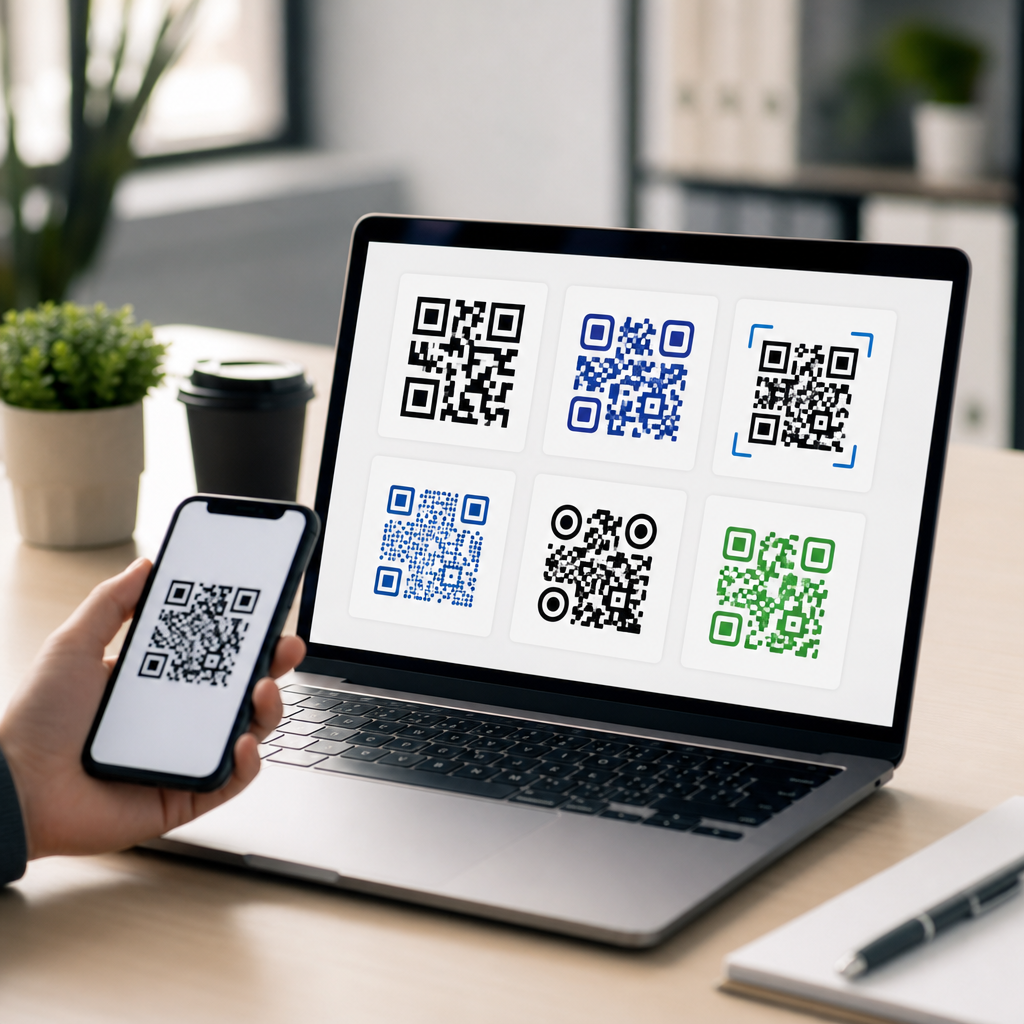

A common question in mobile marketing is whether you can convert a static QR code to dynamic, and the short answer is no: once a static QR code is generated, the encoded destination is fixed forever. That distinction matters because businesses often print codes on packaging, menus, posters, mailers, and product labels before they fully understand how static vs dynamic QR codes behave in the real world. A static QR code stores the final URL, text, phone number, or other payload directly inside the pattern, while a dynamic QR code usually stores a short redirect URL controlled through a QR code platform. Because the redirect can be edited later, the destination can change without changing the printed code. I have helped teams untangle this problem after product launches, trade show campaigns, and restaurant rollouts, and the same lesson always appears: choosing the wrong QR code type early creates expensive limitations later. This hub article explains the technical difference between static and dynamic QR codes, why a static code cannot be upgraded after printing, when each type makes sense, what tradeoffs exist around analytics and cost, and how to plan a mobile QR code strategy that avoids rework while keeping scans reliable.
What static and dynamic QR codes actually mean
The most important point is structural. A static QR code contains the destination data itself. If the code sends someone to https://example.com/menu, that exact URL is encoded into the symbol. QR scanners read the pattern, decode the payload, and open that destination immediately. Nothing sits between the user and the final content. Static codes are simple, durable, and often free to create because they require no management platform after generation. They are ideal when the content will never change, such as Wi-Fi credentials in an office, a vCard for a single employee at a small event, or a permanent link to a PDF that will remain at the same address.
A dynamic QR code works differently. The symbol typically encodes a short URL from a QR management service. When scanned, that short URL redirects to the final destination set inside the platform dashboard. Because the redirect record can be updated, the same printed code can send users to a new landing page, app store link, payment page, or campaign-specific content later. Dynamic QR codes also support scan analytics such as total scans, time, approximate location by IP, device type, and operating system. In practice, this makes them the default choice for marketing campaigns, retail packaging, multi-location signage, and any use case where performance measurement or future edits matter.
Another practical difference is error tolerance in campaign management. With static QR codes, a typo in the destination URL means the printed asset is wrong. With dynamic QR codes, that same mistake is usually fixable from the dashboard within minutes. However, dynamic codes introduce dependency on a third-party service or your own redirect infrastructure. If the service lapses, redirects are disabled, or domain settings break, scans may fail. Static codes have fewer moving parts. Dynamic codes offer flexibility. The right choice depends on permanence, analytics needs, operational maturity, and risk tolerance.
Can you convert a static QR code to dynamic?
No, you cannot truly convert a static QR code to dynamic after it has been created, because the encoded payload inside the symbol does not change. The black and white modules represent data bits and error correction values generated for a specific content string under ISO/IEC 18004 QR code standards. If you want a code that points to an editable redirect, you must generate a new QR code whose payload is the redirect URL from the start. There is no switch in the original image that turns fixed data into managed data.
This is where many teams get confused. They assume that because a destination website can change, the QR code itself can become dynamic. But changing the website content behind an existing static URL is not the same as converting the QR code. For example, if a static QR code points to https://brand.com/summer-offer and your web team can edit that page indefinitely, then the user experience can evolve while the code remains the same. The QR code is still static because it always resolves to that exact URL. It is not editable at the QR level, and it does not gain built-in scan analytics from a QR platform.
There is one workaround worth understanding. If your static QR code already points to a URL you control, you may be able to create redirects on your own website. Suppose printed codes point to https://brand.com/menu. You can later redirect that path to a new page, swap seasonal content, or route visitors by location or device. Operationally, this mimics one benefit of dynamic QR codes. Still, the QR code remains static, because the encoded destination has not changed; you are simply managing the behavior of that destination through your web infrastructure. This approach can be effective, but it requires solid domain ownership, redirect governance, and analytics setup in tools like Google Analytics 4 or Adobe Analytics.
Static vs dynamic QR codes: key differences that affect mobile campaigns
When deciding between static vs dynamic QR codes, four factors determine the right choice: editability, analytics, operational dependency, and lifecycle cost. The table below captures the practical differences teams evaluate before launching mobile QR codes at scale.
| Factor | Static QR Code | Dynamic QR Code |
|---|---|---|
| Encoded content | Final destination stored directly in the code | Short redirect URL stored in the code |
| Edit destination after printing | No | Yes, through dashboard or redirect rules |
| Scan analytics | Limited; requires web analytics on destination | Usually includes scans, devices, time, and location estimates |
| Reliance on platform | Low once created | High; redirect service must remain active |
| Typical cost | Often free or one-time | Usually subscription-based |
| Best use cases | Permanent information, Wi-Fi, stable URLs | Marketing, packaging, menus, testing, time-sensitive campaigns |
In mobile campaigns, editability usually outweighs the subscription cost. I have seen retailers print 100,000 package inserts with product tutorial QR codes, then update the destination when inventory, support documentation, or app store links changed. That is exactly what dynamic codes are designed for. Restaurants also benefit because menus, ordering flows, and reservation systems change frequently. Event teams use dynamic codes to reroute attendees from registration to agenda pages as the event timeline progresses. In each case, the ability to preserve the printed asset while changing the destination saves money and avoids confusion.
Static codes are still valuable when permanence matters more than management features. A manufacturing plant posting a QR code for equipment safety instructions may want a stable internal URL with no vendor dependency. A clinic sharing guest Wi-Fi credentials in a waiting room may prefer a simple payload that works regardless of a dashboard subscription. The point is not that dynamic is always better. The point is that mobile QR code strategy should match the stability of the underlying content and the operational systems supporting it.
When a static QR code is enough, and when dynamic is the safer choice
Use a static QR code when the encoded information is permanent, public, and unlikely to need edits. Good examples include SMS templates for internal workflows, contact cards used for a short event, plain text instructions, or a canonical URL on a domain you fully control and expect to maintain for years. In these situations, static codes reduce technical dependency and can remain usable even if a third-party QR platform changes pricing or shuts down. They also eliminate one redirect hop, which can slightly reduce latency, though in most modern mobile networks the difference is minor.
Choose a dynamic QR code when you need flexibility, measurement, or controlled experimentation. This includes paid advertising, direct mail, packaging, out-of-home campaigns, hospitality, real estate, education, and product support. Dynamic codes are also safer when multiple stakeholders are involved. Marketing can update campaign pages, product can change app links, local teams can swap store-specific destinations, and analytics teams can track scans without asking a designer to regenerate artwork. If your organization runs A/B tests, seasonal promotions, or localized landing pages, dynamic is usually the correct default.
Security and governance also matter. Static codes can send users anywhere the encoded URL points, but changes happen only through the destination site itself. Dynamic codes add a management layer, which is useful but requires controls. Reputable platforms support HTTPS, custom domains, role-based access, expiration rules, and sometimes password protection. For regulated industries, review data handling terms carefully because scan metadata may be considered sensitive in context. The safer choice is the one your team can manage consistently over time, not simply the one with the longest feature list.
How to future-proof your QR code program
The best way to avoid asking whether you can convert a static QR code to dynamic is to build a decision framework before anything goes to print. Start with lifespan: will this code live for days, months, or years? Next, ask whether the destination may change, whether scan tracking is necessary, and who owns updates. If more than one answer suggests uncertainty, use a dynamic QR code or route a static code to a stable URL on a domain you control. That simple rule prevents most expensive mistakes.
From implementation experience, three practices make a major difference. First, standardize naming, ownership, and destination rules in one document so no code becomes an orphan after a campaign ends. Second, test scans across iPhone and Android devices, multiple camera apps, and low-light conditions before distribution. Third, use sufficient quiet zone, contrast, and print size; many scan failures blamed on “bad QR technology” are actually design errors. For print, a minimum size around 2 x 2 centimeters may work at close range, but larger placements need proportionally larger codes and stronger contrast.
For a robust mobile QR code program, treat the QR image as only one component. The destination page must load quickly, be mobile-friendly, and clearly match the context promised by the print asset. Redirect chains should be minimized. UTM parameters should be applied consistently. If you use dynamic QR codes, connect scan data with downstream conversion metrics so you can compare scans to signups, purchases, bookings, or support resolution. If you use static codes, maintain control of the destination URL structure so content can evolve without breaking the printed asset.
The essential takeaway is straightforward: a static QR code cannot be converted into a dynamic QR code after creation, because the underlying encoded data is fixed. What you can do is either replace it with a newly generated dynamic code or, if the static code points to a URL you control, manage the destination through your own redirects and page updates. For anyone creating mobile QR codes at scale, that distinction is critical. Static vs dynamic QR codes is not a minor technical preference; it shapes flexibility, analytics, cost, and long-term campaign resilience. Use static codes for truly permanent information, use dynamic codes when change and measurement are likely, and document ownership before anything is printed. If you are building out your creating mobile QR codes workflow, audit every planned use case now and choose the code type that will still serve you six months after launch.
Frequently Asked Questions
Can you convert a static QR code to a dynamic QR code after it has already been created?
No. A static QR code cannot be converted into a dynamic QR code once it has been generated. The reason is simple: a static QR code permanently stores its destination or data directly in the pattern of the code itself. If that code was created to point to a specific URL, phone number, block of text, email address, or other payload, that information is embedded in the QR code forever. There is no switch you can flip later to make it editable or trackable.
A dynamic QR code works differently. Instead of storing the final destination directly, it typically stores a short redirect URL managed through a QR code platform. That redirect can then be updated later, allowing the destination to change without changing the printed code. Because a static code never had that redirect layer built into it, it cannot be “upgraded” after the fact. If you need editability, scan analytics, campaign management, or destination changes, the practical solution is to create a brand-new dynamic QR code and replace the old one wherever possible.
Why is a static QR code permanent while a dynamic QR code can be edited?
The difference comes down to what each type of QR code actually contains. A static QR code encodes the final information directly inside the symbol. For example, if the QR code links to yourwebsite.com/summer-menu, that exact URL is part of the QR code’s data structure. When someone scans it, their device reads that fixed information and opens it immediately. Since the content is built into the code itself, changing the destination would require changing the QR code pattern too.
A dynamic QR code does not usually encode the final destination. Instead, it encodes a short URL or tracking link controlled by a QR code service. When a user scans it, they first reach that managed link, which then forwards them to the current destination you have set in the dashboard. Because the redirect target lives on the platform rather than inside the printed QR graphic, you can edit it later without reprinting the code. That is why dynamic codes are commonly used for marketing materials, restaurant menus, product packaging, event signage, direct mail, and other assets that may stay in circulation for a long time.
What should you do if you already printed a static QR code and need to change the destination?
If the static QR code has already been printed and the destination needs to change, the only true fix is to generate a new QR code with the correct destination and replace the original wherever possible. There is no technical way to edit the data inside the existing static code. This can be frustrating for businesses that have already printed codes on flyers, menus, labels, posters, packaging, or in-store displays, but it is an important limitation to understand.
In practice, your next step depends on where the code appears. If it is on digital assets, you can usually swap the image easily. If it is on printed materials, you may need to reprint, apply stickers, use overlays, or add updated signage. If the original static QR code points to a URL you still control, you may be able to change the content on that destination page or set up redirects on your website so the old URL sends visitors somewhere more useful. That will not make the QR code dynamic, but it can reduce disruption. Going forward, many businesses choose dynamic QR codes for any campaign where destinations, landing pages, promotions, or tracking needs may change over time.
Can you still make a static QR code more flexible if you cannot convert it to dynamic?
Yes, but only indirectly. While you cannot turn the static QR code itself into a dynamic one, you may be able to regain some flexibility depending on what the static code points to. If the code links to a URL on a domain you own, you can often edit the webpage content, change internal site navigation, or create a server-side redirect from that original URL to a new page. This approach can preserve the usefulness of the printed code even though the QR code itself remains static.
That said, there are limits. You will not get the core benefits of a true dynamic QR code unless the QR code was originally built with a managed redirect. For example, you may still lack scan analytics, device and location reporting, campaign-level performance data, A/B testing options, scheduling controls, and easier destination swapping. So while website redirects can help salvage a static QR code in some situations, they are more of a workaround than a full replacement. If flexibility, measurement, and long-term campaign control matter, generating a new dynamic QR code is still the better strategy.
When should businesses choose a dynamic QR code instead of a static one?
Businesses should choose a dynamic QR code whenever there is any chance the destination could change, the campaign may need performance tracking, or the code will remain in use for an extended period. This is especially important for mobile marketing and printed materials such as product labels, packaging, mailers, menus, shelf talkers, posters, trade show signage, real estate brochures, and window displays. In these situations, reprinting can be costly and time-consuming, so having the ability to update the destination later is a major advantage.
Static QR codes still have valid use cases. They work well when the content is truly permanent and simple, such as fixed contact details, an unchanging Wi-Fi credential, a stable URL, or plain text that will never need editing. But for most business campaigns, dynamic QR codes provide far more control. They let you change landing pages, fix mistakes, track scans, manage seasonal promotions, localize destinations, and improve results without replacing the physical code. If there is any uncertainty at all about future changes, dynamic is usually the safer and more scalable choice.