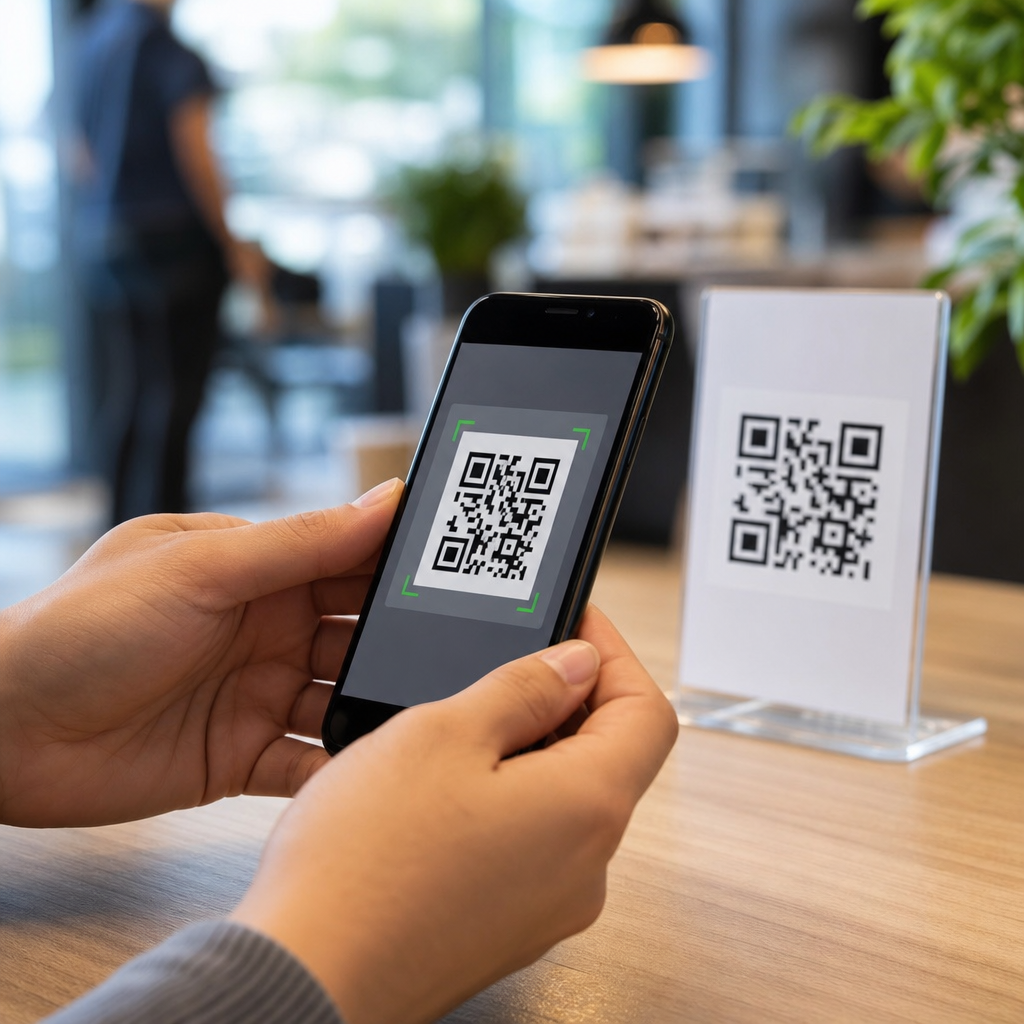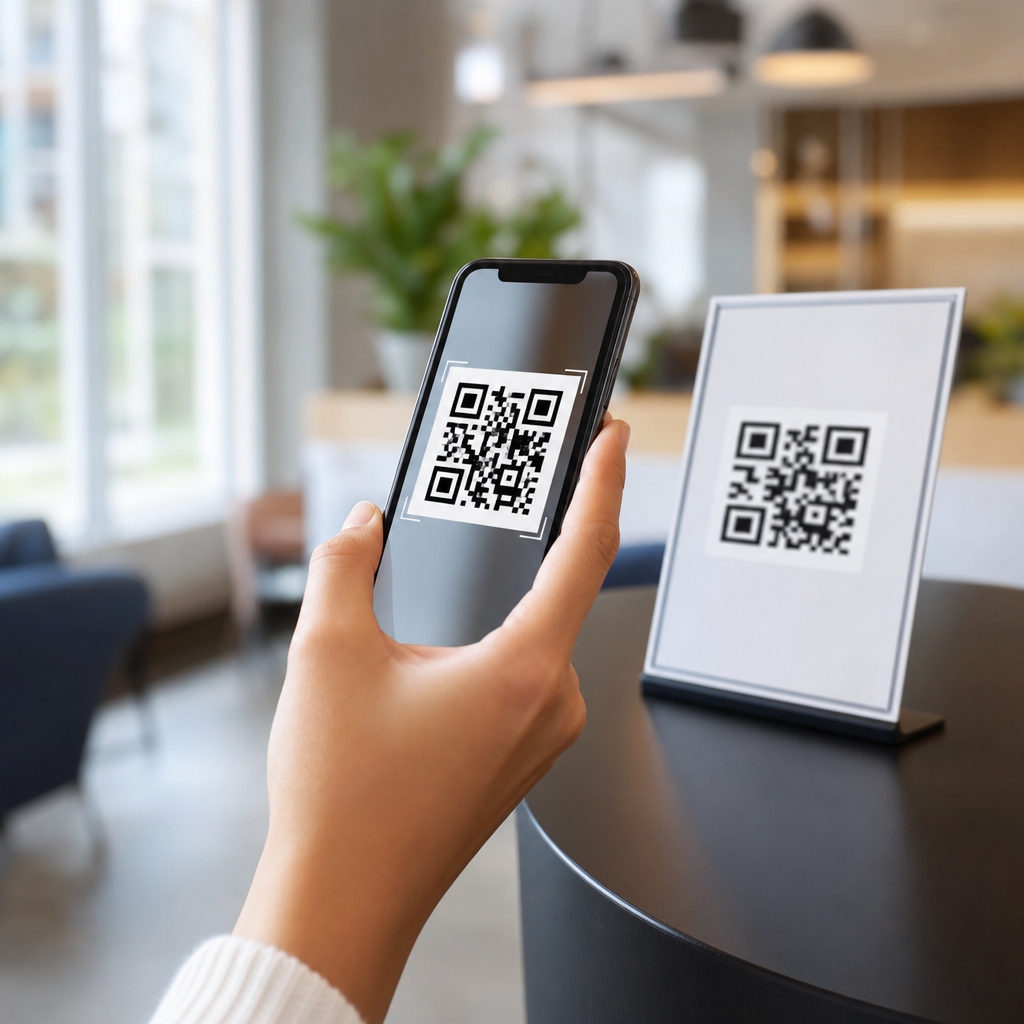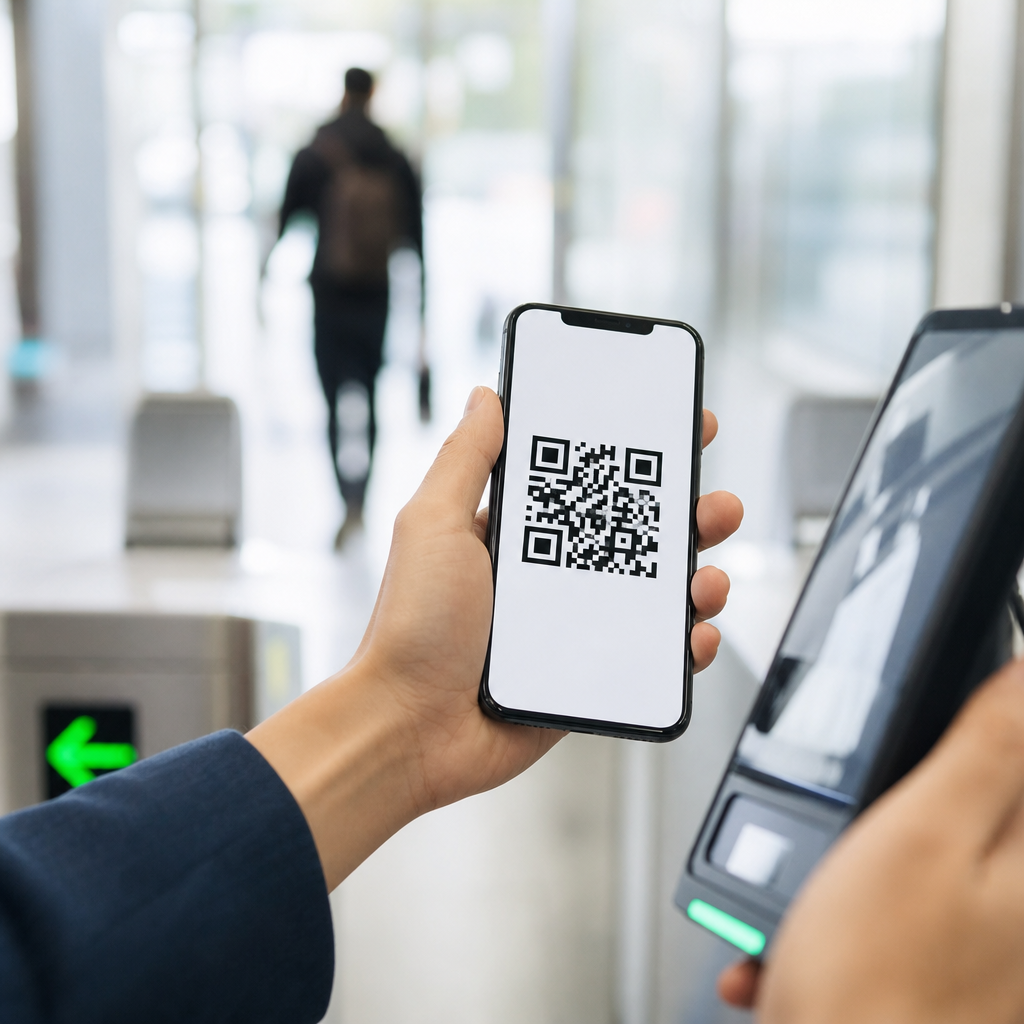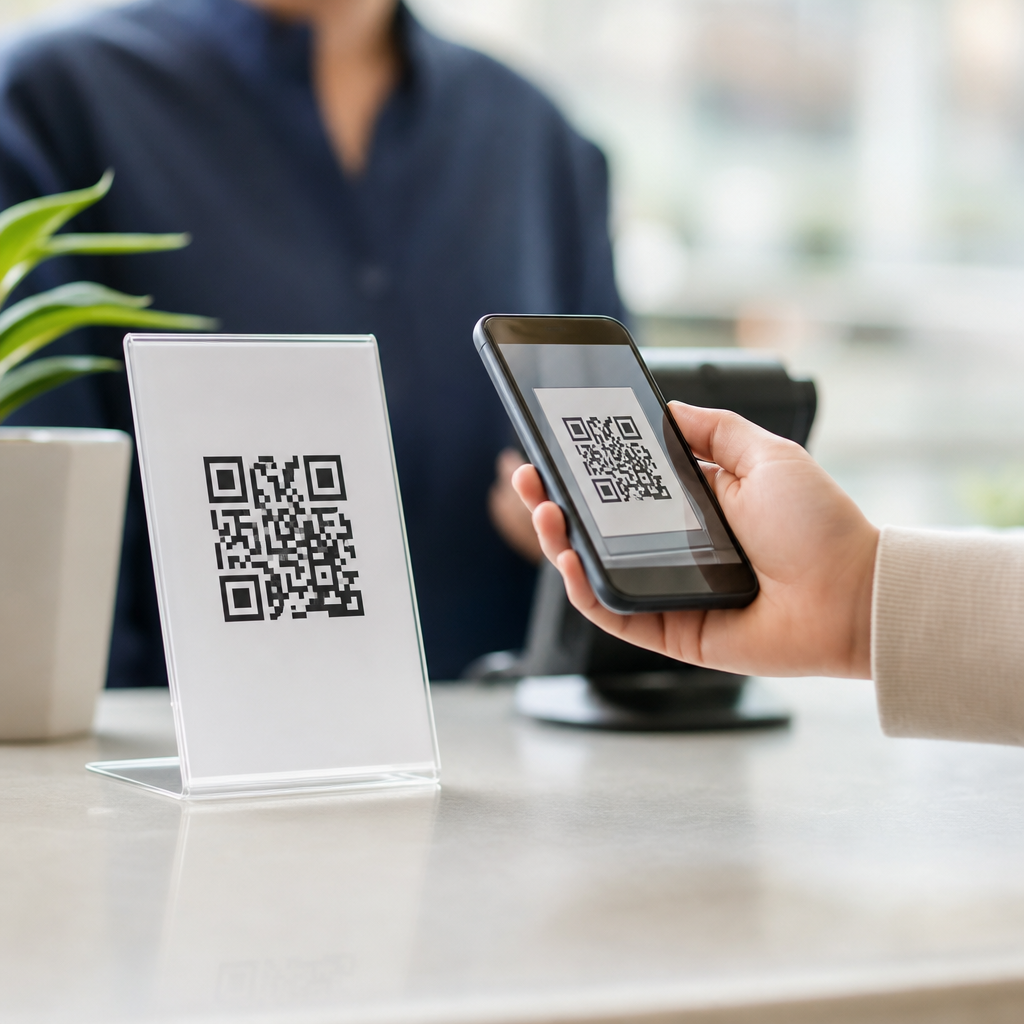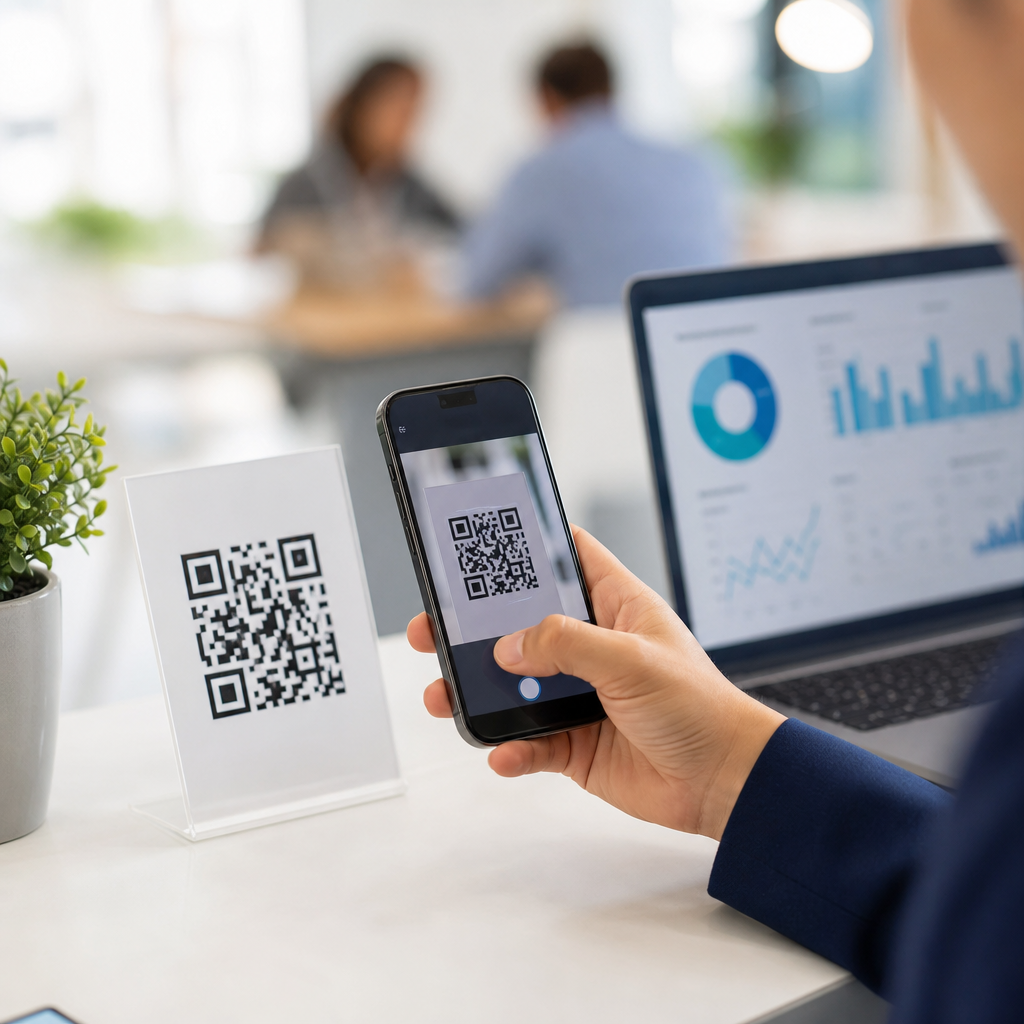
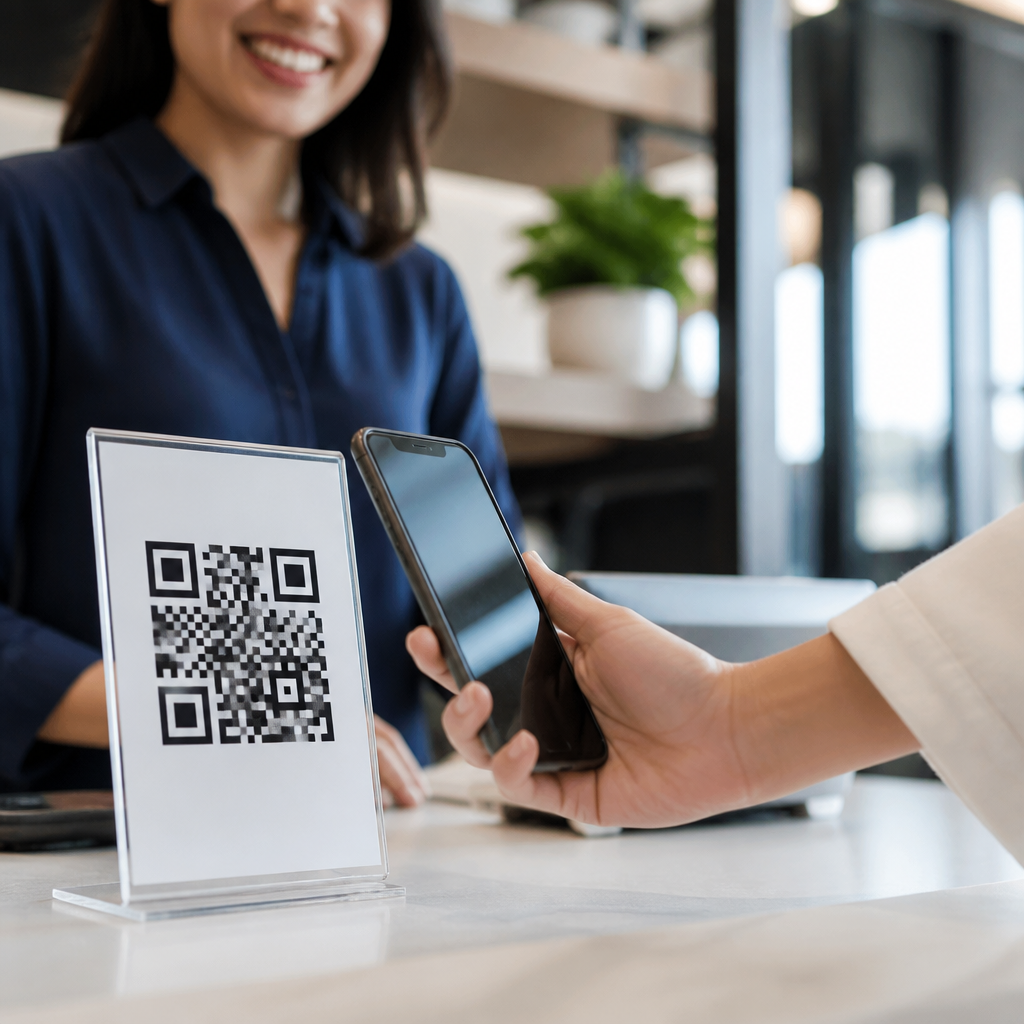
Mobile QR codes have moved from a niche convenience to a mainstream business tool because they connect physical moments to digital actions in seconds. A mobile QR code is a scannable two-dimensional barcode designed to be read quickly by a smartphone camera, sending the user to a landing page, payment flow, app download, menu, contact card, authentication screen, or other mobile experience. Businesses are adopting mobile QR codes faster than ever because smartphone scanning is now built into iOS and Android cameras, customer behavior has shifted toward touchless and self-serve interactions, and companies can measure results with far more precision than they can with printed URLs or many offline promotions.
In practice, mobile QR codes matter because they remove friction. I have worked with retail, hospitality, and field-service teams that struggled to get customers from posters, packaging, receipts, or storefront signs into digital journeys. When we replaced long web addresses with QR codes, scan rates rose because the action became obvious and immediate. That simple improvement has wider implications: faster check-ins, fewer cashier interactions, better attribution for print campaigns, lower support volume, and more opportunities to capture first-party data with consent.
Understanding what mobile QR codes are begins with understanding the difference between a standard barcode and a QR code. Traditional one-dimensional barcodes store information horizontally and usually identify a product SKU. QR codes store data both horizontally and vertically, which allows them to hold much more information and survive partial damage through error correction. For business use, the most important distinction is not storage capacity alone but versatility. A mobile QR code can open a URL, trigger a deep link, initiate SMS, compose email, connect to Wi-Fi, start a payment, or display a vCard. That flexibility makes one printed square useful across marketing, operations, support, and commerce.
Another reason this topic matters is that QR codes sit at the center of modern omnichannel strategy. They bridge offline and online behavior in a way few tools can. A package insert can launch a warranty registration form. A table tent can open a menu and loyalty offer. A product shelf tag can lead to comparison specs, reviews, or video tutorials. For a business building a mobile-first customer journey, QR codes are no longer an optional add-on; they are a core connection layer.
What Mobile QR Codes Are and How They Work
A mobile QR code is any QR code created with smartphone use as the primary destination and experience. Technically, the code contains encoded data, often a URL or URI, arranged in black-and-white modules. A smartphone camera detects the finder patterns, decodes the content, and prompts the user to open the destination. Most business deployments use URLs because they are easy to update, track, and route by device, location, or campaign source.
There are two main types: static and dynamic. A static QR code points directly to fixed data and cannot be edited once printed. A dynamic QR code points to a short redirect URL managed by a platform such as Bitly, QR Code Generator Pro, Flowcode, Beaconstac, or Adobe Express integrations. Dynamic codes are what most businesses mean when they discuss mobile QR strategy because they support analytics, destination changes, A/B testing, UTM tagging, expiration rules, and scan management without reprinting assets.
Error correction is another key concept. QR codes use Reed-Solomon error correction, commonly offered at levels L, M, Q, and H. Higher levels allow the code to remain readable even if part of it is obscured by wear, glare, or a logo overlay, though they also increase density. In the field, I advise teams to avoid decorative overdesign and prioritize scan reliability: strong contrast, sufficient quiet zone, tested size, and a destination page that loads fast on mobile data.
Why Businesses Are Accelerating Adoption
The rapid adoption of mobile QR codes comes down to infrastructure, behavior, and economics. First, smartphone readiness is nearly universal in many markets. Apple added native camera scanning years ago, Google Lens expanded Android usability, and consumers learned the pattern during restaurant, event, and payment interactions. Second, QR codes lower the cost of digitizing touchpoints. A printed sign or sticker can deliver many of the benefits of a kiosk, brochure, or staff-assisted process at a fraction of the cost.
Third, executives value measurability. A printed flyer with a plain URL leaves weak attribution unless users type it exactly. A dynamic QR code can record scans by time, geography, device type, and campaign placement, then pass parameters into Google Analytics 4, Adobe Analytics, HubSpot, or Salesforce. That gives operations and marketing teams a shared dataset. A retailer can compare store-window scans against shelf scans. A hotel can measure whether lobby signage or in-room cards drive more spa bookings. A manufacturer can test whether QR-linked setup videos reduce returns.
Adoption also accelerated because customers now expect self-service. People want instant access to menus, forms, product details, setup guides, and payment options without downloading a special app or waiting for staff. QR codes satisfy that expectation with almost no learning curve. When businesses remove friction at high-intent moments, conversion improves.
Where Mobile QR Codes Deliver Business Value
Mobile QR codes create value across departments because they meet users where decisions happen. In retail, they connect packaging, endcaps, and receipts to coupons, reviews, replenishment flows, and loyalty enrollment. In restaurants, they power digital menus, order-ahead experiences, allergen information, and tabletop payments. In healthcare, clinics use them for intake forms, wayfinding, post-visit instructions, and telehealth activation, though privacy controls and HIPAA-aligned workflows must be handled carefully.
In events, QR codes simplify registration, lead capture, agenda updates, and exhibitor follow-up. In field service, technicians place codes on installed equipment so customers can instantly access maintenance records, troubleshooting videos, or support requests. Real estate teams use yard signs to launch property pages with maps, mortgage calculators, and agent contact details. Education teams place codes on printed materials to connect learners to lesson resources or accessibility options.
| Use Case | Typical Destination | Primary Benefit |
|---|---|---|
| Product packaging | Setup guide or reorder page | Reduces support calls and increases repeat sales |
| Restaurant table tent | Menu, payment, or loyalty signup | Speeds service and raises average order value |
| Storefront poster | Offer landing page | Captures after-hours demand |
| Equipment label | Maintenance history or video help | Improves service efficiency |
| Event badge or booth sign | Lead form or calendar booking | Shortens sales follow-up time |
The strongest programs tie each QR placement to a single job. If one code asks users to browse products, join a loyalty program, read instructions, and book service at once, performance falls. Clarity wins: one code, one action, one mobile-optimized outcome.
Best Practices for Creating Effective Mobile QR Codes
Effective mobile QR codes start with destination design, not artwork. The landing page must load quickly, fit small screens, and complete the intended action in as few steps as possible. Google’s Core Web Vitals remain a useful benchmark for perceived speed and stability. A beautiful code that opens a slow, cluttered page will underperform a plain code leading to a focused mobile form.
Placement and context are equally important. Users need a clear reason to scan, such as “View ingredients,” “Pay now,” or “Watch the setup video.” Include a call to action near the code, allow enough physical space for scanning, and test under real lighting conditions. For print, size depends on distance, but a common rule is roughly one inch of code width for every ten inches of scanning distance. Glossy surfaces, curved packaging, and low-contrast colors often hurt readability.
Security and trust deserve special attention. Because QR codes can hide a destination, users may hesitate if branding is unclear. Use recognizable domains, HTTPS, and branded landing pages. For enterprise deployments, govern redirects, access rights, and lifecycle management so old campaign links do not lead to dead ends. If codes collect personal data, disclose purpose and handle consent properly under laws such as GDPR or CCPA where applicable.
Common Questions and Strategic Considerations
Businesses often ask whether QR codes still need a dedicated app. In most cases, no. Native camera scanning and browser-based experiences are precisely why adoption has surged. Another common question is whether dynamic codes are worth the added cost. For most businesses, yes, because editability and analytics prevent costly reprints and enable optimization over time. Static codes are suitable for permanent, low-risk uses such as a fixed Wi-Fi login or a stable brochure URL.
They also ask how success should be measured. Start with scan rate, unique scans, completion rate on the destination page, and downstream conversion such as purchase, booking, form submission, or support deflection. Then examine context: which placement, message, and audience produced the best results? QR codes are not a magic channel. If the offer is weak or the mobile journey is confusing, scans will not turn into outcomes.
Finally, businesses should think of mobile QR codes as infrastructure rather than a campaign gimmick. The best implementations are documented, tested, and governed like any other customer touchpoint. Build naming conventions, archive old codes, monitor broken redirects, and connect scan data to broader customer analytics. That discipline is why leading brands keep expanding QR usage long after the first pilot succeeds.
Mobile QR codes are being adopted faster than ever because they solve a practical business problem: they turn real-world attention into immediate mobile action. They are easy for customers to use, inexpensive to deploy, flexible across departments, and measurable in ways offline channels rarely are. As a hub topic, “What Are Mobile QR Codes?” starts with the basics of how they work, but the bigger lesson is strategic: the most successful businesses treat QR codes as a durable bridge between physical environments and digital experiences.
If you are building a mobile-first customer journey, start with one high-intent touchpoint, use a dynamic QR code, and send scanners to a fast page with one clear action. Measure scans, completions, and business impact, then expand to other moments where customers need information, payment, service, or reassurance. Done well, mobile QR codes do not just modernize signage or packaging; they make the entire customer experience easier to enter, easier to measure, and easier to improve over time.
Frequently Asked Questions
Why are businesses adopting mobile QR codes faster than ever?
Businesses are adopting mobile QR codes at a much faster pace because the technology now fits naturally into everyday smartphone behavior. A mobile QR code lets a customer move from a physical object or location directly into a digital experience in seconds, whether that means opening a landing page, viewing a menu, starting a payment, downloading an app, saving contact details, or verifying identity. That kind of speed removes friction, and reducing friction is one of the most reliable ways to increase engagement and conversions.
Another major reason is accessibility. Smartphone scanning is now built into modern mobile devices, especially across iOS and Android, so most users no longer need to download a separate scanner app. That change has made QR codes far more practical for mainstream business use. What once felt like a niche tool is now familiar to customers in retail stores, restaurants, healthcare settings, events, packaging, logistics, real estate, and professional services.
Businesses also value how cost-effective and flexible mobile QR codes are. A single code can bridge offline marketing and digital action without requiring expensive hardware or complicated customer education. Teams can place QR codes on product labels, signs, receipts, mailers, tables, windows, kiosks, and advertisements, then guide people into measurable mobile interactions. This combination of convenience, low implementation cost, and trackable results is a big reason adoption continues to accelerate.
What exactly is a mobile QR code, and how is it used in business?
A mobile QR code is a two-dimensional barcode designed to be scanned quickly by a smartphone camera. When scanned, it directs the user to a mobile-friendly action or destination. That destination might be a website, a digital menu, a payment screen, an app store page, a contact card, a coupon, a customer support form, an authentication prompt, or a product information page. In business terms, it acts as a fast connection point between a physical moment and a digital outcome.
Its value comes from its versatility. In retail, a QR code can link to product details, reviews, loyalty rewards, or checkout options. In hospitality and food service, it can open menus, table ordering, reservations, or feedback forms. In events, it can handle registration, ticket validation, schedules, and networking. In healthcare, it can support check-in, patient education, or secure account access. In real estate, it can launch virtual tours, listing pages, or agent contact forms directly from signage.
From an operational standpoint, mobile QR codes also help businesses streamline customer journeys. Instead of asking users to type a URL, search for an app, or manually enter information, the code shortens the path to action. That efficiency matters because every extra step can reduce completion rates. When businesses use QR codes strategically, they create faster, more convenient experiences while also gaining clearer data on how customers engage with physical and digital touchpoints.
Are mobile QR codes effective for marketing and customer engagement?
Yes, mobile QR codes can be extremely effective for marketing and customer engagement when they are tied to a clear purpose and a strong mobile experience. Their biggest strength is that they turn passive attention into immediate action. Someone seeing a poster, package, storefront display, direct mail piece, or in-person promotion can scan the code instantly and move into a campaign landing page, offer, sign-up form, video, social channel, or purchase flow without delay.
That immediacy helps marketers capture intent at the moment interest is highest. Instead of hoping a customer remembers a brand later, the QR code makes it possible to act in real time. This is especially valuable in out-of-home advertising, print campaigns, product packaging, and point-of-sale environments where traditional digital conversion paths are harder to establish. QR codes also support personalization, allowing businesses to route different audiences to tailored experiences based on campaign, location, or placement.
They are also effective because they are measurable. Businesses can track scans, timestamps, device patterns, location trends, and downstream actions such as purchases, registrations, or downloads, depending on the platform being used. That makes QR codes more than a convenience feature; they become a practical performance tool. The key is that the destination must be mobile-optimized, fast-loading, and clearly aligned with what the customer expects after scanning. When the experience is relevant and seamless, engagement rates can be very strong.
What are the biggest benefits of using mobile QR codes for customers and businesses?
For customers, the biggest benefit is convenience. A mobile QR code eliminates unnecessary steps and helps people get where they want to go quickly. They do not need to type a web address, search for a business online, or navigate through multiple screens to complete a simple action. Whether they are trying to pay, order, learn more about a product, join a loyalty program, or access support, the process becomes faster and easier.
For businesses, the benefits are both customer-facing and operational. Mobile QR codes improve the user experience while also creating new opportunities to drive conversions, reduce printing limitations, and connect offline materials to dynamic digital content. A printed code can remain in place while the linked destination is updated behind the scenes, which is especially useful for menus, promotions, event details, inventory updates, and seasonal campaigns. That flexibility allows businesses to stay agile without constantly replacing physical materials.
There is also a strong data and efficiency advantage. QR codes can help businesses understand which placements, campaigns, or environments generate the most engagement. They can support contactless interactions, speed up workflows, reduce staff workload in certain settings, and standardize how information is delivered. In short, mobile QR codes create a practical win on both sides: customers get a smoother experience, and businesses get a scalable, trackable, and relatively low-cost way to guide people into meaningful digital actions.
How can businesses use mobile QR codes successfully without creating a poor user experience?
Successful use of mobile QR codes starts with relevance and clarity. A customer should immediately understand what the code is for and what they will get by scanning it. Labels such as “View Menu,” “Pay Now,” “Download the App,” “See Product Details,” or “Claim Your Offer” set clear expectations and improve scan rates. Without that context, even well-placed QR codes can be ignored because users are unsure of the value or destination.
The next priority is the mobile experience itself. The page or function behind the QR code must load quickly, display properly on smartphones, and lead directly to the intended action. If a customer scans a code and lands on a slow desktop page, a confusing homepage, or a broken link, trust drops immediately. Businesses should make sure the destination is simple, secure, and as close as possible to the final action they want the user to take. Short paths almost always perform better than complicated ones.
Placement and design also matter. QR codes should be easy to scan, sized appropriately, and positioned where people have enough time and space to use them. A code on packaging, a table tent, a storefront window, or a checkout counter works best when lighting, distance, and context support quick scanning. It is also wise to test codes across devices and environments before launch. Finally, businesses should monitor performance and adjust based on real behavior. The most effective QR code programs are not just deployed once; they are refined over time to improve usability, engagement, and conversion outcomes.