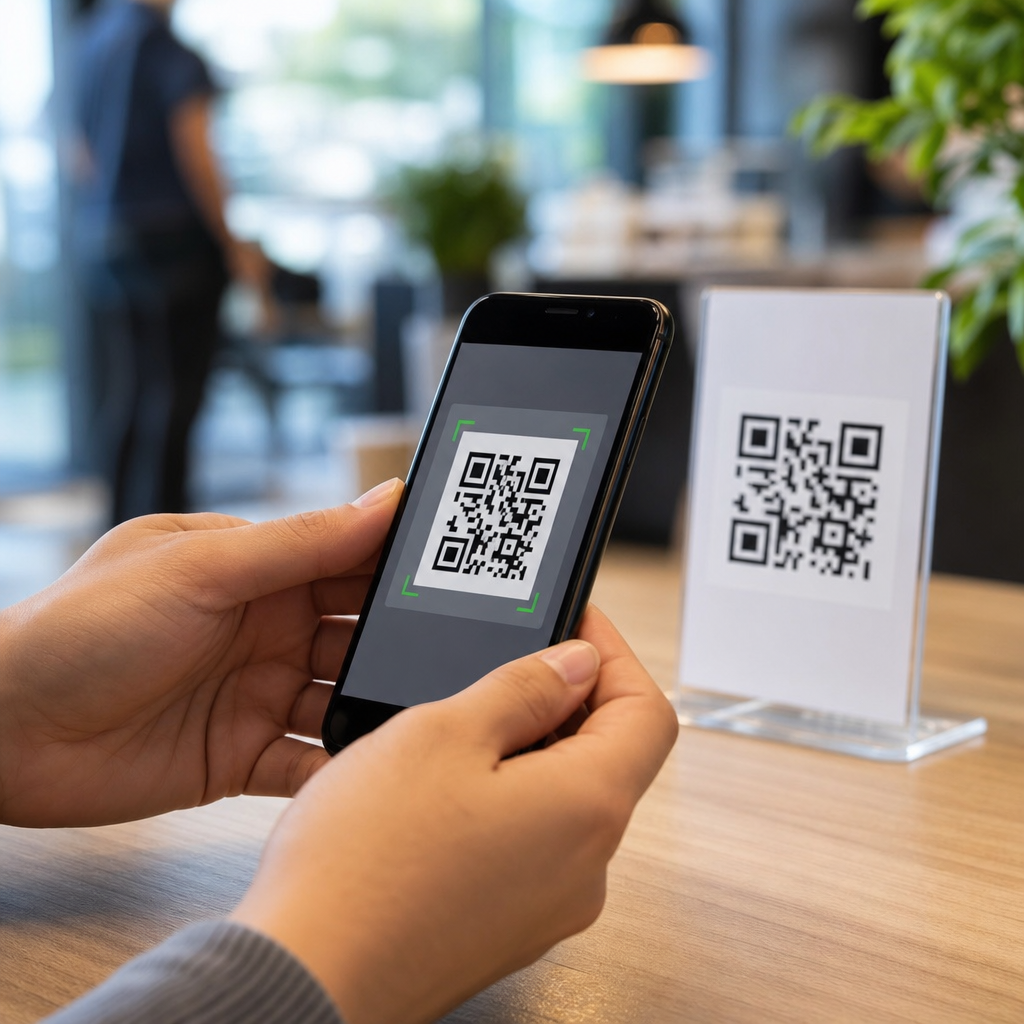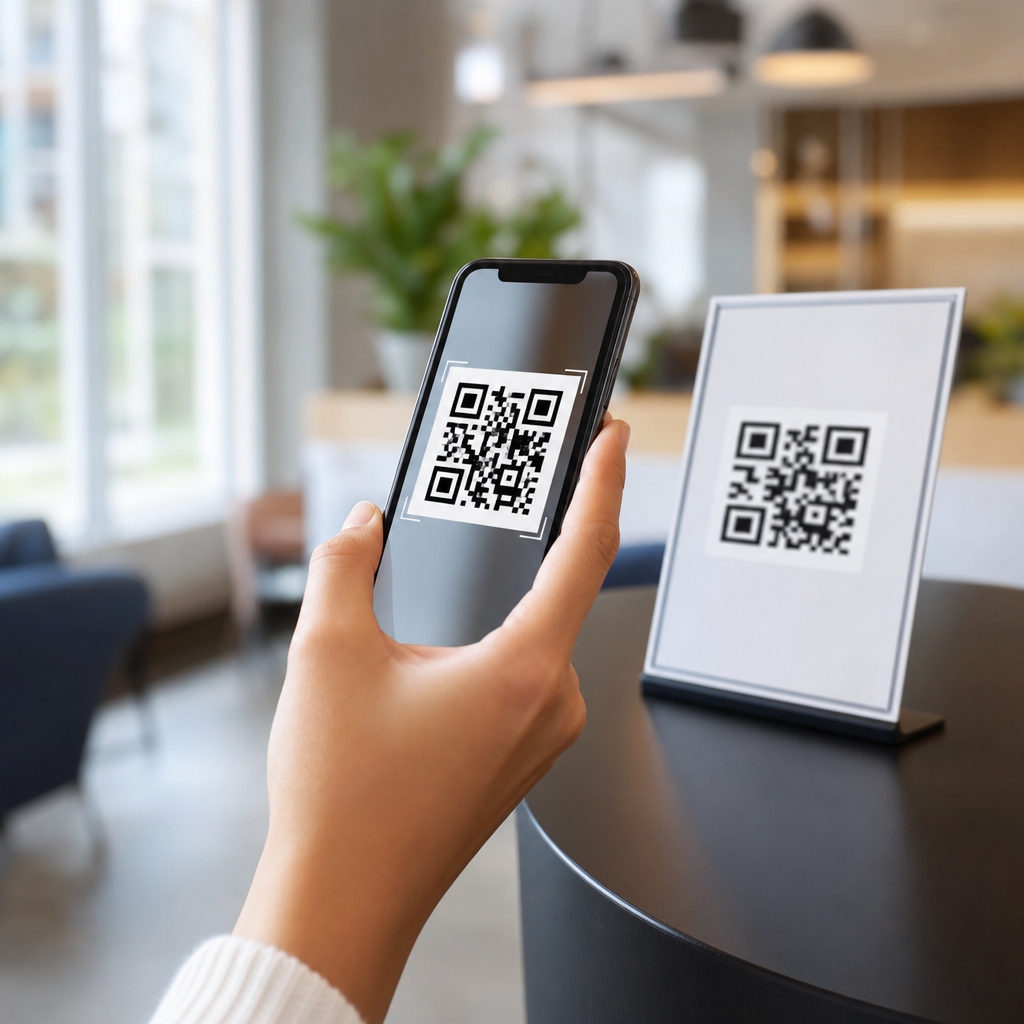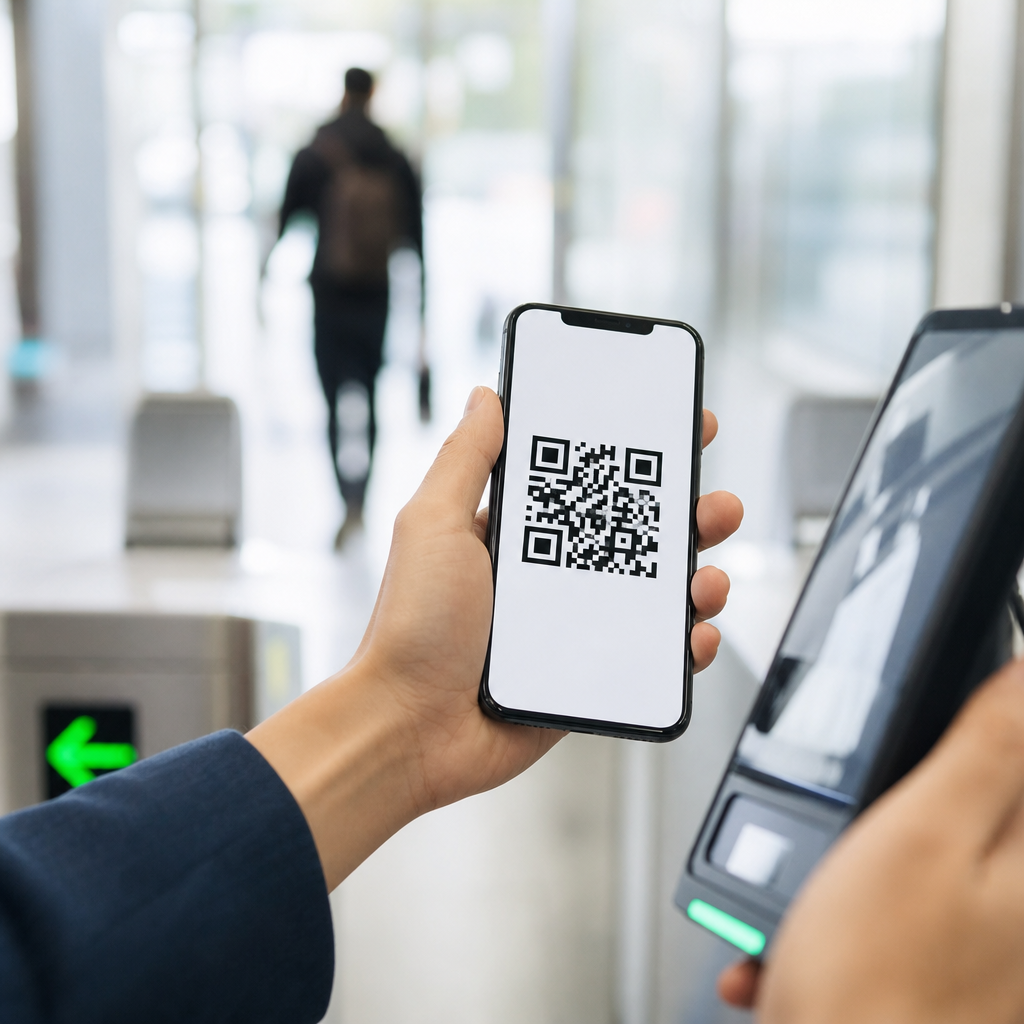
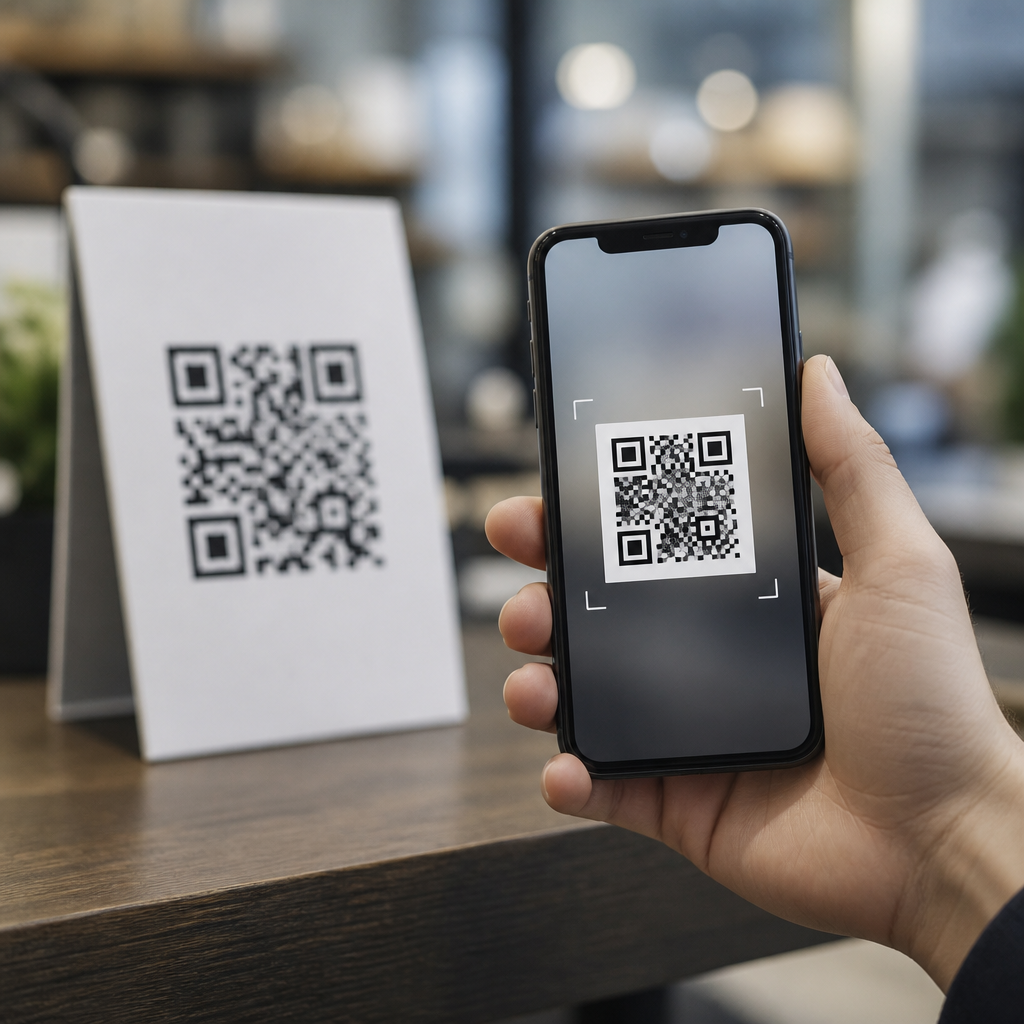
QR codes moved from factory floors to smartphone screens with unusual speed, and that journey explains why they now sit at the center of mobile marketing. A QR code, short for Quick Response code, is a two-dimensional matrix barcode that stores data in a grid of black and white modules readable by cameras and scanners. Unlike traditional one-dimensional barcodes, which typically hold a small numeric string, QR codes can encode URLs, text, contact details, payment instructions, app deep links, and authentication tokens. When people ask, “What are mobile QR codes?” the practical answer is simple: they are QR codes designed to be scanned by mobile devices, usually to trigger a fast action on a phone.
I have worked with QR campaigns on packaging, retail displays, event signage, and restaurant menus, and the strongest lesson is that the technology succeeds when it removes friction. A customer sees a code, scans it with a phone camera, and lands exactly where they need to go without typing a web address or searching an app store. That direct path matters because mobile attention is short, conditions are often noisy or rushed, and every extra tap costs conversion.
This topic matters because QR codes now bridge physical and digital channels more reliably than near-field communication, custom short URLs, or manually entered promo codes in many everyday settings. They are inexpensive to print, easy to deploy at scale, measurable through analytics, and familiar to consumers after years of use in payments, tickets, menus, and product experiences. Understanding the history of QR codes and their rise in mobile marketing gives businesses a clearer view of when to use static versus dynamic codes, how to design better landing flows, and why this once niche industrial tool became a mainstream mobile gateway.
How QR Codes Started and What Made Them Different
QR codes were invented in 1994 by Masahiro Hara and the team at Denso Wave, a subsidiary of Toyota supplier Denso, to track automotive components during manufacturing. The key innovation was speed: the code had to be read rapidly from multiple angles and hold more data than standard barcodes. The square finder patterns in three corners solved orientation, allowing scanners to detect position quickly. The format also used Reed-Solomon error correction, which meant codes could still be read even if partly damaged, dirty, or obscured.
That combination of high capacity, fast readability, and fault tolerance made QR codes useful far beyond industrial logistics. A standard QR code can encode thousands of numeric characters or several thousand alphanumeric characters depending on version and error correction level. In practice, marketers usually store a short URL or redirect link rather than raw long data because shorter payloads create denser-free codes that scan more reliably on low-quality prints and older phones. Denso Wave’s decision not to aggressively enforce patent rights also helped broad adoption, since software developers and printers could implement the standard without heavy licensing friction.
What Are Mobile QR Codes and How Do They Work?
Mobile QR codes are simply QR codes intended to be scanned with a smartphone or tablet camera instead of a dedicated industrial scanner. The phone’s camera captures the symbol, decoder software identifies the finder patterns and alignment patterns, reconstructs the grid, applies error correction, and extracts the payload. On modern iOS and Android devices, the native camera app usually recognizes a QR code instantly and prompts the user to open the encoded destination. That destination may be a website, PDF, digital menu, payment page, map location, Wi-Fi login, SMS draft, phone number, or app action.
There are two main types. Static QR codes contain fixed data that cannot be changed after printing. Dynamic QR codes point to a short redirect URL managed by a platform, so the destination can be updated later and tracked. In mobile marketing, dynamic codes are usually better because they support scan analytics, device-based routing, A/B testing, and campaign edits without reprinting materials. If a retailer changes a landing page after posters are installed, a dynamic code preserves the investment. Static codes still make sense for permanent utilities like Wi-Fi access, vCards, or simple labels where analytics are unnecessary.
Why Smartphones Turned QR Codes into a Marketing Channel
QR codes existed long before they became mainstream in advertising. Early consumer adoption stalled because feature phones often required separate reader apps, mobile websites were weak, and users had little confidence that scanning would produce a useful result. The turning point came when smartphones improved cameras, operating systems integrated native QR recognition, and mobile web performance became good enough to support landing pages, payments, and app installs. Apple added QR detection to the Camera app in iOS 11 in 2017, and Android vendors steadily built similar capabilities into default camera experiences. That removed the biggest usability barrier.
Consumer behavior changed too. People became comfortable using phones as universal tools for navigation, shopping, banking, tickets, and identity checks. During the COVID-19 period, contactless interactions accelerated QR code use in restaurants, healthcare, public venues, and retail pickup. What had once felt technical became ordinary. For marketers, this behavioral shift was critical: a code on packaging or a shelf talker no longer needed education-heavy copy. In many contexts, people already knew exactly what to do, which raised scan rates and made offline-to-online journeys easier to justify in campaign planning.
How Businesses Use Mobile QR Codes in Real Campaigns
In practice, mobile QR codes perform best when they connect a physical moment to an immediate digital payoff. On product packaging, brands use codes to deliver ingredient transparency, setup instructions, warranty registration, authenticity verification, or replenishment ordering. In stores, codes on endcaps or price labels can open richer product content, comparison charts, reviews, or limited-time coupons. At events, they simplify ticketing, lead capture, schedule downloads, and booth engagement. Restaurants use them for menus and ordering, while property managers use them for visitor check-ins and maintenance requests.
I have seen particularly strong results when the destination matches context closely. A fitness equipment brand placed QR codes on assembly manuals that opened model-specific setup videos; support calls dropped because customers got visual guidance exactly when confusion peaked. A real estate team printed QR codes on yard signs that launched mobile listing pages with map directions and mortgage calculators; scans from weekend drive-bys became measurable leads. In both cases, the code was not a gimmick. It solved a specific mobile problem faster than typing, searching, or downloading a separate app.
| Use Case | Typical Destination | Main Benefit |
|---|---|---|
| Packaging | Product page or how-to video | Better post-purchase support |
| Retail signage | Coupon or comparison page | Higher in-store conversion |
| Events | Registration or lead form | Faster attendee capture |
| Restaurants | Menu or order flow | Contactless convenience |
| Direct mail | Personalized landing page | Trackable offline response |
Design, Tracking, and Best Practices for Better Scan Performance
Good QR marketing depends less on the code itself than on execution around it. The symbol must have adequate contrast, sufficient quiet zone, and a size appropriate to scanning distance. As a rule, if a code is scanned from ten times its width in distance, it needs to be physically large enough for the camera to resolve clean module edges. Overdesigned branded codes often fail because logos cover too much data area, colors reduce contrast, or glossy placement creates glare. Error correction can absorb some customization, but not careless design.
The mobile destination is equally important. A scan should open a mobile-optimized page that loads fast, presents one clear action, and respects the context of the physical placement. Use UTM parameters, platform analytics, and redirect rules to measure scans by source, date, geography, and device type. Tools such as Bitly, QR Code Generator, Beaconstac, Flowcode, and Adobe Express support dynamic management, though enterprise teams often prefer custom domains and server-side redirects for governance and data control. Always add a brief call to action near the code, such as “Scan to view ingredients” or “Scan for 10% off,” because conversion rises when the value exchange is explicit.
Limits, Risks, and Where QR Codes Fit in a Broader Mobile Strategy
QR codes are useful, but they are not automatically the best mobile trigger. They require line of sight, a functioning camera, and enough user intent to initiate a scan. For repeat access, an NFC tap, wallet pass, saved app, or SMS reminder may be more efficient. Security is another concern. Because a printed code hides the visible URL, malicious stickers can redirect users to phishing pages. Brands reduce risk by using recognizable domains, secure HTTPS destinations, and clear brand context. Regulated sectors should also review privacy, consent, and data retention before tying scans to personal profiles.
The right way to think about QR codes is as a bridge, not a destination. They are strongest when they connect offline attention to a mobile experience that is faster, clearer, or richer than any alternative. They work especially well in the “Mobile QR Code Basics” ecosystem because they introduce users to related topics such as dynamic QR codes, QR code tracking, branded design, restaurant QR menus, payment QR codes, and QR code security. As a hub topic, mobile QR codes matter because they combine technical simplicity with measurable business value, making them one of the most practical tools for turning printed surfaces into interactive marketing assets.
The history of QR codes shows a rare pattern in technology adoption: an industrial tool solved a consumer problem only after the surrounding ecosystem matured. Better cameras, native scanning, stronger mobile sites, and widespread comfort with contactless behavior transformed QR codes from overlooked symbols into everyday marketing infrastructure. For businesses, the core lesson is clear. A mobile QR code works when the scan leads to immediate relevance, minimal friction, and a page built for the moment in which it is used.
If you are building a mobile marketing program, start with the basics that matter most: choose dynamic codes when flexibility and measurement are important, place them where mobile intent already exists, use plain-language calls to action, and send users to fast mobile destinations. Then expand into related topics such as analytics, security, design standards, and campaign testing. Used thoughtfully, QR codes give brands a durable, low-cost way to connect the physical world to measurable digital action. Audit one current customer touchpoint and add a QR experience that genuinely helps the user.
Frequently Asked Questions
What is a QR code, and how is it different from a traditional barcode?
A QR code, or Quick Response code, is a two-dimensional matrix barcode designed to store much more information than a standard one-dimensional barcode. Traditional barcodes usually contain a short numeric or alphanumeric string arranged in a single line, which limits the amount of data they can carry. QR codes, by contrast, use a square grid of black and white modules that can be read both horizontally and vertically. That structure allows them to hold a wider range of information, including website URLs, plain text, contact information, payment details, Wi-Fi credentials, app deep links, and more.
Another major difference is usability. Standard barcodes were built mainly for inventory and retail scanning with dedicated laser readers. QR codes were developed to be scanned quickly and accurately from multiple angles, and today they are easily read by smartphone cameras. That shift in accessibility is one of the biggest reasons QR codes became so important in mobile marketing. Instead of asking a customer to manually type a long web address or search for a product, a brand can offer an instant, low-friction path from a physical object or printed ad to a digital experience.
When were QR codes invented, and what problem were they originally designed to solve?
QR codes were invented in 1994 by Denso Wave, a subsidiary of the Toyota Group in Japan. They were originally created for industrial use, specifically to improve tracking and scanning efficiency in automotive manufacturing. At the time, traditional barcodes could not hold enough data and often required careful alignment during scanning. Manufacturers needed a system that could be read quickly, store more information, and keep production lines moving without unnecessary delays.
The QR code solved those problems by offering fast readability, higher data capacity, and strong error correction. That meant the code could still function even if part of it was damaged or obscured. In factory settings, this made it practical for identifying parts and managing logistics with greater speed and accuracy. Although its origin was highly technical and industrial, the design turned out to be flexible enough for much broader use. Once camera-equipped mobile phones and later smartphones became common, the same features that made QR codes effective on factory floors made them ideal for connecting people to digital content in everyday life.
Why did QR codes become so important in mobile marketing?
QR codes became central to mobile marketing because they remove friction between offline attention and online action. In marketing, every extra step can reduce conversion. If a customer has to remember a URL, type it manually, search for a product, or download an app before accessing an offer, many will simply drop off. A QR code compresses that process into a quick scan, allowing people to move almost instantly from a poster, package, menu, storefront, direct mail piece, or product label to a mobile landing page, checkout flow, video, coupon, sign-up form, or app experience.
Their importance also grew because smartphones made scanning easy and familiar. As camera technology improved and native QR scanning became standard in mobile operating systems, users no longer needed special apps. That mainstream convenience changed QR codes from a niche tool into a practical mass-market marketing channel. Brands could now use them for customer acquisition, product education, event engagement, loyalty programs, mobile payments, retargeting journeys, and omnichannel campaigns.
Just as importantly, QR codes support measurement. Marketers can track scans, monitor campaign performance by location or medium, run A/B tests through different code destinations, and personalize user journeys. That combination of convenience, speed, and analytics explains why QR codes moved from being a technical curiosity to becoming a core tool in modern mobile marketing strategy.
How did smartphones accelerate the rise of QR codes beyond industrial use?
Smartphones transformed QR codes from a specialized scanning technology into a consumer-facing interaction method. Before smartphones, QR code adoption outside business and manufacturing was limited because most people did not carry a reliable scanning device at all times. Once mobile phones included better cameras, faster processors, internet connectivity, and operating systems capable of recognizing QR patterns, the barrier to use dropped dramatically. Consumers could scan a code and immediately view a webpage, install an app, save contact information, or complete a purchase from the same device.
This matters because the smartphone is not just a scanner; it is the destination device as well. That is what made QR codes so powerful in marketing. A printed code on packaging, outdoor advertising, in-store signage, or event materials could now trigger a complete mobile experience in seconds. The user did not need to switch devices or continue the interaction later. Everything happened in the moment, which is exactly what marketers want when trying to capture intent and convert attention into action.
The rise of mobile-first behavior further accelerated adoption. As consumers became accustomed to digital wallets, mobile payments, app downloads, social sharing, and location-based services, QR codes fit naturally into those habits. Their usefulness expanded from linking to websites into enabling touchless menus, ticketing, authentication, account sign-ins, and payment flows. In short, smartphones did not just make QR codes readable; they made them strategically valuable.
What lessons from the history of QR codes are most relevant for marketers today?
The history of QR codes shows that technology succeeds when it solves a real user problem simply and reliably. QR codes were not invented as a marketing gimmick. They were created to improve speed, efficiency, and data capacity in a demanding operational environment. That practical foundation is one reason they endured. For marketers, the lesson is clear: QR codes work best when they make an action easier, faster, or more useful for the customer. A code should lead to a destination that feels worth the scan, whether that is exclusive content, instant purchasing, product instructions, event access, loyalty rewards, or a streamlined payment experience.
Another important lesson is that adoption often depends on ecosystem readiness. QR codes existed for years before they became mainstream in mobile marketing. Their breakout moment required widespread smartphone ownership, better camera technology, built-in scanning support, and consumer comfort with mobile interactions. Marketers should remember that the success of any tool depends not just on the tool itself, but on timing, user behavior, and platform support.
Finally, the evolution of QR codes highlights the value of bridging physical and digital channels. In an increasingly omnichannel world, brands need ways to connect packaging, print, retail spaces, and real-world experiences with measurable digital journeys. QR codes do that extremely well when used thoughtfully. Their history is a reminder that the most effective marketing technologies are often the ones that reduce effort, respect user intent, and create a seamless path from curiosity to conversion.