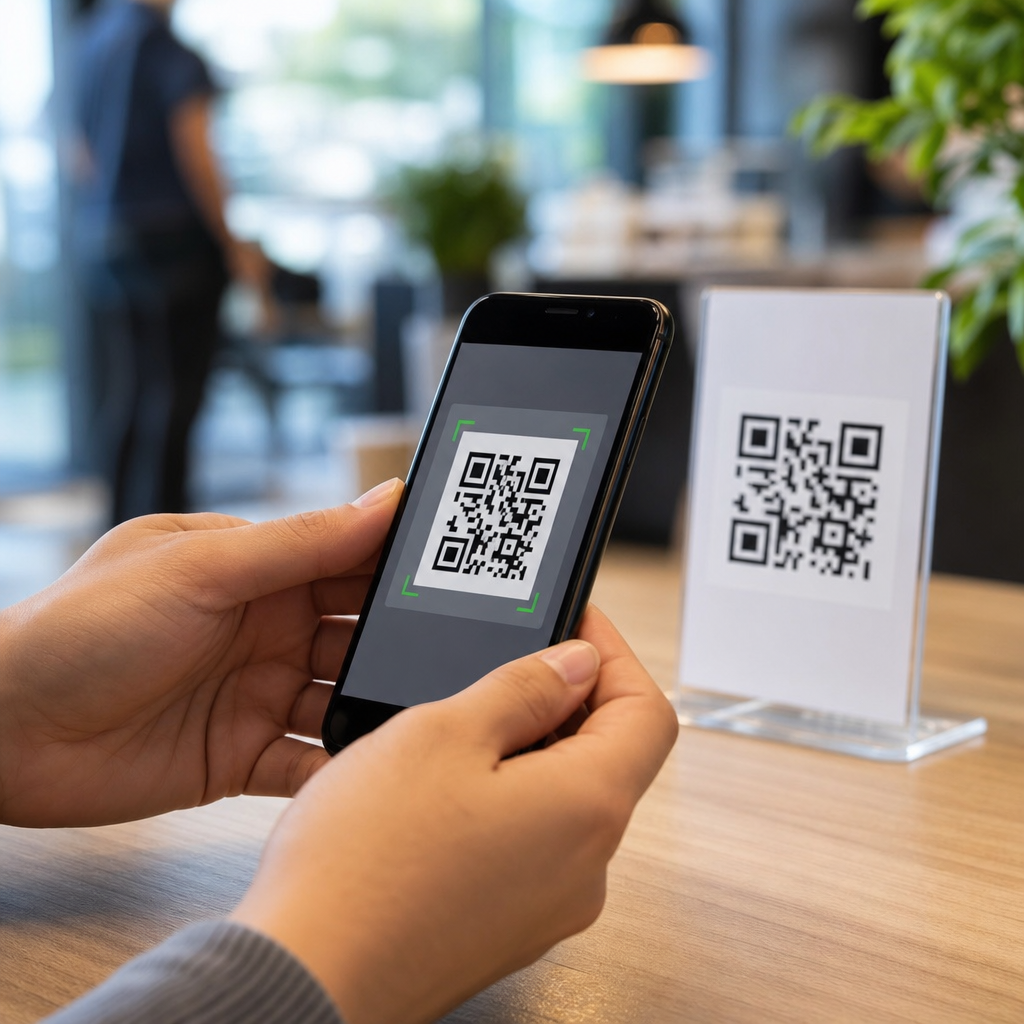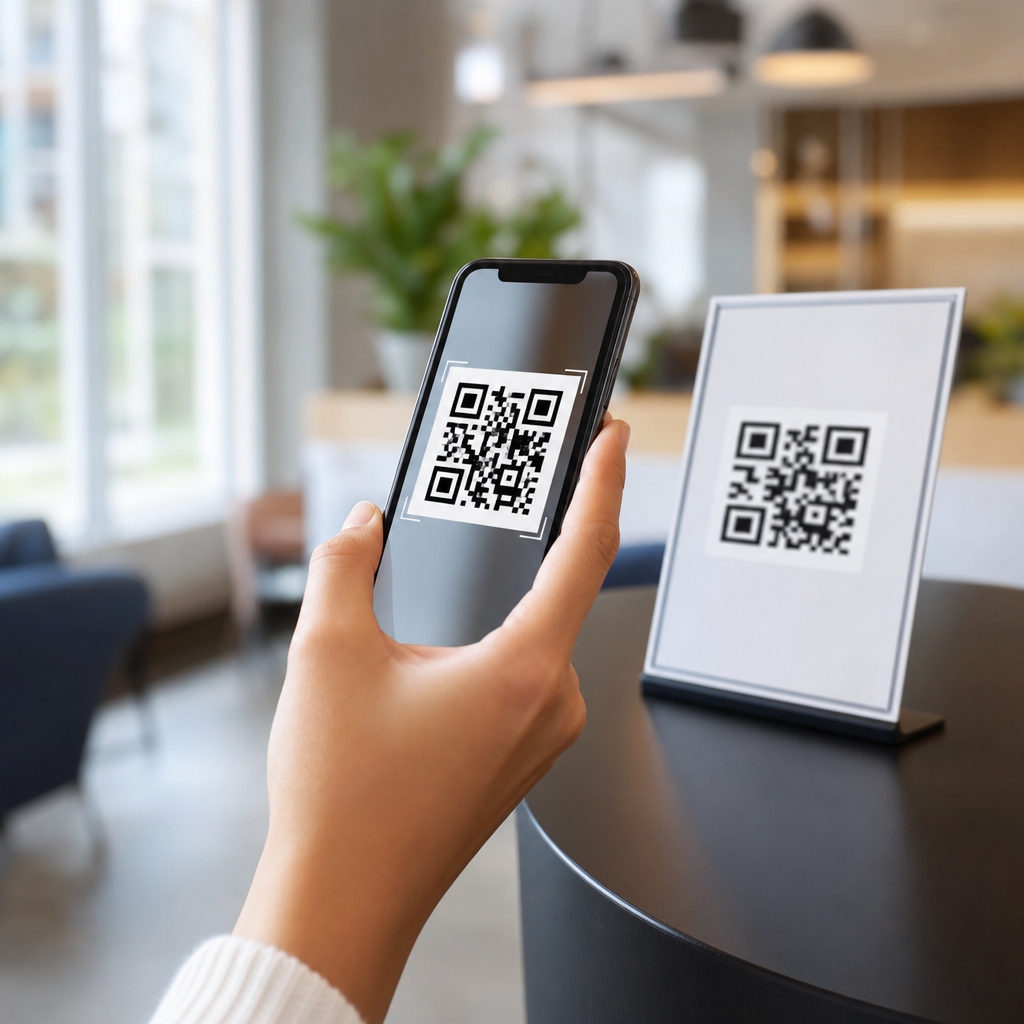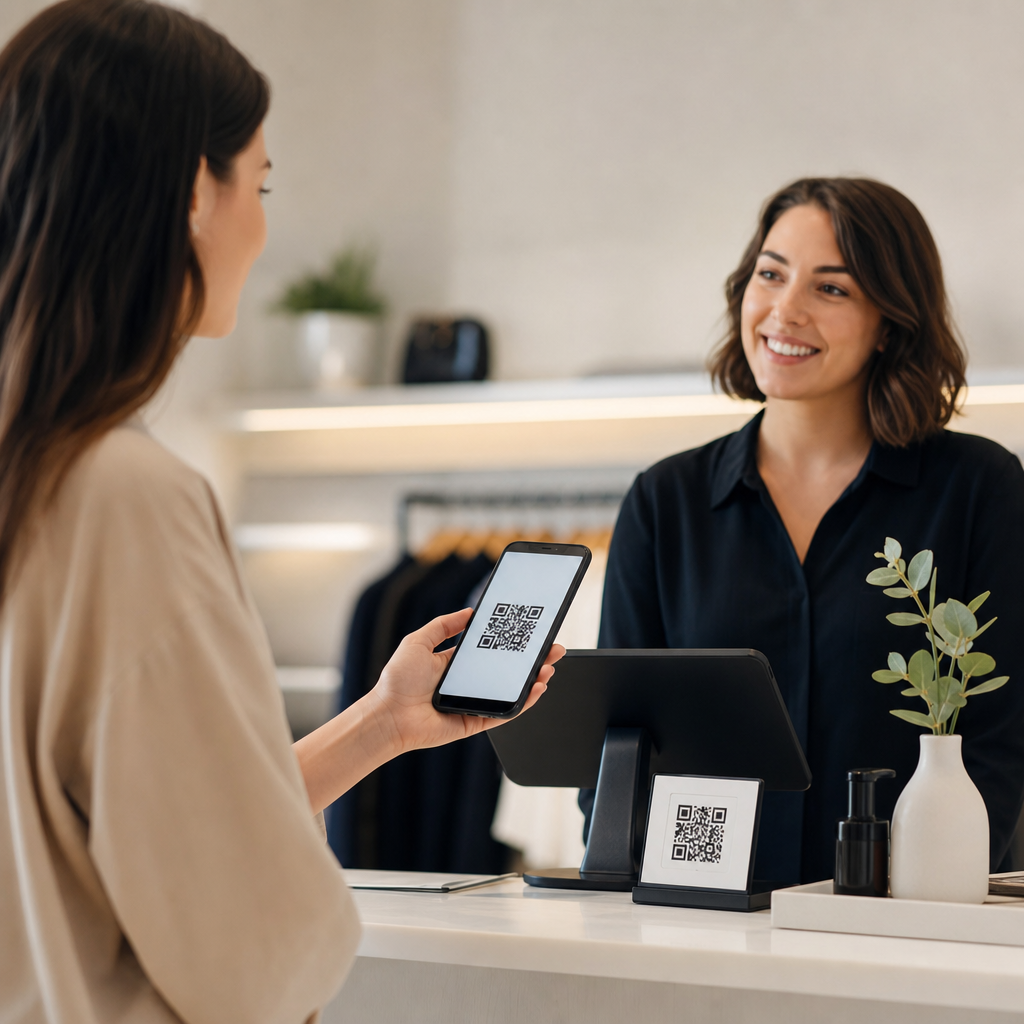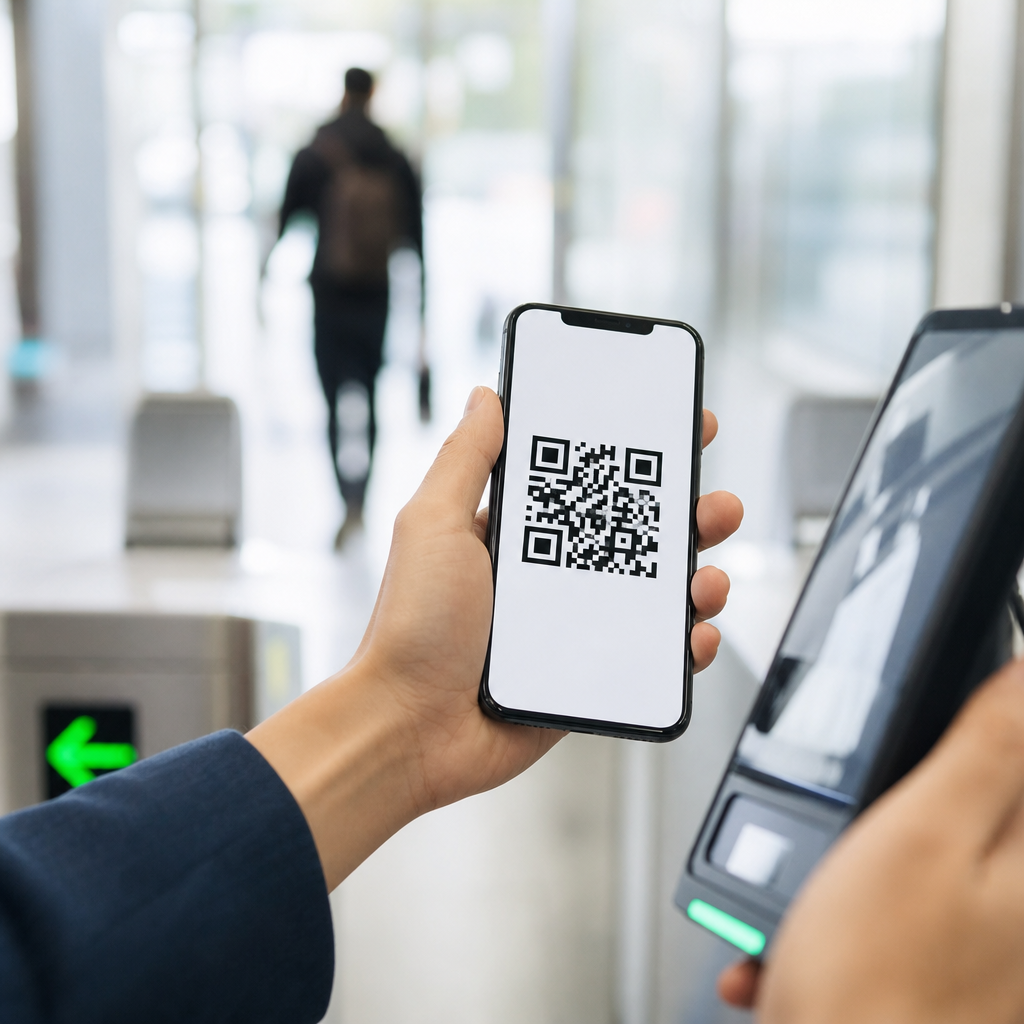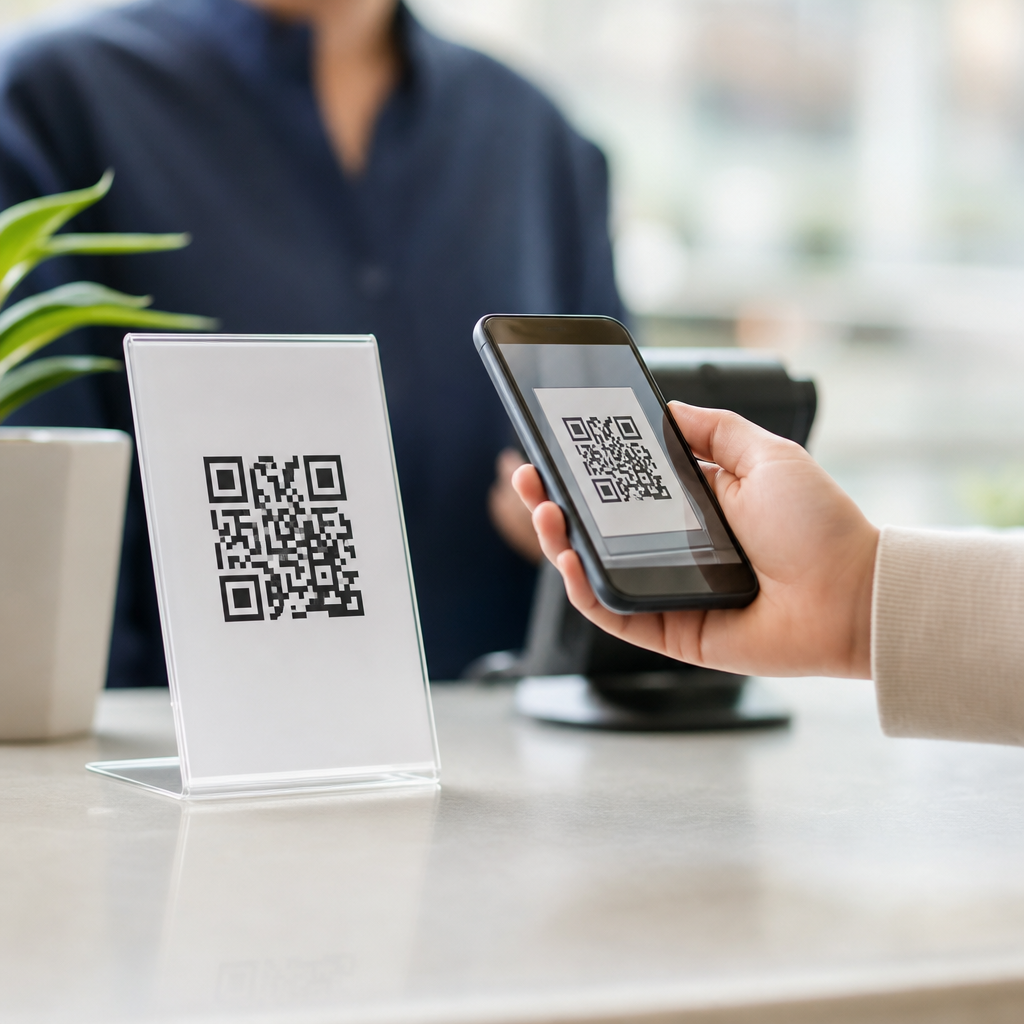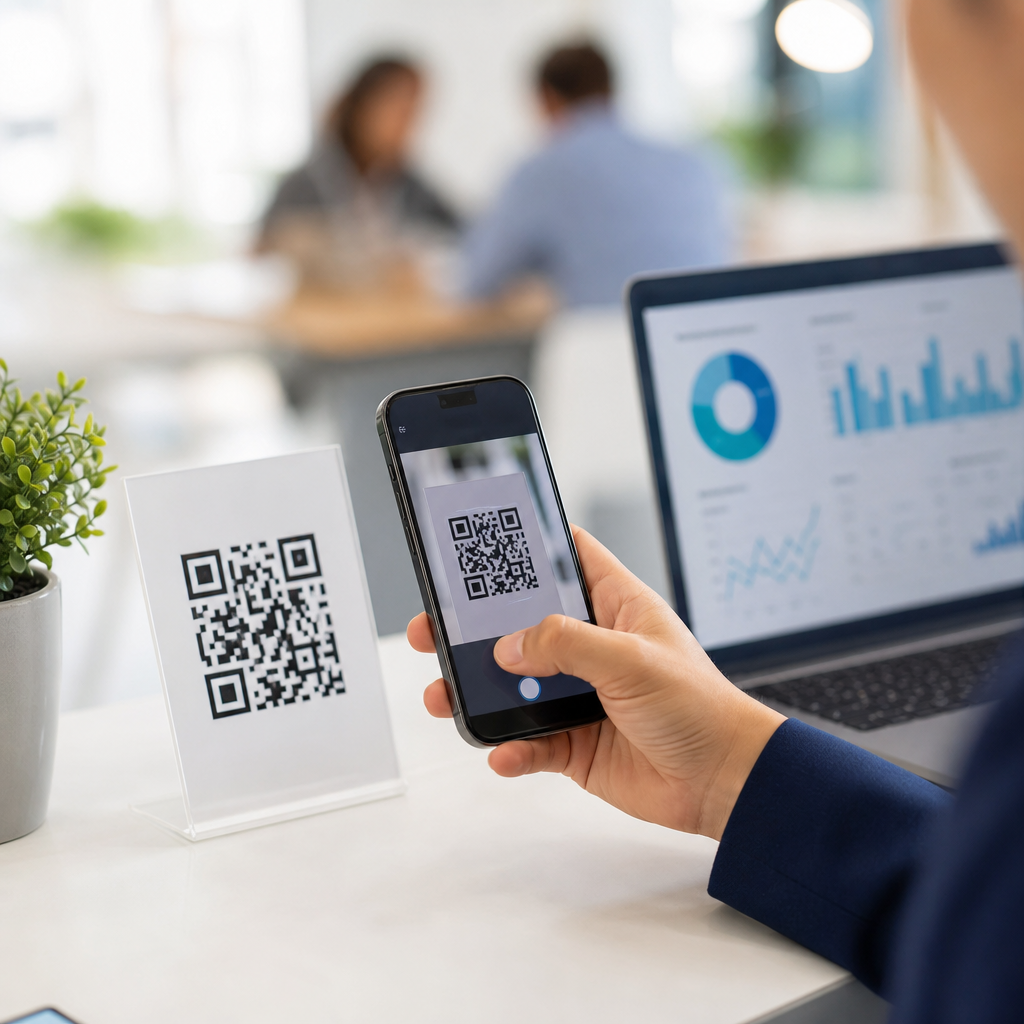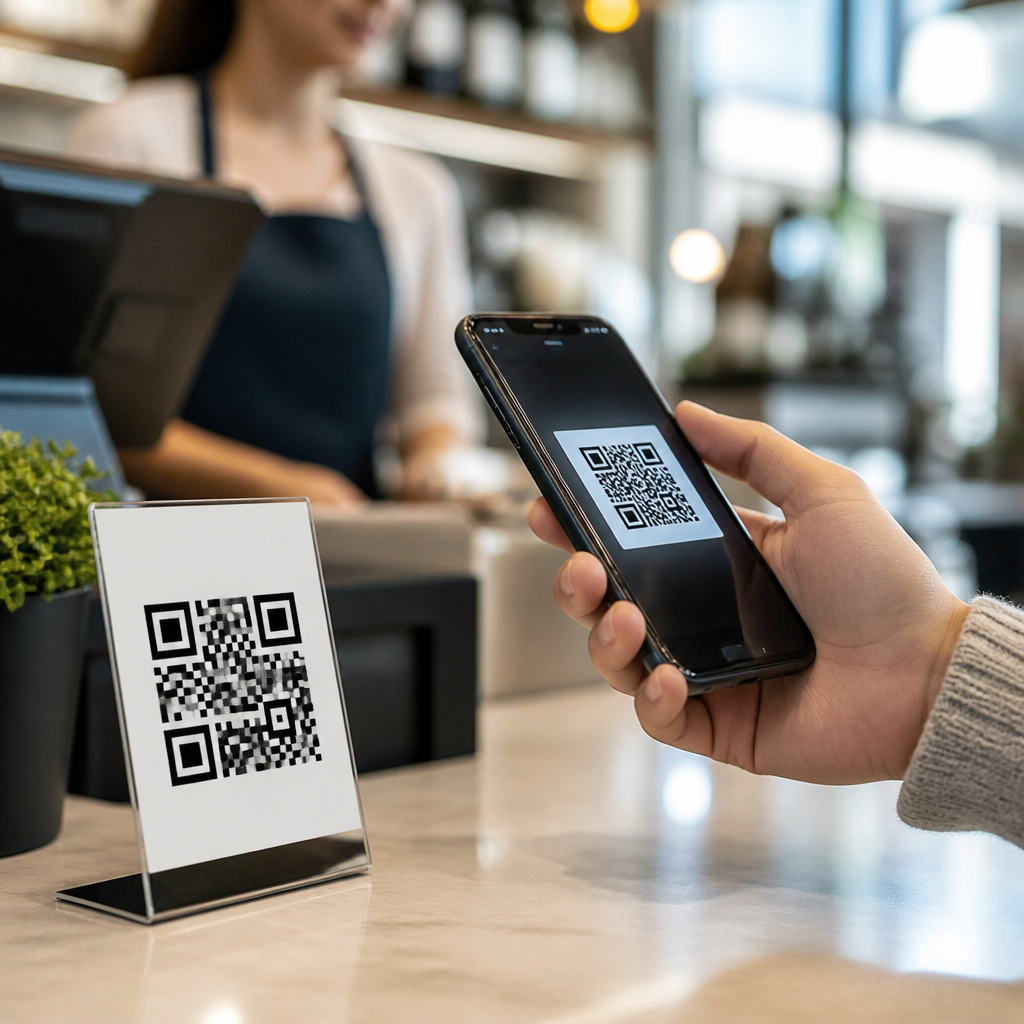
Mobile QR codes are everywhere today because they solve a simple problem better than almost any other mobile technology: they connect a physical moment to a digital action in seconds. A mobile QR code is a two-dimensional barcode designed to be scanned by a smartphone camera, opening a link, downloading a file, launching a payment screen, storing contact details, joining Wi-Fi, or triggering another mobile-friendly task. Unlike traditional one-dimensional barcodes, QR codes store data both horizontally and vertically, which gives them much higher capacity and stronger error correction. That technical advantage is why they work on posters, restaurant tables, packages, tickets, and screens, even when part of the code is smudged or partially blocked.
In practice, mobile QR codes matter because they remove friction. I have used them in retail campaigns, event check-in flows, restaurant ordering systems, and product packaging programs, and the pattern is consistent: when the destination is useful and the scan experience is fast, adoption rises quickly. Their ubiquity today is tied to two changes that happened at the same time. First, smartphone cameras began recognizing codes natively in iOS and Android, eliminating the need for separate scanner apps. Second, businesses needed touchless, low-cost, measurable ways to move customers from offline spaces into digital experiences. A printed square became a practical bridge between the physical and mobile worlds, and that bridge is now part of everyday behavior.
Understanding what mobile QR codes are is essential because this topic sits at the center of broader decisions about customer experience, mobile payments, packaging, signage, analytics, and security. They are not just black-and-white squares. They are distribution tools, conversion tools, and increasingly trust signals. To use them well, you need to know how they work, where they fit, what kinds exist, and why some campaigns succeed while others fail. This guide explains those fundamentals in clear terms so you can evaluate mobile QR codes as a technology, a communication method, and a measurable business asset.
What Are Mobile QR Codes and How Do They Work?
A mobile QR code is a scannable matrix code optimized for interaction with phones. “QR” stands for “Quick Response,” a standard first developed by Denso Wave in 1994 for tracking automotive components. The code contains encoded information inside a grid of dark and light modules. When a smartphone camera scans the symbol, software identifies three position markers, corrects distortion, decodes the data, and converts it into an action the phone understands. That action may be opening a URL, saving a vCard contact, displaying text, composing an SMS, or starting a payment request.
The reason QR codes work so reliably on mobile devices is their structure. They include finder patterns for orientation, alignment patterns for larger sizes, timing patterns that define the grid, and Reed-Solomon error correction that allows recovery even if part of the symbol is damaged. In plain terms, the code can still scan when printed on curved bottles, glossy menus, or outdoor signs with some wear. This resilience explains their use across logistics, transit, consumer packaging, and hospitality.
From a user perspective, the process is straightforward. A person opens a phone camera, points it at the code, sees a prompt, and taps it. That ease matters. Every extra step in a mobile journey lowers completion rates. QR codes succeed because they compress discovery, intent, and action into one gesture. In environments where typing a long URL would be inconvenient, they are often the fastest path available.
Why Mobile QR Codes Became Mainstream
Mobile QR codes existed for years before they became common in Western markets, but mainstream adoption accelerated when phone operating systems removed the usability barrier. Apple added native QR recognition in the Camera app with iOS 11 in 2017. Google’s ecosystem followed through Google Lens and improved camera integration across Android devices. Once scanning no longer required a separate app, consumer behavior changed. The technology stopped feeling experimental and started feeling built in.
The pandemic then pushed adoption from optional to routine. Restaurants replaced printed menus with scan-to-view pages. Offices used codes for visitor registration. Venues shifted to mobile ticketing. Retailers added self-service information and pickup workflows. Health systems used QR codes for check-in, forms, and vaccination records. These were not temporary gimmicks; they trained users to expect scan-based interactions in daily life.
Cost also played a major role. A business can create and print a QR code cheaply, then place it on packaging, windows, mailers, receipts, signs, and product labels. Compared with NFC deployments, dedicated kiosks, or custom hardware, QR implementation is accessible to small businesses. A local café can launch table ordering with little more than laminated cards and a mobile-optimized ordering page. A global brand can place serialized codes on packaging for authentication, loyalty, and traceability. The same basic technology scales from one storefront to millions of units.
Types of Mobile QR Codes and Common Uses
Not all mobile QR codes do the same job. Static codes contain fixed data that cannot be changed after creation. Dynamic codes point to a short redirect URL that can be updated later, allowing marketers or operators to change the destination without reprinting the symbol. Dynamic setups also support analytics such as scan count, time, device type, and approximate location, which is why they are standard in professional campaigns.
Common use cases fall into predictable categories. URL codes send users to landing pages, product information, app downloads, or support articles. Payment codes support wallets and account-based transactions, especially in markets where QR payments became everyday behavior. Contact codes save names, phone numbers, and email details into a device. Wi-Fi QR codes let guests connect without typing a password. App deep-linking codes open a specific screen within an installed app or route a user to the correct app store first.
| QR code type | Primary mobile action | Typical example |
|---|---|---|
| URL | Open a webpage or landing page | Restaurant menu, campaign page, product guide |
| Dynamic URL | Redirect to changeable destination with tracking | Print ad, packaging campaign, event poster |
| Payment | Launch a payment flow | Peer-to-peer payment, merchant checkout |
| vCard | Save contact details | Business card, trade show badge |
| Wi-Fi | Join a wireless network | Hotel lobby, office guest network, café |
Choosing the right type depends on the user’s intent. If the information may change, use a dynamic code. If the goal is speed and permanence, a static format may be enough. In my experience, many poor deployments come from using the wrong code type rather than from the technology itself.
Where You See Mobile QR Codes Today
Mobile QR codes are now embedded in consumer routines because they appear at the exact points where people need quick access to information. In restaurants, they replace or supplement menus, table ordering, feedback forms, and loyalty enrollment. In retail, they connect shelf displays and packaging to reviews, ingredient details, setup instructions, warranty registration, and replenishment flows. On transit systems and at events, they serve as tickets, boarding passes, and access credentials that can be validated rapidly by scanners.
Product packaging is one of the most important growth areas. Brands use codes to tell product stories, verify authenticity, meet traceability requirements, and extend the shelf experience after purchase. A cosmetics brand may link to shade tutorials and ingredient sourcing. A food manufacturer may link to allergen details or recycling instructions. Industrial suppliers increasingly place QR codes on equipment for maintenance records, manuals, and replacement part ordering.
Internal business operations also rely on them. Warehouses use QR labels for inventory and picking. Field service teams scan asset tags for service histories. Hospitals apply them to patient workflows, medication administration, and device management, usually alongside stricter compliance systems. The common thread is efficiency: a scan retrieves the right record or action faster than manual search.
Benefits, Limits, and Best Practices
The main benefit of mobile QR codes is reduced friction. They shorten the path from interest to action, lower typing errors, and work across printed and digital surfaces. They are also measurable. With dynamic QR platforms such as Bitly, QR Code Generator PRO, Beaconstac, or Scanova, teams can track scan volume and compare placements. That feedback helps improve signage, calls to action, and landing-page relevance.
There are limits. A QR code does not create demand by itself; it only accelerates access. If the destination page is slow, not mobile-friendly, or irrelevant, scan performance will disappoint. Trust is another issue. Users hesitate when the code gives no clue about what will happen next. That is why strong deployments label the action clearly: “Scan to view ingredients,” “Scan to pay,” or “Scan for setup video.” Accessibility matters too. Codes must be sized appropriately, placed with contrast, and tested across lighting conditions and device cameras.
Security should never be ignored. Malicious actors can place stickers over legitimate codes or use deceptive redirects. Businesses should use branded domains where possible, monitor physical placements, and avoid sending users to ambiguous URLs. For consumers, the safe habit is simple: preview the destination before tapping and avoid entering sensitive data on unfamiliar pages. Good QR strategy balances convenience with verification, especially in payments and identity-related workflows.
How to Use This Mobile QR Code Basics Hub
This hub exists to answer the foundational question, “What are mobile QR codes?” but it should also guide next steps. If you are evaluating QR codes for marketing, focus on dynamic links, campaign tracking, and landing-page design. If your use case is operations, study printing standards, scan distance, durability, and data governance. If your priority is payments, compare merchant acceptance methods, wallet compatibility, and fraud controls. Each path uses the same symbol but demands different implementation details.
The essential takeaway is that mobile QR codes are everywhere today because they are easy for users, inexpensive for organizations, and adaptable across industries. They turn a phone camera into an instant gateway between offline and online experiences. Used well, they improve speed, convenience, and measurement. Used poorly, they create confusion and drop-off. Start with a clear user need, choose the right code type, test the mobile destination thoroughly, and label the action honestly. That approach will do more than increase scans; it will make QR codes genuinely useful.
Frequently Asked Questions
What is a mobile QR code, and why has it become so common?
A mobile QR code is a two-dimensional barcode built to be scanned by a smartphone camera, allowing a user to move from an offline moment to an online action almost instantly. Instead of typing a web address, downloading an app manually, entering payment information, or searching for a file, the user simply points their phone at the code and taps the prompt. That small action can open a website, launch a menu, start a payment, save contact details, connect to Wi-Fi, download a document, or trigger many other mobile-friendly tasks.
The reason mobile QR codes are now everywhere is simple: they remove friction. Businesses, schools, restaurants, event organizers, healthcare providers, and consumers all benefit from a faster way to connect the physical world with digital content. They are inexpensive to create, easy to print or display on screens, and familiar to most smartphone users. As phone cameras improved and built-in QR scanning became standard on iPhone and Android devices, the technology went from niche to mainstream. In practical terms, mobile QR codes became common because they solve a universal problem better than many alternatives: they help people act immediately, with fewer steps, at the exact moment interest is highest.
Why are mobile QR codes more useful than traditional barcodes or typed links?
Traditional one-dimensional barcodes were designed mainly for identification, especially in retail and inventory systems. They work well for tracking products, but they are limited in how much information they can store and what they can do for a smartphone user in real time. A mobile QR code, by contrast, can store much more data and can direct users to a wide range of actions. That makes it far more useful in everyday customer experiences, marketing, operations, and digital services.
Compared with typed links, QR codes offer a major convenience advantage. Asking someone to manually enter a long URL, search for a business page, or find a digital form creates unnecessary delay and increases the chances of user drop-off. A QR code compresses that process into a fast camera scan. It reduces errors, saves time, and improves completion rates because it meets users where they already are: on their phones, in the moment. This is especially valuable in public places, packaging, signage, receipts, tables, posters, and product labels where immediate access matters.
Another important benefit is flexibility. A single mobile QR code can support payments, downloads, sign-ups, app installs, authentication, ticketing, support pages, and interactive campaigns. In many cases, dynamic QR codes can also be updated behind the scenes without changing the printed code itself. That combination of convenience, capacity, and adaptability is a major reason QR codes have become more useful than older offline-to-online tools.
Where are mobile QR codes most commonly used today?
Mobile QR codes are now used across nearly every industry because they fit so many real-world situations. In restaurants and hospitality, they are commonly used for digital menus, ordering, feedback forms, promotions, and guest Wi-Fi access. In retail, they appear on packaging, shelf displays, receipts, and storefronts to deliver product details, reviews, coupons, loyalty sign-ups, and mobile checkout options. At events, they help attendees access tickets, schedules, maps, speaker information, and check-in systems without needing printed materials.
They are also widely used in payments. Many consumers now scan QR codes to pay in stores, donate to charities, split bills, or complete peer-to-peer transactions. In offices and workplaces, QR codes can be used for visitor check-in, equipment tracking, training materials, internal resources, and secure links to forms or instructions. In healthcare, they can connect patients to appointment details, intake forms, prescription information, or educational resources. Schools and universities use them for campus maps, assignments, attendance, and student services.
One reason adoption keeps growing is that mobile QR codes work equally well in physical and digital environments. They can be printed on posters, labels, flyers, business cards, mailers, and product boxes, or displayed on screens, kiosks, presentations, and TV ads. That broad usefulness makes them one of the most versatile mobile tools available today.
Are mobile QR codes safe to use?
Mobile QR codes are generally safe, but like any technology that opens links or launches actions, they should be used with basic caution. The QR code itself is not inherently dangerous. The real issue is where it leads. A code can direct a user to a trusted website, a payment page, a document, or a contact card, but it can also be used maliciously if someone replaces a legitimate code with one that points to a fraudulent site. That is why users should pay attention to link previews, check whether the destination looks legitimate, and avoid scanning codes from suspicious sources.
For organizations, QR code safety comes down to trust, visibility, and maintenance. Businesses should place codes in secure, clearly branded contexts and link them to recognizable domains. If a code is used for payments, sign-ins, or data collection, the destination should use secure HTTPS pages and follow normal privacy and security best practices. Physical QR codes in public areas should also be monitored to make sure they have not been tampered with or covered by fake stickers.
When deployed responsibly, mobile QR codes are a safe and efficient tool. In fact, many brands use them precisely because they simplify secure access to official digital resources. The best approach is the same one people should apply to any mobile interaction: scan thoughtfully, verify the destination, and only proceed when the source appears credible.
Why do businesses and marketers rely so heavily on mobile QR codes now?
Businesses and marketers rely on mobile QR codes because they create a direct, measurable path from attention to action. When someone sees a product display, ad, poster, package, menu, or in-store sign, the code gives them an immediate way to respond. That might mean visiting a landing page, claiming an offer, watching a demo, downloading an app, joining a loyalty program, following a brand on social media, or making a purchase. The faster that path is, the more likely users are to complete it, which is exactly why QR codes perform so well.
Another major advantage is trackability. Dynamic mobile QR codes can often provide data on scans, time, location, device type, and campaign performance. That gives marketers valuable insight into how offline materials are performing and where customer engagement is strongest. Instead of guessing whether a flyer, package insert, billboard, or table tent worked, businesses can review actual scan activity and optimize future campaigns based on real behavior.
QR codes also support modern customer expectations. People increasingly want self-service access, touch-friendly interactions, and fewer unnecessary steps. Mobile QR codes align perfectly with that behavior because they let users move at their own pace using the device already in their hand. For brands, the appeal is practical: QR codes are low-cost, fast to deploy, easy to update, and effective across industries. That combination of convenience, performance, and measurable results explains why they have become a standard tool in business communication and mobile marketing.