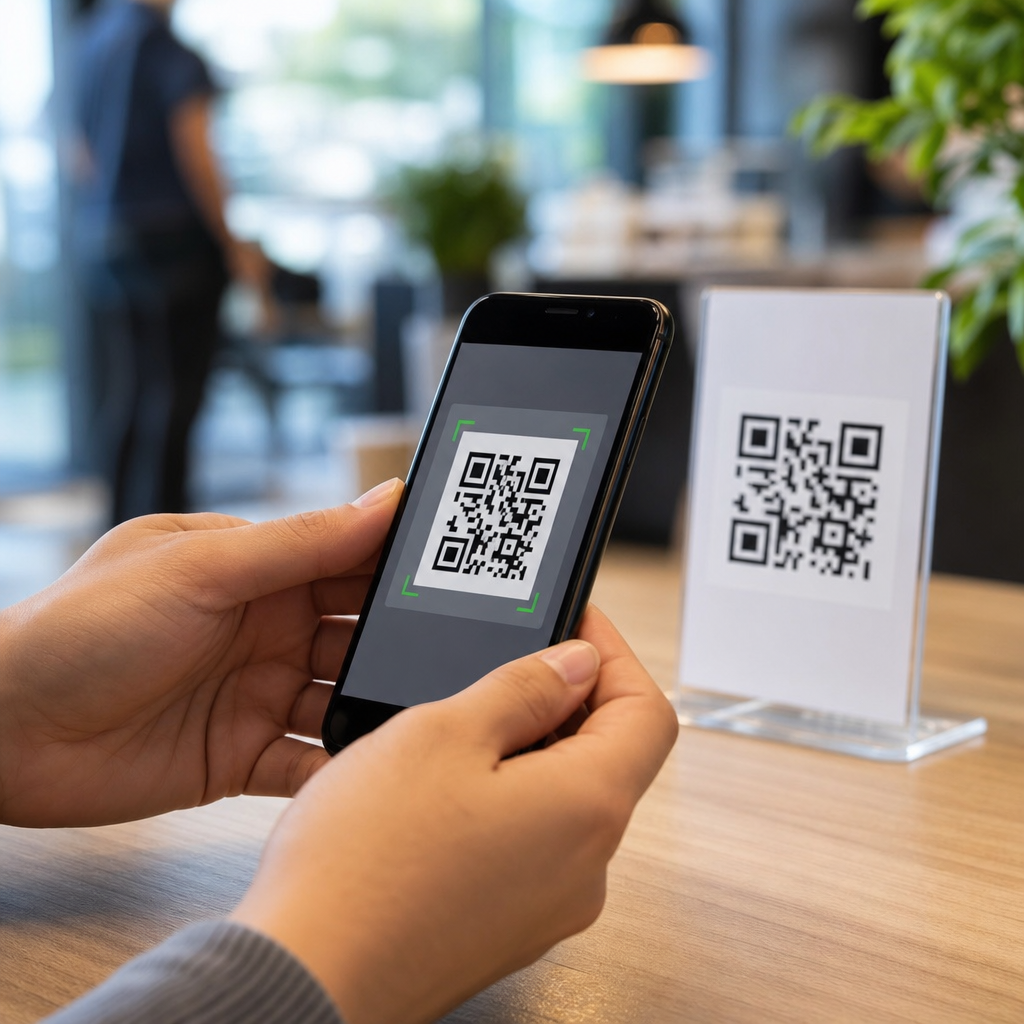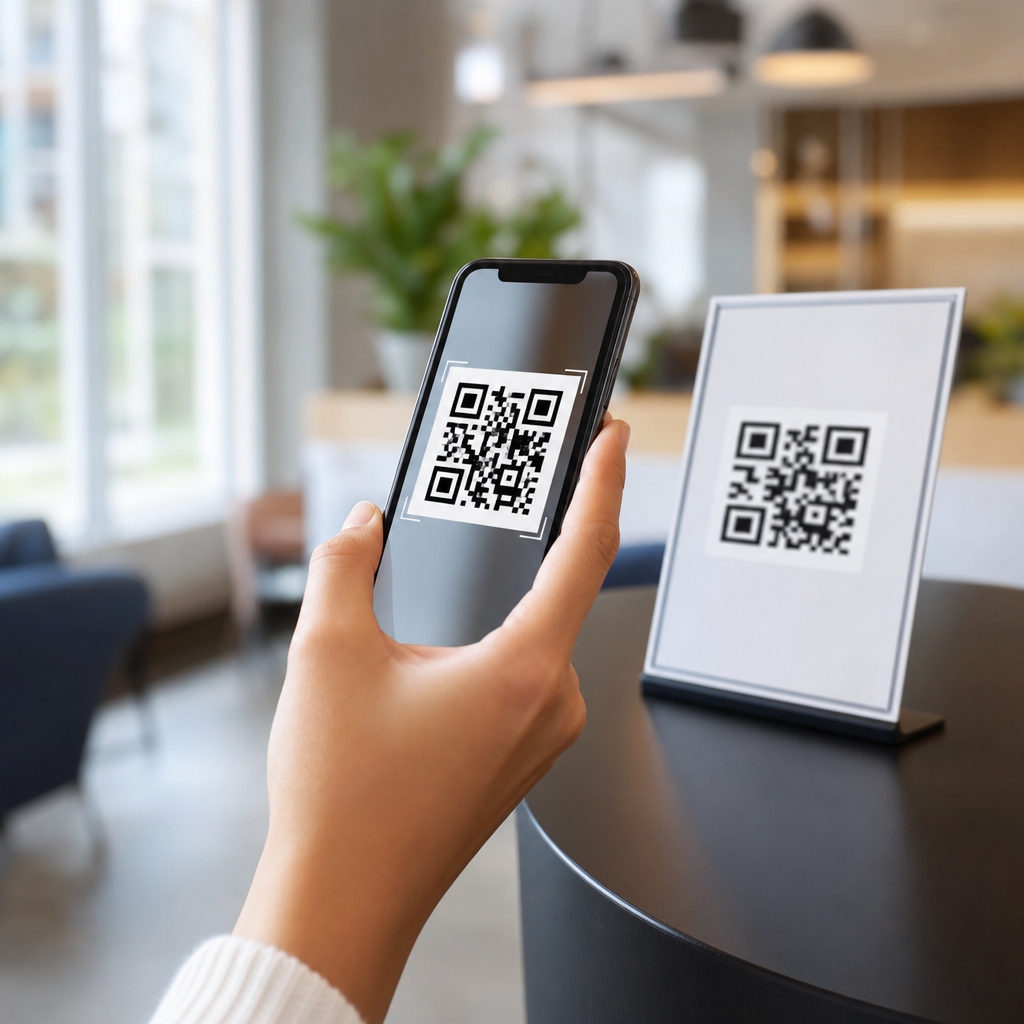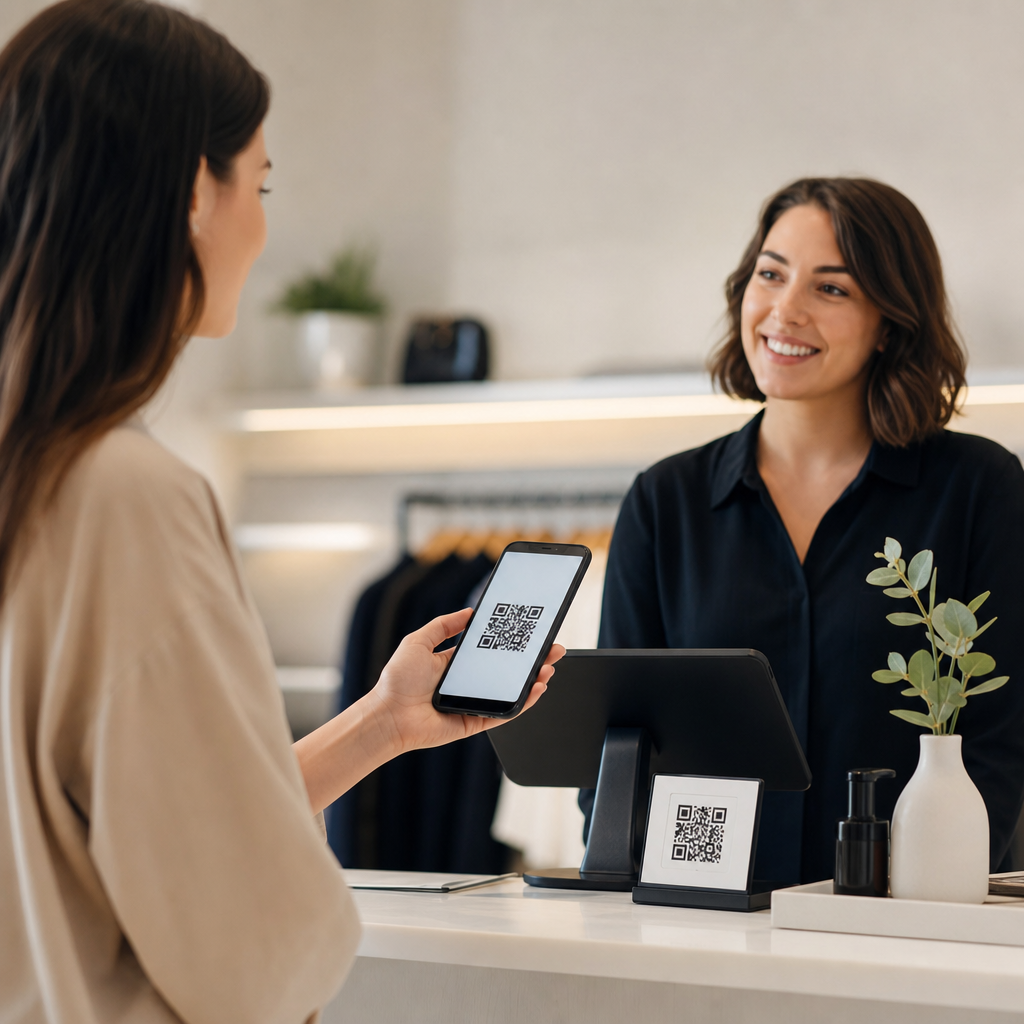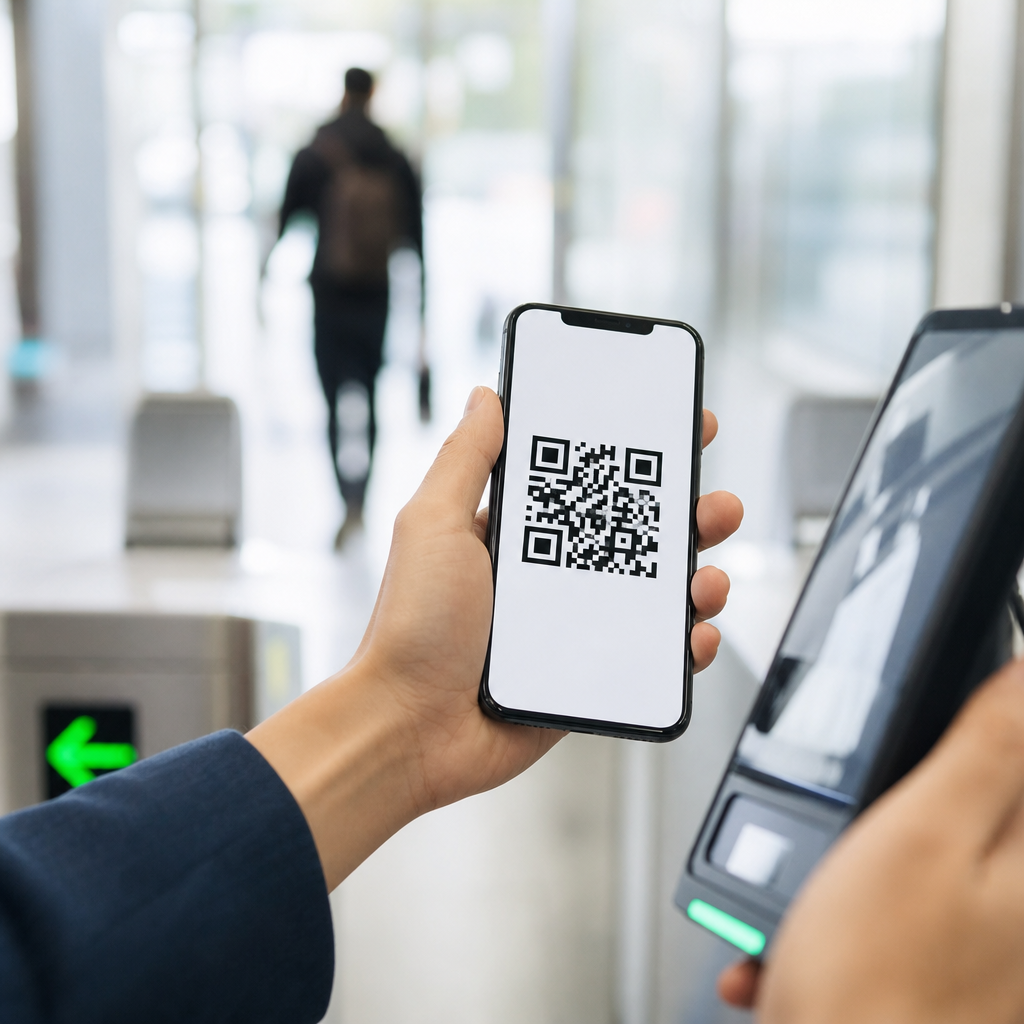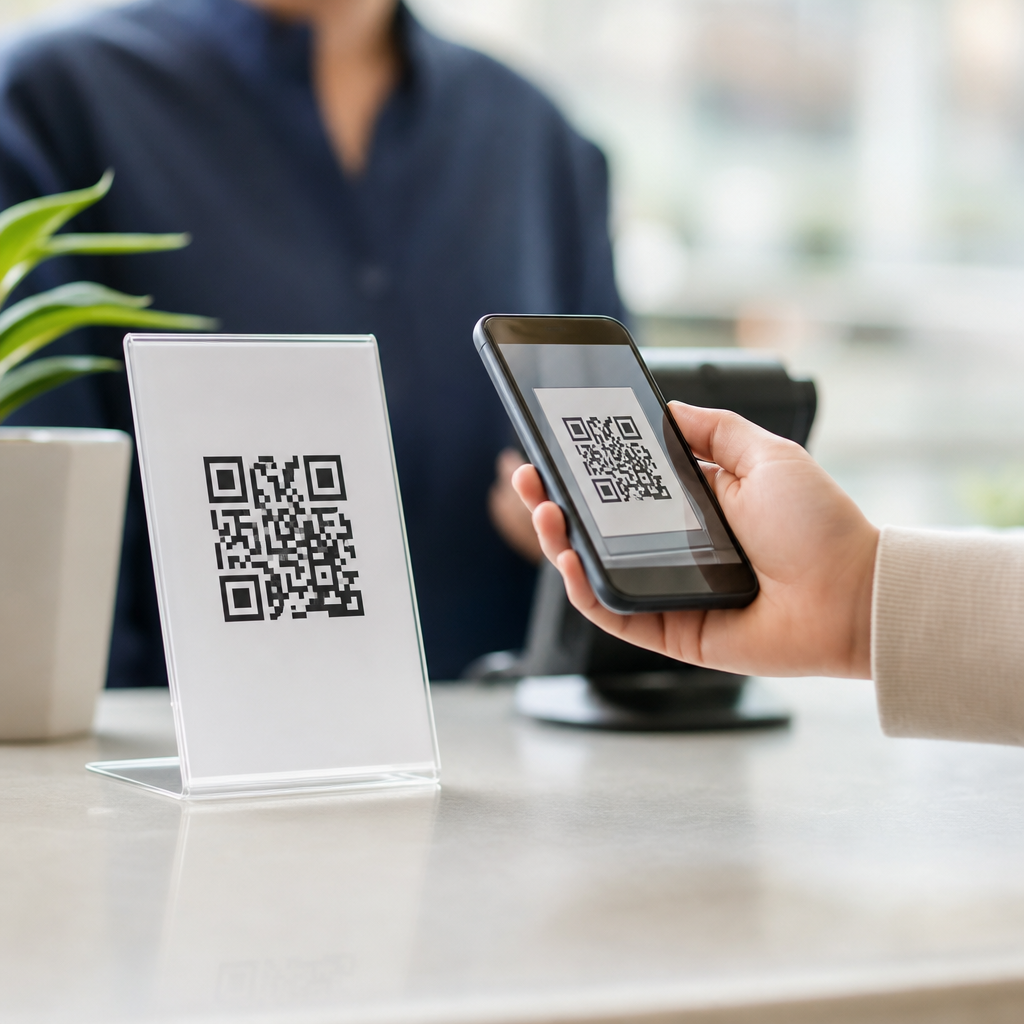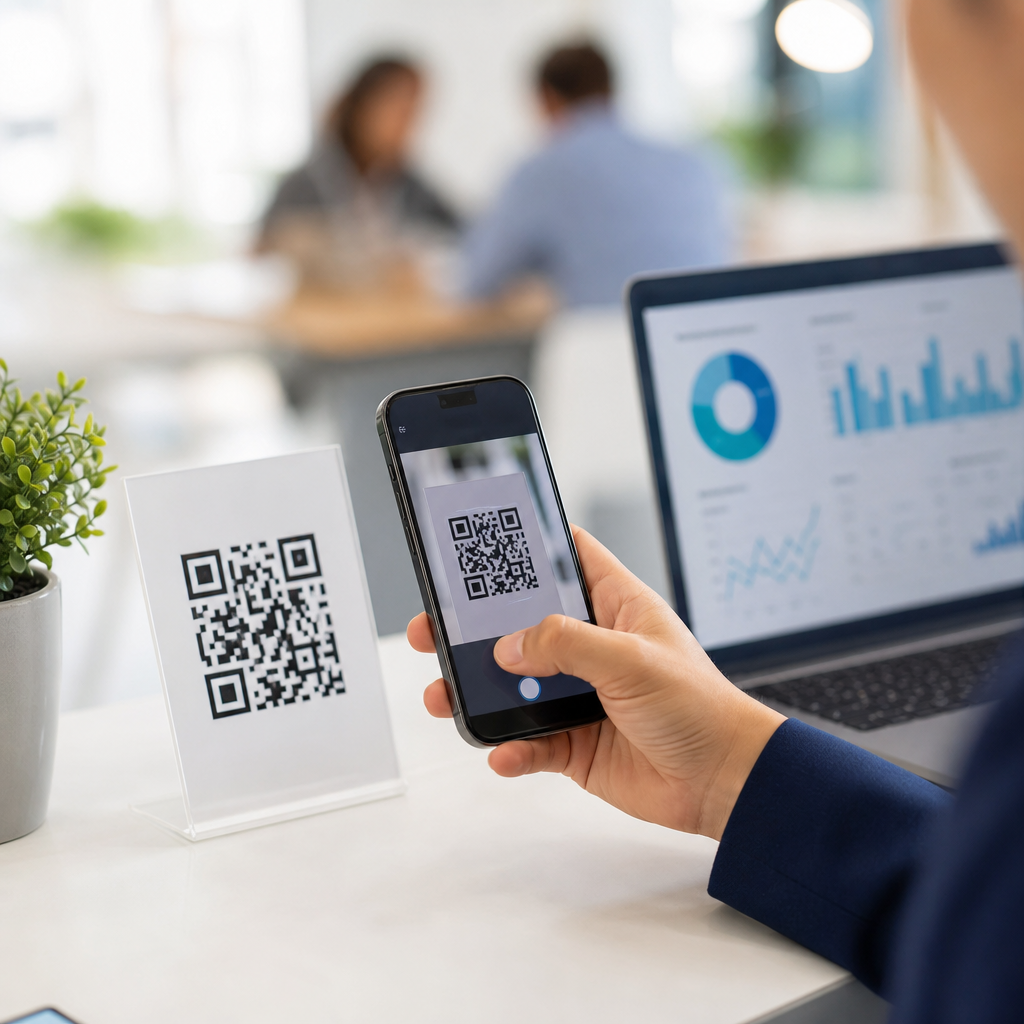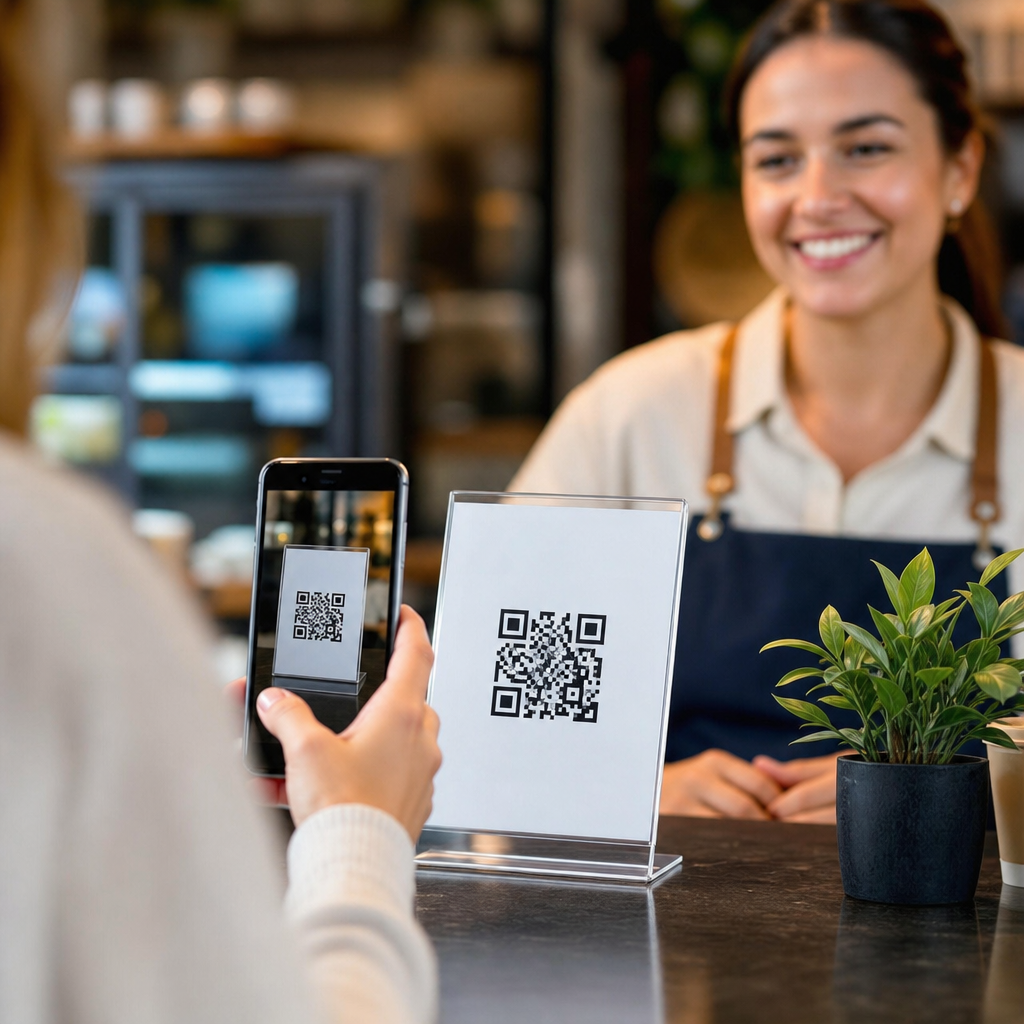
QR codes have moved from novelty to infrastructure, and the brands using them well are not treating them as simple black-and-white squares. They are using them as bridges between physical attention and digital action. In mobile marketing, retail, events, packaging, restaurants, and public services, successful QR code campaigns solve a specific user problem first: faster access, clearer information, easier payment, or measurable engagement. That is why studying real-world examples of successful QR code campaigns matters. The winners are rarely the flashiest programs. They are usually the ones with the clearest call to action, the shortest path to value, and the strongest alignment between where the code appears and what the user expects after scanning.
For teams building a Mobile QR Code Basics content strategy, common use cases are the foundation. A QR code campaign is any planned effort that places scannable codes on physical or digital touchpoints to drive a measurable outcome, such as product discovery, app installs, menu access, coupon redemption, lead capture, or support deflection. Static QR codes send users to a fixed destination. Dynamic QR codes route through a managed short link, allowing updates, campaign tagging, scan analytics, and A/B testing without reprinting assets. In practice, dynamic codes are what most successful campaigns use because they support governance, attribution, and iteration. I have seen campaigns fail simply because teams printed static codes on thousands of units, then had no way to update a broken landing page or expired offer.
What separates a good campaign from a bad one is not the code itself. It is the surrounding experience: placement, labeling, destination design, load speed, analytics, and compliance with privacy and accessibility expectations. The examples below show how organizations use QR codes in the real world, what makes those campaigns work, and where the limits are. As a hub page, this article maps the main use cases that support deeper guides on packaging, payments, menus, events, loyalty, and customer support.
Product packaging and retail shelf campaigns
Product packaging is one of the most durable QR code use cases because it turns every unit into a media surface. Brands place codes on boxes, labels, hang tags, and shelf talkers to connect shoppers with ingredients, tutorials, registration pages, warranties, and promotions. One of the best-known examples is Coca-Cola’s use of QR codes on limited packaging to unlock digital experiences and promotions. The campaign logic is simple: the package already has attention, so the code extends that moment into a measurable session. Another strong example comes from beauty and electronics brands that use package QR codes for setup videos and authenticity checks. When a customer scans a code on a skincare product and reaches a page explaining ingredients, usage order, and patch-test guidance, the code is doing service, compliance, and conversion work at once.
Retail shelf campaigns work for a different reason: they support decision-making before purchase. A shelf sign QR code can link to comparison charts, reviews, inventory details, or mobile coupons. Home improvement stores have used QR codes to route shoppers to installation videos because many buyers need confidence more than persuasion. In my experience, shelf campaigns perform best when the text answers the customer’s immediate question, such as “See installation steps” or “Check sizes in stock.” Vague prompts like “Scan me” underperform because they force the shopper to guess the benefit. The strongest retail examples also use UTM parameters, geotagged placements, and separate codes by aisle or display, allowing teams to measure which physical touchpoints actually influence sales.
Restaurants, hospitality, and service access
Restaurant QR menus became mainstream during the pandemic, but the lasting lesson is broader than contactless access. Successful hospitality campaigns remove friction during moments when speed matters. A well-designed QR menu opens instantly, loads cleanly on mobile, presents categories clearly, and supports upsells such as specials, add-ons, or allergy information. Toast, Square, and similar platforms normalized this workflow by making digital menus easy to update across locations. Restaurants that paired table QR codes with ordering, payment, and loyalty enrollment often kept the system because it reduced print costs and shortened the service cycle.
Hotels and venues expanded the model. Room cards, check-in desks, and in-room placards now commonly use QR codes for Wi-Fi access, digital concierge services, maintenance requests, spa booking, and local recommendations. Marriott and other major groups have tested mobile-first service touchpoints because guests increasingly expect self-service options. The key operational insight is that QR codes work best when they route to one high-intent task, not a cluttered microsite. A code labeled “Request late checkout” should open that form directly. A code labeled “See breakfast hours” should not force the guest through a menu tree. Service access campaigns succeed because they respect context and reduce staff dependency without removing hospitality.
Events, out-of-home media, and omnichannel engagement
Events are one of the clearest examples of successful QR code campaigns because intent is already high. Attendees want schedules, maps, speaker bios, lead capture forms, and post-session materials. Organizers use QR codes on badges, signage, booth displays, and presentation slides to connect those needs to a mobile experience. Trade show exhibitors often place different dynamic QR codes on each booth zone, then compare scans by product line. That setup helps sales teams qualify interest with more precision than a generic business card drop. During conferences I have supported, the highest scan rates came from codes tied to immediate utility, such as “Download the deck” or “Book a demo for this feature,” not broad homepage links.
Out-of-home advertising is another important common use case. When Burger King ran its “QR Whopper” campaign on television in the United States, the moving QR code turned a passive ad into an interactive one by rewarding viewers with a deal in the app. The campaign stood out because the incentive was immediate and the next step was obvious. Similar principles apply to transit posters, billboards, and window signage. A commuter will scan only if the destination justifies the effort and the environment allows it safely. That means large code size, strong contrast, short scan distance, and a landing page designed for mobile networks, not office broadband.
| Use case | Typical goal | What successful campaigns do | Common failure point |
|---|---|---|---|
| Packaging | Education, loyalty, authenticity | Link to product-specific content and track by SKU | Generic destination for every product |
| Retail shelf | Purchase confidence | Answer one buying question immediately | Weak call to action |
| Restaurant tables | Menu access, ordering, payment | Fast mobile pages with clear categories | Slow PDFs and poor signal handling |
| Events | Lead capture and content delivery | Use separate codes by session or booth area | Sending all traffic to the homepage |
| OOH and TV | Instant response at scale | Offer one compelling action with incentive | Code too small or difficult to scan |
Payments, loyalty, and post-purchase support
Payments are among the most practical QR code campaign examples because the value proposition is immediate: complete a transaction. In China, Alipay and WeChat Pay made merchant-presented and customer-presented QR payments routine long before Western markets caught up. The lesson for other regions is not simply that QR payments are popular. It is that they succeed when the workflow is standardized, trusted, and faster than alternatives. Small merchants adopted QR payments because setup costs were lower than traditional card infrastructure, while customers adopted them because scanning became habitual inside widely used apps.
Loyalty and post-purchase support extend the same logic. Starbucks and other major chains have trained customers to scan for rewards, reload balances, and redeem offers within a tight mobile loop. On the support side, consumer electronics brands often place QR codes on products, quick-start guides, and warranty cards so buyers can activate devices, find manuals, open support tickets, or verify eligibility. This reduces call-center volume and improves first-contact resolution because customers land on the exact model page instead of searching manually. The most reliable campaigns connect the code to a knowledge base, CRM, and analytics stack such as Google Analytics 4, a QR management platform, and a customer support system like Zendesk or Salesforce Service Cloud. That integration allows teams to measure not just scans, but outcomes such as registrations completed, cases avoided, and repeat purchases generated.
What these campaigns teach marketers and operators
Across industries, the same principles keep appearing. First, the destination must match the moment. If someone scans from packaging, they usually want product information, not a corporate homepage. If they scan from a table tent, they want a menu, not a brand story. Second, campaign measurement has to be designed before printing. Dynamic QR codes, campaign taxonomy, UTM standards, and event tracking are not optional if the goal is optimization. Third, design details matter. According to ISO/IEC 18004 standards for QR code symbology, error correction levels and print quality affect readability, but real-world performance also depends on quiet zone spacing, glare, curved surfaces, and camera autofocus behavior. I routinely recommend testing across older Android devices, current iPhones, low light, and weak connectivity before launch.
There are also limitations. Not every audience wants to scan. Desktop-heavy B2B contexts, poor mobile reception, or low-trust environments can suppress adoption. Accessibility matters as well. Printed instructions should explain the benefit in plain language, and essential information should not be available only through a code. Security is another concern because users know QR phishing exists. Trust improves when codes appear on branded materials, use recognizable domains, and lead to secure HTTPS pages. The practical lesson is simple: successful QR code campaigns are not about putting codes everywhere. They are about placing them where they remove friction, then proving the business result with clean data. If you are building out Mobile QR Code Basics content, start with the use case that matches customer intent most clearly, test the full scan-to-action journey, and iterate from measurable behavior.
Frequently Asked Questions
What makes a QR code campaign successful in the real world?
A successful QR code campaign does not begin with the code itself. It begins with a clear user need and a practical reason to scan. The strongest real-world examples work because they remove friction at the exact moment a customer wants speed, clarity, or convenience. In retail, that might mean scanning for product details, reviews, or instant discounts. In restaurants, it could mean faster menu access and easier payment. At events, it often means seamless check-in, schedules, maps, or exclusive content. In each case, the QR code acts as a bridge between physical attention and digital action.
What separates high-performing campaigns from forgettable ones is execution. The call to action must be obvious, the landing experience must be mobile-friendly, and the destination must deliver immediate value. Brands that succeed usually make the scan feel worth it within seconds. They also place codes in the right context, such as on packaging, posters, tables, receipts, or product displays, where users naturally pause and are likely to engage. On top of that, strong campaigns are measurable. Marketers can track scans, time, location, conversion paths, and follow-up actions, which turns a simple square into a performance channel. In other words, success comes from utility first, design second, and measurement throughout.
What are some strong examples of brands using QR codes effectively in retail and packaging?
Retail and packaging offer some of the best examples of QR code success because they connect in-store interest with digital information at the point of decision. Many consumer brands now place QR codes on packaging to provide ingredient sourcing, product tutorials, authentication details, sustainability information, warranty registration, or loyalty rewards. This is especially effective when the packaging cannot realistically hold all the information a customer may want. Instead of forcing people to search online, the brand creates a direct path from shelf or product to the exact information that supports purchase confidence.
In stores, QR codes have also been used well on shelf tags, end-cap displays, mirrors, and signage. A fashion retailer might link a code to available sizes, styling suggestions, or alternate colors. A home goods brand might use a code to show assembly videos or room inspiration. Electronics brands often connect scans to specifications, compatibility details, and user reviews. These examples succeed because they reduce uncertainty and help customers move forward faster. The best campaigns do not ask users to scan out of curiosity alone; they answer a real buying question. That practical value is why QR codes on packaging and in retail environments have become more than a novelty. They now function as part of the customer experience and the conversion funnel.
How have restaurants and hospitality businesses used QR codes successfully?
Restaurants and hospitality businesses helped normalize QR code behavior by applying it to immediate, high-utility tasks. Digital menus are one of the most familiar examples, but the most successful implementations go further than simply replacing paper. They allow guests to browse menus quickly, view photos, identify allergens, explore ingredients, access promotions, place orders, split bills, and pay without waiting for staff assistance. In fast-paced environments, that convenience directly improves customer satisfaction while also helping operations run more efficiently.
Hotels, cafes, bars, and quick-service brands have also used QR codes to improve guest communication and reduce friction. A hotel might place codes in rooms for room service menus, Wi-Fi access, housekeeping requests, local recommendations, or checkout instructions. A cafe might use them for loyalty sign-ups or mobile payment. These campaigns work because they solve immediate problems in the moment of need. They also create useful data for the business, such as which menu items attract the most interest or which locations generate the highest scan-to-order rates. The strongest hospitality examples prove that QR codes are most effective when they save time, simplify service, and make the customer feel more in control of the experience.
Why do QR codes perform especially well at events, public spaces, and service environments?
Events, transportation hubs, museums, public services, and other high-traffic environments are ideal for QR code campaigns because people in these spaces often need information quickly and cannot afford unnecessary steps. A QR code can instantly connect someone to a registration page, digital ticket, event schedule, speaker bio, venue map, survey, feedback form, emergency information, or live updates. That level of immediacy is why QR codes have become so effective in conferences, trade shows, festivals, and exhibitions. They help organizers move people through physical spaces while also expanding the digital experience.
In public services and civic contexts, QR codes succeed for similar reasons. They can be used on signs, utility bills, transit posters, healthcare materials, and government notices to direct people to payment portals, service forms, translated content, appointment systems, or educational resources. This is especially valuable when printed space is limited or when the information needs to stay updated without reprinting materials. The best campaigns in these environments are clear, accessible, and purposeful. They minimize confusion and guide users toward one obvious next step. When deployed thoughtfully, QR codes in public and event settings improve both communication and operational efficiency, which is why they continue to scale across industries.
What lessons can marketers learn from successful QR code campaigns before launching their own?
The biggest lesson is that utility wins. Brands should never add a QR code just because it feels modern or interactive. The code must connect to something genuinely useful, such as product education, exclusive content, booking, payment, sign-up, verification, support, or a time-sensitive offer. A strong campaign also needs a specific call to action. People should know exactly what will happen when they scan, whether that is “See ingredients,” “Watch how it works,” “Claim your offer,” or “Order now.” Clear expectations dramatically improve scan rates and reduce hesitation.
Marketers should also pay close attention to the post-scan experience. The landing page must load quickly, display well on mobile devices, and match the promise made next to the code. If the scan leads to a generic homepage, a confusing navigation path, or a form that is too long, the campaign loses momentum immediately. Placement, size, contrast, and testing matter as well. A code should be easy to notice and easy to scan in real conditions, not just in a design mockup. Finally, the most successful teams measure performance and optimize over time. They track scans, conversion rates, repeat engagement, and location-based performance to understand what is actually working. Real-world QR code success is rarely accidental. It comes from aligning user intent, context, design, and analytics into one seamless interaction.