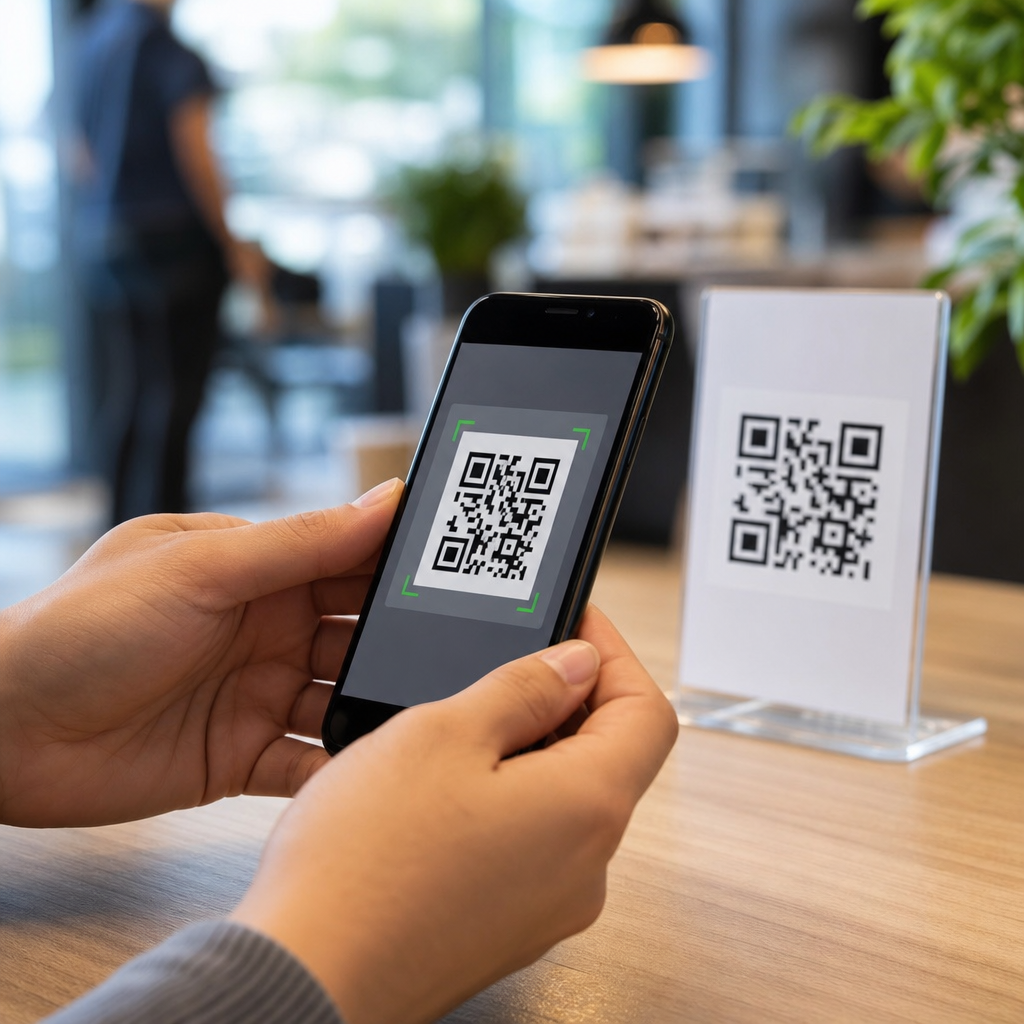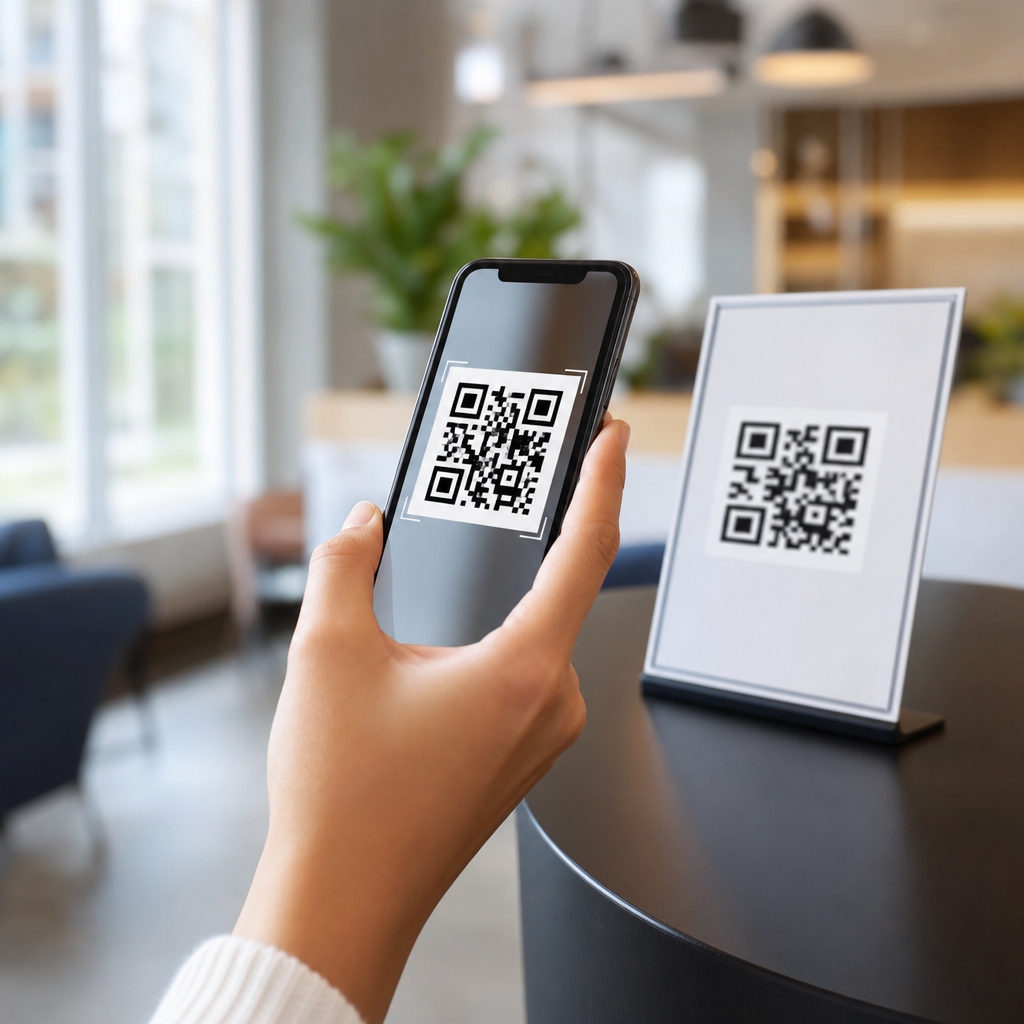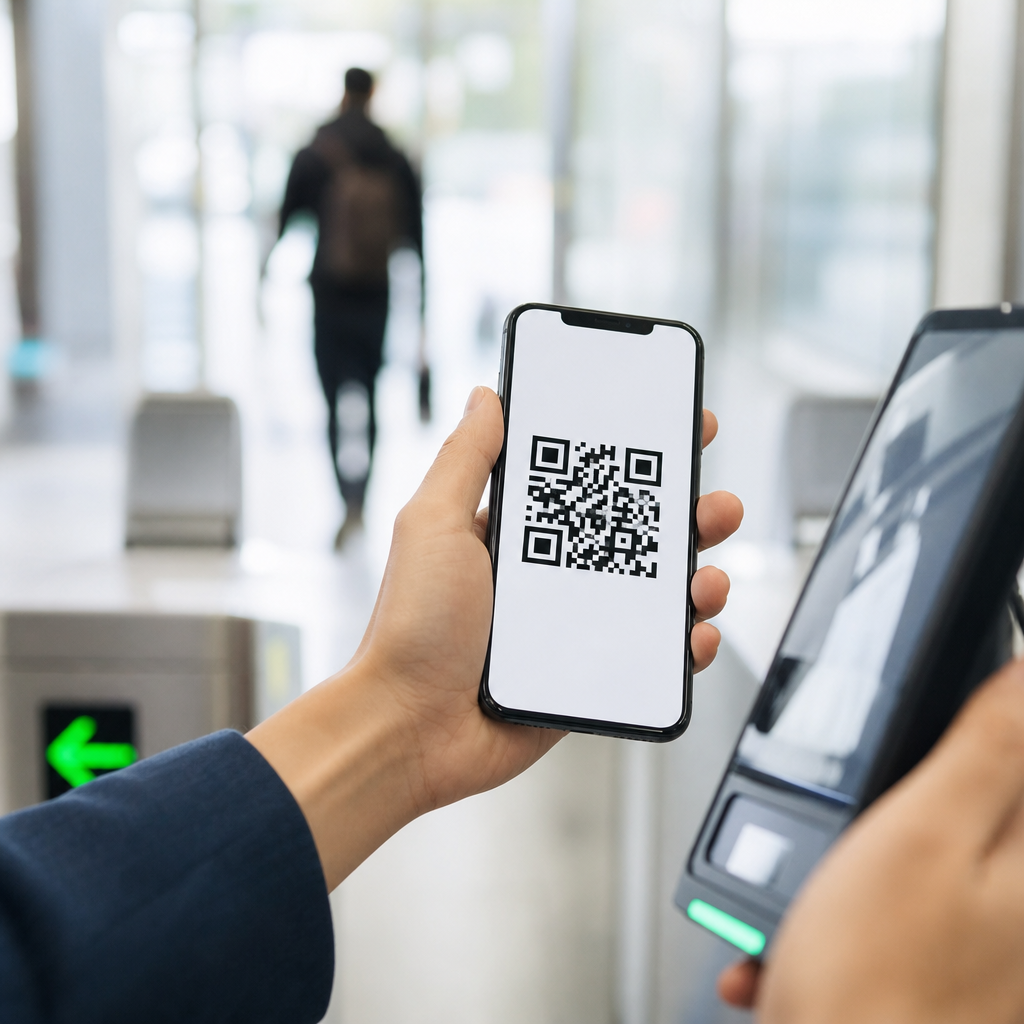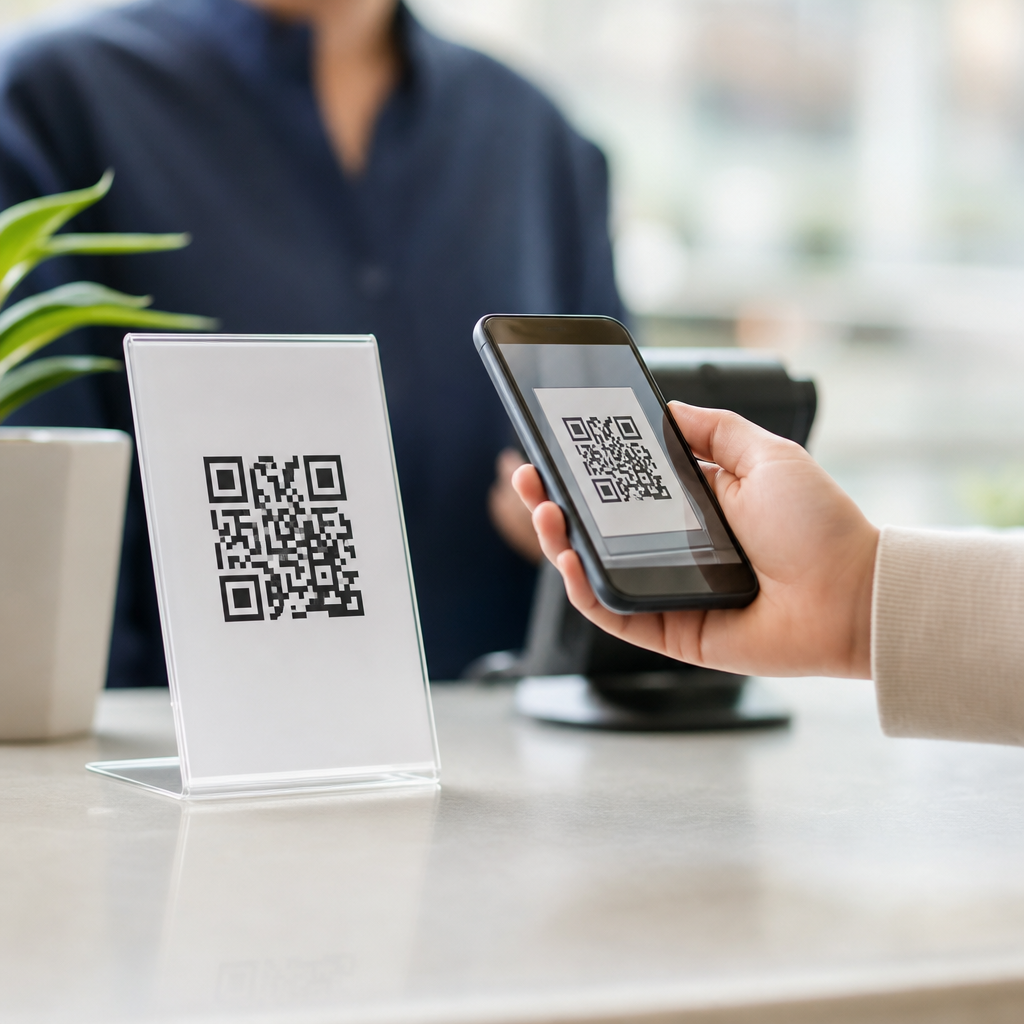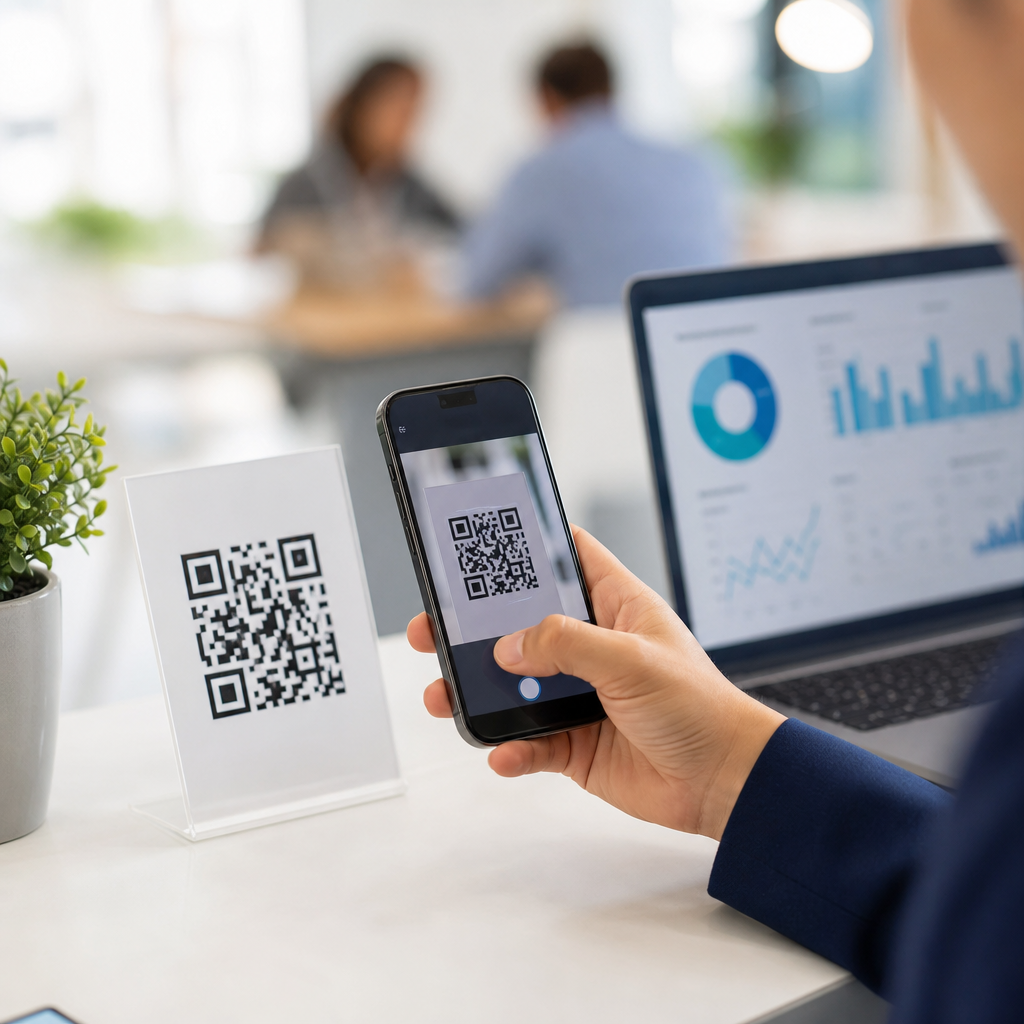
QR codes have moved far beyond restaurant menus and event tickets. Today, companies use QR codes as flexible bridges between physical touchpoints and mobile experiences, turning packaging, signage, print ads, products, and receipts into measurable digital entry points. For anyone building a practical understanding of mobile QR code basics, common use cases matter because they show where the technology creates real business value rather than novelty.
A QR code, short for Quick Response code, is a two-dimensional barcode that stores data such as a URL, contact card, payment request, file download, or app action. Modern smartphones can scan QR codes directly through native camera apps, removing the friction that once limited adoption. In my work with campaigns that connected retail displays, direct mail, and product packaging to mobile landing pages, the strongest results came when the code solved a clear user problem: faster checkout, better product information, easier support, or exclusive content.
That practical role explains why QR codes now appear across retail, healthcare, manufacturing, hospitality, education, logistics, and consumer goods. They support attribution, first-party data collection, omnichannel measurement, and mobile conversion. They also work at low cost and at scale. A small business can print one on a counter card, while a global brand can generate dynamic codes tied to inventory systems, analytics dashboards, and regional campaigns. The best uses are not gimmicks. They reduce steps, answer questions instantly, and connect offline attention to online action.
Retail and packaging turn products into digital touchpoints
Retail remains one of the clearest examples of creative QR code use. On shelves, brands use codes to move shoppers from consideration to decision by linking to ingredient lists, reviews, comparison guides, how-to videos, and stock availability. Beauty brands commonly place codes on displays so customers can shade-match products or watch application tutorials before buying. In consumer electronics, I have seen codes on shelf talkers outperform printed feature lists because they can launch a short buying guide tailored to the exact model in front of the shopper.
Packaging extends that value after purchase. Food companies use QR codes for recipes, sourcing stories, allergen details, and freshness information. Apparel brands link to care instructions, fit guidance, and registration pages. Household goods companies connect packaging to replenishment subscriptions, warranty activation, or troubleshooting. Dynamic QR codes are especially useful here because the destination can change without reprinting inventory. A code printed on a box can start with a launch campaign, then later point to support resources, accessory bundles, or recall information if needed.
Another fast-growing packaging use is authenticity and traceability. Luxury goods, supplements, wine, and specialty foods use serialized QR codes to confirm provenance and deter counterfeiting. Customers scan and see batch data, origin details, and verification status. This is more than a marketing feature. It protects brand equity and builds trust in categories where fraud is common.
Marketing campaigns use QR codes to connect print, out-of-home, and mobile
QR codes have become standard in omnichannel marketing because they make offline media measurable. A billboard, transit poster, magazine ad, product sample, or direct mail piece can now trigger a mobile session that analytics platforms attribute to a specific creative, geography, or audience segment. Marketers often use UTM parameters, campaign-specific landing pages, and dynamic code management to track performance with the same discipline used in digital media.
The creative advantage is speed. A television spot can flash a QR code that opens a waitlist, coupon, or shoppable page in seconds. A real estate sign can launch a virtual tour. A conference banner can pull up a lead form or calendar booking link. In one retail promotion format I have used, store window codes connected after-hours foot traffic to a location-specific landing page with inventory highlights and map directions, capturing intent that would otherwise disappear when the doors were closed.
Direct mail has also benefited. Instead of asking recipients to type a long web address, companies use personalized QR codes that open prefilled forms, loyalty offers, or product recommendations based on prior purchases. When linked to a customer relationship management system, those scans become useful behavioral signals, especially in campaigns designed to reactivate dormant buyers.
Payments, loyalty, and in-store service are becoming faster
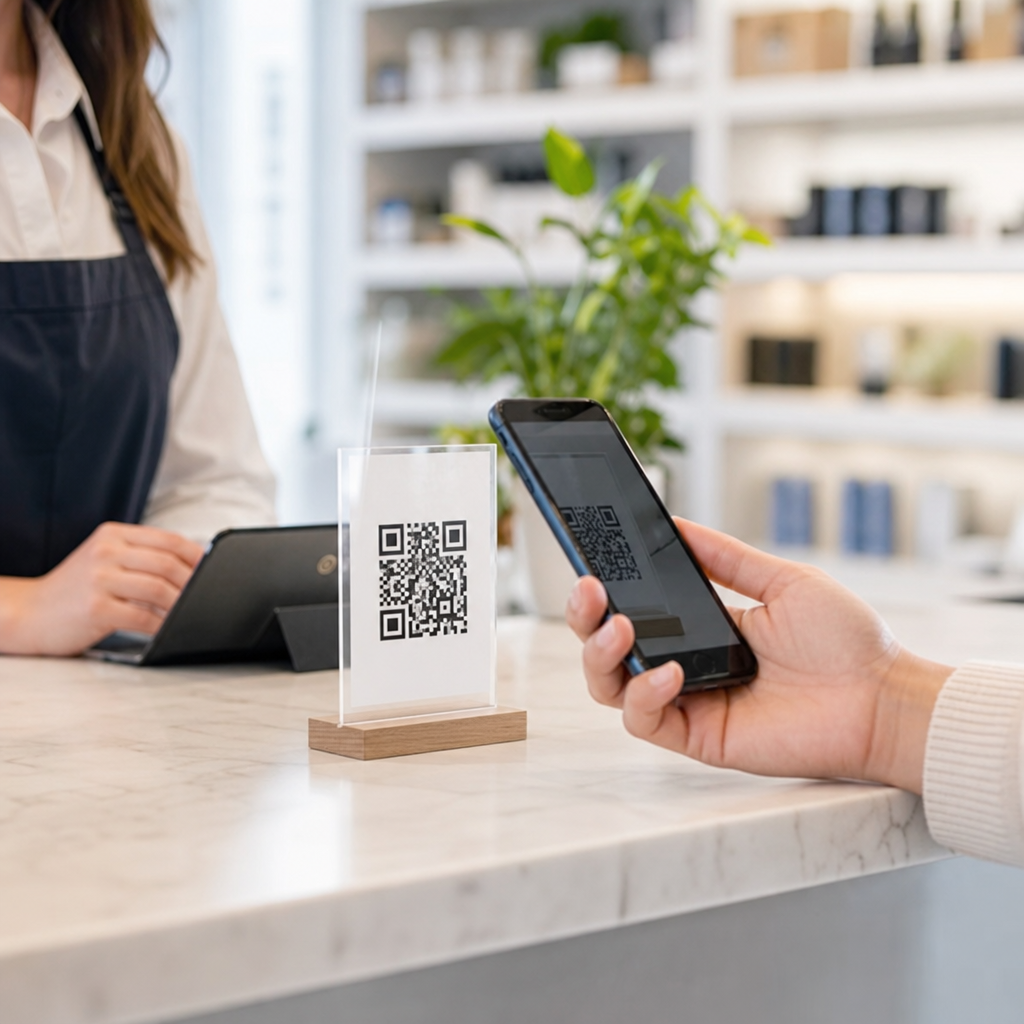
Many companies now use QR codes to remove checkout friction and streamline customer service in physical locations. Payment apps, peer-to-peer platforms, and point-of-sale systems support scan-to-pay flows that reduce hardware needs and speed up transactions. Restaurants, parking providers, market stalls, and service businesses often prefer QR payments because setup is simple and customers already understand the scanning behavior. In regions where mobile wallets dominate, QR-based payment acceptance has become routine rather than experimental.
Loyalty is another strong use case. Coffee shops, quick-service restaurants, and retailers place QR codes on receipts, counter displays, or packaging to drive app downloads, membership enrollment, and rewards redemption. The code can identify the store, the campaign, and even the product purchased, allowing more relevant follow-up. When companies pair this with mobile wallet passes or customer profiles, they create a low-friction path from one-time transaction to repeat business.
Operational service improves too. Instead of waiting for staff, shoppers can scan a shelf or fitting-room code to request another size, see aisle locations, or get assembly instructions. Hotels place codes in rooms for housekeeping requests, amenity ordering, and local recommendations. These applications work because they meet immediate intent with minimal effort.
Support, onboarding, and product education reduce service costs
One of the most underappreciated common use cases is post-purchase support. Companies print QR codes on devices, manuals, packaging inserts, and warranty cards so customers can access setup videos, troubleshooting flows, live chat, firmware updates, and replacement part ordering. This reduces call center volume and improves first-time resolution when the landing experience is structured well.
Manufacturers are especially active here. Industrial equipment suppliers use QR codes on machines to open maintenance logs, safety instructions, and parts catalogs. Software-linked asset tags can show service history and technician notes. In consumer markets, home appliance brands use codes inside the packaging to guide installation step by step. This matters because traditional manuals are often ignored, while a short mobile video is far more likely to be used correctly.
Employee onboarding uses the same principle. New hires can scan codes in training materials, workstations, or facilities to open process documentation, safety procedures, policy acknowledgments, or learning modules. Education providers and healthcare organizations use codes to route staff and students to role-specific information without printing thick binders that become outdated quickly.
| Use case | Typical QR code destination | Primary business benefit |
|---|---|---|
| Product packaging | Instructions, recipes, registration, sourcing data | Better product experience and fewer support contacts |
| Print advertising | Campaign landing page or offer | Measurable offline-to-online attribution |
| In-store signage | Inventory, reviews, assistance request | Higher conversion and better service |
| Payments | Mobile wallet or checkout page | Faster transactions with less hardware |
| Equipment labels | Maintenance records and manuals | Reduced downtime and safer operations |
Events, hospitality, and experiences use QR codes beyond tickets
Events helped normalize QR code behavior, but companies now use them across the full attendee journey. A registration confirmation code can handle entry, while on-site codes support session schedules, speaker bios, exhibitor maps, live polls, and lead capture. Exhibitors often place codes beside demos so visitors can download brochures or request follow-up without carrying printed materials. The best implementations route scans to mobile pages designed for weak venue connectivity and quick loading.
Hospitality brands have expanded these ideas. Hotels use QR codes not only for contactless menus but also for room guides, spa booking, Wi-Fi access, local attraction content, and post-stay review requests. Museums, tourist sites, and public venues use them for multilingual audio guides and layered storytelling. A visitor scans an artifact label or landmark sign and receives context, images, or accessibility support on demand.
Experiential marketing campaigns push further by making QR codes part of the interaction itself. Beverage brands have used codes on cans and bottles to unlock music playlists, sweepstakes entries, and augmented reality filters. Sports teams place them in stadiums for seat upgrades, concession ordering, and sponsor activations. The common thread is utility first, entertainment second.
Healthcare, logistics, and compliance rely on QR codes for accuracy
Some of the most valuable uses are less visible to consumers. In healthcare, QR codes help patients access appointment check-in, vaccine records, educational materials, prescription information, and billing portals. Clinics also use them on wayfinding signs and discharge paperwork. Accuracy matters here, so destinations must be secure, mobile friendly, and governed carefully.
Logistics teams use QR codes for inventory control, shipment tracking, returns processing, and proof of delivery. Unlike plain text labels, a scan can open structured records instantly, reducing manual entry errors. Warehouses often pair QR codes with mobile device management and enterprise resource planning systems so staff can verify item movement in real time. For field service organizations, codes on assets make inspection history and service procedures available at the point of work.
Compliance is another practical area. Chemical products, medical devices, and regulated goods can link QR codes to safety data sheets, declarations, and updated usage instructions. This is particularly useful when printed space is limited or guidance changes over time.
Creative ways companies are using QR codes today all point to the same lesson: the technology works best when it removes friction at a moment of real intent. Whether the goal is product education, campaign measurement, faster payment, better support, or operational accuracy, successful QR code use starts with a clear task and a mobile destination built to complete it quickly. That is why QR codes remain central to mobile QR code basics and to the broader set of common use cases businesses should understand.
If you are evaluating where to start, begin with the touchpoints customers already use: packaging, receipts, signage, direct mail, service documents, and event materials. Choose one high-intent interaction, create a fast mobile landing page, use a dynamic code, and track scans against a specific business outcome. Done well, a small square on a label or poster can become one of the most efficient links between the physical world and digital action.
Frequently Asked Questions
How are companies using QR codes beyond menus and tickets?
Companies now use QR codes across a wide range of physical and digital customer touchpoints because they make it easy to connect offline interactions with mobile-friendly online experiences. On product packaging, a QR code can lead shoppers to ingredient details, setup guides, warranty registration, how-to videos, or brand storytelling content. In retail stores, codes placed on shelves, displays, or fitting room signage can unlock product comparisons, reviews, inventory information, or personalized offers. In print advertising, direct mail, and outdoor signage, QR codes help bridge the gap between awareness and action by sending people to landing pages, app downloads, event registration forms, or limited-time campaigns.
Businesses also use QR codes on receipts, invoices, and post-purchase materials to encourage repeat engagement. A receipt QR code might connect customers to a loyalty program, product care instructions, customer support, or a review request. In offices, trade shows, and B2B settings, companies place QR codes on brochures, business cards, booths, and presentation materials so prospects can quickly download resources or book follow-up meetings. What makes these use cases valuable is not simply convenience, but measurability. Every scan can become a trackable entry point that helps companies understand where engagement starts, which physical assets perform best, and how offline marketing contributes to digital conversions.
Why do QR codes create real business value for companies?
QR codes create business value because they reduce friction between customer interest and customer action. Instead of asking someone to type a long web address, search for a product, or manually download an app, a company can offer a fast scan that takes the user directly to the intended destination. That speed matters in real-world environments where attention is limited. A customer standing in a store aisle, looking at packaging, or passing a poster is more likely to engage if the path is immediate and mobile-friendly. This makes QR codes especially useful for turning passive surfaces into active conversion points.
They also support stronger measurement and campaign optimization. When companies use dynamic QR codes, they can often track scan volume, time, location patterns, device type, and destination performance. That means a printed sign, mailer, product label, or point-of-sale display is no longer a static asset. It becomes a measurable marketing tool. Brands can test messaging, compare performance across locations, update destination links without reprinting materials, and identify where customers show the most intent. In practical terms, QR codes help companies improve customer experience, capture data from offline channels, and extend the useful life of packaging and printed materials by tying them to updatable digital content.
What are some creative QR code use cases on packaging and products?
Packaging is one of the most effective places for creative QR code use because it reaches customers at the point of purchase and again after the sale. Many companies place QR codes on labels or boxes to provide product authentication, especially in industries where counterfeiting is a concern, such as cosmetics, electronics, supplements, and luxury goods. Others use them to deliver tutorials, assembly instructions, styling ideas, maintenance tips, or recipe suggestions, depending on the product. This helps reduce support costs while improving the customer experience. Instead of cramming every detail onto the package, brands can use the code as a gateway to richer content that is easier to update over time.
More creative brands use packaging QR codes to deepen storytelling and loyalty. A food company might link to sourcing information, sustainability practices, or interactive farm-to-table content. A beverage brand may connect the scan to games, sweepstakes, music playlists, or limited-edition digital experiences. Consumer goods companies can use product-level QR codes for reorder flows, subscription enrollment, or accessories and refill recommendations. In all of these cases, the product itself becomes a media channel. That is a major shift from traditional packaging, which was largely static. With QR codes, companies can extend the customer relationship long after the product leaves the shelf.
How do companies use QR codes in marketing and customer engagement campaigns?
In marketing, QR codes are often used to move people from awareness to a specific next step without making them search or remember information. On posters, flyers, magazine ads, direct mail pieces, and billboards, companies use codes to send people to campaign landing pages, contest entries, coupon downloads, product launches, or localized promotions. At events and pop-up activations, QR codes can drive signups, unlock exclusive content, collect leads, or distribute digital brochures and schedules. Because most consumers already carry smartphones, the scan becomes a natural call to action in environments where typing a URL would be inconvenient.
For customer engagement, companies frequently use QR codes to personalize and extend communication. A brand might place a code in an email footer, package insert, or thank-you card that leads to a loyalty portal, referral program, onboarding flow, or customer community. Restaurants, retailers, hospitality businesses, and service providers also use QR codes for feedback collection, review generation, and satisfaction surveys. When done well, the experience feels useful rather than promotional. The best campaigns match the scan to a clear customer benefit, such as saving time, unlocking exclusive information, or receiving a relevant offer. That is why successful QR code marketing is less about novelty and more about designing a meaningful mobile interaction.
What should companies do to make QR code campaigns effective?
To make QR code campaigns effective, companies should start with a clear purpose. Every code should answer a practical question: what action should the customer take after scanning, and why would they want to do it? The destination must be mobile-optimized, fast-loading, and directly relevant to the context in which the code appears. A QR code on packaging should not lead to a generic homepage if the customer really needs setup instructions or product details. A code on a poster should not create confusion with too many options. The most effective campaigns remove decision fatigue and guide users to one useful next step.
Design and placement also matter. QR codes need to be easy to scan, printed at an appropriate size, and placed where lighting, distance, and user behavior make scanning realistic. Companies should include a short call to action so people know what they will get, such as “Scan for setup video,” “Scan to claim offer,” or “Scan to see reviews.” Dynamic QR codes are often the smarter option because they allow link updates and performance tracking after materials are printed. Finally, companies should measure results and refine over time. Reviewing scan data, conversion rates, bounce behavior, and location-level performance helps teams identify which physical touchpoints are generating value. In that sense, a QR code is not just a technical tool. It is part of a broader strategy for connecting offline visibility with measurable digital engagement.