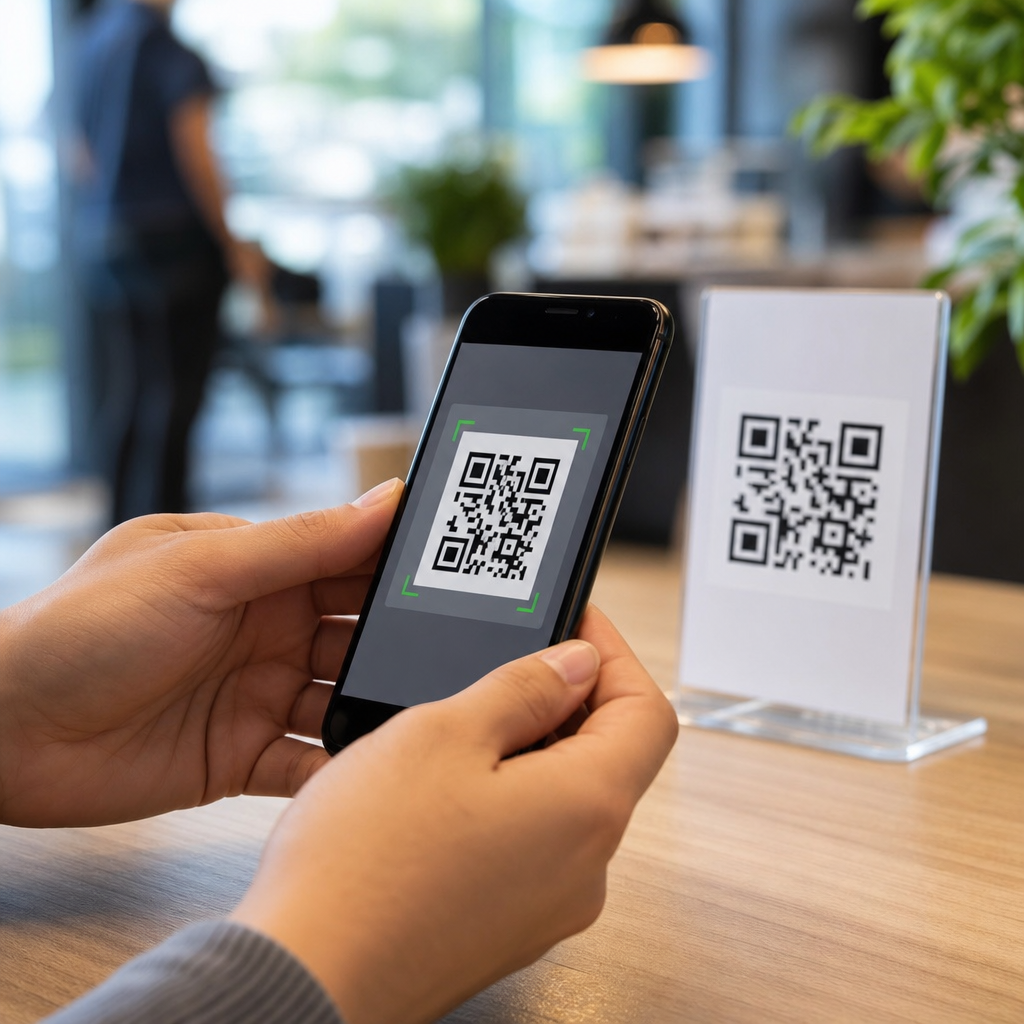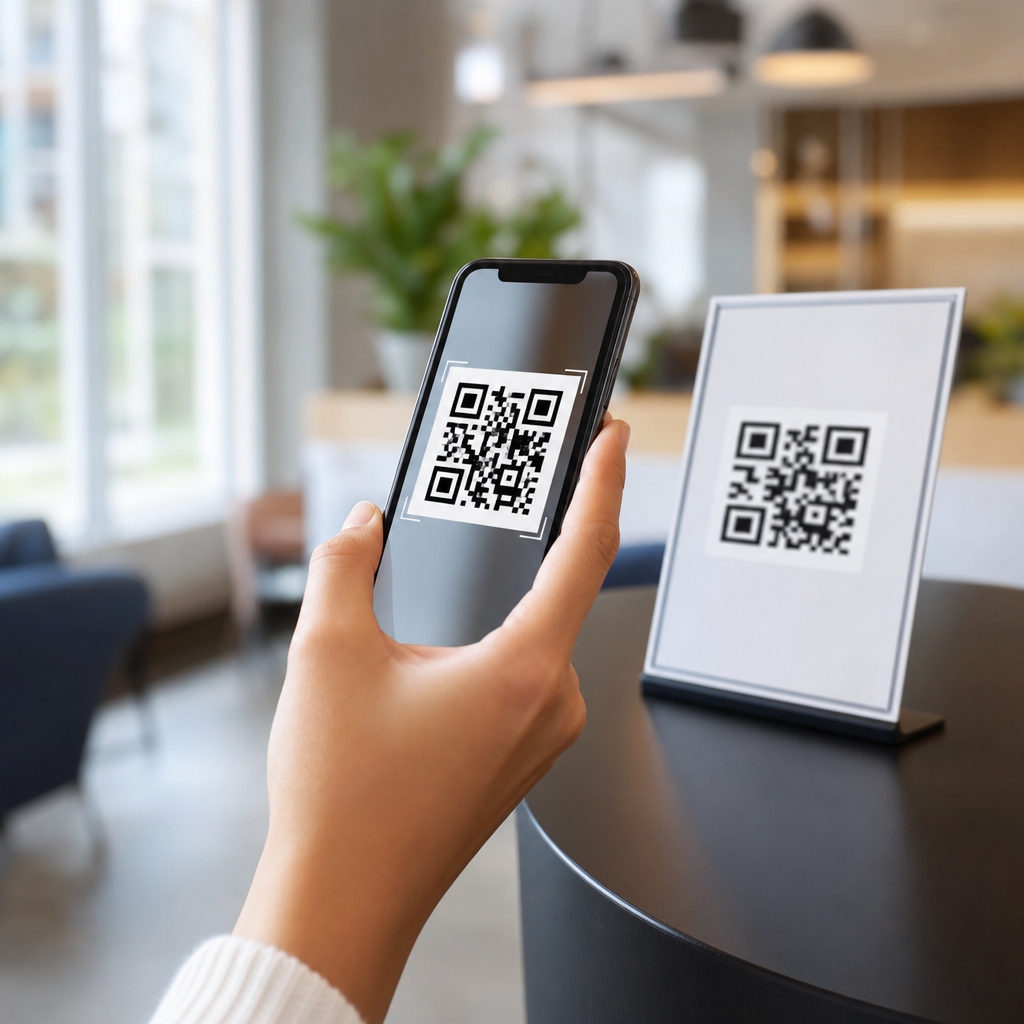

QR codes improve customer support experiences by reducing friction at the exact moment a customer needs help, whether they are scanning a product box, a receipt, a kiosk, or a utility bill. A QR code is a two-dimensional barcode that stores a URL, text string, contact card, or other structured data that a smartphone camera can interpret instantly. In support operations, that simple scan becomes a shortcut to troubleshooting steps, live chat, warranty registration, service history, appointment booking, or authenticated account help. I have implemented QR-based support flows for product packaging, retail signage, and field service teams, and the pattern is consistent: when customers do not have to search, call, or type long web addresses, they solve issues faster and contact centers absorb less avoidable volume.
This matters because support quality is increasingly measured by convenience, not just response time. Customers expect answers in context, on mobile, and in plain language. A printed manual that sends someone to a generic homepage creates work; a QR code that opens the exact setup page, returns form, or chatbot entry point removes it. For businesses, the gains are operational as well as experiential. Faster self-service lowers average handle time, increases first-contact resolution, and improves customer satisfaction scores. Dynamic QR codes also give teams measurable data, including scan location, device type, campaign source, and content engagement, which helps support leaders refine journeys over time. As part of a mobile-first service strategy, QR codes are no longer a novelty. They are a practical support interface.
Why QR codes work so well in customer support
QR codes succeed in support because they connect a physical touchpoint to a digital answer with almost no effort. In usability terms, they cut the number of steps between problem recognition and resolution. A customer notices an installation issue, scans the code on the label, and lands on the exact setup video instead of searching the web, filtering results, and guessing which page applies. That reduction in cognitive load is significant. It shortens time to answer and lowers abandonment, especially for people using one hand, standing in a store aisle, or working through a problem at home.
There is also a strong operational reason to use them. Support teams often receive repetitive contacts driven by missing context rather than complex technical failure. Think of “Where is my serial number?” “How do I reset this device?” or “How do I start a return?” QR codes can route those simple but high-volume questions into self-service paths built around product model, location, language, and ownership status. When integrated with a CRM, help desk, or knowledge base, the code can pass identifying parameters into the destination URL. That lets Zendesk, Salesforce Service Cloud, Freshdesk, or Intercom present the right article or chatbot branch immediately. The result is a cleaner support funnel and better use of agent time.
Common use cases across the customer journey
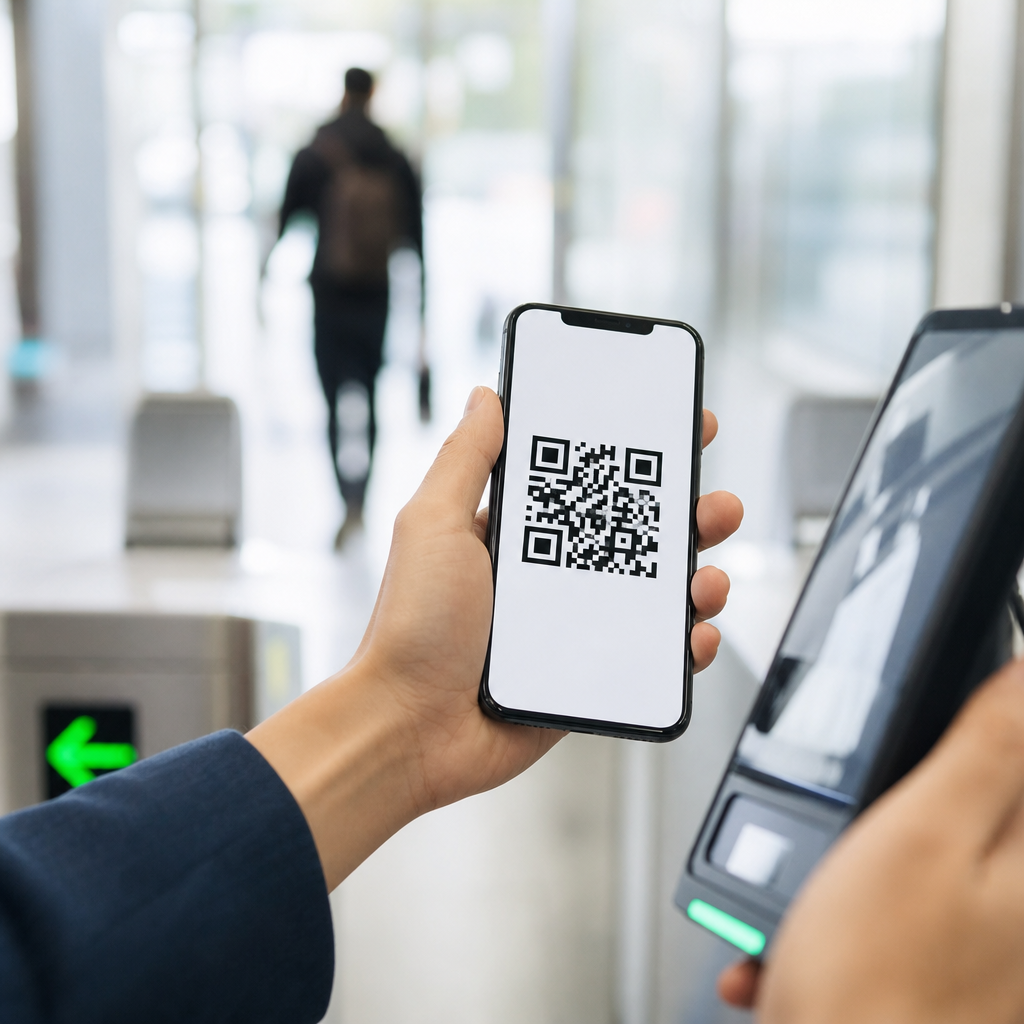
The most effective QR code support programs map to moments, not departments. Pre-purchase, retailers place codes on shelf talkers or demo units so shoppers can compare compatibility, read setup requirements, or ask a product specialist a question. Post-purchase, brands print codes on packaging, inserts, receipts, and onboarding emails to guide customers into activation, tutorials, and warranty registration. During ownership, codes on the product itself can open maintenance guides, replacement part catalogs, and troubleshooting checklists. In service environments, codes at kiosks, hotel rooms, healthcare waiting areas, and transit stations can connect users to FAQs, queue updates, multilingual assistance, or accessibility support.
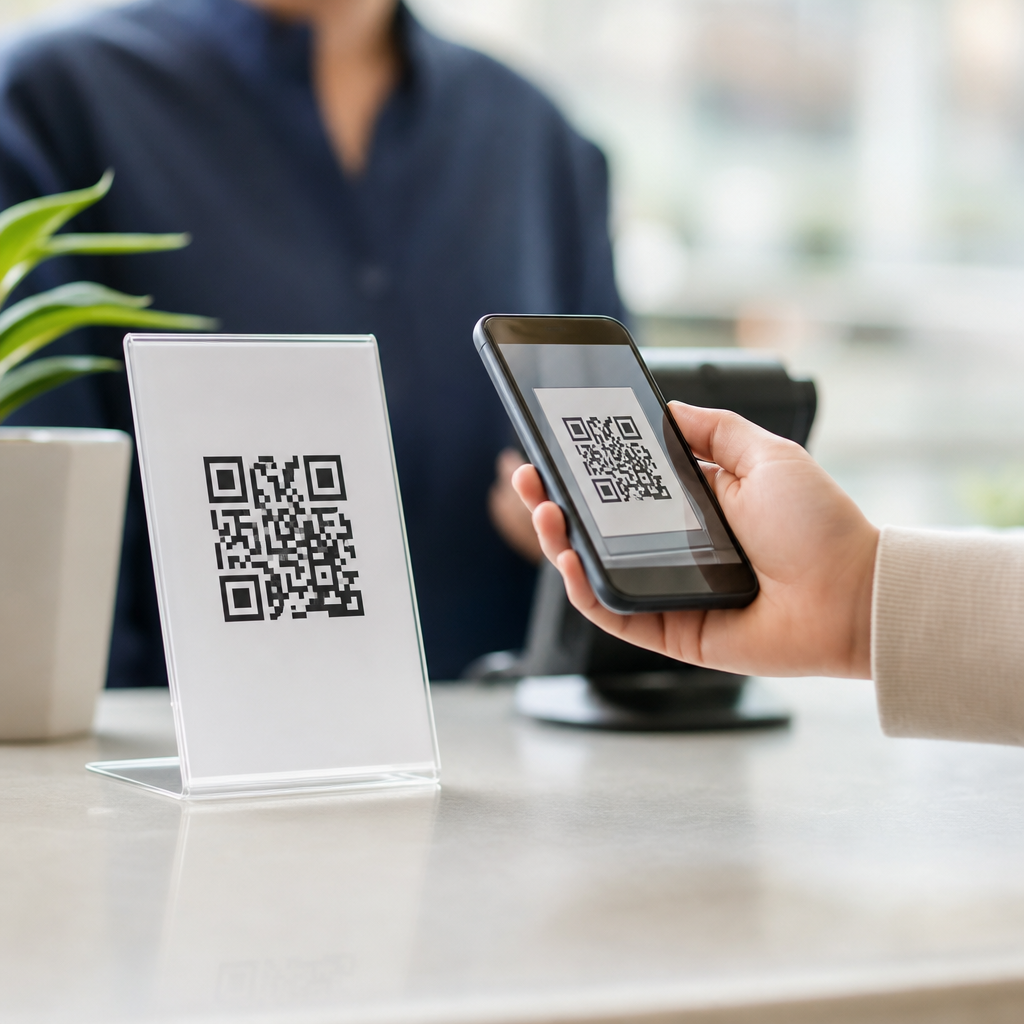
Field service is another strong use case. Equipment manufacturers place QR labels on machines so technicians and customers can access manuals, maintenance logs, safety documentation, and spare part ordering from the asset itself. Utilities use QR codes on bills and outage notices to route customers to payment plans, outage maps, or identity-verified account help. Restaurants place them on receipts for order issue reporting and refund workflows. Airlines and travel providers use them for baggage support, rebooking, and airport wayfinding. In each case, the code performs the same job: it removes searching and puts support where the customer already is.
| Use case | Where the QR code appears | Support outcome |
|---|---|---|
| Product setup | Packaging, quick-start guide, device label | Opens model-specific instructions or video tutorials |
| Returns and exchanges | Receipt, packing slip, order confirmation | Launches return portal with policy and order lookup |
| Troubleshooting | Product sticker, manual, in-app screen | Routes to FAQs, diagnostics, or live chat |
| Warranty and registration | Box insert, serial plate, email | Captures proof of purchase and ownership data |
| Field service | Equipment tag, control panel, maintenance area | Provides service history, manuals, and parts support |
| Location-based help | Kiosk, hotel room, waiting area, store aisle | Delivers local information, queue updates, or staff assistance |
Using QR codes for self-service, live support, and faster resolution
Customer support leaders should think about QR codes as entry points into three support modes: self-service, assisted service, and authenticated account help. Self-service is the easiest starting point. A code can open a knowledge base article, a decision-tree troubleshooter, or a short video. The key is precision. Generic landing pages underperform because they shift the burden back to the customer. The best implementations deep-link to model-specific or issue-specific content, often with UTM parameters and product metadata attached.
Assisted service uses QR codes to start a chat, callback, or case form with context already attached. For example, a washing machine manufacturer can print a code inside the door frame that passes the model number and region into the support form. The customer then describes the issue without re-entering basic details, and the agent sees the right product family immediately. Authenticated account help goes further by pairing the code with secure identity checks. Telecom providers, insurers, and banks can use QR codes to initiate support, but sensitive actions should still pass through account login, one-time passcodes, or device verification. A QR code should speed access, not weaken security. When teams respect that principle, they improve resolution times without adding risk.
Best practices for implementation, measurement, and accessibility
Successful QR code support programs depend on governance more than design. Use dynamic QR codes whenever possible so destinations can be updated without reprinting materials. That is essential when policies change, products are discontinued, or regional support pages move. Create naming conventions for campaigns, products, and placements so scan analytics are usable later. In practice, I recommend a taxonomy that includes product line, asset type, market, language, and support intent, such as setup, returns, or maintenance. Pair this with analytics in Google Analytics 4, a QR platform like Bitly, QR Code Generator Pro, or Beaconstac, and your help desk reporting. You need to know not just how many scans occurred, but whether those scans reduced tickets, improved containment, or increased article completion.
Accessibility is equally important. Always place a short fallback URL and a plain-language instruction near the code, because some users cannot scan easily or may use older devices. Maintain sufficient contrast, quiet zones, and print size so codes remain scannable under poor lighting or from a distance. ISO/IEC 18004 defines the underlying QR code specification, and following vendor print guidelines prevents common failures such as distorted logos, reflective surfaces, or cramped placement on curved packaging. Destination pages must be mobile optimized, fast, and readable by screen readers. If a QR code opens a PDF manual that is not accessible on a phone, the support journey has failed even if the scan worked. Good support design includes the scan, the landing page, and the next action.
Limitations and how to avoid common mistakes
QR codes are not a cure-all. They fail when the linked content is generic, outdated, or overloaded with marketing. Customers scan for help, not a promotional banner carousel. Another common mistake is placing one code on every product variant and sending everyone to the same page. That increases navigation effort and lowers trust because the user must determine whether the instructions apply. Poor analytics design is another weakness. If codes are not tagged consistently, teams cannot separate scans from product packaging, retail signage, service vans, or invoices, and optimization becomes guesswork.
There are also privacy and security considerations. Customers are more willing to scan codes from trusted branded materials than from unverified stickers in public spaces. Brands should use recognizable domains, HTTPS, and clear labeling that explains what the code does before the scan. For regulated sectors, collect only necessary data and align support flows with internal privacy standards. Finally, do not force every customer into mobile. Some issues still require phone support, email, or in-person service. The best strategy is blended support: QR codes for speed and context, with easy escalation when the issue is complex, urgent, or sensitive.
QR codes improve customer support experiences because they bring answers closer to the moment of need. They simplify setup, returns, troubleshooting, warranty registration, field service, and location-based assistance by turning a scan into a direct path to the right help. When implemented well, they reduce search friction, lower repetitive ticket volume, and give support teams better insight into what customers need most. The strongest programs use dynamic codes, precise landing pages, integrated analytics, secure escalation paths, and accessible design. They treat the code as part of the support journey, not a decorative add-on.
For brands building out mobile QR code basics, this topic deserves hub status because it connects nearly every common use case under one operational goal: faster, easier customer help. Start by mapping your highest-volume support questions to the places customers encounter them physically, then assign QR codes to those moments with model-specific destinations and measurable outcomes. A small pilot on packaging, receipts, or service labels can quickly show where scan-based support creates the most value. Build from there, refine with data, and make every scan lead to a clearer next step.
Frequently Asked Questions
How do QR codes make customer support faster and easier?
QR codes reduce friction by connecting customers to help at the exact moment they need it. Instead of searching a website, calling a support line, or digging through paperwork, a customer can scan a code printed on a product box, receipt, invoice, kiosk, manual, or utility bill and land directly on the most relevant support resource. That might be a troubleshooting guide, a live chat session, a service request form, a warranty registration page, or a personalized account portal.
This speed matters because support experiences often break down during the first few minutes of frustration. When customers have to hunt for answers, repeat product details, or navigate multiple pages, satisfaction drops quickly. A QR code shortens that path to a single action. It eliminates unnecessary steps, reduces input errors, and helps customers move from confusion to resolution with less effort. For support teams, that translates into fewer routine inquiries, better routing, and a higher chance of resolving issues on the first interaction.
Where can businesses use QR codes to improve customer support experiences?
Businesses can place QR codes anywhere customers are likely to need guidance or assistance. Common examples include product packaging, instruction manuals, receipts, invoices, point-of-sale displays, event check-in areas, self-service kiosks, appliance labels, shipping boxes, utility bills, membership cards, and service confirmation emails. In each case, the goal is the same: place support access where the customer naturally pauses and needs information.
For example, a QR code on a product box can send a customer to setup instructions or installation videos. A code on a utility bill can open payment help, outage reporting, or billing FAQs. A code on a restaurant receipt might link to issue resolution, loyalty support, or customer feedback. In healthcare, hospitality, retail, field services, and consumer electronics, QR codes can also connect users to appointment booking, service history, return policies, multilingual support, or device-specific documentation. The most effective placements are contextual, visible, and tied to a clear support outcome rather than a generic homepage.
What kinds of customer support resources can a QR code connect to?
A QR code can direct customers to almost any digital support asset, which makes it especially useful across different service models. It can link to step-by-step troubleshooting content, product manuals, how-to videos, knowledge base articles, warranty registration forms, return instructions, order tracking pages, live chat, callback requests, contact cards, FAQ libraries, account verification pages, and appointment scheduling tools. Some organizations also use QR codes to launch messaging channels, collect customer diagnostics, or prefill support forms with product or transaction details.
This flexibility allows businesses to match the support destination to the customer’s exact situation. Someone setting up a device may need onboarding instructions, while someone experiencing a malfunction may need immediate triage or escalation. Dynamic QR codes are especially valuable because they let businesses update the destination without reprinting the code. That means a single code can continue serving customers over time while support content evolves, campaigns change, or service workflows improve. As a result, QR codes become more than a link; they become a flexible gateway into a better-organized support experience.
Do QR codes help reduce support costs and improve team efficiency?
Yes, when used strategically, QR codes can lower support costs while improving service efficiency. Many support teams spend significant time answering repetitive questions about setup, billing, installation, account access, or basic troubleshooting. By routing customers to self-service resources first, QR codes can deflect a meaningful share of low-complexity inquiries before they reach an agent. This gives customers a faster answer and frees support staff to focus on more complex, higher-value issues that require human assistance.
QR codes can also improve operational efficiency by capturing context earlier in the support journey. A scan can identify the product model, location, service type, invoice category, or customer segment before a case is created. That information helps route requests more accurately, reduce back-and-forth, and shorten resolution times. In addition, businesses can track scan behavior to understand which products generate the most support demand, where customers encounter friction, and which content performs best. Those insights can inform staffing, documentation, product design, and overall customer experience strategy.
What are the best practices for using QR codes in customer support?
The most important best practice is to make the scan useful, immediate, and trustworthy. Customers should know exactly what they will get when they scan, so include a short call to action such as “Scan for setup help,” “Scan to report an issue,” or “Scan for warranty support.” The landing page should be mobile-friendly, fast-loading, and tailored to the context of the scan. Sending users to a generic homepage usually creates more work, not less. If possible, route them directly to a relevant article, chat flow, or form that reflects the product, account type, or service situation.
It is also essential to test placement, usability, and maintenance. The code should be easy to find, large enough to scan, and printed with strong contrast. Businesses should use reliable destinations, monitor for broken links, and update content regularly. Dynamic QR codes are helpful because they support ongoing optimization without requiring reprints. Finally, security and privacy should not be overlooked. Customers are more likely to scan when the brand is clearly identifiable and the destination appears legitimate. When these details are handled well, QR codes become a practical and scalable way to make customer support more responsive, accessible, and efficient.