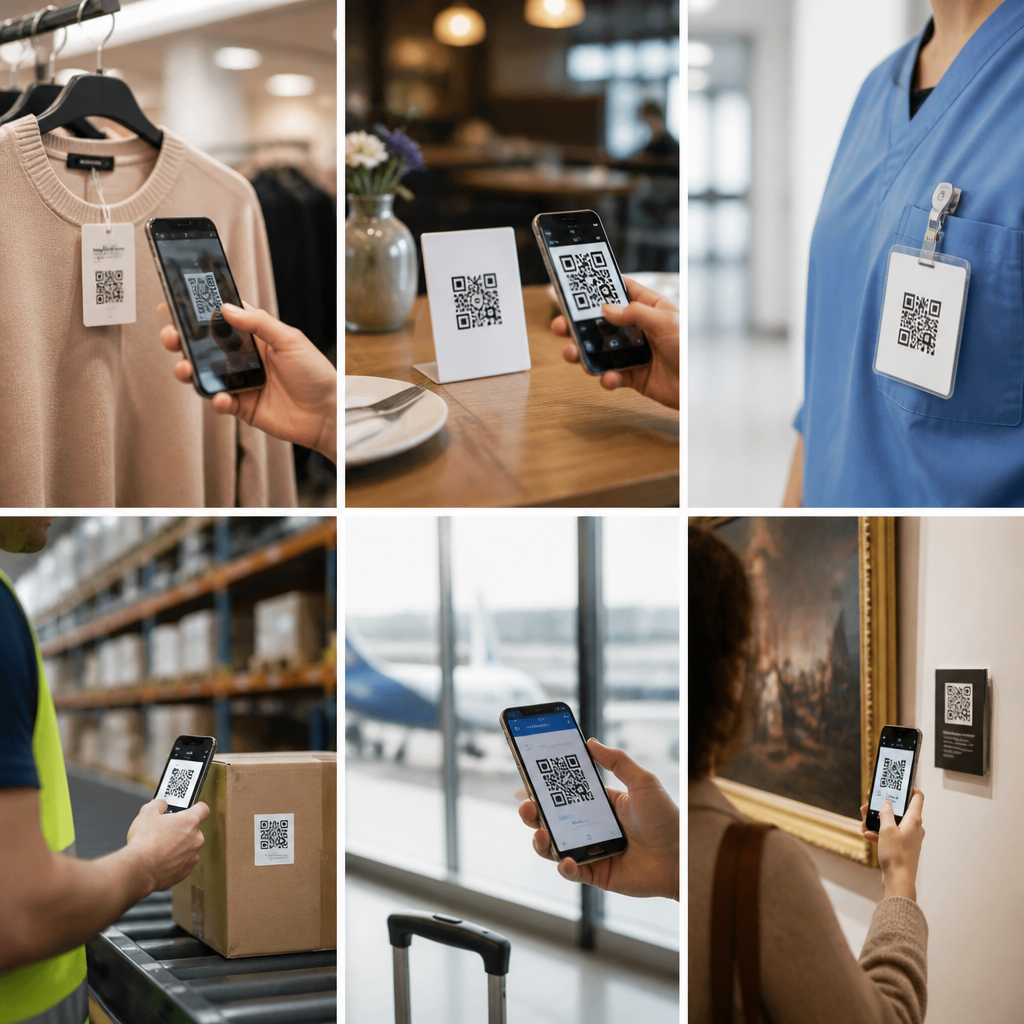
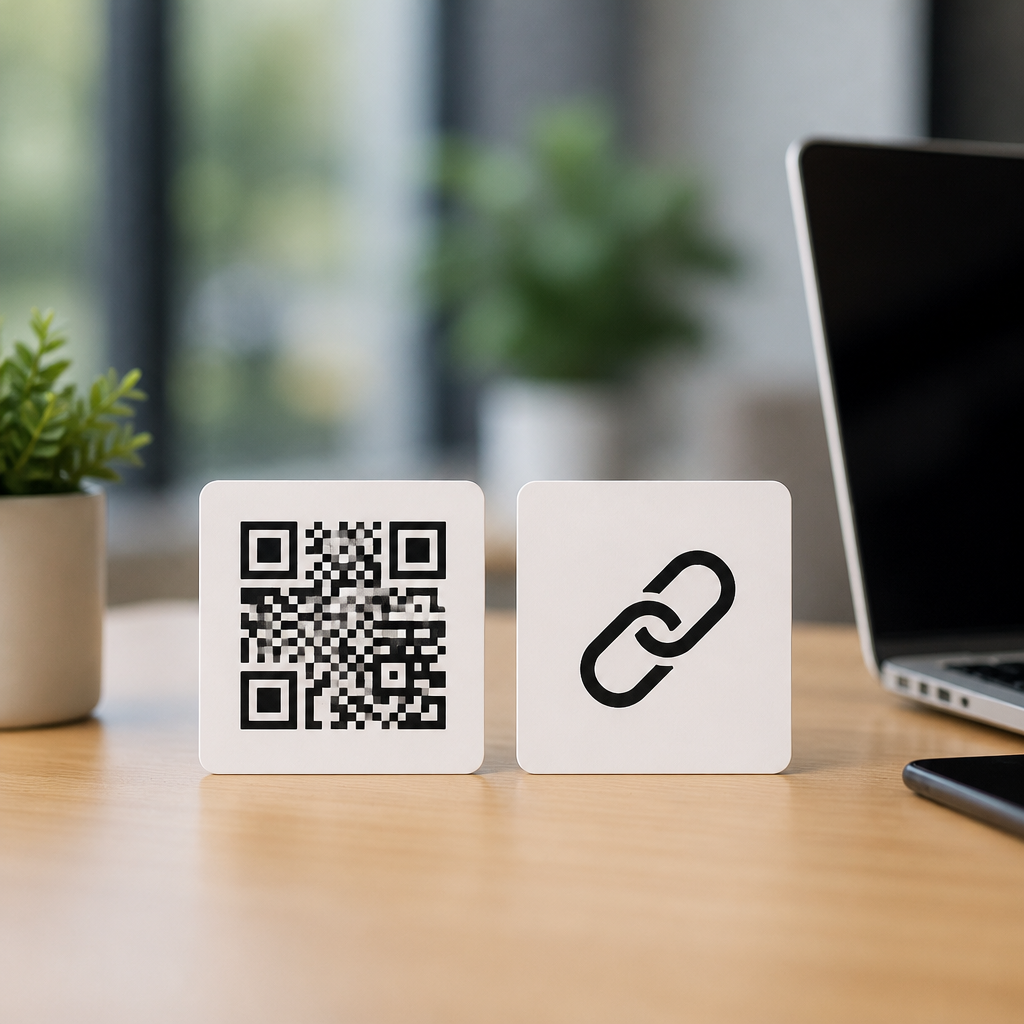
QR codes and short URLs solve the same basic problem—getting people from a physical or digital touchpoint to online content—but they do it in different ways, with different strengths, costs, and measurement limits. A QR code is a two-dimensional barcode that a smartphone camera can scan to open a webpage, app, payment screen, file, or menu. A short URL is a condensed web address, usually created through a branded or generic link shortener, that is easier to type, remember, print, and track than a long destination URL. In practice, marketers, retailers, event teams, and product managers rarely choose between them in isolation. They are usually deciding among QR codes, short URLs, NFC tags, app clips, Bluetooth beacons, and traditional printed calls to action. The real question is performance: which option produces more scans or clicks, better completion rates, lower friction, stronger attribution, and a better user experience across context, audience, and device.
After implementing all of these formats in campaigns, packaging, in-store signage, and field events, I have seen a consistent pattern: the best-performing method depends on user intent and environment, not novelty. QR codes often outperform when speed matters and the user already has a phone in hand. Short URLs often outperform when memorability, verbal sharing, and cross-channel reuse matter. NFC can feel seamless, but only when users understand how to tap and when hardware compatibility, tag placement, and trust are handled well. This matters because mobile journeys are now compressed. People expect instant access, and every extra step lowers conversion. A restaurant menu, medicine leaflet, conference badge, or direct mail piece has only seconds to turn attention into action. Choosing the right bridge technology affects engagement rates, analytics quality, accessibility, and campaign economics.
For most organizations, the highest-performing answer is not either-or. It is a layered approach built around context, redundancy, and measurement. A printed asset can carry a QR code for immediate access, a short URL for fallback, and sometimes NFC for premium convenience. To decide intelligently, compare each option on scan or tap friction, discoverability, trust, environmental fit, error rate, and analytics depth. This hub explains where QR codes beat short URLs, where short URLs win, how NFC and other technologies compare, and how to build a practical decision framework that improves response rates without overcomplicating the user journey.
How QR codes and short URLs differ in real-world performance
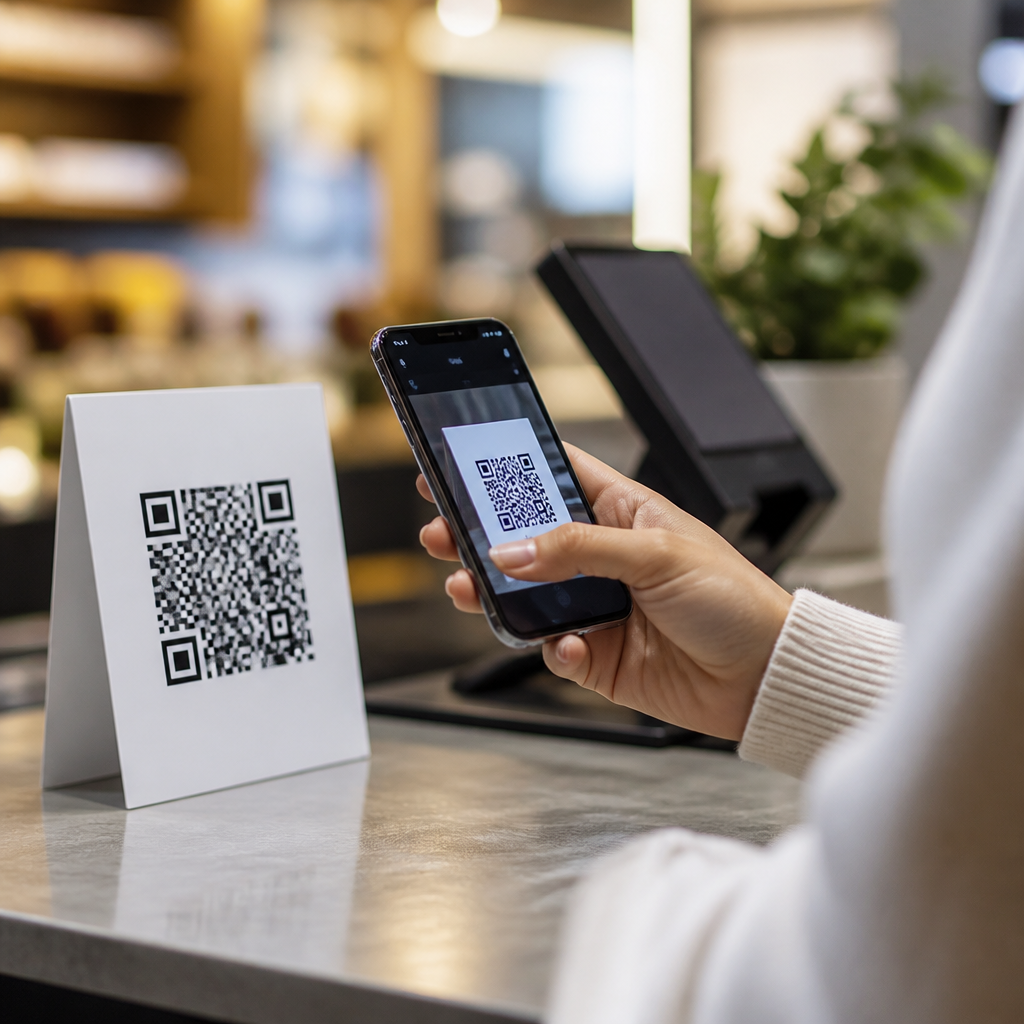
QR codes reduce input effort to almost zero. Users open the camera, point, tap the prompt, and land on the destination. That makes QR codes especially effective on packaging, posters, point-of-sale displays, table tents, and out-of-home media where typing is inconvenient. Since Apple integrated native QR recognition in iOS 11 and Google expanded camera-level support across Android, scanning behavior has become mainstream. In campaigns I have audited, QR codes usually generate higher first-touch response than visible long URLs and often outperform short URLs on static printed materials because they remove keyboard friction entirely.
Short URLs win when the user cannot easily scan, or when the message is delivered through audio, video, presentations, radio, podcasts, support calls, or live events. A branded short domain such as go.brand.com/offer is easier to say aloud, remember later, and trust than a dense string of parameters. Short URLs also travel better across chat apps, email footers, slide decks, and SMS. They are useful when users may return later from another device, which is a weakness for QR-first execution. If someone sees a TV ad while their phone is charging in another room, a short memorable URL can outperform a scannable code that disappears in five seconds.
Performance also depends on destination design. A QR code pointing to a slow, non-mobile page underperforms a short URL leading to a fast, optimized landing page. The transport format is only one variable. Load time, page relevance, form length, and trust cues typically explain more variance in conversion than the code or link itself once the user arrives.
Where QR codes usually outperform short URLs
QR codes perform best when the audience is physically near the trigger and wants instant access. Retail shelves are a strong example. A shopper comparing two products can scan a code for ingredients, reviews, tutorials, sustainability claims, or loyalty rewards without abandoning the aisle. On restaurant tables, QR menu adoption surged during the pandemic, but the lasting lesson was not public health alone. It was convenience. Updating one dynamic destination is easier than reprinting menus, and scan behavior stays strong when the menu loads quickly, supports accessibility, and does not force app installation.
Direct mail is another category where QR codes frequently beat short URLs on response volume. Many recipients will not type a link from a postcard, but they will scan a clear code next to a strong offer. The same logic applies to trade show booths, museum labels, utility bills, prescription packaging, and transit ads. In all of these settings, the physical object is the call to action. Scanning feels native because the object and the phone are already in the same place.
Dynamic QR codes add a measurement advantage. Platforms such as Bitly, QR Code Generator Pro, Beaconstac, and Flowcode let teams change the destination after printing, segment by campaign, and capture scan time, device type, rough location, and unique versus total interactions. That flexibility is valuable for packaging and long-lived signage.
Where short URLs often perform better
Short URLs are stronger when the user needs portability across channels and time. If a speaker presents a resource on stage, a branded short URL can be photographed, typed later, or shared in notes. In customer support, an agent can read a short link aloud; reading a QR code aloud is impossible. Short URLs are also more accessible in environments where scanning is awkward, such as webinars viewed on the same device being used to browse. A person cannot scan a QR code displayed on their own laptop screen without a second device, but they can click or type a short URL immediately.
Brand trust is another performance factor. Generic shorteners have lost some credibility because users cannot see the destination. Branded short domains restore confidence and can materially improve click-through rates. They also support consistent naming structures, such as /demo, /pricing, or /guide, which helps recall and campaign governance. For omnichannel programs, short URLs are often the canonical tracking asset, with QR codes simply encoding those URLs. That architecture centralizes analytics and simplifies redirects, UTM control, and A/B testing.
How NFC, app clips, and other access technologies compare
NFC, or near-field communication, lets a phone tap a programmed tag to trigger an action. In ideal conditions, NFC is faster than scanning because there is no need to open the camera or frame a code. It works well for access control, smart posters, product authentication, digital business cards, loyalty enrollment, and hospitality check-in. Apple Wallet passes and Google Wallet integrations can also streamline repeat use after the first interaction. However, NFC suffers from discoverability. Many users do not realize a surface is tappable, and tag placement matters. Metal surfaces, case thickness, and cheap tag quality can reduce read reliability.
Other technologies fill narrower roles. Bluetooth beacons can trigger proximity experiences, but they require app permissions and careful power management. RFID is excellent for inventory and logistics but is usually invisible to consumers. App clips on iPhone and Android Instant Apps reduce app-install friction for lightweight actions like ordering or renting, but setup complexity is higher than for a QR code. SMS keywords still work in mass media because they are universal and memorable, though they add messaging cost and compliance overhead. In practical hub planning, QR codes cover the broadest consumer use cases, short URLs provide universal fallback, and NFC adds premium convenience where physical interaction and repeat behavior justify the extra implementation effort.
| Technology | Best use case | Main advantage | Main limitation |
|---|---|---|---|
| QR code | Packaging, signage, menus, direct mail | Fast access with no typing | Needs camera scan and visible code |
| Short URL | Audio, slides, SMS, cross-device sharing | Memorable and reusable | User must click or type |
| NFC | Badges, taps, smart objects, check-in | Very low friction tap experience | Low discoverability and hardware nuance |
| Bluetooth beacon | In-app proximity journeys | Context-aware automation | Requires permissions and app support |
Measurement, security, accessibility, and cost tradeoffs
If the goal is measurable performance, analytics design matters as much as surface format. QR code scans are not the same as conversions, and link clicks are not the same as qualified visits. Use server-side redirects, campaign parameters, and event tagging in GA4, Adobe Analytics, or Mixpanel to capture the full journey. For offline attribution, dedicated landing pages, coupon codes, or CRM source fields are essential. Otherwise, teams overcredit the code and undermeasure the outcome.
Security and trust must be addressed directly. Users know that malicious QR codes can hide destinations, just as deceptive short URLs can. The best practice is to use branded domains, preview destination branding clearly near the code, avoid excessive redirects, and place codes in controlled environments. Accessibility matters too. A QR-only experience excludes some users. Printed materials should include a readable short URL, sufficient color contrast, clear quiet zones around the code, and instructions such as “Scan with your camera.” For NFC, add a visible tap icon and plain-language guidance.
On cost, static QR codes are nearly free, while dynamic QR platforms, NFC tags, branded short domains, analytics integrations, and governance add expense. Yet cost should be evaluated against reprint savings, faster updates, and improved attribution. A dynamic QR code on packaging can avoid a full production rerun if a campaign, legal notice, or market destination changes. That often justifies the software spend.
Which performs better: the practical decision framework
QR codes perform better when speed, proximity, and print behavior dominate. Short URLs perform better when memorability, speech, delayed action, and cross-device flexibility dominate. NFC performs better when tap behavior is intuitive and the experience benefits from perceived sophistication or repeat use. In most mature programs, the highest-performing solution is a combination: encode a branded short URL inside a dynamic QR code, place both visibly on the asset, and add NFC only where the user value is obvious.
Use a simple rule set. If the asset is physical and the user is expected to act immediately, lead with QR. If the message must be spoken, remembered, or reused elsewhere, lead with a branded short URL. If the interaction happens at very close range and repeated convenience matters, test NFC. Then validate with actual metrics: scan rate, click-through rate, landing-page engagement, completion rate, and cost per conversion by channel. The winner is not the flashiest technology. It is the one that reduces friction for that exact audience and environment. Audit your current touchpoints, pair each with the right access method, and build every campaign with a fallback path so more intent turns into measurable action.
Frequently Asked Questions
Do QR codes or short URLs perform better overall?
There is no single winner in every campaign because performance depends heavily on where the link appears, how much friction the audience faces, and what action you want people to take. QR codes often perform better when the user is moving from an offline surface to online content, such as packaging, posters, receipts, direct mail, product displays, restaurant tables, event signage, or in-store promotions. In those situations, scanning is usually faster than manually typing a web address, especially if the destination URL is long or complex. A well-placed QR code can create a very smooth bridge between a physical touchpoint and a landing page, app download, payment flow, or digital menu.
Short URLs usually perform better when users are already in a digital environment or when they may need to remember, type, share, or verbally repeat the link. For example, in podcasts, radio ads, presentations, social captions, printed materials viewed from a distance, or video content where a person cannot easily scan the screen, a short URL can outperform a QR code because it is accessible without requiring camera positioning or scan behavior. Branded short links can also increase trust and recognition, which may improve click-through rates.
In practice, the best-performing option is often the one that reduces friction for the specific context. If the audience can scan instantly, QR codes may deliver more conversions. If the audience needs a visible, memorable, reusable link, short URLs may win. Many marketers get the best results by using both together: a QR code for immediate access and a short URL as a backup for people who prefer to type or cannot scan.
When should you use a QR code instead of a short URL?
You should favor a QR code when the audience is interacting with a physical object or printed surface and can easily scan with a smartphone. This is especially effective in retail, hospitality, events, packaging, outdoor ads, trade show booths, menus, receipts, flyers, and product inserts. In these settings, the biggest advantage of a QR code is speed. The user does not need to type anything, spell anything correctly, or remember a destination. They simply point their camera and go.
QR codes are also useful when the destination is mobile-specific, such as an app store page, contact card, payment screen, coupon redemption page, check-in form, or mobile-optimized campaign landing page. They can shorten the path to conversion and remove the typing barrier entirely. Dynamic QR codes add even more flexibility because the destination can be updated later without changing the printed code itself, which is valuable for long-running campaigns or materials with a long shelf life.
That said, QR codes are not always ideal. They require the user to have a camera-enabled device available and enough context to trust the scan. They can also be less effective if displayed too small, placed poorly, printed with low contrast, or shown in an environment where scanning is awkward. If the audience is likely to encounter the message while driving, listening, presenting, or viewing content from another phone, a QR code alone may limit response. In those cases, pairing it with a short URL is the safer strategy.
When does a short URL outperform a QR code?
A short URL tends to outperform a QR code when the audience needs flexibility. If people may want to type the link later, repeat it aloud, remember it after seeing it briefly, or share it across channels, a short URL is often the stronger choice. This is particularly true in audio and video formats, webinars, slide decks, social media bios, email campaigns, SMS, chat, and broadcast advertising. A clean, branded short URL can be easier to trust and easier to act on in situations where scanning is impractical or impossible.
Short URLs also shine in brand-building and attribution. A branded domain, such as a custom short link that includes the company name, can reinforce credibility and improve user confidence compared with a generic shortened link. From a reporting perspective, short links often integrate cleanly with analytics tools, UTM parameters, campaign naming structures, retargeting systems, and link management platforms. That makes them useful for teams that care deeply about ongoing optimization, channel comparisons, and campaign governance.
Another important advantage is accessibility and fallback behavior. If a QR code fails to scan due to glare, poor printing, damaged surfaces, or awkward viewing distance, a short URL still gives the user a path forward. This is why many high-performing campaigns include a short URL even when a QR code is present. In environments where ease of recall and shareability matter as much as immediate access, short URLs can outperform QR codes by serving a broader range of user behaviors.
Are QR codes or short URLs easier to track and measure accurately?
Both can be tracked effectively, but each comes with different strengths and limitations. Short URLs are generally more straightforward for digital analytics because each click behaves like a standard web visit. Marketers can attach UTM parameters, route traffic through a branded shortener, monitor clicks by source, device, geography, and time, and connect that data to web analytics, CRM systems, or conversion platforms. In digital campaigns, this often makes short URLs easier to manage and compare across channels.
QR codes can also be highly measurable, especially when they are dynamic and point to a trackable redirect URL. In that setup, every scan can be logged similarly to a short-link click. However, QR code measurement is not always a perfect representation of intent or outcomes. Some tools report scans, others report redirects or page loads, and user privacy settings or app behavior can affect what gets counted. In addition, QR traffic often comes from offline environments, which can make broader attribution more complicated unless the campaign structure is planned carefully.
The most accurate measurement comes from disciplined setup rather than the format itself. Use dedicated destinations for each placement, apply consistent campaign parameters, separate channels clearly, and define what success actually means: scan rate, click rate, landing-page conversion, app install, payment completion, or lead submission. If you need granular digital reporting and cross-channel comparison, short URLs are often simpler. If you need to connect physical media to measurable online actions, QR codes can be extremely effective when implemented correctly.
Is it best practice to use both a QR code and a short URL together?
Yes, in many cases using both is the smartest approach because it reduces friction for different user preferences and environments. A QR code supports instant action for people who want to scan immediately, while a short URL provides a clear fallback for users who cannot scan, do not want to scan, or need to access the content later on another device. This dual-format strategy is common in strong omnichannel campaigns because it acknowledges that real audiences behave in different ways.
Using both together also improves resilience. If lighting, distance, print quality, or screen glare makes scanning difficult, the short URL preserves the path to conversion. If typing is inconvenient, the QR code offers the fastest route. On printed materials, packaging, out-of-home ads, direct mail, and event assets, this combination often lifts response by making the call to action more accessible. It also helps from a trust standpoint because users can see the destination brand through a readable short link, even if they choose to scan the code.
To make the pairing effective, keep the short URL simple, branded, and easy to read. Place it near the QR code with a clear call to action that tells people what they will get by visiting. Make sure the landing page is mobile-friendly, loads quickly, and matches the promise of the campaign. If possible, track the QR code and the short URL separately so you can compare behavior and learn which format performs better for each placement. In most real-world scenarios, the question is not whether one should completely replace the other, but how the two can work together to maximize reach, usability, and conversion.