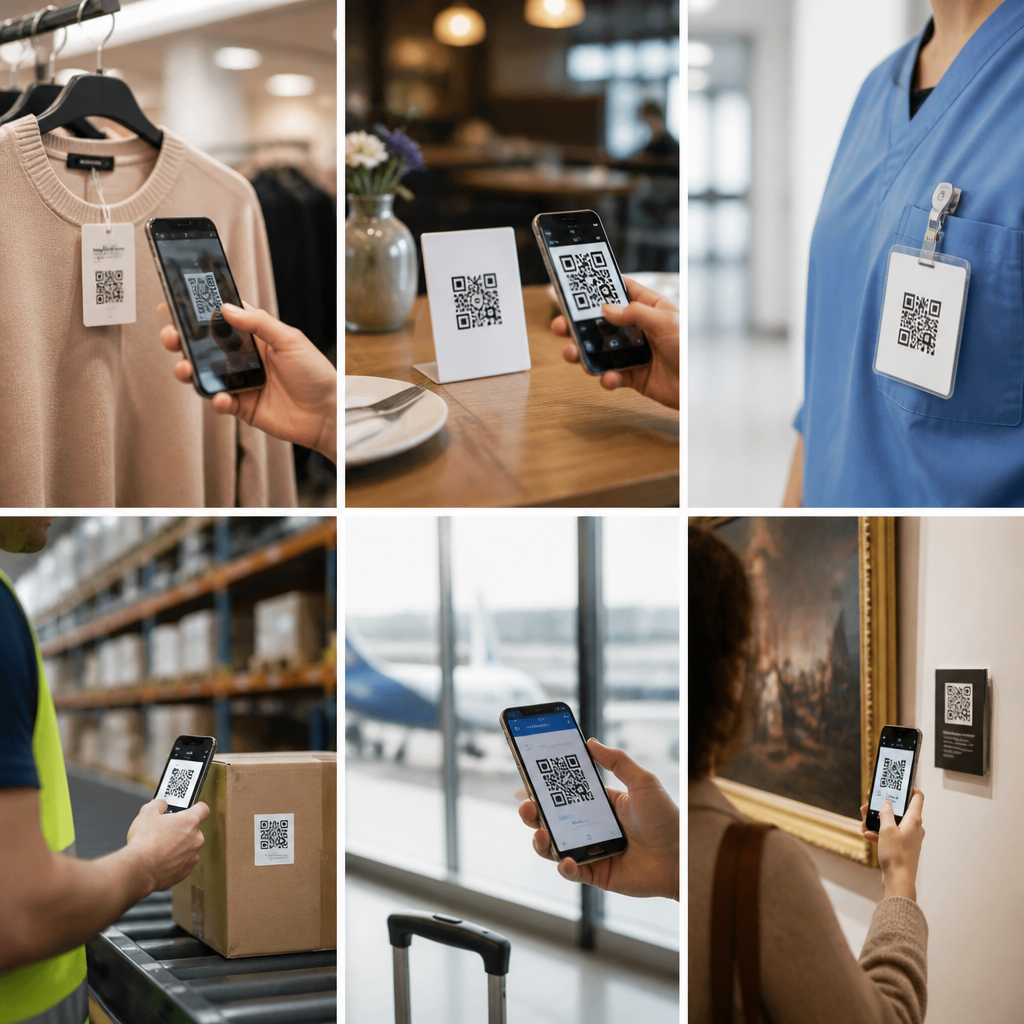
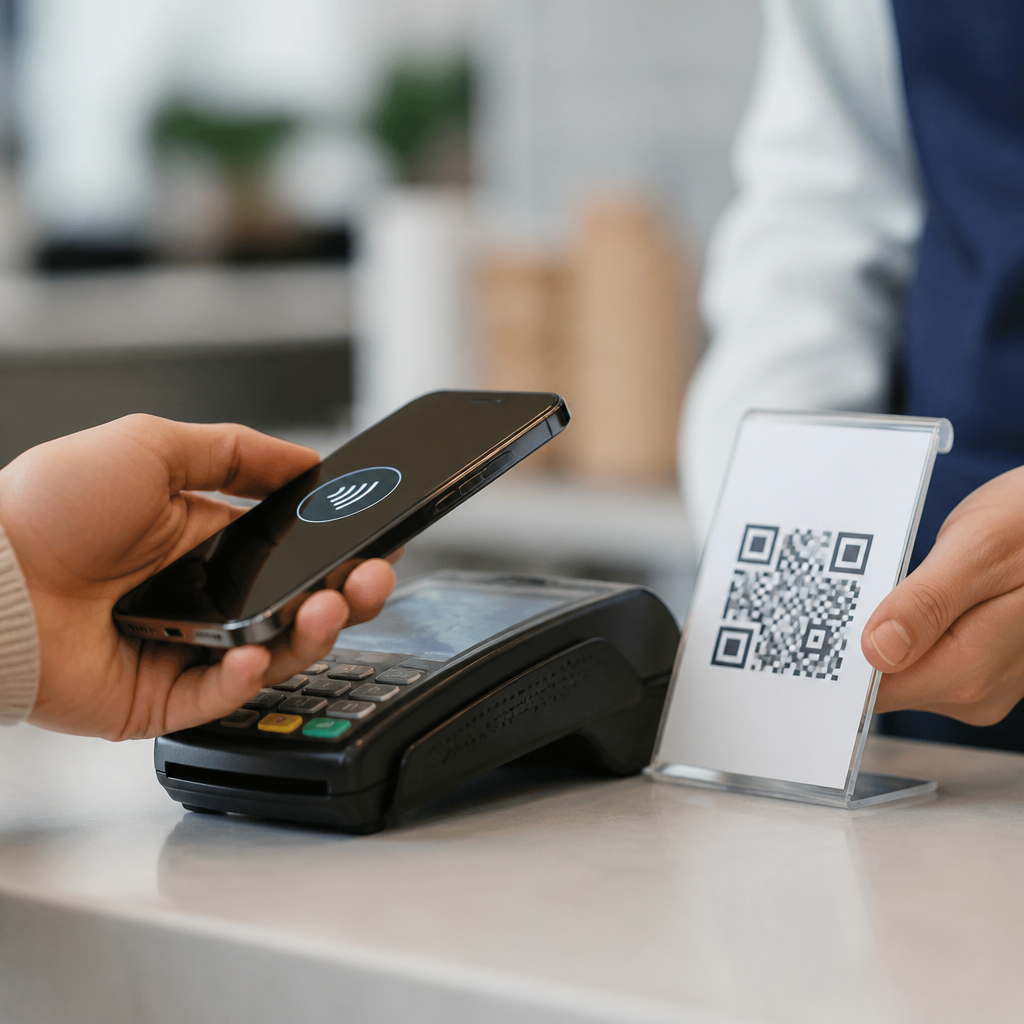
QR codes and NFC payments solve the same problem—letting people pay quickly without cash or a physical card swipe—but they do it in very different ways, and those differences matter for security, cost, reliability, and user trust. A QR code payment uses a machine-readable square barcode that a phone camera or scanner interprets to open a payment request, merchant profile, or checkout screen. Near Field Communication, usually shortened to NFC, uses short-range radio communication so a phone, smartwatch, or contactless card can exchange payment credentials with a terminal when held within a few centimeters. Other payment technologies, including magnetic stripe cards, EMV chip cards, Bluetooth Low Energy beacons, and account-to-account mobile payment links, still appear in the same buying journeys, so any fair comparison has to place QR codes and NFC in that broader landscape.
I have worked on mobile checkout flows for retailers, restaurants, and event venues, and the most important lesson is simple: no payment method is inherently safe or unsafe in every context. Security depends on the data path, the hardware, the software, the customer behavior, the fraud controls, and the merchant setup. A static QR code printed on a counter has very different risks from a dynamic QR code generated at checkout. An NFC tap from Apple Pay or Google Pay, which relies on tokenization and secure elements, has very different protections from tapping a basic contactless card that still depends on issuer controls behind the scenes. If you are evaluating QR codes vs NFC payments, the right question is not just “which is safer?” but “safer against what attack, under which operating conditions, and for which business model?”
This hub article covers QR codes vs NFC vs other tech in practical terms. It explains how each method works, where the main fraud risks appear, what standards and controls reduce exposure, and when one option is the stronger choice. If you manage ecommerce, hospitality, retail, events, transit, or service-based payments, understanding these tradeoffs helps you choose technology that protects customers without adding friction that kills conversion.
How QR code payments and NFC payments actually work
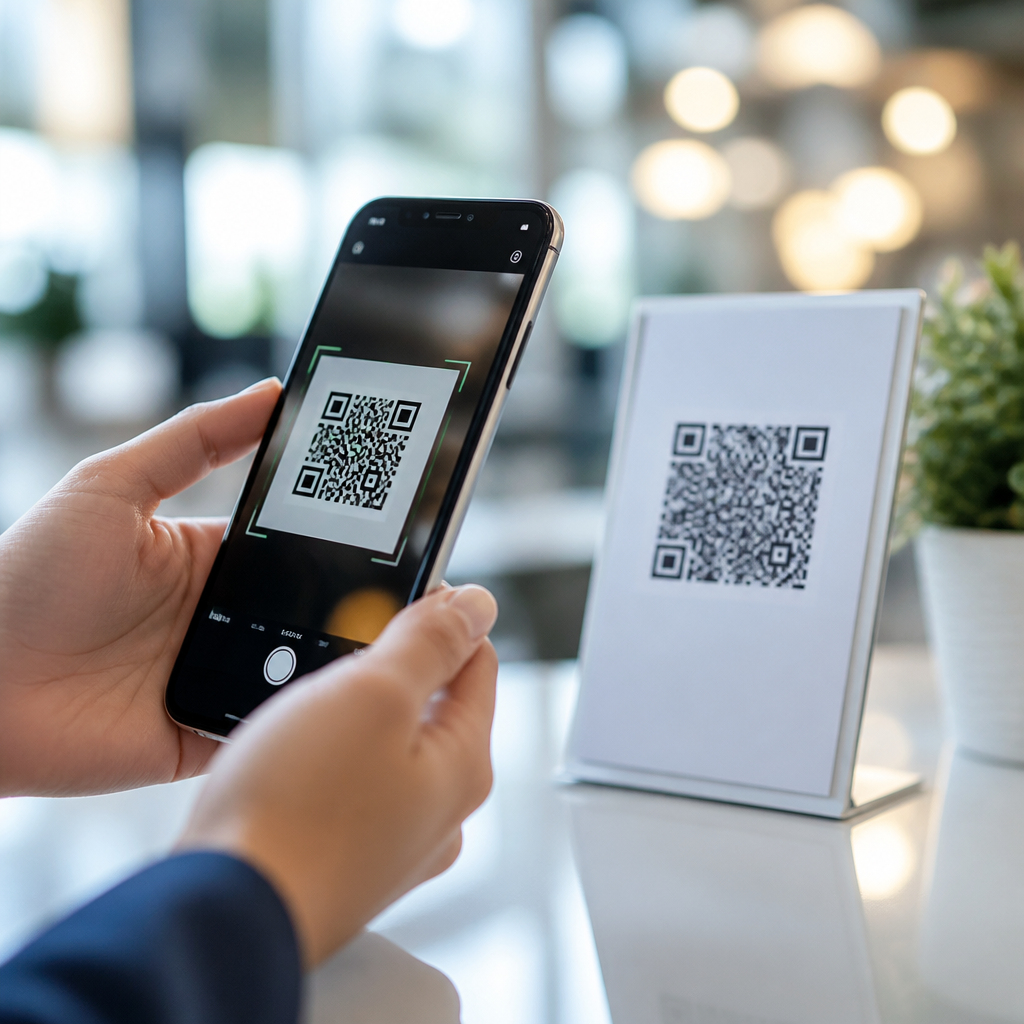
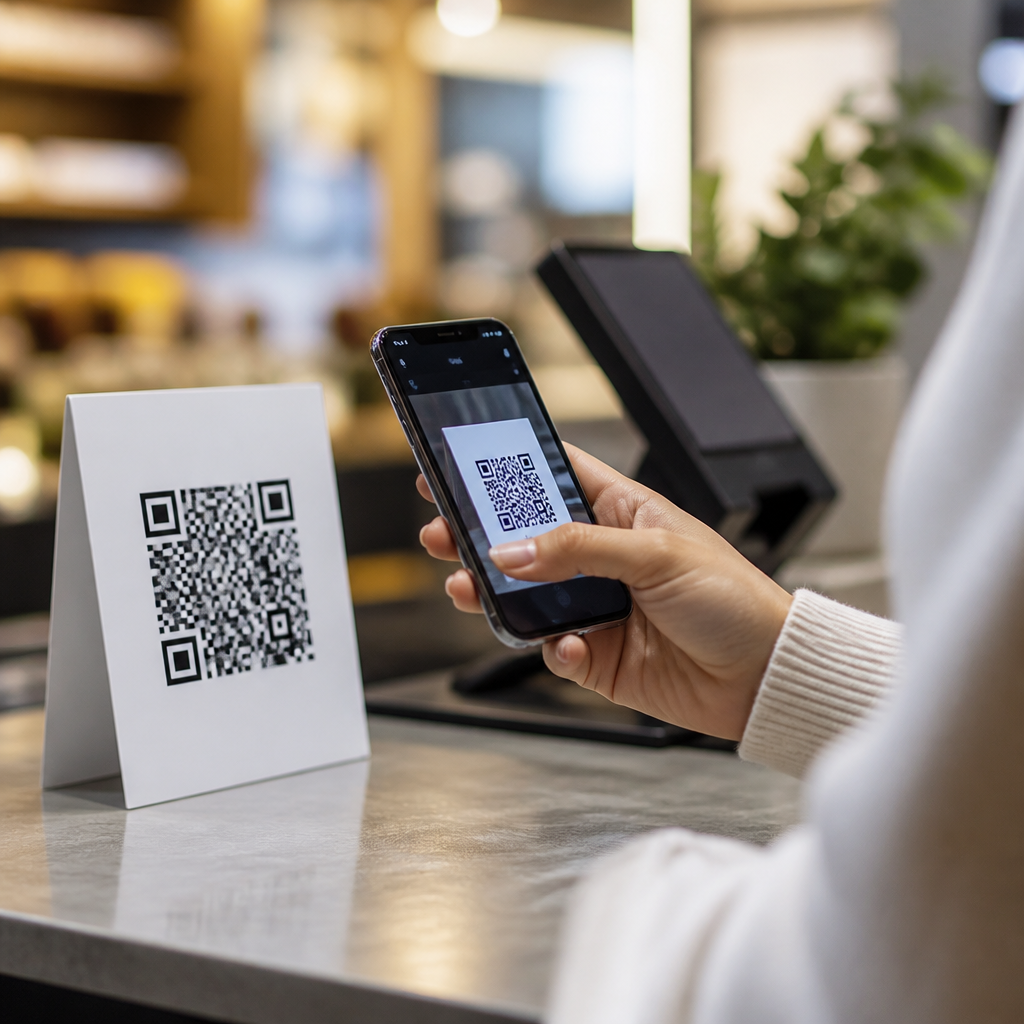
QR code payments come in two main forms: customer-presented and merchant-presented. In a customer-presented flow, the payer opens a banking or wallet app and shows a QR code that the merchant scans. In a merchant-presented flow, the merchant displays a QR code and the customer scans it to approve payment. That code may be static, containing only an identifier or destination, or dynamic, containing transaction-specific data such as amount, order ID, timestamp, and merchant reference. Dynamic QR is materially safer because it reduces manual entry errors, limits reuse, and gives back-end systems more context for fraud scoring and reconciliation.
NFC payments also split into distinct implementations. The strongest mainstream version is a mobile wallet tap, where a device uses tokenized credentials instead of exposing the real card number. Apple Pay, Google Pay, and similar wallets typically rely on EMV contactless specifications, device authentication, and token services from card networks. A contactless physical card also uses EMV contactless, but user verification may differ by amount, region, and issuer rules. In practice, mobile wallet NFC is usually the highest-security consumer payment experience available at a point of sale because tokenization, biometric verification, and limited-range communication work together.
Other technologies fill gaps that neither QR nor NFC covers perfectly. EMV chip cards remain resilient against counterfeit card fraud in card-present environments because they generate dynamic cryptograms. Magnetic stripe cards are the weakest legacy option because static card data can be copied. Payment links sent by SMS or email can be secure when delivered through trusted systems with strong authentication, but phishing risk is significant. Bluetooth-based proximity payments exist, yet they have never matched NFC’s consistency for mainstream in-person checkout.
Which payment method is safer against common attacks?
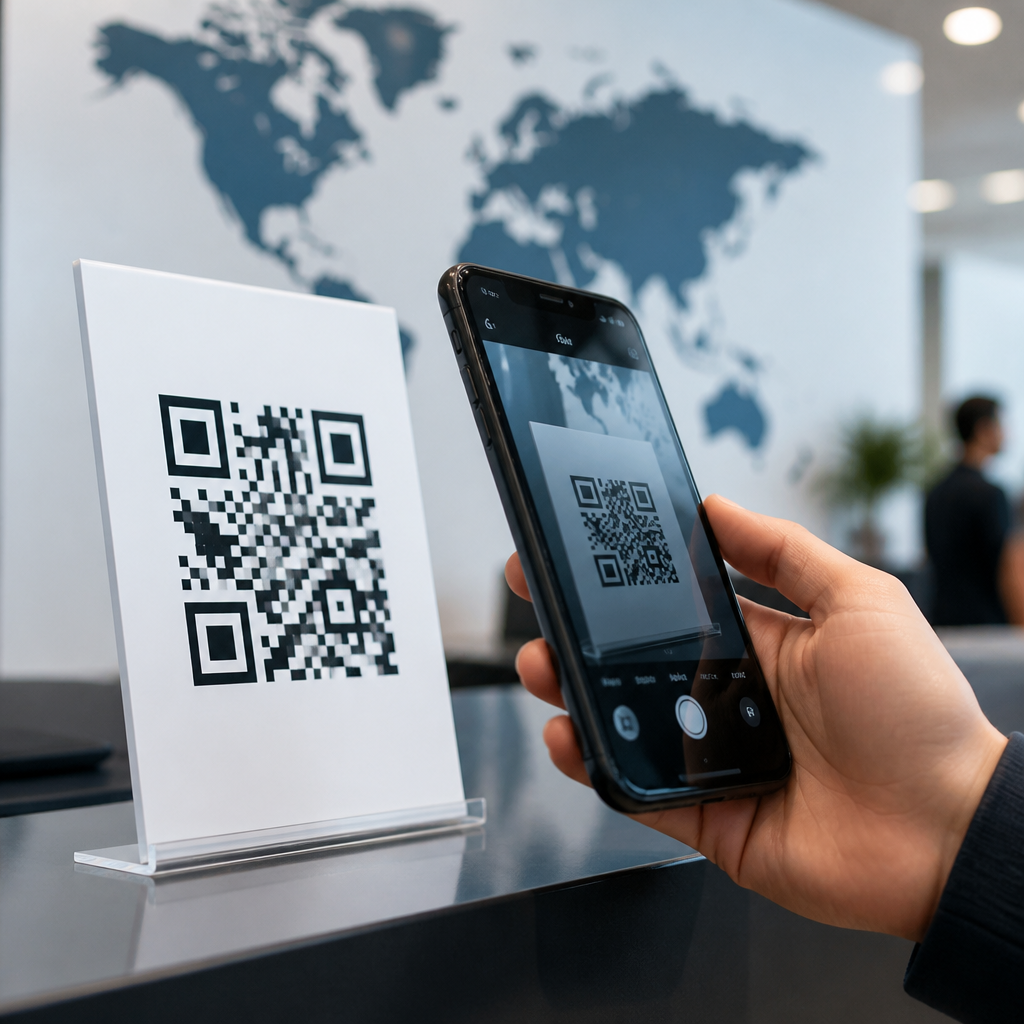
The short answer is that NFC mobile wallets are generally safer than QR code payments for in-person transactions, but QR can be very safe when implemented correctly. NFC’s advantage comes from standardized contactless payment rails, tokenization, cryptographic authentication, and the fact that the user does not need to trust visual content in the environment. A QR code, by contrast, is visible and replaceable. If an attacker places a fraudulent sticker over a legitimate merchant QR code, a customer can be redirected to a fake payment page. This attack, often called quishing, has become a major concern in parking, vending, donations, and unattended kiosks.
That does not mean QR is weak by design. Dynamic QR generated inside a trusted merchant app or on a secure screen can be highly defensible, especially when the payment app verifies merchant identity before confirmation. In closed-loop systems, such as transit or event payments, QR can be tightly controlled. The weakness usually appears in open environments where static codes are printed, posted, or forwarded without context. User interface design is therefore a security control: a payment app should clearly display the merchant name, amount, and destination before the customer approves.
NFC has its own threat model. Relay attacks, device compromise, rogue terminals, and social engineering still exist. However, in real-world merchant settings, successful exploitation is harder because attackers need specialized conditions and because payment networks, device makers, and issuers have layered controls. From a risk management perspective, QR failures tend to come from code substitution and phishing, while NFC failures more often involve endpoint compromise or account takeover upstream of the tap itself.
Security comparison across QR, NFC, and other payment technologies
| Technology | Main security strengths | Primary weaknesses | Best-fit use cases |
|---|---|---|---|
| Dynamic QR payments | Low hardware cost, transaction-specific data, good audit trail | Phishing, code replacement, dependence on app verification | Restaurants, bill pay, cross-border wallets, small merchants |
| Static QR payments | Very cheap to deploy, simple onboarding | High quishing risk, manual amount errors, weaker trust signals | Low-volume microbusinesses, donations with monitoring |
| NFC mobile wallets | Tokenization, biometrics, EMV contactless security, fast checkout | Requires compatible phones and terminals, wallet provisioning friction | Retail, transit, hospitality, high-throughput stores |
| Contactless cards | Widely accepted, strong network rules, no phone needed | Less user verification than mobile wallets in some cases | General retail and everyday card-present transactions |
| EMV chip cards | Strong anti-counterfeit protection, mature acceptance | Slower experience, card theft still matters | Fallback and regions with lower contactless penetration |
In live deployments, I advise merchants to rank technologies by both fraud resistance and operational discipline required. NFC mobile wallets typically give the best built-in protection with the least customer judgment required. Dynamic QR performs well when the merchant controls the endpoint and the app confirms payee details. Static QR should be treated as low-cost but high-governance: if you deploy it, inspect signs, monitor settlements, and give customers an easy verification path. Magnetic stripe acceptance should be minimized wherever possible.
Cost, accessibility, and operational tradeoffs
Safety is not the only factor in payment adoption. QR codes spread rapidly because they are inexpensive. A merchant can accept QR payments with a printed sign and a smartphone or basic scanner, while NFC usually requires a certified contactless terminal integrated with a payment processor. In emerging markets, that cost difference has been decisive. India’s UPI QR ecosystem, for example, scaled because even very small merchants could start accepting digital payments at near-zero setup cost. China’s Alipay and WeChat Pay ecosystems similarly used QR to reach merchants long before contactless terminal saturation matched Western card markets.
Accessibility and device coverage also matter. Almost every smartphone has a camera, making QR universally approachable. NFC support is widespread but not universal, especially on older budget phones. For consumers without compatible devices, contactless cards may bridge the gap. In restaurants, parking, and self-service environments, QR can reduce queueing because users scan and pay on their own phones. In grocery, quick-service, and transit, NFC often wins because a tap is faster than opening a camera, scanning, reviewing a page, and confirming.
Operational reliability can reverse the decision. QR depends on screen visibility, camera focus, app permissions, and sometimes network access. NFC depends on terminal health, wallet provisioning, and device battery, though some phones support limited reserve modes for transit. The safest option that customers cannot complete is not the best option. Strong payment design matches the method to the environment.
Best practices for merchants choosing between QR codes, NFC, and other tech
If your primary goal is the safest mainstream in-person experience, prioritize NFC mobile wallet acceptance and keep EMV chip as fallback. If your priority is low-cost digital acceptance, use dynamic QR rather than static QR wherever possible. The implementation details matter more than the logo on the checkout counter. Merchants should use PCI DSS-compliant providers, maintain secure POS software, train staff to spot tampering, and monitor chargebacks and settlement anomalies by channel.
For QR deployments, display merchant name consistency across the sign, app, and receipt. Rotate dynamic codes when feasible. Avoid URL-shortened destinations. Inspect physical codes daily in unattended environments. For NFC, keep terminals updated to current EMV kernels and processor certifications, and encourage wallet acceptance because device-based tokenization materially reduces exposed card data. For all channels, enable transaction alerts, velocity checks, device fingerprinting where appropriate, and customer support that can quickly reverse mistaken payments or isolate fraud patterns.
This sub-pillar hub exists to guide deeper exploration of QR codes vs NFC vs other tech, from fraud trends and statistics to industry-specific implementation choices. The central takeaway is clear: NFC mobile wallets are usually safer by default, while QR payments can approach strong security when they are dynamic, verified, and well governed. Choose based on threat model, budget, and user context, then build controls around the weakest link. Review your current payment mix, map the likely attack paths, and upgrade the channel that creates the most avoidable risk first.
Frequently Asked Questions
Are NFC payments safer than QR code payments?
In many everyday situations, NFC payments are generally considered safer because they use very short-range communication and are usually tied to built-in security features on a phone or contactless card. When someone pays with NFC, the device typically relies on tokenization, encrypted communication, and user verification methods such as a fingerprint, face scan, or device passcode. That means the merchant usually does not receive the actual card number, and the payment credential being transmitted is often a one-time or limited-use token rather than permanent account data.
QR code payments can also be secure, but their safety depends much more on the environment and on how the code is presented. A legitimate QR code can simply route a customer to a secure payment page or merchant wallet, but malicious actors can replace or overlay real codes with fraudulent ones. If a customer scans a tampered code, they may be sent to a fake checkout page, a phishing site, or a payment destination controlled by a scammer. In other words, NFC security risks tend to be more technical and system-level, while QR code risks often involve visual deception, social engineering, and link manipulation.
So the better answer is that NFC is usually safer by design, but QR payments are not inherently unsafe. A properly managed QR payment system with trusted apps, secure links, transaction verification, and merchant controls can still be highly reliable. The difference is that NFC has fewer visible opportunities for a criminal to alter what the customer is tapping, while QR codes can be easier to intercept or spoof in the real world if businesses do not monitor them carefully.
What are the biggest security risks with QR code payments?
The most common risk with QR code payments is code substitution. Because a QR code is a visible image, a criminal can print a fake sticker and place it over a real merchant code at a counter, parking meter, restaurant table, or self-checkout station. The customer may think they are paying the business, but the payment can actually be redirected to a scammer. This is one of the reasons static QR codes, especially those displayed in public for long periods, deserve extra scrutiny.
Another major concern is phishing. A QR code can take a user to a web page that looks legitimate but is designed to steal login credentials, card details, or wallet information. Since the code itself is not human-readable, the customer cannot easily tell where it leads until after scanning. Attackers take advantage of that opacity. They may use convincing brand logos, familiar checkout language, and fake confirmation screens to make the experience look authentic.
There are also risks related to poor app hygiene and weak user behavior. If someone scans codes with an untrusted app, ignores browser warnings, or does not verify the payment recipient before confirming, the chance of fraud goes up. Businesses can reduce these problems by using dynamic QR codes, displaying the merchant name clearly in the payment app, inspecting physical codes regularly, and educating customers to verify who they are paying before completing the transaction. The security of QR payments often depends as much on process and awareness as on the payment technology itself.
Can NFC payments be hacked or skimmed?
Yes, but in practice it is usually more difficult than many people assume. NFC works over a very short distance, which already limits casual interception. On top of that, modern mobile wallets and contactless payment systems are designed with layered protections such as tokenization, cryptographic authentication, and secure elements or protected hardware areas within the device. These features make it much harder for an attacker to capture useful payment data and reuse it later.
That said, no payment technology is risk-free. Researchers and security professionals have demonstrated theoretical and controlled attacks involving relay techniques, rogue terminals, or attempts to exploit weaknesses in poorly implemented systems. A relay attack, for example, tries to extend the communication between a legitimate payment device and a terminal so that a transaction appears to happen locally when it is actually being forwarded elsewhere. These attacks are technically complex and far less common than simpler fraud methods like phishing or account takeover, but they show that NFC security depends on proper implementation, device integrity, and issuer controls.
For most consumers, the more realistic threat is not radio interception but compromise of the broader account environment. If someone steals a phone that is unlocked, gains access to wallet credentials, or tricks a user into handing over banking login information, the payment method becomes vulnerable regardless of whether the transaction is NFC-based. Keeping the device updated, enabling screen locks and biometrics, using trusted wallet apps, and turning on transaction alerts are among the best ways to keep NFC payments secure in everyday use.
Which payment method is better for businesses concerned about fraud and chargebacks?
For businesses, the answer depends on the sales environment, customer base, and technical setup, but NFC often offers an advantage where fraud prevention and transaction trust are top priorities. Contactless card and wallet transactions usually run through established payment networks with mature fraud detection tools, issuer authentication systems, and clear dispute-handling frameworks. Because NFC payments are often tied to tokenized credentials and device-level authentication, they can reduce exposure to stolen card details and lower certain forms of card-present fraud.
QR code systems can be very attractive because they are inexpensive to deploy and easy to scale, especially for small merchants, pop-up vendors, delivery operations, and businesses in regions where wallet-based QR ecosystems are common. However, fraud controls can vary significantly depending on the provider. If the QR flow relies on redirects, account transfers, or wallet-to-wallet payments, the merchant may face different dispute rules, weaker standardization, or a greater need to verify that the customer actually paid the correct account. A poorly managed QR deployment can also create customer-service issues if codes are swapped or if users send money to the wrong destination.
In practical terms, businesses that want the strongest default protection often lean toward NFC, especially in formal retail environments with modern point-of-sale hardware. Businesses that prioritize low setup costs and broad smartphone compatibility may still prefer QR, but they should add safeguards such as dynamic code generation, tamper checks, payment confirmation screens, and reconciliation controls. The safer option for a business is not just about the technology itself, but about how well the payment flow is monitored, authenticated, and integrated into daily operations.
How can consumers use QR codes and NFC payments more safely?
Consumers can improve safety with either method by treating every digital payment as something that deserves a quick verification step. For QR code payments, that means scanning only codes from trusted merchants, being cautious of codes placed on stickers or paper inserts, and checking the destination before authorizing payment. If the app or browser shows a merchant name, URL, or payment recipient, take a second to confirm it matches the business in front of you. If anything looks unusual, such as a generic payment page, spelling errors, or pressure to act quickly, it is best to stop and ask the merchant for clarification.
For NFC payments, the basics are more about device security than visual inspection. Keep your phone locked, enable biometric authentication, and use a trusted mobile wallet rather than storing card details in random apps. Turn on transaction notifications so you can spot unauthorized charges quickly. If your phone is lost or stolen, use the wallet provider’s remote lock or device management tools immediately. Also pay attention to where you tap. Even though NFC requires close proximity, consumers should still avoid handing unlocked devices to strangers or using unfamiliar terminals that seem altered or suspicious.
Across both payment types, the smartest habit is to rely on reputable payment apps, keep software updated, and review account activity regularly. Security is strongest when technology and user behavior work together. NFC may offer stronger built-in protections, and QR may require more visible caution, but both can be used safely when consumers verify recipients, protect their devices, and stay alert to signs of fraud.