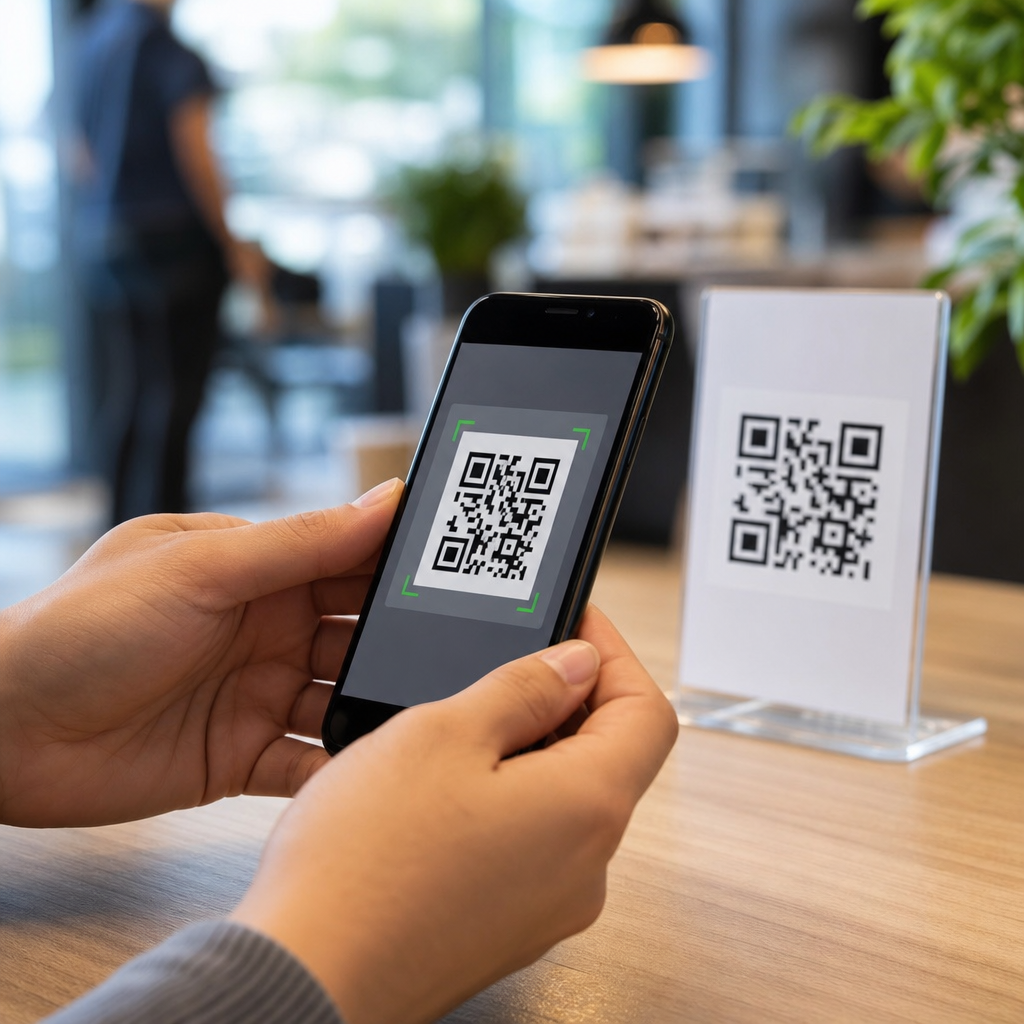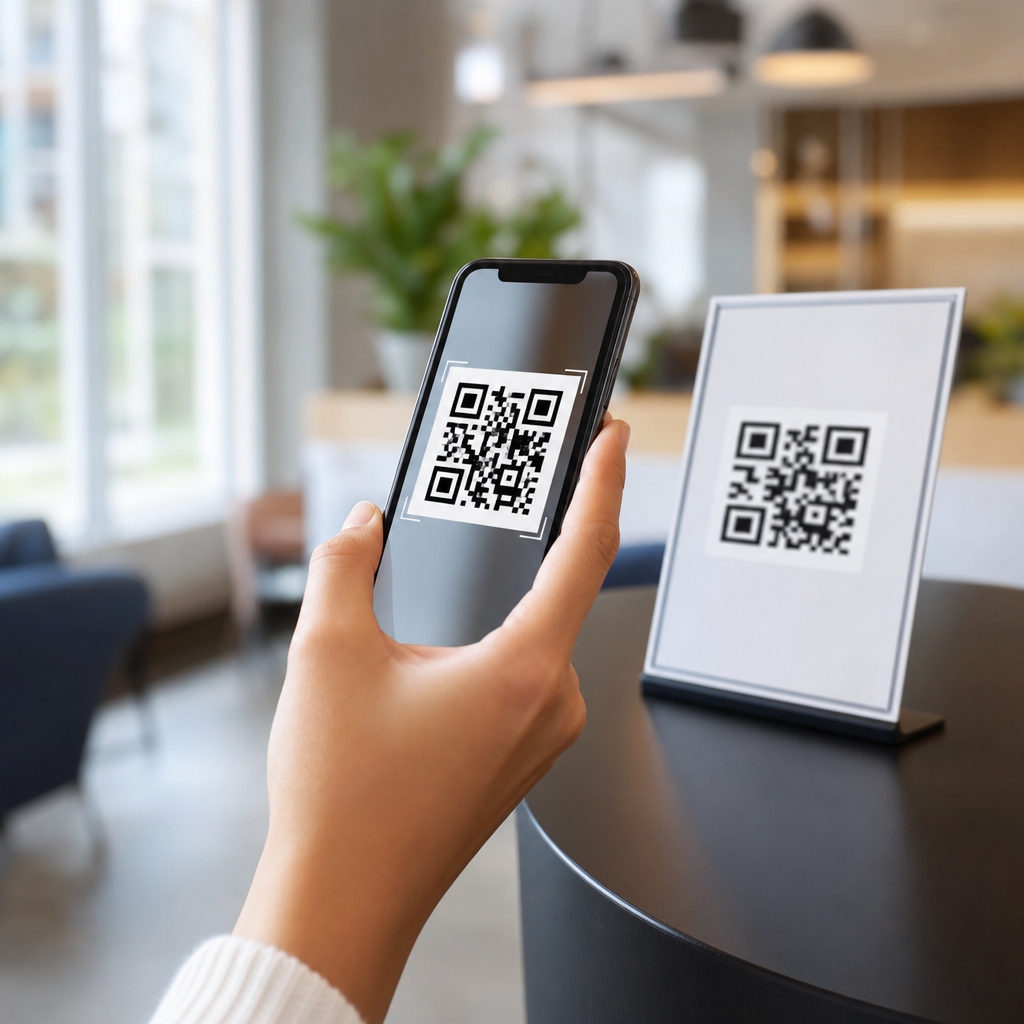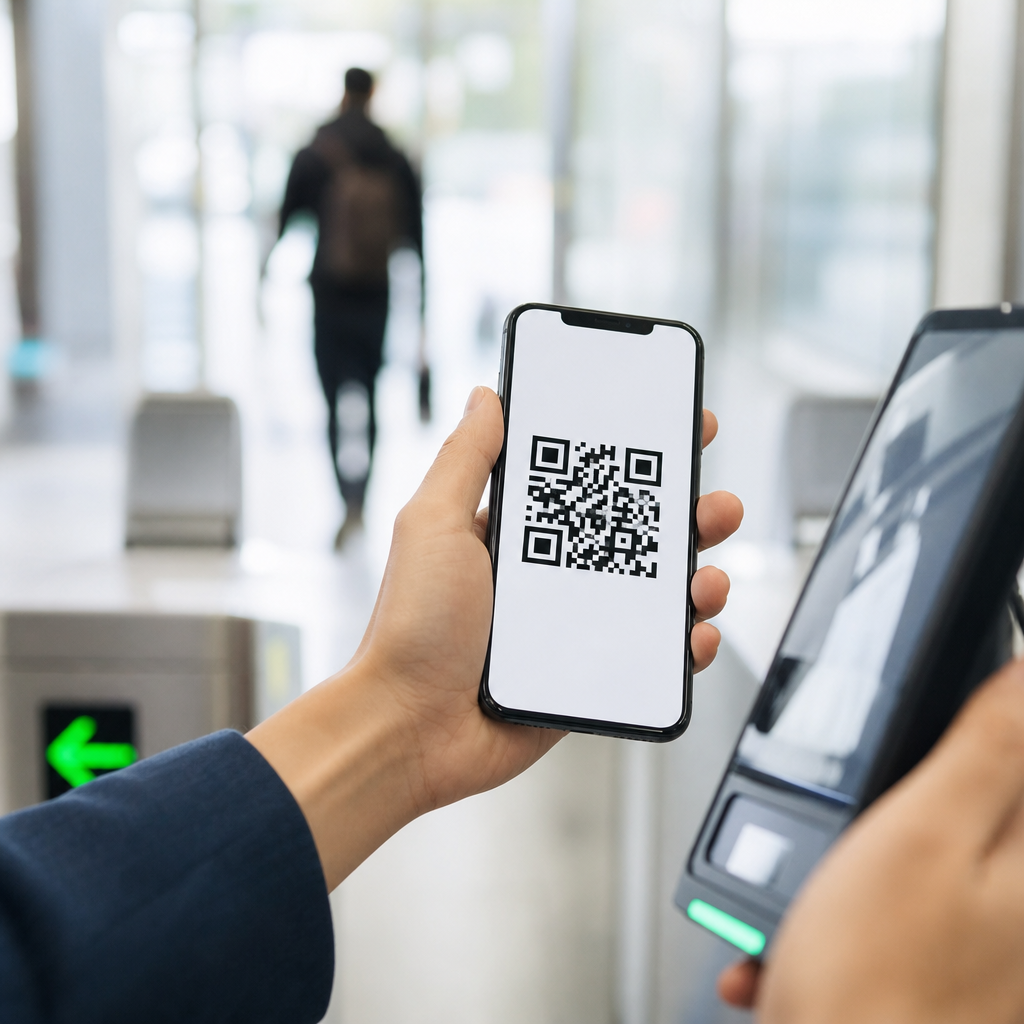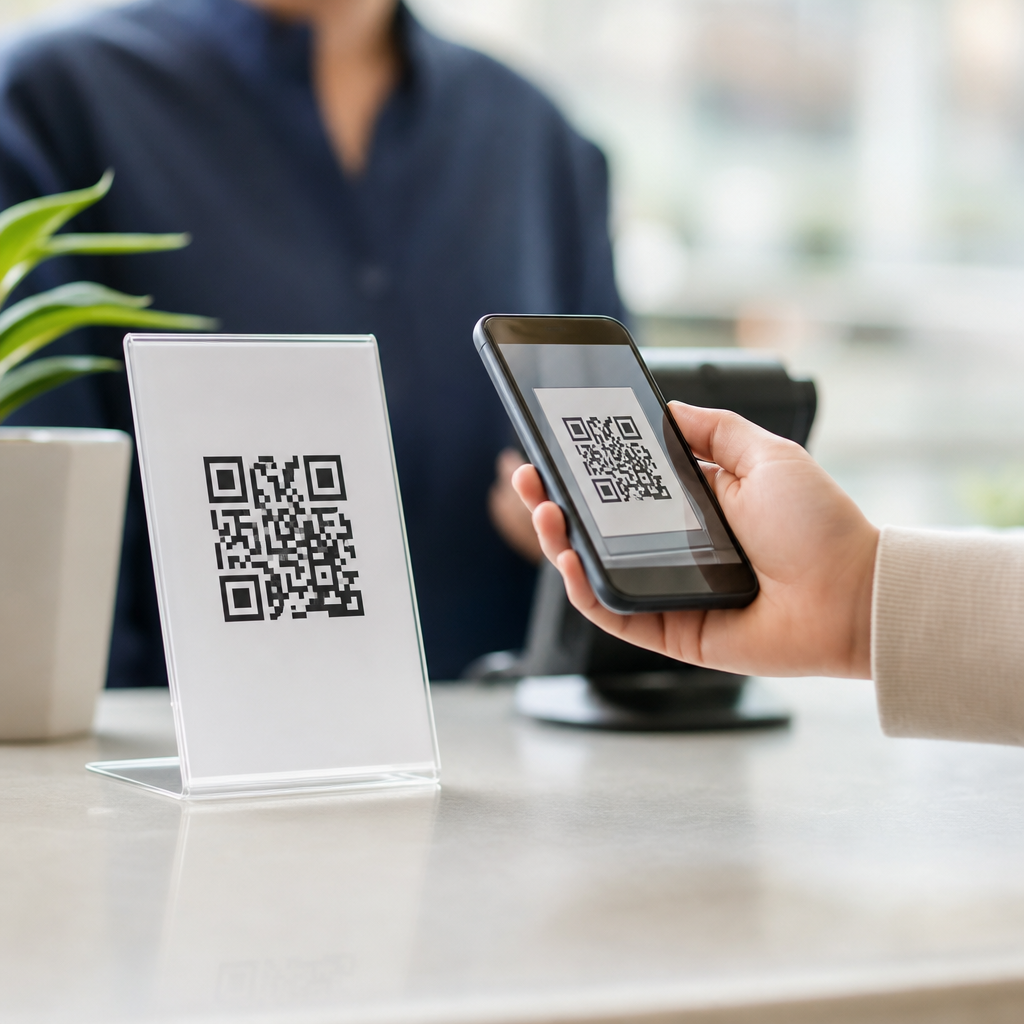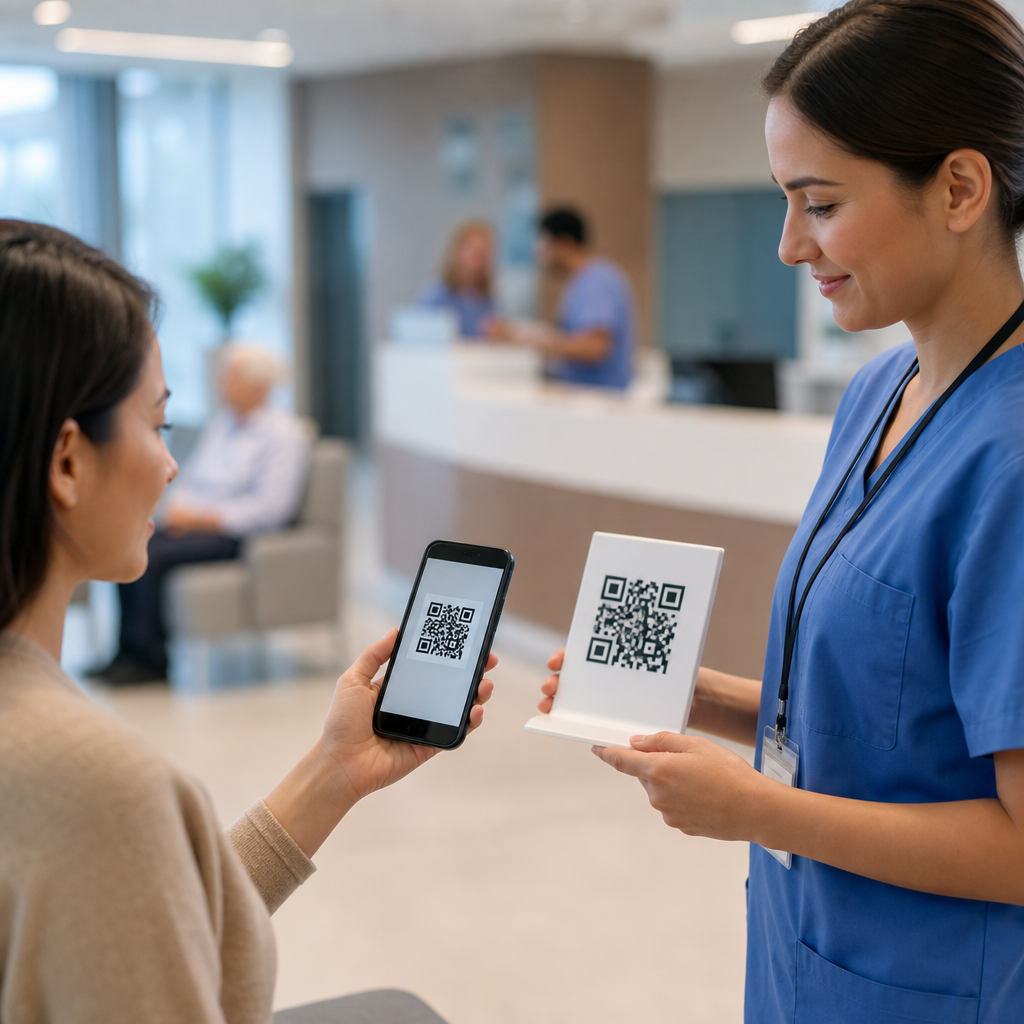
QR codes in healthcare are becoming a practical tool for improving patient access because they connect people to information, services, and digital workflows with a quick smartphone scan. A QR code, or quick response code, is a two-dimensional barcode that stores a web link, file location, contact record, payment prompt, or other machine-readable instruction. In hospitals, clinics, pharmacies, laboratories, and public health settings, that simple function removes friction at moments when patients often face delays, confusion, or paperwork. I have worked on patient-facing QR code rollouts for appointment check-in and discharge education, and the biggest lesson is clear: the technology matters less than the access problem it solves.
Patient access in healthcare means more than entering a building. It includes scheduling, registration, wayfinding, consent, education, telehealth entry, prescription support, billing, and follow-up care. When these tasks require phone calls, printed packets, portal passwords, or front-desk assistance, patients can get stuck. That is especially true for older adults, families managing multiple appointments, patients with limited health literacy, and anyone trying to complete steps while stressed or in pain. QR codes help by reducing the number of clicks and decisions between a patient and the next action they need to take.
This topic matters because healthcare organizations are under pressure to improve convenience without compromising privacy, accuracy, or compliance. Patients now expect mobile-first experiences similar to banking, travel, and retail. At the same time, providers must support accessibility, multilingual communication, and secure handling of protected health information. QR codes sit at the intersection of these needs. They can streamline operational tasks, lower administrative burden, and make care instructions easier to retrieve later. Used well, they also support broader mobile QR code basics such as dynamic destination management, scan tracking, and print-to-digital continuity across the patient journey.
Appointment access, registration, and faster intake
One of the most common healthcare QR code use cases is getting patients into the right appointment flow quickly. A printed reminder card, text message, or lobby sign can send a patient directly to online scheduling, pre-registration, insurance verification, or digital forms. In practice, this reduces clipboard bottlenecks and cuts duplicate data entry. A multispecialty clinic can place a dynamic QR code on appointment confirmations that opens a secure mobile landing page with directions, preparation instructions, and a check-in button. If the clinic later changes the intake form vendor, the destination can be updated without reprinting every card or poster.
For same-day access, QR codes are especially effective in urgent care and outpatient imaging. Patients scan on arrival, confirm demographics, sign consent forms, and join a digital queue. Staff gain cleaner records because patients type information directly into structured fields rather than relying on handwritten forms that need manual interpretation. The benefit is not only speed. Front-desk staff can spend more time helping patients with complex needs instead of processing routine paperwork. The tradeoff is that every intake flow must include an alternative path for patients without smartphones, poor connectivity, or limited digital confidence.
Wayfinding, on-site navigation, and service discovery
Large hospitals are difficult to navigate, and poor wayfinding can make patients late, anxious, or lost. QR codes improve patient access by connecting physical spaces to digital directions. A code on parking receipts, entrance signage, or appointment letters can open turn-by-turn maps to a department, imaging suite, or lab draw station. I have seen this work well in medical campuses with multiple towers where even repeat visitors confuse elevator banks and registration desks. Instead of stopping three employees for directions, patients scan once and follow a clearly labeled route on their phones.
Service discovery is another overlooked use case. A pediatric hospital can place QR codes in waiting areas that link families to cafeteria hours, family lodging details, interpreter services, financial counseling, or child life resources. Community clinics can use codes on posters to connect people to vaccine schedules, behavioral health referrals, transportation assistance, or social services screening. In each case, the QR code acts as a bridge between a patient’s immediate question and an accurate answer. To work well, the linked page must load fast, use plain language, and present one primary action rather than a cluttered menu.
Education, discharge instructions, and medication support
Patient education is where QR codes often produce the clearest value. Printed discharge packets are easy to lose, and portal messages are often buried. A QR code placed on discharge paperwork, prescription labels, after-visit summaries, or bedside cards can link patients to videos, wound care steps, post-operative precautions, medication instructions, and symptom escalation guidance. This is more useful than static paper because it supports visual learning, translation, and updates when clinical guidance changes. For example, an orthopedic practice can send knee replacement patients to a page with exercise demonstrations, recovery milestones, and emergency warning signs.
Medication access also improves when pharmacies and providers use QR codes well. Codes can link to refill requests, manufacturer savings programs, adherence reminders, administration videos for inhalers or injectables, and drug-specific education from recognized sources. The National Council for Prescription Drug Programs and FDA labeling expectations reinforce the need for accurate medication communication, and QR-linked resources can strengthen that communication when they complement, not replace, pharmacist counseling. The key rule is to avoid embedding sensitive personal data directly in the code. A secure link that requires appropriate authentication is safer than storing patient-specific information in the symbol itself.
Telehealth, payments, and common healthcare QR code use cases
Telehealth adoption exposed a simple truth: many patients miss virtual visits because joining is harder than expected. QR codes solve this by sending patients straight into the correct telehealth waiting room from a reminder postcard, discharge sheet, or email opened on a second device. A rehabilitation practice might print a code on follow-up instructions so patients can rejoin a therapist-led exercise visit without searching old messages. This reduces support calls and missed appointments, especially when the destination page includes a browser test, consent notice, and backup phone number.
Billing and payment are another strong fit. A patient statement with a QR code can open a secure payment page, explain charges in plain terms, and offer financial assistance information. Providers using platforms such as Epic, Cerner, athenahealth, or patient payment vendors can route codes into account-specific workflows when security controls are in place. Done carefully, this shortens revenue cycles and reduces confusion that often delays payment. However, payment codes should be branded clearly and paired with fraud awareness messaging so patients can distinguish legitimate healthcare requests from phishing attempts.
| Use case | Where the QR code appears | Patient benefit | Operational benefit |
|---|---|---|---|
| Check-in and forms | Appointment reminders, kiosks, lobby signs | Faster registration | Less front-desk workload |
| Wayfinding | Parking areas, entrances, letters | Easier navigation | Fewer directional interruptions |
| Discharge education | After-visit summaries, bedside cards | Clearer instructions at home | More consistent education delivery |
| Telehealth access | Reminder cards, emails, care plans | Quicker visit entry | Fewer missed virtual visits |
| Payments | Statements, billing notices | Simpler mobile payment | Faster collections |
Public health, safety, and implementation best practices
Beyond individual encounters, QR codes support population-level access. Public health agencies use them on posters, mailers, and event signage to direct people to vaccine appointments, testing locations, outbreak guidance, and eligibility screening. During flu season or local measles exposure events, a dynamic QR code can point residents to the latest clinic hours without replacing every printed asset. In hospitals, infection prevention teams can use codes for visitor policies, hand hygiene education, and unit-specific safety instructions. These are straightforward examples, but they show why QR codes are effective: they make changing information reachable from fixed physical materials.
Implementation success depends on governance. Healthcare organizations should use dynamic QR codes, HTTPS destinations, short mobile forms, accessibility-tested landing pages, and analytics that respect privacy laws. HIPAA considerations apply when linked workflows involve protected health information, and security teams should review redirect logic, vendor contracts, retention settings, and authentication methods. Accessibility also matters. Use high-contrast print, clear scan instructions, large enough code sizes, multilingual support, and alternatives such as short URLs or staffed assistance. Measure scan rate, completion rate, no-show reduction, and patient satisfaction, then refine based on evidence. Start with one high-friction journey, such as check-in or discharge education, and build from there.
QR codes in healthcare improve patient access when they remove barriers at important moments: booking appointments, arriving on site, understanding care instructions, joining telehealth visits, and paying bills. Their value is not the code itself but the shorter path it creates between a patient need and a completed action. The most effective programs focus on common use cases, tie each code to a clear workflow, and maintain secure, mobile-friendly destination pages. They also respect real-world limits by offering non-digital alternatives and avoiding assumptions about device access or technical confidence.
As a hub topic within mobile QR code basics, the key takeaway is that healthcare organizations should treat QR codes as part of a larger patient access strategy, not as isolated graphics added to posters and paperwork. Every scan should answer a specific question or complete a specific task. When teams align clinical operations, compliance, design, and IT, QR codes become a low-cost, high-utility bridge between physical care environments and digital service delivery. Review your highest-friction patient touchpoints, identify where a scan can replace waiting or searching, and pilot one use case with measurable goals.
Frequently Asked Questions
How do QR codes improve patient access in healthcare?
QR codes improve patient access by reducing the number of steps it takes to reach important healthcare information, services, and digital tools. Instead of asking patients to type long web addresses, download documents manually, or wait in line for basic administrative tasks, providers can place a scannable code on signs, appointment reminders, prescription materials, discharge papers, billing notices, and patient education handouts. With one scan, a patient can open a scheduling page, complete intake forms, review post-visit instructions, access telehealth links, pay a bill, check test preparation requirements, or find directions inside a facility.
This matters because access barriers in healthcare are often small but cumulative. A missed link, confusing instructions, a delayed check-in process, or difficulty finding the right service can all slow down care. QR codes help close those gaps by creating a direct path between the patient and the next action they need to take. In practical terms, that can mean faster registration, fewer front-desk bottlenecks, better follow-through after appointments, and easier access to resources outside normal office hours. For healthcare organizations focused on convenience, efficiency, and patient engagement, QR codes are a simple tool that can make the care journey feel more connected and less frustrating.
Where are QR codes most commonly used in healthcare settings?
QR codes are now used across a wide range of healthcare environments because they are flexible, inexpensive, and easy to deploy. In hospitals and clinics, they commonly support digital check-in, patient portal enrollment, appointment scheduling, wayfinding, and access to discharge instructions. In waiting rooms, a posted QR code may let patients complete forms before they reach the front desk. In exam rooms, codes can link to educational materials about conditions, medications, or follow-up care. On printed paperwork, they can direct patients to online versions of instructions, support services, or language-specific resources.
Pharmacies use QR codes for refill requests, medication information, vaccination scheduling, and coupon or payment access. Laboratories may place codes on preparation guides or specimen collection instructions so patients can quickly review fasting requirements, test details, or result portals. Public health organizations can use them in campaigns for vaccine registration, screening programs, outbreak guidance, and community resources. Even specialty care settings, such as physical therapy, dentistry, and home health, can use QR codes to connect patients to exercise videos, care plans, consent forms, and secure communication channels. The common thread is that QR codes help move patients from paper or signage to a digital action without unnecessary friction.
Are QR codes in healthcare secure and compliant with patient privacy expectations?
QR codes themselves are simply a method of delivering information or directing a user to a destination, so their security depends on how they are implemented. A code can safely lead to a secure patient portal, encrypted payment page, or protected telehealth session, but it should be designed carefully to support privacy, trust, and compliance requirements. Healthcare organizations should use secure web addresses, trusted domains, and access controls where protected health information is involved. If a QR code leads to patient-specific records, the destination should require authentication rather than exposing sensitive information directly through the scan itself.
From a privacy and compliance perspective, best practices include using HTTPS links, avoiding printed codes that reveal confidential details, monitoring QR destinations regularly, and giving patients clear context about what the code will open before they scan it. Organizations should also be mindful of physical security, since a malicious actor could place a fraudulent sticker over a legitimate code in a public location. For that reason, regular inspection and branded placement are important. When used responsibly, QR codes can fit well within healthcare privacy frameworks because they do not inherently store a patient’s medical data in the visible image. They are most effective and trustworthy when paired with secure systems, clear instructions, and strong governance.
Do QR codes help reduce administrative burden for providers and staff?
Yes, QR codes can significantly reduce administrative burden by shifting repetitive, manual tasks into faster digital workflows. Many healthcare teams spend a large amount of time answering routine questions, handing out printed materials, re-entering information from paper forms, guiding patients through check-in steps, and troubleshooting missed communications. QR codes streamline many of these tasks by giving patients direct access to self-service tools. A code can open registration forms, insurance upload pages, consent documents, payment portals, FAQs, or post-visit care instructions without requiring staff to repeat the same process for every patient.
This creates operational benefits across the care journey. Front-desk teams can process patients more efficiently, clinicians can spend less time covering information already available through digital materials, and billing or support teams may see fewer avoidable phone calls. QR codes can also improve consistency, since every patient receives the same up-to-date resource rather than relying on older printed copies or verbal instructions that may vary by staff member. Over time, that can contribute to fewer paperwork errors, better patient preparedness, and smoother handoffs between departments. While QR codes are not a complete solution to administrative complexity, they are a practical tool for making routine interactions faster, more scalable, and easier for both patients and healthcare teams.
What should healthcare organizations consider before implementing QR codes for patient access?
Before implementing QR codes, healthcare organizations should start with the patient experience they want to improve. The most effective use cases solve a clear access problem, such as reducing check-in delays, simplifying appointment scheduling, improving access to instructions, or increasing patient portal adoption. From there, organizations should make sure the linked content is mobile-friendly, easy to understand, and relevant to the moment in which the patient scans the code. A QR code on a discharge sheet, for example, should lead directly to follow-up instructions or support resources, not a generic homepage that forces the patient to search for what they need.
It is also important to consider accessibility, trust, and adoption. Not every patient is equally comfortable with smartphone-based tools, so QR codes should enhance access rather than replace all other options. Clear labels, multilingual support, large print placement, and alternative paths for patients without smartphones are essential. Organizations should also think about branding and testing. Patients are more likely to scan a code when it appears on official materials, includes a short explanation, and leads to a recognizable destination. Internally, teams should track performance, update links when services change, and review whether the code is actually helping patients complete the intended action. When implementation is thoughtful, QR codes can be a low-cost, high-impact addition to a broader digital access strategy in healthcare.