QR codes have moved from a niche industrial tool to a routine part of daily life, appearing on restaurant tables, shipping boxes, parking meters, medicine packaging, and classroom handouts. A QR code, short for Quick Response code, is a two-dimensional barcode that stores information such as a web address, payment token, contact card, menu file, or authentication credential. Unlike a traditional barcode that holds data in one direction, a QR code stores data both horizontally and vertically, which lets it contain far more information and remain readable even when partly damaged.
The reason QR codes matter is simple: they bridge physical spaces and digital actions faster than typing a URL, searching an app, or entering numbers manually. In my work with local retailers, event organizers, and service businesses, the biggest benefit has been reducing friction at the exact moment someone is ready to act. A customer scans to pay, a guest scans to check in, a patient scans to read instructions, or a commuter scans to buy a ticket. That one small square often replaces several steps, and those saved steps directly improve conversion, convenience, and accuracy.
This article explains where you see QR codes most in everyday life and why each use case has become common. It also serves as a hub for the broader topic of common QR code use cases, so it covers the major categories people encounter regularly: payments, dining, retail, logistics, healthcare, education, travel, marketing, events, authentication, and smart product experiences. Across these settings, the practical question is always the same: what job does the code do better than a printed instruction or a typed link? The answer usually comes down to speed, lower error rates, contactless access, and measurable engagement.
Payments and checkout: the fastest mainstream use case
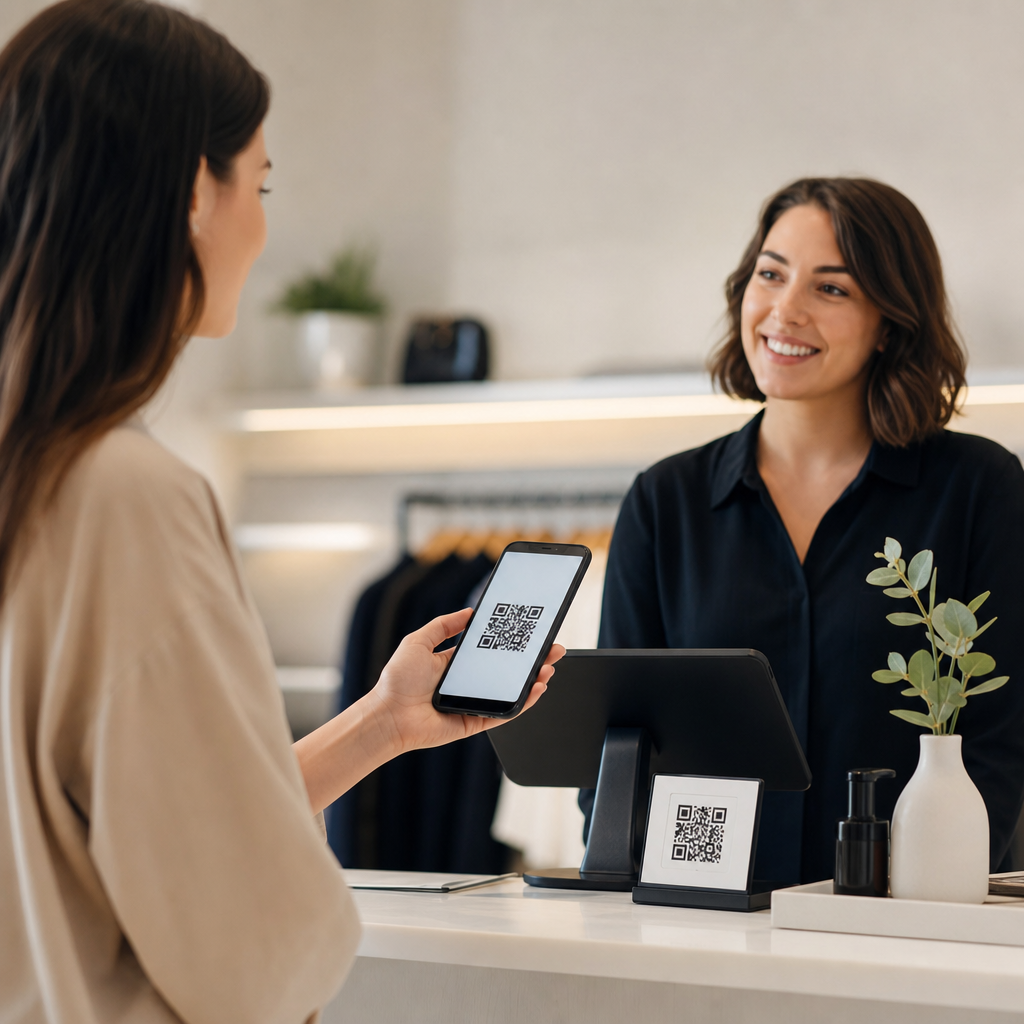
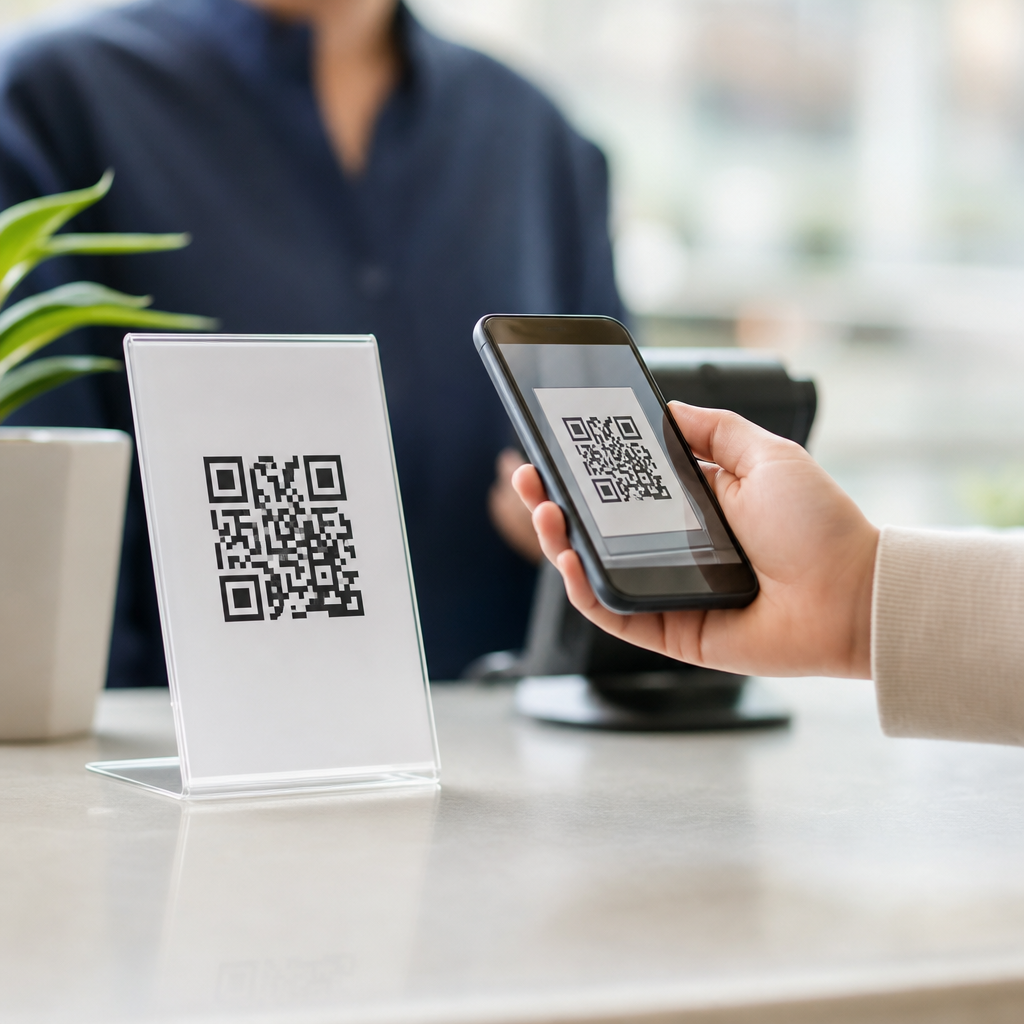
One of the most visible everyday uses of QR codes is payment. In stores, markets, taxis, food stalls, and service counters, a customer scans a merchant-presented code or shows a code for the cashier to scan. The code may contain a payment address, transaction reference, or dynamic checkout token generated by a point-of-sale system. This model became especially common because it works with basic printed signage as well as advanced terminals, making it useful for both microbusinesses and large chains.
Payment QR codes are popular because they reduce hardware requirements and speed up setup. A small vendor can accept digital payments with a laminated standee, while a national retailer can tie a dynamic QR code into inventory, loyalty, and receipts. Standards matter here. In many markets, payment systems rely on regulated bank rails or national QR schemes, while wallets such as Alipay, WeChat Pay, PayPal, Cash App Pay, and region-specific banking apps support merchant acceptance. The practical advantage is that a customer avoids entering account details, and the merchant lowers keying errors.
There are tradeoffs. Static payment codes are easy to deploy but can create reconciliation issues if amounts are not prefilled. Dynamic codes solve that by generating transaction-specific data, yet they require software integration and network access. Security also matters. I advise businesses to inspect printed codes regularly, because sticker replacement fraud is a real issue in public-facing environments. Good practice includes tamper checks, transaction confirmation screens, and merchant name verification before payment is approved.
Restaurants, cafes, and hospitality menus
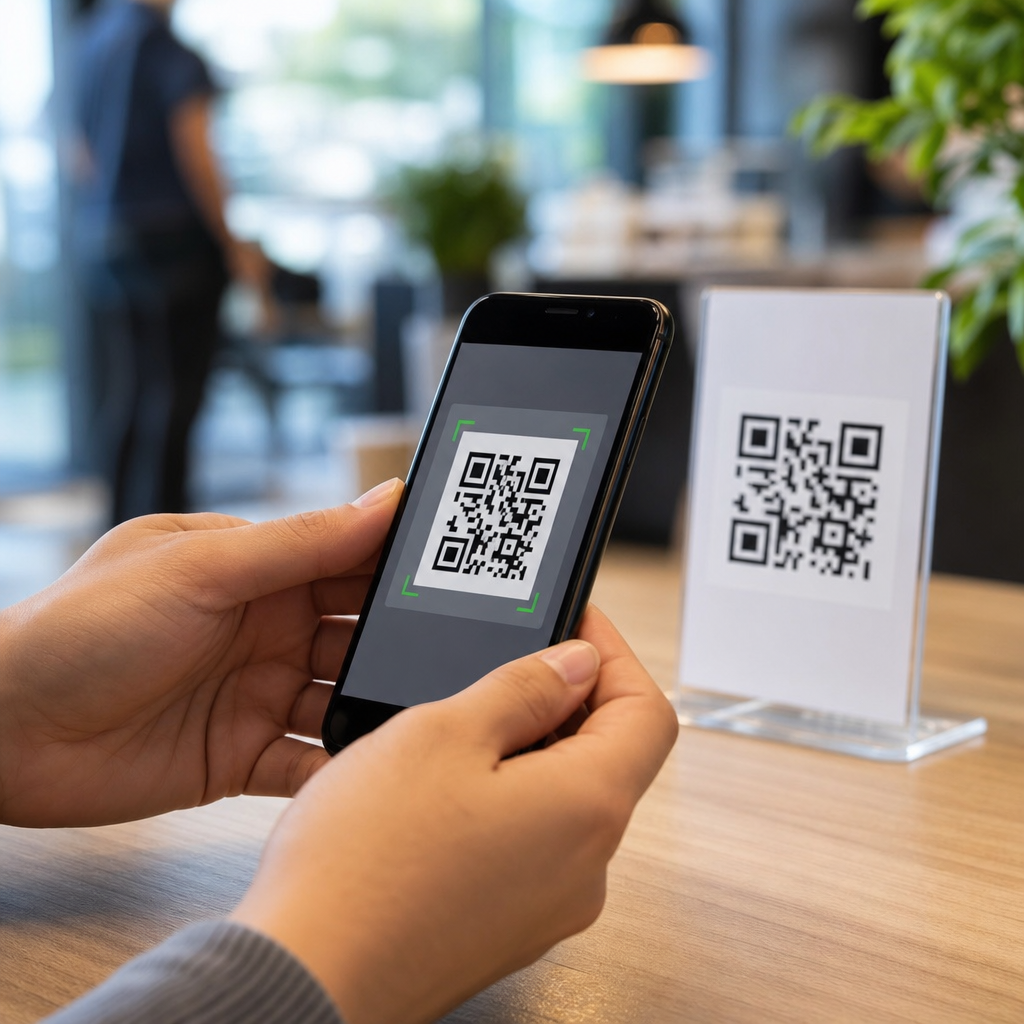
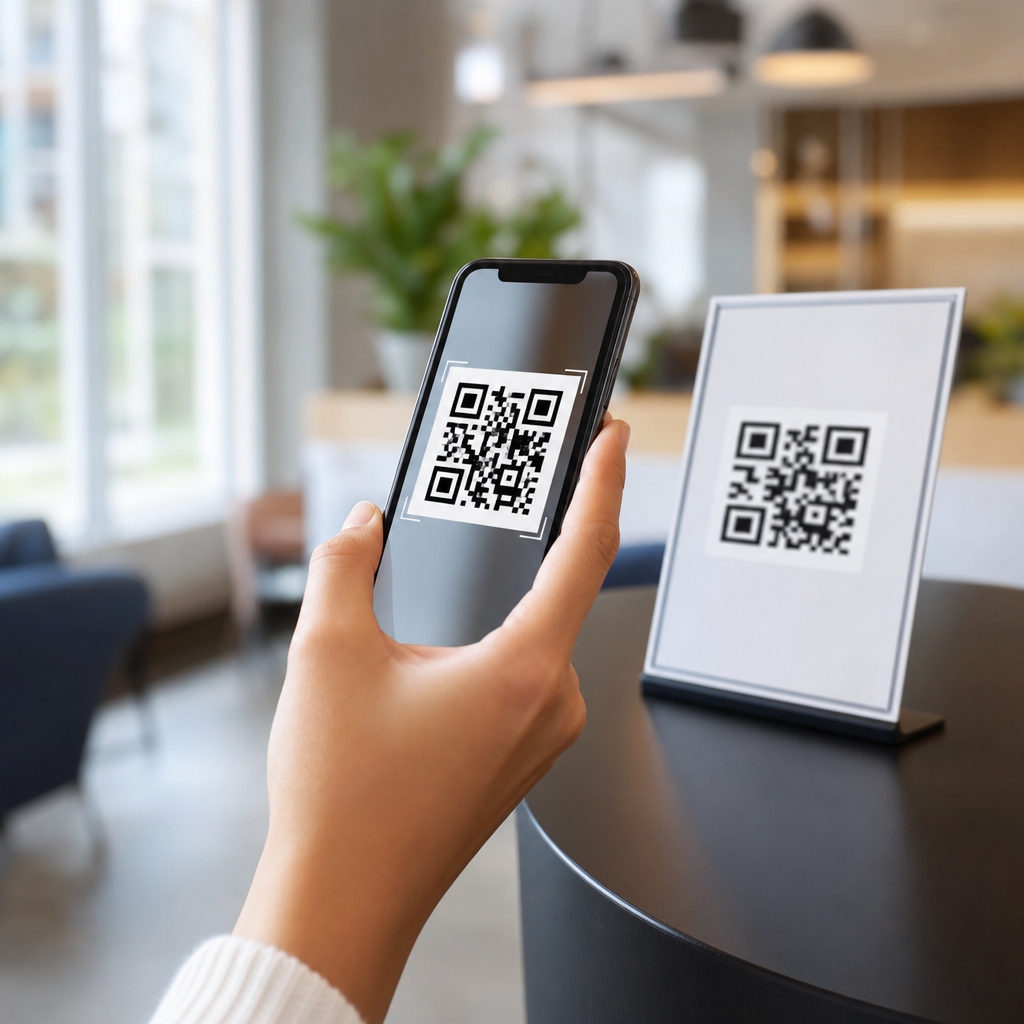
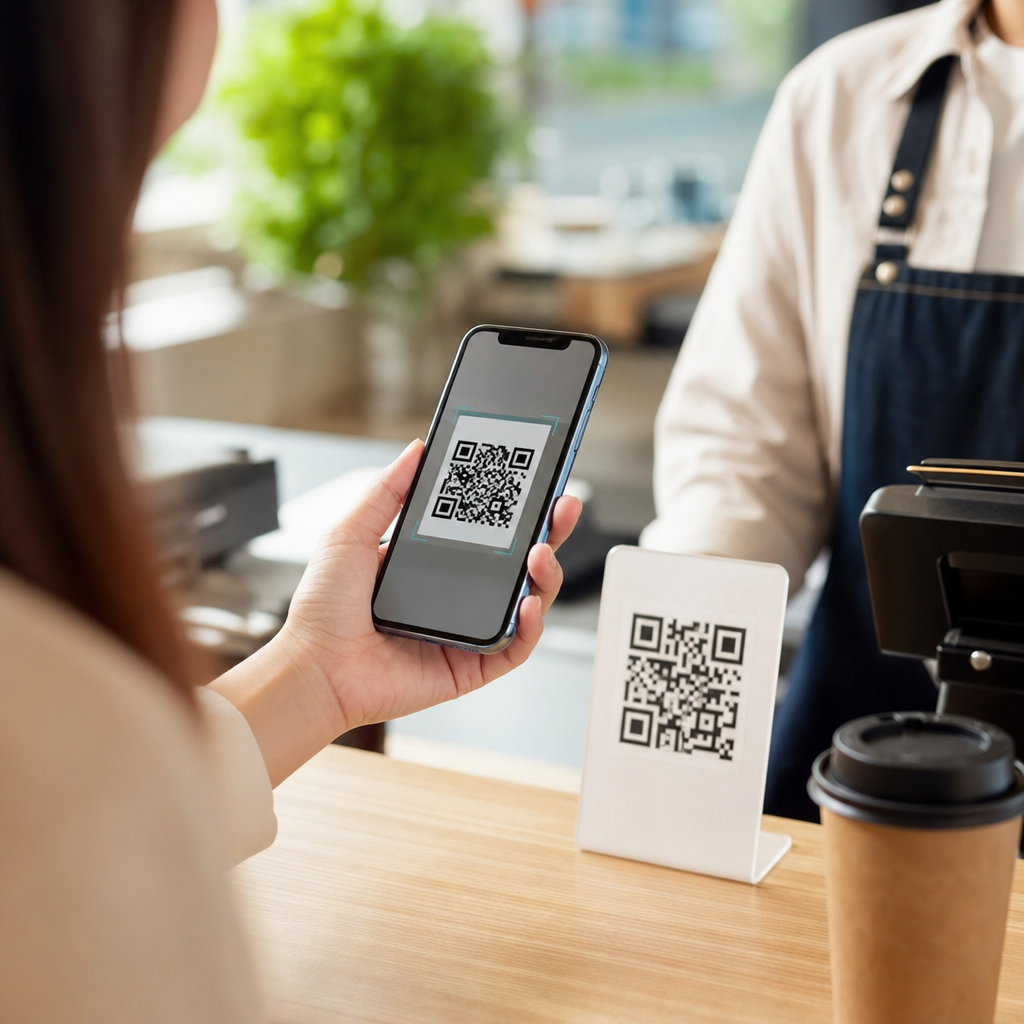
Restaurants made QR codes highly visible to the general public. Table tents, counter cards, and takeout packaging often direct customers to digital menus, allergen details, ordering pages, or review prompts. During the pandemic period this accelerated sharply, but the use case persisted because menus change frequently and printing costs add up. A digital menu linked by QR code lets staff update prices, mark items unavailable, or swap seasonal offers without reprinting hundreds of pages.
In hospitality, the code often does more than display a menu. Hotels place QR codes in rooms for Wi-Fi onboarding, room service ordering, spa booking, and local attraction guides. Bars use them for tab management or age-gated drink lists. The strength of this approach is operational flexibility: one code can route to a mobile web menu, an app deep link, or a multilingual page depending on device settings. That is especially helpful in tourist-heavy locations where language support affects sales and guest satisfaction.
The limitation is usability. Not every customer wants to scan, and low-light environments can make small or glossy codes difficult to read. Best practice is to keep a printed fallback available and to ensure the landing page is fast, readable, and accessible. A poor mobile menu defeats the whole purpose. When implemented well, though, menu QR codes shorten ordering time, support upsells with images, and provide restaurants with measurable data on views and conversions.
Retail packaging, product information, and marketing
Retail is another place where QR codes show up constantly, often in ways people barely notice. On product packaging, they can open setup guides, warranty registration pages, ingredient details, authenticity checks, how-to videos, or recycling instructions. In stores, shelf-edge signage may link to expanded specifications for electronics, furniture assembly videos, or color options not displayed on the floor. Brands favor this because packaging space is limited while consumer questions are not.
Marketing teams also rely on QR codes across posters, window clings, direct mail, brochures, and business cards. A well-placed code can connect an offline impression to a measurable digital action such as newsletter signup, app download, coupon redemption, or campaign landing page visit. The key is relevance. A subway ad with a code that opens a generic homepage usually underperforms, while a code that opens a location-specific offer or a short video demonstration performs far better because the next step is obvious.
| Everyday setting | Typical QR code action | Main benefit |
|---|---|---|
| Retail packaging | Open instructions, warranty, or product details | More information without larger labels |
| Posters and flyers | Visit campaign page or claim offer | Trackable response from print media |
| Business cards | Save contact details instantly | Fewer typing errors and faster follow-up |
| Loyalty programs | Join account or scan rewards ID | Smoother enrollment and repeat visits |
For businesses, dynamic QR codes are usually the better marketing choice because the destination can be updated without reprinting the code. They also support analytics such as scan count, time, device type, and location patterns. Still, marketers should be careful not to overstate what a code can do. It improves access, not message quality. If the offer is weak, adding a QR code will not rescue the campaign.
Shipping, logistics, and everyday deliveries
QR codes are common in logistics because they reduce manual entry and improve traceability. On parcels, return labels, warehouse bins, and pickup lockers, they can store shipment IDs, routing instructions, or customer references. Consumers see this most often when dropping off returns, collecting packages from lockers, or presenting a pickup code at a service desk. The code acts as a quick lookup key inside a much larger operational system.
Courier and warehouse teams value QR codes because scanners can read them quickly, and error correction helps in less-than-perfect conditions. Compared with handwritten references or verbal confirmation, a scannable code lowers mistakes. Retail returns are a strong everyday example. Many merchants now issue paperless returns where the customer receives a QR code by email, brings it to a carrier location, and the clerk scans it to print the label. That removes the need for home printers and simplifies reverse logistics.
The main implementation concern is consistency. Codes must print at adequate size and contrast, and backend systems must resolve them instantly. A code that scans but opens the wrong record is worse than no code at all. In my experience, the most successful logistics deployments treat the QR code as one reliable touchpoint within a disciplined process, not as a magic fix for poor data hygiene.
Healthcare, education, travel, and public services
Healthcare uses QR codes for patient intake, prescription information, lab sample tracking, vaccination records, and device instructions. On medicine packaging, a code may link to dosage guidance, safety leaflets, or serialization data used in anti-counterfeit programs. Hospitals and clinics also use patient-facing QR codes for appointment check-in and wayfinding. Because accuracy matters so much in healthcare, these codes are most valuable when they reduce transcription errors and connect users directly to controlled information.
In education, QR codes appear on worksheets, library shelves, museum labels, campus posters, and classroom displays. Teachers use them to link to readings, quizzes, pronunciation audio, or assignment submission pages. Universities place them on ID workflows, event registration, and department signage. The educational value is practical: the code moves a student from a printed prompt to the exact digital resource needed, without a long URL that invites mistakes.
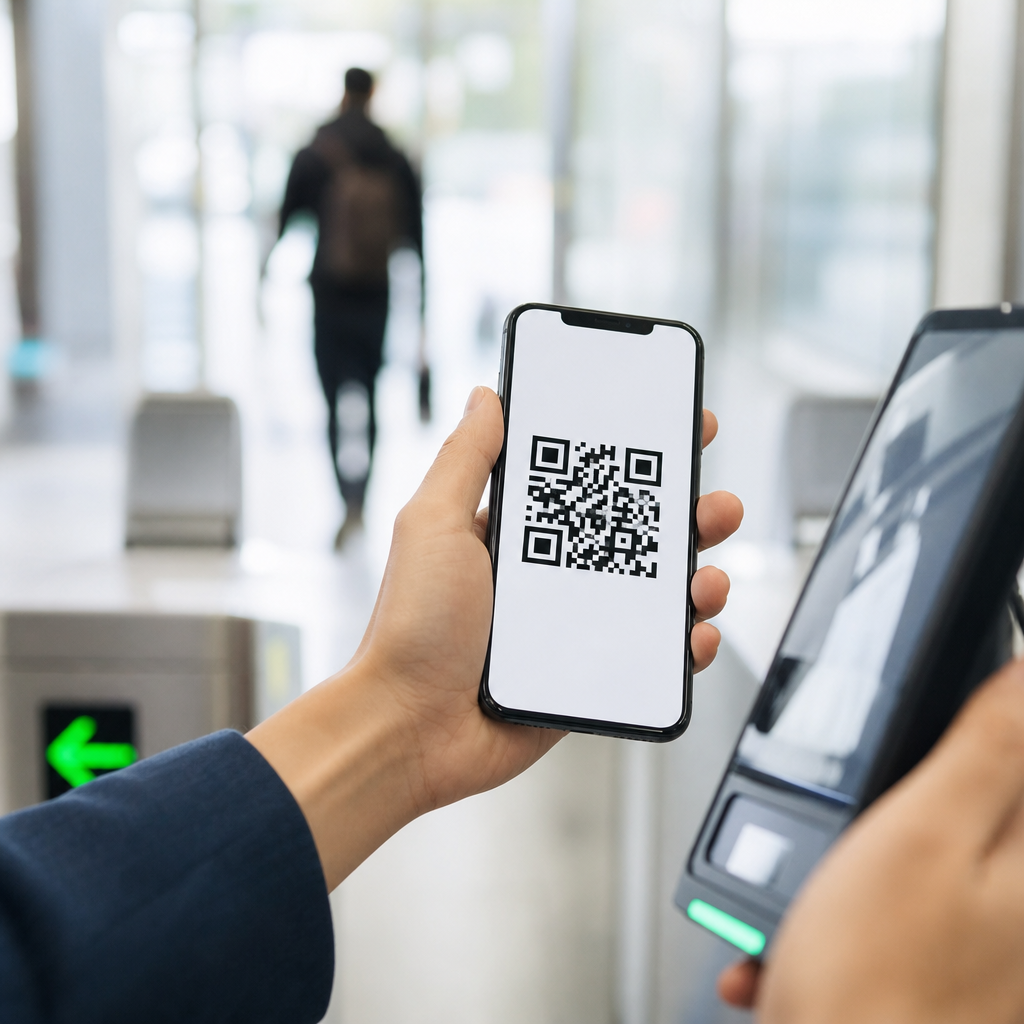
Travel and public services rely on QR codes for e-tickets, boarding workflows, parking, transit access, visitor passes, and civic information. Airlines and rail operators often encode booking data for rapid validation. City governments place codes on permits, utility notices, tourism markers, and public health posters. Event venues use them for mobile ticketing because a unique code tied to a purchaser record speeds entry and supports fraud controls. In all these sectors, the pattern is the same: QR codes shorten verification time and connect physical movement with digital records.
Authentication, Wi-Fi access, and connected experiences
Another major everyday category is access and authentication. People scan QR codes to log in on another device, join Wi-Fi without typing a password, pair smart home products, confirm identity in two-factor sign-in flows, or connect to secure web sessions in apps like WhatsApp and Slack. This use case works because a camera scan can pass a device-specific token much faster than manual setup.
Connected product experiences also rely on QR codes. A new printer, speaker, thermostat, or streaming device may show a setup code that launches onboarding in the manufacturer’s app. Consumer brands use codes after purchase to deliver care instructions, refill ordering, spare-part lookup, and support chat. The best implementations respect context: the code should lead to the exact next task the user needs, not a cluttered homepage.
Security remains essential. Authentication QR codes should expire quickly, use encrypted sessions, and clearly display the service name so users can recognize phishing attempts. For Wi-Fi, the convenience is excellent, but organizations still need network segmentation and guest access controls. The code is only the entry point; overall system design determines whether the experience is safe and reliable.
QR codes are everywhere because they solve a simple problem extremely well: they turn a physical moment into a digital action with minimal effort. The most common use cases in everyday life include payments, restaurant menus, retail packaging, marketing, shipping and returns, healthcare, education, travel, public services, and secure device access. In each case, the real value is not the square itself but the reduction in friction, errors, and delay.
For readers exploring mobile QR code basics, this common use cases hub provides the foundation for deeper articles on payments, marketing campaigns, packaging, ticketing, and authentication workflows. When judging any QR code deployment, ask three practical questions: Is scanning faster than the alternative? Does the destination match the user’s intent? Is the experience secure and easy on a phone? If the answer is yes, the use case is probably strong.
As QR codes continue to spread, the winners will be organizations that use them with clear purpose rather than novelty. Review the places your customers, patients, guests, or staff already pause and make decisions, then identify where a scan can remove a step. Start with one high-value use case, measure adoption, and improve the journey from code to outcome.
Frequently Asked Questions
What is a QR code, and why has it become so common in everyday life?
A QR code, or Quick Response code, is a type of two-dimensional barcode designed to store information in both horizontal and vertical directions. That structure allows it to hold much more data than a traditional one-dimensional barcode, which is one reason it has become so useful in daily life. A single QR code can instantly connect a person to a restaurant menu, payment page, shipping update, parking system, digital form, contact card, product instructions, or authentication screen with a quick scan from a smartphone camera.
Its widespread use comes down to convenience, speed, and flexibility. Businesses and institutions can place a QR code almost anywhere a person may need information or an action prompt, such as on a table tent, medicine box, classroom worksheet, utility bill, event sign, or package label. For users, scanning eliminates the need to type long web addresses or download information manually. As smartphones with built-in camera scanning became standard, QR codes shifted from a specialized industrial tool into a familiar bridge between physical objects and digital content. That practical role is why they now appear in so many ordinary settings.
Where do people most often encounter QR codes in everyday settings?
People most commonly see QR codes in places where fast access to information, services, or transactions makes life easier. Restaurants are one of the most visible examples, with QR codes placed on tables, receipts, windows, and takeout materials to open menus, allergy details, specials, loyalty offers, or payment options. In retail and delivery, QR codes often appear on shipping boxes, return labels, order confirmations, and store displays, helping customers track packages, start returns, verify products, or view item details.
They are also widely used in transportation and public infrastructure. Parking meters, transit stations, toll systems, and travel kiosks frequently use QR codes for payments, digital passes, schedules, and service information. In healthcare, QR codes may appear on medicine packaging, appointment paperwork, patient forms, or lab instructions to direct people to dosage guidance, safety details, refill services, or secure patient portals. Schools and workplaces use them on classroom handouts, bulletin boards, ID systems, training materials, and event flyers to share documents, attendance forms, schedules, and online resources. The reason they appear so often in these environments is simple: they reduce friction and let people act immediately instead of searching for information on their own.
Why are QR codes especially useful for restaurants, payments, and shipping?
QR codes are especially effective in these areas because they solve common real-world problems quickly. In restaurants, they reduce the need for printed menus, make updates easy, and give diners instant access to current items, pricing, ingredients, and promotions. A restaurant can change a digital menu in minutes without reprinting materials, which is especially helpful for daily specials, seasonal offerings, or inventory changes. QR codes can also connect guests to online ordering, waitlists, feedback forms, or contactless payment systems, creating a smoother dining experience.
For payments, QR codes simplify checkout by turning a phone into a fast payment tool. A customer can scan a code at a parking meter, market stall, utility invoice, or checkout counter and immediately open a secure payment interface. This is particularly useful in settings where installing larger payment hardware is expensive or impractical. In shipping and logistics, QR codes help organize information efficiently across the life of a package. They can link to tracking data, return instructions, proof of delivery, warehouse records, or customer support pages. Because they are easy to print on labels and can store actionable information compactly, QR codes help both businesses and customers save time while reducing manual errors.
Are QR codes safe to scan, or should people be cautious?
QR codes are generally safe when used by trusted businesses, schools, healthcare providers, and official services, but people should still approach them with the same caution they use for links in emails or text messages. A QR code itself is simply a container for information. The risk comes from where it leads. A malicious QR code could open a fake website, prompt a user to enter payment details on a fraudulent page, or encourage the download of unsafe software. Because the destination is not always visible before scanning, awareness matters.
The best practice is to scan codes only from sources that appear legitimate and well maintained. Before tapping through, users should check the preview link if their phone displays one and make sure the web address looks correct. It is also wise to be cautious with QR codes placed on stickers over existing signs, unusually urgent payment requests, or codes found in suspicious public locations. Official apps, secure websites that begin with HTTPS, and recognizable brand domains add confidence. In everyday life, most QR code interactions are routine and harmless, but a quick moment of verification helps protect personal information and ensures the convenience of QR codes does not come at the expense of security.
How do QR codes improve access to information in healthcare, education, and public services?
QR codes improve access by making important information easier to reach at the exact moment people need it. In healthcare, a code on medicine packaging or patient paperwork can lead directly to dosage instructions, multilingual guidance, refill options, side-effect information, or official manufacturer support. This can be especially valuable when printed space is limited but detailed, up-to-date information is still necessary. Hospitals and clinics may also use QR codes for digital check-in, patient forms, appointment confirmations, or secure portals, helping reduce paperwork and speed up administrative tasks.
In education, QR codes turn printed materials into interactive resources. A teacher can place one on a classroom handout that links to a reading assignment, video lesson, quiz, slide deck, or attendance form. This helps students move from paper to digital learning without confusion and allows educators to keep materials organized and easy to update. In public services, QR codes on posters, utility notices, transit signs, and municipal forms can connect residents to applications, payment systems, service alerts, maps, and translated resources. Across all of these settings, the main advantage is accessibility: instead of asking people to search manually for the right page or office, the QR code provides a direct path to the exact information or action they need.