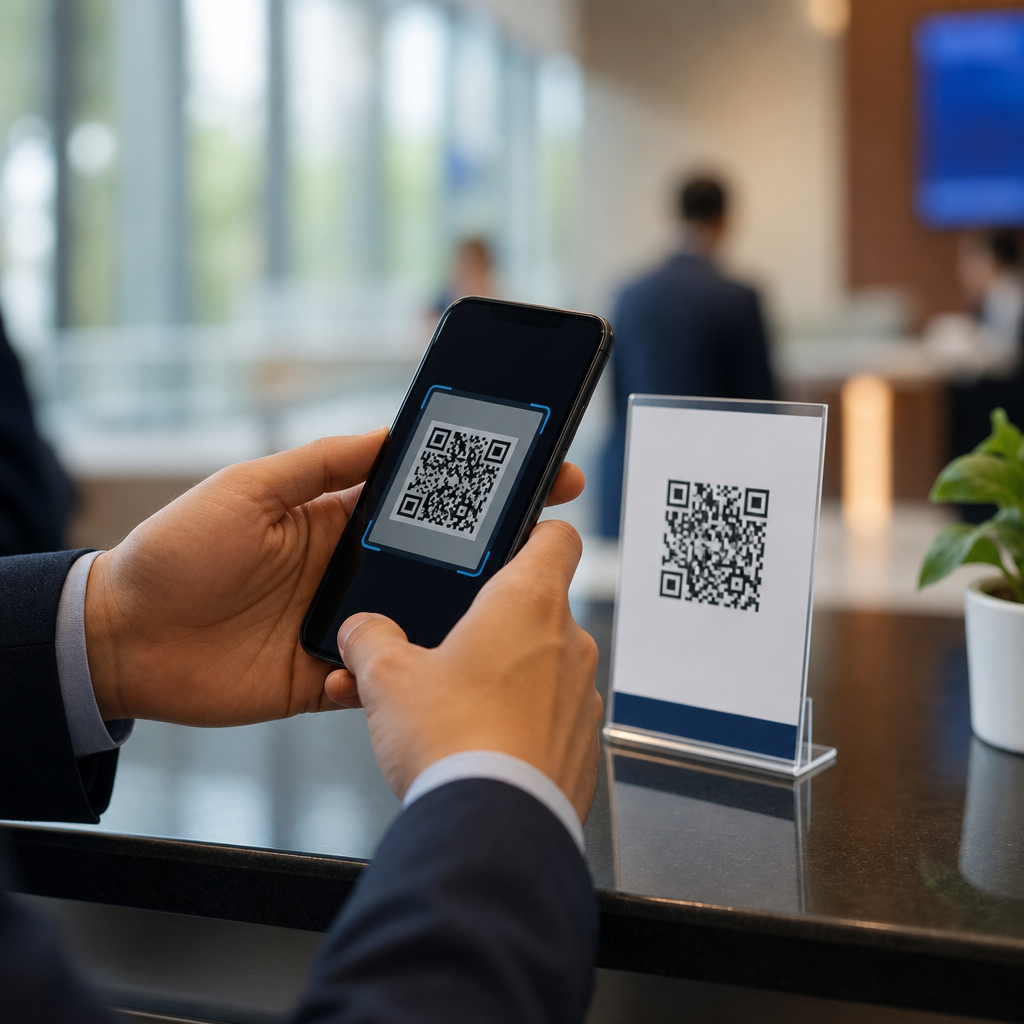
QR codes have moved from marketing gimmick to core banking infrastructure because they solve a simple problem elegantly: they connect a physical customer touchpoint to a secure digital financial action in seconds. In banking and finance, a QR code is a machine-readable matrix barcode that stores payment credentials, account identifiers, URLs, tokenized transaction data, or customer service links. When scanned with a mobile banking app, wallet, or camera, it can launch a payment, authenticate a user, open a statement portal, or route someone to a loan application. I have seen banks adopt them fastest where branch traffic is high, cash handling is expensive, and customers already use smartphones for everyday payments. The result is lower friction, shorter queues, and a better bridge between offline and online service.
Understanding how QR codes are used in banking and finance matters because adoption is no longer limited to peer-to-peer payments. The ecosystem now includes merchant acquiring, bill payment, ATM access, onboarding, document verification, cardless cash withdrawal, investment account servicing, and fraud-aware customer communication. Standards such as EMVCo QR specifications, UPI QR in India, and national instant payment rails in markets across Asia and Latin America have made QR-based transactions interoperable at scale. Banks like QR because deployment is cheaper than point-of-sale hardware, while customers like the convenience of scanning instead of typing long account numbers or reference codes. This article explains the common use cases, how they work in practice, where they add value, and what limitations banks must manage to keep transactions secure and reliable.
Retail Payments and Merchant Acceptance
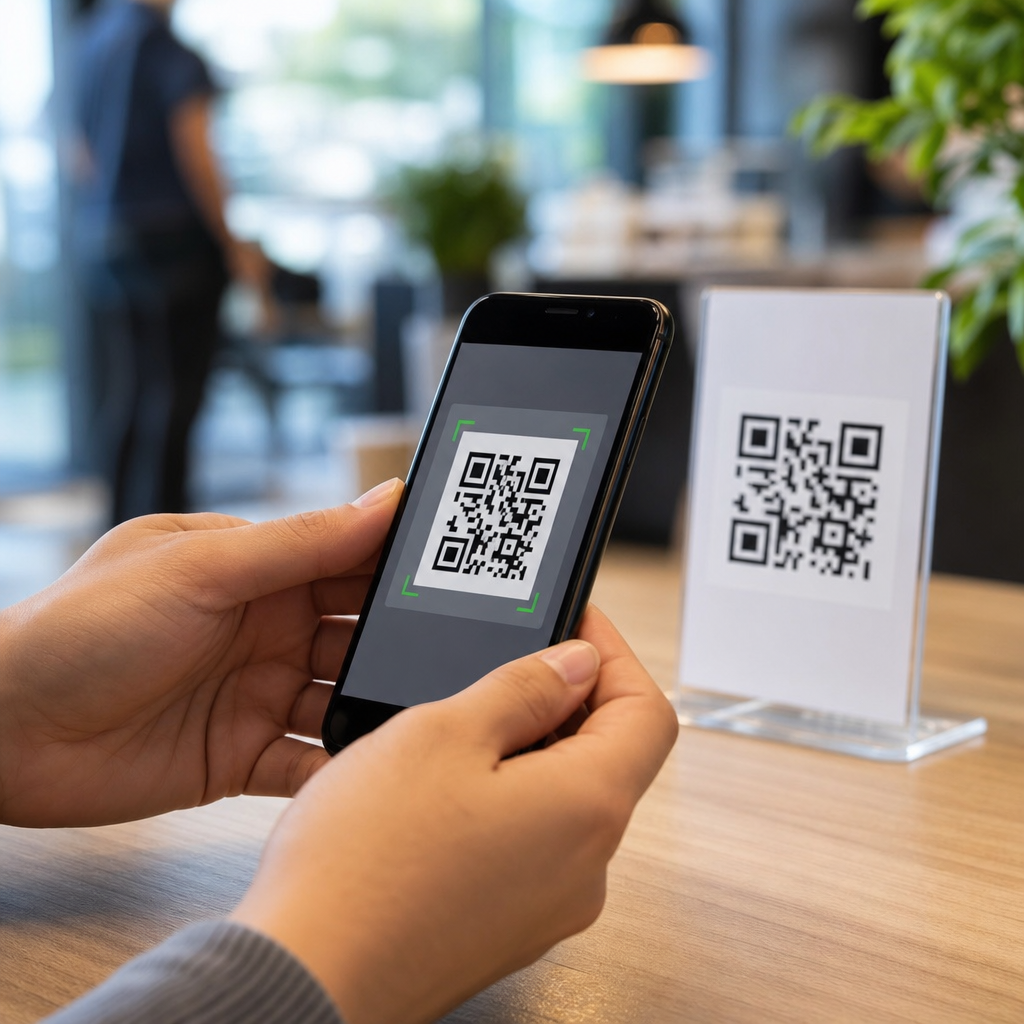
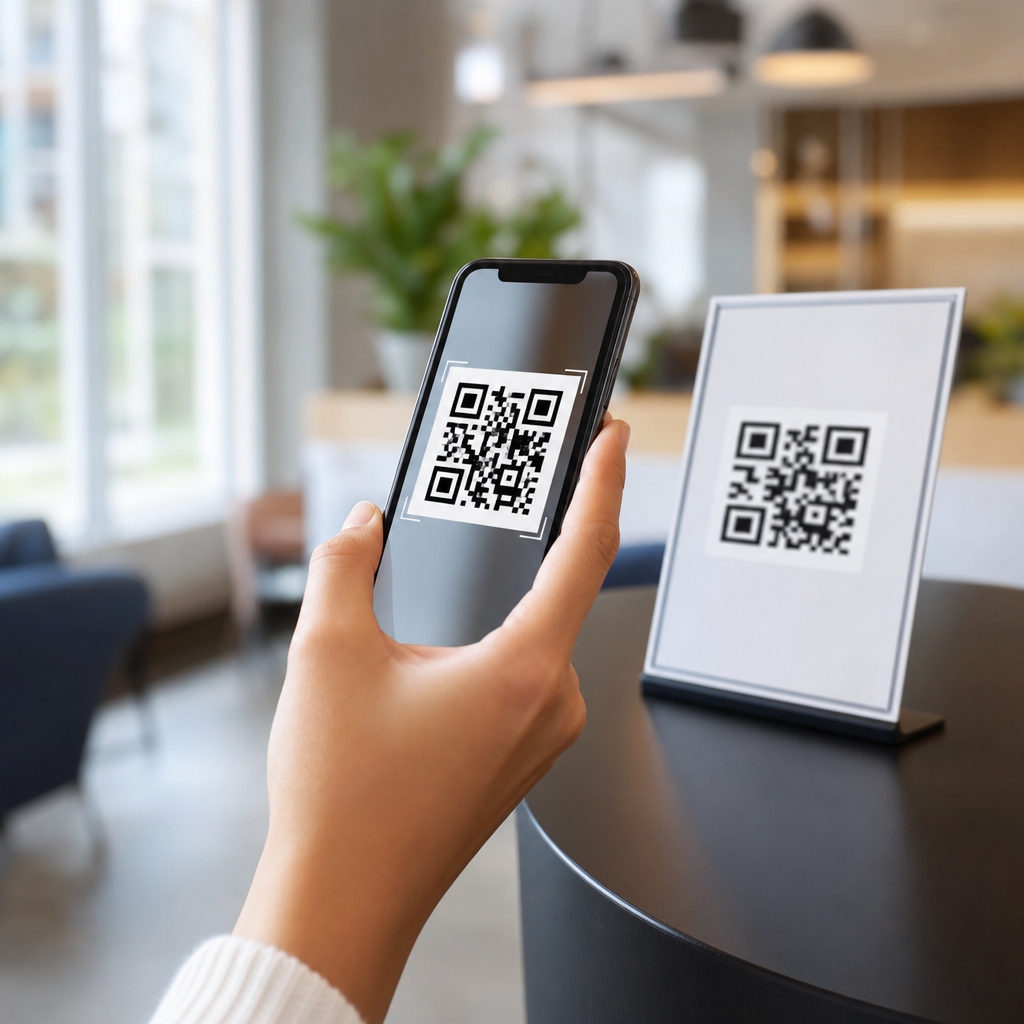
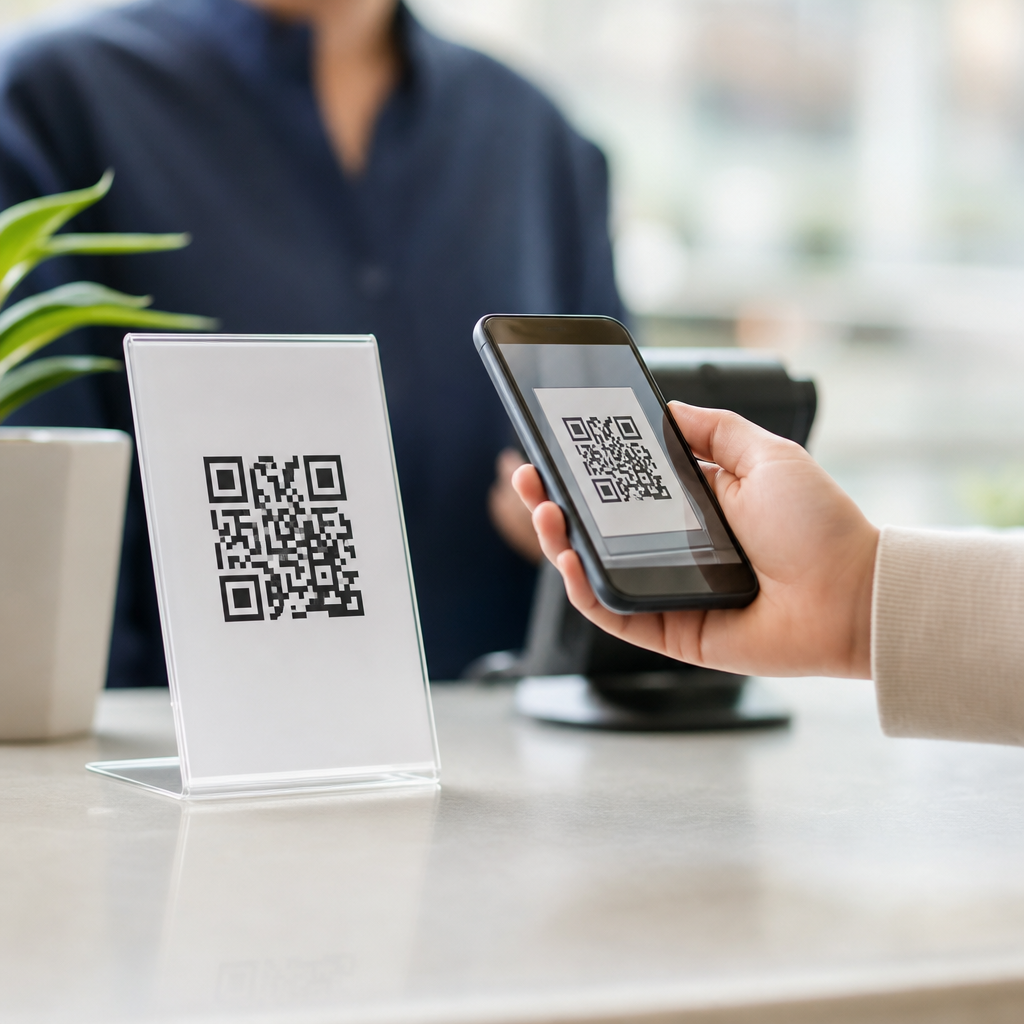
The most visible use of QR codes in banking and finance is merchant payment acceptance. A merchant displays a static or dynamic code, the customer scans it with a banking app, verifies the amount, and authorizes the transfer. Static codes usually contain merchant identifiers and require the customer to enter the amount. Dynamic codes include the exact amount, invoice number, and sometimes tax or tip data generated at checkout. In my experience, dynamic QR is far better for reconciliation because it reduces keying mistakes and links every payment to a specific order.
Banks support these flows through acquiring platforms, merchant onboarding tools, transaction monitoring, and settlement services. Small merchants benefit most because they can accept digital payments without renting expensive terminals. Street vendors, clinics, taxis, and service professionals often adopt QR first for that reason. In India, UPI QR transformed low-ticket acceptance by letting merchants receive real-time account-to-account payments directly into bank-linked accounts. Similar models appear in Thailand through PromptPay and in Brazil through Pix, proving that QR payments can scale when tied to fast payment rails and strong bank participation.
Bill Pay, Transfers, and Recurring Financial Tasks
Another major banking QR code use case is bill payment. Utilities, telecom providers, schools, insurers, and lenders place QR codes on printed or digital invoices so customers can pay instantly without typing reference numbers. A well-structured bill-pay QR can include biller ID, due amount, customer number, due date, and payment reference. That matters because payment errors in billing workflows create costly exceptions for both banks and billers. When customers scan a bill and confirm payment inside a banking app, straight-through processing improves and support calls decline.
QR codes also simplify person-to-person transfers and account funding. A customer can generate a personal receive-money QR inside a mobile banking app and share it on paper, chat, or screen. Instead of asking for account details, they ask the sender to scan. In branch environments, relationship managers sometimes use coded payment slips for loan installments, credit card dues, or brokerage account top-ups. The customer scans once, sees the prefilled transaction, and authorizes it. This is especially useful for customers who are comfortable with mobile banking but not with manually entering bank details accurately.
ATM Access, Branch Service, and Customer Onboarding
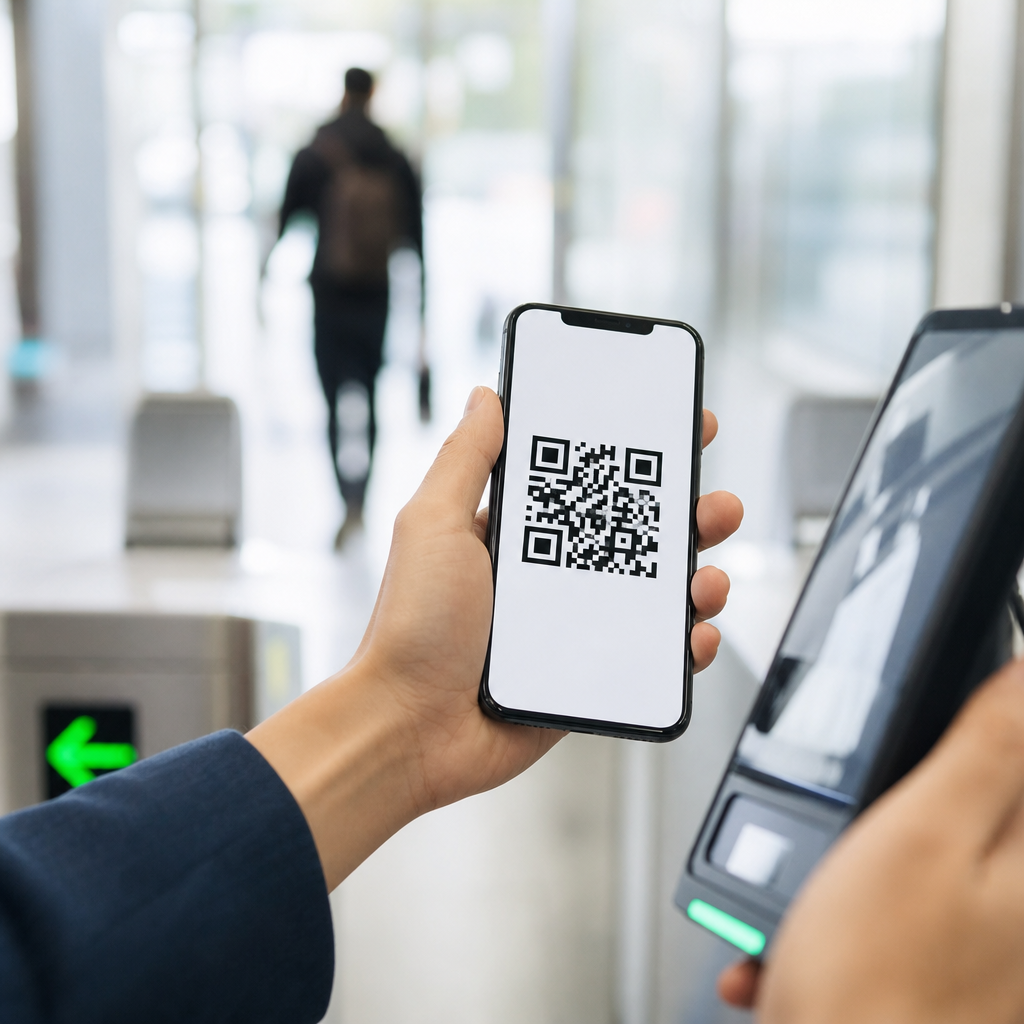
QR codes are increasingly used to connect branch and ATM services to mobile identity and session control. Cardless cash withdrawal is a common example. The customer initiates a withdrawal in the banking app, receives a one-time QR token, and scans it at the ATM to retrieve cash. This reduces dependence on physical cards and can limit skimming exposure. Some banks reverse the flow: the ATM displays a QR code, the customer scans it to authenticate the session in the app, and then selects the withdrawal account and amount on the phone. Both patterns improve convenience and reduce card-related support issues.
In branches, QR codes support queue management, service discovery, and onboarding. A customer can scan a code at the entrance to check in, book a teller slot, or open the exact product page for a savings account, mortgage consultation, or small-business application. During onboarding, banks may use QR-linked digital forms to prefill lead sources, branch identifiers, and campaign metadata, improving attribution and compliance tracking. I have also seen QR used on printed brochures to route applicants to secure KYC portals where they upload documents instead of handing over paper copies that must later be scanned and indexed manually.
Security, Compliance, and the Difference Between Good and Risky Implementations
QR codes are efficient, but they are not automatically safe. The code is only a container; the security comes from the banking app, transaction signing, encryption, device binding, and fraud controls around it. Banks should use tokenized or short-lived codes for sensitive actions, validate destination accounts before confirmation, and present a clear payment summary on screen. If a customer scans a code and sees only a blank approval screen, the implementation is weak. The app should show payee name, amount, reference, fee, and warning indicators before authorization.
Fraud risks usually involve social engineering rather than the symbol itself. Criminals may paste malicious stickers over merchant codes, redirect users to fake login pages, or send fake QR invoices through email and messaging apps. That is why customer education and merchant inspection routines matter. Financial institutions also need audit trails, device fingerprinting, behavioral analytics, sanctions screening where applicable, and dispute handling processes aligned with payment network rules. The best banking QR deployments combine speed with layered controls instead of treating convenience as a substitute for security.
| Use case | How the QR code is used | Main benefit | Key risk to manage |
|---|---|---|---|
| Merchant payments | Customer scans static or dynamic checkout code | Low-cost acceptance and faster checkout | Code tampering or wrong merchant mapping |
| Bill pay | Invoice includes payment-ready code with references | Fewer input errors and easier reconciliation | Fake invoices and spoofed payment links |
| ATM withdrawal | App or ATM generates one-time scan token | Cardless access and lower skimming risk | Session hijacking without strong authentication |
| Onboarding | Branch materials link to secure forms and KYC flows | Shorter forms and better completion rates | Phishing pages that imitate bank portals |
Investment Services, Lending, and Back-Office Operations
Beyond everyday payments, QR codes are useful across broader financial services. Wealth managers use them at seminars, branches, and printed statements to direct clients to portfolio dashboards, risk questionnaires, or appointment booking pages tied to CRM systems. Insurers and lenders place QR codes on renewal notices and repayment reminders so customers can act immediately. In collections, this can materially improve repayment speed because the path from reminder to payment is reduced to a scan and confirmation. The same principle applies to brokerage funding, SIP contributions, and insurance premium collection.
Back-office teams also gain efficiency. A QR code can carry a document ID that links paper records to digital workflows, reducing indexing errors during scanning and archive retrieval. Treasury and corporate banking teams sometimes use QR-enabled payment requests for supplier settlement and field collections, especially where sales agents or delivery staff need a quick way to capture verified payments without carrying cash. In regulated environments, every shortcut must still meet recordkeeping, consent, and retention requirements, but when designed properly, QR codes improve operational accuracy as much as customer convenience.
What Banks Should Prioritize When Expanding QR Programs
Banks that want QR codes to deliver long-term value should focus on standards, user experience, and measurement. First, use interoperable formats supported by national payment rails and major mobile apps; proprietary code schemes create friction and slow acceptance. Second, design flows that answer customer questions immediately: who am I paying, how much, from which account, and what happens next? Third, measure completion rates, failure points, settlement speed, fraud rates, and merchant dispute volumes by use case, not just overall QR transaction counts. Those metrics reveal whether the program is truly improving service.
QR codes are used in banking and finance because they compress complex financial actions into a familiar mobile interaction. They help merchants accept money, let customers pay bills accurately, support cardless ATM access, streamline onboarding, and extend digital service into printed materials and physical spaces. Their biggest advantage is not novelty; it is reduced friction paired with lower infrastructure cost. Their biggest requirement is disciplined implementation with clear customer prompts and strong fraud controls. If you are building a mobile banking strategy, map each customer journey where typing, waiting, or paper still creates friction, then identify where a well-governed QR flow can remove it.
Frequently Asked Questions
How are QR codes used in banking and finance today?
QR codes are now used across a wide range of banking and financial services because they make it easy to move a customer from a physical moment to a secure digital action almost instantly. In practical terms, banks and financial institutions use QR codes for person-to-merchant payments, peer-to-peer transfers, bill payments, ATM interactions, digital account onboarding, loan or credit card application flows, customer verification, and service access. A customer can scan a code at a checkout counter to pay, scan a code on a statement to settle a bill, or scan a code on bank-issued material to log in to a secure support or product page.
What makes QR codes so useful in finance is the type of information they can carry. Depending on the use case, a code may contain payment credentials, account references, URLs, transaction identifiers, tokenized payment data, or links to authenticated service journeys inside a banking app. That means the code itself is not just a convenience feature. It often acts as the trigger for a controlled financial workflow that reduces manual entry, speeds up transactions, and lowers the chance of customer error. In short, QR codes have become part of core banking infrastructure because they streamline secure interactions at the exact point where customers need them.
Are QR code payments secure for banking customers?
QR code payments can be very secure when they are implemented within trusted banking apps, regulated payment networks, and properly designed authentication flows. The security does not come from the visual code alone. It comes from the full system around it, including encrypted app sessions, tokenization, transaction validation, device security, fraud monitoring, and customer authentication. In many banking environments, scanning a QR code simply initiates a payment request or opens a transaction session, while the actual authorization still happens inside a protected banking or wallet application.
That said, the biggest security concern is not the technology itself but misuse by fraudsters. Criminals can replace legitimate codes with fake ones, direct users to phishing pages, or trick customers into approving fraudulent transfers. This is why banks emphasize best practices such as scanning only codes from trusted sources, reviewing the payment recipient and amount before approval, using official banking apps rather than random QR scanner tools for financial actions, and enabling alerts or multi-factor authentication. When customers and institutions follow these controls, QR-based financial transactions can be both fast and highly secure.
What information can a banking or payment QR code contain?
A banking or payment QR code can contain several kinds of data, depending on the transaction type and the institution’s design. It may store merchant payment details, an account or virtual payment address, invoice references, transaction amounts, customer identifiers, deep links into a mobile banking app, URLs for secure service portals, or tokenized data that points to information stored safely in back-end systems. In more advanced implementations, the QR code does not expose sensitive details directly at all. Instead, it contains a short-lived token or reference that the bank resolves securely after the scan.
This flexibility is one reason QR codes are so valuable in finance. A static QR code might consistently point to the same merchant or account, making it useful for recurring payments or storefront displays. A dynamic QR code, by contrast, can be generated for a specific transaction and may include the exact amount, invoice number, expiration logic, or customer-specific metadata. Dynamic codes are especially useful in banking because they improve automation, support reconciliation, reduce payment errors, and create cleaner transaction records for both the institution and the customer.
What is the difference between static and dynamic QR codes in financial transactions?
Static and dynamic QR codes serve different purposes in banking and finance. A static QR code usually contains fixed information that does not change from one transaction to the next. For example, a merchant may display one permanent code tied to a payment destination, and the customer enters the amount manually after scanning. Static codes are simple, inexpensive to deploy, and practical for small merchants, donations, or basic transfer scenarios. However, they typically provide less transaction-specific control and may rely more heavily on the customer to confirm the correct amount and recipient details.
Dynamic QR codes are more sophisticated and are often preferred in formal financial workflows because they can be created uniquely for each payment or customer interaction. A dynamic code may embed or reference a specific transaction amount, order number, billing record, expiry timestamp, or session token. That makes reconciliation easier, supports stronger fraud controls, and improves the customer experience by reducing manual input. In banking environments, dynamic QR codes are commonly used for bill payments, merchant checkout, in-app account servicing, and time-sensitive authentication flows because they offer more precision, better tracking, and stronger operational control.
Why have QR codes become so important to modern banking infrastructure?
QR codes have become important to modern banking because they solve a very practical problem with remarkable efficiency: they connect offline customer touchpoints to digital financial systems in seconds. Banking still involves many physical contexts, including branch counters, merchant terminals, printed invoices, ATMs, mailed statements, posters, kiosks, and face-to-face service interactions. QR codes create a low-cost bridge between those physical moments and secure digital actions without requiring customers to type long account numbers, search for the right webpage, or navigate complicated app menus.
They also support broader banking goals such as faster payments, digital self-service, lower operational friction, improved payment accessibility, and better customer adoption of mobile channels. For institutions, QR codes can reduce errors from manual data entry, simplify payment acceptance, improve transaction traceability, and help standardize digital experiences across many channels. For customers, they offer speed, convenience, and a familiar scan-and-go experience. As financial services continue to prioritize mobile-first engagement and real-time transactions, QR codes have evolved from a promotional tool into a reliable, scalable mechanism for payments, authentication, service access, and digital banking growth.