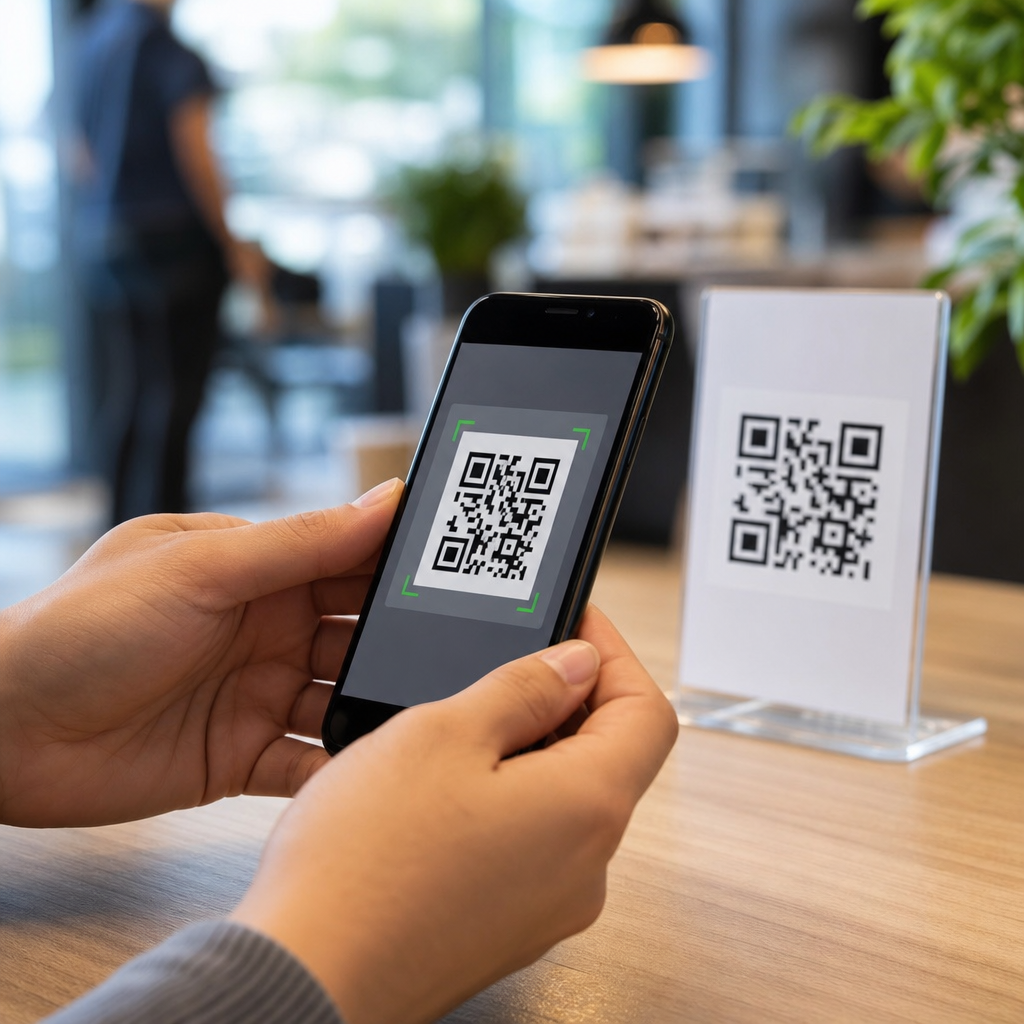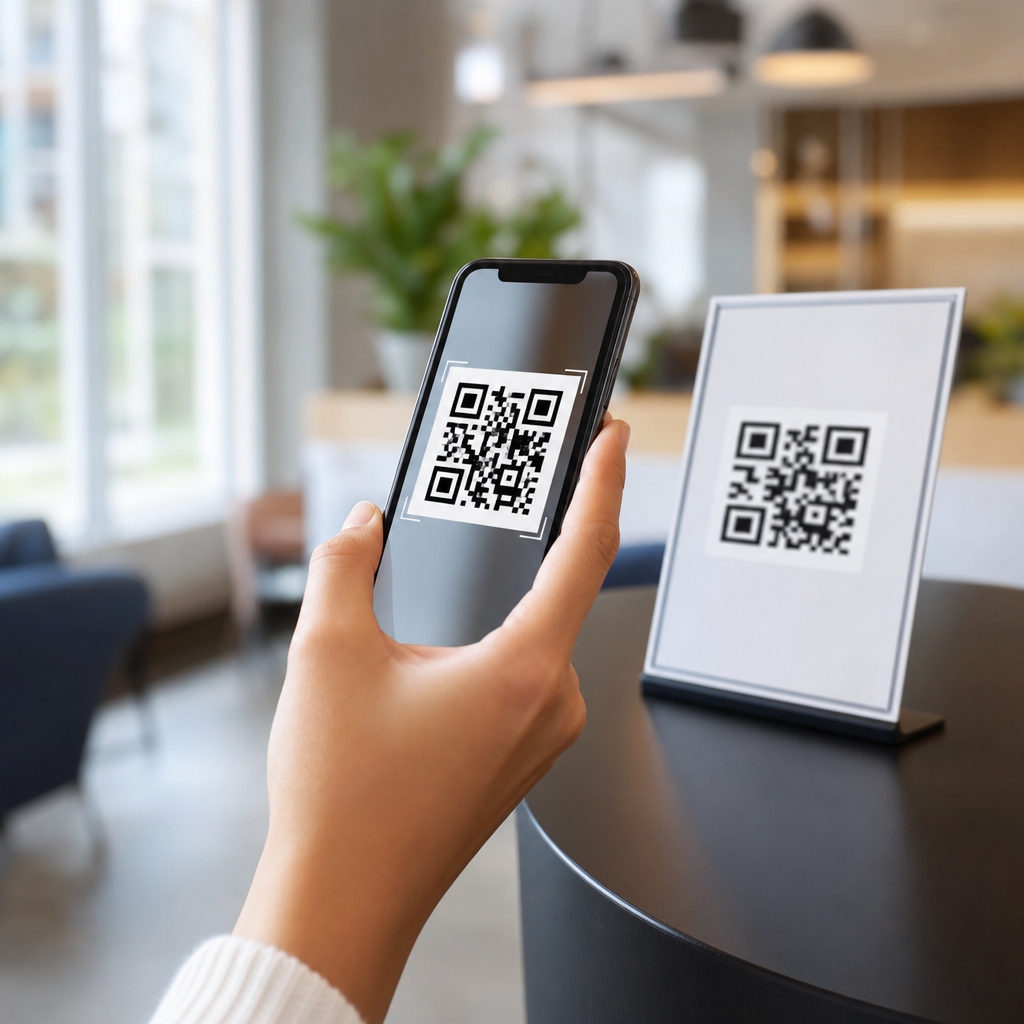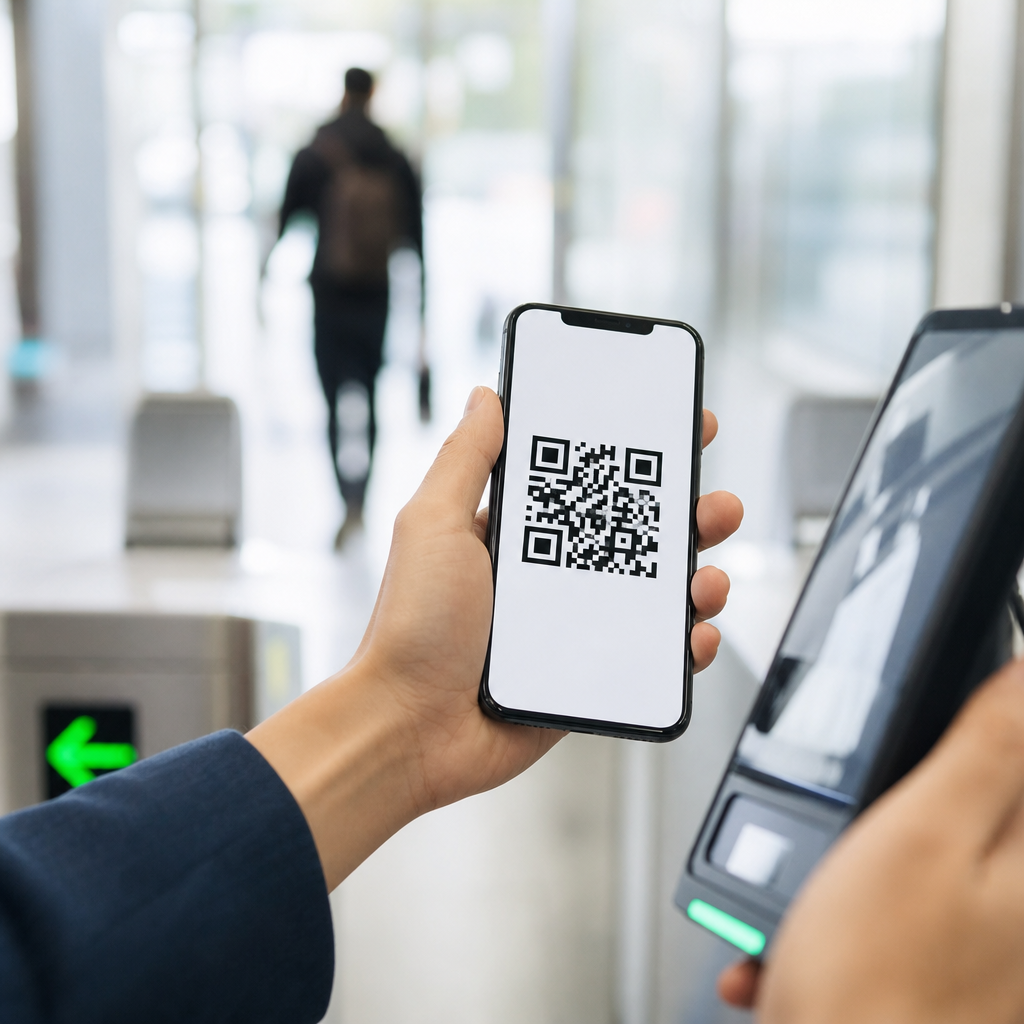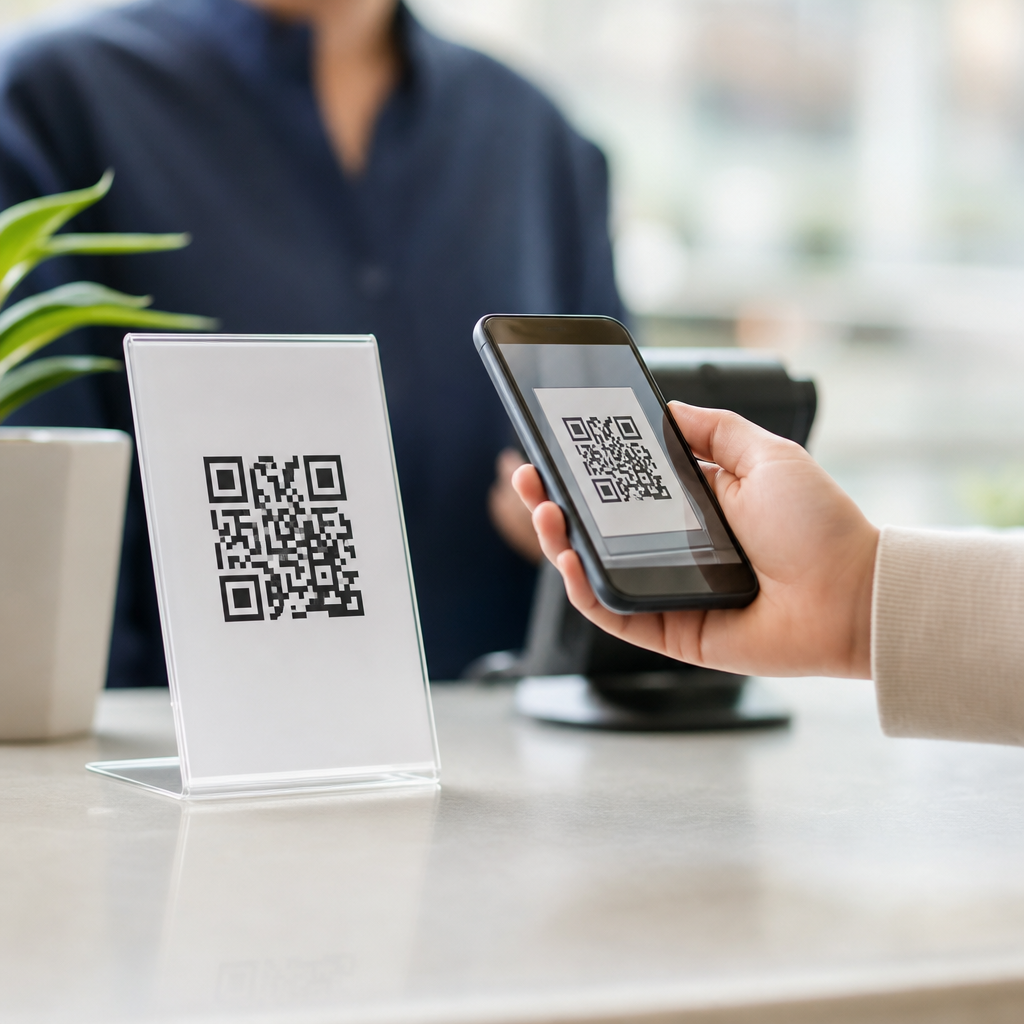
QR codes in advertising campaigns have moved from novelty to dependable conversion tool, giving brands a fast bridge between physical attention and digital action. A QR code, or quick response code, is a two-dimensional barcode that stores a destination such as a website, app link, video, coupon, payment page, or contact record. In marketing, that simple square matters because it removes friction: instead of typing a long URL after seeing a poster, package, TV ad, or product display, a customer scans and lands exactly where the campaign intends. I have used QR codes across retail launches, out-of-home placements, event signage, and direct mail, and the pattern is consistent: when the destination is relevant and the creative explains the benefit, scans rise and measurable responses improve.
For teams building a mobile-first strategy, QR codes solve a practical problem. Traditional advertising often creates awareness but leaves a gap between interest and action. QR codes close that gap in seconds. They also support attribution because marketers can assign unique codes to channels, locations, or creative versions and compare scan volume, click-through rate, conversion rate, and assisted revenue. This article serves as a hub for common use cases under mobile QR code basics, showing where QR codes fit, what successful campaigns look like, and how to use them without frustrating users. The core lesson is straightforward: the code itself is never the strategy; the value behind the scan is what makes the campaign work.
Why QR Codes Work in Advertising
QR codes work because they match how people already behave. Consumers see an ad while holding a phone, and scanning is easier than remembering a message for later. Smartphone cameras on iPhone and Android now recognize QR codes natively, which removed the app-download barrier that slowed adoption a decade ago. During campaign planning, I treat the QR code as a call-to-action mechanism, not decoration. If the ad promises “scan to watch the demo,” “scan for the discount,” or “scan to book now,” people understand the exchange immediately.
There is also a data advantage. A dynamic QR code can redirect without reprinting the asset, letting a team swap landing pages, add UTM parameters, run A/B tests, or pause a broken destination. That matters in print, packaging, transit ads, and in-store displays where creative stays live for weeks. Marketers can segment by city, product line, retailer, or event and then compare outcomes in Google Analytics 4, Adobe Analytics, or a CRM such as HubSpot or Salesforce. The result is not just more convenience for the user, but cleaner campaign measurement for the brand.
Print Advertising and Direct Mail
Print is one of the most reliable common use cases for QR codes because it suffers most from the old “type this URL later” problem. In magazines, newspapers, brochures, flyers, and postcards, a QR code turns static media into a response channel. Real estate agencies use codes on postcards to open listing galleries. Healthcare providers add them to appointment reminders to guide patients to scheduling portals. Universities place them in admissions mailers so prospective students can register for open days.
Direct mail especially benefits because response can be personalized. A retailer can send different codes to lapsed buyers, loyalty members, and first-time prospects, each one landing on a tailored offer. I have seen response improve when the code is paired with explicit copy such as “Scan to claim your 15% welcome offer” rather than vague phrasing like “Learn more.” The best print campaigns also use short mobile landing pages, large touch targets, and a fallback URL for anyone scanning on desktop via a webcam or reading from a screenshot later.
Out-of-Home, Transit, and Street-Level Campaigns
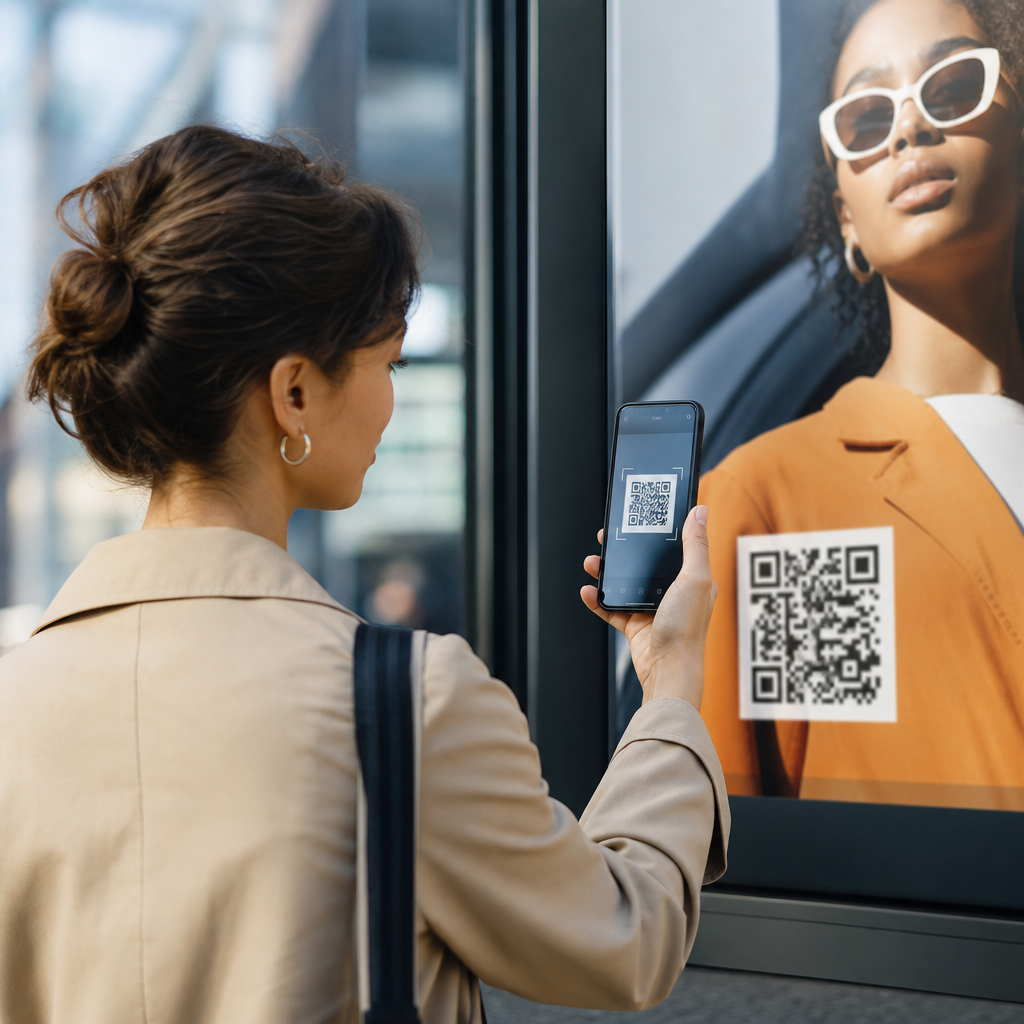
Billboards, bus shelters, subway posters, and storefront windows create strong awareness, but QR codes make them actionable. The practical limitation is distance and dwell time. A motorway billboard is usually a poor place for a QR code because drivers cannot safely scan, while a train platform poster works well because people are standing still with time to engage. Consumer packaged goods brands often use window posters outside retail partners to direct traffic to store locators, limited-time coupons, or product launch videos.
Taco Bell used QR codes in mobile and packaging promotions during product pushes, while Coinbase drew enormous attention with its floating QR code Super Bowl ad in 2022. That campaign sent viewers to a promotional landing page and demonstrated the power of curiosity plus simple execution; it also showed the operational risk of scale when the destination briefly struggled under traffic. In city campaigns, tourism boards have used QR codes on public signage to open maps, historical audio guides, and attraction passes, reducing reliance on printed leaflets and improving visitor navigation.
Product Packaging and Retail Displays
Packaging is often the highest-intent advertising surface because the consumer is already near the product. A QR code on a box, label, shelf talker, or endcap can answer the questions that block purchase: what does it do, how is it used, why is it better, and is there a deal? Beauty brands use codes for shade matching tutorials. Food brands link to recipes, sourcing details, or loyalty programs. Electronics companies link to setup videos that reduce returns and support calls.
PepsiCo and Nestlé have both used packaging-based QR experiences to extend engagement beyond the shelf. In stores, I have found that “scan for how-to video” often outperforms generic product-page links because it addresses the shopper’s immediate uncertainty. Retail media networks are also making shelf-level QR codes more measurable by tying scans to store locations and campaign windows. The packaging use case is especially strong for brands with repeat purchase cycles because one scan can lead to email capture, app install, subscription enrollment, or first-party audience building.
Events, Experiential Marketing, and Sampling
At trade shows, pop-ups, festivals, and sampling activations, QR codes are now standard because they replace stacks of paper and shorten queues. Event marketers use them for registration, agenda access, lead capture, contest entry, and post-demo follow-up. A beverage brand handing out samples can place a code on the cart with “scan to vote for your favorite flavor,” turning anonymous tasting into measurable feedback. B2B exhibitors use booth codes to deliver spec sheets, calendar booking links, or gated case studies directly to a prospect’s phone.
The operational benefit is speed. Staff do not have to spell URLs, and attendees do not have to carry brochures they will discard later. Good event QR flows also work on poor connectivity by loading light pages, caching essentials, or opening wallet passes. When I review event performance, I separate scans by placement: entrance signage, booth panels, lanyards, table tents, and product samples often perform very differently, and those differences reveal where attention actually happens in physical space.
TV, Streaming, and Cross-Channel Promotions
QR codes on television and streaming ads became mainstream when audiences grew comfortable scanning from a second screen. The strongest use case is direct response: scan to redeem an offer, enter a sweepstakes, download an app, or shop the products shown. The CTA must be visible long enough to act on, and the landing page must load fast because interest fades quickly. Brands in entertainment, sports betting, quick-service restaurants, and fintech have used TV QR codes to reduce drop-off between impression and conversion.
Cross-channel coordination makes this format stronger. A viewer sees a QR code in a streaming ad, later receives a matching retargeting ad, then visits a landing page consistent with the original creative. Because each code can be unique, marketers can compare performance by network, region, show, and time slot. That level of attribution was much harder with television before mobile scanning became common.
What the Best Campaigns Get Right
Successful QR advertising campaigns share a small set of execution rules. The most important is relevance: the scan reward must fit the moment. A code on packaging should answer product questions; a code at an event should remove friction; a code in direct mail should make claiming the offer feel immediate. Design also matters. Contrast should be high, quiet zones preserved, and the code large enough to scan from the expected distance. ISO/IEC 18004 remains the technical baseline for QR code structure, and most commercial generators include error correction options that help codes remain scannable if part of the design is stylized.
| Use case | Best destination | Main success metric |
|---|---|---|
| Direct mail | Personalized offer page | Scan-to-conversion rate |
| Retail packaging | How-to video or coupon | Engaged sessions |
| Event booth | Lead form or calendar booking | Qualified leads |
| Transit poster | Store locator or app page | Location-based scans |
| TV ad | Promo landing page | Traffic spike and redemptions |
Teams should also avoid common mistakes. Do not send every scan to the homepage. Do not place codes where scanning is unsafe or unrealistic. Do not launch without testing across iOS and Android, multiple lighting conditions, and various camera distances. Use dynamic codes when possible, apply UTM tracking, and monitor bounce rate, page speed, and form completion. If privacy rules apply, especially in healthcare or finance, disclose data handling clearly and avoid collecting more information than the campaign genuinely needs.
QR codes in advertising campaigns work best when they are treated as a bridge, not a gimmick. Across print, out-of-home, packaging, events, and TV, the strongest real examples share the same formula: a clear reason to scan, a mobile destination matched to the moment, and measurement that ties scans to business outcomes. For brands building a mobile QR code basics program, this hub page should guide channel selection and execution standards. Start with one high-intent use case, such as packaging or direct mail, create a dedicated landing page, test the CTA, and track results closely. Once the scan experience proves useful, expand into broader campaign formats with confidence and discipline.
Frequently Asked Questions
What makes QR codes so effective in advertising campaigns?
QR codes work well in advertising because they reduce the number of steps between interest and action. In a traditional ad, a customer might see a billboard, flyer, product package, or in-store display and then have to remember a brand name, type a web address, search for the offer later, or navigate through several pages to find the right destination. A QR code removes that friction by turning attention into an immediate tap-and-scan action. That convenience matters because advertising often succeeds or fails in the moment. If a customer is curious right now, the campaign needs a fast path to the next step.
They are also flexible enough to support many campaign goals. A single code can send users to a product landing page, app download, promotional video, digital coupon, contest form, event registration page, payment screen, store locator, or customer support resource. That means advertisers can use the same core tool across out-of-home media, retail displays, direct mail, packaging, TV commercials, and experiential activations. In practical terms, QR codes act as a bridge between offline reach and online measurability, which is one of the biggest reasons they have become a dependable conversion tool rather than a short-lived novelty.
Another major advantage is trackability. Brands can measure scans by time, location, device type, and campaign asset when the code is connected to a properly configured analytics setup. That gives marketers clearer evidence of which placements are driving engagement and which creative messages are producing response. In an advertising environment where attribution is often difficult, QR codes provide a direct interaction signal that can be tied to conversions, leads, purchases, and follow-up behavior. When used well, they combine convenience for the user with better data for the advertiser.
What are some real examples of QR codes being used successfully in advertising campaigns?
Real-world campaigns show how adaptable QR codes can be across different channels and audiences. One well-known example is the use of QR codes on product packaging to unlock recipes, tutorials, authenticity information, loyalty rewards, or limited-time offers. This works especially well because the customer is already holding the product and is close to making a purchase decision or looking for post-purchase value. Beauty, food, beverage, and consumer electronics brands have used packaging QR codes to extend the experience beyond the shelf and into digital education, cross-sells, or membership programs.
Another strong example comes from out-of-home advertising such as posters, transit ads, and billboards. Brands have used QR codes in urban placements to connect commuters with app installs, event bookings, free trials, or time-sensitive promotions. In these campaigns, the QR code serves as the response mechanism that turns passive visibility into measurable traffic. Retail brands, streaming services, fitness companies, and restaurants have all used this tactic to capture attention in high-footfall environments and direct users to a mobile-first landing page while interest is still fresh.
TV and connected-screen advertising have also produced notable examples. When a QR code appears clearly on screen for long enough, viewers can scan without leaving the content entirely. This approach has been used during product launches, live events, and brand awareness campaigns to drive viewers to exclusive content, limited offers, or direct purchase pages. The value here is that a medium traditionally associated with awareness can now support immediate response. Across these examples, the common pattern is simple: the campaign gives people a clear reason to scan, makes the destination highly relevant, and ensures the mobile experience is fast and useful once they arrive.
Where should advertisers place QR codes for the best campaign results?
Placement has a direct effect on scan volume and campaign performance. The best locations are places where the audience has enough time, visibility, and motivation to act. In-store displays, packaging, direct mail pieces, point-of-sale signage, event booths, and waiting areas often perform well because the consumer is physically close to the brand and not forced to rush. Transit shelters, posters, and window signage can also work, but only if the code is large enough to scan from a realistic distance and the surrounding design makes the call to action obvious.
Context matters just as much as visibility. A QR code placed on an ad without a clear benefit often gets ignored, while the same code paired with a specific promise such as “Scan for 20% off,” “See the demo,” “Book your trial,” or “Watch the full story” is much more likely to drive action. Advertisers should think carefully about what the user is doing at the moment they encounter the code. Someone in a supermarket aisle may want product details, someone watching a commercial may want a fast offer, and someone at an event may want registration, schedules, or social engagement. Matching the destination to the moment improves results significantly.
Technical and visual execution are equally important. The code should have enough contrast, quiet space around it, and a size appropriate for the distance from which it will be scanned. It should not be distorted, hidden in clutter, or placed where glare, curvature, or motion makes scanning difficult. On digital screens, the code needs enough on-screen time for viewers to notice, unlock their phone, open the camera, and complete the scan. Strong campaign results usually come from this combination: strategic placement, a compelling reason to scan, and a friction-free mobile destination.
How can brands measure the success of a QR code advertising campaign?
Success starts with defining the campaign objective before the code is ever published. Some brands want awareness and engagement, while others care more about leads, purchases, app installs, bookings, coupon redemptions, or repeat customer activity. Once that goal is clear, the QR code should point to a destination that can be properly tracked through analytics platforms, tagged URLs, conversion events, CRM integrations, or e-commerce reporting. This setup allows advertisers to move beyond simple scan counts and evaluate whether the scans actually produced business results.
Important performance metrics usually include total scans, unique scans, scan-through rate by placement, landing page visits, bounce rate, time on page, form completions, purchases, coupon usage, and assisted conversions. Marketers can also compare performance across assets by using unique QR codes for each channel, location, or creative variation. For example, a brand might assign separate codes to a poster, shelf display, direct mail piece, and TV spot to identify which touchpoint is driving the highest-value traffic. That level of granularity helps improve media allocation and creative decisions in future campaigns.
Qualitative factors should not be ignored either. If a campaign generates many scans but few conversions, the issue may not be the code itself but the landing page experience, load speed, message mismatch, or offer quality. Measuring user behavior after the scan helps reveal where friction appears in the journey. The most effective advertisers treat QR codes as one part of a full conversion path: the ad creates interest, the code captures intent, and the destination closes the gap between curiosity and action. When those pieces are aligned, the campaign becomes both measurable and optimizable.
What are the most common mistakes to avoid when using QR codes in advertising?
The most common mistake is giving people no compelling reason to scan. A QR code by itself is only a tool, not a strategy. If the ad does not explain what users will get, many people will ignore it. Vague prompts such as “Scan here” are far less effective than clear value-based calls to action like “Scan to claim your discount,” “Scan to watch the product demo,” or “Scan to book your appointment.” The user should understand the benefit immediately and feel that the destination is worth the effort.
Another frequent problem is poor mobile experience after the scan. If the landing page loads slowly, is not optimized for smartphones, requires too many steps, or does not match the promise made in the ad, conversion rates will suffer. Advertisers sometimes put a code on a campaign and focus heavily on the creative placement while neglecting the destination. In reality, the scan is only the beginning. The page should be fast, easy to navigate, visually consistent with the ad, and designed around one primary next action. A well-performing QR campaign depends as much on post-scan usability as on the code itself.
Brands also make technical and design errors that reduce scanability and trust. Codes that are too small, low contrast, partially obstructed, printed on reflective surfaces, or shown too briefly on screen often fail in real use. Sending users to a generic homepage instead of a specific campaign page can also waste intent. Finally, failing to track results properly means the brand learns very little from the campaign. The best practice is simple: create a clear incentive, place the code where it can be scanned easily, send users to a relevant mobile-first destination, and measure what happens next. That is how QR codes shift from a decorative add-on to a serious advertising performance tool.