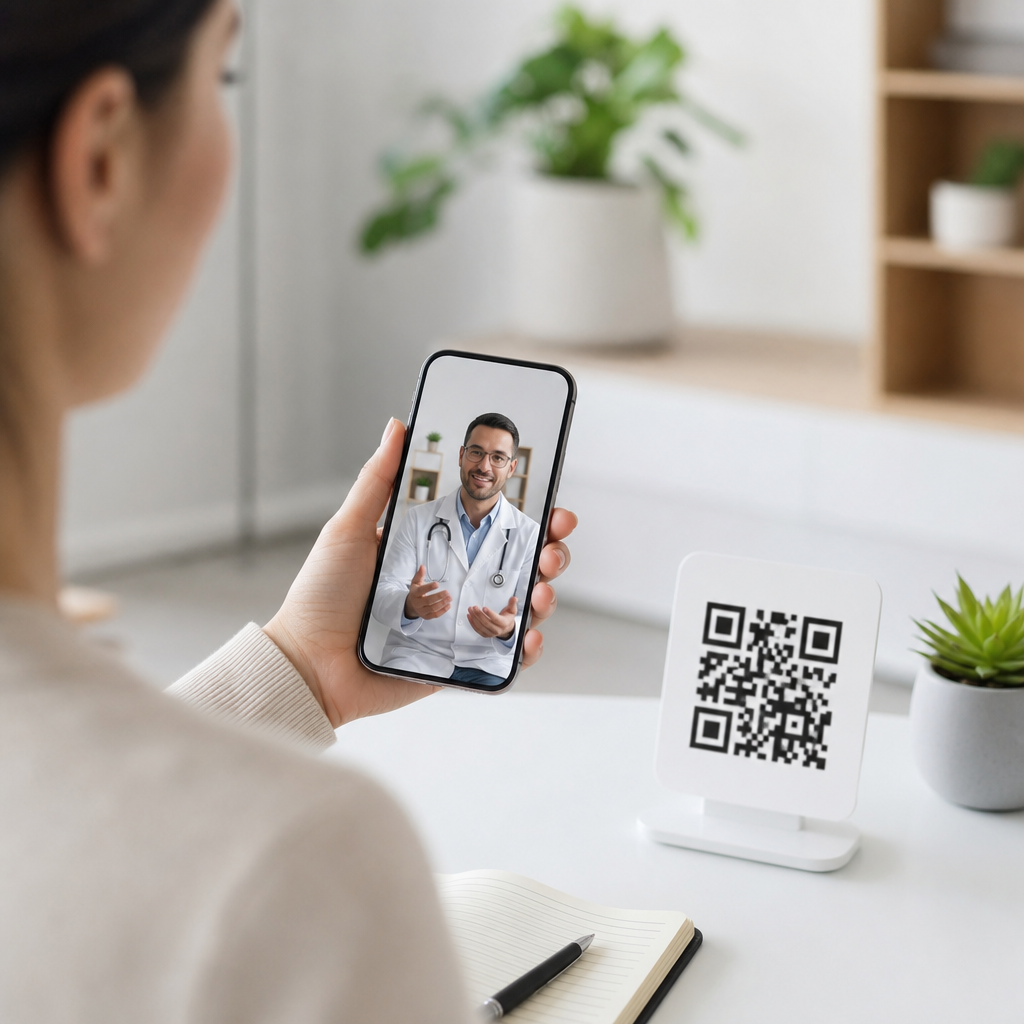
QR codes for telehealth and virtual visits have moved from a convenience feature to a core access tool in modern healthcare. A QR code is a scannable, two-dimensional barcode that can open a video appointment link, launch a patient intake form, confirm identity, download instructions, or route a patient into a secure digital workflow. In telehealth, that simple square matters because every extra click increases abandonment, delays care, and frustrates patients who may already be anxious, ill, or managing limited technical skills. After helping clinics deploy virtual visit workflows, I have seen the same pattern repeatedly: when staff replace long URLs, fragmented emails, and portal confusion with a well-designed QR code system, attendance improves and support calls drop. For healthcare organizations, this topic sits at the center of access, patient experience, operations, and compliance. It also connects to nearly every healthcare use case for scannable access, from remote monitoring and prescription education to post-discharge follow-up, specialty referrals, and hybrid in-person plus virtual care models.
Telehealth refers to delivering clinical and nonclinical health services remotely using telecommunications tools, while virtual visits are the patient-facing appointments conducted by video, phone, or secure messaging. QR codes support both by reducing friction at the point of entry. A patient can scan a code on a discharge sheet to join a follow-up appointment, scan a waiting room poster to schedule a same-day virtual urgent care consult, or use a mailed card to enter a chronic care management program. The technology itself is simple, but the implementation is not. Healthcare teams must choose between static and dynamic codes, map each code to the right destination, account for device compatibility, protect protected health information, and ensure that the patient journey remains understandable across age groups, languages, and connectivity conditions. This article serves as the healthcare hub for industry-specific applications, explaining where QR codes fit in telehealth, how to deploy them responsibly, which workflows benefit most, and what standards matter when patient care depends on the scan actually working.
How QR Codes Improve Telehealth Access and Virtual Visit Attendance
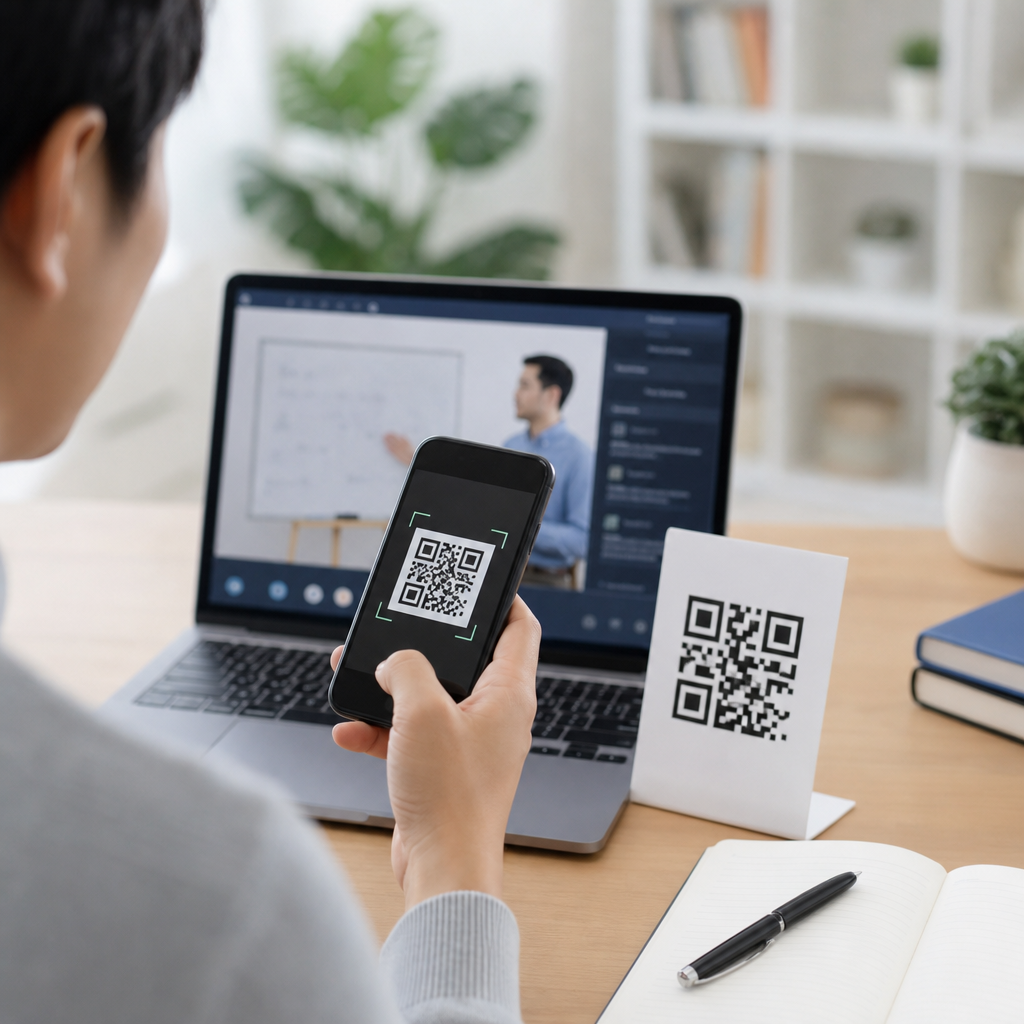
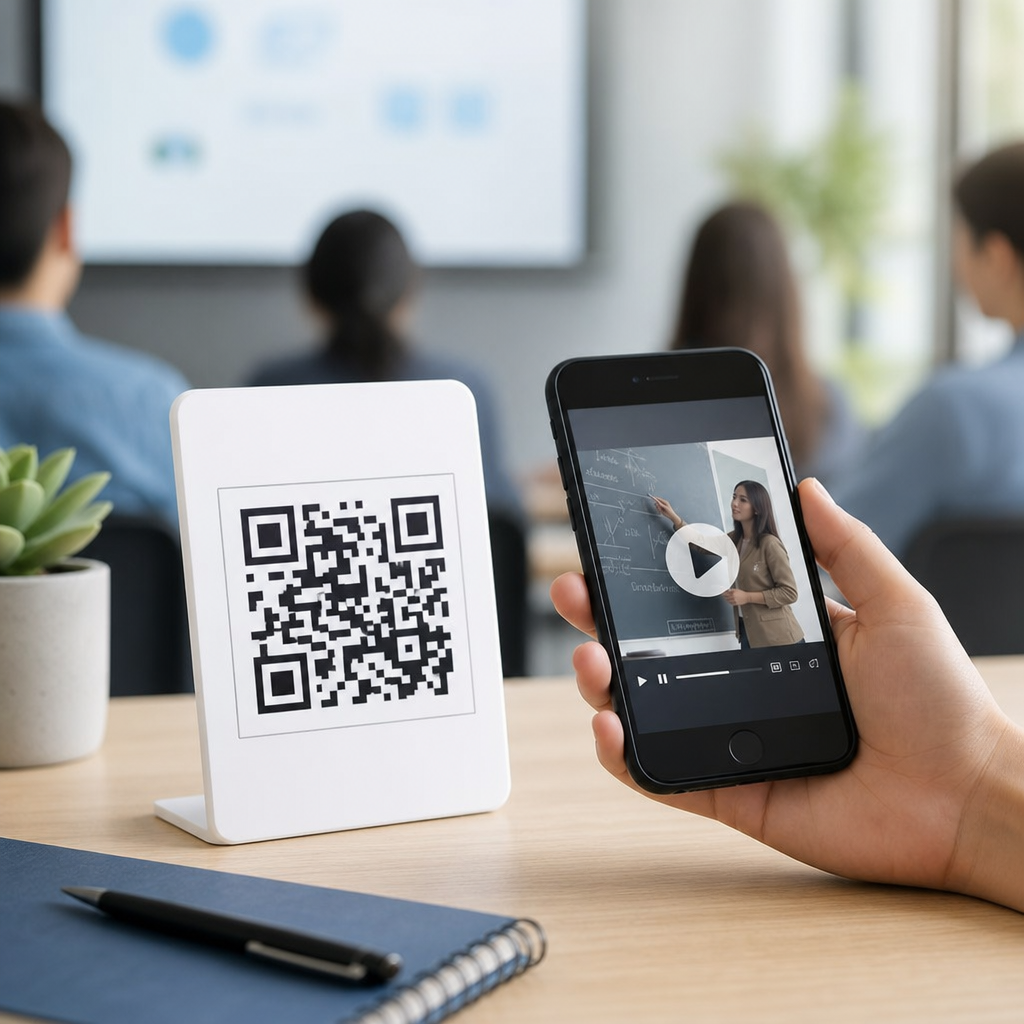
The main benefit of QR codes in telehealth is direct access. Instead of asking patients to type a meeting ID, remember a portal password, or search through appointment emails, a clinic can provide one scan that takes the patient exactly where they need to go. In practical terms, that often means a dynamic QR code linked to a secure landing page that validates the appointment, presents device checks, and opens the visit in a browser or approved app. This is especially valuable for older adults, caregivers coordinating appointments for children, and patients with limited digital literacy. In one multi-location outpatient setting I worked with, front-desk staff reported that the number of pre-visit “how do I join?” calls dropped noticeably once printed appointment cards included a QR code and plain-language instructions.
Attendance gains come from reducing micro-barriers. A patient who receives a text message with a QR code can scan from another device, while a patient with a printed after-visit summary can scan from a home tablet on the day of the appointment. The code can also direct patients to complete consent forms, insurance verification, symptom questionnaires, or browser permission checks before the clinician joins. That sequence matters because delays at the top of the visit eat into provider time and create bottlenecks. Health systems using platforms such as Epic, MyChart, Zoom for Healthcare, Doxy.me, Amwell, and Microsoft Teams can embed telehealth links behind QR codes, but the successful deployments are the ones that keep the destination page simple, mobile optimized, and tied to a clear next action. A QR code should not dump a patient into a maze of login screens if the visit can be accessed safely through a streamlined path.
High-Value Healthcare Use Cases Across the Care Journey
Telehealth QR codes are not limited to scheduled physician visits. They are effective across urgent care, behavioral health, rehabilitation, women’s health, pediatrics, care navigation, home health, and post-acute services. Behavioral health providers use them on discreet appointment cards so patients can quickly rejoin therapy sessions without searching through email. Rehabilitation teams place them on exercise handouts, linking patients to follow-up video checks and movement demonstrations. Hospital discharge teams use them to connect patients to transitional care calls within forty-eight to seventy-two hours, a period that is critical for medication reconciliation and complication review. In maternal health, a prenatal clinic may issue a code that routes patients to virtual blood pressure check-ins after delivery, helping identify postpartum hypertension sooner.
Remote patient monitoring also benefits when QR codes bridge physical and digital care. A patient receiving a connected blood pressure cuff or pulse oximeter can scan a package insert to watch setup instructions, enroll the device, and schedule a troubleshooting visit. Specialty practices use codes to triage referrals: a dermatology office can place a QR code on referral paperwork that opens intake questions and image submission guidance before a virtual consult. Public health programs use posters, flyers, and discharge packets to route communities into vaccination counseling, smoking cessation sessions, or infectious disease follow-up. Because this article is the healthcare hub, it is important to see QR codes not as a single tactic but as connective infrastructure that links appointment access, education, triage, monitoring, and follow-up into one measurable system.
Implementation Models, Security Controls, and Compliance Requirements
Healthcare organizations should treat telehealth QR codes as part of a governed digital access architecture, not a marketing add-on. The first decision is whether to use static or dynamic codes. Static codes permanently point to one destination and work well for evergreen education resources, but they are weak for appointment workflows because destinations cannot be changed after printing. Dynamic codes are better for telehealth because administrators can update the link, track scan activity, set expiration rules, and redirect traffic during outages. For clinical use, dynamic codes should resolve to secure domains controlled by the organization or an approved vendor. Short links should be branded where possible so patients can recognize legitimate destinations and avoid phishing risk.
Security and privacy controls are nonnegotiable. Under HIPAA in the United States, any workflow touching protected health information must use appropriate safeguards, including access controls, encryption in transit, vendor agreements where required, and minimum necessary data exposure. A QR code itself does not contain sensitive data in most healthcare deployments; it usually contains a URL or tokenized pointer. That distinction matters because the risk often sits at the landing page and downstream systems rather than in the image. Even so, teams should avoid encoding plain-text patient identifiers into a printable code that could be photographed or misdirected. Safer patterns include time-limited tokens, one-time access links, identity confirmation steps, and server-side session creation after the scan.
| Workflow | Recommended QR Code Approach | Key Risk | Best Practice |
|---|---|---|---|
| Scheduled virtual visit | Dynamic code to secure appointment landing page | Patient joins wrong session | Use unique visit token and date validation |
| Discharge follow-up | Printed dynamic code on after-visit summary | Expired or outdated destination | Allow redirect updates and fallback phone number |
| Remote device onboarding | Code on packaging linked to setup flow | Setup abandonment | Provide short video, live help, and multilingual steps |
| Behavioral health rebooking | Discrete card linked to scheduling portal | Privacy concerns in shared spaces | Use neutral labeling and secure login |
Compliance also extends beyond privacy. Accessibility requirements under the Americans with Disabilities Act and Section 1557 expectations for meaningful access should shape design choices. Printed materials need high contrast, readable text, and alternatives for patients who cannot scan. Language access is essential; if a community speaks Spanish, Vietnamese, or Arabic, the QR destination should reflect that reality. Operational governance matters as well. Every code needs an owner, a testing schedule, a change log, and a documented fallback route. I recommend adding uptime monitoring and quarterly audits to catch broken links, expired certificates, or workflow drift before patients encounter them.
Designing Patient-Friendly Telehealth QR Code Experiences
A QR code succeeds only when the patient understands what will happen after scanning. The label should state the outcome in plain language: “Join your video visit,” “Complete pre-visit forms,” or “Schedule your follow-up.” That wording outperforms generic prompts such as “Scan here.” The print layout matters too. Quiet zones around the code improve readability, and a minimum printed size of roughly 0.8 inches by 0.8 inches works for close-range scans, though mailed materials and posters usually need larger dimensions. Error correction can help if materials may be smudged, but overly stylized branded codes often reduce scan reliability. In healthcare, function should win over decoration.
The destination page should answer immediate patient questions in seconds: Do I need an app? Is this secure? What if my camera does not work? Can a caregiver join? What number do I call if I cannot connect? The most effective telehealth pages include those answers above the fold, plus browser checks and a visible support option. For seniors and patients with low digital confidence, a two-step flow is usually better than a five-step portal journey. For example, scan, confirm date of birth, and join is often sufficient when matched to appropriate security controls. Organizations should also test across iPhone and Android devices, low-bandwidth connections, and common browsers including Safari and Chrome. If a virtual care workflow fails on mobile, it fails where many patients actually are.
Measurement, Optimization, and the Future of Virtual Care Access
Healthcare leaders should evaluate telehealth QR codes using operational and clinical metrics, not just scan counts. Useful measures include appointment attendance rate, pre-visit form completion, median time from scan to join, technical support call volume, no-show reduction by specialty, and patient satisfaction scores after virtual visits. Segmenting by age, language, insurance type, and device can reveal equity gaps that broad averages hide. In one rollout, scan rates looked strong, but completion lagged among patients using older Android phones; the issue turned out to be a browser permission conflict that was fixable once identified. Analytics should always be configured to protect privacy while still showing where friction occurs.
Looking ahead, QR codes will remain important because telehealth is becoming more integrated with omnichannel care. Patients move between in-person visits, remote monitoring, asynchronous messaging, and on-demand virtual consults, and they need a simple bridge between those modes. QR codes provide that bridge when they are governed, secure, and patient centered. The key takeaway is straightforward: in healthcare, the best QR code for telehealth is not the fanciest design or the most heavily branded campaign. It is the code that gets the right patient to the right virtual service quickly, safely, and with minimal confusion. Audit your current virtual visit journey, identify every unnecessary click, and replace weak handoffs with QR-enabled access paths that patients can trust and use immediately.
Frequently Asked Questions
How are QR codes used in telehealth and virtual visits?
QR codes are used in telehealth to remove friction at nearly every step of the patient journey. Instead of asking patients to search for an email, type a long web address, remember a portal password, or navigate a multi-step login process, a healthcare provider can place a single QR code on appointment reminders, discharge paperwork, signage, text messages, emails, or printed instructions. When scanned with a smartphone or tablet, that code can instantly open a secure virtual visit link, launch a digital check-in page, connect the patient to an intake questionnaire, display pre-visit instructions, or route them to a support page if they need technical help.
That speed matters because telehealth depends on reliable access. Every unnecessary click increases the chance that a patient arrives late, gives up, or joins a visit already stressed. QR codes simplify access for a wide range of users, including older adults, busy parents, patients with limited technical confidence, and people trying to attend a visit while managing pain, illness, or caregiving responsibilities. In many workflows, QR codes can also support identity confirmation, medication consent forms, symptom screening, post-visit education, and follow-up scheduling. In practical terms, they turn a complicated digital process into a clear next step: scan, open, and proceed.
Why are QR codes becoming so important for patient access and appointment completion?
QR codes are becoming essential because telehealth succeeds or fails on ease of entry. A virtual visit may only take a few minutes to access when everything works well, but for patients, small barriers add up quickly. A mistyped URL, a buried email link, a forgotten password, or confusion about which platform to use can delay care and reduce attendance. QR codes solve this by creating a direct pathway into the exact digital destination the patient needs. That can mean fewer missed appointments, less time spent with support staff, and smoother workflows for both clinicians and administrative teams.
They also improve consistency. A well-designed QR-based process gives every patient the same clear access point, whether they are checking in from home, a workplace, a parking lot, or a hospital room. This consistency helps healthcare organizations reduce drop-off at crucial points, such as pre-visit registration, consent collection, and the transition from scheduling to visit entry. From an operational perspective, QR codes can lower front-desk call volume, reduce confusion around telehealth instructions, and support better on-time performance for providers. From the patient perspective, they reduce anxiety by making the first step obvious. That combination of accessibility, efficiency, and reliability is why QR codes have shifted from being a helpful extra to being a core access tool in virtual care.
Are QR codes for telehealth secure and HIPAA-conscious?
QR codes themselves do not create security, but they can absolutely be used in secure and HIPAA-conscious telehealth workflows when implemented correctly. A QR code is simply a delivery method for a digital action, such as opening a secure visit link or directing a patient to a protected portal. The real security depends on what the code connects to, how access is managed, whether the destination is encrypted, and how patient information is handled once the user arrives. In other words, the code is not the sensitive data; the surrounding system design is what determines compliance and privacy protection.
Best practices include linking QR codes only to secure, encrypted healthcare platforms, avoiding the exposure of protected health information directly in the code itself, using time-limited or single-use links when appropriate, and pairing access with identity verification steps such as date of birth confirmation, authentication codes, or secure portal login. Healthcare organizations should also use trusted QR code generation and management tools, maintain oversight of where codes are published, and monitor workflows for misuse or expired links. When done properly, QR codes can support a safer patient experience by reducing manual errors, sending patients to the correct destination, and minimizing the need to exchange complicated login details over phone calls or paper instructions. Security comes from the telehealth infrastructure behind the code, and strong implementation makes QR access both convenient and compliant.
What are the main benefits of using QR codes for patients and providers?
The biggest benefit for patients is convenience. A QR code reduces the effort required to join a virtual visit, complete forms, access instructions, or move through a care workflow. That matters especially for patients who are not highly technical, who are using mobile devices, or who are already under stress. A quick scan can feel far more manageable than locating links across multiple emails or entering credentials on a small screen. This can lead to faster check-in, fewer missed steps, and a more positive overall care experience. It also helps patients feel guided rather than overwhelmed, which is important in telehealth where there is no in-person staff member physically walking them through the process.
For providers and healthcare organizations, QR codes support efficiency, better patient throughput, and more reliable digital engagement. They can reduce no-show rates by making access easier, shorten the time spent troubleshooting appointment entry, and streamline administrative tasks such as registration, consent collection, and post-visit follow-up. QR codes can also be deployed across many touchpoints, including appointment reminders, waiting room materials, bedside discharge documents, pharmacy handouts, and community outreach campaigns. In addition, organizations can often track scans, completion rates, and workflow performance to identify where patients encounter friction. That makes QR codes useful not only as an access tool, but also as a practical way to improve telehealth operations and patient experience over time.
What should healthcare organizations consider when implementing QR codes for virtual visits?
Successful implementation starts with designing around the patient experience, not just the technology. Healthcare organizations should first decide exactly what each QR code should do: launch the visit, open eCheck-in, display instructions, collect intake information, verify identity, or direct patients to technical support. Each code should have a single, clear purpose and should lead to a mobile-friendly destination that loads quickly and works across common devices. The instructions around the code should also be simple and plain-language, explaining what happens after scanning and what patients should do if they run into trouble.
Organizations should also think carefully about security, link management, accessibility, staff training, and workflow integration. Dynamic QR codes are often preferable because they allow the destination link to be updated without replacing printed materials. Teams should test codes on different phones and operating systems, confirm that pages are accessible for users with disabilities, and ensure that backup options are available for patients who cannot scan a code. It is equally important to train front-desk staff, care coordinators, and clinicians so they can confidently explain the process and troubleshoot basic issues. Finally, healthcare leaders should monitor key metrics such as scan rates, visit completion, no-show trends, and support requests. When QR code programs are planned strategically and measured consistently, they can strengthen telehealth access, improve patient satisfaction, and make virtual care easier to deliver at scale.