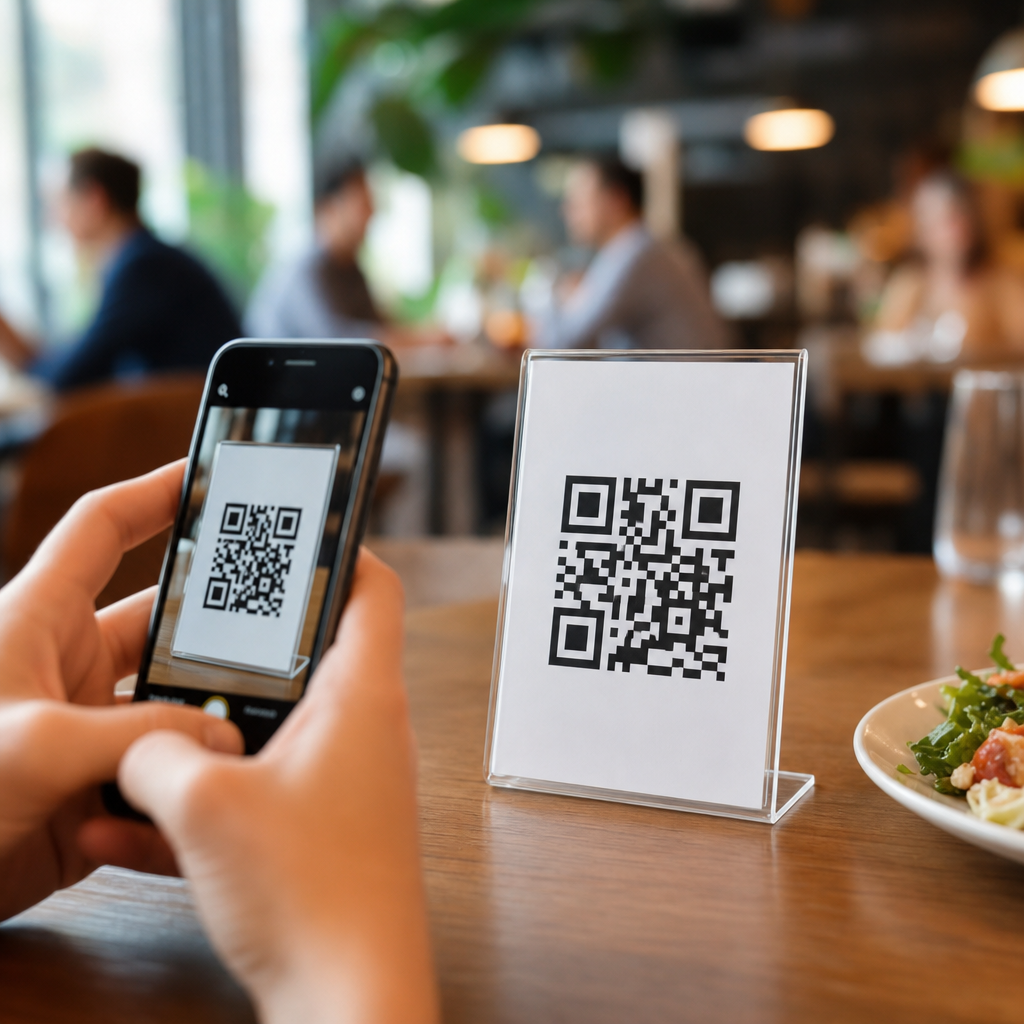
QR codes for restaurant promotions and specials have moved from novelty to core marketing infrastructure, giving restaurants a fast, measurable way to connect physical guests with digital offers. In restaurants and hospitality, a QR code is simply a scannable image that opens a menu, coupon, loyalty signup, reservation page, review form, or limited-time promotion on a guest’s phone. I have implemented these campaigns for single-location cafés and multi-unit restaurant groups, and the pattern is consistent: when the code leads to a clear benefit and the landing page is fast, scan rates rise and promotions become easier to track than most print tactics. That matters because margins are tight, labor is expensive, and every promotion has to justify itself. A well-placed QR code can increase lunch traffic, move slow inventory, capture first-party customer data, and shorten the path from awareness to order. For hospitality operators building a repeatable growth system, this topic sits at the center of menus, table tents, loyalty, takeout, events, and guest retention.
Used correctly, QR codes reduce friction. Instead of asking a diner to remember a URL or search for a special, the restaurant presents one scan and one action. For a sub-pillar hub on restaurants and hospitality, the opportunity is broader than discounts alone. Operators can use codes for happy hour menus, chef specials, wine pairings, event calendars, feedback collection, catering inquiries, gift card sales, waitlist management, and post-visit reactivation. The key terms that matter are dynamic QR codes, which allow destination changes after printing; scan analytics, which show time, device, and location data; and conversion tracking, which ties scans to orders, bookings, or signups. These terms matter because restaurant marketing succeeds on speed, flexibility, and measurement. If a rainy Tuesday calls for an unplanned soup promotion, dynamic codes let a manager update the destination in minutes without reprinting every tabletop card.
How restaurants use QR codes across the guest journey
The best restaurant QR code campaigns match the guest journey rather than forcing one generic offer everywhere. Outside the venue, window decals can drive passersby to breakfast specials, reservation links, or Google Maps directions. At the host stand, a code can open the waitlist, featured cocktails, or a private events form. On tables, codes often support digital menus, but the stronger promotional use is contextual: “Scan for today’s chef special,” “Join our rewards club for a free appetizer,” or “Unlock weekday lunch pricing.” On receipts and packaging, codes work well for review requests, bounce-back offers, and catering pages. In hotels, cafés, bars, and room service environments, codes can also connect guests to amenity upgrades, seasonal dining packages, and on-property experiences.
Real-world performance depends on intent and placement. A quick-service restaurant may see the highest scan volume from drive-thru signage linked to app ordering, while a full-service venue often gets better promotional response from receipt-based codes that offer a reason to return within seven days. I have seen brunch operators use table cards to promote weekday breakfast specials and recover quiet Monday traffic. A neighborhood pizzeria can add a QR code to every box with “Scan for next game-day combo,” then route users to an SMS signup page and deliver segmented offers before local sports events. A hotel restaurant can place codes in elevators advertising prix fixe menus during convention weekends. In each case, the code is not the strategy by itself; it is the bridge between a physical moment and a digital conversion point.
Best promotions and specials to deliver with QR codes
Not every offer deserves a QR code. The most effective restaurant promotions are simple, timely, and easy to redeem on a phone. Limited-time offers work especially well because they create urgency without changing permanent signage. Examples include lunch bundles, happy hour extensions, dessert add-ons, free coffee with breakfast, kids-eat-free nights, and chef tasting events. Loyalty incentives also convert reliably. “Scan to join, get 10% off today” gives an immediate reason to act and starts a first-party relationship the restaurant controls. For multi-location brands, location-aware landing pages can show the nearest restaurant and active local offers, which reduces drop-off and improves redemption rates.
Restaurants should also match offers to operational realities. If kitchen throughput is constrained on Friday night, a QR promotion should shift demand to slower periods instead of adding pressure during peak hours. Operators can use daypart promotions, inventory-based specials, or personalized upsells based on order type. For example, a sushi restaurant with excess premium roll inventory can push an afternoon takeout special through bag-stuffer QR codes. A casual bar and grill can promote trivia night signups from table tents and social posts using one dynamic destination. A resort restaurant can use in-room codes for breakfast packages and poolside service add-ons. These tactics succeed because they align guest interest, margin goals, and staff capacity rather than chasing scans for their own sake.
Placement, design, and conversion fundamentals
A restaurant QR code should be large enough to scan quickly, paired with a direct instruction, and placed where the guest has time to act. In practice, that means strong contrast, generous quiet space around the code, and a call to action that states the reward clearly. “Scan for menu” is serviceable; “Scan for today’s 2-for-1 lunch special” is stronger because it sets a specific expectation. The landing page must load fast, respect mobile usability standards, and present one primary action above the fold. If a user has to pinch, search, or close pop-ups, conversion drops immediately. I recommend dynamic codes from tools such as QR Code Generator, Bitly, Beaconstac, or Uniqode, then tracking outcomes in Google Analytics 4, POS reports, and CRM dashboards.
| Placement | Best Use | Main Metric | Example Offer |
|---|---|---|---|
| Window decal | Capture foot traffic | Scans to directions or booking | Pre-theater dinner special |
| Table tent | Upsell during dine-in | Menu views to add-on sales | Seasonal cocktail flight |
| Receipt | Drive repeat visits | Redemption within 7 to 30 days | Free appetizer next visit |
| Takeout packaging | Grow loyalty or reviews | Signups or review submissions | Join rewards, get free dessert |
| Hotel room collateral | Promote on-property dining | Room scans to reservations | Breakfast package upgrade |
Testing matters as much as design. Change one variable at a time: offer, CTA language, placement, or landing page format. A steakhouse may find that a reservation-focused code near the entrance outperforms a discount-focused code at the bar because its audience values certainty more than savings. A coffee chain might learn that app-ordering codes near commuter exits perform best before 9 a.m., while afternoon scans respond better to pastry bundles. These insights come from disciplined testing and clean tracking, not assumptions.
Tracking results, compliance, and operational pitfalls
The biggest advantage of QR codes for restaurant promotions and specials is measurability. A strong setup uses unique codes by location, channel, and campaign so operators can compare in-store signage, receipts, packaging, direct mail, and hotel collateral. Dynamic links with UTM parameters can feed analytics platforms, while promotion-specific coupon codes inside the POS show actual redemption and revenue impact. The metrics that matter most are scan-through rate, landing-page conversion rate, redemption rate, average check, repeat visit rate, and incremental sales by daypart. If a campaign generates many scans but few orders, the issue is usually message mismatch, a slow landing page, or too many steps before redemption.
There are also practical limits. Some guests still prefer printed menus or are cautious about scanning unfamiliar codes, so restaurants should never remove alternative paths completely. Staff training is essential; servers and hosts need one-sentence explanations for each promotion and should know what happens after the guest scans. Security matters as well. Codes should point to branded domains, HTTPS pages, and destinations the restaurant controls. Avoid placing codes where tampering is easy without routine checks. In hospitality settings, accessibility matters too: text should explain the offer for guests who do not scan, and digital pages should support readable type, alt text where relevant, and simple navigation. When those basics are in place, QR codes become dependable infrastructure rather than a trendy add-on.
For restaurants and hospitality brands, QR codes are most valuable when they support a broader promotional system, not a one-off gimmick. They connect physical touchpoints to measurable actions: scans to bookings, scans to orders, scans to loyalty signups, and scans to repeat visits. The strongest programs use dynamic codes, clear calls to action, mobile-first landing pages, and campaign-level tracking tied back to revenue. They also respect operational reality by shifting demand to slower periods, promoting high-margin items, and giving guests a frictionless path to act in the moment.
As the hub for Restaurants and Hospitality within industry-specific applications, this topic should guide related efforts across menus, loyalty, events, catering, hotel dining, takeout, and guest feedback. The main benefit is simple: better promotions with clearer attribution. Start with one high-intent use case such as receipt offers or table-tent specials, assign a unique dynamic code, and measure scans, redemptions, and repeat visits for thirty days. Then expand what works across locations and channels.
Frequently Asked Questions
How can restaurants use QR codes to promote specials and limited-time offers effectively?
Restaurants can use QR codes as direct bridges between in-store traffic and digital promotions, making it easy for guests to discover specials the moment they are most likely to act. A QR code placed on table tents, windows, check presenters, takeout bags, menus, or countertop signage can send diners straight to a page featuring daily specials, happy hour offers, seasonal dishes, promo bundles, or event-based discounts. This works especially well because it removes friction. Instead of asking customers to remember a URL, search online, or download an app first, the scan takes them right to the offer.
The most effective restaurant campaigns match the QR code placement to the guest journey. A code near the entrance might highlight lunch combos or first-time visitor incentives. A code on the table can promote desserts, drink pairings, or loyalty enrollment while guests are already dining. A code on packaging can bring takeout customers back with a bounce-back offer for their next visit. Restaurants can also rotate the destination without changing the printed code if they use dynamic QR codes, which makes it possible to switch from a weekend brunch promotion to a holiday special or a slow-day discount in minutes.
To perform well, the offer itself should be simple, relevant, and mobile-friendly. Guests should immediately see what they get, how to redeem it, and whether there is an expiration date. Strong campaigns usually include a clear call to action such as “Scan for today’s lunch special,” “Unlock 10% off your next visit,” or “See this week’s happy hour menu.” When paired with good signage, attractive creative, and a landing page designed for phones, QR codes become one of the fastest and most measurable ways to drive traffic, increase average order value, and keep promotions fresh without constantly reprinting materials.
What types of restaurant promotions work best with QR codes?
QR codes work best with promotions that benefit from speed, convenience, and easy tracking. Some of the strongest use cases include limited-time offers, daily specials, loyalty signups, digital coupons, buy-one-get-one promotions, free add-on upgrades, new menu item launches, and event-based campaigns such as trivia nights, live music, or holiday menus. They are also highly effective for lead capture, allowing restaurants to collect email or SMS opt-ins in exchange for a welcome discount or birthday reward.
In practice, promotions tied to immediate intent often perform the best. For example, a guest waiting for a table may scan a code for a same-day appetizer offer, while a diner paying the bill may scan for a loyalty reward tied to their next visit. QR codes are also ideal for segmented promotions. A coffee shop can run one code for morning commuters and another for afternoon traffic. A multi-unit restaurant group can assign separate codes by location, campaign, or channel to see exactly which placements and offers generate the most engagement.
Another high-performing category is post-visit promotion. A QR code on receipts or takeout stickers can direct guests to a reorder page, review request, catering inquiry, or “come back this week” offer. This is especially useful because it extends the guest relationship beyond the transaction. The key is choosing promotions that feel valuable and timely, not generic. A well-placed QR code tied to a relevant offer can turn casual diners into repeat customers, especially when the landing page is fast, redemption is easy, and the incentive is clearly worth the scan.
Are dynamic QR codes better than static QR codes for restaurant marketing campaigns?
For most restaurant promotion strategies, dynamic QR codes are the better option because they offer flexibility, better tracking, and easier campaign management. A static QR code sends users to one fixed destination that cannot be changed after printing. That may be fine for permanent information such as a homepage or basic menu, but it becomes limiting when restaurants want to update specials, test offers, or change campaign timing. Dynamic QR codes solve that problem by allowing the destination URL to be edited without replacing the printed code.
This matters a great deal in restaurant operations, where promotions change frequently. A single QR code on a table tent can lead to a lunch deal this month, a seasonal cocktail menu next month, and a holiday prix fixe page later on. That ability reduces print waste and makes campaign updates much faster. Dynamic QR codes also typically include analytics such as scan volume, time of scan, device type, and sometimes approximate location data. For restaurant operators, this makes it much easier to measure which materials, placements, and offers are actually driving engagement.
From a marketing perspective, dynamic QR codes also support testing and optimization. Restaurants can compare one landing page against another, adjust offers for different store locations, or pause and redirect underperforming campaigns quickly. This is especially valuable for multi-location brands that need centralized control with local flexibility. While static QR codes may work for basic one-time use, dynamic QR codes are generally the smarter choice when the goal is to run ongoing promotions, improve performance over time, and treat QR campaigns as part of a larger measurable restaurant marketing system.
How can restaurants track the success of QR code promotions and specials?
Restaurants should track QR code promotions the same way they would evaluate any serious marketing channel: by connecting scans to real business outcomes. Scan count is a useful starting metric because it shows whether the placement and call to action are attracting attention, but it should not be the only measure. More meaningful performance indicators include coupon redemptions, loyalty signups, reservations, online orders, average ticket size, repeat visits, and review submissions. The goal is not just to get scans, but to generate profitable customer actions.
The best way to do this is by assigning unique QR codes to different locations, materials, and campaign types. For example, one code can be used on dine-in tables, another on storefront signage, and another on takeout packaging. Each code can point to a dedicated landing page or include tracking parameters so the restaurant can see which source produced the most conversions. If the campaign leads to an online ordering page, redemption code, or loyalty form, those actions can be measured directly in analytics platforms, CRM tools, or POS-connected systems.
Restaurants should also evaluate timing and context. A promotion that performs well on weekday afternoons may not work at dinner, and a takeout bounce-back offer may outperform an in-store discount depending on the audience. Reviewing scan trends over time helps operators refine placement, adjust creative, and improve the offer itself. In well-run campaigns, QR code data becomes operationally useful, not just informational. It can help determine where to place signage, which promotions increase repeat traffic, and which guest touchpoints deserve more marketing investment. That is what turns QR codes from simple scannable graphics into a reliable performance channel.
What are the biggest mistakes restaurants should avoid when using QR codes for promotions?
One of the biggest mistakes is sending guests to a poor mobile experience. If a customer scans a QR code and lands on a slow page, a cluttered website, a desktop-only layout, or a page where the offer is hard to find, the promotion will lose momentum immediately. The destination should load quickly, display the offer clearly, and make the next step obvious. Whether the goal is redeeming a coupon, ordering online, joining a loyalty program, or viewing a special menu, the path should be short and intuitive.
Another common mistake is using weak or vague calls to action. Many restaurants print a QR code with no explanation, assuming guests will scan out of curiosity. In reality, most people need a reason. Signage should tell them exactly what they get by scanning, such as “Scan for today’s chef special,” “Get a free drink with your next visit,” or “Join rewards and unlock a welcome offer.” Without that value proposition, scan rates often remain low even in high-traffic environments.
Restaurants should also avoid overcomplicating redemption. If guests have to fill out too many fields, create an account before seeing the offer, or navigate through multiple pages, conversion rates drop. Other problems include printing codes too small, placing them in poor lighting, failing to test them on different devices, or leaving expired promotions active. For multi-location operations, inconsistency across stores can also hurt results if some locations promote one offer while others use outdated materials. The most successful restaurant QR code campaigns are simple, tested, current, and designed around real guest behavior. When the offer is relevant and the scan experience is frictionless, QR codes become far more than a trend. They become a dependable part of restaurant promotion strategy.