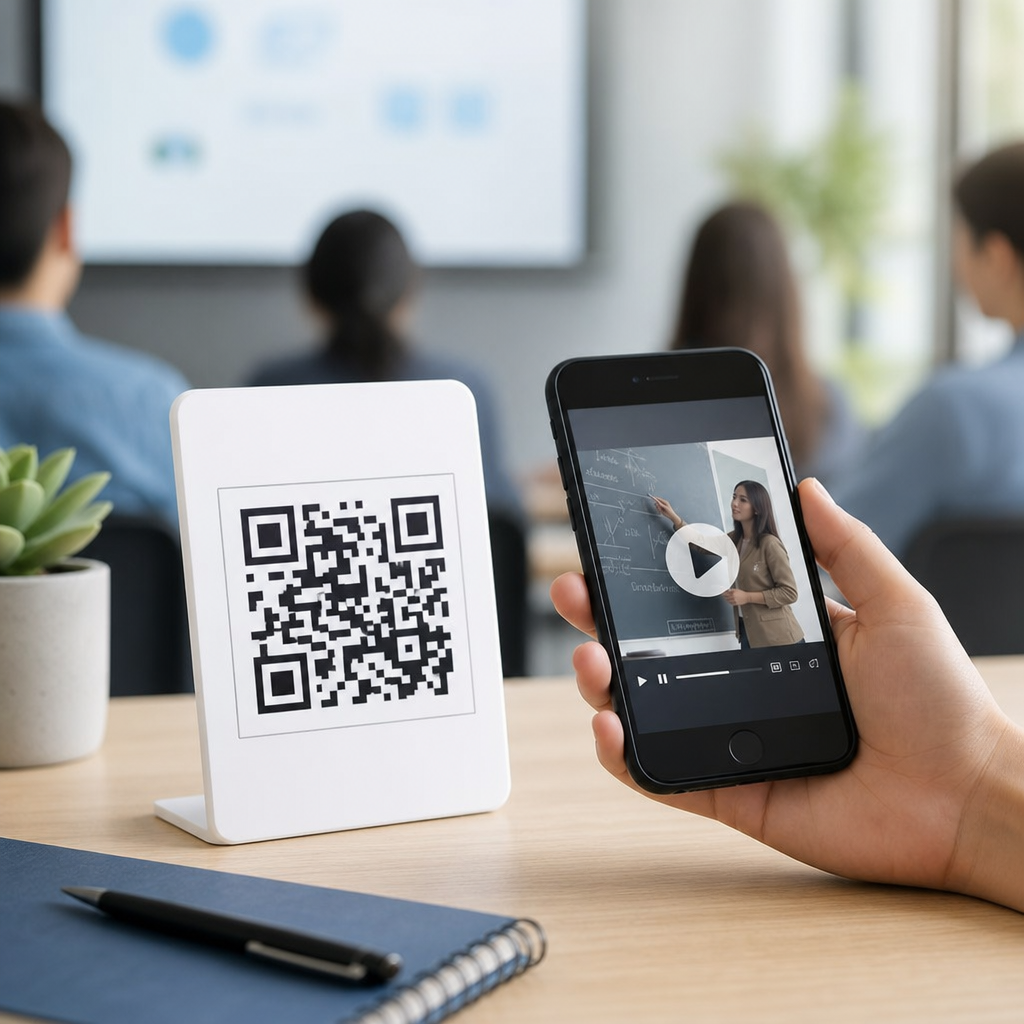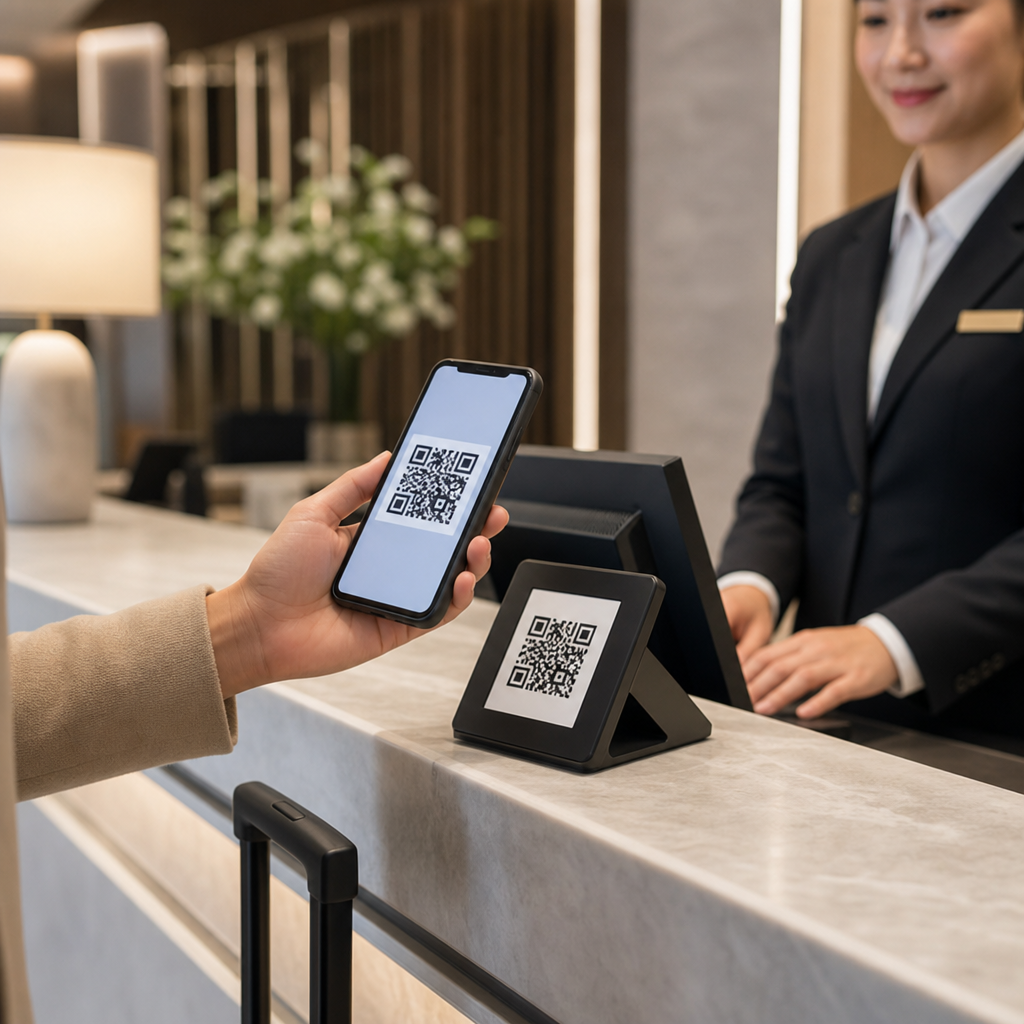
QR codes for hotel check-in and check-out have moved from a convenience feature to an operational standard in modern hospitality. In practical terms, a QR code is a scannable two-dimensional barcode that opens a digital action on a guest’s phone, such as a registration form, payment page, room access workflow, or feedback survey. In hotels, the most common uses include pre-arrival verification, contactless check-in, mobile key enrollment, in-stay service requests, express checkout, and post-stay review capture. I have helped hospitality teams deploy these flows across select-service, boutique, and extended-stay properties, and the pattern is consistent: when QR journeys are designed well, lines shrink, front-desk workload drops, and guests feel more in control of their stay.
This matters because guest expectations changed faster than many property systems did. Travelers now expect the same low-friction digital experience they get from airlines, ride-share apps, and mobile banking. At the same time, hotels face tighter labor markets, rising wage pressure, and a need to improve throughput without sacrificing service quality. QR-based check-in and check-out solve a concrete operational problem: they shift repetitive administrative steps away from the desk while preserving human staff for exceptions, upgrades, and high-value hospitality moments. For the broader Restaurants & Hospitality category, this article serves as a hub because the same design logic applies across hotel lobbies, resort amenities, restaurant tables, poolside ordering, spa reservations, event check-in, and loyalty enrollment. The core principle is simple: use a scan to remove friction at the moment a guest is ready to act.
To work well, QR codes in hospitality must connect to real systems, not just static web pages. A useful deployment links the scan to the property management system, payment gateway, identity verification process, digital key platform, CRM, and messaging tools. It also needs policy decisions around age verification, incidentals authorization, PCI-compliant payment capture, accessibility, multilingual support, and fallback procedures for guests without smartphones. Hotels that treat QR codes as part of a service workflow, rather than a gimmick, get measurably better adoption and fewer support issues.
How QR Code Hotel Check-In Works in Real Operations
QR code hotel check-in usually starts before arrival. The guest receives an email or SMS inviting them to complete registration, confirm arrival time, upload identification if permitted by local law, and authorize a card for room charges. At the property, the same guest may scan a lobby QR code to retrieve their booking, verify details, and accept terms. The best systems create a conditional path: if all required fields are complete, the guest proceeds directly to room assignment or mobile key setup; if something is missing, the workflow routes them to a staff member. This hybrid model is what works in practice, especially for mixed guest segments that include families, business travelers, international visitors, and loyalty members.
Several hotel technology vendors support pieces of this process, including Oracle OPERA Cloud, Mews, Cloudbeds, Stayntouch, and Canary Technologies. Payment flows often rely on Stripe, Adyen, or hospitality-focused processors that can tokenize cards and handle incidentals holds. Identity verification may involve document scanning or selfie matching, though hotels need to balance convenience with fraud risk and local compliance rules. In my experience, the biggest implementation mistake is forcing guests through too many steps on a small screen. If the check-in path asks for six screens of fields, app downloads, repeated confirmations, and multiple redirects, desk queues will return quickly. Effective QR check-in reduces choices, pre-fills known data, and clearly states what the guest gets next.
Where QR Code Check-Out Delivers the Fastest Return
Hotel check-out is usually easier to digitize than check-in because the compliance burden is lower. A QR code placed in the room, on the TV welcome screen, or in a departure message can open an express checkout page showing folio details, parking charges, minibar items, taxes, and any resort fees. The guest confirms the bill, pays any balance, selects email receipt delivery, and leaves without visiting the desk. For business travelers catching early flights, this is a clear time saver. For operations teams, it reduces the morning spike that typically overwhelms front desk staffing between 7:00 and 10:00 a.m.
Hotels also use QR checkout to improve billing accuracy. When guests review the folio on their own device, they are more likely to spot duplicate charges or disputed items before departure. That lowers post-stay chargeback risk and cuts the volume of calls to accounting. A good checkout flow can also trigger upsell or retention actions: offer invoice splitting for corporate stays, invite loyalty enrollment, present a late-checkout purchase, or ask for a quick service rating before a public review request. None of these should interrupt the primary task. The guest’s main goal is to leave quickly with a correct receipt, so everything else must be secondary and skippable.
Key Use Cases Across Restaurants & Hospitality
The hotel lobby is only one part of the hospitality ecosystem. QR systems work best when they support the entire guest journey across lodging, food service, and on-property experiences. Resorts place codes at the pool for cabana bookings and food orders, in elevators for spa reservations, and at conference registration desks for event attendance. Limited-service hotels use them for breakfast information, amenity hours, and Wi-Fi onboarding. Restaurants inside hotels use table QR codes for menus, allergen details, room-charge authorization, and waitlist management. The operational benefit comes from consistency: guests learn that one scan will reliably take them to the next step.
| Hospitality area | Typical QR use | Operational benefit |
|---|---|---|
| Front desk | Pre-check-in, ID capture, card authorization | Shorter lines and less manual data entry |
| Guest room | Express checkout, service requests, digital compendium | Faster departures and fewer inbound calls |
| Restaurant and bar | Menus, allergy info, room-charge payment | Higher table turn efficiency and fewer order errors |
| Spa and leisure | Appointment booking, waiver forms, upsells | Better ancillary revenue capture |
| Meetings and events | Registration, agenda access, lead capture | Lower staffing needs and cleaner attendee data |
As a sub-pillar hub for Restaurants & Hospitality, this page connects naturally to deeper topics such as QR menus for restaurants, QR ordering for room service, QR payments for bars and cafes, QR codes for event venues, digital waivers for spas, and mobile loyalty enrollment for hospitality brands. The common decision factors are the same in every case: speed, integration, guest clarity, and fallback support when a scan fails or a phone battery dies.
Implementation Standards, Security, and Guest Experience
Successful hotel QR deployments depend on operational discipline more than graphic design. Start with dynamic QR codes so destinations can be updated without reprinting signage. Use HTTPS landing pages, clear branding, short page load times, and analytics with UTM parameters or equivalent campaign tagging. Place codes where guests naturally pause: entrance doors, queue stanchions, key packet sleeves, room desks, tent cards, and pre-arrival messages. Test under weak lobby Wi-Fi and poor cellular coverage, because hospitality environments often have signal dead zones. If the page takes too long to load, adoption collapses.
Security deserves special attention. QR phishing is real, and hotels are attractive targets because guests are primed to make payments quickly. Printed codes should be tamper-checked, and staff should know how to spot sticker overlays. Payment collection must occur through PCI DSS-compliant processors, not unsecured forms. If ID documents are captured, retention policies must align with local privacy laws and the hotel’s legitimate business purpose. Accessibility is equally important: pages should support screen readers, high contrast, and large tap targets. For international properties, multilingual flows are not optional. A check-in process that only works fluently in one language will increase abandonment and desk intervention.
There are tradeoffs. Some guests still prefer a human welcome, especially at luxury properties where arrival is part of the brand experience. Others may not have a compatible phone or may distrust mobile document sharing. That is why the strongest model is assisted self-service, not forced self-service. Staff remain visible, ready to help, while QR tools remove repetitive friction for guests who want speed.
How Hotels Measure ROI and What Good Performance Looks Like
Hotels should evaluate QR check-in and check-out with a tight operational scorecard. The most useful metrics are adoption rate, completion rate, average lobby wait time, front-desk labor hours per occupied room, mobile key activation rate, folio dispute rate, and guest satisfaction tied specifically to arrival and departure. In one select-service deployment I worked on, moving even a modest share of arrivals into pre-check-in reduced peak queue pressure enough to reassign a team member from data entry to guest assistance during evening rush. That did more for service quality than adding another static sign ever could.
Benchmark expectations vary by segment. Airport hotels and business-focused brands usually see faster adoption because guests prioritize speed. Resorts may get lower early adoption at check-in but higher engagement with QR service requests during the stay. Restaurant-linked hospitality venues often see especially strong results when room-charge payment and menu access are combined. The lesson is to measure the whole journey, not one scan point in isolation. A QR code that looks successful because it gets scans but fails to complete payment or key issuance is not actually solving the business problem.
QR codes for hotel check-in and check-out work because they match hospitality’s central challenge: delivering smoother service at scale without making the experience feel mechanical. When connected to the right systems, they reduce lines, improve billing accuracy, support contactless preferences, and free staff to focus on real guest needs. Across the wider Restaurants & Hospitality landscape, the same approach powers digital menus, room service ordering, event registration, spa bookings, and loyalty capture. The technology is simple, but the outcome depends on thoughtful workflow design, secure payment handling, clear signage, and reliable fallback support.
If you manage a hotel, resort, restaurant, or mixed-use hospitality property, start with one high-friction moment and design a QR flow around it. Measure adoption, completion, and guest satisfaction, then expand to the next step in the journey. Done well, QR codes become more than a convenience feature; they become a practical operating layer for modern hospitality.
Frequently Asked Questions
1. How do QR codes improve hotel check-in and check-out for both guests and staff?
QR codes streamline the entire arrival and departure journey by turning multiple front-desk tasks into quick digital actions on a guest’s smartphone. Before arrival, a guest can scan a code sent by email, SMS, or displayed in the hotel app to open a secure registration form, upload identification, confirm reservation details, review policies, and complete payment authorization. At check-in, that same process can reduce waiting lines, shorten lobby congestion, and help guests move directly to room access enrollment or key pickup. During checkout, QR codes can link guests to an itemized folio, payment confirmation page, and express check-out workflow, allowing them to finalize their stay without waiting at the desk.
For hotel teams, the operational benefits are just as important. QR-based workflows reduce repetitive manual data entry, lower the chance of transcription errors, and help staff focus on higher-value guest service instead of paperwork. They also support better coordination across the property management system, payment platform, mobile key system, and guest messaging tools. In busy periods, this creates a more efficient operation with faster throughput and less pressure on front-desk personnel. In short, QR codes improve speed, convenience, accuracy, and scalability, which is why they are increasingly viewed as a core part of modern hospitality operations rather than a novelty.
2. What hotel processes can be handled through QR codes beyond basic check-in?
QR codes can support far more than a simple arrival form. In a modern hotel environment, they often act as gateways to multiple guest-facing and operational workflows throughout the full stay lifecycle. Common pre-arrival uses include identity verification, digital registration cards, upsell offers for room upgrades or add-ons, parking registration, and early check-in requests. On arrival, a QR code may launch contactless check-in, connect the guest to mobile key enrollment, or provide wayfinding instructions and room readiness updates. Once the guest is in-house, QR codes can be placed in rooms, elevators, lobbies, restaurants, and printed materials to enable service requests, housekeeping preferences, spa bookings, room service orders, Wi-Fi access, loyalty enrollment, and local recommendations.
At the end of the stay, QR codes are especially effective for express checkout. A guest can scan a code to view charges, settle the bill, receive a digital receipt, and complete departure in seconds. After checkout, hotels can use QR codes in follow-up emails or printed collateral to collect feedback, encourage reviews, promote direct booking for a future stay, or distribute loyalty rewards. This flexibility makes QR codes valuable not only for guest convenience but also for revenue generation, communication efficiency, and service personalization. When connected thoughtfully to hotel systems, a single QR strategy can touch nearly every major guest interaction from pre-arrival to post-stay engagement.
3. Are QR code check-in and check-out systems secure for hotels and guests?
Yes, QR code systems can be very secure when implemented correctly, but the security depends on the platform behind the code rather than the code itself. A QR code is simply a trigger that sends the guest to a digital destination, such as a registration page, payment portal, or room access setup screen. If that destination is protected by encrypted connections, secure authentication, tokenized payment processing, and access controls, the overall experience can meet strong hospitality security standards. Hotels should use HTTPS-secured landing pages, trusted payment gateways, identity verification protocols where required, and system integrations that limit unnecessary exposure of guest data. Dynamic QR codes are often preferable because they can be updated, monitored, and disabled if needed.
Hotels also need to think practically about fraud prevention and guest trust. Clear branding, consistent communication, and verified delivery channels matter. For example, sending QR check-in links through official reservation emails or SMS reduces confusion and helps guests recognize legitimate hotel communications. On-property signage should be professionally displayed so guests know which codes are official. Internally, staff should be trained to explain the process and assist guests who are cautious about scanning unfamiliar codes. When a hotel combines secure technology, reliable system governance, and transparent communication, QR code check-in and check-out can be both convenient and highly secure for modern travelers.
4. Do guests still need to visit the front desk if a hotel uses QR codes?
Not always, but it depends on the hotel’s setup, local regulations, and the guest’s preferences. In many properties, QR codes enable a largely self-service journey where guests complete pre-arrival registration, verify identity, authorize payment, receive room readiness notifications, and enroll in a mobile key program before they ever reach the lobby. In that model, a guest may bypass the front desk entirely or stop only briefly if physical keycards are needed. This is especially effective for business travelers, repeat guests, late-night arrivals, and properties seeking to reduce congestion during peak check-in times.
That said, QR-enabled hospitality does not eliminate the need for human service. Some guests prefer personal assistance, have special requests, are traveling internationally, or need support with billing, upgrades, accessibility accommodations, or policy clarification. In certain jurisdictions, hotels may also need to complete specific identity checks in person. The best implementations use QR codes to give guests choice rather than forcing one channel. Guests who want speed can move quickly through a digital flow, while those who want interaction can still receive personalized support at the desk. This balance is important because the goal of QR-based check-in and check-out is not to remove hospitality, but to remove unnecessary friction.
5. What should hotels consider before implementing QR codes for check-in and check-out?
Hotels should begin by looking at the guest journey end to end, not just the technology itself. The most successful QR code implementations are tied to specific operational goals, such as reducing lobby wait times, increasing mobile check-in adoption, improving data accuracy, supporting contactless service, or speeding up express checkout. From there, the hotel should map which workflows will be connected to QR codes, including registration, payment, mobile key access, in-stay requests, folio review, and feedback collection. Integration is critical. QR code actions should work smoothly with the property management system, customer relationship management tools, payment provider, door lock system, and guest communications platform so the experience feels seamless rather than fragmented.
Hotels should also focus on usability, staff readiness, and measurement. The QR experience must be mobile-friendly, fast-loading, easy to understand, and branded consistently with the hotel’s identity. Staff should be trained not only on how the system works, but also on how to guide guests, troubleshoot basic issues, and offer alternatives when needed. Signage placement, multilingual support, accessibility considerations, and backup procedures all matter in real-world deployment. Finally, hotels should track performance metrics such as scan rates, check-in completion rates, front-desk wait times, mobile key adoption, checkout speed, guest satisfaction, and review sentiment. With the right planning, QR codes can become a dependable operational standard that improves efficiency while still supporting a high-quality guest experience.