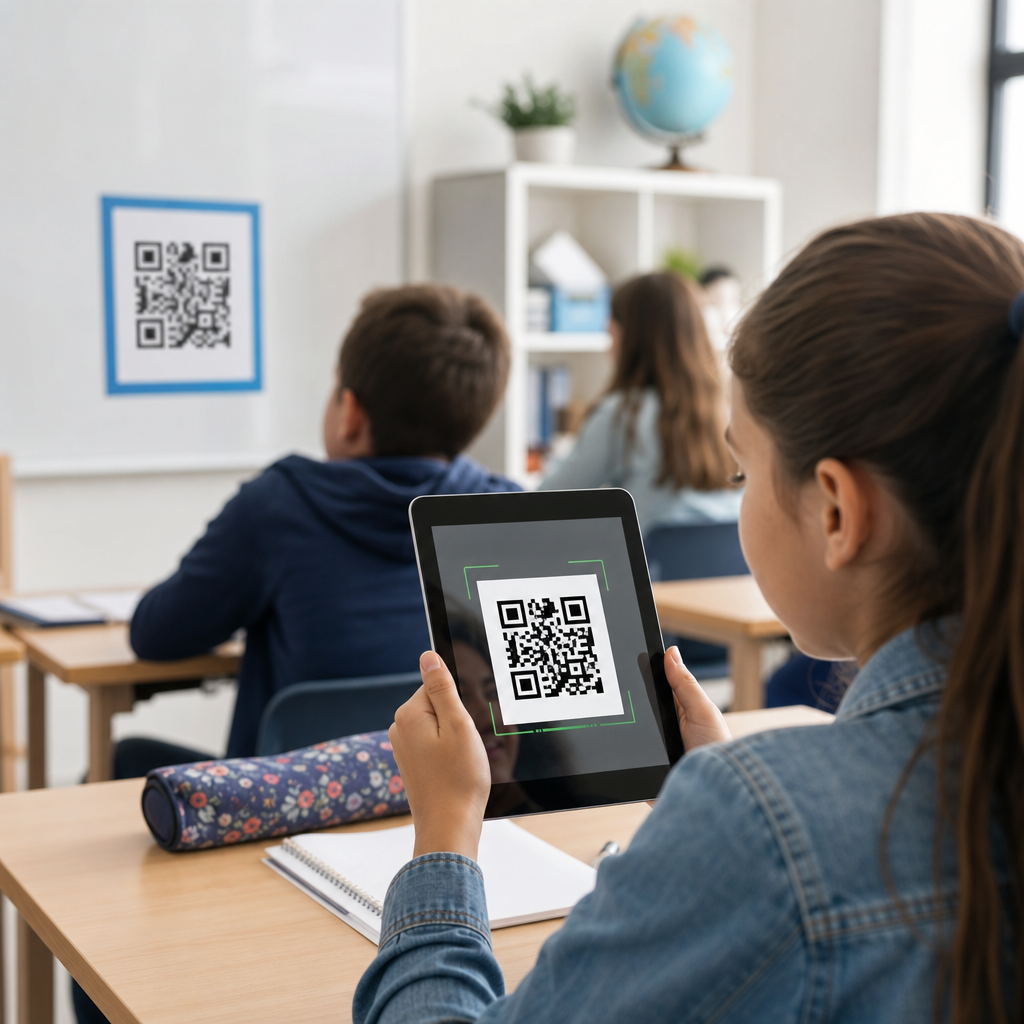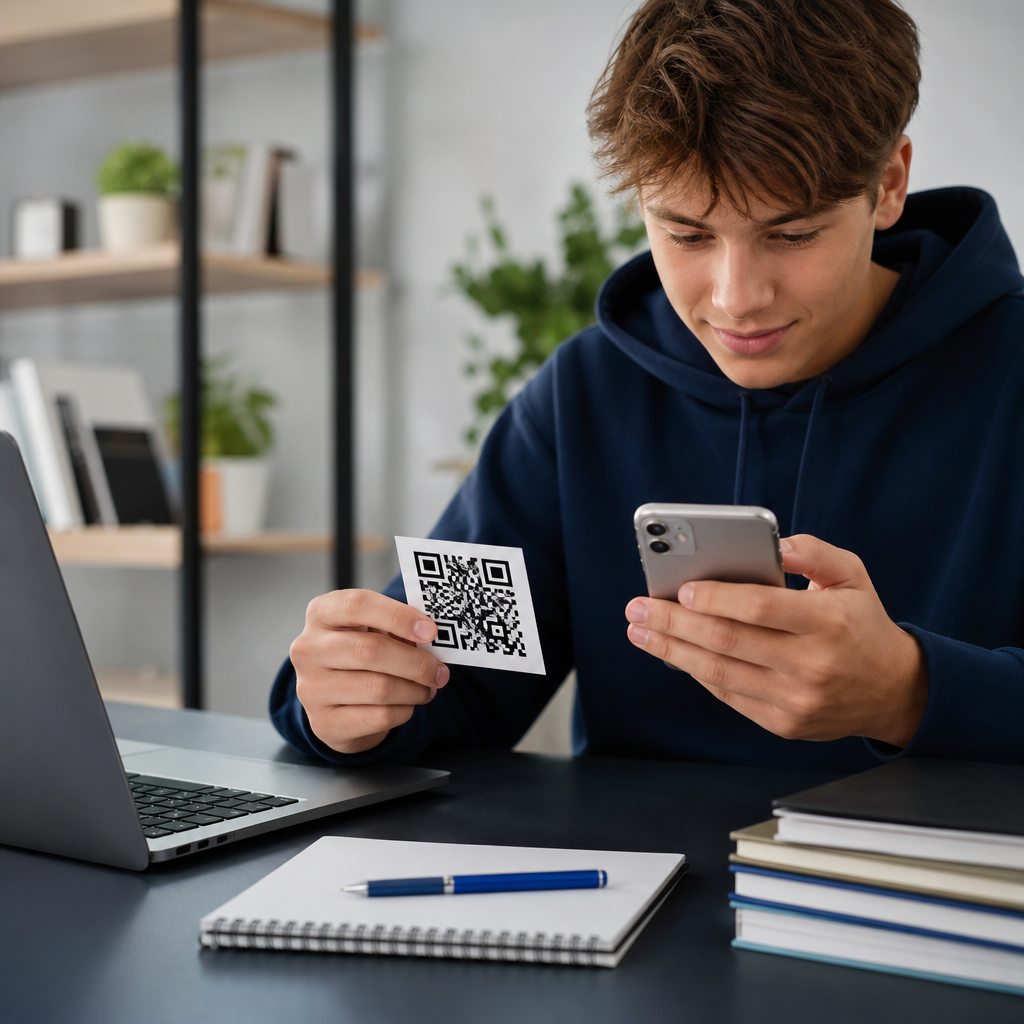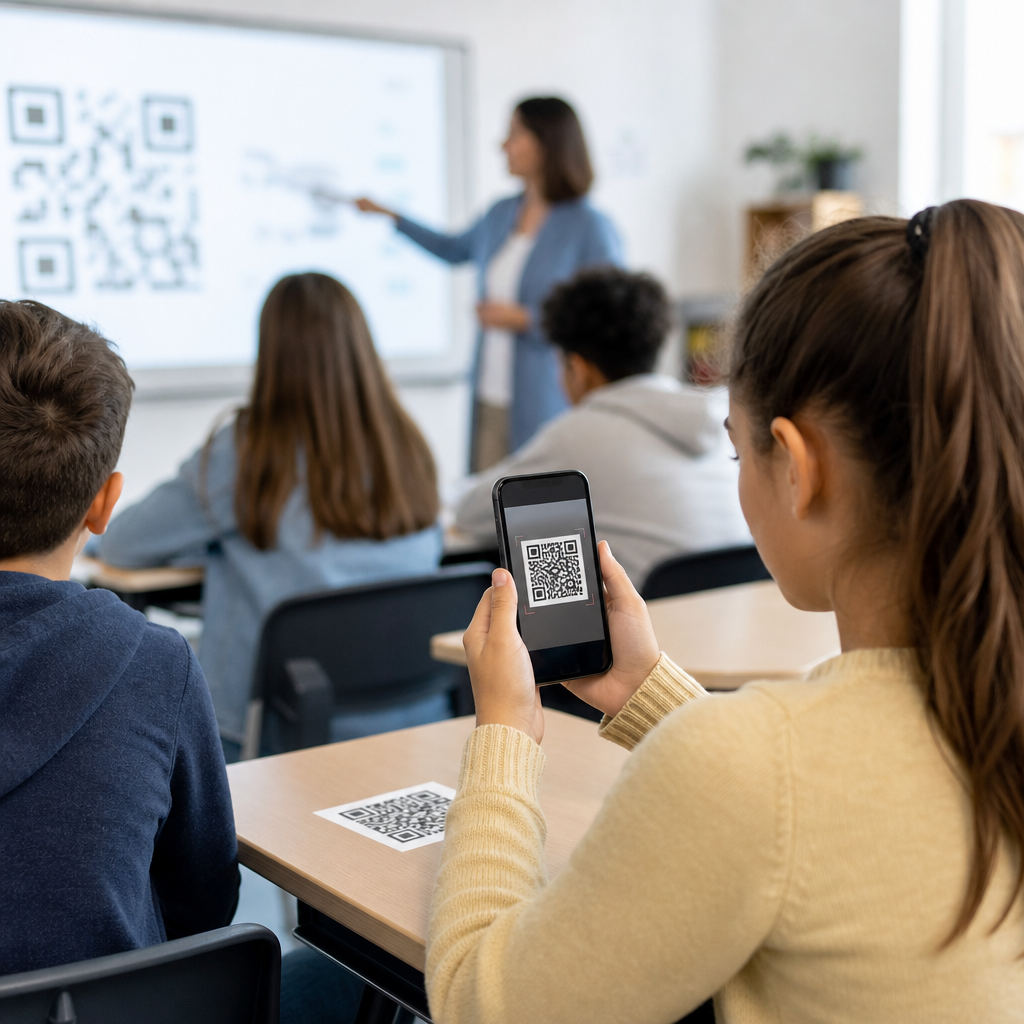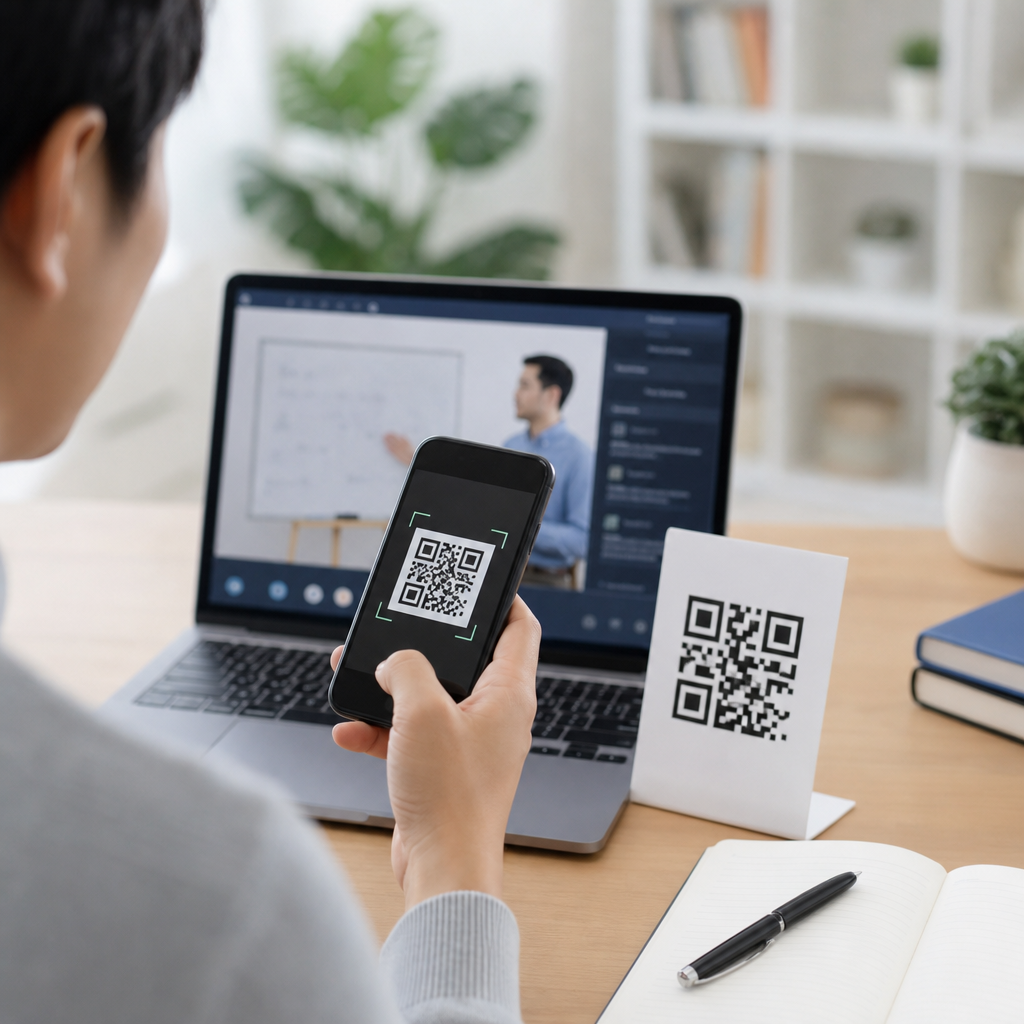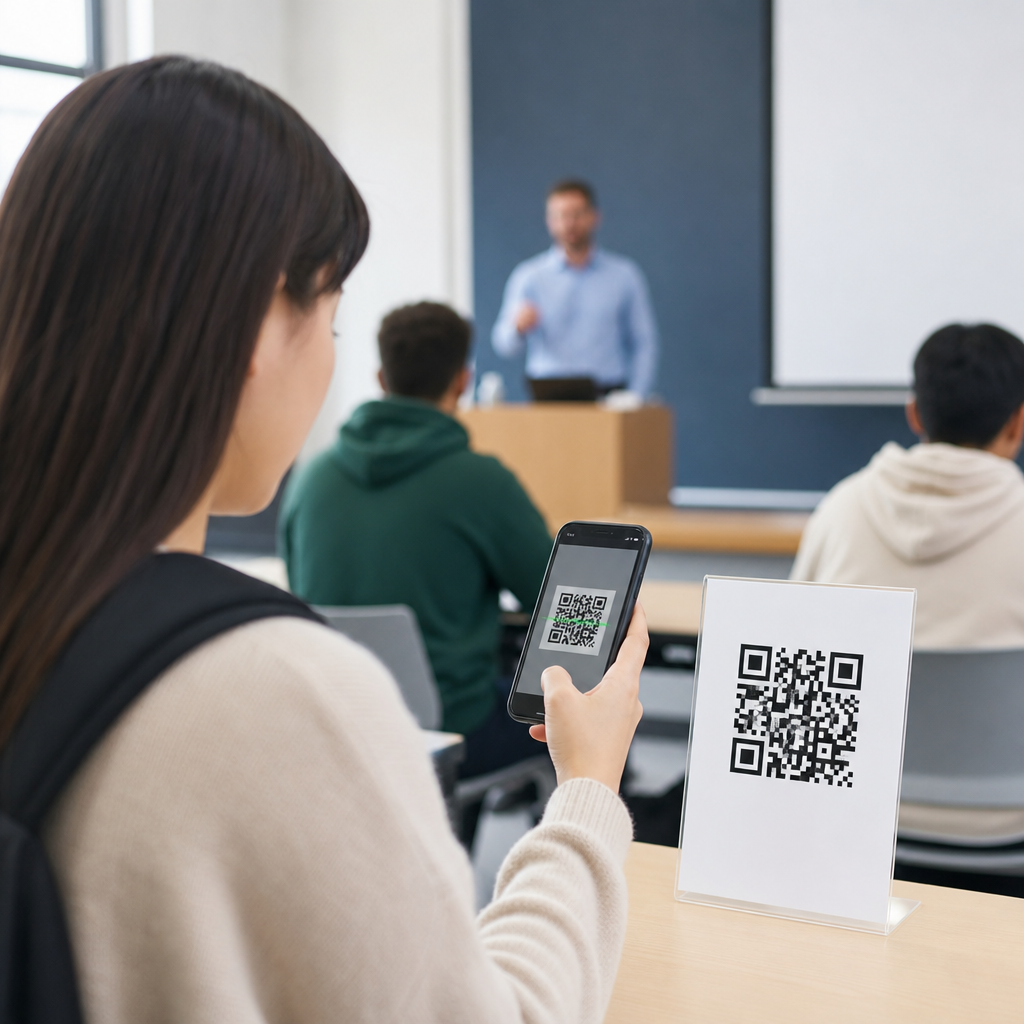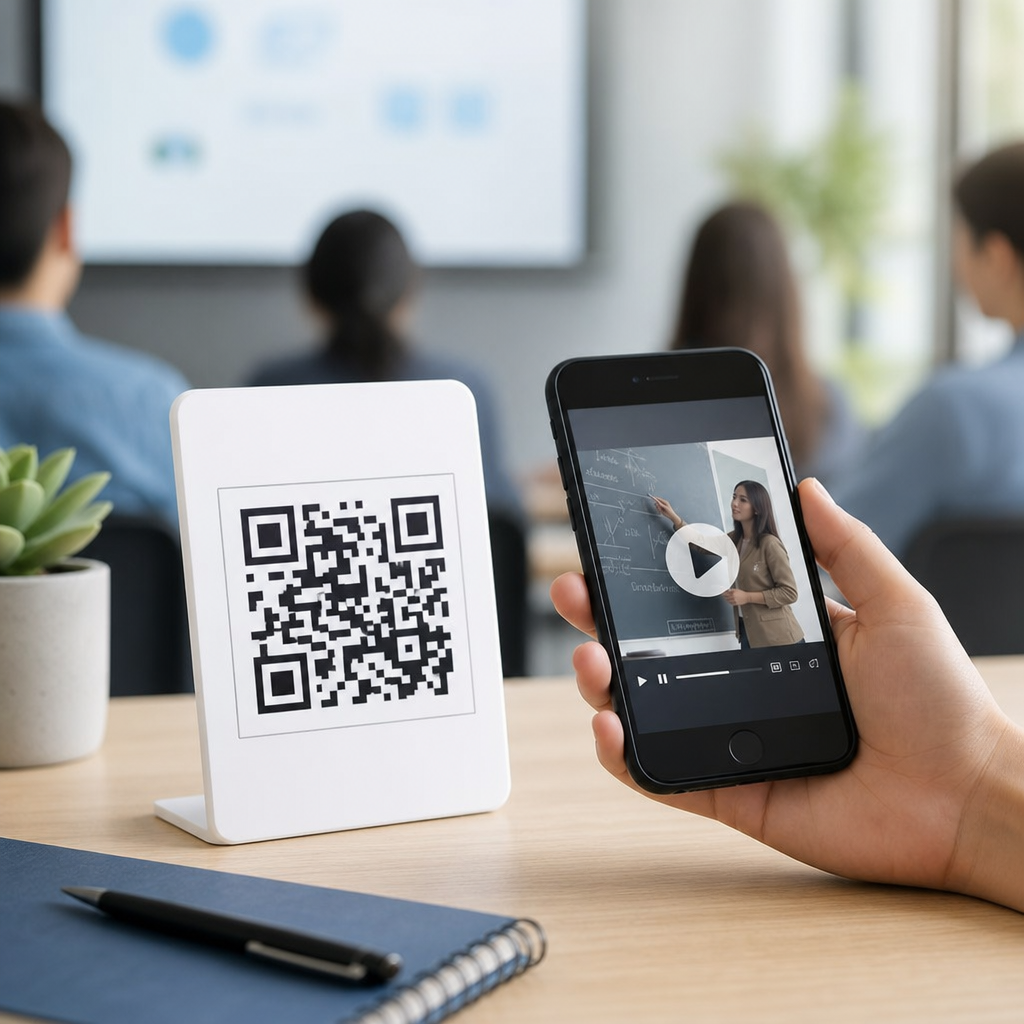
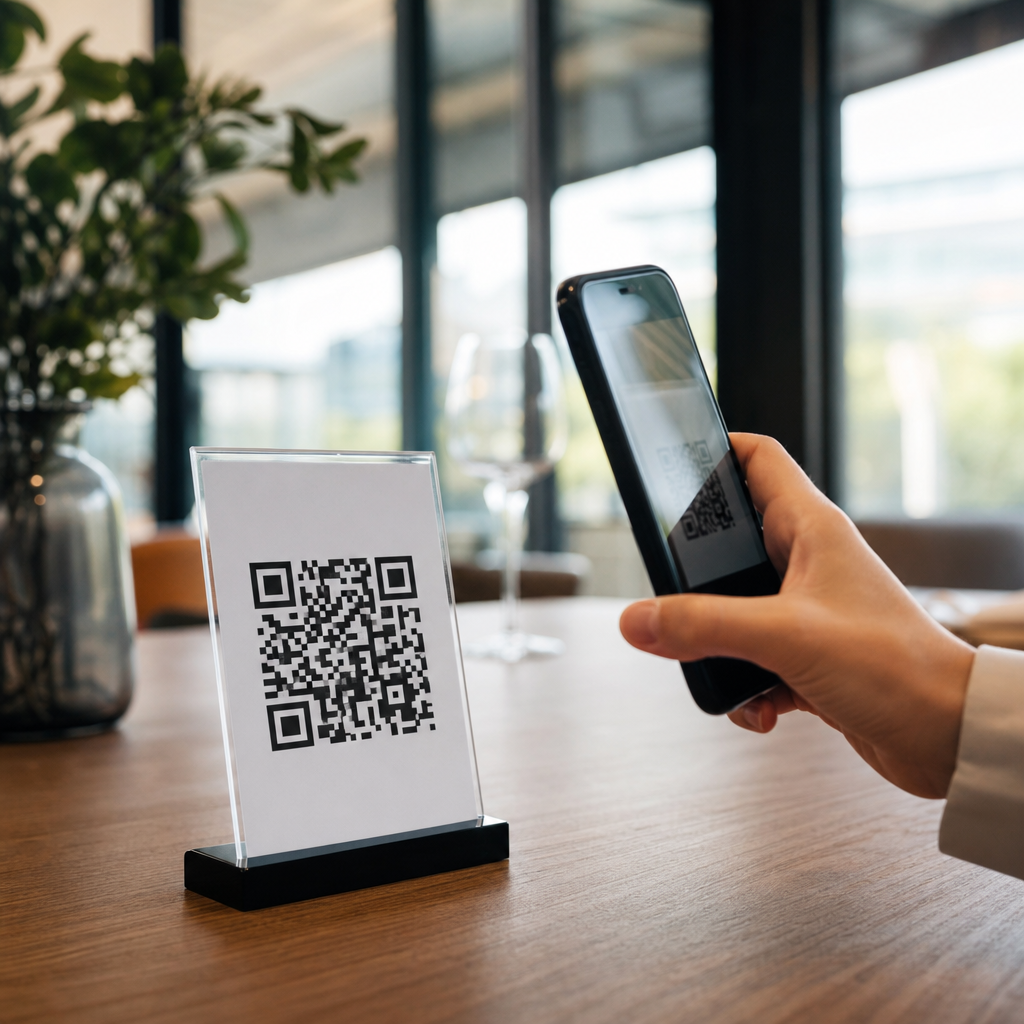
QR codes for reservation systems have moved from a convenience feature to a core operational tool across restaurants and hospitality businesses. In practical terms, a reservation QR code is a scannable image that opens a booking page, waitlist form, event registration flow, or guest management action on a mobile device. For operators, that simple scan reduces friction between customer intent and confirmed bookings. For guests, it removes the need to search a website, download an app, or call during service hours. I have implemented these flows for dining rooms, hotel outlets, rooftop bars, spa desks, and banquet teams, and the pattern is consistent: when the path to booking is shorter, conversion improves and staff interruptions decline.
Within restaurants and hospitality, reservation systems include more than table bookings. They can manage timed dining slots, tasting menus, private room requests, hotel restaurant seating, pool cabana bookings, spa appointments, and event attendance. QR codes act as the access layer between physical touchpoints and those systems. A code on a menu stand can open OpenTable, SevenRooms, Resy, Tock, TableCheck, or a custom engine. A code in a guest room can route hotel guests to outlet reservations. A code on signage outside a full restaurant can place walk-ins onto a digital waitlist without sending a host into constant triage mode. That matters because labor is expensive, no-shows hurt margins, and guest expectations now favor immediate mobile action.
This hub article explains how QR codes support reservation systems throughout restaurants and hospitality, where they create the most value, which platforms and workflows are common, and what tradeoffs operators should understand before deploying them. It also clarifies a key point that many teams miss: a QR code is not the strategy by itself. The strategy is matching each guest moment to the right booking action, then tracking whether that scan leads to confirmed revenue. When done correctly, QR-based reservations improve occupancy, reduce queue congestion, strengthen first-party data capture, and make service feel easier without replacing human hospitality.
How QR codes improve reservation operations in restaurants and hotels
QR codes improve reservation operations by reducing the number of steps between interest and action. In a restaurant, a guest who sees a full host stand often wants only three answers: how long is the wait, can I join remotely, and is there another time available tonight. A properly placed code can answer all three by opening a live waitlist or reservation page. In hotels, the use case expands. Guests may scan to reserve breakfast, book a lobby bar table, secure a wellness appointment, or claim a seat at a holiday brunch. Each of those interactions can be routed by time, outlet, language, and device type without staff manually handling the request.
From experience, the operational win is not just faster booking. It is cleaner demand management. Reservation systems connected to QR entry points can spread traffic across service periods, apply capacity rules, require deposits for premium experiences, and trigger confirmation messages automatically. When a bistro uses timed slots in Tock or SevenRooms, the QR code becomes a direct doorway into those controls. Instead of a host scribbling names and estimated waits, the system timestamps entries, manages party size logic, and can send SMS updates. That reduces overpromising at the door, which is one of the fastest ways to damage guest trust.
There are also measurable data benefits. Dynamic QR codes let operators track scans by location, campaign, and creative asset. A tabletop card, sidewalk sign, room tent, check presenter, and event flyer can each have separate analytics even if they route into the same reservation platform. When teams review this data alongside covers, no-show rates, and average spend, they can see which placements actually drive revenue. Restaurants that rely heavily on third-party marketplace traffic often use QR campaigns to increase direct repeat bookings, which lowers commission exposure and improves ownership of guest profiles.
Best use cases across restaurants, bars, hotels, and event venues
The strongest use cases are the ones tied to a clear guest decision point. Outside the restaurant, QR codes work well on windows, host stands, valet signs, and mall directories because they capture high intent from passersby. Inside the venue, they help redirect demand toward later seatings, chef counters, wine dinners, happy hour reservations, or private dining inquiries. In bars and lounges, a code can open bottle service requests or minimum-spend table reservations. For hotels, QR codes in elevators, in-room compendiums, welcome messages, and conference signage can funnel guests into outlet-specific booking flows.
Private dining and group business deserve special attention because these leads are often mishandled. A generic contact form buried on a website loses momentum. A QR code on banquet menus, meeting room collateral, or trade show material can launch a concise inquiry form prefilled with venue context. That shortens response time and captures source attribution. I have seen this work especially well in boutique hotels where one sales manager handles weddings, meetings, and restaurant buyouts. With a dedicated QR path, the manager receives structured information instead of vague email requests.
Seasonal and pop-up experiences are another ideal fit. Holiday tea service, rooftop igloos, chef collaborations, poolside brunches, and New Year’s Eve packages all benefit from temporary signage linked to specialized booking pages. Because dynamic codes can be updated without reprinting the asset, operators can redirect traffic from sold-out inventory to waitlists, alternate dates, or different outlets. That flexibility matters in hospitality, where weather, staffing, and demand can change by the hour.
Choosing the right reservation platform and QR workflow
The right setup depends on service style, volume, and whether the business prioritizes discoverability, direct bookings, guest data, or prepaid experiences. OpenTable and Resy are common choices for mainstream restaurant reservations because consumers already know them and trust the flow. SevenRooms is widely adopted by operators focused on CRM depth, guest tags, and marketing integrations. Tock is especially strong for ticketed dining, deposits, and experience-based inventory. TableCheck has a strong presence in international and luxury markets, particularly where multilingual guest journeys matter. Hotels may also use Oracle Hospitality, OpenTable for Restaurants, or custom booking widgets embedded into brand sites.
QR workflow design should start with the destination, not the code artwork. If the scan opens a generic homepage, conversion drops. The landing page should match intent exactly: reserve dinner, join the waitlist, book afternoon tea, request private dining, or reserve a spa slot. Mobile load speed matters because most scans happen on cellular connections. Form length should be minimal for standard reservations and more detailed only where the business case justifies it, such as group sales or event catering.
| Use Case | Best QR Destination | Operational Goal |
|---|---|---|
| Walk-up dinner demand | Live waitlist or same-day reservations page | Reduce host congestion and capture parties fast |
| Premium tasting menu | Prepaid booking flow in Tock or similar | Lower no-shows and secure revenue upfront |
| Hotel guest dining | Outlet-specific booking page with room-guest context | Increase on-property spend |
| Private events | Short lead form with event type and party size | Improve lead quality and response speed |
Governance matters too. Use dynamic codes, UTM parameters, and a naming convention that identifies property, outlet, placement, and campaign. Without that discipline, reporting becomes guesswork. Teams should also test fallback behavior. If the reservation platform goes down, the QR destination should be capable of redirecting to a phone number, alternate form, or simplified request page.
Implementation standards, staff training, and guest experience details
Good implementation follows a few nonnegotiable standards. The code must scan easily from the expected distance, contrast clearly with its background, and include a plain-language call to action. “Scan to reserve tonight” performs better than a code with no instruction. Place the code where guests naturally pause: entrance doors, check presenters, valet podiums, room directories, pool desks, and event registration counters. Avoid shrinking the code to satisfy brand aesthetics. If it does not scan instantly, guests abandon it.
Staff training is equally important. Hosts, servers, concierges, and front desk agents should know exactly what each code does, when to offer it, and how to assist less technical guests. In one hotel rollout, the highest adoption came after front desk agents began mentioning the in-room dining and brunch reservation codes during check-in. The script was simple and specific, and bookings rose because guests understood the benefit immediately. By contrast, unexplained codes are often ignored or mistrusted.
Accessibility, privacy, and brand consistency should be addressed early. Always provide a visible alternative for guests who cannot or do not want to scan, such as a short URL or staffed booking option. If the booking flow collects personal data, the landing page should clearly state what is required and why. Operators should align QR experiences with brand standards, but never at the expense of usability. The most elegant design is the one that gets a guest from curiosity to confirmation with the fewest obstacles.
Common mistakes, measurement, and long-term strategy
The most common mistake is treating QR codes as decoration rather than infrastructure. A code placed everywhere with no segmentation cannot reveal which channel works. Another mistake is linking to third-party marketplace pages when the goal is direct relationship building. Marketplaces can be useful for demand generation, but many operators should route repeat traffic to a direct engine whenever possible. Other frequent issues include outdated links, poor mobile design, and posting one code for too many actions, which confuses guests and depresses conversion.
Measurement should focus on business outcomes, not scans alone. Useful metrics include scan-to-booking conversion rate, booked covers by placement, waitlist join rate, no-show rate by channel, average spend by reservation source, and response time for event inquiries. Hotels should also watch outlet capture among in-house guests, especially for breakfast, brunch, and seasonal activations. Review this data monthly and after major campaigns. The winning placements are rarely the loudest ones; they are usually the ones closest to guest intent.
As a long-term strategy, QR codes work best when they connect physical spaces to first-party reservation intelligence. That means integrating booking data with CRM profiles, email and SMS campaigns, POS reporting, and guest recovery workflows. A guest who scanned from a room card to book dinner should not be treated like an anonymous transaction if the system can connect the stay, outlet spend, and future marketing permission. Restaurants and hospitality brands that build this loop gain a practical advantage: they understand who books, what triggers action, and how to fill seats more profitably.
QR codes for reservation systems are most effective when they solve specific moments in the guest journey, not when they are added as a trend. In restaurants and hospitality, the best results come from pairing each code with a clear booking action, a fast mobile destination, trained staff, and measurable outcomes. Used this way, QR codes reduce friction for guests, improve capacity control for operators, and create better visibility into demand across dining, events, and on-property experiences.
For this subtopic, the core lesson is simple. Start with one high-intent use case, such as a waitlist, direct dinner reservations, or private dining inquiries. Build the flow carefully, track conversion and revenue, then expand to other outlets and experiences. Businesses that treat QR reservations as part of a broader guest data and service strategy will see the strongest returns. Audit your current reservation journey, identify the points where guests hesitate, and deploy QR codes where a single scan can remove that friction today.
Frequently Asked Questions
What is a QR code for a reservation system, and how does it work?
A QR code for a reservation system is a scannable code that sends a guest directly to a specific booking-related action on their phone. In most cases, that action could be a table reservation page, hotel booking form, event registration flow, waitlist signup, pre-order page, or guest check-in screen. Instead of asking people to search for a business online, navigate through multiple pages, or call during operating hours, the QR code creates a direct path from interest to action in a single scan.
From an operational standpoint, the process is simple but powerful. A business creates a QR code and links it to a reservation destination, such as an online booking platform or custom form. The code is then placed anywhere guests are likely to engage with it, including menus, table tents, storefront windows, posters, social media graphics, confirmation emails, print ads, event signage, or front-desk materials. When a customer scans the code with a smartphone camera, the linked page opens immediately and they can complete the reservation process in real time.
The reason this matters is speed and reduced friction. Every additional step between customer intent and checkout increases the chance of abandonment. QR codes shorten that journey dramatically. For restaurants, that can mean more table bookings and smoother waitlist management. For hotels and hospitality venues, it can support room bookings, amenity reservations, concierge requests, and event scheduling. In short, QR codes turn offline attention into measurable digital action, which is why they have become a core tool rather than just a convenience feature.
Why are QR codes valuable for restaurants and hospitality businesses?
QR codes are valuable because they solve a real operational problem: how to capture guest intent quickly before it fades. In restaurants and hospitality settings, customers often make decisions in the moment. They may want to reserve a table after seeing a window display, join a waitlist while standing outside, register for an event from a flyer, or book a service while already on the property. If the booking process requires too much effort, many potential reservations are lost. A QR code removes those extra steps and makes the action immediate.
They also improve efficiency for staff. When more guests self-serve through a mobile-friendly reservation flow, employees spend less time answering repetitive booking calls, manually entering reservation details, or explaining how to find the right page online. This can be especially useful during peak service periods when front-of-house teams need to stay focused on the in-person guest experience. A QR-based system helps redistribute routine booking activity into an automated channel that is available 24/7.
Another major advantage is flexibility. A single business can use different QR codes for different purposes, such as standard dining reservations, private event inquiries, holiday booking pages, loyalty signups, check-in workflows, or waitlist forms. That makes the technology useful across customer touchpoints rather than in just one part of the operation. It also supports better tracking, since businesses can measure scans, conversions, and engagement by location or campaign. Taken together, these benefits make QR codes a practical tool for increasing bookings, reducing friction, and improving day-to-day operations.
Where should businesses place reservation QR codes for the best results?
The best placement depends on where customer intent is strongest. In general, reservation QR codes perform best when they appear at the exact moment a guest is likely to take action. For restaurants, high-performing locations often include front windows, host stands, takeout counters, printed menus, table tents, receipts, and promotional posters. These placements are effective because they meet customers in the flow of decision-making, whether they are planning a future visit, trying to book immediately, or joining a waitlist on the spot.
For hospitality businesses, useful placements extend even further. Hotels, resorts, and venues can add QR codes to lobby signage, in-room materials, elevator graphics, conference displays, spa brochures, poolside signage, and event collateral. A guest who scans a code in these settings might reserve a restaurant table, schedule a service, register for an activity, or request concierge support. The key is to match the code’s destination to the context. A code placed in a room should lead to a relevant guest action, while a code at an event entrance should connect directly to check-in or registration.
Digital and printed channels can also work together. Businesses often include reservation QR codes in email campaigns, direct mail pieces, loyalty materials, social graphics, and advertisements to bridge offline and online engagement. To get the best results, each code should be easy to spot, clearly labeled, and paired with a simple call to action such as “Book Your Table,” “Join the Waitlist,” or “Reserve Now.” Placement is not just about visibility; it is about relevance, timing, and clarity. When those three factors align, scan rates and completed reservations tend to improve significantly.
What should a business consider when creating a QR code for reservations?
First, the destination matters more than the code itself. A QR code is only effective if it leads to a fast, mobile-friendly reservation experience. The linked page should load quickly, display properly on a phone, and ask for only the information needed to complete the booking. If users land on a confusing homepage, a slow form, or a page with too many steps, the convenience of the QR code is lost. The ideal experience is direct, simple, and optimized for conversion.
Second, businesses should think about usability and design. The QR code needs to be large enough to scan easily, printed clearly, and positioned with enough contrast to stand out. It should also include a clear instruction so guests know what they will get by scanning it. Generic presentation reduces engagement, while specific language increases it. For example, “Scan to Reserve a Table in Seconds” is much stronger than placing an unlabeled code on a sign. Testing is equally important. Every code should be scanned on multiple devices before launch to confirm the link works properly and the booking flow feels seamless.
Third, operators should consider tracking and operational integration. Dynamic QR codes are often the better choice because they allow the destination link to be updated without reprinting the code. This is useful for seasonal campaigns, event changes, or shifting from reservations to waitlist mode during busy periods. Analytics can also reveal how often a code is scanned, where engagement is highest, and which placements generate real bookings. Finally, the code should connect cleanly with the business’s reservation software or guest management system so staff can view bookings, manage capacity, and maintain accurate records without manual re-entry.
Can QR codes help improve reservation conversion rates and guest experience?
Yes, they can improve both, especially when implemented thoughtfully. Reservation conversion rates often increase when businesses eliminate unnecessary steps between guest interest and booking confirmation. A QR code reduces search friction, minimizes drop-off, and creates immediate momentum. Instead of expecting a customer to remember the business name, type in a web address, navigate to the right page, and complete the process later, the business captures intent in the moment. That speed can make a measurable difference in how many potential guests actually complete a reservation.
From the guest perspective, the experience feels more convenient and modern. People increasingly expect mobile-first interactions, especially in hospitality environments where speed and simplicity matter. A QR code allows them to take action on their own terms, without waiting on hold, downloading an app, or speaking to staff for a routine request. That self-service convenience is particularly valuable for waitlists, after-hours bookings, event signups, and multilingual environments where a visual scan-to-book option lowers barriers for a wider audience.
There is also a broader service benefit. When routine reservation tasks shift into a streamlined digital flow, staff have more time to focus on hospitality rather than administrative handling. That can improve response times, reduce front-desk congestion, and create a smoother overall guest journey. In other words, QR codes do not just help generate bookings; they support a better operating model. When paired with a strong reservation page, clear calls to action, and smart placement, they can contribute meaningfully to higher conversion rates, better guest satisfaction, and more efficient service delivery.