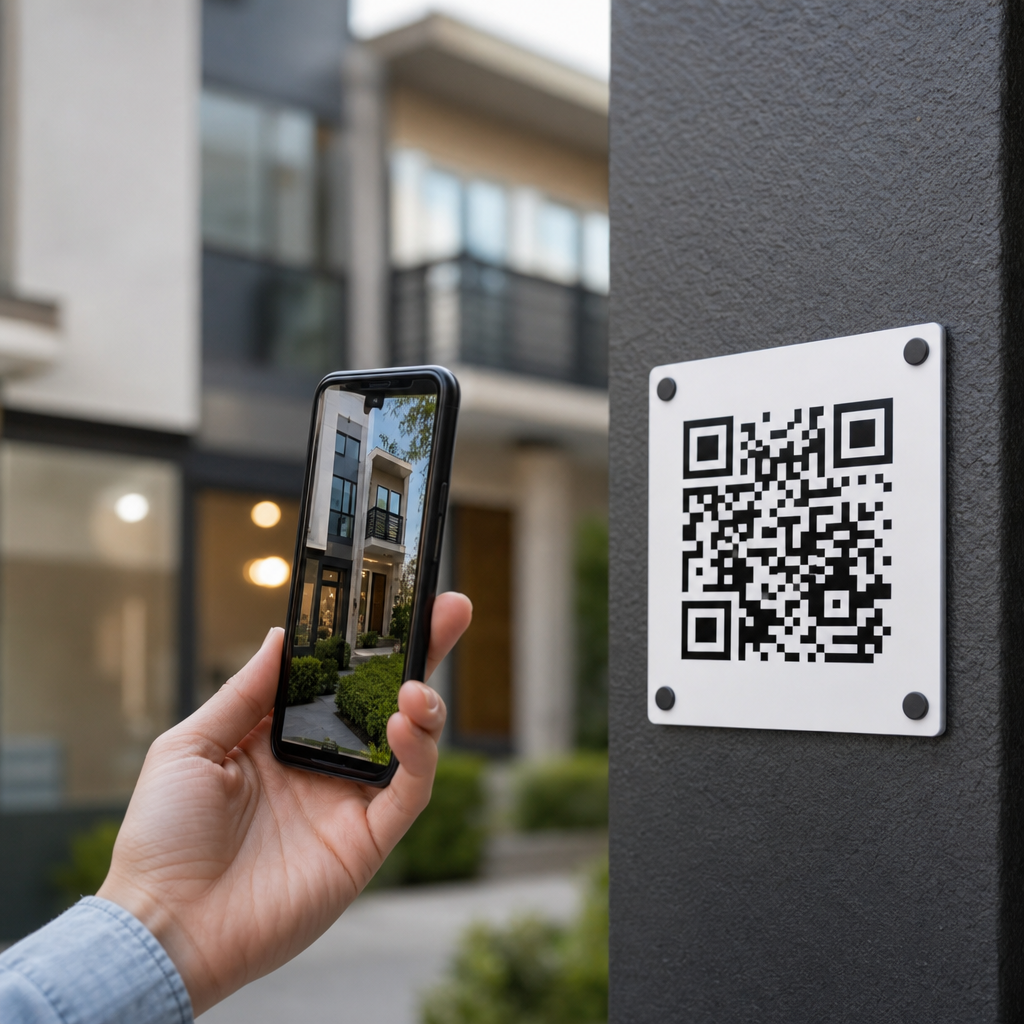
QR codes for rental property listings turn a static sign, flyer, brochure, or window card into a fast digital gateway where prospects can view photos, floor plans, pricing, screening requirements, and tour options in seconds. In real estate, a QR code is a scannable matrix barcode that opens a landing page, video, application form, map, or contact action on a phone camera without requiring a user to type a long URL. For leasing teams, owners, and property managers, that simple action solves a costly problem: every extra step between interest and inquiry reduces conversion. I have deployed QR codes across multifamily, single-family rental, student housing, and mixed-use portfolios, and the pattern is consistent. When the code points to a well-built mobile destination, lead volume rises, response time improves, and attribution becomes clearer.
The importance of QR codes in rental marketing has grown with mobile-first search behavior. Most renters now discover listings on phones, compare neighborhoods while driving, and expect immediate access to availability. A yard sign that only displays a phone number misses that behavior. A flyer posted in a coffee shop or leasing office can become measurable media when a QR code records scans by asset, date, campaign, or source. For a real estate team building an industry-specific marketing system, this makes QR codes more than a convenience feature. They become infrastructure for lead capture, self-service information delivery, and operational efficiency.
This hub article explains how to use QR codes for rental property listings across the full real estate workflow. It covers where they fit, what destinations perform best, how to track results, common compliance and usability issues, and how this topic connects to related real estate marketing tactics such as listing pages, virtual tours, neighborhood guides, and online applications. If you manage apartments, lease single-family homes, market new developments, or support a brokerage rental division, the principles are the same: reduce friction, match the renter’s intent, and make every offline touchpoint instantly actionable.
How QR Codes Fit Into Real Estate Rental Marketing
In rental property marketing, QR codes work because they bridge physical exposure and digital action at the exact moment of interest. A prospect sees a “For Rent” sign outside a duplex, scans the code, and lands on a page with current rent, deposit requirements, pet policy, and a showing scheduler. That is a tighter journey than calling a number, waiting for a callback, and hoping the unit is still available. In multifamily leasing, I have seen QR codes placed on monument signs, elevator posters, direct-mail postcards, unit door hangers, and event banners. Each placement serves a different intent: drive-by traffic wants immediate pricing and photos, while an open house visitor may want floor plans, resident amenity details, and an application link.
Real estate teams should treat QR codes as campaign assets, not decorative add-ons. The code must map to a clear business objective. If the goal is qualified lead generation, send users to a mobile landing page with inventory, neighborhood highlights, and a short inquiry form. If the goal is faster self-tour adoption, direct the code to scheduling software such as Calendly, ShowMojo, AppFolio, Buildium, or a property management system with tour booking. If the goal is application completion, route the scan to a prefilled listing page or tenant portal. Generic homepages usually underperform because they force renters to navigate again after scanning.
Best Destinations for Rental Listing QR Codes
The destination behind the code determines whether scans become leases. For most rental property listings, the best destination is a property-specific mobile page rather than a marketplace homepage. That page should include current availability, rent range, unit type, square footage, lease term, fees, move-in specials, and clear contact options. In apartment leasing, adding amenity photos, parking details, and commute information answers the top prequalification questions before a prospect ever speaks to an agent. For single-family rentals, the destination should also explain application criteria, income thresholds, and whether housing vouchers are accepted, because those details materially affect lead quality.
Other strong destinations include virtual tours, interactive maps, comparison pages, and digital brochures. Matterport tours often perform well for out-of-area renters because they reduce uncertainty and allow the prospect to evaluate room flow before booking an in-person tour. Google Maps links are useful for wayfinding at large communities, but they are rarely the primary destination because they do not control messaging or capture leads. PDF brochures can support commercial or luxury rentals, yet standard PDFs are usually weaker than responsive pages because they load slowly on mobile devices and obscure analytics. The best practice is simple: send the user to the shortest path between curiosity and the next meaningful action.
Placement Strategy by Property Type and Channel
Placement should reflect how renters encounter the property. At street level, codes belong on yard signs, A-frames, window decals, and monument signage where a passerby can scan safely without blocking traffic. In urban leasing, I have found that lobby posters and storefront windows produce surprisingly strong scan rates after work hours, especially when the destination shows live availability. In suburban single-family rental portfolios, riders attached beneath the main sign often outperform the larger sign face because the QR code can be printed at a more scannable size. A minimum printed size of roughly 1 x 1 inch can work at close range, but larger is safer for outdoor use.
Inside the marketing stack, QR codes also belong on brochures, postcards, business cards, leasing packets, event signage, and resident referral materials. During apartment tours, agents can use room-specific cards with codes linking to floor plan variations, upgrade packages, or application steps. At housing fairs and university events, codes help capture demand when staff cannot speak to everyone individually. For build-to-rent communities, I have used separate codes for “tour now,” “see pricing,” and “compare floor plans” so intent stays segmented. That structure improves reporting and reveals where renters stall. The lesson is practical: one property may need multiple QR codes, each tied to a distinct renter question and conversion event.
Tracking, Attribution, and Performance Benchmarks
QR code marketing only becomes strategic when performance is measurable. Dynamic QR codes are essential because they allow you to change the destination without reprinting materials and capture scan analytics such as time, location, and device type. Teams commonly build codes with Bitly, Beaconstac, QR Code Generator, or native campaign tools, then add UTM parameters for source, medium, campaign, content, and property. In Google Analytics 4, scans can be segmented against form submissions, call clicks, tour bookings, and completed applications. In a CRM such as HubSpot, Zoho, or a leasing platform, those source tags help connect scans to pipeline stages and lease outcomes.
| Placement | Primary Goal | Best Destination | Key Metric |
|---|---|---|---|
| Yard sign | Capture drive-by interest | Property landing page | Scan-to-inquiry rate |
| Flyer or postcard | Promote a specific unit | Listing page with photos | Scans per distribution batch |
| Open house sign-in area | Speed follow-up | Tour feedback or application form | Application starts |
| Brochure rack | Support comparison shopping | Floor plan or pricing page | Time on page |
Benchmarks vary by location, signage quality, offer strength, and market temperature, so there is no universal scan rate that defines success. What matters is the ratio between scans and qualified actions. In practice, a code with fewer scans but a high tour-booking rate can be more valuable than a heavily scanned code linked to a vague homepage. Monitor failed scans, bounce rate, page speed, and form abandonment. If scans are healthy but conversions are weak, the issue is usually the destination experience, not the QR code itself. Fast loading, clean copy, current pricing, and obvious next steps are what turn attention into leases.
Design, Accessibility, and Compliance Considerations
A rental listing QR code must be easy to scan, easy to trust, and compliant with advertising rules. High contrast is nonnegotiable; black on white remains the most reliable option, especially outdoors. Branded colors can work, but low contrast and overdesigned patterns often reduce readability. Always include a plain-language call to action near the code, such as “Scan for price, photos, and tour times,” so the renter knows what will happen next. I also recommend printing a short fallback URL beneath the code for accessibility and redundancy. If the code is damaged, poorly lit, or viewed on an older device, that visible URL preserves the path to the listing.
Compliance matters in real estate because QR codes are part of advertising. Fair housing requirements still apply to the landing page and every linked asset. Avoid discriminatory language, ensure screening criteria are stated consistently, and keep pricing current to reduce bait-and-switch complaints. If the code opens an application, privacy disclosures and data handling standards should be clear, especially when collecting income documents or identification. The Federal Trade Commission expects transparency in digital lead generation, and local regulations may govern fee disclosures, broker attribution, or rental registration details. Accessibility also matters. Mobile pages should support screen readers, provide alt text for key images where relevant, and use readable font sizes for small screens.
Common Mistakes and How to Build a Real Estate QR Code Hub
The most common mistake is linking every code to the same generic website homepage. That wastes intent and makes attribution muddy. Another frequent problem is sending users to stale listings where the unit is already leased. In rental housing, inventory changes quickly, so QR destinations must be updated through dynamic links, feed-connected pages, or redirect rules. I have also seen teams print codes too small, place them on reflective surfaces, or install them where drivers cannot scan safely. These are execution failures, not channel failures. A well-run program starts with one question: what exact answer does the renter need at this moment?
As the hub page for real estate under industry-specific applications, this topic should connect to deeper articles on apartment marketing, single-family rental lead generation, virtual tours, listing page optimization, tenant screening flows, open house signage, and neighborhood content. The hub role is to establish the framework: QR codes are the connective layer linking offline impressions to online leasing actions. Build standardized naming conventions, use property-level landing pages, review analytics weekly, and test offers such as waived application fees or same-day tour booking. Start with your highest-traffic listings, deploy dynamic codes, and measure what happens. When done correctly, QR codes for rental property listings create a faster, clearer path from street-side interest to signed lease.
Frequently Asked Questions
What are QR codes for rental property listings, and how do they help attract more renters?
QR codes for rental property listings are scannable barcodes placed on leasing signs, brochures, window cards, postcards, flyers, and other marketing materials that instantly send prospective renters to digital content on their phones. Instead of asking someone to remember a property name, type in a long web address, or search online later, the code creates a direct path to the exact listing page, photo gallery, virtual tour, pricing sheet, map, or application form. That speed matters because rental interest is often highest in the moment, such as when someone is standing outside the building, driving through a neighborhood, or comparing properties at an event.
From a leasing perspective, QR codes help turn passive marketing into measurable engagement. A static sign becomes interactive, giving prospects immediate access to unit availability, floor plans, pet policies, income requirements, move-in specials, and scheduling tools. This reduces friction in the renter journey and makes it easier for people to take the next step before their interest fades. It also supports after-hours lead generation, since prospects can scan at any time without needing to wait for office hours. For property managers and owners, that means better lead capture, faster response paths, and a more modern rental experience that aligns with how most people search for housing today.
What information should a rental property QR code link to?
A rental listing QR code should lead to the most useful next-step destination for the prospect, not just a generic homepage. In most cases, the best option is a mobile-friendly landing page built specifically for that property or even for a specific unit type. That page should include current photos, floor plans, pricing, availability, amenities, neighborhood highlights, parking details, pet information, screening requirements, lease terms, and clear calls to action such as “Schedule a Tour,” “Call Now,” “Text Leasing,” or “Apply Online.” The goal is to answer common renter questions quickly while giving them an easy path to convert.
Depending on the campaign, a QR code can also link to a virtual tour, a short walkthrough video, a map with directions, a lead form, or a contact action that opens a phone dialer, text message, or email draft. For properties with multiple unit types or buildings, a code may lead to a central listing page with filters for bedrooms, price ranges, and move-in dates. The most effective destination is one that matches the context of the code. For example, a window sign for a specific apartment should lead directly to that apartment’s details, while a postcard campaign might point to a community overview page. Relevance, mobile usability, and clarity are what make the QR code valuable rather than just decorative.
Where should property managers place QR codes on rental marketing materials for the best results?
QR codes perform best when they are placed where prospects naturally pause and want more information. For rental listings, that usually includes yard signs, monument signs, window displays, building entry posters, leasing office doors, directional signage, brochures, print ads, and take-home flyers. They can also be added to business cards, open house materials, mailers, and community bulletin postings. The strongest placements are locations where a renter is already showing intent, such as standing outside the property, passing by during a neighborhood search, or reviewing printed information after a tour.
Placement should also support easy scanning. The code needs to be large enough to scan from a reasonable distance, printed with strong contrast, and positioned with enough white space around it so smartphone cameras can detect it quickly. It should not be tucked into a cluttered corner or placed on a reflective surface that creates glare. Adding a short instruction like “Scan for pricing, photos, and tours” can significantly improve usage because it tells people exactly what they will get. In practice, the best results usually come from pairing strong visibility with a clear value proposition. If renters understand that scanning saves time and gives them immediate access to the details they want, they are much more likely to use it.
Can QR codes improve leasing efficiency and reduce repetitive questions from prospects?
Yes, QR codes can significantly improve leasing efficiency because they deliver important information before a prospect ever speaks with a team member. One of the biggest operational challenges in rental marketing is responding repeatedly to the same questions about price, availability, pet rules, deposits, square footage, tour availability, or application criteria. When a QR code links to a well-organized listing page, many of those answers become available instantly and on demand. That helps renters self-qualify and decide whether the property matches their needs before they call or submit a lead.
For leasing teams, this can lead to higher-quality inquiries and less time spent handling low-intent or poorly informed leads. Instead of fielding basic questions all day, staff can focus on follow-up, tours, applications, and closing. QR codes can also support centralized updates. If pricing changes, unit availability shifts, or screening criteria are adjusted, the digital destination can be updated without reprinting every sign or flyer if a dynamic QR code is used. This creates a more accurate and efficient communication process. Over time, that convenience benefits both sides: prospects get faster answers, and leasing teams gain a smoother workflow with fewer missed opportunities.
Are dynamic QR codes better than static QR codes for rental property listings?
In most rental marketing situations, dynamic QR codes are the better choice because they give property managers and leasing teams flexibility after the code has been printed. A static QR code is permanently tied to one fixed destination, which means if the URL changes, the listing expires, or the campaign needs to point somewhere new, the code may become outdated and unusable. In contrast, a dynamic QR code lets you change the destination behind the code without changing the printed graphic itself. That is especially useful in real estate, where availability, pricing, specials, and marketing priorities can change quickly.
Dynamic QR codes also typically offer tracking features that are valuable for performance measurement. Property managers can often see how many scans occurred, when they happened, and sometimes where the scans came from or which materials performed best. That data can help teams compare sign locations, evaluate flyer campaigns, and identify which properties generate the most offline-to-online engagement. While static QR codes may work for simple, permanent use cases, dynamic codes are usually more practical for active rental listings because they support updates, reduce waste, and provide better insight into campaign results. For anyone managing multiple properties or changing inventory, that added control makes a meaningful difference.