
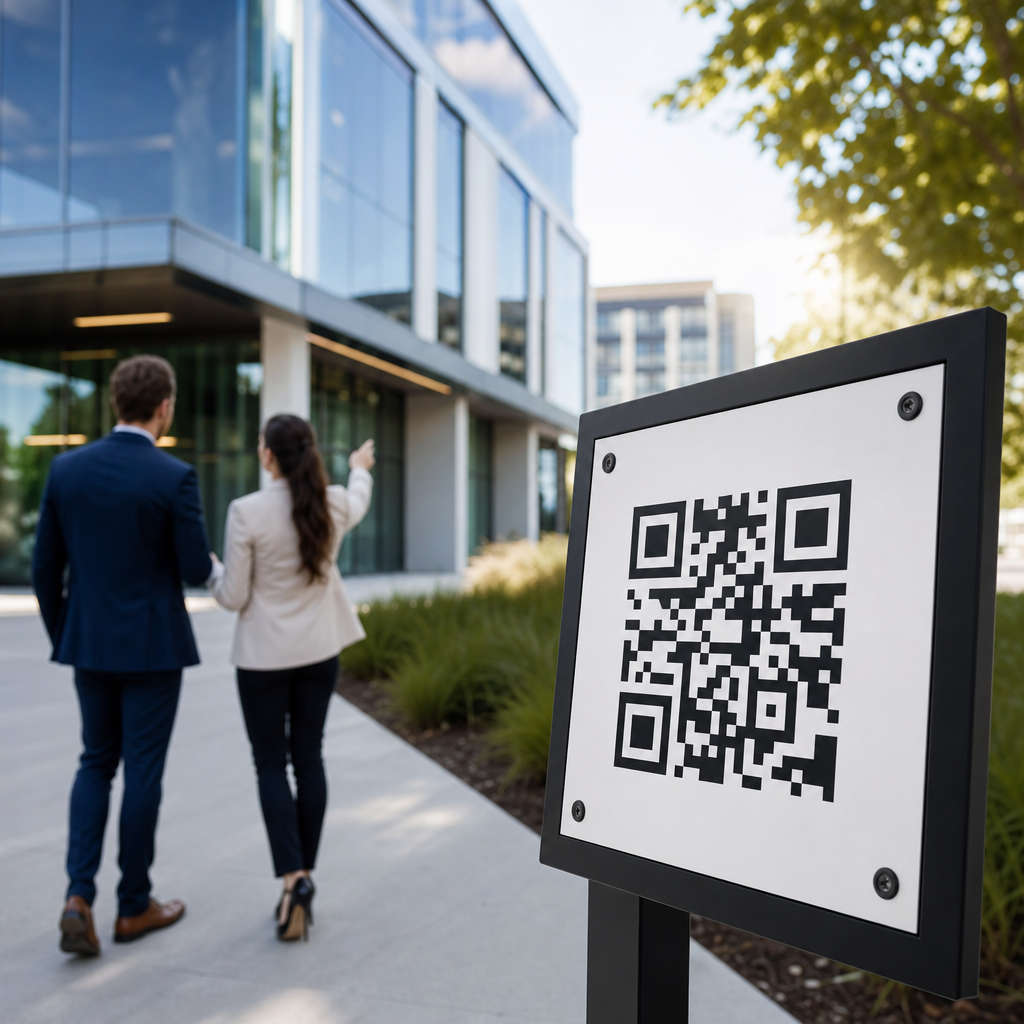
QR codes for commercial real estate marketing bridge physical properties and digital information, turning signs, brochures, direct mail, and event materials into measurable lead-generation assets. In simple terms, a QR code is a scannable two-dimensional barcode that opens a webpage, file, video, map, contact card, or form on a smartphone. In commercial real estate, that means a passerby can scan a window sign and immediately reach a property tour, floor plan, leasing brochure, or broker contact page without typing a URL. That small change removes friction, and in my work with property teams, less friction usually means more inquiries, better attribution, and faster follow-up.
The concept matters because commercial real estate buyers, tenants, investors, and brokers rarely make decisions from a single touchpoint. They move between street signage, listing portals, email campaigns, social media, broker outreach, and in-person tours. QR codes connect those channels. A code placed on a construction fence can route office tenants to a preleasing microsite. A code inside an offering memorandum can open an updated rent roll. A code on trade show collateral can launch a calendar link for site tours. Instead of treating print as static, teams can turn it into an interactive layer that supports office, retail, industrial, multifamily, mixed-use, and land marketing.
For a sub-pillar hub focused on real estate, the value is broader than one tactic. QR codes support leasing, investment sales, property management, tenant engagement, and brand marketing. They also create data. When configured with dynamic redirects and campaign parameters, each scan can reveal where interest came from, which assets perform best, what time prospects engage, and how offline attention converts into meetings. The strongest programs pair strong creative with disciplined operations: mobile-friendly landing pages, CRM routing, analytics, and clear compliance around privacy and fair marketing practices. Used that way, QR codes are not gimmicks. They are infrastructure for modern commercial real estate marketing.
How QR Codes Improve Property Marketing Performance
QR codes improve commercial real estate marketing by shortening the path from interest to action. A prospect standing outside a retail vacancy does not want to remember a long web address or search later and risk distraction. A scan can deliver current square footage, site plans, asking rent, co-tenancy details, parking counts, demographics, and a broker contact form in seconds. On investment sale campaigns, a code can route qualified buyers to a gated deal room where they request confidentiality access before reviewing financials. In both cases, the code captures intent at the moment it is strongest.
I have seen the largest gains when teams stop linking codes to generic homepages and instead build destination-specific experiences. A suburban office asset should open a mobile page with available suites, floor plates, commute times, and an instant scheduling option. An industrial listing should foreground clear heights, dock doors, trailer storage, power specs, and map overlays showing highway access. A multifamily development sign should emphasize unit mix, pricing bands, amenities, and waitlist forms. Relevance is what makes scans convert. The code is only the doorway; the landing page determines whether a lead advances.
Another advantage is attribution. Traditional signage has always generated interest, but measurement was weak. Dynamic QR platforms such as Bitly, BL.INK, Flowcode, Beaconstac, and QR Code Generator Pro can report scans by date, device, and location. Combined with UTM parameters in Google Analytics 4 and source tracking in HubSpot or Salesforce, marketers can compare scans from monument signs, brochures, mailers, and event booths. That data helps justify spend, optimize placement, and prove that offline channels influence pipeline, not just awareness. For firms managing multiple assets, consistent naming conventions across campaigns become essential.
Best Use Cases Across the Real Estate Lifecycle
Commercial real estate teams can use QR codes at nearly every stage of the asset lifecycle. During predevelopment, codes on fencing and neighborhood notices can collect interest from future tenants or residents. During leasing, codes on building signage, listing sheets, and broker books can send users to availability pages, stack plans, and virtual tours. During investment sales, codes in teaser packages can route buyers to registration pages and secure document repositories. During operations, codes in lobbies or amenity areas can support tenant communications, maintenance requests, and event calendars.
Office properties benefit when codes connect prospects to vacancy maps, test fits, and commute information. Retail centers use them effectively on storefront signage to show traffic counts, co-tenancy, and upcoming openings that strengthen merchandising stories. Industrial assets can present specifications quickly, which matters because users often compare clear span, loading configuration, and yard depth from their phones while touring multiple sites. Hospitality and mixed-use assets can use codes in print collateral to display immersive video, neighborhood guides, and investment highlights. Even land marketing improves when a roadside sign links directly to zoning, utility availability, and conceptual site plans.
| Property Type | Best QR Destination | Primary Goal |
|---|---|---|
| Office | Suite availability page with floor plans and tour booking | Leasing inquiries |
| Retail | Microsite with co-tenancy, traffic counts, and demographics | Tenant prospecting |
| Industrial | Spec sheet with building dimensions, docks, and map access | Site selection engagement |
| Multifamily | Unit availability and waitlist form | Lead capture |
| Investment Sales | Registration page for deal room access | Buyer qualification |
These applications work best when each code has a single, obvious next step. If a user scans a code and sees too many options, conversion drops. Strong campaigns answer the immediate question first, then offer deeper content such as OM downloads, drone footage, tenant rosters, or neighborhood analytics from tools like Placer.ai, Esri, or CoStar.
Implementation Standards, Design Choices, and Tracking
Creating effective QR code campaigns in commercial real estate requires technical discipline. Start with dynamic codes rather than static codes whenever possible. A dynamic code lets you change the destination after materials are printed, which is crucial when pricing, availability, or broker assignments change. Use short, branded links behind the code when the platform supports them. Maintain error correction at a level that tolerates light wear, but avoid overdesign. Branded colors and logos can work, yet contrast must remain high enough for reliable smartphone scanning in outdoor light.
Placement matters as much as code quality. On window signs, codes should sit at a comfortable scanning height and include a clear call to action such as “Scan for floor plans and pricing” or “Scan to book a tour.” On billboards or high-speed road signage, QR codes are usually a poor choice because scan conditions are unsafe and impractical. On brochures, pitch books, and direct mail, they perform well because the audience has time to engage. For large-format signs, test scan distance before production. A code that works on a desktop proof may fail from a sidewalk.
Tracking should be designed before launch, not after. Use standardized campaign naming, destination URLs with UTM parameters, event tracking in GA4, and CRM fields that preserve the original source. If a code leads to a form, route submissions immediately to the assigned broker or leasing team, and trigger an automated confirmation. Speed matters. In my experience, a lead contacted within minutes is far more likely to turn into a scheduled tour than one sitting overnight in a shared inbox. Also build governance: archive expired codes, monitor broken redirects, and review performance monthly.
Common Mistakes and How to Avoid Them
The most common mistake is sending every scan to the company homepage. That wastes intent and forces users to hunt for the relevant listing. Another frequent issue is linking to desktop-first PDFs that are unreadable on phones. If a brochure matters, offer both a mobile landing page summary and a downloadable PDF. Poor mobile performance is another conversion killer. Heavy video backgrounds, tiny buttons, and slow-loading pages can erase the convenience the code was meant to create. Google’s PageSpeed Insights and Lighthouse are useful checkpoints before launching campaigns at scale.
Teams also underestimate content freshness. Commercial real estate inventory changes fast, and nothing erodes trust faster than a sign advertising suites that are already leased or asking rents that are outdated. Dynamic codes reduce that risk, but only if someone owns updates. Assign responsibility at the asset level and review destinations whenever major listing changes occur. Compliance deserves attention too. If forms collect personal information, disclosures should be clear. If investor materials are gated, qualification steps should align with legal and brokerage requirements. Accessibility matters as well: pages should be readable, navigable, and easy to use on common mobile devices.
A final mistake is treating QR codes as isolated tactics instead of integrated campaign components. The best-performing programs connect codes to email nurture, retargeting audiences, CRM workflows, and broker outreach. For example, a prospect who scans an industrial site sign and downloads a brochure can be added to a segmented follow-up sequence featuring comparable properties, market reports, and tour invitations. That continuity turns one anonymous scan into a trackable relationship. For a real estate marketing hub, that is the central lesson: QR codes are most valuable when they connect physical marketing, digital content, and sales operations into one measurable system.
QR codes have become practical tools for commercial real estate marketing because they remove friction, modernize print, and make offline interest measurable. They help brokers lease space faster, help investment teams qualify buyers, and help property marketers understand which signs, brochures, and campaigns actually generate engagement. The most effective programs use dynamic codes, mobile-first landing pages, clear calls to action, and clean tracking into analytics and CRM platforms. They also respect the realities of the industry: changing availability, nuanced asset information, legal review, and the need for rapid follow-up.
As the hub page for real estate within industry-specific applications, the takeaway is straightforward. QR codes are not limited to one asset class or one campaign type. They can support office leasing, retail prospecting, industrial site selection, multifamily preleasing, investment sales, tenant communication, and event marketing when the destination content is specific and useful. Success depends less on the code itself than on strategy, page relevance, data structure, and operational discipline. When those pieces are in place, QR codes create a smoother journey from physical encounter to qualified lead.
If you manage commercial real estate marketing, audit every offline touchpoint and ask one question: what should the prospect be able to do instantly from here? Build QR experiences around that answer, track them rigorously, and expand what works across your portfolio.
Frequently Asked Questions
How are QR codes used in commercial real estate marketing?
QR codes are used in commercial real estate marketing to connect offline materials directly to digital property information in a way that is fast, convenient, and measurable. A code placed on a window sign, monument sign, brochure, flyer, direct mail piece, event display, or even a business card can send a prospect to a property website, leasing brochure, floor plan, virtual tour, photo gallery, video walkthrough, map, broker contact page, or lead form. This helps turn static marketing assets into interactive touchpoints that work 24/7.
For brokers, owners, and marketing teams, the real value is not just convenience but improved engagement and attribution. Instead of hoping a prospect remembers a website URL or decides to call later, the QR code reduces friction at the exact moment of interest. Someone standing outside a retail center, office building, industrial park, or multifamily mixed-use development can scan and immediately view current availability, tenant highlights, site plans, and contact details. That instant access often leads to better response rates because the prospect does not need to take extra steps.
QR codes also make campaign performance easier to evaluate. When paired with trackable landing pages or analytics tools, they can show how many scans came from a particular sign, brochure, direct mail campaign, or conference handout. That gives commercial real estate marketers better insight into which channels generate the most attention and qualified leads. In practical terms, QR codes help bridge the gap between the physical property and the digital leasing or sales experience.
What should a commercial real estate QR code link to?
A commercial real estate QR code should link to the next most useful step for the intended audience, not just to a generic homepage. In most cases, the best destination is a mobile-friendly property-specific landing page that contains the details a prospect wants immediately. That may include photos, property highlights, square footage, floor plans, downloadable brochures, virtual tours, maps, amenity information, availability, and clear contact options for the leasing or investment team.
The destination should match the context in which the QR code appears. A code on a property sign might link to a quick overview page with current vacancies and broker information. A code in a leasing brochure could open a PDF, interactive site plan, or stack plan. A code at a trade show might direct visitors to an inquiry form, portfolio page, or scheduling tool for follow-up meetings. A code on direct mail may work best when it leads to a campaign-specific landing page with a concise message and strong call to action.
It is also smart to think beyond basic listing information. Depending on the asset type and marketing goal, the code could open a drone video, tenant roster, neighborhood demographics, incentive summary, case study, construction update, or downloadable contact card. The key is relevance and simplicity. When someone scans, they should reach useful information immediately, without being forced to search. A good rule is to link to content that answers the top questions a tenant, buyer, investor, or site selector would ask in the first minute of interest.
Do QR codes actually help generate leads for commercial properties?
Yes, QR codes can absolutely help generate leads for commercial properties when they are used strategically. Their biggest advantage is that they reduce the gap between curiosity and action. In commercial real estate, that matters because interest often begins in the field: someone drives by an available building, notices a retail space while walking a corridor, receives a brochure at an event, or reviews a printed mailer in the office. A QR code gives that prospect an immediate path to engage instead of delaying until later, when attention may be lost.
Lead generation improves because the code can direct the user to a high-intent action such as requesting pricing, scheduling a tour, downloading a brochure, viewing a floor plan, or contacting a broker. These are meaningful next steps that move a prospect deeper into the funnel. Compared with asking someone to manually type a URL, search for a property online, or save a phone number for later, a QR code removes friction and captures attention at the moment it is strongest.
They also support better lead quality and better measurement. If the landing page is built well, the marketer can identify which asset generated the scan, how long users stayed on the page, what they clicked, and whether they submitted a form or called. This helps teams refine signage, messaging, and creative based on real behavior. QR codes are not a magic solution by themselves, but when combined with compelling property content, clear calls to action, and mobile-optimized pages, they become highly effective lead-generation tools for leasing and investment marketing.
What are the best practices for creating effective QR code campaigns in commercial real estate?
The best QR code campaigns in commercial real estate start with a clear objective. Before generating the code, decide what success looks like. That might be more tour requests, brochure downloads, investor inquiries, event follow-ups, or traffic to a property microsite. Once the goal is defined, create a dedicated mobile-friendly destination that supports that action. Avoid sending people to a cluttered homepage or a page that is difficult to navigate on a phone. The experience after the scan matters just as much as the scan itself.
Placement and design are also critical. The code should be easy to find, large enough to scan quickly, and positioned where people naturally pause long enough to use their phone. On signs, include a short call to action such as “Scan for pricing and floor plans” or “Scan for a virtual tour.” On brochures or mailers, tell the user exactly what they will get. This increases trust and improves scan rates because people understand the value immediately. The code should contrast clearly with the background and be tested across multiple devices before launch.
Tracking and maintenance are equally important. Use unique QR codes for different assets or campaigns so performance can be measured accurately. Monitor scans, landing page visits, conversions, and follow-up actions. If possible, use dynamic QR codes so destinations can be updated without replacing printed materials. Also make sure linked files, forms, and pages stay current. In commercial real estate, outdated availability, expired brochures, or broken links create friction and can damage credibility. The strongest campaigns combine strong creative, useful content, analytics, and ongoing management.
Are QR codes still relevant for brochures, signs, and direct mail in commercial real estate?
Yes, QR codes remain highly relevant for brochures, signs, and direct mail in commercial real estate because they solve a very practical marketing challenge: how to make printed or physical media interactive and measurable. Commercial property marketing still relies heavily on on-site signage, offering memorandums, leasing packets, postcards, event collateral, and presentation materials. QR codes allow all of those assets to do more than present information. They create a direct bridge to digital experiences that can educate prospects, capture leads, and support broker follow-up.
They are especially valuable because modern buyers, tenants, and investors expect immediate access to information. When a prospect sees a property sign, they often want details right away, not later. A QR code satisfies that expectation by opening a brochure, tour, map, or inquiry form within seconds. For direct mail, it gives recipients a simple next step that can be tracked. For brochures, it expands what print can do by linking to video, interactive floor plans, up-to-date availability, or current market information that would be impossible to keep fully current in static print alone.
The continued relevance of QR codes comes down to user behavior and campaign execution. Smartphone scanning is now familiar and widely adopted, which removes many of the barriers that existed years ago. When commercial real estate marketers use QR codes thoughtfully, with strong calls to action and mobile-first destinations, they make traditional marketing materials far more effective. Rather than replacing print or property signage, QR codes enhance them by adding immediacy, accountability, and a smoother path from initial interest to qualified inquiry.