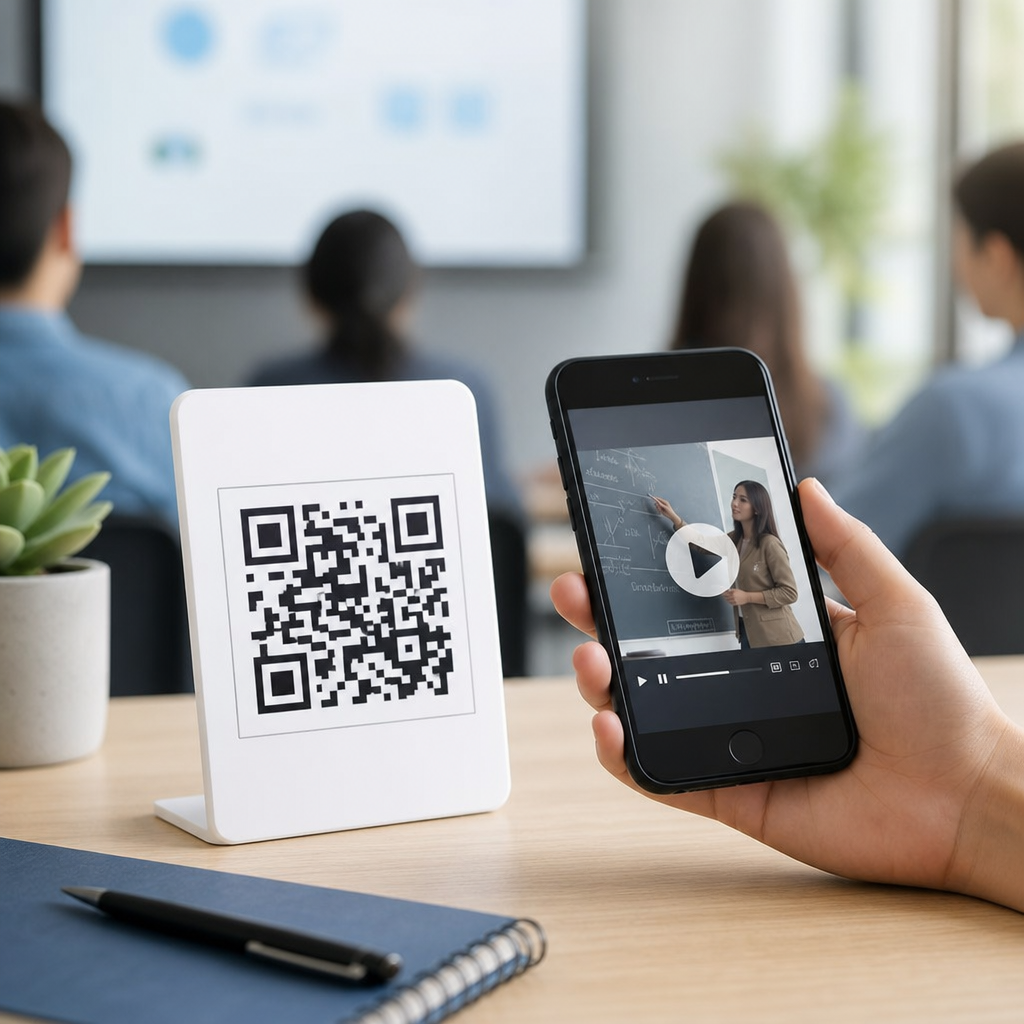
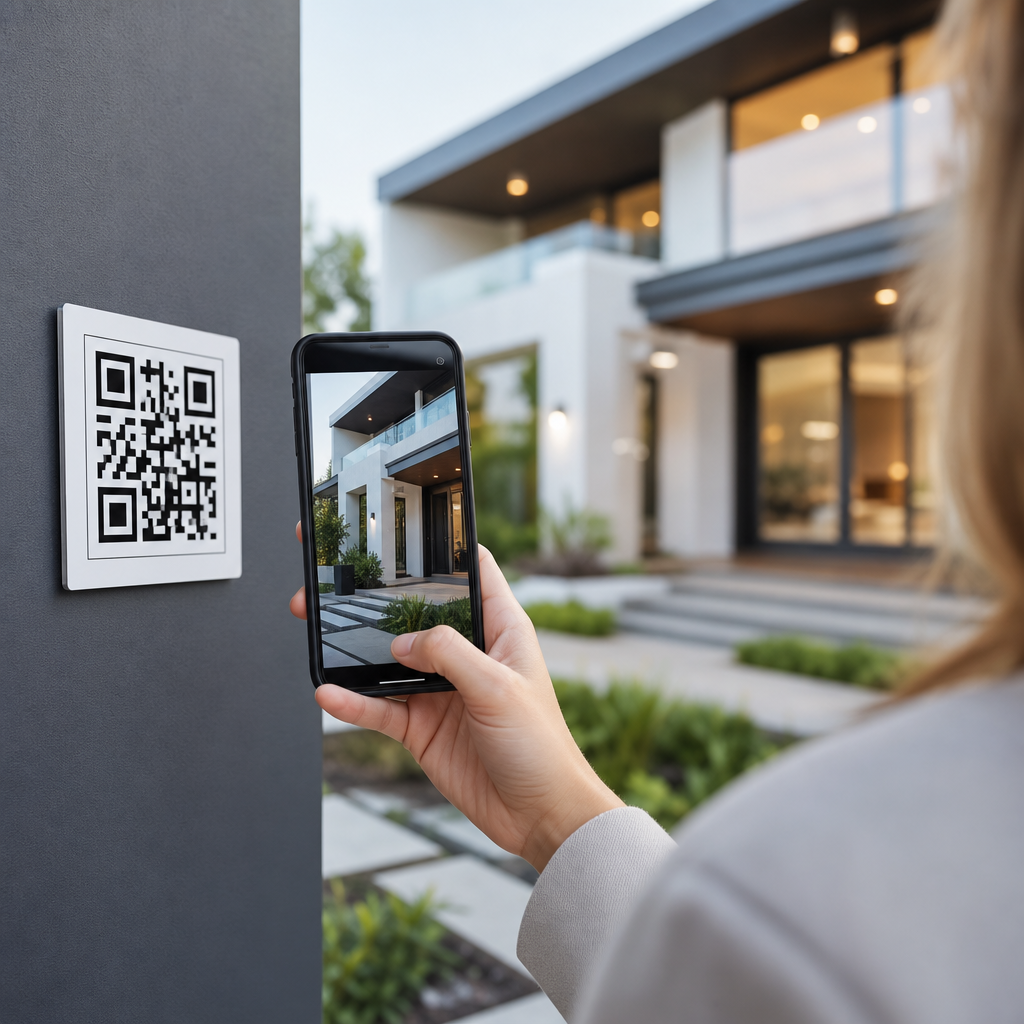
QR codes for property videos and walkthroughs have become one of the most practical tools in real estate marketing because they connect a physical listing, sign, brochure, window card, or open-house flyer to rich digital media in a single scan. In real estate, a property video usually means a short promotional film, while a walkthrough refers to a guided tour, often shot handheld, on a gimbal, or produced as a 3D experience with platforms such as Matterport. A QR code, or quick response code, is a scannable matrix barcode that opens a URL, video file, lead form, or mobile landing page. When these tools are planned well, they reduce friction for buyers, expand listing visibility, and help agents measure engagement across channels.
I have used QR-driven campaigns on residential listings, multifamily leasing assets, and commercial brochures, and the pattern is consistent: the easier it is for a prospect to move from curiosity to viewing, the more inquiries the property generates. That matters because buyer behavior has changed. According to the National Association of Realtors, nearly all homebuyers use the internet during their search, and mobile device use is routine during open houses and drive-bys. Prospects often discover a property from a yard sign, postcard, print ad, or storefront display when they are away from a desktop computer. If the only next step is calling later or typing a long URL manually, many leads disappear.
This real estate hub page explains how to use QR codes for property videos and walkthroughs across residential sales, rentals, new developments, luxury marketing, and commercial real estate. It covers strategy, placement, measurement, compliance, and practical production choices. It also answers the key questions agents, brokers, marketers, and property managers ask: where should the code lead, what format converts best, how do you track scans, and what mistakes reduce response rates? Used correctly, QR codes turn every physical touchpoint into a measurable media channel and make property marketing faster for the audience and smarter for the listing team.
How QR codes improve property marketing in real estate
The core benefit is speed. A buyer standing outside a listing can scan a code on a sign rider and immediately watch a 60-second highlight reel, open a full walkthrough, or book a showing. That direct path works better than expecting someone to remember an address and search later. In my campaigns, sign-based scans are especially valuable after business hours, when the office is closed but interest is high. For rentals, codes posted on window displays can deliver video tours 24 hours a day, reducing repetitive calls about basic layout questions.
QR codes also solve a common real estate problem: limited physical space. A brochure can only show a few photos, but a code can link to a mobile landing page with video, floor plans, school information, neighborhood footage, disclosures, and financing options. For commercial properties, a single offering memorandum often needs supporting media such as drone footage, traffic counts, tenant mix summaries, and site plans. A code keeps the printed package clean while still delivering the complete story. This is particularly useful for developers marketing pre-construction projects, where the physical site may not yet communicate the eventual value.
Another major advantage is attribution. Dynamic QR code platforms such as Bitly, Beaconstac, QR Code Generator Pro, and Uniqode allow teams to track scan volume, time, device type, and location at a campaign level. That data helps answer practical questions: Did the yard sign outperform the postcard? Did open-house flyers generate later re-engagement? Did one property video hold attention better than another? In real estate, where marketing budgets can be fragmented across print, portals, social media, and signage, measurable offline-to-online performance is useful for both optimization and seller reporting.
What the QR code should link to for maximum conversions
The best destination depends on the stage of interest. For broad top-of-funnel traffic, I recommend a fast mobile landing page rather than linking directly to a raw video file. The landing page should contain the hero video, a short property summary, price, key specifications, a showing request button, and a clear secondary path to the full walkthrough. This structure gives users immediate value while preserving next steps. Sending every scan directly to YouTube can work, but it often leaks attention to suggested videos and weakens lead capture.
For higher-intent situations, such as a code on a brochure handed out at an open house, a more detailed destination is effective. Include a cinematic video, a guided room-by-room walkthrough, floor plans, an interactive map, nearby amenities, and a form prefilled with the property address. Luxury listings benefit from longer-form editorial content and drone footage, while entry-level listings usually convert better with concise videos and direct showing options. In multifamily leasing, codes often perform best when they link to unit-specific tours paired with availability and online application buttons.
Different real estate formats call for different video choices. A lifestyle video sells aspiration; a walkthrough answers practical questions about flow, condition, and layout; a 3D tour supports remote decision-making; and an agent-led video builds trust through narration. The strongest campaigns do not force one asset to do every job. They sequence content. A short teaser brings the prospect in, then the walkthrough qualifies interest, then the contact form captures intent. That sequence is more effective than burying viewers in a six-minute video before they know whether the property fits their needs.
Where to place QR codes on real estate materials
Placement determines scan volume. In residential real estate, the highest-performing locations are typically yard signs, directional signs, brochure boxes, open-house registration areas, just-listed postcards, and feature sheets. For urban condos or retail leasing, window cards and lobby displays are strong performers because prospects stop nearby and have time to scan. In commercial real estate, codes on flyers, offering memoranda, event booth panels, and broker email signatures can extend campaign reach. The rule is simple: put the code where curiosity peaks and where the user has enough time, signal strength, and physical distance to scan comfortably.
Design matters as much as location. A QR code should be large enough to scan easily, with high contrast and a quiet zone around it. Tiny codes buried in dense flyer layouts fail often. I advise adding a direct call to action next to the code, such as “Scan to watch the full walkthrough” or “Scan for price, video, and showing times.” That label increases scans because people need to know what they will get. Brand styling is fine, but readability comes first. Over-customized codes with low contrast, excessive logos, or decorative backgrounds underperform and create friction at the exact moment the campaign should feel effortless.
| Placement | Best linked content | Primary goal |
|---|---|---|
| Yard sign | Short video plus showing request | Capture drive-by interest |
| Open-house flyer | Full walkthrough and disclosures | Re-engage visitors later |
| Brochure box | Mobile listing page with media gallery | Replace limited print space |
| Window display | Rental or condo video tour | Generate after-hours inquiries |
| Commercial OM | Drone footage, site plans, tenant data | Support investment analysis |
Production, tracking, and compliance best practices
Good QR performance starts with good media. Property videos should load quickly, be captioned for silent viewing, and open on mobile without pinch-and-zoom friction. Keep teaser videos around 30 to 90 seconds, and reserve longer walkthroughs for prospects who want more detail. Stabilized footage, natural lighting, and clear room sequencing matter more than flashy editing. For commercial assets, include practical context such as ingress and egress, parking ratios, visibility, and nearby anchors. For residential homes, buyers want to understand layout, storage, light, finishes, and outdoor space within the first minute.
Tracking should be planned before launch. Use dynamic codes so the destination can be updated without reprinting materials. Add UTM parameters to distinguish sign scans from postcard scans, brokerage brochures, or event handouts. Connect campaign data to Google Analytics 4, your CRM, and, where possible, your marketing automation stack. I also recommend creating property-specific landing pages rather than sending all scans to a general website. That improves reporting, keeps message match tight, and makes seller updates more credible because you can report exact engagement by listing, source, and time period.
Real estate teams also need to manage legal and operational details. Listings change status, prices move, and leasing availability updates frequently, so every QR campaign needs a maintenance owner. Broken destinations and outdated videos damage trust quickly. Make sure media and claims align with local advertising rules, fair housing requirements, MLS policies, and brokerage disclosure standards. If a video includes claims about square footage, amenities, or views, verify them. If forms collect personal data, use secure pages and disclose how information will be used. Convenience should never come at the expense of accuracy or compliance.
Building a scalable hub strategy for residential, rental, luxury, and commercial listings
As a sub-pillar within industry-specific applications, this topic works best when treated as a real estate hub rather than a single tactic page. The hub should connect naturally to deeper articles on residential yard signs, apartment leasing tours, open-house QR workflows, luxury brochure design, commercial offering memoranda, 3D walkthrough tools, and QR code analytics. That internal structure helps users navigate by property type and buying stage. It also reflects how real teams operate: the code on a suburban resale sign serves a different purpose than the code in an office leasing package or a high-rise sales gallery.
The biggest takeaway is straightforward. QR codes for property videos and walkthroughs reduce friction, increase media consumption, and make offline real estate marketing measurable. They work because they match modern buyer behavior: people scan first, evaluate quickly, and act when the next step is obvious. To get results, link each code to the right destination, place it where attention is highest, track every source, and maintain the campaign as inventory changes. Start with one listing type, measure scans and leads, then expand the system across your real estate portfolio. That disciplined rollout turns a simple square code into a dependable marketing channel.
Frequently Asked Questions
What are QR codes for property videos and walkthroughs, and why are they useful in real estate marketing?
QR codes for property videos and walkthroughs are scannable codes that instantly take a buyer from a printed marketing piece to digital property media on their phone or tablet. In practice, that means someone standing in front of a yard sign, reading a brochure, viewing a window display, or attending an open house can scan the code and immediately watch a listing video, start a virtual walkthrough, or explore a 3D tour. This creates a direct bridge between offline real estate marketing and online property content without requiring the person to type in a long web address or search for the listing manually.
They are especially useful because they reduce friction at the exact moment a buyer is interested. Real estate decisions are often influenced by convenience and timing, and QR codes make it much easier to capture attention while it is still fresh. Instead of hoping a prospect remembers to visit a website later, the code delivers the experience instantly. That can increase engagement, improve lead generation, and help listings stand out in competitive markets. For agents and brokerages, QR codes also make traditional materials more measurable, since scans can be tracked to show which signs, flyers, or campaigns are attracting the most interest.
What is the difference between a property video and a walkthrough, and should a QR code link to one or both?
A property video is usually a polished marketing asset designed to create interest and emotional appeal. It may include cinematic footage, music, titles, drone clips, neighborhood highlights, and carefully edited scenes that present the home in its best light. A walkthrough, by contrast, is generally more practical and tour-oriented. It is meant to help viewers understand the layout, flow, room sizes, and overall feel of the property. Walkthroughs can be filmed handheld, stabilized with a gimbal, or created as immersive 3D experiences using platforms such as Matterport.
Whether a QR code should link to one or both depends on the buyer journey and the marketing objective. If the goal is to capture attention quickly from a sign or flyer, a short property video may be the best first destination because it is easy to consume and visually compelling. If the goal is to help serious buyers evaluate the home in more depth, then a walkthrough or 3D tour may be more valuable. In many cases, the strongest approach is to send the QR code to a mobile-friendly landing page that offers both options. That gives casual browsers an engaging introduction while also serving buyers who want a deeper, more detailed tour. It also keeps the experience organized and allows the agent to include contact details, inquiry forms, and additional listing information in one place.
Where should QR codes be placed to get the best results for property videos and walkthroughs?
The best placements are the ones that match moments of high buyer intent. Yard signs are one of the most effective locations because they reach people when they are physically at or near the property. Open-house flyers, printed brochures, window cards, direction signs, and feature sheets are also strong options because they give interested prospects an immediate way to continue exploring the listing. QR codes can also work well on direct mail pieces, postcards, business cards, presentation folders, and even inside the property on signage during showings or events.
Placement matters just as much as location. The code should be large enough to scan easily, printed clearly, and paired with a simple call to action such as “Scan to Watch the Video Tour” or “Scan for 3D Walkthrough.” It should not be tucked into a cluttered design or placed where glare, folds, or distance make scanning difficult. For window displays, visibility from the sidewalk is important. For brochures and flyers, the code should be near the property headline or hero image so it feels like a natural next step. The more obvious and useful the code appears, the more likely buyers are to interact with it.
What should happen after someone scans a QR code for a property video or walkthrough?
After the scan, the user experience should be fast, mobile-friendly, and highly relevant to the specific property. Ideally, the QR code should open directly to a page or media experience that loads quickly and clearly matches the home the buyer is interested in. If a prospect scans a code from a sign, they should not land on a generic homepage and be forced to search again. A dedicated property page is usually the best destination because it can include the video, walkthrough, photos, key features, pricing, floor plans, map details, and a clear path to contact the listing agent.
This post-scan experience is where many campaigns succeed or fail. If the content is slow, confusing, or not optimized for mobile devices, interest can disappear almost immediately. Good practice includes using responsive pages, compressing media where appropriate, and presenting a clear hierarchy of information. It is also smart to include lead capture options such as a call button, inquiry form, scheduling link, or option to request more details. For luxury listings or high-intent leads, a page can also offer both a short promotional video and a longer guided walkthrough so users can choose the level of detail they want. The goal is to turn a quick scan into meaningful engagement, not just a view count.
Can QR codes for property videos and walkthroughs be tracked, updated, and optimized over time?
Yes, and that is one of their biggest advantages. When dynamic QR codes are used, agents and marketers can often update the destination link without changing the printed code itself. That means a brochure, sign, or flyer can continue working even if the video is replaced, the listing page is refreshed, or the property status changes. This flexibility is especially useful in real estate, where campaigns often need to evolve quickly. A code that first links to a teaser video can later be redirected to a full walkthrough, a price-update page, or a contact form once market response starts coming in.
Tracking is equally valuable. Scan analytics can reveal how many people engaged, when they scanned, where scans were strongest, and which physical materials performed best. That helps agents understand whether a sign is driving more activity than a brochure, whether an open-house handout is generating follow-up interest, or whether a particular call to action is outperforming another. Over time, those insights support smarter marketing decisions, from media investment to content format. To optimize results, agents should test different wording near the code, compare video-first versus landing-page-first destinations, and make sure every linked experience is mobile-friendly and easy to navigate. In short, QR codes are not just a convenience feature; they are also a practical performance tool for improving real estate marketing outcomes.