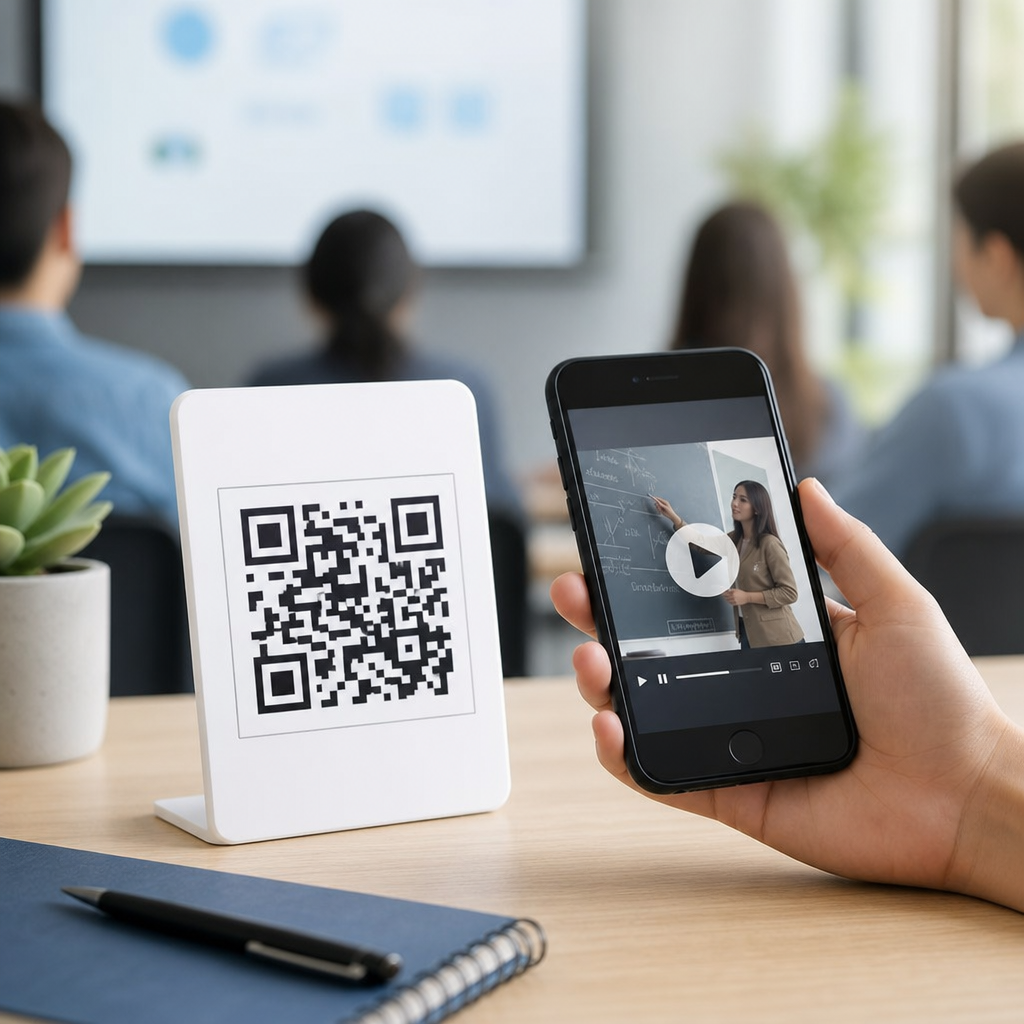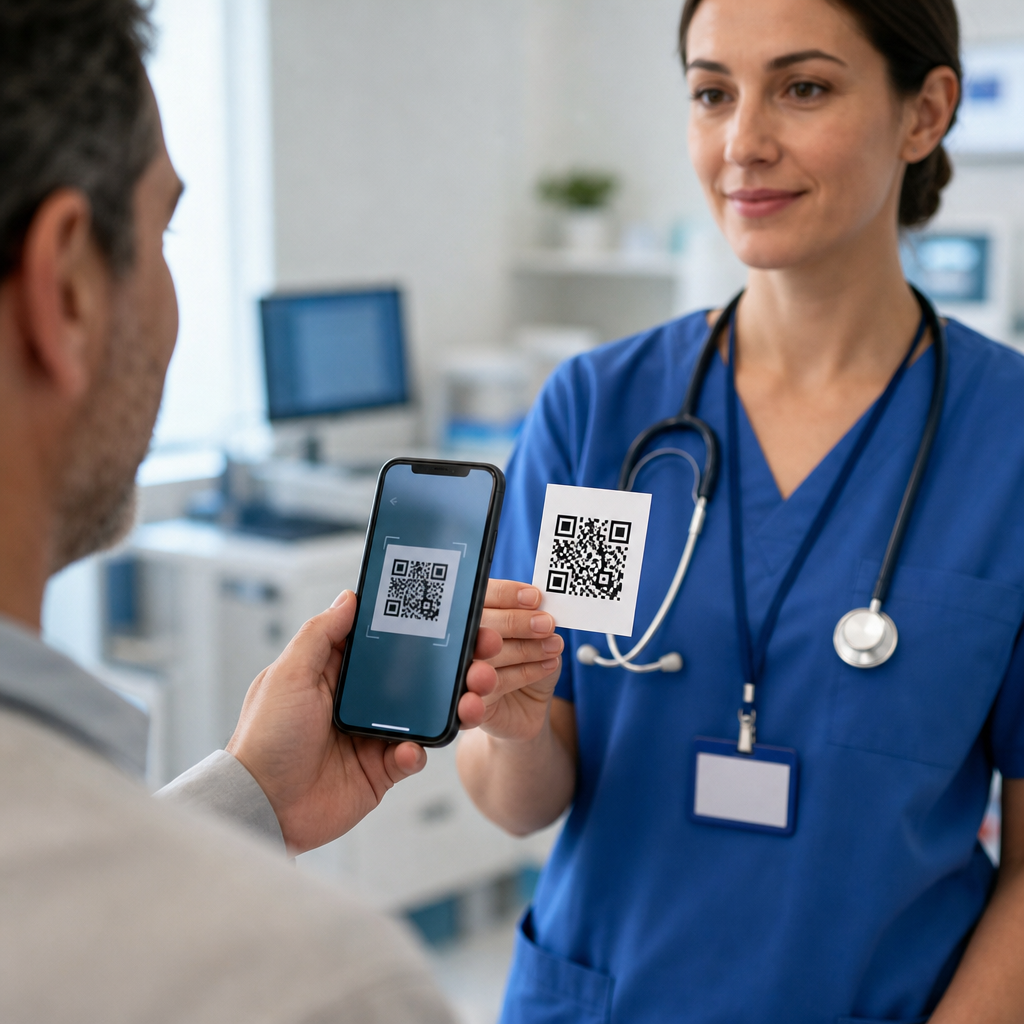
QR codes for patient records and information access are becoming a practical tool across healthcare because they connect people, systems, and critical data with a quick camera scan. In healthcare, a QR code is a two-dimensional barcode that stores a link, identifier, or structured text, while patient records and information access refer to the controlled retrieval of clinical details, education materials, consent forms, discharge instructions, and care pathways. I have seen hospitals use them for bedside medication education, outpatient check-in, imaging workflow coordination, and emergency identification, all with measurable gains in speed and clarity. Their importance comes from a simple reality: clinicians need the right information at the right moment, and patients need easy access without passwords, portals, or paper handouts that get lost. When implemented well, QR codes reduce administrative friction, support safer handoffs, and improve health literacy. They also fit modern healthcare operations because nearly every patient and staff member carries a smartphone, and most electronic health record environments can generate or consume structured links. This makes QR codes a flexible hub for healthcare communication, record access, and service navigation.
For a healthcare organization, the value is not in the code itself but in the workflow behind it. A QR code can point to a patient-specific discharge summary, trigger mobile registration, open a multilingual aftercare page, or provide emergency personnel with time-sensitive facts such as allergies, medications, and implanted devices. However, healthcare is highly regulated, so success depends on privacy design, authentication rules, data minimization, and auditability. Organizations must decide when a code should reveal information directly, when it should route users through identity verification, and when it should only expose a token that the clinical system resolves securely. This hub article explains the main healthcare use cases, the technical and compliance choices involved, and the implementation practices that make QR codes reliable in real clinical settings. It also serves as a foundation for deeper articles on patient engagement, hospital operations, telehealth, pharmacy, diagnostics, long-term care, and emergency medicine.
Core healthcare use cases for QR codes
Healthcare uses for QR codes fall into two broad categories: patient-facing access and staff-facing workflow support. Patient-facing examples include appointment confirmations, self-service check-in, digital intake forms, vaccine records, lab result notifications, discharge instructions, medication education, and links to condition-specific content. Staff-facing examples include specimen tracking, equipment identification, asset maintenance logs, medication administration checkpoints, referral routing, and bedside verification. In my experience, the strongest deployments start with one narrow workflow where delay or confusion already exists, then expand once staff trust the process.
One of the simplest and most effective applications is discharge. Instead of handing patients a stack of papers, hospitals can print a QR code on the summary sheet that opens a mobile-friendly page with diagnosis explanations, dosage reminders, red-flag symptoms, wound care videos, and follow-up scheduling. This works especially well when the content is written in plain language and available in multiple languages. Another high-value use case is emergency access. Some systems issue wallet cards, wristbands, or medical ID stickers with a code that allows authorized responders to see a concise emergency profile. The best designs limit exposure by showing only essentials first, such as name, date of birth, allergies, current medications, blood type where validated, emergency contacts, and treating physician information.
How QR codes connect to patient records safely
QR codes should rarely contain full patient records directly. In healthcare, the safer pattern is to store a short-lived token or secure URL that points to data managed by the electronic health record, patient portal, customer relationship management system, or document repository. The code becomes a key, not the vault. This matters because printed codes can be photographed, copied, and shared, while the underlying link can still enforce access controls, expiration, device checks, and audit logging. Mature implementations often use role-based access control, OAuth 2.0, OpenID Connect, and encrypted transport over HTTPS.
Interoperability is equally important. When QR codes are tied to patient records, the destination system should support structured standards such as HL7 FHIR for demographics, medications, allergies, immunizations, care plans, and encounter summaries. FHIR resources make the data portable and easier to present consistently across apps. A hospital might generate a code on a discharge document that opens a SMART on FHIR application, authenticates the patient, and pulls the latest medication list directly from the source chart. That approach is better than embedding static text because it reduces version confusion and allows corrections in the record to flow to the patient-facing view. For imaging, laboratories, and referrals, organizations can also connect codes to accession numbers, order IDs, or encounter references so the right context appears instantly without manual searching.
Privacy, security, and compliance considerations
Healthcare QR code programs must be designed around privacy law, information governance, and clinical risk. In the United States, protected health information under HIPAA requires administrative, physical, and technical safeguards. In Europe, GDPR adds strict rules for lawful basis, data minimization, retention, and data subject rights. Even outside these frameworks, the same principles apply: expose the minimum necessary information, verify identity before releasing sensitive data, log every access event, and provide a rapid way to revoke compromised codes.
A common mistake is placing personally identifiable information in the code payload itself. If a code includes a full name, medical record number, diagnosis, or insurer details in plain text, anyone with a scanner can capture it. A better pattern is dynamic QR generation. Dynamic codes let the organization change the destination, disable the link, rotate tokens, or update content without reprinting every label. Security teams should also consider mobile threat models: fake overlay stickers, phishing pages that imitate portals, and unmanaged devices on public Wi-Fi. Controls that work well include signed URLs, one-time access links, CAPTCHA for public-facing endpoints, mobile-friendly multifactor authentication for portal entry, and regular penetration testing. Staff training matters too, because a secure system still fails if users place patient-specific codes in public areas or send screenshots through unapproved channels.
Where QR codes add the most value in healthcare settings
Not every healthcare workflow benefits equally. QR codes deliver the highest return where people need quick context, where paper is still common, and where the next step should be obvious. The table below highlights proven applications, primary benefits, and practical cautions.
| Healthcare setting | Typical QR code use | Main benefit | Key caution |
|---|---|---|---|
| Hospitals | Bedside education, discharge access, equipment tracking | Faster information delivery and fewer lost handouts | Do not expose PHI on publicly visible materials |
| Clinics | Self check-in, intake forms, referral follow-up | Shorter front-desk queues and cleaner registration data | Offer non-smartphone alternatives |
| Pharmacies | Medication guides, refill enrollment, adherence support | Better patient understanding at the point of dispensing | Keep instructions current when labels change |
| Laboratories | Specimen IDs, result access, collection instructions | Fewer manual lookup errors | Validate chain-of-custody workflows |
| Long-term care | Care plans, family updates, resident identification | Smoother coordination across shifts | Protect vulnerable populations from accidental disclosure |
| Emergency services | Medical ID access, triage routing, incident documentation | Quicker decision support under pressure | Ensure offline fallback procedures |
Implementation strategy, tools, and measurement
Successful healthcare deployment starts with workflow mapping, not design. Identify who scans the code, what question they need answered, what system holds the answer, and what must happen if the network is unavailable. Then define governance: who owns the content, who approves updates, how expired links are retired, and which audit reports compliance teams review. I recommend piloting in one department with clear metrics such as reduced registration time, lower no-show rates, fewer call-backs for discharge clarification, or improved completion of education materials.
Healthcare organizations typically use a mix of existing platforms and specialized tools. Electronic health record vendors may support patient education links and after-visit summaries. Identity layers can be handled through Microsoft Entra ID, Okta, or portal-specific authentication tools. Dynamic QR management can come from enterprise marketing platforms, document management systems, or healthcare communication vendors, but the destination must still meet security review standards. For analytics, teams should track scan rate, successful authentication rate, task completion, bounce rate, language selection, and downstream outcomes such as portal enrollment or medication adherence. Print quality also matters more than many teams expect. Codes need sufficient contrast, quiet space, and sizing for camera readability on wristbands, labels, and discharge paperwork. Testing should include older phones, cracked screens, low-light conditions, and accessibility reviews for people with limited vision or dexterity.
QR codes for patient records and information access work best when they simplify care without weakening privacy. They are most effective as secure connectors between people and trusted clinical systems, not as containers for sensitive data. Across hospitals, clinics, pharmacies, labs, long-term care, and emergency services, they can improve education, speed up workflows, reduce lookup errors, and help patients find the next step with less friction. The strongest programs use dynamic links, standards-based interoperability, mobile-friendly authentication, and clear governance over content and audits. They also recognize limits: some patients will need printed instructions, some responders will face connectivity issues, and some workflows demand stronger identity checks before any record is shown. For healthcare leaders building out industry-specific digital access, this topic deserves a central place because it touches operations, patient experience, and information security at the same time. Review your highest-friction patient information journey, map where a scan could remove delay, and launch a tightly governed pilot that proves value before scaling systemwide.
Frequently Asked Questions
What are QR codes used for in patient records and healthcare information access?
QR codes are used in healthcare to give patients, caregivers, and clinical staff faster access to the right information at the right time. A single scan can open discharge instructions, medication guidance, follow-up care plans, patient education materials, appointment details, consent documents, or secure portals connected to an electronic health record system. In many settings, QR codes also support bedside workflows by linking to identification tools, care pathways, wristband verification processes, or department-specific instructions. Their value comes from reducing friction. Instead of searching through paper packets, typing long URLs, or relying on verbal instructions alone, users can scan and reach a digital resource immediately.
When applied to patient records and information access, QR codes usually do not need to store the entire medical record inside the code itself. More commonly, they contain a secure link, token, or unique identifier that points to information housed in a protected system. That approach helps healthcare organizations keep data current while limiting exposure of sensitive details. For example, a clinic may place a QR code on discharge paperwork so a patient can later review personalized aftercare steps from home. A hospital may use QR codes in treatment areas to connect staff with approved clinical documentation, escalation protocols, or education resources in seconds. In practical terms, QR codes become a bridge between physical care environments and digital health information, improving convenience, consistency, and accessibility.
How do QR codes improve patient experience and communication?
QR codes improve patient experience by making healthcare information easier to reach, easier to understand, and easier to revisit after an appointment or hospital stay. Patients often receive a large amount of information during care encounters, and it is common for key details to be forgotten once they leave the facility. A QR code can direct them to a reliable digital source where they can review instructions on wound care, medication timing, dietary restrictions, symptom monitoring, rehabilitation exercises, or follow-up scheduling. This reduces confusion and supports better adherence because the information remains available beyond the moment it was first explained.
They also support clearer communication across different patient needs and preferences. A QR code can link to multilingual resources, large-text instructions, videos, diagrams, FAQs, or interactive educational content that is more engaging than a paper handout alone. Families and caregivers benefit as well, since they can access the same approved materials and better support the patient at home. From the provider side, QR codes help standardize communication by ensuring that every patient receives the same validated information rather than inconsistent printed copies or outdated web pages. Used thoughtfully, they make healthcare communication more patient-centered, more accessible, and more actionable without adding unnecessary complexity to the care process.
Are QR codes for patient records secure and compliant with healthcare privacy requirements?
QR codes can be secure and compliant, but security depends on how they are designed, deployed, and managed. The safest approach is usually to avoid placing sensitive protected health information directly inside the QR code. Instead, the code should point to a secure platform that requires appropriate authentication, authorization, and encryption before any private data is shown. This means that if someone scans the code without permission, they still cannot access protected records unless they are verified through the proper access controls. In many healthcare environments, QR codes function as entry points into secure systems rather than containers for confidential information.
Healthcare organizations should also consider governance practices such as role-based access, expiration rules, audit logging, mobile device management, and routine testing of all linked content. Dynamic QR codes are especially useful because they allow administrators to update the destination without reprinting the code, which supports better control if links need to be changed or disabled. Compliance considerations may include HIPAA in the United States and other local privacy or data protection regulations elsewhere. Just as important is staff training. Teams need to understand where QR codes may be used, what information they may expose, how to verify legitimacy, and how to avoid risks such as unauthorized sharing or phishing lookalikes. In short, QR codes are not automatically secure or insecure; they are secure when integrated into a broader privacy, cybersecurity, and compliance framework.
What are the best practices for implementing QR codes in hospitals, clinics, and patient-facing materials?
Successful implementation starts with a clear purpose. Healthcare organizations should decide whether the QR code is intended for patients, caregivers, clinicians, or administrative staff, and then match the content to that audience. A patient-facing QR code on discharge paperwork should lead to simple, mobile-friendly instructions, while a clinician-facing code near a treatment area may connect to protocols, documentation tools, or equipment guidance. The destination should always be trustworthy, current, and easy to navigate on a smartphone. If users have to log in, the process should be secure but not unnecessarily complicated. Good implementation also includes visible labeling so people know exactly what they will access before scanning.
Operational details matter just as much. QR codes should be printed at a scannable size, placed in adequate lighting, and tested across different devices and camera apps. Dynamic management is valuable because it allows organizations to revise links, update content, and track usage patterns without replacing every printed item. Accessibility should be built in from the beginning, with plain-language content, translation options, and alternatives for patients who do not use smartphones. It is also wise to avoid overusing QR codes. They work best when they solve a real access problem, not when they replace every communication channel. Finally, healthcare leaders should monitor adoption, scan rates, patient feedback, and workflow impact. That data helps determine whether the QR code strategy is actually improving information access, reducing staff burden, and supporting better care continuity.
What challenges should healthcare organizations consider before using QR codes for patient information access?
One of the main challenges is balancing convenience with privacy. While QR codes can speed up access, they can also create risk if they lead too directly to sensitive information or if printed codes are visible in public or semi-public settings. Organizations need to think carefully about where codes are placed, what they connect to, and whether authentication is required. Another challenge is digital equity. Not every patient has a smartphone, a reliable internet connection, or the comfort level needed to scan and navigate online resources. That means QR codes should complement, not replace, existing access options such as printed instructions, verbal counseling, patient portal support, or staff assistance.
There are also workflow and maintenance concerns. If linked pages are outdated, broken, or poorly designed for mobile use, the patient experience quickly suffers and trust is lost. Staff may need training to explain how the codes work and when patients should use them. Some environments may face integration hurdles with electronic health record systems, identity management tools, or content approval processes. In addition, healthcare organizations must account for misuse, such as tampered stickers, unofficial code placement, or patients scanning fraudulent codes in uncontrolled areas. Addressing these issues requires planning, governance, and regular oversight. When those elements are in place, QR codes can be highly effective, but they should be implemented as part of a broader digital health strategy rather than as a standalone fix.