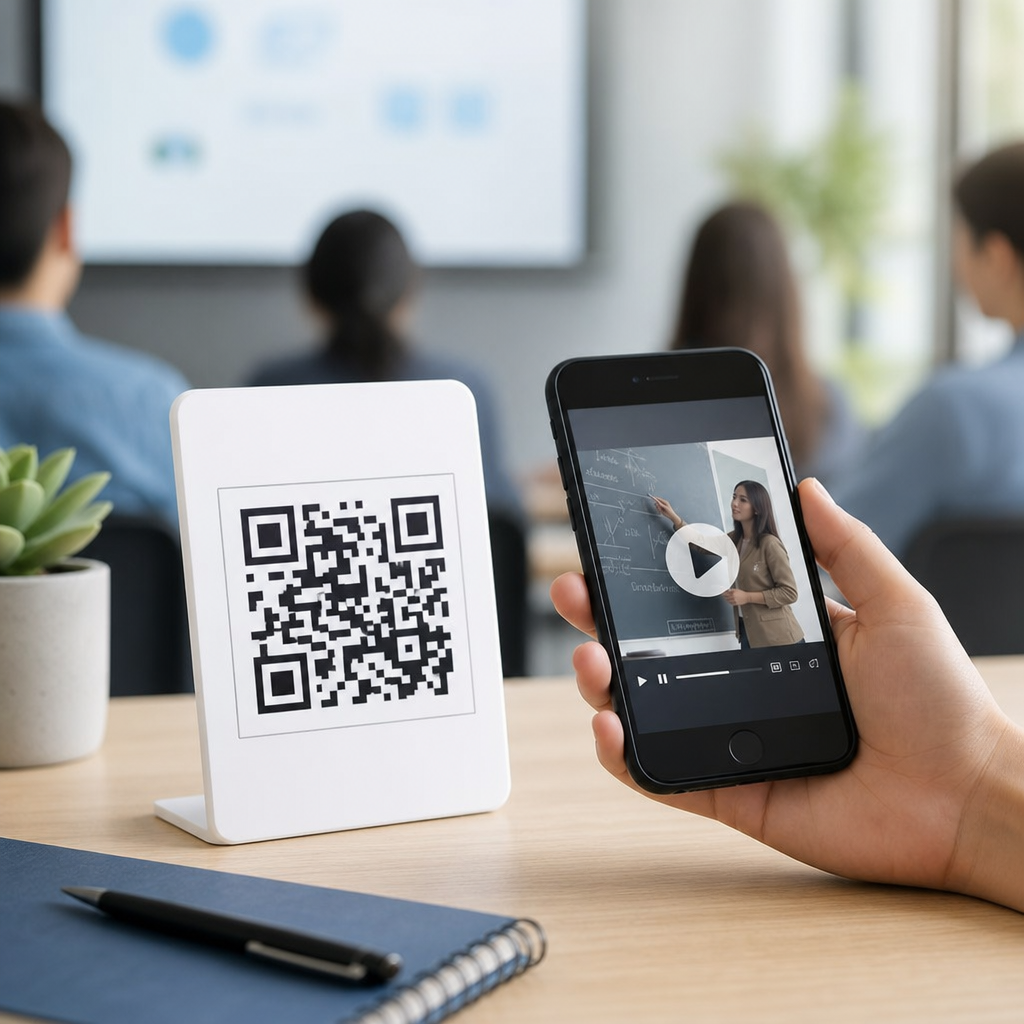
QR codes for event ticketing systems have become the practical standard for concerts, conferences, sports, museums, festivals, and community gatherings because they connect ticket purchase, entry validation, attendance tracking, and post-event engagement in one scannable format. A QR code, or Quick Response code, is a two-dimensional barcode that stores data such as a ticket ID, encrypted token, seat assignment, or mobile wallet link. In ticketing, the code usually acts as a pointer to a secure record in a venue or platform database rather than storing every detail directly inside the image. That distinction matters because secure ticketing depends on live validation, not just showing a pattern on a phone screen.
I have worked with event teams that moved from printed PDFs and manual guest lists to QR-based check-in, and the operational difference is immediate. Entry lines shorten, duplicate tickets are easier to detect, staffing needs become more predictable, and organizers gain a cleaner attendance dataset. For attendees, the benefits are just as clear: tickets are easier to find on a phone, can be added to Apple Wallet or Google Wallet, and can often be transferred without calling support. For organizers, the system creates a chain of custody from issuance to redemption. That is why QR codes matter in events and ticketing: they improve speed, security, reporting, and the attendee experience at the same time.
This article serves as the hub for Events & Ticketing within industry-specific QR applications. It explains how QR ticketing systems work, which security controls reduce fraud, how different event formats use them, what operational workflows to plan, and how to measure success. It also points naturally to adjacent subtopics such as venue access control, cashless payments, sponsor activations, attendee analytics, and event marketing automation. If you are evaluating a QR code event ticketing system, the key question is not whether to use QR codes. The real question is how to design the system so scanning is fast, fraud controls are strong, and data moves cleanly between your sales platform, access control tools, and reporting stack.
How QR codes work in event ticketing systems
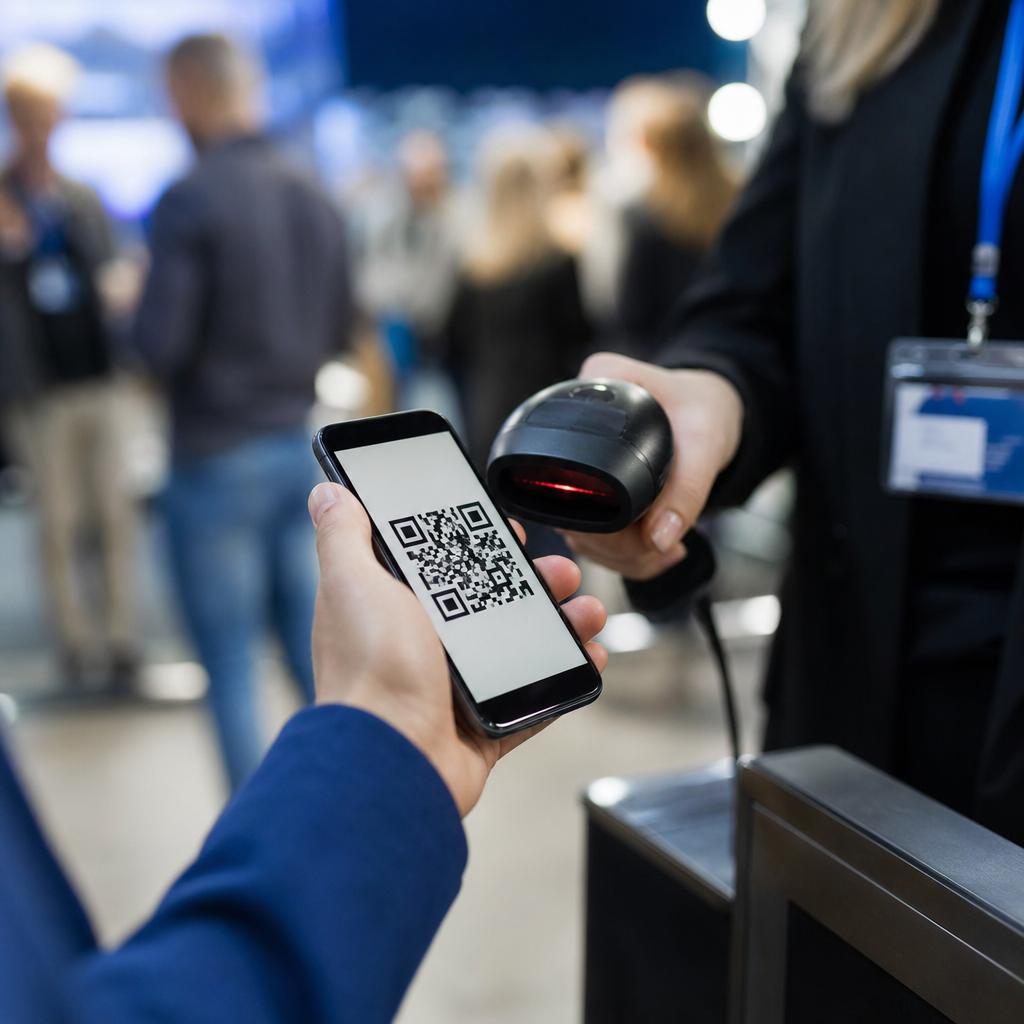
A QR ticketing workflow starts when a buyer completes a transaction through a ticketing platform, registration tool, box office system, or partner marketplace. The system generates a unique ticket record and associates it with purchaser details, event metadata, admission rules, and often a cryptographic signature or time-bound token. The attendee receives the code by email, SMS, in-app delivery, or wallet pass. At the venue, staff use scanning apps, dedicated handheld scanners, or turnstile readers to validate the code against a live database or synchronized offline cache. If the ticket is valid and unused, the system marks it redeemed and can trigger secondary actions like printing a wristband, opening a gate, or logging check-in time.
Static and dynamic QR codes are not interchangeable in this context. A static code contains fixed data and is difficult to revoke once distributed. A dynamic code references a managed URL or token that can be updated, disabled, or refreshed. For high-demand events, dynamic delivery is usually safer because organizers can invalidate a transferred or refunded ticket without changing the attendee interface. Some platforms also rotate codes at intervals to reduce screenshot sharing. In practice, the most resilient deployments combine a visible QR image, a human-readable backup code, device-level wallet support, and a scanner app that can continue operating during temporary connectivity loss.
The ticket itself is only one component. A complete QR code event ticketing system includes customer relationship management data, payment records, refund rules, access permissions, scanner device management, entrance staffing plans, and post-event analytics. For example, a two-day conference may issue separate permissions for general admission, workshop sessions, VIP lounges, and exhibitor load-in. The QR token identifies which rules apply at each checkpoint. This is why organizers should think of QR codes as the interface layer of a broader admission architecture rather than a standalone feature.
Security, fraud prevention, and validation standards
The biggest concern in events and ticketing is fraud, especially resale abuse, duplicated screenshots, and forged tickets. Effective QR systems reduce those risks through unique identifiers, server-side validation, one-time redemption logic, and encrypted signing methods. A scanned image should never be trusted on appearance alone. The scanner must check whether the ticket exists, whether it belongs to the right event and time window, whether it has already been used, and whether any transfer, refund, or cancellation changed its status. When I audit event entry workflows, most failures come from weak operational controls rather than weak code generation.
Widely used practices include tokenization, API-based validation, TLS-secured data transfer, device authentication for scanner apps, and role-based access controls for staff accounts. For large venues, offline mode needs careful design. Devices should sync a recent validation list, record local scan events with timestamps, and reconcile conflicts when connectivity returns. Without conflict handling, the same ticket can be accepted at separate gates. This is also where anti-passback rules matter: once one entry point redeems a ticket, another gate should reject it unless re-entry is explicitly allowed.
| Risk | Common cause | Best control |
|---|---|---|
| Duplicate entry | Screenshot sharing | One-time redemption with live status checks |
| Fake ticket | Edited PDF or image | Signed tokens validated against server records |
| Gate delays | Poor connectivity | Offline cache with timed resynchronization |
| Wrong access level | Manual overrides | Rule-based permissions by ticket class |
| Data exposure | Overloaded QR payload | Minimal data in code, secure retrieval in platform |
Standards and governance still matter even when the attendee sees only a simple square code. Payment-linked platforms should align with PCI DSS requirements where card data touches the stack. Privacy obligations may fall under GDPR, CCPA, or local equivalents depending on attendee location. Venues handling accessibility accommodations, age checks, or identity-linked passes should minimize data collection and define retention periods clearly. A trustworthy ticketing system does not only stop counterfeit entry; it also limits personal data exposure and preserves an audit trail that operations, finance, and compliance teams can verify later.
Use cases across events and ticketing
QR codes support very different operational models across the events industry. At seated concerts and sports venues, the code usually maps to a specific section, row, and seat, and the priority is high-volume ingress through multiple gates. At festivals, the code may trigger wristband issuance at first scan, after which RFID or NFC handles later access and payments. At trade shows and conferences, a QR code often functions as both admission credential and identity token for session check-in, lead retrieval, and continuing education credit. Museums, theaters, cinemas, and attractions often use timed-entry QR tickets to spread capacity and reduce queue spikes.
Each format has distinct requirements. A music festival cares about counterfeit suppression, transfer policy enforcement, and weatherproof frontline operations. A business conference cares about badge printing, session occupancy data, sponsor scans, and integration with marketing automation platforms such as HubSpot, Marketo, or Salesforce. A stadium may prioritize turnstile throughput and season-ticket wallet delivery. A regional theater may need a simpler stack: online sales, seat maps, usher scanning, and low-friction guest service for older patrons who prefer printed copies. The same QR technology applies, but the system design should follow the event model, not the other way around.
This hub also connects to related articles under Events & Ticketing because QR codes extend well beyond admission. They power event registration pages, parking passes, staff credentials, exhibitor access, merchandise redemption, loyalty offers, sponsor activations, feedback surveys, and post-event content delivery. In one conference deployment, we used one set of attendee identifiers for ticketing, badge pickup, breakout session scans, and lead capture, which allowed the organizer to see complete attendance journeys instead of fragmented reports. That kind of unified data model is what turns a QR code from a convenience feature into a strategic event operations tool.
Implementation, integrations, and performance metrics
Choosing a QR code event ticketing system starts with infrastructure questions. Does the platform support reserved seating, timed entry, waitlists, transfer rules, and multi-gate scanning? Can it integrate with access control hardware, CRM systems, finance tools, and analytics platforms? Common vendors and ecosystems include Eventbrite, Ticketmaster, Universe, Cvent, Humanitix, Pretix, and enterprise event management tools, but suitability depends on event complexity. Open APIs are especially important because organizers often need to connect ticketing with identity systems, badge printers, mobile apps, and warehouse-style reporting environments.
Implementation should begin with entry flow mapping. Define ticket classes, gate logic, exception handling, and re-entry rules. Test scan speed on actual devices under realistic lighting and network conditions. Train staff on invalid ticket messages so they know the difference between duplicate, refunded, wrong day, and wrong gate errors. Build a manual fallback for dead batteries, cracked screens, and guest-list exceptions. In my experience, the most successful launches run a full dress rehearsal with the exact scanner configuration, because a system that looks fine in a demo can fail under the pressure of thousands of arrivals in a twenty-minute window.
Performance measurement should focus on operational outcomes, not just ticket sales. Track scan success rate, median validation time, queue length by gate, duplicate scan attempts, no-show rate, transfer volume, refund timing, and attendance by ticket type. For conferences and exhibitions, add session check-in rates, sponsor engagement scans, and conversion to follow-up actions. These metrics reveal whether the QR ticketing system is reducing friction and improving revenue protection. They also support future optimization, such as opening more lanes at peak times, adjusting transfer deadlines, or moving more attendees to mobile wallet delivery.
QR codes for event ticketing systems work best when organizers treat them as part of an integrated operations strategy, not as a graphic pasted onto a confirmation email. The strongest deployments pair secure tokenized tickets with reliable scanner workflows, clear access rules, privacy-conscious data handling, and reporting that links admission to business outcomes. Across concerts, festivals, conferences, sports, theaters, and attractions, the pattern is consistent: faster entry, better fraud control, stronger attendance data, and smoother service for guests and staff.
As the hub page for Events & Ticketing under industry-specific applications, this guide establishes the core framework for every related topic in the cluster. Whether you next explore venue access control, session tracking, sponsor activations, wallet passes, or post-event analytics, the same principles apply: validate in real time, minimize manual exceptions, and design for both throughput and trust. If you are planning a new ticketing stack or upgrading an existing one, audit your current entry workflow, identify your highest-risk failure points, and build your QR code system around those realities.
Frequently Asked Questions
How do QR codes work in event ticketing systems?
QR codes in event ticketing systems usually function as secure, scannable gateways to a ticket record stored in a backend platform rather than as simple static images with all ticket details exposed. When a guest purchases a ticket for a concert, conference, museum, sports event, festival, or local gathering, the ticketing system generates a unique QR code tied to that order, attendee, seat assignment, ticket type, or entry entitlement. At the venue, staff scan the code using a mobile device, handheld scanner, kiosk, or access control system. The scan checks the code against the event database in real time or through a synced offline list, verifies that the ticket is valid, confirms it has not already been used, and then approves or denies entry within seconds.
This process makes QR-based ticketing both practical and scalable. Instead of manually checking paper tickets or printed names, event teams can validate thousands of attendees quickly and consistently. The QR code can also support more than basic admission. Depending on the platform, it may connect to parking access, VIP perks, timed entry windows, membership status, food and beverage credits, or post-event engagement such as surveys and follow-up offers. In short, the QR code is not just an image on a ticket; it is a fast, flexible link between the attendee and the event organizer’s operational system.
Are QR code tickets secure enough to prevent fraud and duplicate entry?
Yes, QR code tickets can be highly secure when they are implemented through a well-designed ticketing platform. The biggest advantage is that modern systems do not rely only on the visible code itself. Instead, they connect that code to a secure database record, encrypted token, or time-sensitive validation logic. When scanned, the system checks whether the ticket is authentic, whether it matches the correct event and date, whether it has already been redeemed, and whether any restrictions apply. This real-time verification is what helps prevent common fraud issues such as screenshots being reused, counterfeit tickets being sold, or copied codes being presented by multiple people.
Security becomes even stronger when organizers use features such as rotating QR codes, one-time-use tokens, account-based ticket delivery, device binding, secure wallet integration, and controlled ticket transfer workflows. For example, a ticket may remain linked to the original buyer until it is officially transferred through the platform, reducing the risks associated with informal resales. Staff training also matters. Entry teams should use approved scanning tools, maintain synced attendee data, and follow exception procedures for invalid or duplicate scans. While no system is completely immune to abuse, QR ticketing systems are generally far more secure and easier to audit than traditional paper tickets or manually managed guest lists.
What are the main benefits of using QR codes for event entry and attendee management?
The main benefits are speed, accuracy, convenience, and better operational visibility. From an entry standpoint, QR codes dramatically reduce check-in times because each ticket can be scanned in seconds. This helps shorten lines, improve crowd flow, and create a smoother first impression for attendees. For organizers, the system reduces manual errors that happen with paper lists, visual ticket checks, or hand-stamped entry methods. It also simplifies staff workflows because scanners can immediately display whether a ticket is valid, what access level it includes, and whether the person should be directed to a specific seating area, gate, or session.
From a management perspective, QR codes give organizers much better data. They can monitor attendance in real time, compare check-ins against sales, identify peak arrival times, and understand no-show patterns. This information helps with staffing, security planning, concession forecasting, and future event optimization. QR-based systems also support a more connected attendee journey. The same code can sometimes be used for registration, badge pickup, session tracking, loyalty programs, or post-event follow-up. For venues and producers trying to deliver efficient operations and a professional guest experience, QR code ticketing has become a practical standard because it combines access control with measurable event intelligence.
Can QR code ticketing systems work without a constant internet connection?
Yes, many QR code ticketing systems can support offline or limited-connectivity environments, which is especially important for festivals, outdoor venues, temporary event sites, museums in thick-walled buildings, and large sports or concert settings where network congestion can occur. In these cases, the scanning devices may download an encrypted attendee list or validation package before gates open. When staff scan tickets, the app checks the code against that local dataset and records the scan event on the device. Once connectivity is restored, the device syncs its scan history with the central system so the organizer has a complete attendance record.
That said, offline capability should be planned carefully. Real-time duplicate prevention is strongest when scanners are connected, because every scan can instantly update the master record. In offline mode, systems need safeguards such as scanner lane assignments, batch syncing, device-level redemption logs, or limited-validity tokens to reduce the chance of the same ticket being used at multiple entrances before records reconcile. Event organizers should confirm how their platform handles offline validation, how often devices sync, what happens if a scanner fails, and how staff should manage exceptions. A strong QR ticketing setup is not just about generating codes; it is about making sure validation remains reliable under real event conditions.
What should event organizers look for when choosing a QR code ticketing solution?
Event organizers should look beyond the basic ability to generate a scannable code and focus on the full ticketing and access-control ecosystem behind it. A strong solution should offer secure code generation, real-time validation, duplicate scan detection, easy ticket delivery by email or mobile wallet, and dependable scanning tools for both staffed and self-service entry points. It should also support the event’s practical needs, such as reserved seating, timed entry, multi-day passes, VIP access, group tickets, ticket transfers, refunds, and integrations with CRM, marketing, payment, and venue management systems. If the event serves different audience types, the platform should make it easy to assign different access permissions through the same QR-based workflow.
Organizers should also evaluate reliability, reporting, and user experience. Fast scanning speed matters at high-volume entry points. Clear dashboards matter for monitoring attendance and gate activity. Strong support matters when problems arise on event day. It is also wise to ask about fraud controls, offline functionality, scanner device compatibility, data privacy practices, and post-event analytics. The best QR code ticketing systems do more than get people through the door; they help manage the entire lifecycle of the attendee experience, from purchase to check-in to engagement after the event ends. Choosing a platform with those capabilities can improve efficiency, protect revenue, and give organizers a much clearer picture of event performance.