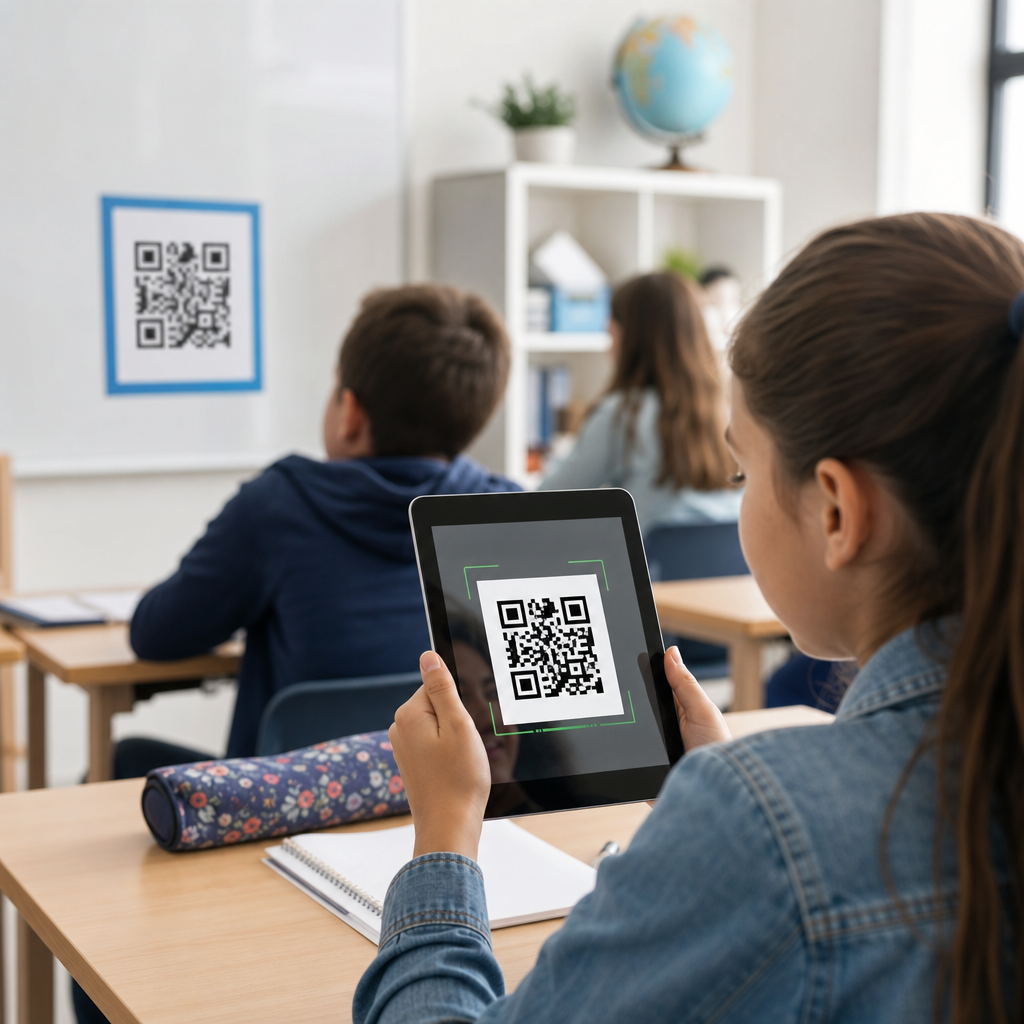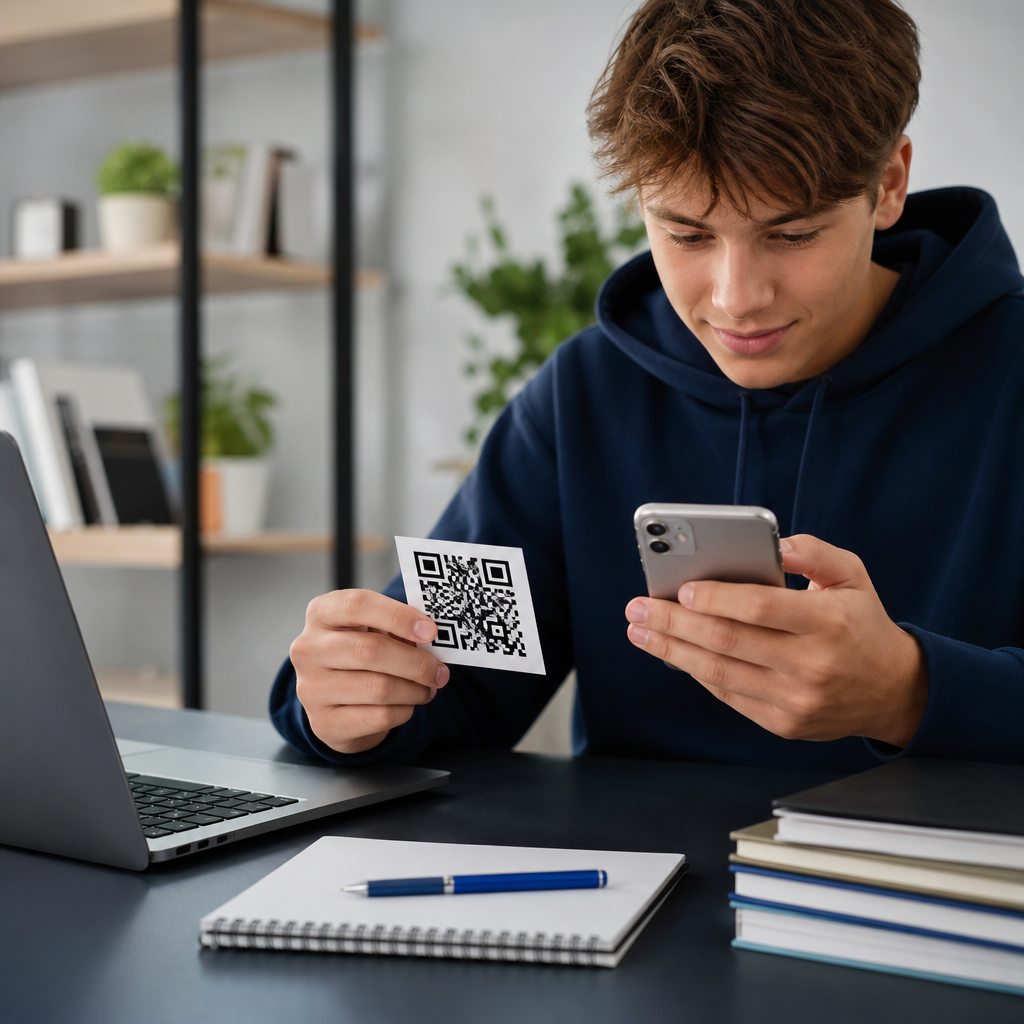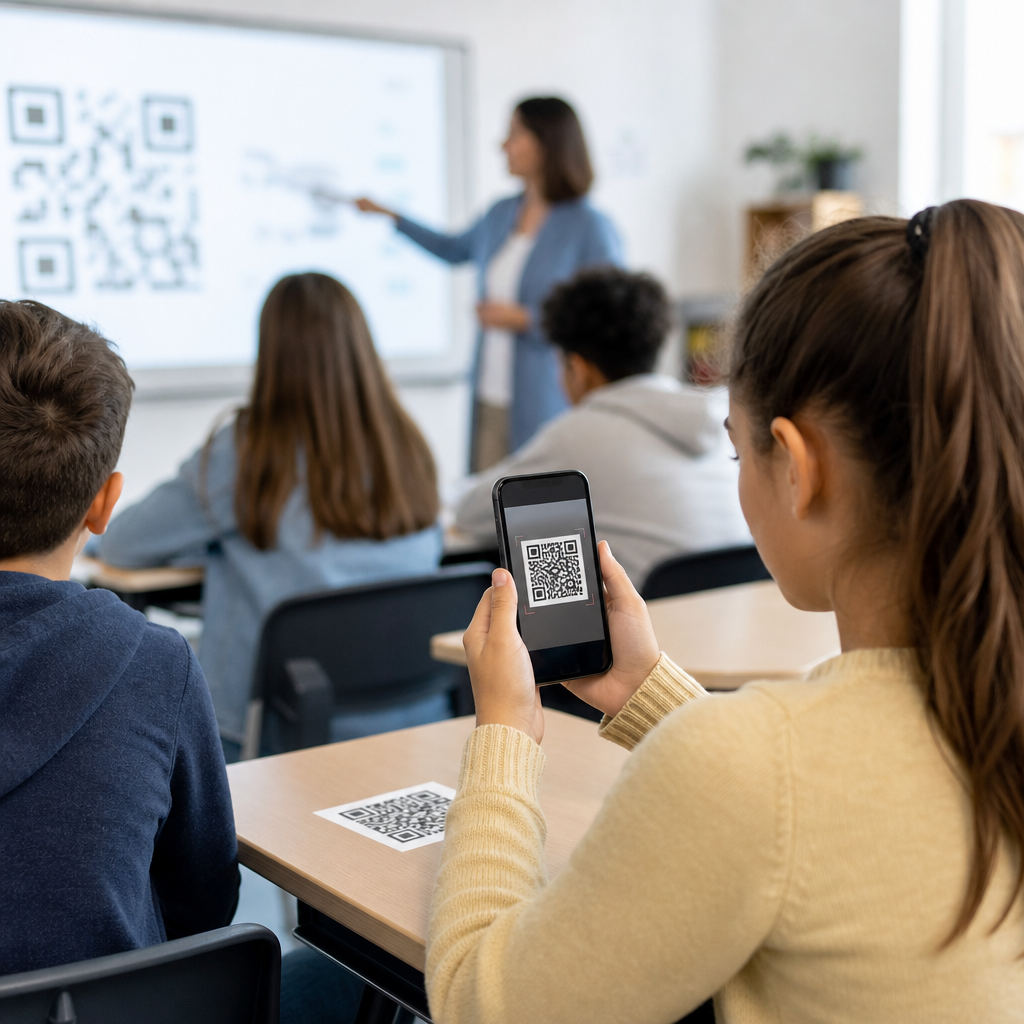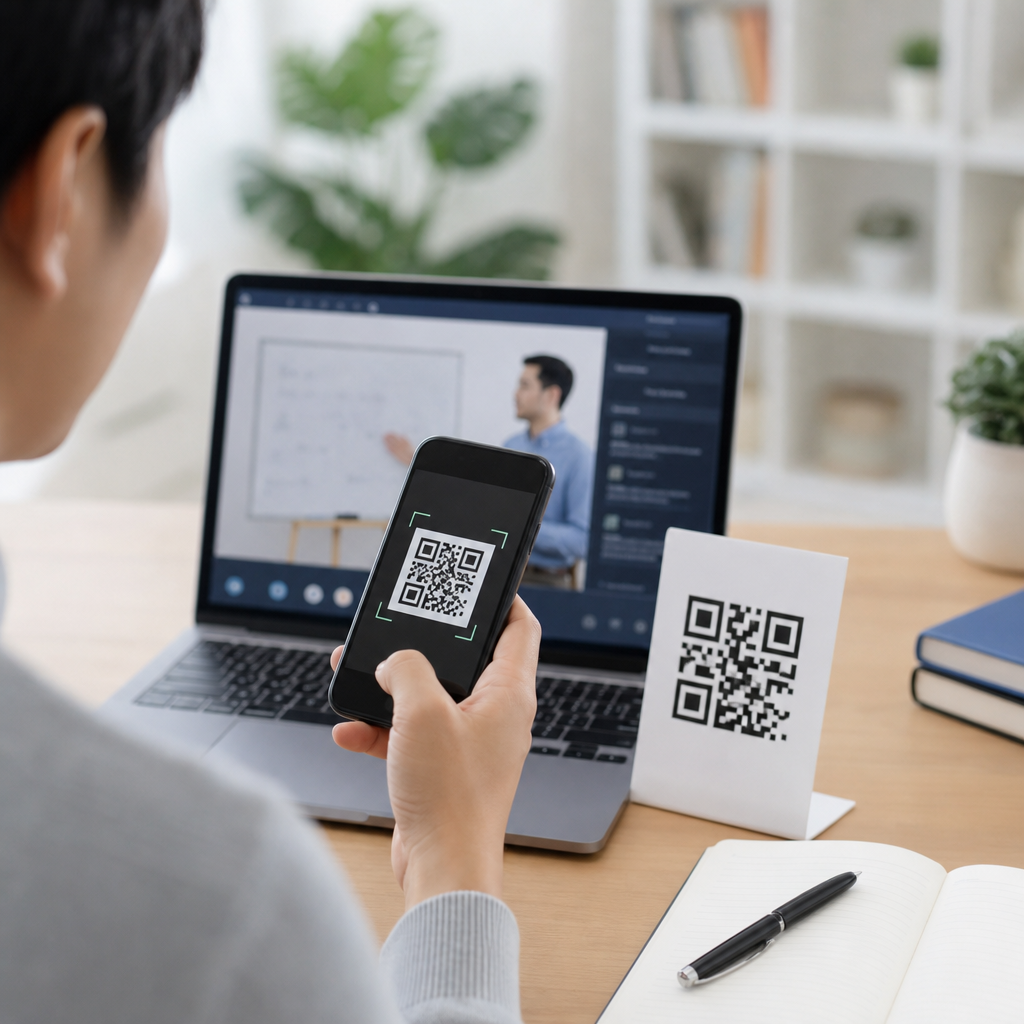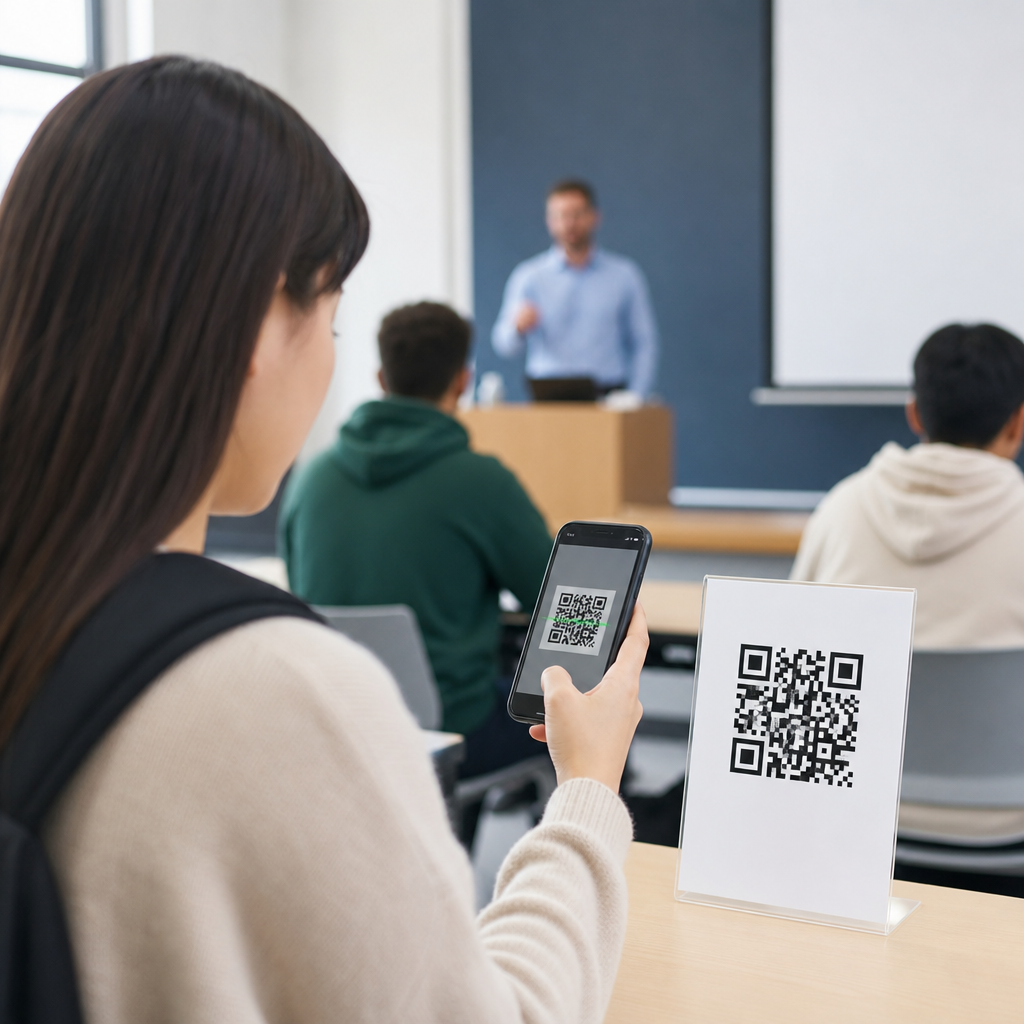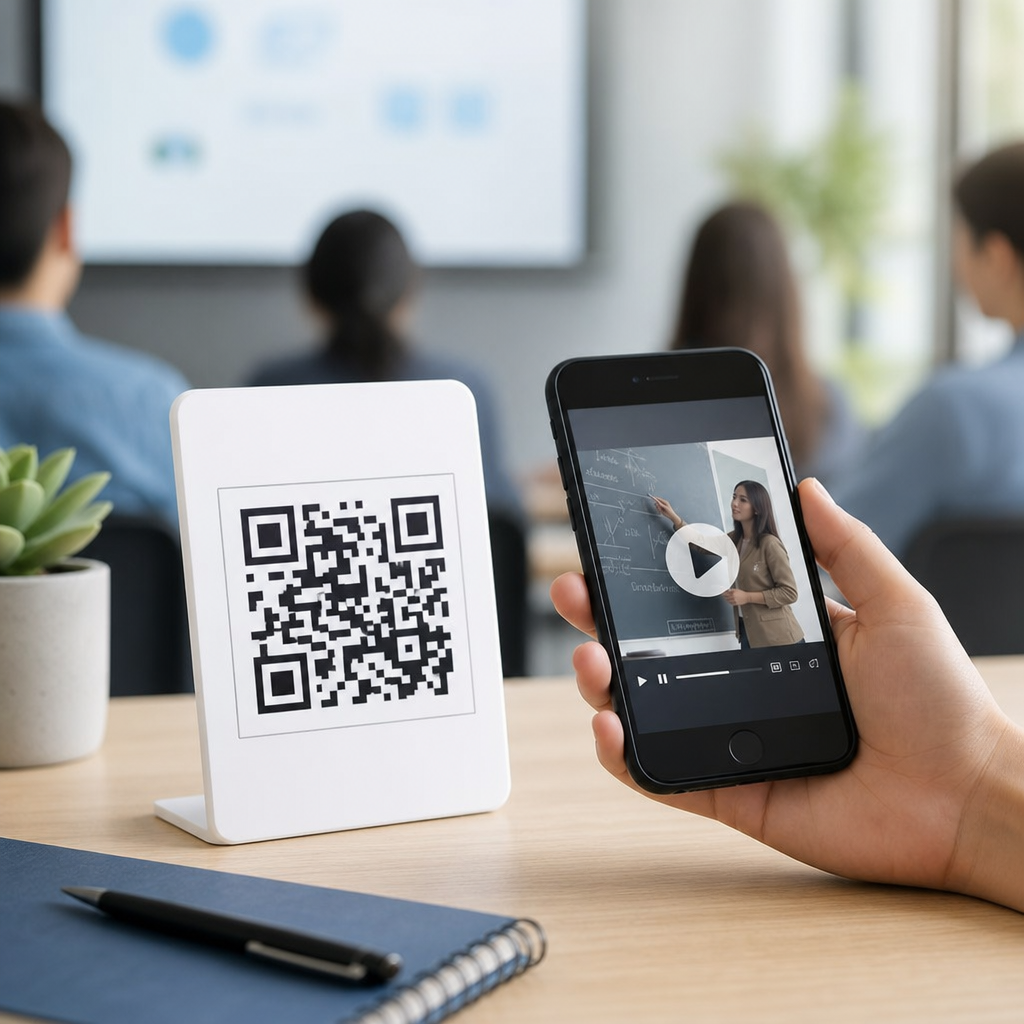

QR codes for conference networking have moved from a novelty on badges to a practical system for connecting attendees, sharing content, and measuring event engagement. In conferences, trade shows, summits, and association meetings, a QR code is a scannable two-dimensional barcode that can open a digital business card, registration page, exhibitor profile, session handout, survey, or lead form in seconds. Networking is the process of building professional relationships, and at live events it depends on lowering friction. That is why QR codes matter: they replace manual typing, reduce paper waste, improve data accuracy, and give organizers a measurable way to understand what attendees actually do on site.
I have seen this shift firsthand in event programs where printed directories went untouched while badge scans, mobile profile views, and session resource links drove hundreds of interactions in a single day. The reason is simple. Conference attendees are busy, often moving between keynote rooms, expo booths, breakout sessions, and sponsor activations. A code that instantly opens a LinkedIn profile, downloadable brochure, meeting scheduler, or speaker deck respects that time pressure. For event planners, QR codes also connect networking to the broader Events & Ticketing workflow: registration, check-in, access control, exhibitor lead retrieval, post-event follow-up, and attendance analytics. Used well, they make conferences more useful for attendees and more measurable for organizers.
This hub page covers the core use cases, implementation choices, design rules, security considerations, and success metrics behind QR codes for conference networking. It also acts as the foundation for related articles in the Events & Ticketing topic, including QR codes for ticket validation, badge printing, sponsor activations, session check-in, exhibitor lead capture, venue wayfinding, and post-event surveys. If you need a working definition, the best one is direct: a conference networking QR code is a scannable link placed on a badge, sign, app screen, or printed asset that helps people exchange information or complete an event action immediately.
How QR codes improve networking at conferences
QR codes improve conference networking by removing the slowest steps in information exchange. Instead of spelling names over ballroom noise or handing out cards that later get lost, attendees scan a code and save contact details instantly. The most effective setup links to a mobile landing page with a person’s name, company, title, headshot, social profiles, email, and a button to book a follow-up meeting. This is faster than manual data entry and more accurate than collecting handwritten notes. It also helps international attendees, whose names and company details are often entered incorrectly when typed under pressure.
For organizers, the benefit extends beyond convenience. Every scan can become a measurable interaction. Dynamic QR codes, unlike static ones, can be updated after printing and tracked through analytics platforms. That matters when an organizer wants to know which sponsor booths generated the most scans, which breakout sessions drove resource downloads, or whether a networking lounge sign converted into booked meetings. Event teams commonly pair QR platforms with CRM systems such as Salesforce, HubSpot, or Zoho CRM, and with registration platforms like Cvent, Eventbrite, Bizzabo, or Swapcard. The result is a cleaner path from attendee interest to attributed event ROI.
Exhibitors also gain a better lead qualification process. At many trade conferences, booth staff use a QR code on a counter display to send visitors to a short form, product selector, or demo scheduler. That lets the attendee choose the next step instead of passively dropping a card into a bowl. A software vendor, for example, may route scans from an enterprise security event to separate landing pages for CISOs, IT managers, and channel partners. The code is the same on the sign, but the destination can be adjusted in real time based on campaign needs, capacity, or broken links.
Core use cases across Events & Ticketing
Conference networking is only one part of the wider Events & Ticketing ecosystem, but it is the most visible because it touches nearly every attendee journey stage. Before the event, organizers use QR codes in confirmation emails and event apps for registration lookup, agenda access, and pre-booked meeting schedules. At arrival, the code may serve as a ticket for self-service kiosks, rapid badge pickup, or VIP check-in. During the event, codes support networking, session attendance confirmation, speaker resource downloads, exhibitor lead capture, sponsor promotions, scavenger hunts, and venue maps. After the event, the same framework powers surveys, certificate downloads, gated recordings, and follow-up offers.
When I map a conference QR strategy, I separate attendee-facing and operator-facing use cases. Attendee-facing uses include digital business cards, contact exchange, app deep links, Wi-Fi login pages, and community sign-ups. Operator-facing uses include access control, inventory redemption, contest entries, and staff workflow triggers. This distinction matters because the design and destination logic differ. A code intended for fast hallway networking should open instantly with minimal fields. A code used for lead retrieval at an expo booth can support qualification questions, consent language, and CRM tagging without harming the attendee experience.
| Use Case | Primary Goal | Best Placement | Key Metric |
|---|---|---|---|
| Digital contact exchange | Save attendee details fast | Badge, app profile, table tent | Unique scans per person |
| Session resource access | Distribute slides or handouts | Stage screen, seat card, signage | Downloads after session |
| Exhibitor lead capture | Collect qualified prospects | Booth counter, demo station | Form completions |
| Ticketing and check-in | Speed entry and validation | Email, wallet pass, kiosk screen | Average processing time |
| Post-event survey | Gather feedback | Exit sign, follow-up email | Response rate |
Best practices for creating effective conference QR codes
The best conference QR codes are dynamic, high contrast, tested across devices, and tied to a mobile-optimized destination. Dynamic codes are essential because event details change. A speaker cancels, a room changes, a sponsor updates a landing page, or a capacity limit is reached. Reprinting thousands of badges or signs is expensive; updating a destination URL is not. Error correction level should match the environment. In crowded venues with glare, folds, or badge lanyard movement, medium to high error correction usually performs better, though overly dense codes can become harder to scan when printed small.
Size and placement matter more than most teams expect. For badges, the code should be large enough for another attendee to scan at arm’s length without awkward positioning. For wall signage, it must remain readable from the expected distance; a small code on a high banner is decorative, not functional. Quiet zone, contrast, and substrate are equally important. A code printed over a busy brand pattern or metallic finish will fail under venue lighting. I advise teams to test with both iPhone and Android cameras, plus older devices common among corporate attendees. If a code does not scan instantly during rehearsal, it will perform worse on the show floor.
The destination experience should answer a simple question immediately: what does the attendee get after scanning? If the code is for networking, open a profile with obvious save-contact and connect buttons. If it is for a sponsor giveaway, show the offer, the deadline, and consent terms without forcing unnecessary navigation. If it is for session materials, put the assets above the fold and include the speaker name, title, and event branding so attendees know they landed in the right place. Strong QR performance comes from reducing cognitive load after the scan, not merely from generating the symbol.
Security, privacy, and operational limits
QR codes are useful, but they are not risk-free. At public events, malicious actors can place sticker overlays on signs, replacing a legitimate code with a phishing link. Organizers should inspect physical assets, use branded short domains, and show the destination domain clearly on landing pages. For attendee trust, secure connections over HTTPS are mandatory. When a code collects personal data, the form should explain what is being captured, how it will be used, and whether it will be shared with sponsors. This is especially important for conferences with European attendees, where GDPR obligations can apply, and for California-based audiences under CCPA-style expectations.
There are operational limits too. Not every venue has reliable connectivity, and not every attendee wants to scan. Good event design offers a fallback path such as NFC badge tap, manual URL entry, staffed assistance, or printed essentials. Accessibility must also be considered. A QR code alone is not accessible to every attendee, especially if visual impairment, low dexterity, or device limitations are factors. Pair codes with plain-language instructions and human support. Also remember that scans are not the same as meaningful engagement. A booth may generate many scans because of a prize draw yet produce low-quality leads. Metrics need interpretation.
Measuring success and building the hub strategy
Success with QR codes for conference networking is measured through both efficiency and outcome. Efficiency metrics include scan rate, check-in speed, badge pickup time, bounce rate on landing pages, and session resource access. Outcome metrics include meetings booked, qualified leads captured, sponsor conversions, app sign-ups, survey completion, and revenue attributed to event contacts. The strongest programs use UTM parameters, CRM campaign tagging, and event analytics dashboards to connect scans with downstream actions. That creates a factual picture of which networking moments matter, rather than relying on anecdotal feedback from exhibitors or staff.
As the hub for Events & Ticketing, this page should connect to deeper content on ticket validation, contactless check-in, badge QR code design, exhibitor lead retrieval, networking app integration, speaker handout delivery, venue wayfinding, and post-event engagement. Those supporting articles answer narrower implementation questions, while this hub establishes the strategic view: QR codes work best when they are planned across the entire event lifecycle, from registration to follow-up. The main benefit is not the code itself. It is the removal of friction between attendee intent and event action. Review your current conference journey, identify every manual handoff, and replace the weakest step with a tested QR experience.
Frequently Asked Questions
How are QR codes used for conference networking?
QR codes make conference networking faster, more organized, and easier to track than traditional paper-based methods. Instead of relying only on business cards or manual contact entry, attendees, exhibitors, speakers, and sponsors can use a QR code to instantly share a digital business card, LinkedIn profile, company landing page, portfolio, calendar booking link, or follow-up form. At a conference, the code may appear on a badge, table tent, booth display, slide deck, presentation handout, event app profile, or even on-screen during a session.
In practical terms, one scan can help two people connect in seconds. For example, an attendee can scan another attendee’s code to save their contact details, an exhibitor can display a code that opens a product overview and lead capture form, or a speaker can share slides and session resources without asking people to type a long URL. Organizers also use QR codes to power check-ins, session attendance tracking, surveys, sponsor activations, and content downloads. This creates a smoother networking experience because people spend less time exchanging logistics and more time having actual conversations.
Another major advantage is measurability. Unlike a paper card that may get lost, a QR interaction can be connected to analytics such as scans, time, location, device type, and conversions. That gives exhibitors and event teams a clearer view of which booths attracted interest, which sessions drove engagement, and which networking tools produced real follow-up. In short, QR codes turn conference networking into a more digital, accessible, and data-informed process while still supporting the human relationship-building that makes events valuable.
What information should a conference networking QR code link to?
The best destination depends on the networking goal, but in most cases a conference QR code should open something that is immediately useful, mobile-friendly, and easy to act on. For individual attendees, that often means a digital business card with name, title, company, email, phone, website, social links, and a simple option to save the contact. For speakers, the code may link to a profile page, presentation slides, session takeaways, downloadable resources, or a mailing list signup for continued education and follow-up.
For exhibitors and sponsors, the most effective QR code destinations usually combine information with conversion. A code can link to an exhibitor profile, product catalog, demo booking page, coupon, lead form, case study, or a page tailored specifically to conference visitors. Instead of sending people to a generic homepage, it is better to use a landing page that reflects the event context and makes the next step obvious. If the goal is lead generation, the page should include a short form, a clear value proposition, and a strong call to action such as requesting a quote, scheduling a meeting, or downloading a guide.
Organizers can use QR codes to direct people to agendas, venue maps, session materials, networking lounges, community groups, feedback surveys, and post-event content hubs. The key is relevance and simplicity. A QR code should not force users to search again after scanning. It should deliver exactly what they expect based on where they found the code. Clear labeling matters too. If the badge says “Scan to connect,” users should land on contact-sharing information. If a booth sign says “Scan for demo,” the page should open directly to demo-related content. Matching the destination to the attendee’s immediate intent is what makes the QR code genuinely useful for networking.
Are QR codes better than traditional business cards at conferences?
QR codes are often more efficient than traditional business cards, but the strongest approach is usually a combination of both. A paper business card is still familiar, tangible, and convenient in certain situations, especially when someone wants a quick physical reminder after a conversation. However, business cards create friction because the recipient still has to manually type in contact details, search for the person online, or remember the context of the meeting later. That delay is exactly where valuable networking opportunities often weaken.
QR codes improve that process by making contact exchange immediate and digital. When someone scans a code, they can open a profile page, save a vCard, connect on LinkedIn, or access follow-up content instantly. This reduces errors, eliminates illegible handwriting, and gives both parties a faster path to continued communication. QR codes also allow richer information sharing than a business card can provide. Instead of just a name and phone number, a code can deliver a full professional profile, presentation materials, product pages, scheduling links, and customized follow-up offers.
From an operational perspective, QR codes also provide advantages that paper cannot. They can be updated if the linked destination changes, and dynamic QR codes can be measured to show how often they were scanned and what actions users took afterward. That is especially valuable for exhibitors and event marketers trying to prove ROI from conference participation. The limitation is that QR codes depend on smartphones, scanning confidence, and a good digital destination. If the landing page is poor or the code is not clearly explained, adoption can drop. So while QR codes are often better for speed, scalability, and analytics, pairing them with thoughtful in-person conversation and, when appropriate, a physical card gives the most complete networking strategy.
What are the best practices for creating effective QR codes for event networking?
Effective conference networking QR codes start with a clear purpose. Before creating the code, decide exactly what action you want the attendee to take: save a contact, book a meeting, download a handout, complete a lead form, visit an exhibitor profile, or join a post-event community. When the purpose is specific, the landing page and the call to action become much stronger. A generic QR code that leads to a broad homepage usually performs worse than one that takes users directly to the most relevant action.
Design and placement are equally important. The QR code should be large enough to scan easily, printed with strong contrast, and placed where people can access it without awkward positioning. Badges, booth counters, banners, slide presentations, and printed materials can all work well, but each should include a short instruction such as “Scan to save my contact,” “Scan for session slides,” or “Scan to request a demo.” That short line removes uncertainty and increases scan rates because people understand the value before using their phone.
The destination page should be mobile-optimized, fast-loading, and simple to navigate. Conference attendees are usually scanning while standing, walking, or speaking with someone, so the experience must work well under real event conditions. Keep forms short, make buttons easy to tap, and avoid requiring unnecessary steps. If you are collecting leads, ask only for essential information. If you are sharing content, make it accessible immediately rather than hiding it behind long registration flows.
It is also smart to use dynamic QR codes when possible. Dynamic codes allow you to change the destination URL without reprinting the code, which is helpful if details change before or during the event. They also support tracking, making it easier to measure scans, conversions, and engagement by location or campaign. Finally, test everything in advance. Scan the code with multiple devices, check the page load time on mobile data, review the form flow, and verify that any analytics or CRM integrations are working properly. The most effective networking QR codes are not just scannable; they are intentional, user-friendly, and connected to a real follow-up process.
Can QR codes help measure conference engagement and networking ROI?
Yes, QR codes can play a major role in measuring conference engagement and networking ROI because they create a trackable digital bridge between in-person interactions and online actions. When attendees scan a QR code, that scan can be tied to data points such as the number of interactions, the time of day, the source location, the device used, and what happened next on the landing page. This is especially useful at conferences, where many important conversations happen face to face and are otherwise difficult to quantify.
For exhibitors, QR codes can reveal which booth displays, product areas, or offers generated the most attention. A code on a product demo station may produce different results than one on a banner or sales handout, and those differences help teams understand what messaging and placement were most effective. If the QR code leads to a lead form, meeting scheduler, gated asset, or pricing request page, the company can go beyond scan counts and evaluate true conversion activity. That makes it easier to connect conference participation to pipeline creation, follow-up meetings, and sales opportunities.
For organizers, QR codes can help measure session popularity, resource downloads, sponsor engagement, attendee movement, and post-event feedback. A speaker’s slide QR code can show how many people wanted the materials, while a survey code can reveal satisfaction levels by session or audience segment. Organizers can also compare engagement across event zones, content tracks, or sponsor activations to improve future programming and layouts.
That said, raw scan volume should not be treated as the only success metric. A high number of scans is useful, but what matters more is whether those scans lead to meaningful actions such as saved contacts, scheduled meetings, survey completions, qualified leads, or ongoing communication after the event. The strongest ROI analysis combines QR code data with CRM records, email follow-up performance, meeting outcomes, and broader event goals. When used this way, QR codes become more than a convenience feature; they become a practical tool for understanding which networking efforts at a conference actually produced value.</p