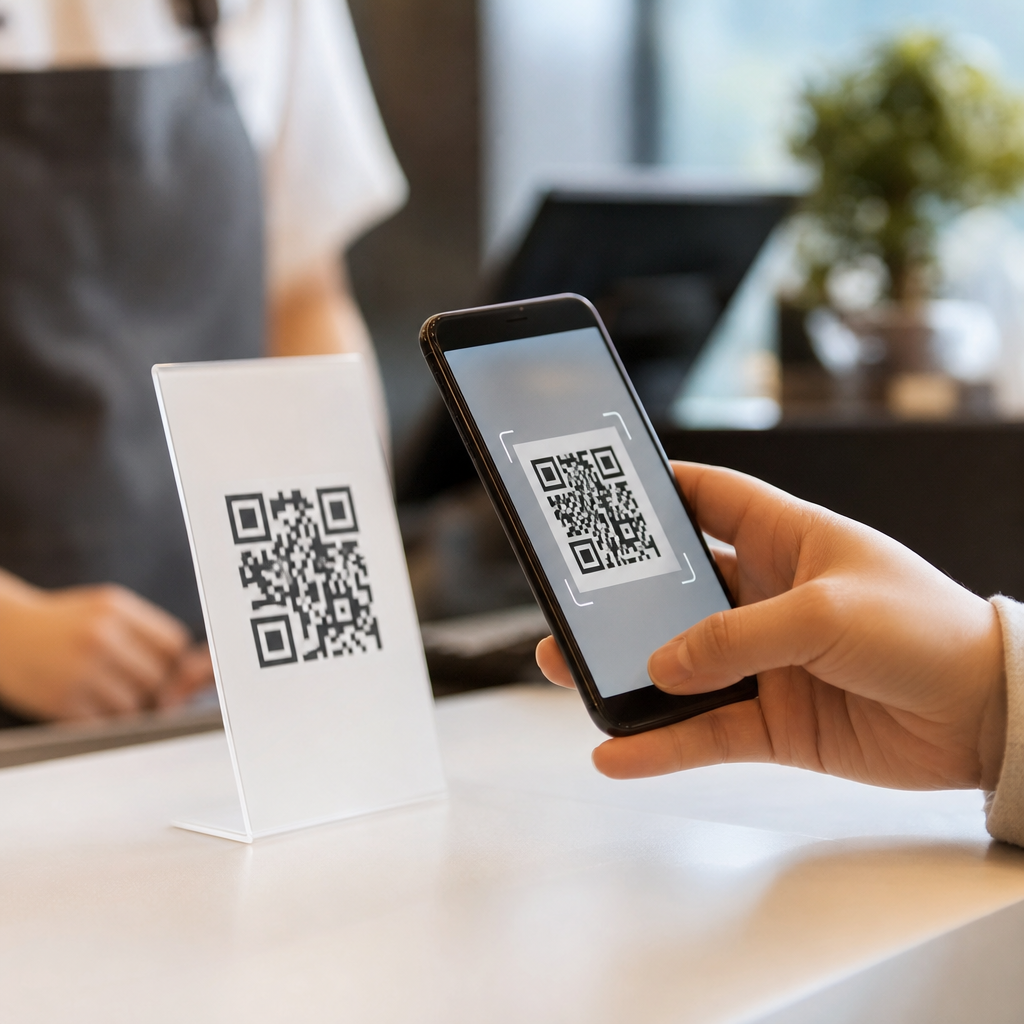
QR codes for digital receipts have moved from a clever checkout add-on to a practical standard across retail and e-commerce, because they solve a simple problem: shoppers want proof of purchase without the friction, waste, and privacy risks of paper slips. A digital receipt is an electronic record of a transaction, usually delivered by email, SMS, wallet pass, app notification, or web page. A QR code is a scannable matrix barcode that connects a customer or store system to that receipt instantly. In retail and e-commerce, the pairing matters because it improves returns, supports loyalty, reduces print costs, and creates a cleaner handoff between in-store and online buying journeys.
I have worked with store operators that were spending thousands each year on thermal paper, printer maintenance, and labor tied to reprinting lost receipts. In those environments, QR codes changed the workflow quickly. Instead of asking cashiers to capture an email every time, the point-of-sale system generated a secure code on the customer display, receipt screen, or package insert. The customer scanned it and chose how to save the receipt. This small shift reduced checkout delay, lowered paper usage, and gave customers more control over their data. For e-commerce teams, the same idea appears inside order confirmation pages, shipment inserts, and self-service return portals, where QR-linked receipts create a consistent record from purchase through post-purchase support.
The topic matters for more than convenience. Retailers need auditable sales records, customers need easy returns and warranty claims, and brands need systems that work across channels. Digital receipts tied to QR codes can support all three when implemented well. They can also feed inventory reconciliation, customer service verification, tax documentation, and fraud prevention. This hub page explains how QR codes for digital receipts work in retail and e-commerce, where they fit best, what benefits they deliver, what risks to manage, and how to build a scalable program that serves stores, websites, marketplaces, and mobile apps without creating new friction for shoppers or staff.
How QR codes for digital receipts work in retail and e-commerce
At the transaction level, the process is straightforward. A point-of-sale platform, order management system, or commerce backend creates a receipt record with line items, taxes, discounts, payment metadata, and store or fulfillment identifiers. The system then generates a QR code that points to a secure receipt URL, tokenized document, or wallet-ready asset. In stores, that code can appear on the pin pad, customer-facing display, printed mini-slip, or kiosk screen. In e-commerce, it can appear on the order confirmation page, in the account area, inside a package insert, or on a packing slip for later scanning.
The best implementations do not expose raw order numbers alone. They use signed tokens, expiring links, or authenticated retrieval to prevent unauthorized access. When I have audited these programs, the strongest setups separated the public scan action from the private receipt details. The QR code opened a landing page where the customer verified identity with a partial email, phone number, login session, or one-time passcode. This matters in retail because receipts often include card type, loyalty identifiers, refund values, and SKU-level purchasing patterns that should not be visible to anyone who finds a discarded label or screenshot.
Operationally, digital receipt QR codes sit at the intersection of POS, CRM, loyalty, returns, and analytics. Retailers using platforms such as Shopify, Adobe Commerce, Salesforce Commerce Cloud, Square, NCR, Lightspeed, or Oracle Retail typically connect receipt generation through APIs or middleware. That connection determines whether the receipt is simply a static proof of purchase or a living service record that can update with shipment events, return status, warranty registration, and support notes. In omnichannel retail, that distinction is important, because the same customer may buy online, pick up in store, exchange by mail, and contact support by chat. A QR-linked receipt becomes the transaction thread that keeps those events connected.
Why retailers and e-commerce brands adopt digital receipts
The business case starts with cost and efficiency. Thermal paper, printer supplies, device repairs, and checkout interruptions add up fast at scale. Large chains processing millions of transactions can save meaningful operating expense by reducing printed receipts, especially where receipt lengths are inflated by coupons, return policies, and loyalty messaging. Cashiers also spend less time reprinting paper records or manually searching for transactions when a customer initiates a return. On the e-commerce side, QR-linked receipts reduce support contacts because customers can retrieve order details themselves without digging through inboxes for old emails.
Customer experience is the second driver. Many shoppers lose paper receipts, and many ignore email receipts sent to crowded inboxes. A QR code offers immediate capture at the moment of purchase. When the scan leads to a mobile-friendly receipt page with options to save to Apple Wallet, Google Wallet, email, or a retail app, the receipt becomes easier to keep and easier to use. This is especially valuable for high-return categories such as apparel, footwear, and consumer electronics, where size exchanges, warranty claims, and gift returns are common. The easier the receipt retrieval, the faster the service interaction.
There is also a data and compliance advantage. Digital receipts can carry structured data that supports VAT, GST, state tax reporting, product recalls, and serial number tracking. If a retailer sells regulated items, batteries, or warrantied devices, a digital receipt can preserve the exact model, date, and seller details in a durable format. That supports customer protection and reduces disputes. Tradeoffs exist, of course. Not every customer wants a digital record, some jurisdictions have specific receipt rules, and stores must preserve accessibility for shoppers without smartphones. The right approach is optionality, not forced digitization.
Use cases across stores, websites, and omnichannel service
In physical stores, the clearest use case is checkout. The customer scans a QR code on the terminal and saves the receipt before leaving. Specialty retail can go further. A furniture store may attach care instructions, delivery scheduling, and warranty terms to the same receipt link. A beauty retailer can connect purchased SKUs to shade information, replenishment reminders, and return windows. Grocery chains can use QR receipts for loyalty verification, digital coupon redemption, and rapid refund validation when an item is recalled or scanned incorrectly at checkout.
In e-commerce, digital receipt QR codes shine after delivery. Brands place a code on a package insert or packing slip so the buyer can scan and open the verified order record instantly. That is useful when the product is a gift, when the original order email is buried, or when a return starts from the product in hand rather than from the account dashboard. I have seen apparel brands reduce return friction by linking the code directly to an authenticated self-service portal where the customer selects the item, chooses a reason, and receives an exchange or refund path in minutes.
Omnichannel service benefits most. Buy online, pick up in store creates frequent receipt confusion because the purchase, pickup, and return may happen in different systems or locations. A QR-linked digital receipt gives associates a common reference point. The same applies to endless aisle orders, marketplace sales fulfilled by a brand, and ship-from-store transactions. When support agents, store associates, and customers all pull from the same receipt record, disputes drop and service consistency improves.
| Channel | Primary QR receipt use | Operational benefit |
|---|---|---|
| In-store checkout | Instant scan to save purchase proof | Less paper, faster lines, easier returns |
| E-commerce delivery | Package insert links to order record | Lower support volume, smoother returns |
| BOPIS and curbside | Unified receipt across purchase and pickup | Fewer cross-system mismatches |
| Marketplace fulfillment | Brand-controlled post-purchase receipt access | Better service despite third-party sale |
Implementation best practices, security, and measurement
Successful programs start with receipt architecture. Define what the receipt must contain, how long it must be retained, who can access it, and which systems are authoritative for updates. Use dynamic QR codes rather than static ones when you need revocation, analytics, or destination changes. Keep landing pages fast and mobile optimized. If the scan experience takes more than a few seconds or asks for too much information, adoption drops sharply. In stores, train cashiers to present the option clearly: scan to save, print if preferred. That script matters because customer confusion at checkout can erase the efficiency gain.
Security requires equal attention. Tokenize receipt links, limit exposed personal data, and align retention with privacy laws and accounting obligations. For payment references, never surface full card numbers; mask data according to PCI DSS practices. If customer data is processed for marketing, obtain consent separately from receipt delivery. In my experience, brands get into trouble when they treat digital receipts as a back door for list building. A receipt is a service document first. Marketing can follow only when permissions are explicit and records are clean.
Measurement should cover both customer and operational outcomes. Track scan rate, save rate, print deflection, return completion time, support contact reduction, and receipt retrieval success. For e-commerce, monitor whether QR-linked receipts improve repeat purchase behavior or reduce account login friction. For stores, compare checkout duration and paper costs before and after launch. The strongest retail teams also audit exception cases: no-scan customers, gift recipients, split tenders, offline transactions, and system outages. Those edge cases determine whether a digital receipt program works in the real world, not just in a pilot.
QR codes for digital receipts give retail and e-commerce brands a practical way to connect proof of purchase, service history, and customer convenience in one simple interaction. When the system is designed well, shoppers get faster access to receipts, easier returns, and better post-purchase support, while merchants reduce paper dependence, streamline operations, and preserve cleaner transaction records across channels. The value is highest in omnichannel environments, where one purchase may touch stores, apps, warehouses, and service teams before it is fully resolved.
The key is disciplined execution. Retailers should offer digital receipts by QR code as a default option, not a forced requirement; secure access with tokenized links or verification; integrate receipt data with returns, loyalty, and support systems; and measure real outcomes such as print reduction, return speed, and customer adoption. Brands that treat the receipt as a durable service asset, rather than a disposable checkout artifact, create a stronger retail experience from purchase through retention. If you are building an industry-specific strategy for retail and e-commerce, start by auditing your current receipt journey and map where a QR-based digital receipt can remove friction first.
Frequently Asked Questions
What are QR codes for digital receipts, and how do they work at checkout?
QR codes for digital receipts are scannable codes that connect a purchase to an electronic proof of sale instead of a printed paper slip. At checkout, the code can appear on a payment terminal, point-of-sale screen, printed display, packaging insert, or confirmation page. The customer scans it with a smartphone camera, and the scan opens a receipt web page, saves a wallet pass, launches a store app, or triggers delivery by email or SMS. In some systems, the process works the other way around, with the customer presenting a QR code tied to their loyalty profile so the retailer can attach the receipt directly to the correct account.
The main advantage is that the transaction record becomes instantly accessible in a digital format that is easier to store, search, and retrieve later. Instead of managing fading thermal paper, customers can look up details such as purchase date, item list, taxes, payment method, and return information from their phone or inbox. For retailers, QR-powered digital receipts reduce printing costs, speed up the end of the checkout flow, and create a more reliable path for post-purchase service. In both retail and e-commerce settings, the QR code acts as the bridge between the completed transaction and the receipt record the customer actually wants to keep.
Why are businesses replacing paper receipts with QR code digital receipts?
Businesses are moving toward QR code digital receipts because they solve several practical issues at once. Paper receipts are easy to lose, expensive to print at scale, and often become unreadable over time. They also slow checkout when printers jam, run out of paper, or require staff intervention. A QR code offers a faster and cleaner alternative by giving customers immediate access to the same purchase record in a digital format that does not depend on a physical printout.
There are also clear operational and customer experience benefits. Digital receipts make returns, exchanges, warranty claims, and expense tracking easier because the record is stored electronically and can be searched later. They help brands reduce paper waste and support sustainability goals without forcing customers to share more personal information than necessary. In privacy-conscious implementations, a shopper can scan a code and access a receipt page without dictating an email address aloud at the register. For e-commerce, the value is similar: QR codes can connect order confirmations, shipment inserts, or pickup flows to a clean digital receipt experience. As a result, what started as a useful add-on has become a practical standard for modern checkout.
Are QR code digital receipts secure and private for customers?
They can be, provided the retailer uses a well-designed system. A QR code itself is simply a method of linking one action to another, so the security depends on what the code opens and how the receipt data is protected. Strong implementations use secure HTTPS links, limited-access receipt pages, tokenized identifiers, and expiration or authentication controls when appropriate. This helps ensure that receipt details are not openly exposed or easy to guess. Businesses should also avoid putting sensitive payment data directly into the QR code or displaying more personal information than necessary on the receipt page.
From a privacy standpoint, digital receipts often give customers more control than traditional paper workflows. A paper receipt can be dropped, copied, or seen by anyone nearby, while a digital receipt can be delivered directly to a private device or account. QR-based systems can also reduce the need for a cashier to ask for personal contact details in public. That said, customers should still scan only codes presented by trusted merchants and review where a scan leads before entering information. For businesses, the best practice is to be transparent about what data is collected, how long receipt records are stored, and whether the receipt is tied to marketing communications. Done correctly, QR code digital receipts can improve both convenience and privacy rather than forcing a tradeoff between the two.
Do customers need a special app to use a QR code for a digital receipt?
Usually, no. Most modern smartphones can scan QR codes directly through the native camera app, which makes the experience simple and accessible for the average shopper. After scanning, the phone typically opens a secure web page where the receipt can be viewed, downloaded, saved, or shared. Some retailers also offer optional app-based experiences that let customers store receipts in a purchase history, connect them to loyalty rewards, or use them for faster returns and support, but that is typically an enhancement rather than a requirement.
This app-free flexibility is one reason QR receipt systems are so effective. Customers do not have to install new software just to access proof of purchase, and retailers do not have to rely on every shopper being a loyalty member. At the same time, businesses can still support multiple delivery options for convenience, including email, SMS, wallet passes, and account-based storage. The best implementations meet customers where they are: scan if you want instant access, use an app if you prefer a connected experience, or choose another digital channel if that fits better. That low barrier to entry is a major reason QR codes work well for digital receipts across in-store, curbside, and online order journeys.
How do QR code digital receipts help with returns, warranty claims, and recordkeeping?
One of the biggest advantages of a QR code digital receipt is that it makes proof of purchase far easier to find when it actually matters. For returns and exchanges, customers no longer need to search drawers, wallets, or bags for a small paper slip that may have been lost or faded. Instead, they can pull up the receipt from a link, inbox, wallet, or purchase history and present it on their phone. Store staff can quickly verify transaction details, item quantities, dates, and payment information, which often shortens the service process and reduces disputes at the counter.
The same benefit applies to warranties, rebates, reimbursements, and personal recordkeeping. Many products require a dated receipt for service eligibility, and digital versions are easier to archive and retrieve months later. For shoppers, that means simpler budgeting, easier tax or expense reporting, and better tracking of household or business purchases. For retailers, it means cleaner transaction histories and more consistent customer support. Because the receipt is tied to a digital record rather than a fragile piece of paper, the entire post-purchase experience becomes more reliable. That reliability is a major reason QR codes for digital receipts are increasingly seen not just as a checkout convenience, but as an important part of the full customer service lifecycle.