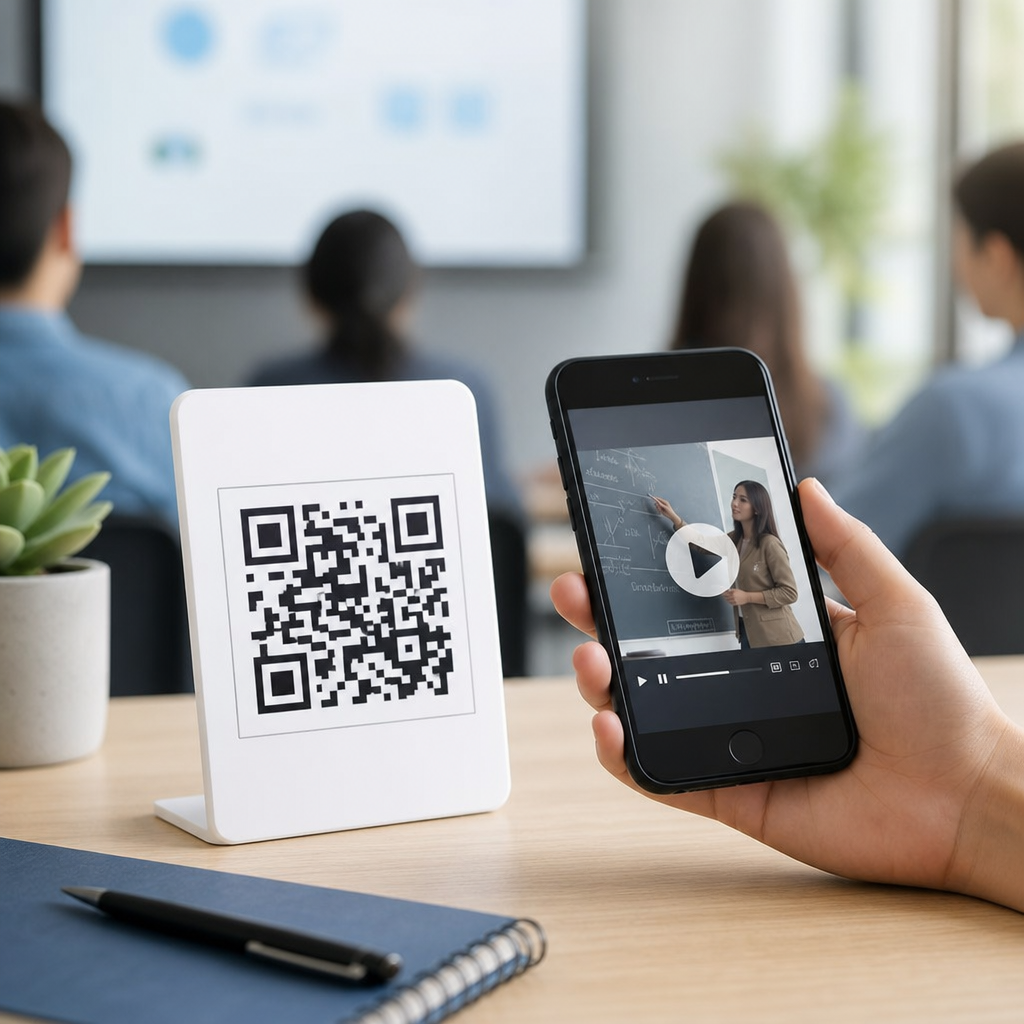
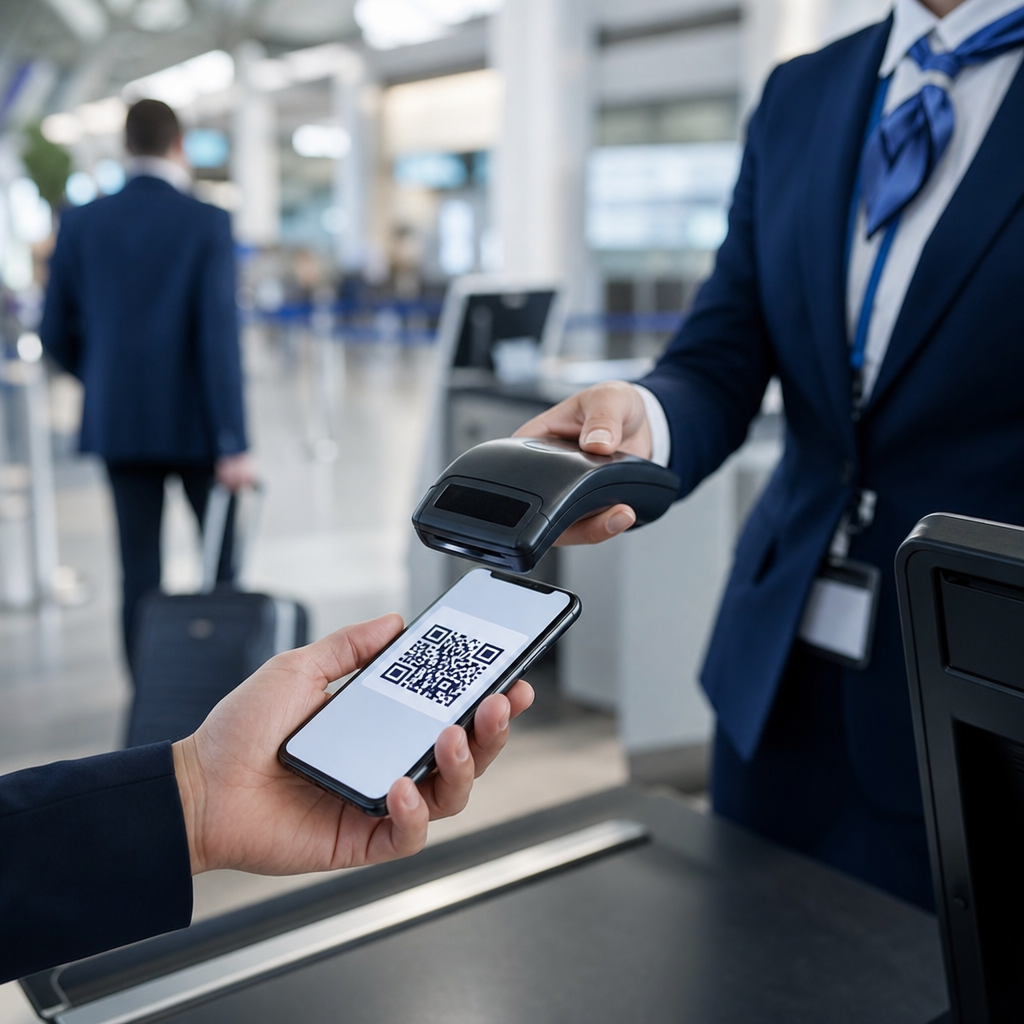
QR codes for airline check-in and boarding have become the quiet infrastructure behind modern air travel, turning a once paper-heavy process into a faster, more trackable digital journey. In practical terms, a QR code is a two-dimensional barcode that stores structured data, usually a booking reference, passenger identifier, security token, or link to a boarding credential. When scanned by an airline app, airport kiosk, gate reader, or security checkpoint device, that code connects the traveler to reservation and departure control systems in seconds. I have worked on travel and mobility deployments where the smallest delay at scan points created long queues, so the appeal of a compact, fault-tolerant code is not theoretical. It reduces friction at multiple touchpoints while supporting mobile-first passenger behavior.
For airlines, airports, and travel brands, this matters because check-in and boarding are operational bottlenecks with direct revenue and satisfaction consequences. A missed scan can delay a flight. A confusing mobile pass can increase support calls. A secure, readable QR code can improve throughput, reduce printing costs, enable self-service, and create cleaner data trails for compliance and analytics. Within travel and tourism, QR-based boarding is now linked to broader digital travel experiences, including online check-in, bag drop, lounge access, ancillary sales, destination services, and disruption management. This hub article explains how QR codes for airline check-in and boarding work, where they deliver value, what standards and risks matter, and how travel businesses can use them effectively across the wider passenger journey.
How QR Codes Power the Airline Passenger Journey
At the core of airline use is the digital boarding pass. After booking, a passenger checks in through an airline website, mobile app, kiosk, or online travel agency flow. The carrier’s departure control system validates identity details, seat assignment, fare rules, and document requirements, then issues a boarding credential encoded into a QR code. In many implementations, the code contains a signed payload or token that points back to airline systems rather than exposing all passenger data directly. That design keeps the mobile pass compact and improves security if a screenshot is shared.
The operational advantage is speed across multiple checkpoints. A traveler can scan the same or linked code at self-service kiosks, bag-drop stations, security pre-check lanes, lounge desks, and boarding gates. Airports using common-use systems can route scan results between airline and airport platforms, reducing manual lookups. In real deployments, the biggest improvement is not merely “paperless boarding”; it is exception reduction. When passengers have the correct code already loaded in a wallet app or airline app, staff spend less time reprinting documents and more time handling edge cases such as standby changes, passport verification, or missed connections.
Travel and tourism stakeholders beyond airlines also benefit. Airport retailers can tie promotions to post-security travelers. Ground transport providers can connect airport transfer confirmations to arrival flows. Destination operators, hotels, and cruise extensions can coordinate timing using flight status triggers. The QR code becomes the traveler’s lightweight digital key, linking air transport to the wider trip ecosystem. That is why this topic sits at the center of industry-specific travel applications rather than as a narrow airline feature.
Benefits for Airlines, Airports, and Travelers
For airlines, the most immediate benefit is lower processing cost. Printing fewer paper boarding passes reduces consumables and kiosk maintenance. More importantly, self-service check-in and boarding increase staff productivity during peak banks. I have seen airlines measure success in scans per minute at gates, because even a small throughput gain can protect on-time departure. Better scan performance also supports tighter turnarounds for short-haul operations, where minutes at the gate affect aircraft utilization.
Passengers gain convenience and control. A mobile boarding pass is harder to forget than a printed slip, especially when stored in Apple Wallet or Google Wallet with lock-screen notifications. If a gate changes, the pass can update automatically. If the traveler buys priority boarding or a seat upgrade, the credential can refresh without another airport queue. This reduces stress, particularly for infrequent flyers who already face uncertainty around security timing, baggage rules, and boarding groups.
Airports gain better crowd management and data visibility. Every scan creates a timestamp that can feed operational dashboards, queue predictions, and resource planning. During irregular operations, airports and airlines can identify where passengers are stalling: check-in, bag drop, security, or gate. That visibility matters during weather disruptions, peak holiday travel, and international departure waves. It also supports accessibility planning because operators can measure where assisted travelers need more intervention.
| Stakeholder | Primary Benefit | Practical Example |
|---|---|---|
| Airline | Faster gate processing | More passengers scanned per minute, improving on-time departure |
| Airport | Better queue data | Live scan timestamps reveal bottlenecks at bag drop or security |
| Traveler | Less friction | One mobile pass works across check-in, lounge access, and boarding |
| Travel partner | Connected services | Transfer, hotel, or tour messaging triggered by flight milestones |
Standards, Security, and Reliability Requirements
Effective airline QR codes are not just graphic squares; they are part of a controlled identity and operations framework. The airline industry commonly aligns digital boarding data with standards from IATA, including Bar Coded Boarding Pass guidance, while airport systems may operate through common-use platforms and regulated security interfaces. In practice, that means the code must be readable on different screen sizes, brightness levels, scanner types, and network conditions. A design that scans perfectly in a test lab can fail at a sunny gate with cracked phone screens and tired passengers.
Security is equally important. Boarding credentials should use signed data, short-lived tokens, or server-side validation to reduce fraud. Sensitive personal information should be minimized in the visible payload. Screenshot sharing, phishing links, and spoofed travel messages are real risks, especially when passengers are trained to trust anything that resembles a boarding pass. Airlines should pair QR deployment with app authentication, transport-layer encryption, and clear brand messaging. For international journeys, passport and visa checks may still require document verification beyond the QR code, so digital convenience does not eliminate regulatory control.
Reliability depends on fallback planning. Phones die, apps crash, and airport connectivity drops. Well-run programs provide wallet support, offline display capability, kiosk recovery, and staffed exceptions. I have found that the best implementations assume failure at every step and design for graceful recovery. That is the difference between a useful travel technology and a queue-creating experiment.
Best Practices for Travel and Tourism Implementation
Airlines and travel brands should start with the highest-friction use cases, not the flashiest ones. For most programs, that means domestic mobile boarding, self-service bag drop, and gate scanning before expanding into lounge access, interline journeys, or partner experiences. The key metrics are scan success rate, average processing time, app save rate, and exception handling volume. If those numbers are not improving, the design needs work regardless of how modern the interface looks.
Usability details matter more than many teams expect. The QR code should appear above the fold, with strong contrast and no clutter around the active scan area. The app should tell travelers when to increase brightness, disable auto-lock temporarily, and preload the boarding pass before arriving at the airport. For multilingual travel audiences, instructions must be direct and icon-supported. For accessibility, color contrast, screen reader labels, and simple navigation are mandatory, not nice extras.
Within the broader travel and tourism ecosystem, QR-based boarding works best when connected to adjacent services through APIs and event triggers. A successful hub strategy links airline check-in content with articles on hotel check-in, attraction ticketing, cruise embarkation, airport wayfinding, baggage tracking, and travel insurance claims. That internal structure reflects how real trips unfold. A traveler does not experience the airline in isolation; they move through a chain of providers. QR codes are valuable because they can unify that chain with one familiar interaction model: scan, verify, proceed.
Implementation should also address privacy, consent, and data retention. Travel companies often want to use scan data for personalization, but they should collect only what serves operations or agreed marketing use. A timestamp at the gate may help improve boarding groups; indefinite retention of movement data may create compliance risk under laws such as GDPR. The strongest programs document why data is captured, who can access it, and when it is deleted. That discipline builds trust and prevents digital convenience from becoming surveillance by default.
The Future of QR Codes in Travel & Tourism
QR codes will remain central to travel because they are cheap, familiar, and hardware-light, but their role is expanding. The next phase is not simply replacing paper; it is orchestrating the full trip. Airlines are linking boarding passes to real-time disruption notices, rebooking options, airport maps, and ancillary offers. Airports are pairing scan data with biometrics, though biometric boarding still requires careful consent management and regulatory oversight. Hospitality and destination brands are also using flight-linked triggers to time check-in readiness, transfer dispatch, and activity reminders more accurately.
For the travel and tourism sector, the durable lesson is that airline check-in and boarding are ideal proving grounds for QR strategy. The user value is obvious, the operational return is measurable, and the standards environment is mature enough to support scale. Companies that implement thoughtfully can reduce friction while creating a more connected journey from booking to arrival. The best next step is simple: audit your passenger touchpoints, identify where manual verification still slows travel, and design a QR experience that works reliably in the real world.
Frequently Asked Questions
How do QR codes work for airline check-in and boarding?
QR codes for airline check-in and boarding act as a compact, scannable bridge between a traveler and the airline’s digital systems. After a passenger checks in through an airline website, mobile app, airport kiosk, or partner travel platform, the system generates a boarding credential tied to that specific reservation. The QR code typically contains structured information such as a booking reference, passenger record, flight segment details, seat assignment data, or a secure token that points to those records in the airline’s database. When the code is scanned at a kiosk, security checkpoint, lounge entrance, bag drop, or boarding gate, the scanner reads the data almost instantly and verifies it against the airline or airport system.
What makes this process so useful is speed and consistency. Instead of relying on printed paperwork that can be misplaced or damaged, the QR code gives airlines a standardized digital way to identify the traveler and confirm eligibility for the next step in the journey. In many airports, the same code can support multiple touchpoints, from self-service check-in to gate boarding. This reduces manual lookups, shortens lines, and improves accuracy. In effect, the QR code becomes the traveler’s digital key for moving through major parts of the airport experience.
Are airline boarding QR codes secure and safe to use?
Yes, in most cases airline boarding QR codes are designed to be secure, but their safety depends on both the airline’s system and the traveler’s handling of the code. The code itself usually does not function like an open document containing every personal detail in plain text. More commonly, it stores a limited set of travel data or an encrypted token that allows the airline’s system to retrieve the correct boarding record. This means the scanner is not simply reading a name and flight number; it is often validating a credential against back-end systems that confirm whether the pass is current, valid, and associated with the correct passenger and flight.
That said, travelers should still treat a mobile boarding pass or printed QR code as sensitive travel information. Sharing screenshots publicly, posting boarding passes on social media, or forwarding codes casually can expose reservation details that could potentially be misused. A good rule is to keep the QR code within the airline’s official app whenever possible, use screen locks on mobile devices, and avoid downloading boarding passes from untrusted third-party sources. Airlines also add layers of protection by refreshing credentials, using time-sensitive tokens, and requiring matching identification at security or boarding, which helps ensure that a QR code alone is not enough to bypass normal travel controls.
Can I use a QR code on my phone instead of printing a boarding pass?
In many cases, yes. Most airlines now allow passengers to use a mobile boarding pass with a QR code directly from their smartphone, and many airports are equipped to scan it at security, bag drop, and the boarding gate. This has become one of the most visible benefits of digital travel infrastructure because it removes the need to print paper documents, reduces check-in friction, and makes it easier to manage itinerary changes in real time. If your gate changes, your seat is reassigned, or your flight status updates, the airline app can often refresh the boarding credential automatically.
However, there are exceptions, so it is smart to verify the airline and airport requirements before traveling. Some international routes, visa-checked itineraries, special assistance cases, codeshare flights, or airports with limited scanner compatibility may still require a printed boarding pass or an in-person document check. Travelers should also think practically: a dead battery, cracked screen, poor brightness, or app login issue can create avoidable stress at the airport. For that reason, many experienced travelers keep the QR code saved in the airline app, add it to a mobile wallet if supported, and carry a printed backup when traveling on complex or international itineraries.
What happens if my airline QR code will not scan at the airport?
If a boarding or check-in QR code will not scan, it does not automatically mean there is a serious problem with the booking. In many cases, the issue is simple and fixable. Screen glare, low phone brightness, cracked displays, zoomed-in images, poor screenshot quality, or smudged printed copies can prevent scanners from reading the code correctly. Sometimes the problem is technical on the airport side, such as a scanner misread, network lag, or a system sync issue between the airline and airport platform. In other cases, the boarding credential may need to be refreshed because there has been a gate change, seat update, reissue, or document verification requirement.
The best response is to stay calm and use the airline’s official channels. Open the boarding pass directly in the airline app rather than from an old screenshot, increase screen brightness, and make sure the full code is visible. If that does not work, a gate agent, check-in desk, or self-service kiosk can usually pull up the reservation manually using your confirmation number, passport, or identification. This is one reason airlines still maintain staffed support points even in highly digital airports. The QR code is a convenience layer, but it is backed by the airline’s reservation system, so a scanning failure can usually be resolved without jeopardizing the trip.
Why have QR codes become so important in modern air travel?
QR codes have become important because they solve several long-standing problems in the passenger journey at once. Historically, airport processing depended heavily on printed documents, manual checks, and fragmented handoffs between airline counters, kiosks, security staff, and gate agents. QR codes simplify that by creating a fast, machine-readable credential that can be recognized across multiple stages of travel. They support self-service check-in, touchless processing, quicker gate handling, and better data continuity from reservation to boarding. For airlines, this helps reduce operational bottlenecks. For airports, it improves throughput. For passengers, it creates a more seamless experience with fewer paper documents to manage.
They also matter because they make travel more trackable and adaptable in real time. A digital boarding credential linked to a QR code can reflect updates immediately, whether that means a flight delay, a seat change, a new gate, or a revised boarding time. That level of synchronization is much harder to manage with static paper processes. In a broader sense, QR codes have become the quiet infrastructure behind digital aviation because they are simple for travelers to use, inexpensive for systems to generate, and highly compatible with scanners, kiosks, and mobile devices. Their value is not just convenience; it is their ability to connect identity, itinerary, and airport workflow in a way that is efficient, scalable, and reliable.