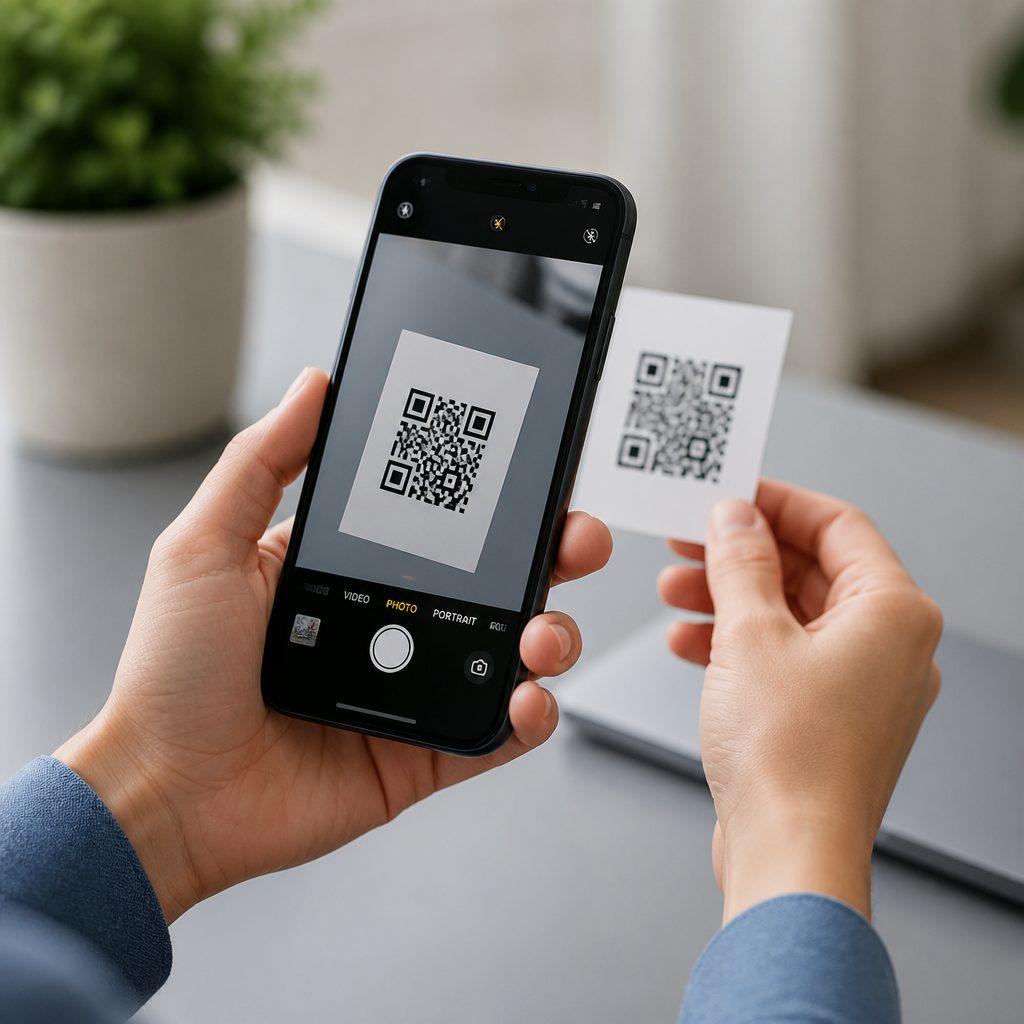
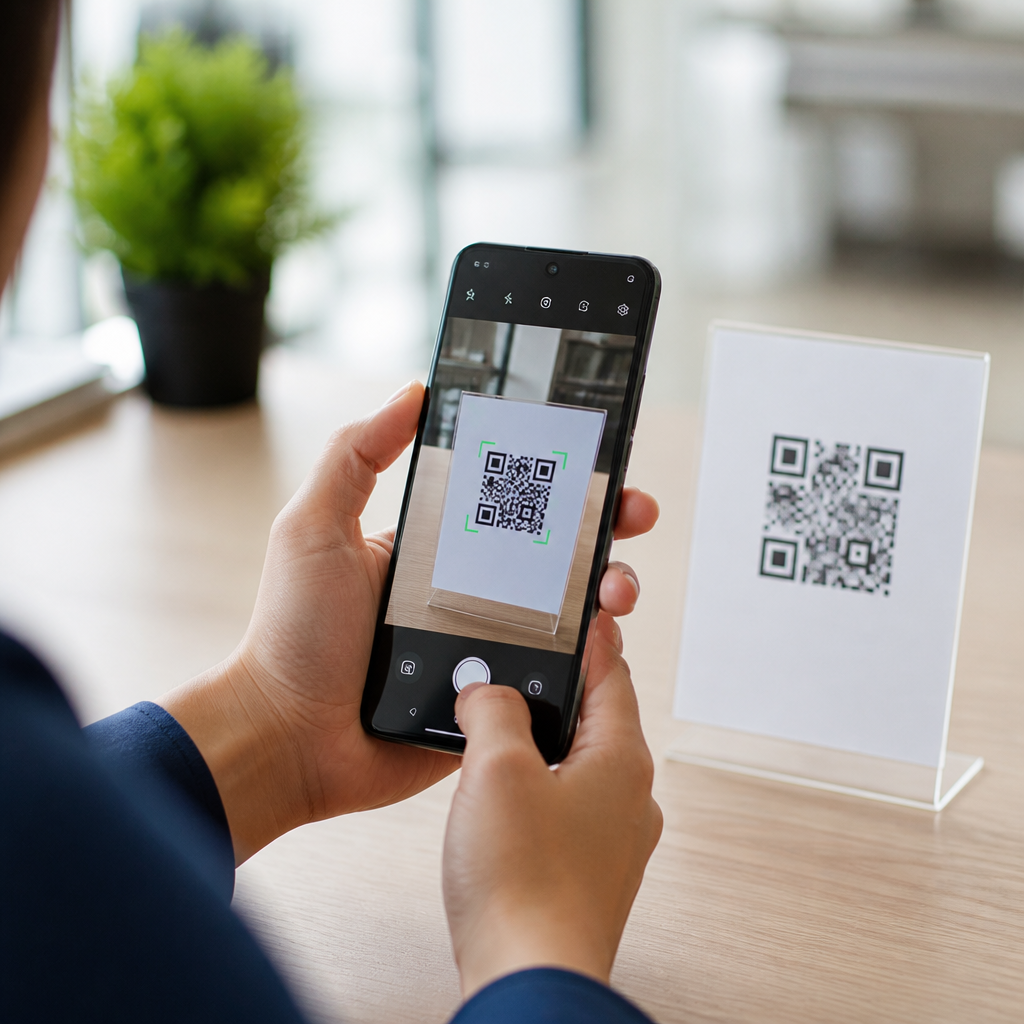
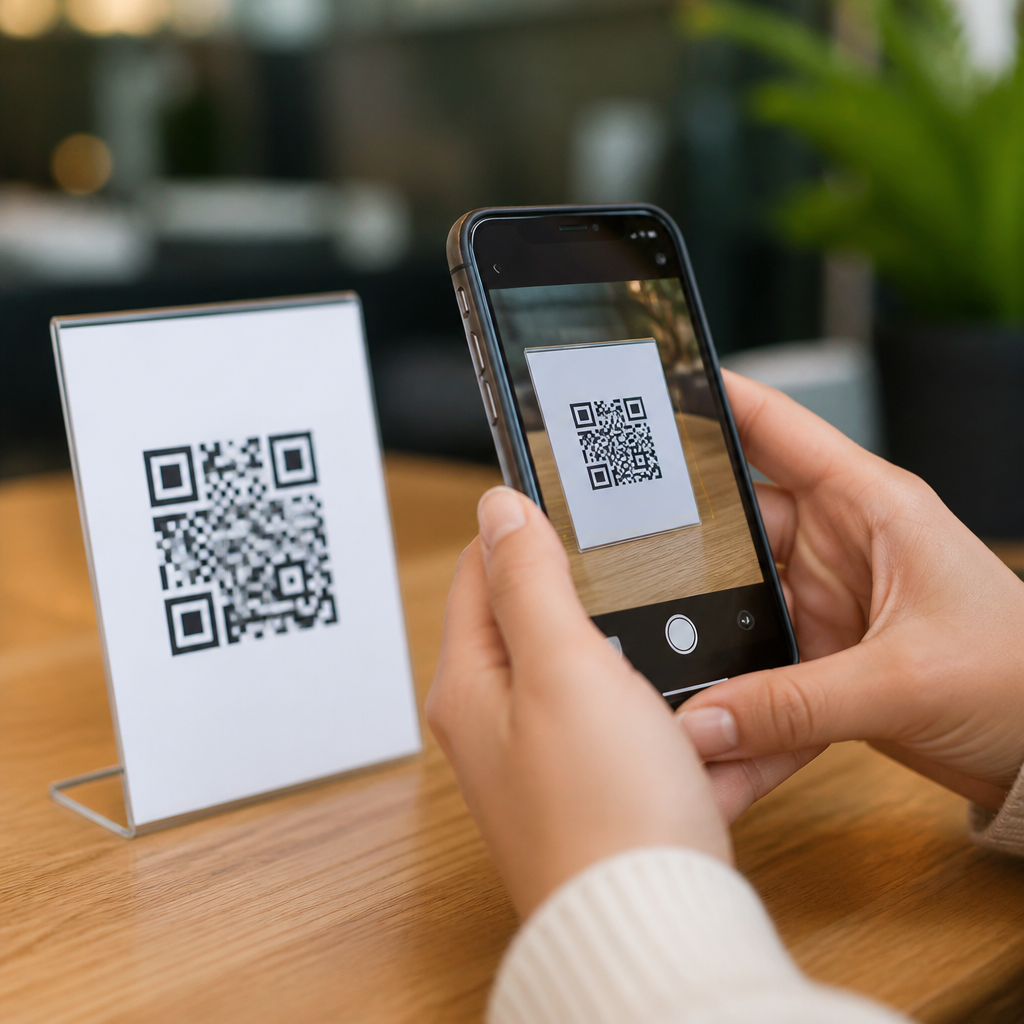
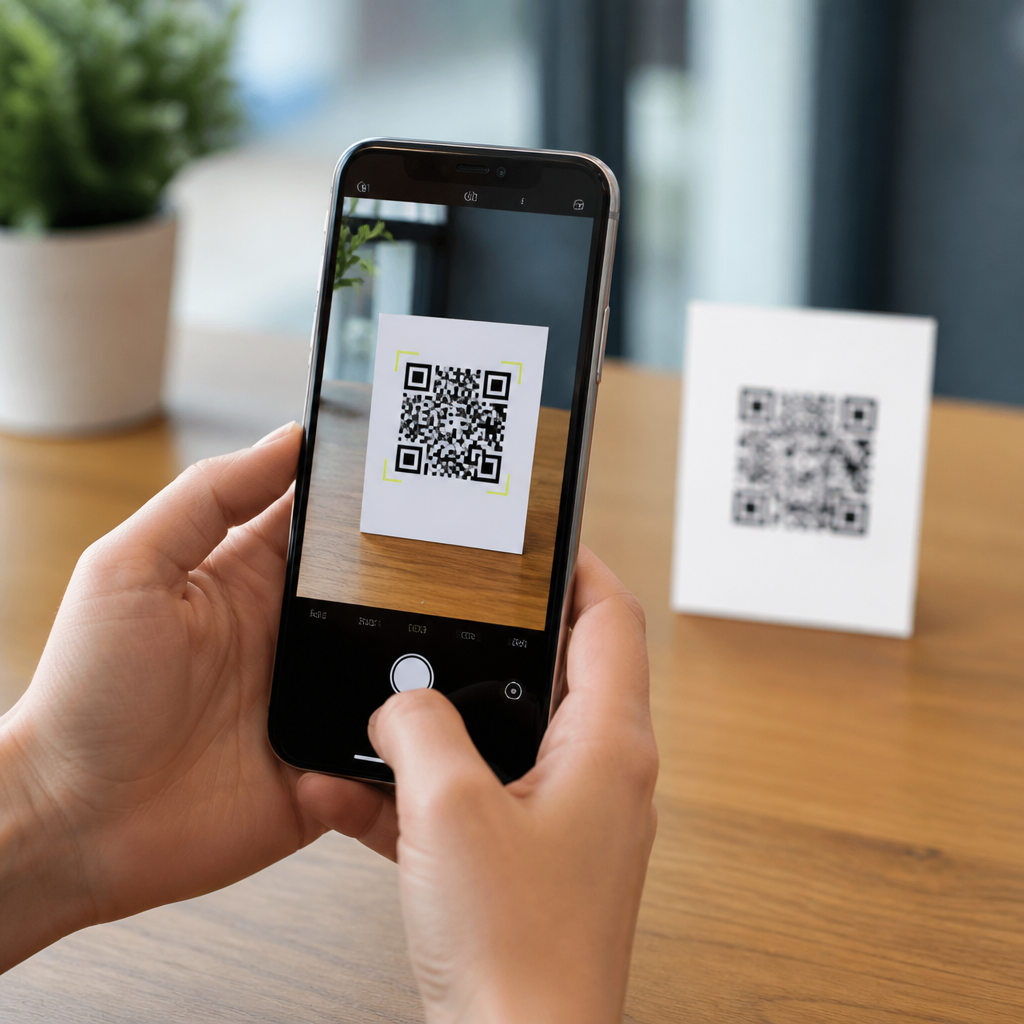
QR code scanner apps sit at the intersection of convenience and risk, because the same tool that opens a restaurant menu, verifies a Wi-Fi login, or launches a payment page can also expose a phone user to phishing, malicious redirects, and unnecessary data collection. A secure QR code scanner app is software that reads the encoded data in a Quick Response code and then handles the result safely by previewing links, blocking dangerous destinations, minimizing permissions, and avoiding hidden tracking. In my experience auditing mobile workflows and testing scanner behavior across Android and iPhone devices, the biggest difference between average and secure apps is not scan speed. It is what happens after the scan: whether the app reveals the full URL, checks reputation, respects privacy, and gives the user control before opening anything. That matters because QR use has expanded far beyond retail posters. Businesses now deploy codes for payments, logistics, identity verification, event access, and device pairing, which means one careless tap can affect personal data, account credentials, or even corporate systems. Choosing the most secure QR code scanner apps therefore requires looking past ratings and download counts. The real test is how well an app combines safe link handling, transparent permissions, reliable performance, and long-term maintenance from a credible developer.
What makes a QR code scanner app secure
The most secure QR code scanner apps share a small set of technical and usability traits. First, they show the decoded content before taking action. If a code contains a URL, the app should display the full domain, not a shortened or truncated version that hides the real destination. Second, the app should require explicit user confirmation before opening a browser, dialer, payment page, map, or app store link. Third, it should collect as little data as possible. A scanner only needs camera access to function; requests for contacts, microphone, or persistent location should trigger scrutiny unless the feature clearly justifies them. Fourth, the app should be actively maintained, because outdated mobile libraries can create security weaknesses even if the scanner itself works. Finally, good apps handle multiple payload types safely, including plain text, Wi-Fi credentials, vCards, calendar events, deep links, and cryptocurrency addresses.
Platform design matters too. On iPhone, the built-in Camera app and Control Center code scanner benefit from Apple’s broader application review and permission model. On Android, Google’s camera, Lens, and some manufacturer camera apps offer strong baseline safety, but quality varies more by device maker. Third-party apps can still be useful, especially when they add scan history controls, export tools, or enterprise workflows, yet they should be judged against the same principles: least privilege, visible link previews, no forced redirects, and a clear privacy policy.
Best secure options for iPhone and Android
For most people, the safest first choice is the built-in scanner that comes with the phone. Apple’s Camera app and dedicated Code Scanner open quickly, ask for minimal permissions, and generally provide a clean handoff to Safari or the relevant system app. On Android, Google Lens and many stock camera scanners perform similarly well, especially on Pixel devices where system integration is strong. I recommend built-in tools first because they reduce the attack surface created by extra software, and major platform vendors patch vulnerabilities faster than many ad-supported utility app developers.
Among third-party options, secure picks tend to come from established developers with transparent policies and restrained monetization. Kaspersky’s QR Scanner has historically stood out for checking links against known malicious destinations before launch. Norton Snap previously filled a similar niche, although app availability changes over time and that is exactly why maintenance status matters as much as feature lists. Some business-focused apps also perform well when they support managed deployment, logging controls, and predictable update cycles. What I avoid are anonymous scanner apps overloaded with interstitial ads, aggressive analytics SDKs, or misleading labels such as “free VPN cleaner QR safe boost,” because those combinations often signal low-quality development practices.
| App type | Security strengths | Main limitation | Best use case |
|---|---|---|---|
| Built-in camera scanner | Minimal permissions, strong OS integration, frequent updates | Fewer advanced management features | Everyday consumer scanning |
| Google Lens | Reliable detection, broad payload support, trusted developer | Privacy-conscious users may prefer less cloud integration | Android users wanting versatility |
| Security vendor scanner | Malicious link checks, safer URL handling, brand accountability | Availability and support can change | High-risk environments |
| Enterprise scanning app | Admin controls, deployment governance, workflow integration | May be excessive for casual users | Business operations and managed fleets |
How malicious QR codes attack users
A QR code is only a container for data, but attackers exploit the trust people place in printed symbols. The most common threat is QR phishing, sometimes called quishing, where a code sends the user to a fake login page that mimics Microsoft 365, Google, a bank, or a delivery portal. Because the user cannot visually inspect the destination before scanning, the code removes an important warning signal that exists with ordinary links. Another risk is payment redirection. A sticker placed over a legitimate code on a parking meter or café counter can send funds to a criminal wallet or spoof a payment confirmation page.
There are also subtler attack paths. A code can trigger app deep links, prefill an email, initiate a call, or prompt a device to join a Wi-Fi network. None of these actions are inherently unsafe, but they become dangerous when the app hides the details or rushes the user into confirmation. I have seen real deployments where warehouse staff scanned codes from damaged packaging, only to land on typo-squatted domains because replacement labels had been tampered with. In another case, an event team used third-party generated codes without testing destination previews; several attendees reported browser warnings because the redirect chain passed through a poorly maintained shortener. The lesson is simple: security depends on the scanner’s behavior and the operator’s process, not on the visual code itself.
Features to prioritize when comparing QR code scanner apps
If you are comparing QR code scanner apps, prioritize five features. One, full URL preview with the registrable domain clearly visible before opening. Two, safe browsing or reputation checks against known malicious sites. Three, permission restraint, ideally camera-only for basic scanning. Four, no mandatory account creation for simple use. Five, active maintenance visible through recent updates, clear version notes, and a privacy policy that explains data handling in plain language. Secondary features can still matter: scan history that can be deleted, offline decoding, CSV export for inventory work, batch scanning, flashlight support, and compatibility with barcodes beyond QR, such as Data Matrix, Code 128, EAN, and UPC.
Advertisements deserve special attention. Ad-heavy scanners often inject risk in two ways: their SDKs may expand data collection, and their interface can blur the line between the scanned result and a sponsored prompt. I strongly prefer paid apps or built-in tools over “free” scanners that monetize through pop-ups and cross-promotions. If an app opens a scanned link inside its own webview rather than your default secure browser, inspect that choice carefully. External browsers usually provide better password manager integration, certificate visibility, site isolation, and phishing protection.
Best practices for businesses managing QR scanning
For organizations, selecting the most secure QR code scanner apps is only one part of the job. You also need policy, training, and deployment controls. In managed mobile environments, I recommend standardizing on one approved scanner and distributing it through Microsoft Intune, VMware Workspace ONE, or another mobile device management platform. That prevents employees from installing random utilities and lets administrators enforce version control. A written policy should specify when staff may scan external codes, what information must be verified before opening a destination, and how suspicious codes are reported. This is especially important in frontline sectors such as retail, logistics, field service, healthcare, and hospitality, where employees scan labels, tickets, and payment prompts under time pressure.
Operational controls reduce tampering risk. Inspect public-facing codes regularly, use tamper-evident materials when possible, and favor dynamically managed QR destinations that can be updated if a page is compromised. For customer-facing campaigns, test scans on both iPhone and Android before launch, validate redirect chains, and avoid unnecessary URL shorteners. For internal processes such as asset tracking or onboarding, document the expected destination format so workers know when a result looks wrong. The scanner app should support that process by exposing data plainly, not hiding it behind one-tap automation.
How this QR code scanner apps hub fits the wider topic
As a hub within Mobile QR Code Scanning and Technology, this page should anchor deeper guidance on related questions users ask before and after choosing a scanner. Readers often need follow-up help on how QR codes work, whether QR codes can be hacked, how to scan safely on iPhone, how Android scanners differ, which apps support inventory workflows, and when dynamic QR codes are better than static ones. They also compare barcode scanner apps, mobile payment QR tools, and business QR code generators because generation and scanning security are connected. A poorly configured generator can create risky redirect behavior, while a weak scanner can hide those risks from the user.
The main takeaway is direct: the most secure QR code scanner apps do three things consistently well. They reveal exactly what was scanned, they give you control before any action occurs, and they come from developers with credible maintenance and privacy practices. Start with your phone’s built-in scanner when it meets your needs, move to a trusted security-focused or enterprise app when risk or workflow demands it, and avoid cluttered utilities that trade safety for ad revenue. If you manage QR scanning for a team, pair the app choice with policy and training. Review your current scanner today, check its permissions and update history, and replace it if it cannot show destinations clearly before opening them.
Frequently Asked Questions
What makes a QR code scanner app secure?
A secure QR code scanner app does much more than simply read the code and open whatever it finds. Its main job is to interpret QR content safely before any action happens on your device. The best apps show a clear preview of the destination, whether that is a website, payment link, Wi-Fi credential, contact card, email prompt, or app deep link. That preview matters because it gives you a chance to verify what the code is trying to do instead of being pushed directly into a browser or another app.
Strong security features also include phishing and malware detection, warnings about suspicious or shortened URLs, and the ability to block dangerous redirects. Some apps check links against threat intelligence databases or use on-device analysis to identify risky patterns. Good privacy practices are just as important. A trustworthy scanner should ask for minimal permissions, typically just camera access, and it should not require access to contacts, location, microphone, or storage unless there is a clearly explained reason. If an app collects scan history, it should let you disable that feature or delete your history easily.
Another sign of a secure app is transparency. Reputable developers explain how scans are processed, whether data is stored locally or sent to servers, and how they handle user information. Regular updates, a published privacy policy, and a solid reputation in the app store are also positive indicators. In short, the most secure QR code scanner apps combine safe link handling, low data collection, limited permissions, and clear user control.
Can a QR code scanner app protect me from phishing and malicious links?
Yes, but only to a point. A secure QR code scanner app can reduce your exposure to phishing and malicious websites by acting as a checkpoint between the QR code and the final destination. Instead of immediately opening a link, the app can display the full URL, identify suspicious domains, flag misleading redirects, and warn you if a site appears dangerous. Some advanced apps also compare links against blacklists of known malicious websites or analyze them for common scam characteristics.
That said, no scanner app can guarantee complete protection. Cybercriminals constantly register new domains, clone trusted websites, and use layered redirects to hide the final destination. A scanner may catch many threats, but it cannot eliminate the need for user judgment. If the URL looks misspelled, overly long, unrelated to the place where you found the code, or designed to create urgency, that is a warning sign. For example, a QR code posted over an official parking meter or restaurant table sticker could lead to a fake payment page even if it looks legitimate at first glance.
The safest approach is to use a scanner that previews links and then pause before tapping through. Check the domain carefully, look for obvious inconsistencies, and avoid entering passwords, payment details, or personal information on a page you reached through a random public QR code unless you are fully confident it is real. A secure app improves your defenses, but your caution is still part of the security model.
What permissions should a secure QR code scanner app request?
In most cases, a QR code scanner app should only need camera access to do its core job. If the app is simply reading codes through your phone camera and showing you the contents safely, there is usually no reason for it to ask for broad device permissions. This is one of the easiest ways to separate privacy-conscious tools from apps that may be collecting more information than necessary.
Be cautious if a scanner asks for contacts, location, call logs, SMS, microphone, or full storage access without a clear feature-based explanation. There are limited cases where additional permissions may make sense. For example, storage access might be relevant if the app allows you to scan QR codes from saved images, or contacts access could be optional if you choose to save a scanned vCard. But these permissions should be optional, not mandatory for basic scanning. A secure app should explain why each permission is needed and still let you use the essential scanning feature without agreeing to unrelated data access.
It is also worth checking whether the app supports privacy-friendly controls such as disabling scan history, preventing automatic browser launches, and turning off analytics. If an app combines minimal permissions with clear settings and transparent data practices, that is a good sign. If it demands extensive access up front and gives vague explanations, it is smarter to choose a different scanner.
Are built-in phone camera QR scanners safer than third-party apps?
Often, yes. Built-in QR scanning features included in iPhone and Android camera apps are generally safer for many users because they come from major platform providers and usually integrate with the operating system’s existing security framework. They tend to require fewer extra permissions, are less likely to include aggressive advertising or hidden tracking, and are updated through broader system or app updates. For someone who wants straightforward scanning without installing another app, the built-in scanner is often the best default choice.
However, built-in scanners are not always the most feature-rich. Some may simply detect a QR code and offer to open the content, but provide limited detail about the destination or fewer warning tools. A well-designed third-party security-focused scanner can sometimes offer stronger defenses, such as full URL previews, malicious site detection, scan history controls, and more granular privacy settings. The key is that it must come from a reputable developer with a strong privacy policy and a clean permission model.
So the answer is not that third-party apps are automatically unsafe. It is that many unnecessary scanner apps on app stores are low quality, ad-heavy, or overly invasive, while the native camera scanner is usually the lowest-risk starting point. If you need more advanced protection features than your phone’s built-in scanner provides, choose a third-party app carefully and evaluate it like any other security tool.
How can I tell if a QR code scanner app is collecting too much data?
There are several practical clues. First, look at the permissions it requests during installation and first launch. If a QR code scanner wants access well beyond the camera without a compelling reason, that is a red flag. Second, review the app’s privacy policy and app store data disclosure section. Reputable apps usually explain what they collect, why they collect it, whether data is shared with advertisers or analytics partners, and how long it is retained. If the policy is vague, excessively broad, or difficult to find, proceed carefully.
You should also pay attention to the app’s behavior. Excessive ads, frequent pop-ups, account creation requirements for basic scanning, automatic opening of links without confirmation, or pressure to enable tracking features can all indicate that convenience is not the app’s only goal. Some apps monetize by gathering usage data, device identifiers, scan logs, or location information that are not necessary for reading QR codes. Reviews from other users can sometimes reveal patterns such as unexplained battery drain, suspicious network activity, or privacy concerns after updates.
A trustworthy scanner typically keeps things simple: scan the code, show the result, and let you decide what to do next. It should let you delete scan history, avoid forcing cloud sync, and clearly separate optional features from required ones. If the app feels bloated, overly promotional, or data-hungry for such a basic task, that is usually a sign to uninstall it and switch to a more privacy-respecting alternative.