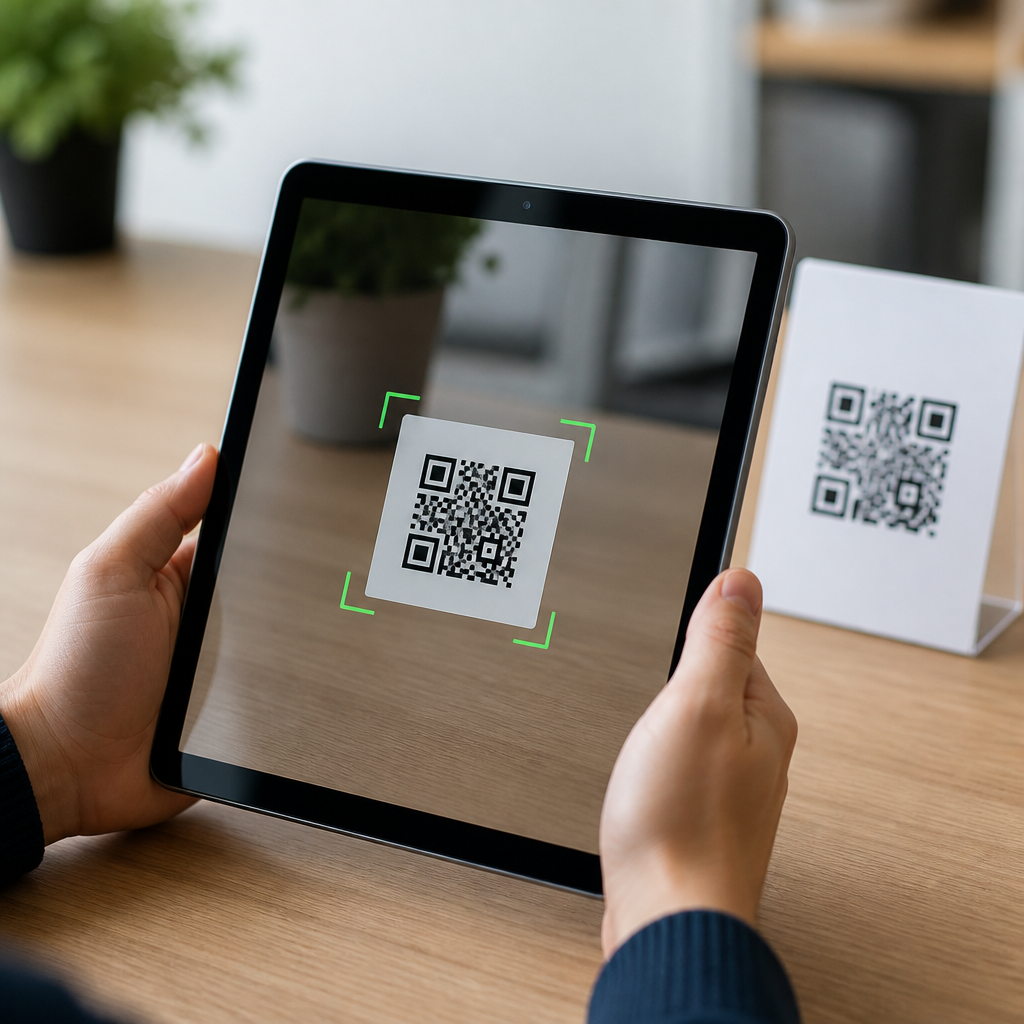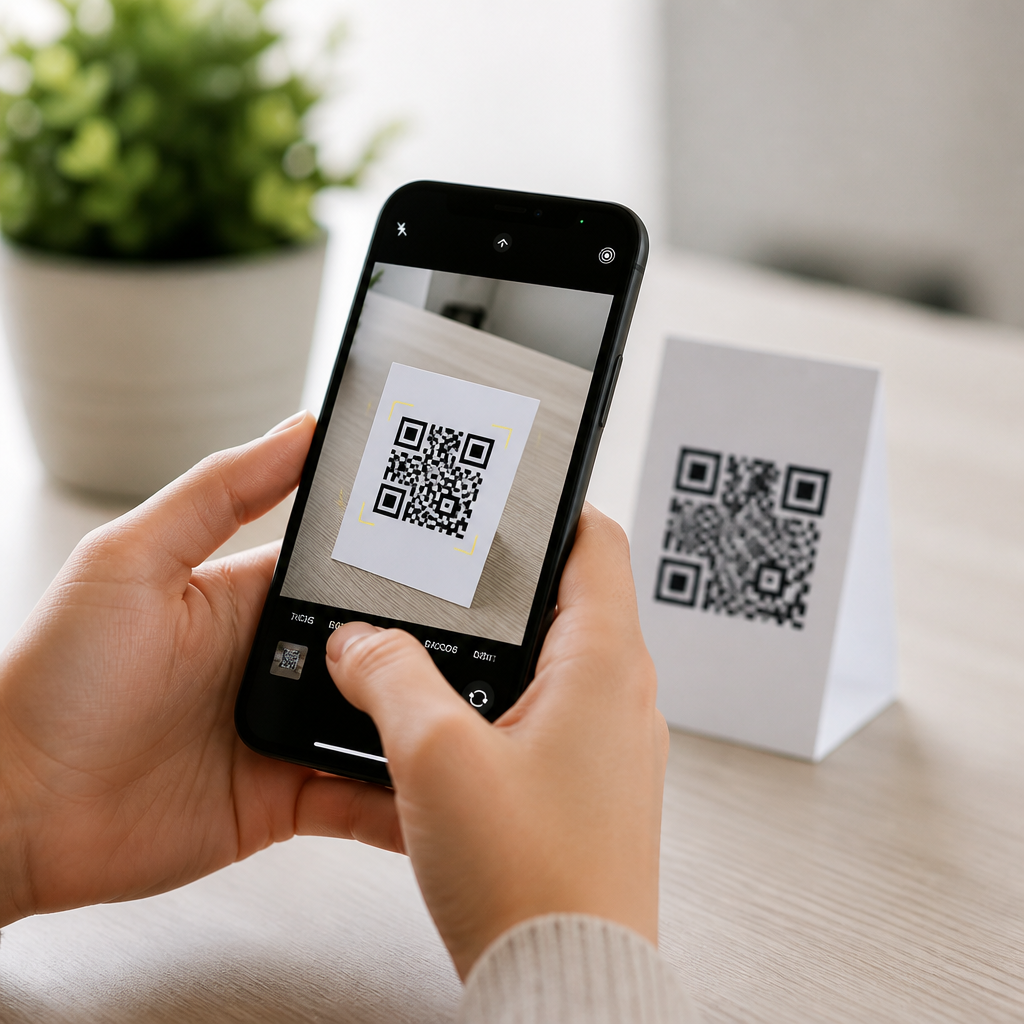
QR codes are now routine in payments, menus, packaging, transit, customer support, and login flows, which means educating users about QR code safety has become a basic digital literacy task. A QR code, or Quick Response code, is a two-dimensional barcode that stores data such as a URL, contact card, Wi-Fi credential, payment token, or app deep link. When a phone camera or scanning app reads the pattern, it converts the image into an action, often opening a website immediately. That speed is useful, but it also removes the pause people naturally take when typing a web address by hand.
In practice, QR code security and safety comes down to one question: what happens after the scan. The black-and-white square itself is not “infected” in the way a file can be, yet it can direct users to phishing pages, fake app downloads, malicious forms, or payment destinations controlled by criminals. I have seen the most effective user education programs focus less on the symbol and more on the destination, the context, and the permission request that follows. Teaching that sequence helps people make better decisions without becoming afraid of every code they encounter.
This matters because QR adoption accelerated faster than user training. Restaurants replaced printed menus, banks rolled out device pairing, retailers added shelf labels, and scammers noticed the shift. The FTC and major banking fraud teams have repeatedly warned about “quishing,” or QR-enabled phishing, because it bypasses habits many users have developed for email safety. A camera scan feels physical and trustworthy, especially when a code appears on a poster, parking meter, package insert, or checkout screen. Good education closes that trust gap by explaining how legitimate QR experiences look, what red flags are common, and what safe scanning behavior should become automatic.
Understand the Main QR Code Risks Users Actually Face
The first step in teaching QR code safety is naming the threats in plain language. Users usually face four practical risks. First, a code can send them to a phishing site designed to steal credentials, payment card details, or one-time passcodes. Second, it can trigger a malicious app download or a fake update page. Third, it can prefill messages, payment details, or contact records that trick users into approving an unintended action. Fourth, it can expose private data if the user scans with an untrusted third-party app that collects scan history, location, or device information.
Real-world examples make the lesson stick. Criminals have placed sticker QR codes over legitimate parking meter codes so drivers land on a fake payment page. In office environments, attackers have mailed printed codes that claim to start a voicemail review or document-signing process, but actually send employees to credential-harvesting sites. I have also reviewed incidents where fake codes were added to tabletop signs in restaurants, steering guests to a cloned payment page that looked almost identical to the venue’s ordering system. The attack succeeds because the user believes the physical placement proves legitimacy.
Another important nuance is that not every harmful outcome is dramatic. Some QR scams simply gather email addresses, phone numbers, or behavioral data for later abuse. Others rely on urgency, such as a package delivery issue, payroll update, or expired password notice. Users should learn that the risk is rarely the scan alone; the danger appears when they submit information, install software, approve a login, or authorize a payment after scanning. That distinction reduces panic while sharpening attention at the point where a harmful decision becomes possible.
Teach a Simple Decision Framework Before, During, and After a Scan
The most effective training I have used gives people a repeatable checklist they can apply in seconds. Before scanning, ask: do I trust the source and placement of this code? During scanning, ask: what preview does my phone show before opening the link? After scanning, ask: does the destination match the brand, purpose, and action I expected? If the answer to any step is unclear, stop and use another route, such as typing the official website or opening the company’s known app directly.
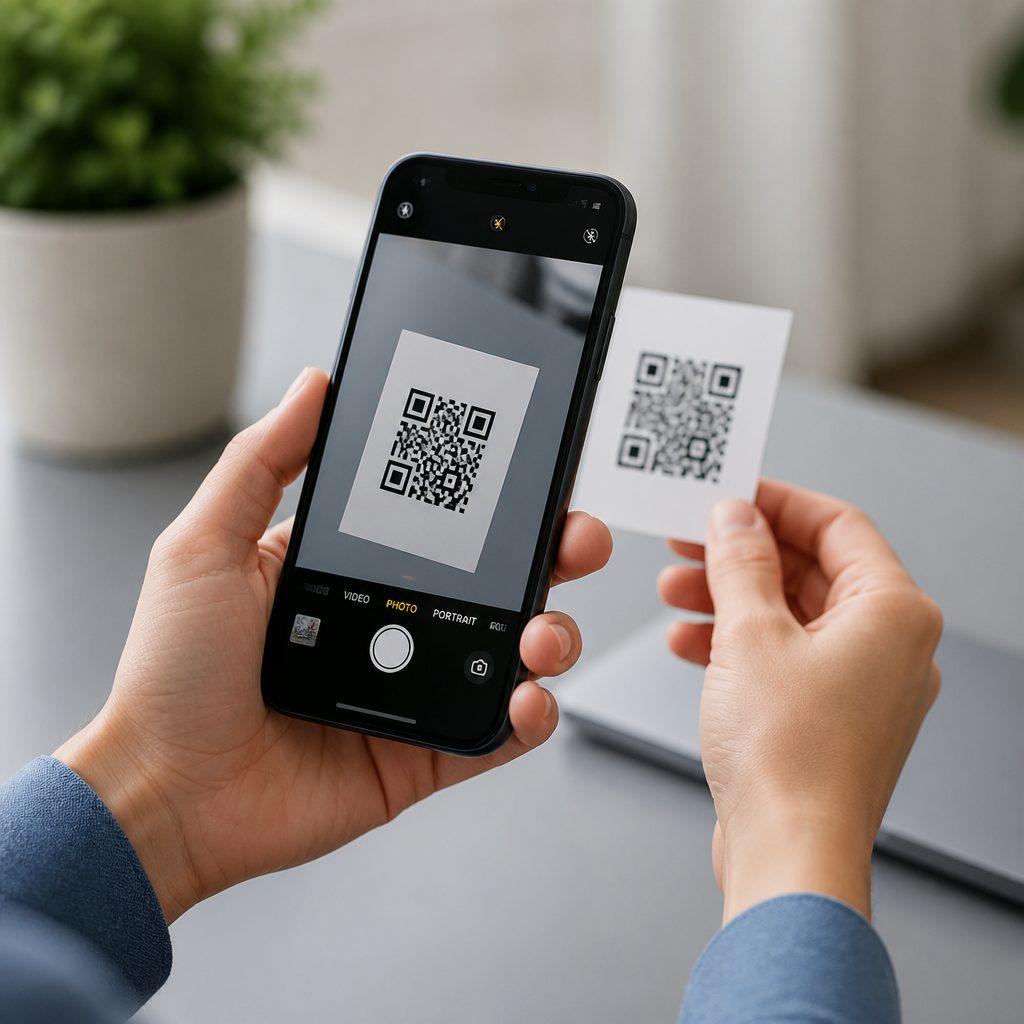
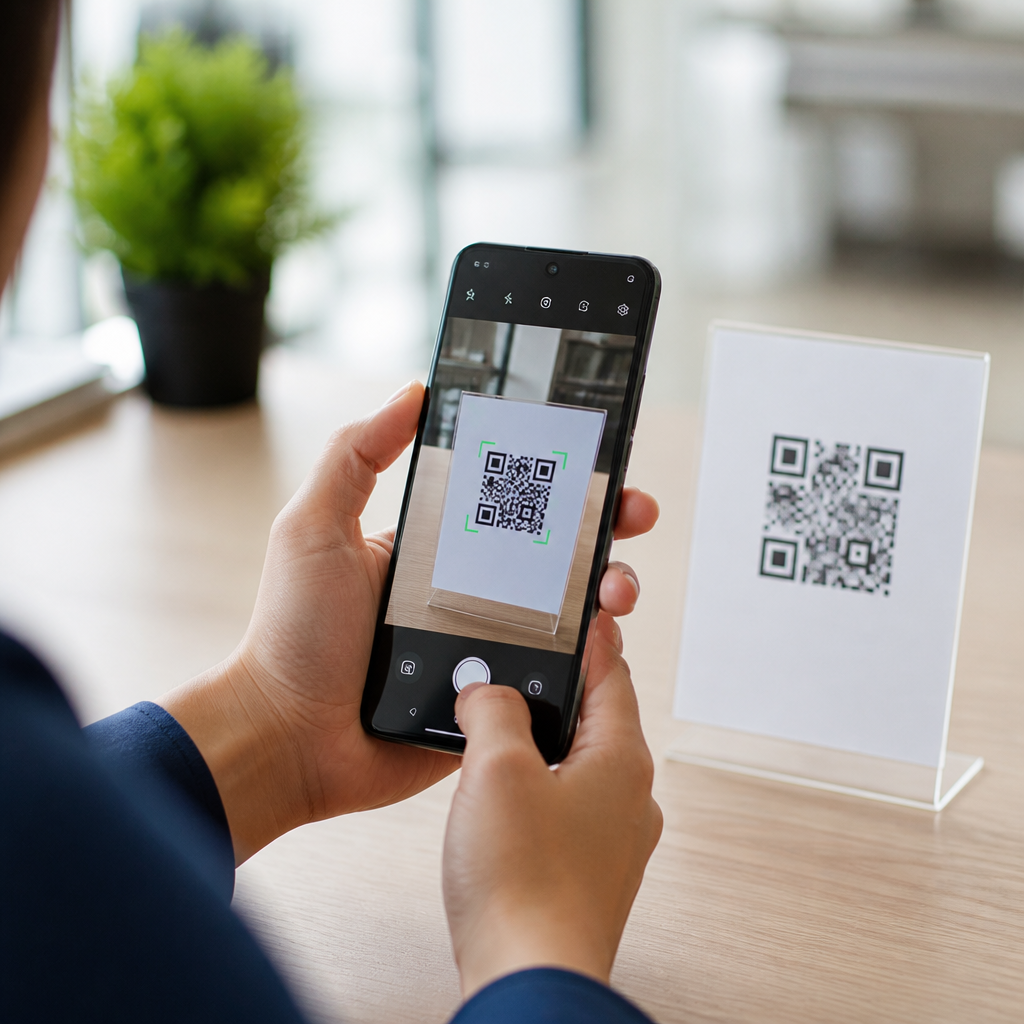
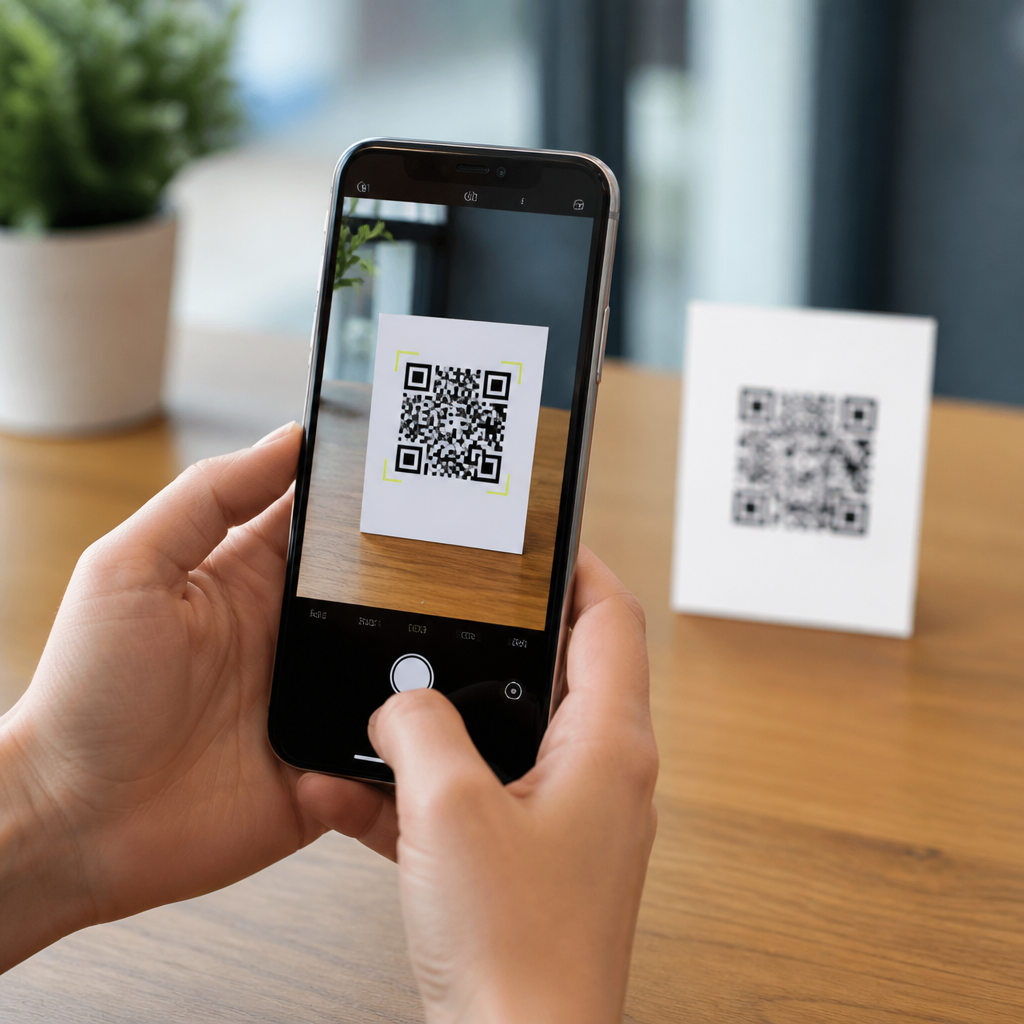
Modern iPhone and Android cameras often display a URL preview or action banner before opening the destination. Users should be trained to read that preview carefully. A legitimate bank may use a clear domain such as secure.bankname.com, while a fake page may hide behind lookalike domains, extra words, unusual country-code endings, or URL shorteners. If the preview is absent, rushed, or blocked by a third-party scanner that opens links automatically, that is a weakness in the scanning process itself. For high-risk actions like payments or account login, automatic opening should be disabled whenever possible.
It also helps to explain expected behavior. A QR code for a menu should open a menu, not demand account credentials. A device-pairing code for WhatsApp Web, Microsoft Authenticator, or Slack should be initiated from a session the user already started on a trusted device. A utility bill payment code should match the biller name, amount, and transaction path already visible on the invoice. By teaching users to compare the result with the original purpose, you give them a practical detection method that works even when they cannot evaluate technical details.
Show Users the Most Reliable Red Flags
Red flags are easiest to remember when they are concrete. The strongest warning sign is a request for sensitive data that does not fit the task. A parking payment code should not ask for an email password. A restaurant code should not ask for banking credentials. A support code should not ask the user to install remote-access software unless that step was clearly scheduled through an official support process. Unexpected urgency is another major signal, especially messages claiming an account will be locked, a package will be returned, or a payroll profile must be verified immediately.
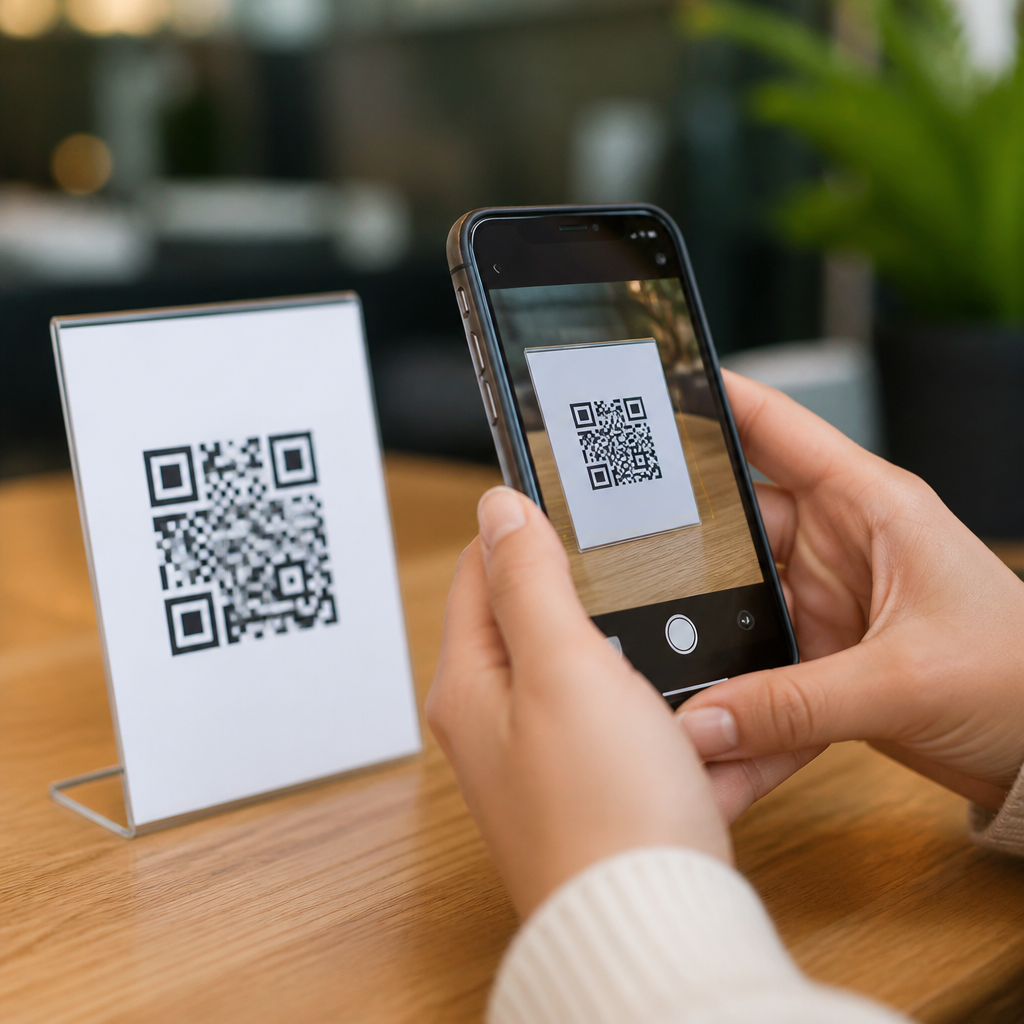
Physical tampering should be part of every QR code safety lesson. Teach users to look for stickers placed over another code, poor print quality, mismatched branding, or signs that a poster or tabletop insert has been altered. In retail and public spaces, criminals often choose locations where users are distracted and likely to act quickly. Even a legitimate-looking acrylic sign can be risky if the code appears to have been replaced. When I train frontline staff, I tell them that environment is evidence: if the code, brand, and setting do not align cleanly, treat it as suspicious.
Technical warning signs matter too. Browser interstitials, certificate warnings, repeated redirects, misspelled domains, aggressive pop-ups, or app sideload prompts are all reasons to stop. Users should also be wary of QR codes in unsolicited email attachments or printed mail that reference invoices, tax documents, voice messages, or HR updates. Attackers increasingly use QR codes because some email filters inspect typed links more effectively than embedded images. If the message creates pressure and the QR code is the only path offered, advise users to contact the sender through a known channel instead.
Build Safe Scanning Habits Into Everyday Mobile Use
User education works best when it becomes a habit, not a one-time warning. Encourage people to scan with the phone’s built-in camera when possible, because Apple and Google have strengthened native protections and previews over time. Third-party scanner apps vary widely in quality and privacy practice. Some log scans, request unnecessary permissions, or open links too aggressively. For organizations, mobile device management tools such as Microsoft Intune, Jamf, or VMware Workspace ONE can set safer defaults, restrict risky apps, and guide users toward approved scanning workflows.
Browser hygiene also matters. A secure, updated browser with Safe Browsing or equivalent phishing protection can stop some malicious destinations after the scan. Password managers add another useful layer because they autofill credentials only on the correct domain, helping users notice a fake login page. Multifactor authentication reduces damage if a password is stolen, though it does not eliminate session-based phishing. On the device side, keeping iOS or Android updated closes browser and rendering vulnerabilities that an attacker might try to exploit through a landing page.
| Safety habit | Why it works | Example |
|---|---|---|
| Read the URL preview | Confirms destination before opening | Spotting payrnents-example.com instead of payments-example.com |
| Use the official app or typed site for payments | Bypasses tampered public codes | Opening a city parking app instead of scanning a meter sticker |
| Avoid third-party scanners with broad permissions | Reduces privacy leakage and auto-open risk | Using the native camera rather than an ad-supported scanner |
| Stop at credential or app install prompts | Creates a decision pause at the highest-risk moment | Leaving a fake Microsoft 365 login page after a poster scan |
For families and workplaces, scenario-based practice is more effective than abstract policy language. Show a real menu code, a shipping notice, a parking meter label, and an employee login request, then ask users what they would verify first. In my experience, people retain the lesson faster when they rehearse the decision path with familiar examples. That approach also supports accessibility because it relies on recognition and context, not technical jargon alone. Short refreshers every quarter outperform a long annual module that users forget after a week.
Create Organizational Guidance That Supports User Judgment
If this page is a hub for QR Code Security & Safety, it should connect user behavior with organizational controls. Companies should publish clear rules for when they will and will not use QR codes. For example, state whether HR, IT, finance, or customer support ever asks employees or customers to authenticate, reset passwords, or submit payment details through a QR code. If the answer is no, say so plainly. That single statement removes ambiguity and makes it easier for users to reject fraudulent requests with confidence.
Organizations that deploy QR codes should also make them easy to verify. Use short, branded domains; display the plain URL near the code; place codes in tamper-evident materials; and monitor destinations regularly. Dynamic QR platforms can simplify updates, but they also create governance needs, because a redirected destination can change over time. Ownership should be documented, analytics reviewed, and retired codes disabled. For regulated sectors such as healthcare, finance, and education, privacy reviews are essential when codes lead to forms that process personal data.
Finally, teach users what to do when something feels wrong. The safest response is to stop, avoid entering data, and report the code or page through the organization’s normal security or support channel. Capture a photo of the code and the location if it is in a public place, but do not continue the transaction. Fast reporting helps remove tampered signs, block domains, and alert others before more damage occurs. Educating users about QR code safety is successful when they can explain the risks, recognize the common warning signs, and choose a safer path without hesitation. Review your current QR use, update your guidance, and make secure scanning an everyday habit.
Frequently Asked Questions
1. Why is QR code safety education so important today?
QR code safety education matters because QR codes have moved from being occasional conveniences to everyday tools used in payments, restaurant menus, product packaging, public transit, customer support, event check-ins, and account login flows. Most users now scan codes quickly and instinctively, often without stopping to ask where the code leads or what action it will trigger. That convenience is exactly what makes QR codes useful, but it also creates risk. A malicious QR code can send someone to a fake website, prompt a dangerous download, start a fraudulent payment flow, or trick a user into entering passwords, banking details, or one-time verification codes on a spoofed page.
Educating users about QR code safety is really a digital literacy issue. People need to understand that a QR code is not inherently trustworthy just because it appears on a poster, email, sticker, package, or screen. The code itself is only a machine-readable container for data. What matters is the destination or action behind it. Once users learn to treat QR codes the same way they should treat links in emails or text messages, they become much better at recognizing suspicious situations. Good education reduces impulsive scanning, encourages verification habits, and helps people understand that speed should never replace basic caution when money, accounts, or personal information are involved.
2. What are the most common QR code scams users should learn to recognize?
The most common QR code scams usually rely on deception, urgency, or misplaced trust. One major example is “quishing,” where attackers use QR codes in phishing campaigns. Instead of sending a clickable link in an email or text, they include a QR code that takes users to a fake login page designed to steal credentials. This can be especially effective because some users assume QR codes are safer than normal links, even though they can lead to the same kinds of malicious destinations.
Another frequent scam involves physical sticker replacement. Criminals place fraudulent QR code stickers over legitimate ones on parking meters, restaurant tables, transit kiosks, flyers, or payment stations. A user believes they are making a normal payment, but the code redirects them to a fake payment page that captures card details or sends funds to a scammer. Fake customer support is another risk. Users may see a QR code claiming to connect them to technical help, account recovery, or package tracking, but scanning it may lead to a scam site that asks for passwords, remote access, or payment for fake services.
There are also QR code scams tied to app downloads, promotions, and giveaways. A code may promise a coupon, loyalty reward, or software update but instead lead to a malicious app page, a data-harvesting form, or an imitation brand website. Users should also be cautious with login-related QR codes, since some services use QR-based sign-in. If attackers can trick a person into scanning a fraudulent login code, they may gain account access. Teaching users to look for tampered stickers, strange branding, misspellings, rushed payment requests, and unusual prompts for credentials or sensitive data is one of the best ways to reduce success rates for these scams.
3. What practical steps should users take before scanning a QR code?
Users should start with the source. Before scanning, they should ask where the QR code came from and whether that source is trustworthy. A code on a verified company website, inside an official app, or on clearly branded and professionally printed materials is usually more trustworthy than a random code from a flyer, social media post, text message, or email attachment. If the code is in a public place, users should inspect it physically. Is there a sticker placed over another sticker? Does it look tampered with, poorly aligned, or inconsistent with the surrounding signage? Small signs of replacement can indicate fraud.
After scanning, users should avoid tapping through automatically without reviewing the preview. Many phones display the destination URL before opening it, and that preview is one of the best safety checkpoints. Users should read the domain carefully, not just glance at the page title or logo. Attackers often use lookalike domains that mimic legitimate brands through extra words, swapped letters, or unusual endings. If the URL seems unfamiliar, misspelled, or unrelated to the context, users should stop immediately. The same rule applies if the code unexpectedly requests a login, payment, app installation, file download, or personal information.
It is also wise to use trusted scanning tools, keep the phone’s operating system and browser updated, and rely on built-in protections such as safe browsing alerts. Users should prefer manual navigation when possible. For example, if a QR code claims to lead to a bank promotion or account login, typing the official website directly into the browser or opening the company’s official app is usually safer than proceeding through the code. The goal is not to make people afraid of every QR code, but to teach a simple routine: inspect the source, check for tampering, review the destination, and pause before taking any sensitive action.
4. How can you teach people to verify a QR code destination without overwhelming them?
The best way to teach verification is to make it simple, repeatable, and tied to familiar online safety habits. A useful message is: “Scan, check, then act.” That three-step approach is easy to remember and realistic for daily use. First, scan only when the source makes sense. Second, check the previewed destination before opening it. Third, act only if the page matches the expected brand, domain, and purpose. By reducing the lesson to a short sequence, you help users build a habit rather than memorize a long list of technical warnings.
It also helps to explain that QR codes are just another way to deliver links and actions. Many people become safer once they realize a QR code should be treated with the same caution as a link in an email or text message. You do not need to teach advanced cybersecurity concepts to be effective. Focus on visible cues: verify the web address, watch for odd spellings, avoid entering passwords after scanning an unsolicited code, and be suspicious of urgent payment demands. Realistic examples work especially well, such as comparing a legitimate transit payment code with a fake sticker placed over it or showing how a lookalike domain differs from a genuine one.
For workplaces, schools, or community education programs, short demonstrations are often more effective than long policy documents. Show users what a URL preview looks like on a phone. Explain what to do if a code opens the wrong brand, requests sensitive information unexpectedly, or attempts an immediate download. Encourage a “stop and verify” culture where asking questions is viewed as responsible, not inconvenient. The goal is confidence, not fear. Users should come away knowing they can safely use QR codes when they pause long enough to confirm where the code leads and whether the requested action truly makes sense.
5. What should a user do if they scanned a suspicious QR code or think they were tricked?
If a user scanned a suspicious QR code, the first step is to stop interacting with the destination immediately. They should close the page without entering any passwords, payment information, personal data, or verification codes. If they already clicked through to a website, they should avoid downloading files, installing apps, or approving permissions. In many cases, quick action prevents further harm. If no information was submitted, the risk may be limited to exposure to a malicious or deceptive page.
If the user did enter credentials, payment details, or sensitive information, they should act as though that information may be compromised. That means changing the affected password right away, especially if it is reused anywhere else, enabling or reviewing multi-factor authentication, and checking the account for unauthorized activity. If payment information was entered, they should contact the bank or card issuer promptly, report the suspected fraud, and monitor transactions closely. If a work account was involved, the user should notify the organization’s IT or security team immediately so they can review logs, reset sessions, and protect other systems if necessary.
It is also important to run a device security check if the code led to a download, app install, or unusual prompt. Users should delete anything suspicious, review app permissions, and use reputable mobile security tools if needed. Finally, they should report the QR code itself when possible, whether that means notifying a business about a tampered payment sticker, alerting venue staff about a fake posted code, or reporting a phishing email or message that contained the code. Turning the incident into a learning moment is valuable. Users who understand what happened are far less likely to repeat the same mistake, and their report may protect others from being targeted by the same scam.