QR codes have become one of the most practical bridges between offline attention and online action, making them a valuable tool in digital marketing campaigns. A QR code, or Quick Response code, is a scannable two-dimensional barcode that sends a user to a digital destination such as a landing page, app store listing, payment screen, video, coupon, contact card, or feedback form. In marketing, that simple scan can shorten the path between interest and conversion, which is why brands now use QR codes on packaging, direct mail, retail signage, event materials, product labels, and paid media. When used well, they improve attribution, reduce friction, and create measurable customer journeys across channels.
I have seen campaigns fail because marketers treated QR codes as decorations instead of conversion tools. A code placed on a poster without a clear value proposition rarely gets scanned. A code linked to a nonmobile page wastes intent. By contrast, campaigns that match the code, the context, and the offer often produce strong engagement because the user immediately understands what happens next. This matters even more now that smartphone cameras scan codes natively on iPhone and Android devices, removing the need for a separate app. As a result, the barrier to entry is lower, and the expectation of a smooth mobile experience is much higher.
For a sub-pillar hub on QR codes in digital marketing, the key is to understand both strategy and execution. Marketers need to know where QR codes fit in the funnel, what types of destinations perform best, how to track scans, and which design choices affect usability. They also need to know the limitations: QR codes do not rescue weak offers, they depend on good placement and clear messaging, and they require privacy-conscious analytics. Done properly, they connect print to web, physical space to digital content, and awareness campaigns to measurable outcomes, which makes them useful across acquisition, retention, and customer experience programs.
Where QR Codes Fit in a Digital Marketing Strategy
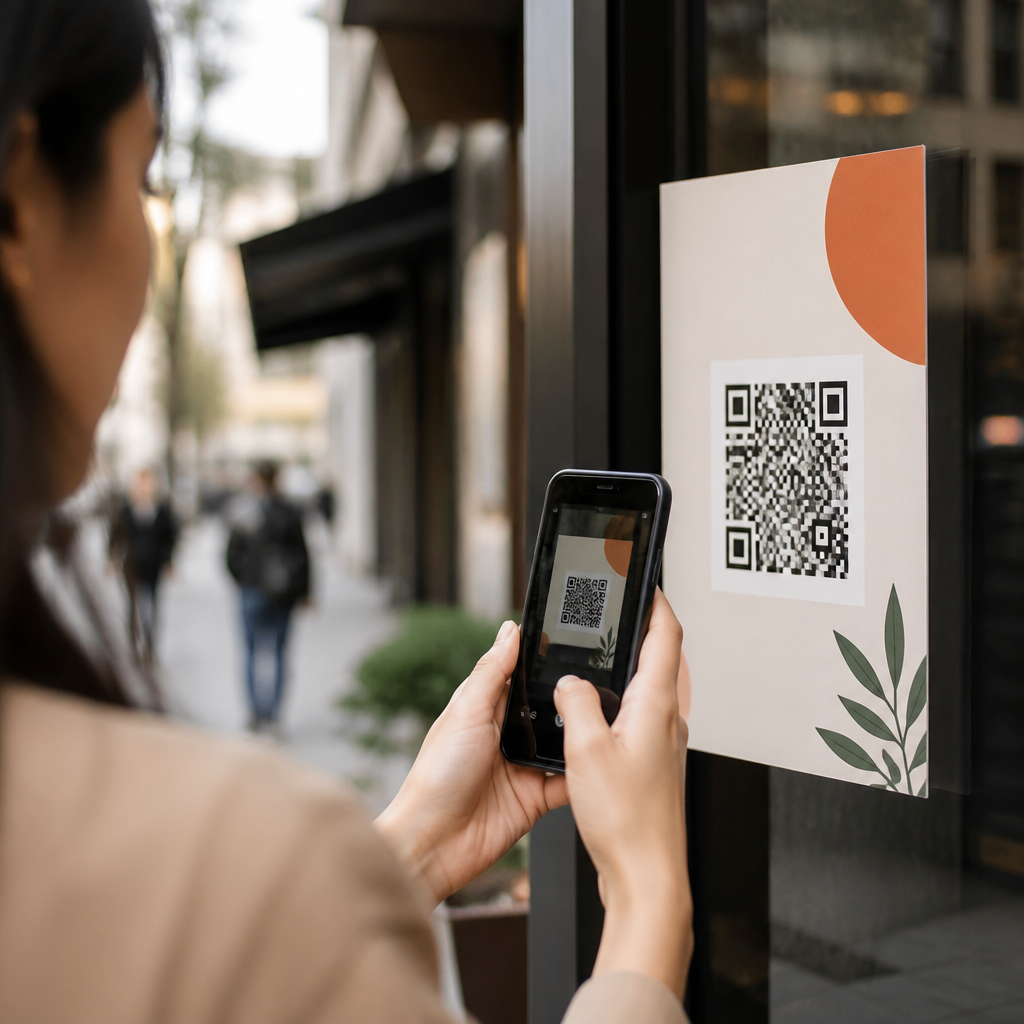
QR codes work best when they are assigned a specific job within the campaign. In practice, that job usually falls into one of four categories: drive traffic, capture leads, support conversions, or deepen engagement after purchase. For example, a restaurant can place a code on window signage that opens a menu and first-order coupon, moving a passerby from awareness to action in seconds. A B2B software company can add a code to trade show booth graphics that opens a short demo request form, reducing the risk that prospects forget to follow up later. An ecommerce brand can print a code inside packaging that leads to setup instructions, loyalty enrollment, or cross-sell recommendations.
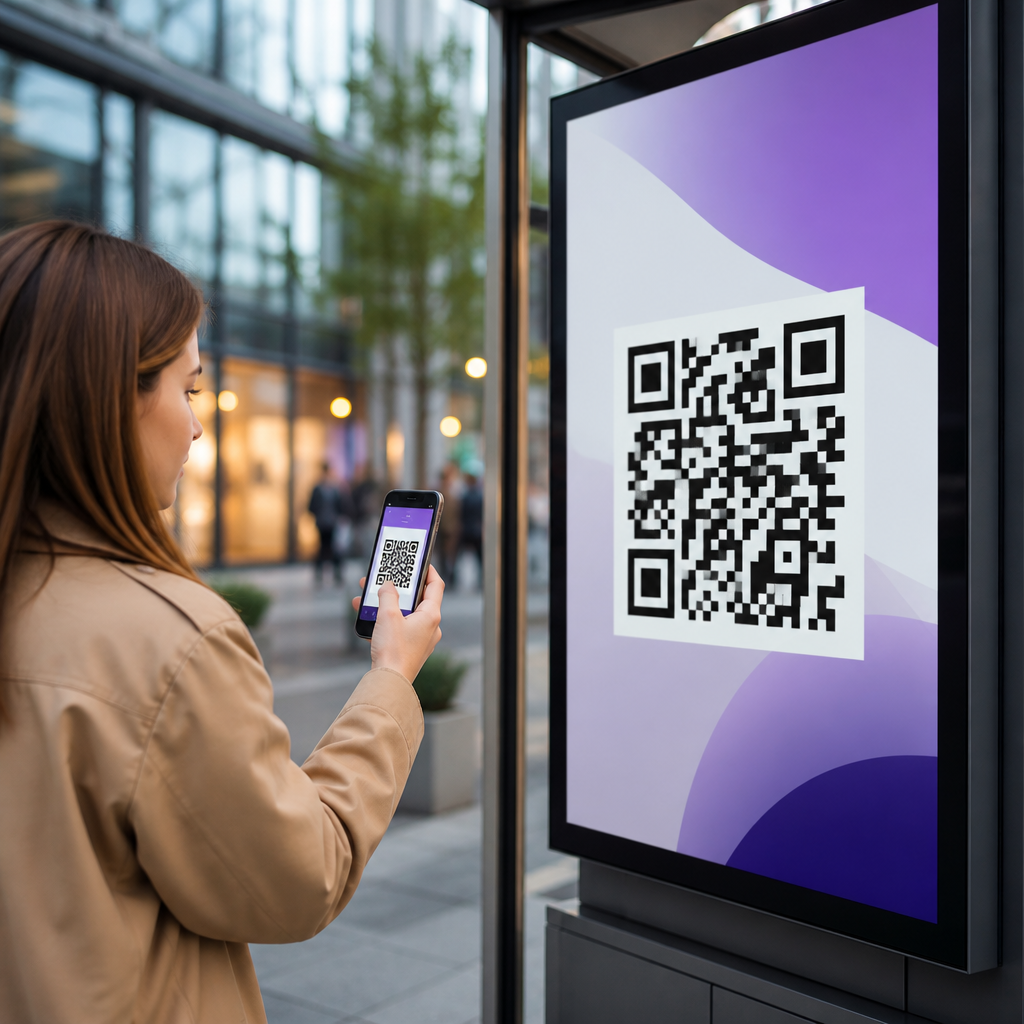
The strongest campaigns connect the code to the audience’s immediate context. If someone scans from a bus shelter ad, the landing page should load fast, explain the offer instantly, and be easy to complete one-handed on a phone. If someone scans from a product box at home, the destination can include richer content such as tutorials, warranty registration, or user-generated content prompts. This context matching is what separates a generic QR placement from a high-performing digital marketing asset. It also strengthens internal linking signals across your broader content ecosystem because the landing pages can route users to related resources, category pages, or campaign-specific hubs.
Dynamic QR codes are usually the better choice for marketing because the destination URL can be updated without reprinting the code. That matters when offers change, campaigns expand, or a landing page needs to be replaced. Static codes still have uses, especially for permanent destinations like contact cards or Wi-Fi access, but marketers typically need flexibility and scan analytics. Tools such as Bitly, QR Code Generator Pro, Beaconstac, and Flowcode allow dynamic redirects, UTM parameter management, and scan reporting by time, device, and geography. Those features make QR codes a practical part of a multichannel measurement framework rather than a one-off creative element.
Best Use Cases Across Channels
QR codes are versatile because they can support nearly every stage of the customer journey, but the channel determines the right execution. In print advertising, the code should lead to something that expands the ad rather than repeats it. A magazine ad for a skincare brand might use a code to open a shade finder, ingredient explainer, or dermatologist video. In direct mail, codes often improve response rates by reducing manual entry. Instead of asking recipients to type a long vanity URL, a financial services company can send prospects to a personalized appointment page with prefilled campaign identifiers.
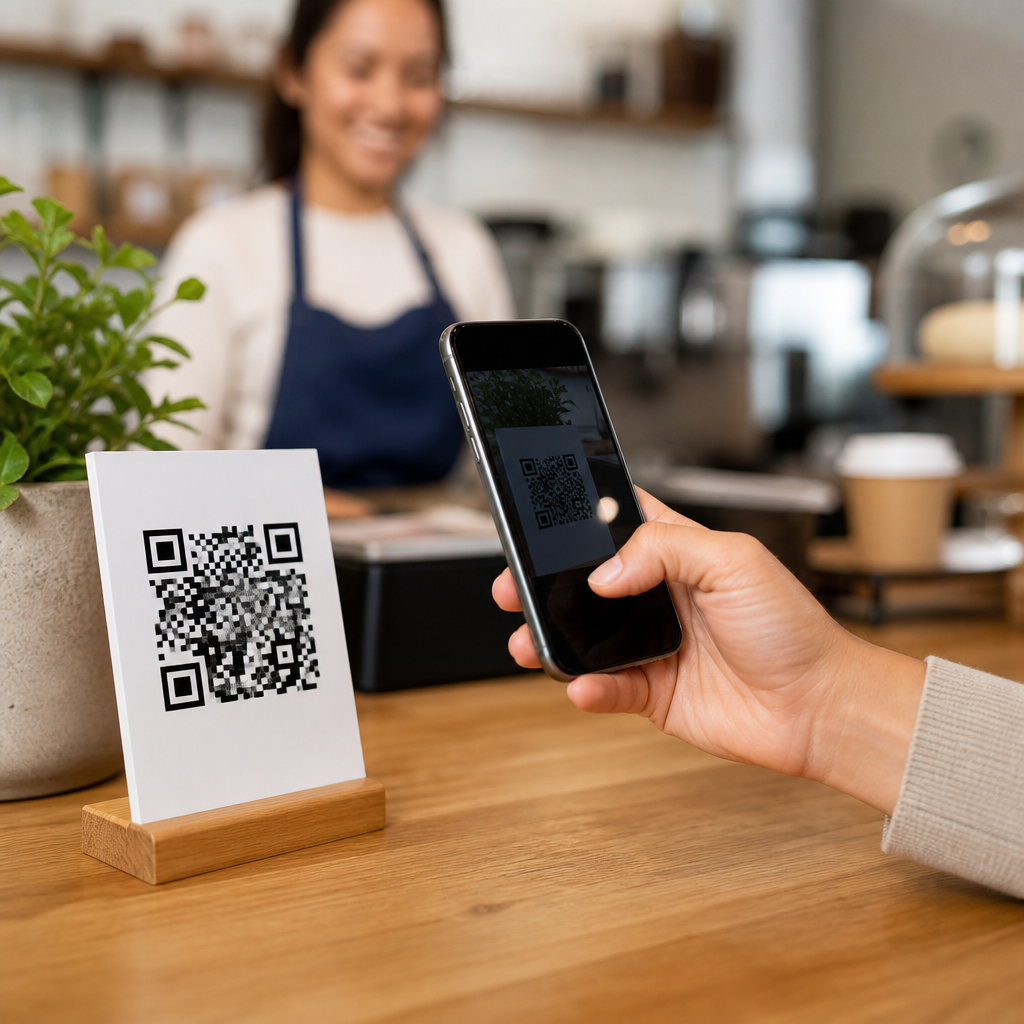
In retail and out-of-home environments, codes help marketers capture intent at the moment of consideration. A code on shelf talkers can open reviews, comparison charts, or limited-time discounts. Real estate agents use yard sign QR codes to route buyers to property tours, photo galleries, and mortgage calculators. At events, the best QR activations replace friction-heavy tasks: agenda downloads, lead retrieval, giveaway entry, and post-session surveys. Even digital screens can benefit when the goal is to move viewers from passive exposure to an owned channel, such as SMS enrollment or app download.
| Channel | Best QR Destination | Primary Goal |
|---|---|---|
| Packaging | Setup guide, loyalty page, reorder link | Retention and repeat purchase |
| Direct mail | Personalized landing page or booking form | Lead generation |
| Retail signage | Reviews, coupons, product comparison page | Conversion support |
| Events | Demo form, agenda, survey, downloadable asset | Engagement and follow-up |
| Out-of-home ads | Mobile offer page, app install, store locator | Traffic and local action |
Social and email deserve a nuance. Because users can already click links in many digital formats, QR codes are not always necessary there. However, they are useful when you need to move someone between devices, such as from desktop webinar viewing to mobile app installation, or from a connected TV ad to a purchase page. They also help during presentations, livestreams, and webinars where typing a URL is inconvenient. The rule is simple: use a QR code when scanning is easier than typing or searching, and when the immediate value of scanning is obvious.
How to Create QR Code Campaigns That Actually Convert
High-performing QR codes follow the same conversion principles as strong landing pages. Start with a single objective. If the campaign asks users to browse a full website, watch a video, join a newsletter, and buy a product, response usually suffers. One code, one intent, one clear next step works better. The call to action must explain the benefit, not just the mechanics. “Scan to save 15%,” “Scan to watch the demo,” and “Scan for installation help” outperform “Scan me” because the user knows exactly what they will get.
Destination quality matters as much as code design. The page should be mobile-first, compressed for speed, and aligned with the source context. Google’s Core Web Vitals are relevant here because slow mobile pages kill scan-through conversion. Keep forms short, place key information above the fold, and avoid interstitials that delay completion. If the destination is an app deep link, use deferred deep linking or a smart redirect so users without the app are sent to the correct app store first. For product packaging, include FAQ content and support options, since many scans happen after purchase when the user needs immediate help.
Design affects scan success more than many teams expect. Maintain strong contrast, preserve the required quiet zone around the code, and test at intended viewing distances. As a working rule, larger codes are safer, especially in out-of-home media where lighting, motion, and camera angles vary. Avoid placing codes on curved surfaces when precision matters, and do not overlay them on busy backgrounds. Branded QR codes can improve recognition, but only if customization does not harm readability. Before launch, test across iOS and Android, multiple camera apps, and different network conditions. A technically valid code is not the same as a field-ready code.
Tracking, Attribution, and Measurement
One reason QR codes matter in digital marketing is that they make offline media measurable. To track performance, use unique dynamic codes by placement, creative version, audience segment, or location. Append UTM parameters so analytics platforms such as Google Analytics 4, Adobe Analytics, HubSpot, or Salesforce can attribute sessions, leads, and conversions correctly. A retail chain, for instance, can assign one code version per store window and compare scans, coupon redemption, and assisted revenue by market. This turns physical distribution into testable media rather than guesswork.
The most useful metrics depend on campaign goals. For awareness, scans, unique visitors, and engaged sessions are good starting points. For lead generation, form completion rate, cost per lead, and qualified pipeline matter more. For ecommerce, focus on add-to-cart rate, purchase rate, average order value, and repeat purchase if the code appears on packaging. Do not stop at scan counts. A high scan volume with low landing page conversion usually points to a mismatch between the call to action and the destination, slow load times, or weak offer relevance.
Privacy and governance also matter. If you are collecting personal data through a QR destination, consent, disclosure, and storage practices must comply with applicable regulations such as GDPR or CCPA. In healthcare, finance, and regulated industries, review copy and data flows carefully before launch. Marketers should also maintain a QR inventory with destination ownership, expiration dates, and redirect rules. I have seen old codes lead to expired microsites long after materials were distributed, which damages trust and wastes budget. A simple governance process prevents that problem and keeps evergreen placements useful over time.
Common Mistakes and Practical Best Practices
The most common QR code mistake is offering no reason to scan. Users need a clear payoff, whether that is convenience, savings, exclusive content, faster checkout, or product support. Another mistake is sending all scans to the homepage. Homepages force users to search again, which adds friction at the exact moment the campaign should remove it. Broken redirects, poor cellular environments, tiny code sizes, and low-contrast printing also reduce performance. In stores and transit locations, marketers should physically test the scan from typical standing distance rather than approving artwork from a desktop proof alone.
Best practices are straightforward. Pair every code with a benefit-led call to action. Use dynamic codes for flexibility and analytics. Build mobile-first landing pages with a single conversion goal. Segment codes by channel so attribution is meaningful. Add campaign parameters and monitor performance weekly, not just at launch. Support the user after the scan with concise copy, clear buttons, and trust signals such as recognizable branding, privacy information, and secure checkout indicators. For larger programs, connect QR campaigns to CRM and marketing automation workflows so scan behavior can trigger lead scoring, nurture emails, or customer success follow-up.
QR codes in digital marketing work because they compress the distance between attention and action. They are most effective when they serve a defined purpose, deliver immediate value, and connect to measurable mobile experiences. Used across packaging, print, retail, events, and out-of-home media, they can drive traffic, generate leads, support purchases, and improve post-purchase engagement. The core principles are simple: match the destination to the context, make scanning worthwhile, test the experience thoroughly, and track outcomes beyond the scan itself.
As the hub for QR codes in digital marketing, this topic points to a broader system of campaign planning, mobile landing page design, attribution, and lifecycle marketing. Brands that treat QR codes as part of that system consistently get better results than brands that use them as a novelty. Review your current channels, identify moments where typing a URL creates friction, and build one focused QR campaign around a clear customer need. Then measure it, refine it, and expand what works.
Frequently Asked Questions
1. How do QR codes improve digital marketing campaigns?
QR codes improve digital marketing campaigns by reducing friction between a customer’s interest and the action you want them to take. Instead of asking someone to remember a URL, search for your brand, type in a promo code, or download an app later, a QR code lets them move directly from an offline touchpoint to an online destination in seconds. That can lead to higher engagement, faster conversions, and a smoother overall user experience.
From a strategy standpoint, QR codes are especially valuable because they connect physical marketing materials to measurable digital outcomes. A flyer can lead to a landing page, a product package can lead to a tutorial video, a store display can trigger a limited-time offer, and an event badge can open a lead capture form. This makes QR codes useful across awareness, consideration, conversion, and retention stages of the customer journey.
They also support better campaign tracking. When marketers use unique QR codes for different channels, placements, or audiences, they can see which posters, mailers, packaging inserts, or in-store signs are generating the most scans and downstream actions. That visibility helps teams refine messaging, improve placement, and allocate budget more effectively. In short, QR codes are not just a convenience feature; they are a practical performance tool that helps turn attention into action.
2. What are the best ways to use QR codes in a marketing campaign?
The best way to use QR codes in a marketing campaign depends on the goal of the campaign, but the strongest use cases are the ones that deliver immediate value to the audience. If your objective is lead generation, direct the QR code to a simple form, gated asset, webinar registration page, or newsletter signup. If you want to increase sales, send users to a mobile-optimized product page, special offer, coupon, or checkout experience. If your aim is engagement, a QR code can link to a video, contest, loyalty program, interactive experience, or social media campaign.
QR codes work particularly well in places where customers are already paying attention offline. Examples include product packaging, point-of-sale displays, restaurant tables, business cards, brochures, direct mail, event signage, trade show booths, print ads, billboards, and even receipts. In each case, the code should serve a clear purpose and answer the user’s unspoken question: “Why should I scan this?” A short call to action such as “Scan to get 15% off,” “Scan to watch the demo,” or “Scan to book a consultation” can dramatically improve scan rates.
Another best practice is to match the destination to the moment. Someone scanning a code in a retail aisle may be looking for reviews, specifications, or a discount. Someone scanning at an event may want schedules, speaker information, or a networking form. Someone scanning from packaging after purchase may be interested in setup instructions, care tips, or support. The more relevant the destination is to the user’s context, the more effective the campaign will be. Strong QR code marketing is less about using the technology everywhere and more about using it intentionally where it adds value.
3. Should marketers use static or dynamic QR codes?
In most professional marketing campaigns, dynamic QR codes are the better choice. A static QR code contains fixed information and cannot be changed once it is created. If the destination URL changes, the code becomes outdated and may need to be replaced everywhere it appears. Static codes can be fine for permanent information, such as a basic contact card or a long-term homepage link, but they are less flexible for active campaigns.
Dynamic QR codes, by contrast, point to a short redirect URL that can be updated behind the scenes without changing the printed code itself. That means you can change the landing page, revise an offer, fix a broken link, adjust campaign messaging, or redirect traffic to a new promotion even after the code has been published on packaging, signage, or printed materials. This flexibility is a major advantage for marketers who need to test, optimize, and adapt campaigns in real time.
Dynamic codes also typically offer better analytics. Depending on the platform you use, you may be able to track total scans, time of scan, location, device type, and performance by campaign source. Those insights can help you understand customer behavior and improve campaign results. For example, if one store poster gets far more scans than another, or one direct mail segment converts better than another, you can use that data to refine your strategy. For most campaigns where measurement and agility matter, dynamic QR codes are the smarter, more scalable option.
4. What should a QR code landing page include to maximize conversions?
A QR code landing page should be fast, mobile-friendly, and built around one clear action. Because most people scan QR codes on smartphones, the landing page experience needs to load quickly, display properly on smaller screens, and avoid unnecessary friction. If the page is slow, cluttered, or difficult to navigate, you can lose users almost immediately, even if the code itself attracted strong initial interest.
The page should also align tightly with the promise made near the QR code. If the sign says “Scan for 20% off,” the landing page should immediately show that offer. If the code is on product packaging and promises setup help, the user should land directly on instructions or a tutorial video, not on a generic homepage. Relevance matters. People scan with a specific expectation, and meeting that expectation quickly is one of the most important factors in conversion performance.
High-converting QR code landing pages usually include a concise headline, a clear value proposition, limited distractions, and a strong call to action. Depending on the campaign, that action might be making a purchase, signing up, downloading an app, watching a demo, scheduling an appointment, or redeeming a coupon. Trust signals can also help, such as customer reviews, security badges, product ratings, or short benefit-focused copy. If you are collecting leads, keep forms short and only ask for essential information. The overall goal is simple: make the next step obvious, easy, and worth taking.
5. How can businesses track and measure the success of QR code campaigns?
Businesses can track and measure QR code campaign success by defining clear goals first and then connecting scans to meaningful outcomes. A scan by itself is useful, but it is only the starting point. The more important question is what happened after the scan. Did the user sign up, make a purchase, download an app, redeem an offer, fill out a form, or watch a video? Metrics should be tied to the campaign objective, not just to raw scan volume.
A strong measurement setup often includes dynamic QR codes, campaign-specific URLs, UTM parameters, analytics platform integration, and dedicated landing pages. With that structure in place, marketers can evaluate performance by placement, audience, geography, campaign version, and conversion path. For example, you can compare scans from in-store signage versus direct mail, or measure whether event attendees are more likely to complete a form than magazine readers. This level of tracking turns QR codes into a measurable acquisition and engagement channel rather than a simple convenience tool.
Useful metrics may include total scans, unique scans, scan-to-visit rate, bounce rate, time on page, conversions, revenue generated, coupon redemptions, cost per acquisition, and return on campaign spend. It is also smart to test variables such as call-to-action wording, code placement, landing page design, and offer type. Over time, these insights show which combinations produce the highest engagement and best conversion rates. When businesses treat QR codes as part of a broader performance marketing system, they can optimize campaigns with much greater precision and confidence.