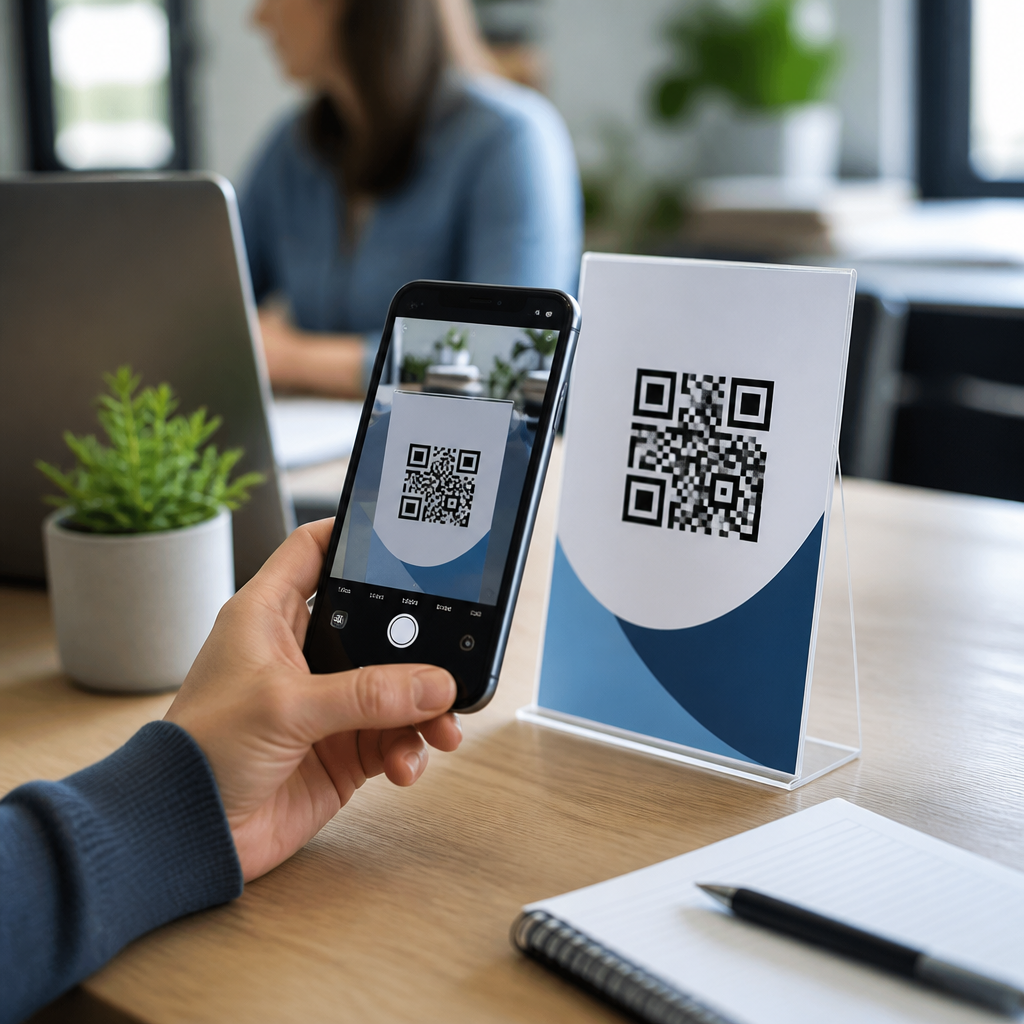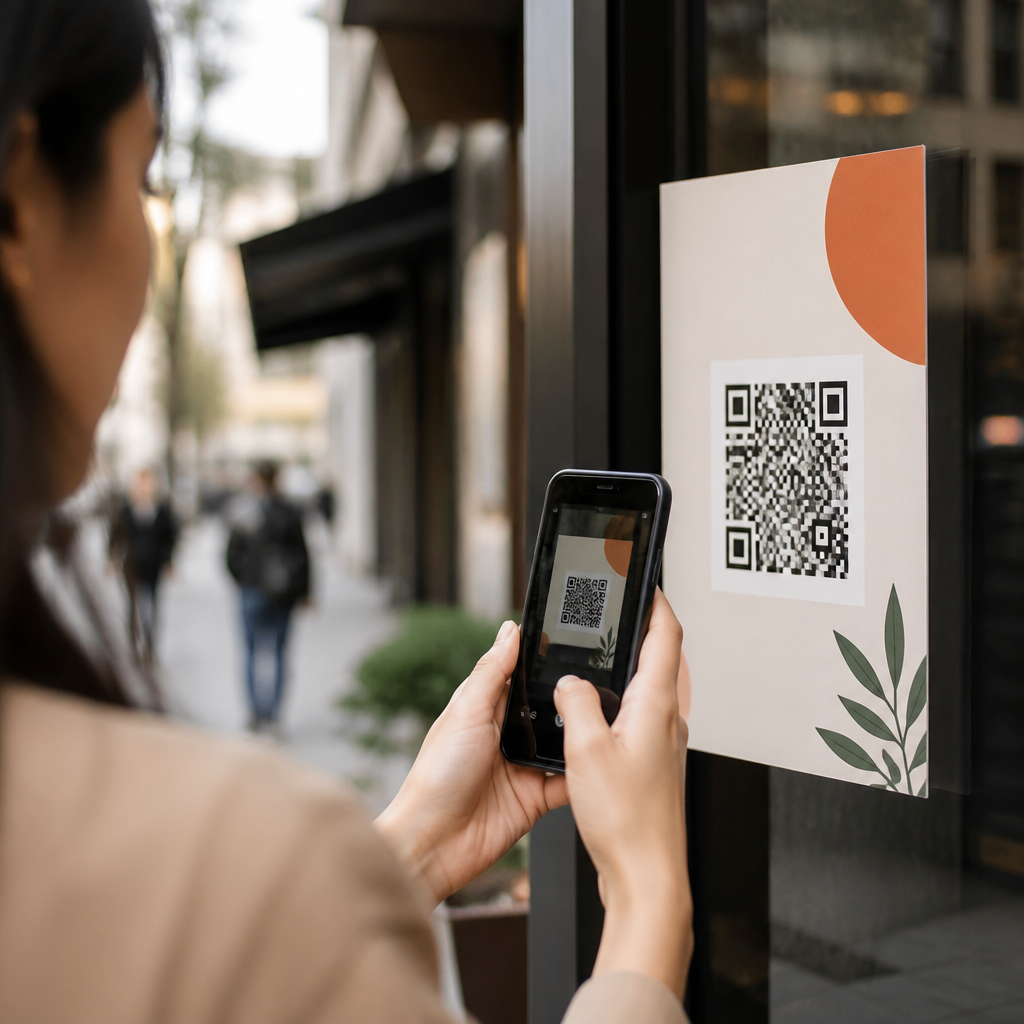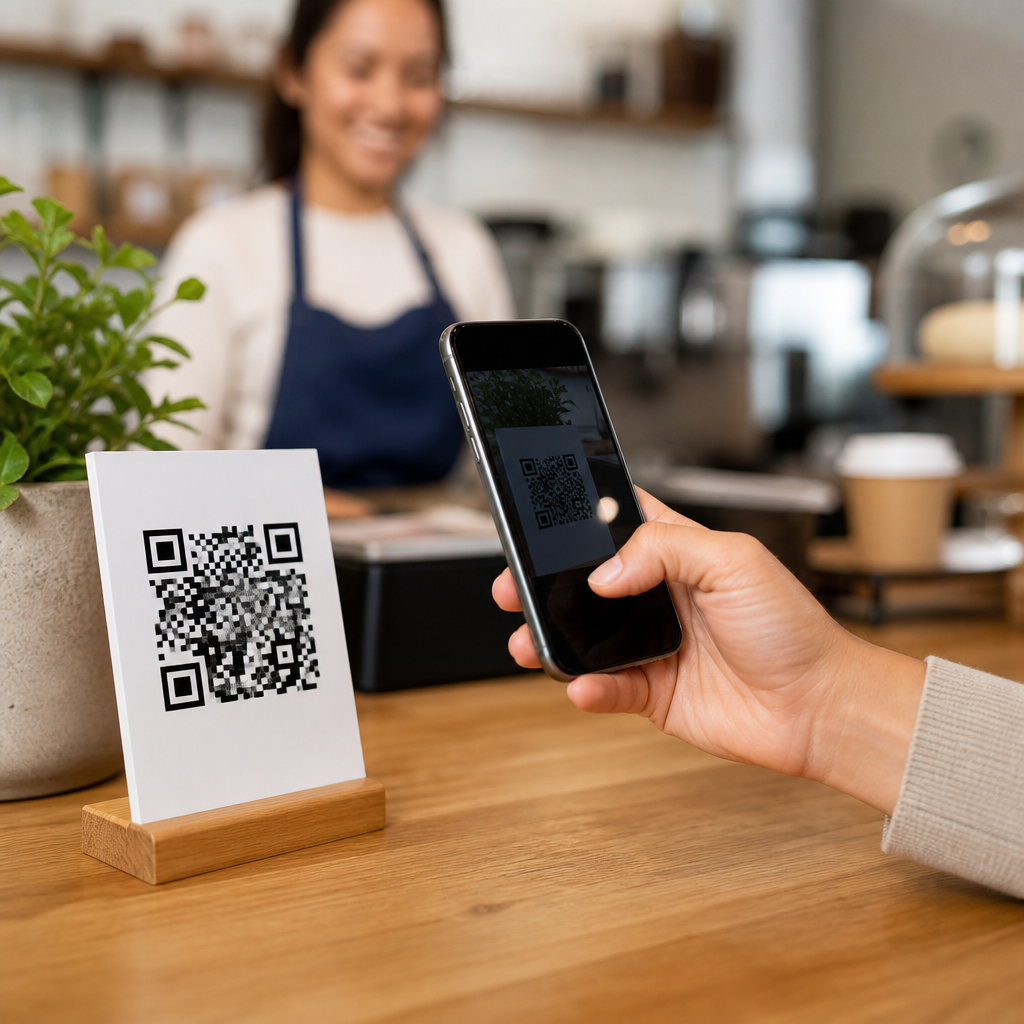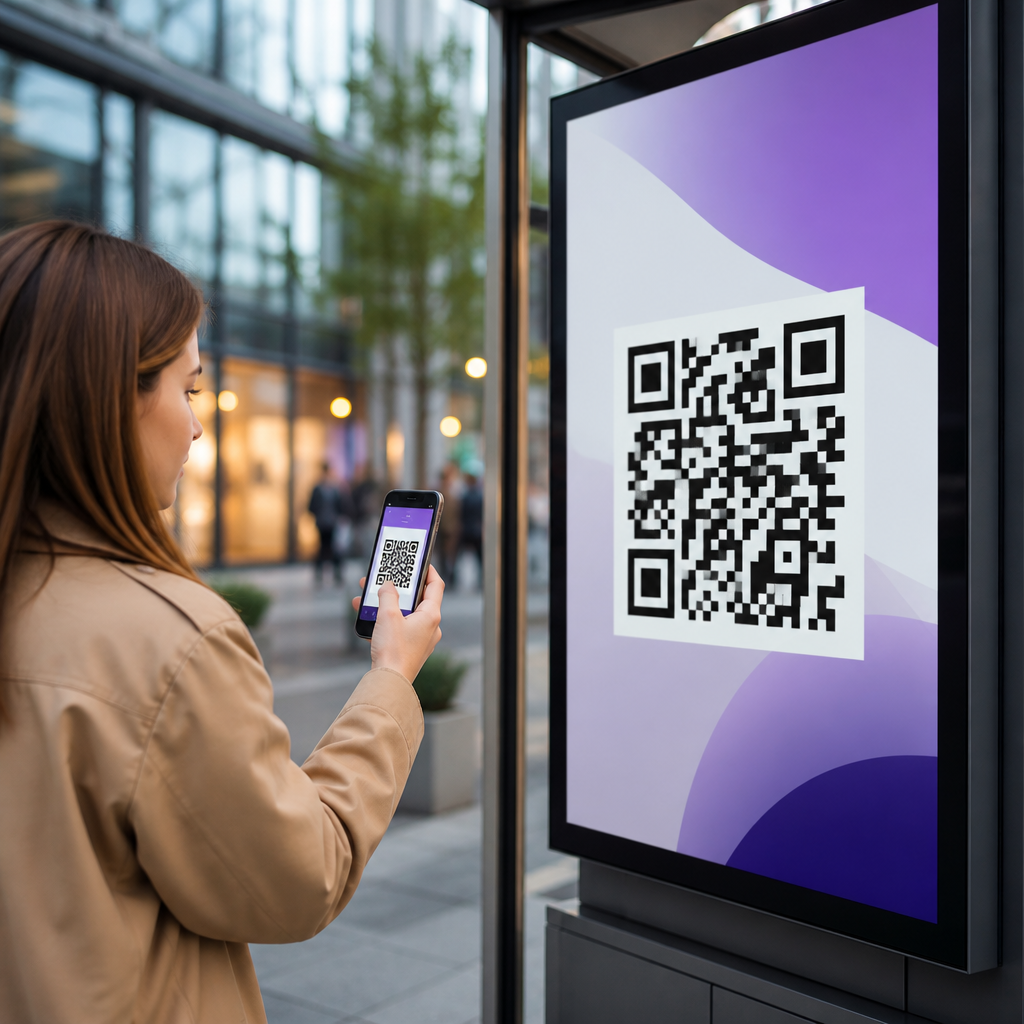
QR codes have become one of the most practical bridges between offline attention and digital action, making them a core tool in modern advertising. A QR code, or quick response code, is a scannable two-dimensional barcode that sends a user to a landing page, app store, video, coupon, form, menu, payment screen, or other digital destination in seconds. I have used QR campaigns across retail, events, direct mail, packaging, and outdoor media, and the pattern is consistent: when the code, offer, and landing experience align, response rates improve because friction drops. That matters in digital marketing, where every extra tap loses people. Brands no longer need customers to type a URL, search for a product, or remember a promo code. They can turn a poster, flyer, shelf talker, business card, social graphic, or product label into a measurable conversion point.
For marketers, the real value is not the graphic itself but what it enables: attribution, immediacy, personalization, and continuity across channels. Dynamic QR codes can be edited after printing, tagged with UTM parameters, connected to analytics platforms, and segmented by campaign, location, or audience. That makes them useful for awareness, lead generation, sales, loyalty, customer service, and post-purchase engagement. A restaurant can link to a seasonal menu, a real estate agent can deliver a virtual tour, and a consumer packaged goods brand can move buyers from shelf to recipe content. In each case, the QR code shortens the distance between interest and action. This article explains the best ways to use QR codes in advertising, where they perform best, what mistakes reduce scans, and how to build campaigns that are easy to measure and worth scaling.
Connect offline advertising to measurable digital journeys
The best use of QR codes in advertising is linking physical media to a focused digital experience that continues the message the viewer just saw. Billboards, transit ads, print magazines, brochures, point-of-sale displays, and product packaging all create intent, but intent fades fast. A QR code preserves it. Instead of sending everyone to the homepage, send each audience to a dedicated landing page that matches the context. A commuter scanning a train poster should reach a mobile page with one clear action, not a complex site navigation. In practice, the strongest campaigns use message match: the headline near the code, the landing page headline, and the call to action all reinforce the same promise.
Real examples show why this works. Retailers often place QR codes in window displays after hours so shoppers can browse featured items, check inventory, or buy online when the store is closed. At trade shows, exhibitors use large-format codes on booth walls to deliver product sheets, schedule demos, and capture qualified leads without handing out printed catalogs. In direct mail, insurers, healthcare groups, and universities use personalized QR codes to take recipients to customized response pages, reducing form fields and improving completion rates. Outdoor campaigns can also become measurable media. A billboard by region can point to city-specific offers, and the scan data can reveal which placements generate the highest engagement. When marketers ask how to use QR codes in digital marketing, this offline-to-online connection is the first answer because it turns static impressions into trackable sessions and conversions.
Use QR codes to drive action at every stage of the funnel
QR codes are not limited to awareness campaigns. They work across the full marketing funnel when the destination fits the user’s level of intent. At the top of the funnel, use them for educational content, influencer collaborations, launch videos, and contest entries. In the middle, use them for comparison guides, downloadable brochures, webinar registrations, store locators, and product explainers. At the bottom, they can link directly to checkout pages, limited-time coupons, financing applications, quote requests, app install screens, or wallet passes. The key is matching the ask to the moment. Someone scanning a street poster is willing to browse; someone scanning a shelf tag may be ready to purchase.
I have seen especially strong performance when QR codes remove a known conversion bottleneck. Restaurants use table tents and takeaway inserts to collect loyalty sign-ups. Gyms place codes near front desk signage so walk-ins can claim a free trial without waiting for staff. Automotive dealers use codes on windshield stickers to open vehicle history reports, feature lists, and finance options. Consumer brands print them on packaging to unlock how-to content, warranty registration, and replenishment offers. These use cases work because the QR code is not an add-on. It solves a specific customer need in a specific moment.
| Advertising context | Best QR destination | Main goal |
|---|---|---|
| Billboard or transit ad | Location-specific mobile landing page | Awareness to consideration |
| Retail shelf or window display | Product page with stock and reviews | Purchase intent |
| Direct mail postcard | Personalized offer page | Lead generation or sales |
| Event booth signage | Demo booking or lead form | Qualified pipeline |
| Product packaging | How-to content or loyalty signup | Retention and repeat purchase |
For campaigns that need flexibility, dynamic codes are the standard choice. You can change the destination without reprinting creative, pause an outdated promotion, and compare variants by placement. Static codes still have value for permanent information such as Wi-Fi access, contact details, or evergreen documentation, but advertising usually benefits from editability and analytics. If you expect creative to run in multiple markets or over several weeks, dynamic QR codes are the safer operational choice.
Design QR code campaigns for scan rate, trust, and usability
Many QR campaigns fail for simple execution reasons, not because audiences dislike scanning. The code is too small, placed too high, visually distorted, or paired with a vague call to action like “Scan me.” Effective QR code advertising follows a few non-negotiable rules. First, maintain strong contrast, typically dark modules on a light background. Second, preserve the quiet zone around the code so smartphone cameras can read it. Third, size the code for the viewing distance; a common field rule is roughly one inch of code size for every ten inches of scan distance, though testing matters more than formulas. Fourth, add a clear benefit statement such as “Scan for 20% off today” or “Scan to see the full demo.”
Trust also affects response. People are more willing to scan when they can predict what happens next. Branded landing pages, short explanatory text, and recognizable domains increase confidence. Some brands place a short URL beneath the code as a backup for accessibility and reassurance. Others frame the code with a brand color border or logo, but customization should never compromise readability. I always test codes on both iPhone and Android devices, in bright light and low light, before approving final artwork. Camera quality varies, and a code that scans on a designer’s desk may struggle on a busy sidewalk or glossy poster.
Mobile destination quality matters just as much as code design. Pages must load quickly, present one primary action, and minimize typing. According to Google’s long-established mobile usability guidance, slow pages and intrusive friction reduce conversion, and QR traffic is especially impatient because the user is already in motion. If the ad promises a discount, show the discount immediately. If the ad invites a form fill, ask only for essential fields. If the goal is app installs, deep link to the correct app store. Good QR campaigns respect context: they assume the user is on a phone, often standing, often distracted, and always one back button away from leaving.
Measure QR code performance and improve campaigns over time
One reason QR codes belong in digital marketing is that they can be measured with the same discipline applied to paid search, email, and social campaigns. Every advertising QR code should be tied to a unique campaign structure. Use UTM parameters for source, medium, campaign, content, and sometimes term. Connect visits to Google Analytics 4, Adobe Analytics, HubSpot, Salesforce, or your preferred reporting stack. For local campaigns, separate codes by location, creative version, and media type so you can compare scan volume, engagement rate, lead quality, and downstream revenue. A single generic code across all placements wastes insight.
Important metrics go beyond raw scans. Scan-to-session rate shows whether technical issues or redirects are causing drop-off. Bounce rate or engagement rate indicates whether message match is strong. Form completion rate, coupon redemption rate, assisted conversions, and repeat visits reveal true business value. I also watch time of day, operating system, and landing page speed because they expose practical problems. For example, a code on packaging may get many scans in-store and again at home, but the second audience may convert better when they have more time. A transit ad may get decent scan volume but weak conversion if the landing page requires more attention than a rider can give.
Testing is where mature programs pull ahead. Compare incentive types, button labels, landing page layouts, and code placement within the ad unit. A museum can test whether visitors scan more for “Audio guide” or “Behind-the-scenes stories.” A retailer can compare “Check availability” versus “Shop this look.” A B2B advertiser can test meeting-booking offers against downloadable case studies. Over time, QR code optimization becomes less about the novelty of the scan and more about disciplined conversion design. The brands that win treat QR advertising as a system: media context, code design, landing page, analytics, and follow-up all connected.
Common mistakes to avoid when using QR codes in advertising
The biggest mistake is using QR codes without a compelling reason to scan. If the destination offers nothing beyond what the ad already says, response will be low. Another common error is sending traffic to a homepage and hoping users will navigate from there. That breaks momentum. Poor placement is also frequent: codes on moving vehicles, reflective surfaces, curved packaging seams, or areas blocked by shelving. Some teams forget compliance and accessibility considerations, especially in regulated industries such as finance and healthcare, where disclosures, consent language, and privacy handling must be clear.
There are also strategic pitfalls. Not every audience wants the same action, and not every channel suits QR codes equally well. A luxury print ad may benefit from a discreet code tied to a private preview, while a roadside billboard needs a simpler ask and safer context. Marketers should avoid overcrowding creative with multiple codes or multiple competing calls to action. One ad, one offer, one destination is usually best. Finally, never launch without governance. Keep a destination inventory, expiration dates, naming conventions, and redirect ownership documented so old codes do not break after campaigns end.
QR codes work best in advertising when they reduce friction, extend the message, and create a measurable path from attention to action. Used well, they connect print, packaging, retail, events, direct mail, and outdoor media to mobile-first experiences that are faster and easier than typing a URL or searching later. The strongest programs use dynamic codes, dedicated landing pages, clear incentives, strong mobile design, and rigorous analytics. They also respect context by matching the destination to the audience’s intent and the moment of the scan.
For teams building a mobile QR codes for marketing strategy, this topic deserves a hub-level approach because it touches campaign planning, creative production, web experience, tracking, and post-scan conversion. Start with one high-intent use case, such as product packaging, direct mail, or in-store signage, and build a test plan around a single measurable goal. Then expand by channel, audience, and offer. When QR codes are treated as a serious advertising tool rather than a decorative extra, they consistently improve convenience, attribution, and results. Review your current campaigns, identify one friction point, and deploy a QR experience that solves it.
Frequently Asked Questions
What are the best ways to use QR codes in advertising?
The best uses for QR codes in advertising are the ones that reduce friction and give people an immediate reason to act. In practice, that means connecting a physical ad to a digital experience that is fast, relevant, and clearly beneficial to the customer. Some of the strongest applications include linking posters, flyers, packaging, direct mail, in-store signage, vehicle wraps, product displays, and event materials to landing pages, promotional offers, product demos, app downloads, lead forms, loyalty signups, and limited-time coupons. QR codes also work especially well for campaigns that need to bridge awareness and action in one step, such as “scan to claim your discount,” “scan to watch the demo,” or “scan to book now.”
What separates an effective QR campaign from a weak one is not the code itself, but the experience behind it. The destination should match the context of the ad. If someone scans a QR code on retail packaging, they may want setup instructions, reviews, or a reorder page. If they scan from an outdoor ad, they usually need something quick, mobile-friendly, and easy to complete in seconds. If the ad is promoting an event, the code should lead directly to registration, a schedule, or a ticketing page. In other words, the best way to use QR codes in advertising is to make them part of a clear conversion path rather than treating them like a decorative add-on.
Another highly effective approach is segmenting QR codes by channel. Use one code for a postcard, another for a storefront poster, another for a trade show booth, and another for product packaging. This lets advertisers track performance by placement and audience. Over time, those insights help improve creative, calls to action, offers, and landing pages. When used strategically, QR codes turn static ad placements into measurable, interactive touchpoints that can support awareness, engagement, lead generation, sales, and retention.
How do you make a QR code ad actually get scanned?
The single most important factor is clarity of value. People do not scan QR codes just because they are present; they scan when the reason is obvious and worthwhile. A strong call to action should explain exactly what happens after the scan and why it is useful. Phrases like “Scan to get 20% off,” “Scan to see pricing,” “Scan to enter today,” or “Scan to view the full menu” perform better than vague language such as “Learn more.” Specificity reduces hesitation and sets expectations before the user opens their phone camera.
Placement and usability matter just as much. The code should be large enough to scan easily, printed with high contrast, and positioned where people can realistically use it. For example, a QR code on a subway platform poster can work well because viewers are stationary, while a QR code on a highway billboard is far less practical because people cannot safely scan it while driving. The surrounding design should direct attention to the code rather than bury it among too many visual elements. White space helps, and so does visual hierarchy. If the ad is crowded, the QR code becomes easy to ignore.
Mobile destination quality is another major driver of scan-through and conversion rates. If the landing page loads slowly, is not optimized for mobile, asks for too much information, or does not match the message on the ad, users will drop off immediately. The best campaigns keep the post-scan journey simple. That could mean auto-applying a discount, opening a pre-filled contact form, showing a product video instantly, or taking the user to a one-tap booking page. Trust also plays a role. Branded landing pages, short supporting copy near the code, and a clear explanation of what the user will receive can make people more comfortable scanning. In short, successful QR code ads combine a compelling offer, smart placement, easy scanning, and a seamless mobile experience.
Where should QR codes be placed for the best advertising results?
QR codes perform best in places where the audience has both the time and the motivation to engage. That typically includes retail displays, window signage, countertop materials, product packaging, direct mail, brochures, trade show booths, event signage, menus, magazine ads, and transit shelter ads. These environments give users a natural pause point, which is ideal for scanning. For example, someone standing in a store may scan for product comparisons or coupon offers, while someone receiving a postcard may scan to claim a local service promotion. The key is aligning placement with user intent and physical context.
Placement should also take viewing distance into account. A code on a small package can be relatively compact because the user is holding it in hand, while a code on a poster or banner needs to be much larger to scan from several feet away. The code should never be placed where glare, folds, poor lighting, curvature, or visual clutter make it difficult to read. For print advertising, test the code on the final production material, not just on a screen. Different paper finishes, colors, and sizes can affect scan reliability more than many advertisers expect.
It is also important to think strategically about campaign goals. Packaging is excellent for education, reorders, subscriptions, and loyalty programs. Direct mail is strong for offers, appointments, and lead generation. In-store signage can drive impulse action, product discovery, and upsells. Event placements are ideal for registrations, maps, schedules, downloadable resources, and post-event follow-up. Outdoor media can work, but only when the environment allows safe and realistic scanning. The most effective placement decisions come from understanding not only where the audience sees the ad, but what they are likely to want in that exact moment.
How can you track and measure QR code advertising performance?
One of the biggest advantages of QR codes in advertising is that they make offline media much more measurable. Instead of guessing whether a poster, package insert, or mailer influenced action, advertisers can track scans, clicks, conversions, time of activity, device types, and destination behavior. The best way to do this is by using unique QR codes for each campaign, placement, audience segment, or creative variation. That way, you can see whether the code on an in-store display outperforms the one on a postcard, or whether one offer drives stronger conversion rates than another.
Measurement should go beyond scan count alone. A high number of scans may look encouraging, but what matters is what people do next. Useful metrics include landing page engagement, form completions, coupon redemptions, purchases, bookings, app installs, video views, and return visits. If possible, connect the QR destination to analytics platforms, CRM systems, call tracking, ecommerce reporting, or marketing automation tools. This gives a fuller picture of campaign effectiveness and helps advertisers understand not just response volume, but response quality.
It is also wise to evaluate results in context. A direct mail QR code might generate fewer scans than a storefront display, yet produce more qualified leads. A packaging QR code might not create an immediate sale, but it may increase product education, reduce support questions, or drive repeat purchase behavior. Advertisers who use dynamic QR codes can also update destinations without reprinting materials, which is valuable for testing and optimization. Over time, QR code analytics can reveal which calls to action, placements, offers, and landing page formats produce the strongest return. When treated as a measurable conversion tool instead of a novelty, QR advertising becomes much easier to refine and scale.
What mistakes should advertisers avoid when using QR codes?
The most common mistake is using a QR code without a clear purpose. If the advertiser cannot explain in one short phrase why someone should scan, the audience will not see enough value to take action. Sending users to a generic homepage is another frequent problem. A homepage often forces people to search for the information or offer they expected, which creates unnecessary friction. The post-scan experience should be specific, direct, and consistent with the promise made in the ad. A QR code should feel like a shortcut, not an extra step.
Poor technical and design execution can also hurt performance. Codes that are too small, low contrast, distorted, crowded by graphics, or placed on awkward surfaces may scan inconsistently. Some advertisers also forget to test across different phones, camera apps, and lighting conditions. Others place codes in impractical settings, such as moving vehicles or high-speed roadside placements, where scanning is difficult or unsafe. These choices reduce engagement before the offer even has a chance to work. Reliability is non-negotiable, because even a strong promotion will fail if the scan experience feels frustrating.
Another major mistake is neglecting the mobile landing page. A slow page, a non-mobile layout, a long form, or a mismatch between the ad and the destination can quickly cause abandonment. It is equally important to avoid failing to track results. Without unique links, analytics, and conversion measurement, it is hard to know whether the campaign is succeeding or how to improve it. Finally, some advertisers overcomplicate the user journey with too many steps after the scan. In most cases, the highest-performing QR campaigns are simple: a relevant placement, a clear benefit, a fast scan, and an immediate path to action. Keeping those fundamentals in place helps advertisers avoid the most expensive and most common QR code mistakes.