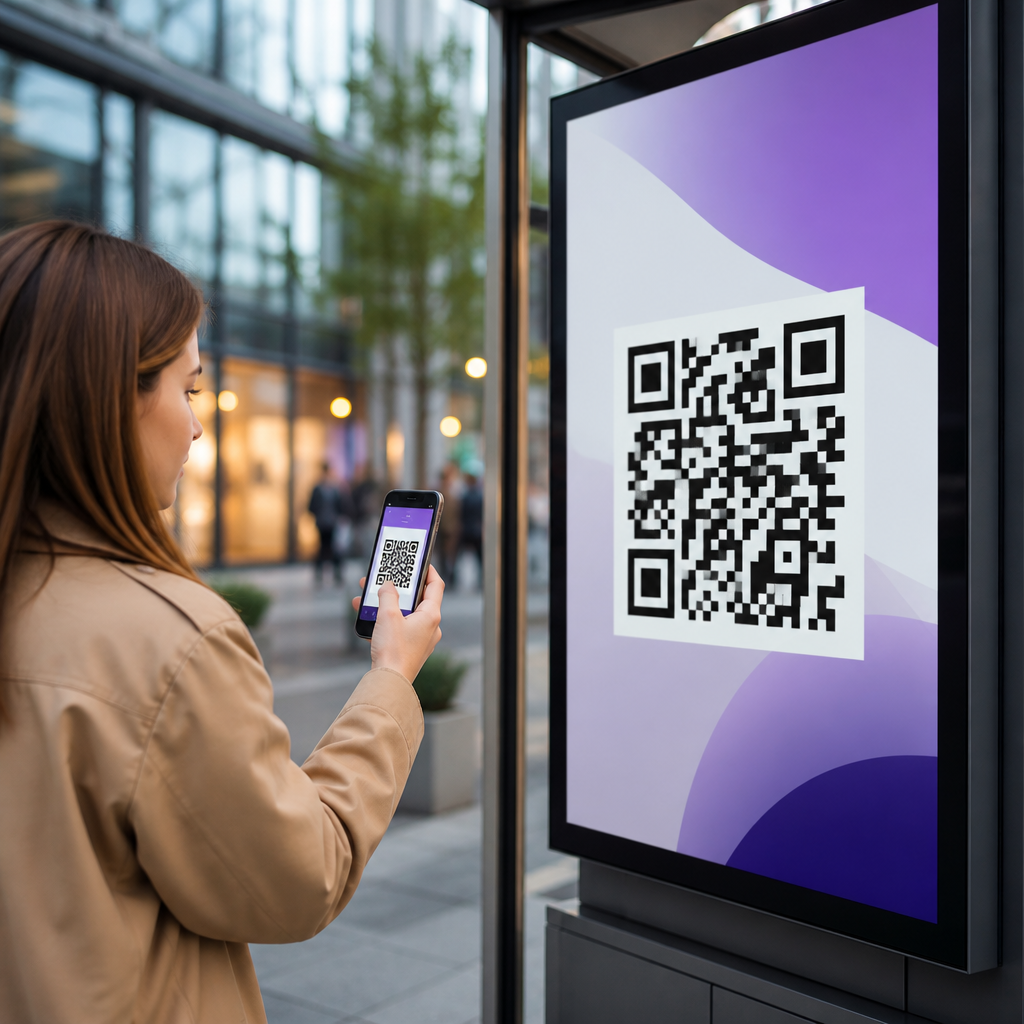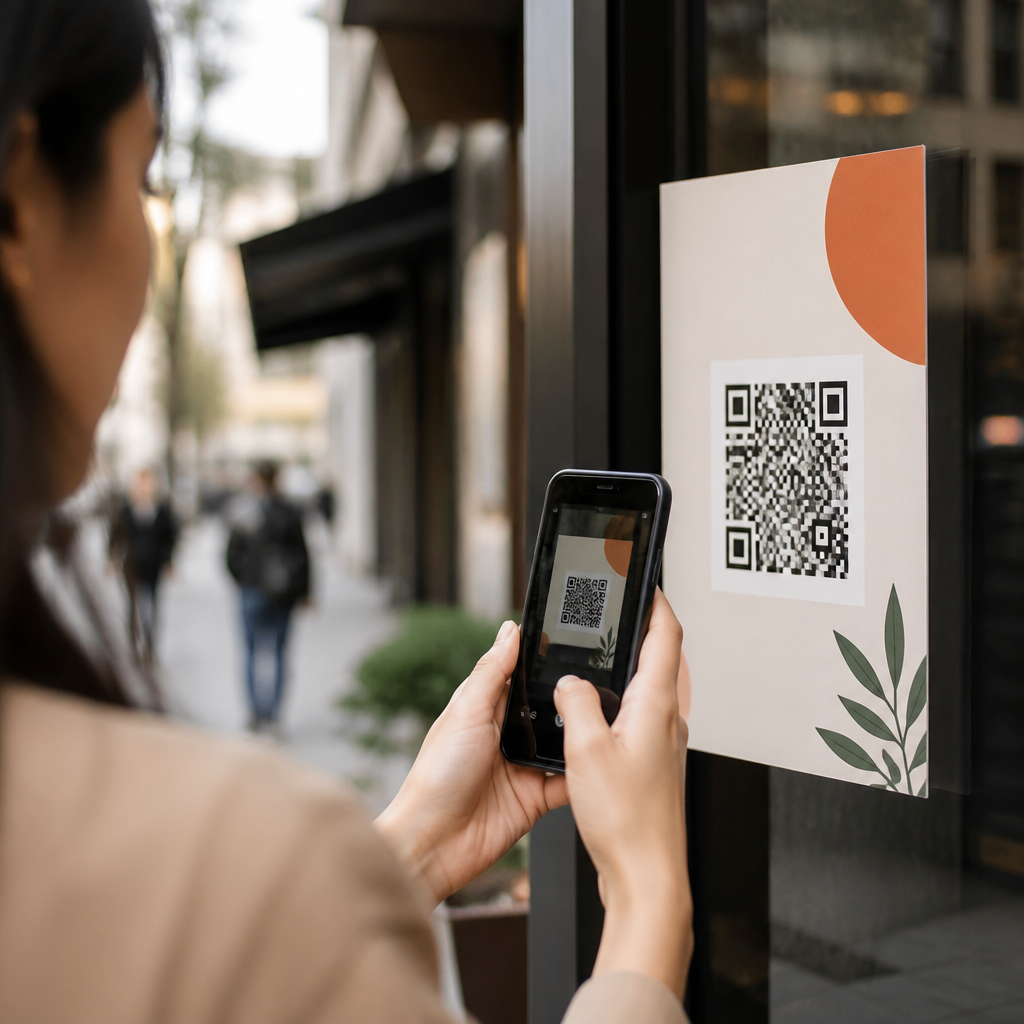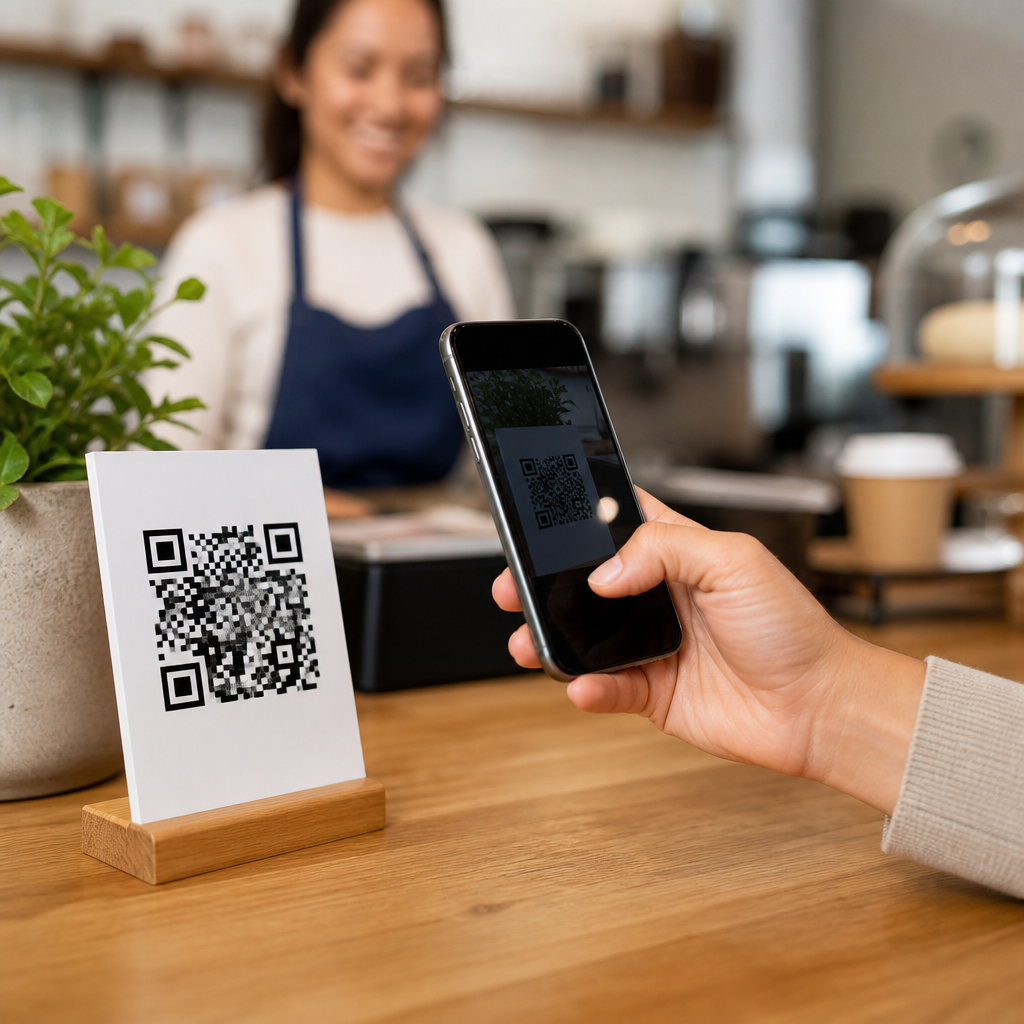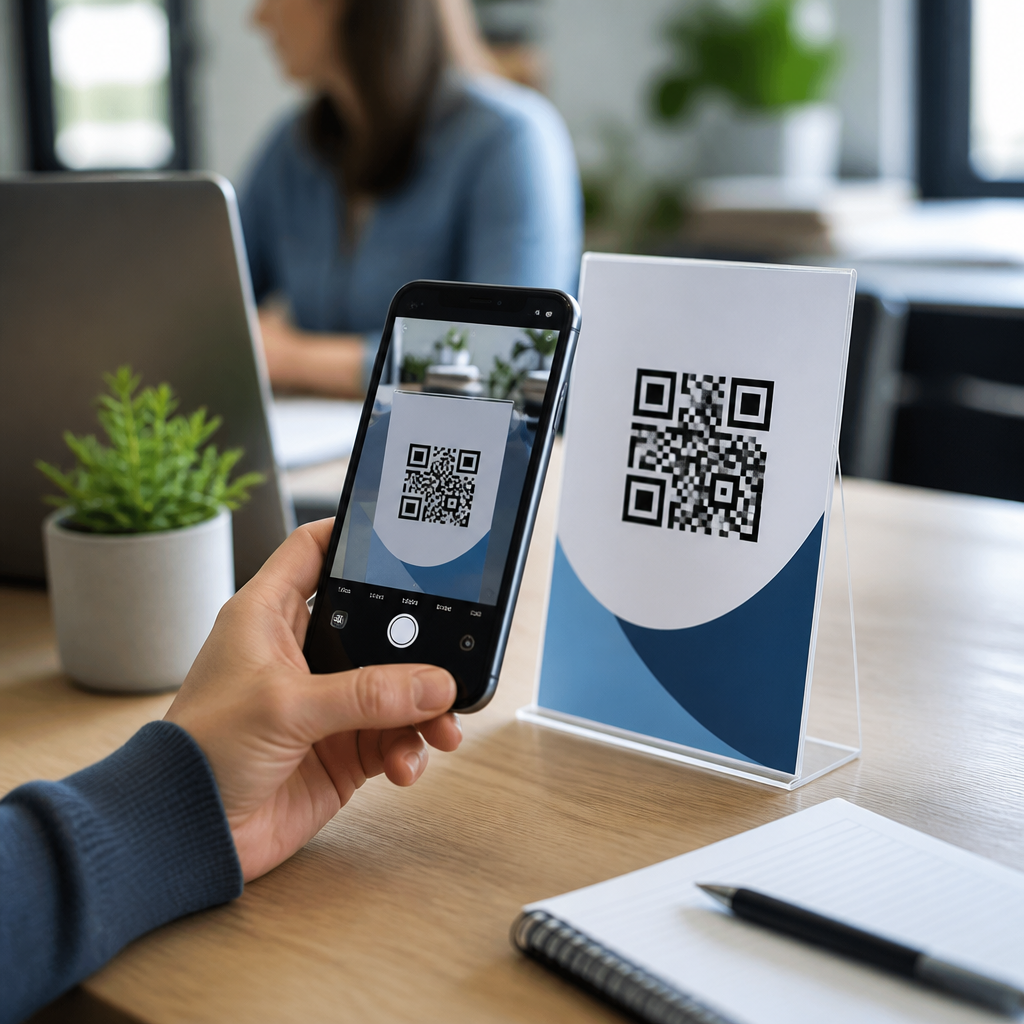
QR codes have moved from simple shortcuts to powerful conversion tools, and when they are integrated thoughtfully, they can connect offline attention with measurable digital action across every stage of a marketing funnel. In digital marketing, a QR code is a scannable matrix barcode that sends a user to a landing page, app, form, coupon, video, menu, payment flow, or tracked campaign destination, while a marketing funnel is the path from awareness to consideration, conversion, retention, and advocacy. I have used QR campaigns for retail launches, event follow-up, direct mail, and product packaging, and the difference between a decorative code and a revenue-producing one always comes down to funnel design. Marketers care because QR codes reduce friction: the customer does not need to type a URL, search a brand, or remember an offer later. They scan and act in the moment of intent. That immediacy matters on posters, receipts, packaging, in-store displays, business cards, emails opened on desktop, and even webinars where viewers can scan from a second screen. With smartphone cameras now recognizing codes natively on iPhone and Android devices, adoption barriers are far lower than they were a decade ago. The opportunity is not just more traffic. It is better attribution, cleaner segmentation, stronger personalization, and a smoother bridge between physical and digital touchpoints.
To integrate QR codes into your marketing funnel, start by assigning each code a single job, align the destination with funnel stage, track every scan with campaign parameters, and optimize the post-scan experience for mobile speed and clarity. A code that points everyone to the homepage usually underperforms because it ignores intent. A code on a product box should not act like a code on a trade show banner, and a code in a reactivation postcard should not send users to the same page as first-time prospects. The hub topic of QR codes in digital marketing includes campaign strategy, landing page design, analytics, CRM synchronization, compliance, creative placement, and performance testing. Each of those areas affects results. If your goal is to make QR codes a dependable acquisition and conversion channel rather than a novelty, you need an end-to-end system that starts with audience context and ends with reporting tied to revenue.
Map QR codes to each stage of the marketing funnel
The most effective QR code strategy begins with funnel mapping. At the awareness stage, use codes on out-of-home ads, packaging, print inserts, event signage, and influencer materials to introduce a clear value exchange such as a style guide, product demo, contest entry, or store locator. For consideration, codes should direct users to comparison pages, testimonials, explainer videos, case studies, ingredient details, or interactive quizzes. At conversion, the destination must remove hesitation: limited-time offers, streamlined product pages, appointment booking, checkout links, digital wallets, and autofilled lead forms work well. After purchase, retention codes on receipts, thank-you cards, and product labels can trigger onboarding, setup instructions, loyalty enrollment, replenishment reminders, or support resources. Advocacy is the final stage, where codes can invite reviews, referrals, user-generated content submissions, or community membership.
I recommend building a QR inventory by campaign objective, audience segment, channel, and funnel stage before you generate a single code. This prevents duplication and improves reporting. Dynamic QR codes are usually the right choice because they let you change the destination without reprinting the asset and provide scan analytics through platforms such as Bitly, Beaconstac, QR Code Generator Pro, or Flowcode. Static codes work for permanent destinations, but they are far less flexible. A practical example is a restaurant chain using one awareness code on window signage for a seasonal menu preview, another consideration code on table tents for allergen information and reviews, and a conversion code on receipts for loyalty signup tied to a bounce-back offer. The codes look similar to the customer, yet each serves a distinct funnel purpose and captures different intent signals.
Build high-converting post-scan experiences
A QR code does not convert people; the destination does. Every post-scan page should load fast, match the promise near the code, and present one primary action above the fold. Mobile-first design is mandatory because scans happen on phones. Keep forms short, compress images, use large tap targets, and remove navigation clutter when the campaign has a single conversion goal. I have seen scan rates remain healthy while conversion rates collapsed because the landing page opened with a generic homepage hero, a desktop pop-up, or a slow video background. The fix was rarely the code itself. It was message mismatch and friction after the scan.
Deep linking improves results when the next step belongs inside an app. Retailers can open product pages in their native app for logged-in users and fall back to a mobile web page for everyone else. B2B teams can send prospects directly to a meeting scheduler preloaded with campaign context. Service businesses can route scans to location-specific pages using geolocation rules. Personalization matters too. A direct mail recipient who scans a QR code should not land on the same generic page as a trade show visitor. Use campaign IDs, hidden fields, and CRM logic in HubSpot, Salesforce, Marketo, or Klaviyo to tailor copy, offers, and follow-up workflows based on source. The simpler the path between curiosity and action, the stronger the funnel performance.
Track scans, attribute revenue, and measure what matters
Measurement is where QR codes become a serious digital marketing channel. Every QR destination should include UTM parameters so analytics platforms can identify source, medium, campaign, content, and term where relevant. In Google Analytics 4, create reports that separate scans by asset type, funnel stage, geography, device, and landing page. For lead generation, connect scan data to form submissions, qualified leads, pipeline stages, and closed revenue in your CRM. For ecommerce, track product views, add-to-cart rate, checkout starts, purchases, average order value, and repeat purchase behavior from scanned sessions. Scan count alone is a vanity metric if it is not tied to business outcomes.
| Funnel stage | Recommended QR destination | Primary KPI | Supporting KPI |
|---|---|---|---|
| Awareness | Video, guide, store locator | Unique scans | Engaged sessions |
| Consideration | Comparison page, reviews, quiz | Click-through to product or form | Time on page |
| Conversion | Checkout, booking, lead form | Purchases or submissions | Conversion rate |
| Retention | Onboarding, loyalty, support | Repeat actions | Account enrollment |
| Advocacy | Referral page, review form | Referrals or reviews | Share rate |
Good attribution also requires operational discipline. Name campaigns consistently. Use one code per placement when possible so a poster in the subway is not merged with a code on product packaging. Create redirects that preserve parameters. Test scans on multiple devices and lighting conditions before launch. If offline conversion is part of the journey, use coupon codes, POS integrations, or matched audience uploads to connect scans with in-store purchases. A home services brand, for example, can print city-specific QR codes on vehicle wraps and route each scan to a local landing page with trackable phone numbers from CallRail. That setup allows the team to compare markets, crews, and creative treatments with real lead and booking data instead of guesswork.
Use channel-specific tactics for print, retail, email, events, and packaging
Different channels create different user expectations, so placement and offer design should change accordingly. In print ads and direct mail, the best-performing codes usually sit beside a concrete benefit and a short call to action such as “Scan for pricing” or “Scan to claim 15% off.” In retail, shelf talkers and end caps can link to reviews, demo videos, and inventory checks that help shoppers decide without asking staff. At events, booth signage and badges should route to lead capture forms, calendar booking, product sheets, or post-demo follow-up assets. On packaging, QR codes can drive setup content, warranty registration, replenishment subscriptions, and cross-sell recommendations after the sale.
Email deserves special mention because QR codes in email work best when the email is opened on desktop and the intended action happens on mobile. A webinar reminder can include a code to join from a phone, save contact details, or redeem an event-only offer. For restaurant, hospitality, and service brands, codes on menus, receipts, room keys, and service counters can connect the physical experience to loyalty and feedback loops. In all of these cases, clarity beats creativity. The customer should know exactly what happens after the scan. Add a brief label under the code, maintain strong contrast, leave enough white space around the symbol, and size it appropriately for scanning distance. A code on a highway billboard needs very different dimensions than one on a brochure or product insert.
Avoid common QR code mistakes and improve performance over time
The most common QR marketing failures are predictable: sending users to a homepage, using low-contrast designs, placing codes where cellular service is weak, printing them too small, forgetting mobile page speed, and offering no reason to scan. Another mistake is overbranding the code so heavily that readability suffers. Custom colors, logos, and frames can lift trust when done correctly, but ISO-compliant error correction is not a license to ignore contrast and quiet zone requirements. Always test across iOS and Android devices, with older cameras as well as current flagships. If you expect thousands of scans, load-test the landing page and ensure redirects do not break under traffic spikes.
Optimization should be continuous. Run A/B tests on calls to action, destination pages, incentives, and placement. Compare dynamic versus static destinations, immediate discounts versus educational value, and gated versus ungated content. Review scan-to-conversion drop-off by asset and audience. If a code draws scans but little downstream action, revise the offer or landing page before replacing the code placement. If one channel outperforms others, expand it with localized versions and segmented follow-up. QR codes work best when they are treated like any other performance marketing asset: planned, tracked, tested, and improved. Integrated well, they make your marketing funnel more measurable, more convenient, and more responsive to real customer intent. Audit your current touchpoints, assign each code a funnel role, and launch one tracked campaign you can improve month after month.
Frequently Asked Questions
How do QR codes fit into each stage of a marketing funnel?
QR codes work best when they are matched to the intent of each funnel stage rather than used as a generic link everywhere. At the awareness stage, a QR code can turn passive exposure into a measurable first touch by sending people from packaging, signage, direct mail, event booths, print ads, or in-store displays to a lightweight destination such as a brand video, campaign landing page, giveaway, or educational content hub. In the consideration stage, the same concept becomes more targeted: the QR code can lead to product comparisons, testimonials, case studies, menus, demo videos, FAQs, or a lead capture form that helps prospects evaluate whether your offer is right for them.
At the conversion stage, QR codes can reduce friction by sending users directly to a checkout page, booking form, payment flow, app download, coupon redemption page, or limited-time offer. For retention, they can be printed on receipts, inserts, loyalty cards, packaging, or post-purchase emails to connect customers to onboarding guides, support resources, reorder pages, referral programs, or member-only perks. In the advocacy stage, a QR code can encourage reviews, social shares, referrals, user-generated content, and feedback submissions. The key is that each QR code should have a clear job within the funnel, a dedicated destination, and a measurable call to action so you can track how offline engagement contributes to digital progress.
What makes a QR code campaign effective instead of just decorative?
An effective QR code campaign is built around value, relevance, and ease of action. People scan when they believe they will get something useful quickly, so the offer behind the code matters more than the code itself. If a customer sees a QR code on a poster, package, shelf talker, flyer, or business card, they should immediately understand what they will receive by scanning. Clear prompts such as “Scan to claim 15% off,” “Scan to watch the demo,” “Scan to book a consultation,” or “Scan to download the guide” typically perform much better than a code displayed without explanation.
Design and experience also matter. The landing page should match the message on the physical asset, load fast on mobile devices, and continue the same campaign theme without confusion. A good QR code campaign also removes unnecessary steps. If someone scans a code meant for lead generation, do not send them to a homepage where they need to search for the offer. Deep-link them to the exact page that fulfills the promise. Finally, effectiveness depends on tracking. Using unique campaign URLs, UTM parameters, dynamic QR codes, and conversion goals in analytics lets you evaluate scan rates, engagement, form completions, purchases, and downstream revenue. In other words, a QR code becomes a serious funnel tool when it delivers a relevant action and gives marketers usable performance data.
Where should businesses place QR codes to drive the highest conversions?
The best placement depends on audience context, but the highest-converting QR codes are usually placed where interest is already present and where scanning feels natural. Product packaging is one of the strongest placements because the customer is already holding the item and often wants more information, setup help, a reorder option, or a reward. In retail, shelf displays and point-of-sale areas can work well because they capture shoppers during active decision-making. At events and trade shows, QR codes on booth graphics, badges, handouts, and presentation slides can move attendees from brief in-person interaction to deeper digital engagement such as scheduling a demo or downloading product materials.
Printed materials also remain highly effective when they are targeted. Direct mail pieces, catalogs, menus, brochures, and postcards can use QR codes to bridge traditional outreach with online action, making response easier to measure than a standard vanity URL. For service businesses, QR codes in waiting rooms, receipts, invoices, and appointment reminders can prompt reviews, referrals, upsells, or repeat bookings. The common thread is placement at moments of high intent. A QR code should appear where the next step is obvious and beneficial. It should also be physically easy to scan, large enough to read, placed with adequate contrast, and not positioned in a location where movement, glare, distance, or poor signal make scanning inconvenient.
How can you track and measure QR code performance in a marketing funnel?
To measure QR code performance properly, start by treating each code as a distinct campaign asset rather than a generic traffic source. Give each code a unique destination URL or use a dynamic QR platform that lets you assign and update campaign-specific links. Add UTM parameters so your analytics platform can identify the source, medium, campaign, creative variation, and placement. For example, a code used on product packaging should be tracked separately from one used in a window display or a trade show handout, even if both promote the same offer. This level of granularity helps you understand not just total scans, but which offline touchpoints move people forward most effectively.
From there, define funnel metrics that match the intended stage. Awareness-focused QR codes may be judged by scans, engagement time, video views, or bounce rate. Consideration-stage codes may be measured by guide downloads, pricing page visits, email signups, and demo requests. Conversion-stage codes should be tied to purchases, bookings, form submissions, coupon redemptions, or completed payments. Retention and advocacy codes can be measured through repeat orders, loyalty signups, review submissions, referral actions, and customer support engagement. Advanced teams often connect QR scans to CRM records, marketing automation workflows, and first-party customer profiles. That creates a clearer picture of how an offline scan contributes to lead quality, sales velocity, customer lifetime value, and repeat behavior over time.
What are the most common mistakes to avoid when integrating QR codes into your marketing funnel?
One of the biggest mistakes is sending every scan to the homepage. That creates friction and wastes intent because users must hunt for the next step. A QR code should lead to a specific, mobile-friendly destination aligned with the exact message seen in the offline environment. Another frequent mistake is offering no reason to scan. If the code appears without a benefit-driven call to action, many people will ignore it. Marketers also underestimate technical and usability problems, such as linking to slow pages, non-mobile forms, broken links, expired offers, or pages that require too many steps before the user can act.
There are also strategic mistakes. Using the same QR code everywhere makes it difficult to understand which channel or placement performs best. Failing to test different offers, designs, calls to action, and destinations limits optimization. Poor physical execution can hurt results too, including tiny codes, low contrast, awkward placement, or printing on curved or reflective surfaces. Finally, some brands forget the funnel after the scan. A QR code should not just generate traffic; it should connect to a follow-up path that includes lead capture, remarketing, email nurture, conversion prompts, and post-purchase engagement where appropriate. When QR codes are integrated thoughtfully, they can connect offline attention to measurable digital outcomes. When they are used casually, they often become little more than decorative squares with no strategic impact.