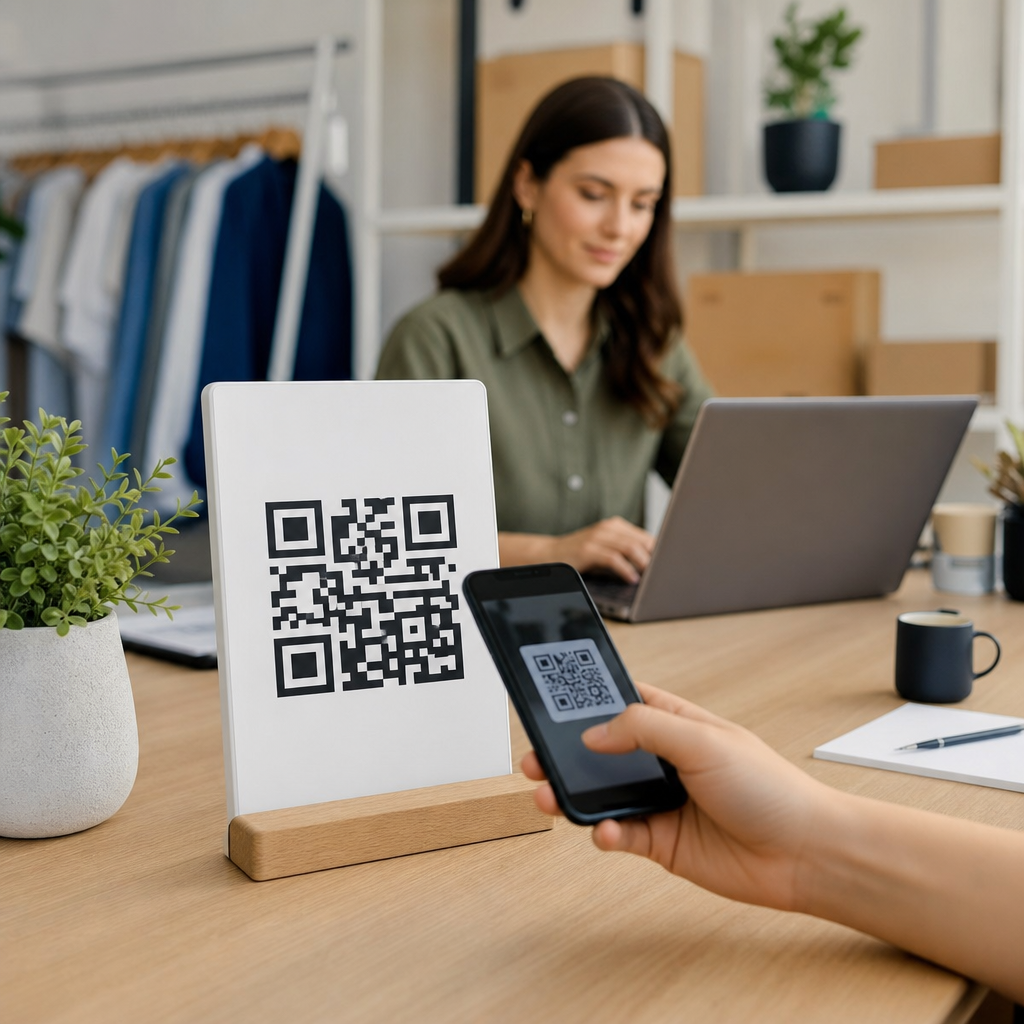
Creating a QR code for SMS campaigns sounds simple, but doing it well requires more than dropping a phone number into a generator. A mobile QR code connects an offline scan to a fast action on a smartphone, such as opening a prefilled text message, loading a landing page, saving a contact card, or joining an app flow. In practice, I treat this page as the foundation for any team building mobile QR codes because SMS campaigns succeed only when the scan experience, message intent, tracking setup, and compliance details all work together.
A QR code, or Quick Response code, is a two-dimensional barcode that stores machine-readable data. When a smartphone camera scans it, the device interprets the encoded content and launches the matching action. For SMS campaigns, the most useful format is an SMS QR code, which opens the user’s default texting app with a phone number and often a prewritten message. That reduces friction. Instead of asking people to type a keyword to a short code, the code can launch the message in one scan. In retail stores, trade show booths, direct mail, packaging, and restaurant tabletops, that convenience can materially raise response rates.
This matters because mobile attention is scarce and any extra tap can cost conversions. Businesses use mobile QR codes to drive text-to-join programs, coupon redemption, appointment requests, support conversations, product registrations, and loyalty signups. The best implementations combine clear calls to action, mobile-first landing experiences, and analytics that show where scans turn into subscribers or revenue. This guide explains how to create a mobile QR code for SMS campaigns, when to use an SMS code instead of a URL code, how to choose static versus dynamic formats, and what design, testing, and legal checks prevent expensive mistakes.
Understand the types of mobile QR codes and choose the right one
Before you generate anything, define the mobile action you want after the scan. Many teams say they need an SMS QR code when they actually need a mobile landing page QR code that offers multiple options, including text signup, Apple Wallet, and email capture. An SMS QR code is ideal when the primary goal is initiating a text conversation immediately. The common syntax uses the phone number and optional body text so the scan opens the device messaging app with both fields populated. This is efficient for joining a list with a keyword, requesting a quote, booking a demo, or starting support.
Other mobile QR codes solve different problems. A URL QR code sends users to a mobile page, often better for product education, forms, or app download decision points. A vCard QR code saves contact details. An app deep-link QR code routes existing users into a specific screen while new users go to the app store. A payments QR code can trigger wallet or checkout flows. In campaigns I have run, SMS performs best when speed is the priority and the value exchange is obvious, while mobile landing pages outperform SMS when users need more context before committing.
Static versus dynamic is the next decision. A static QR code directly contains the final content and cannot be edited after printing. A dynamic QR code points to a short redirect URL managed by a platform, letting you change the destination, pause campaigns, segment by location, and capture scan analytics. For SMS campaigns, static codes can work when the number and keyword never change, but dynamic codes are usually safer because campaign details, attribution tags, and compliance copy often evolve after launch. Tools commonly used for dynamic mobile QR codes include Bitly, QR Code Generator Pro, Beaconstac, Flowcode, and Uniqode.
Build the SMS campaign foundation before generating the code
The highest-performing QR codes are built on strong campaign plumbing. Start with the sending setup. If your SMS program uses a short code, toll-free number, or 10DLC long code, confirm the number can receive inbound messages and that your platform recognizes the keyword or message body you plan to prefill. Providers such as Twilio, Attentive, Klaviyo, Postscript, EZ Texting, and SimpleTexting support inbound automation, but each handles keyword rules, consent logs, and response templates differently. A QR code should point into a tested workflow, not a number someone checks manually.
Next, define the user journey. What happens after the scan, after the text is sent, and after the first automated reply? For example, a retailer might prefill “JOIN” to a compliant signup number. The first reply confirms consent, shares the offer details, and links to terms. A dentist might use “BOOK” to trigger office-specific appointment routing. A B2B exhibitor might prefill “DEMO” and then route the lead into a CRM with event source tags. If your campaign needs richer qualification, use the QR code to open a landing page first and then invite the text opt-in with explicit consent language.
Compliance is not optional. In the United States, SMS marketing programs generally follow Telephone Consumer Protection Act requirements and CTIA messaging principles, including clear consent, program description, message frequency disclosure, HELP and STOP support, and links to terms and privacy policy where appropriate. In other regions, local privacy and electronic communications rules apply. I always place the opt-in language near the QR code, especially on printed materials, because a scan can happen away from staff who might otherwise explain the program. Good mobile QR code creation is as much governance as graphic production.
Generate the QR code, format the message, and design for reliable scanning
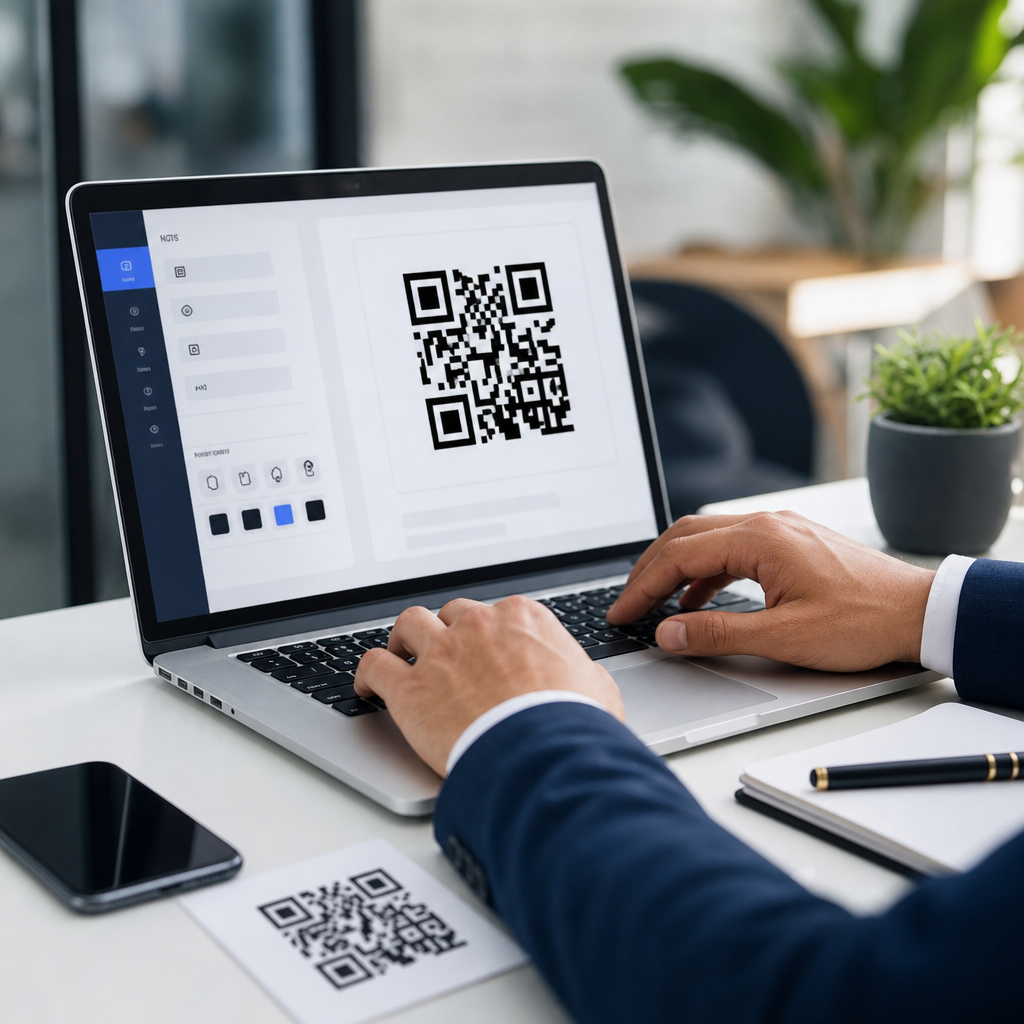
Once the campaign flow is ready, create the QR code using your chosen generator or SMS platform. For a direct SMS action, enter the phone number in international or platform-approved format and add a prefilled body that is short, recognizable, and easy to audit, such as JOIN, VIP, DEMO, or SUPPORT. Avoid long messages because some devices and apps interpret SMS URI formats inconsistently. Keep the action clear and the body simple. If your generator supports dynamic redirection to device-specific actions, test both iPhone and Android behavior because messaging apps can handle prefill parameters differently.
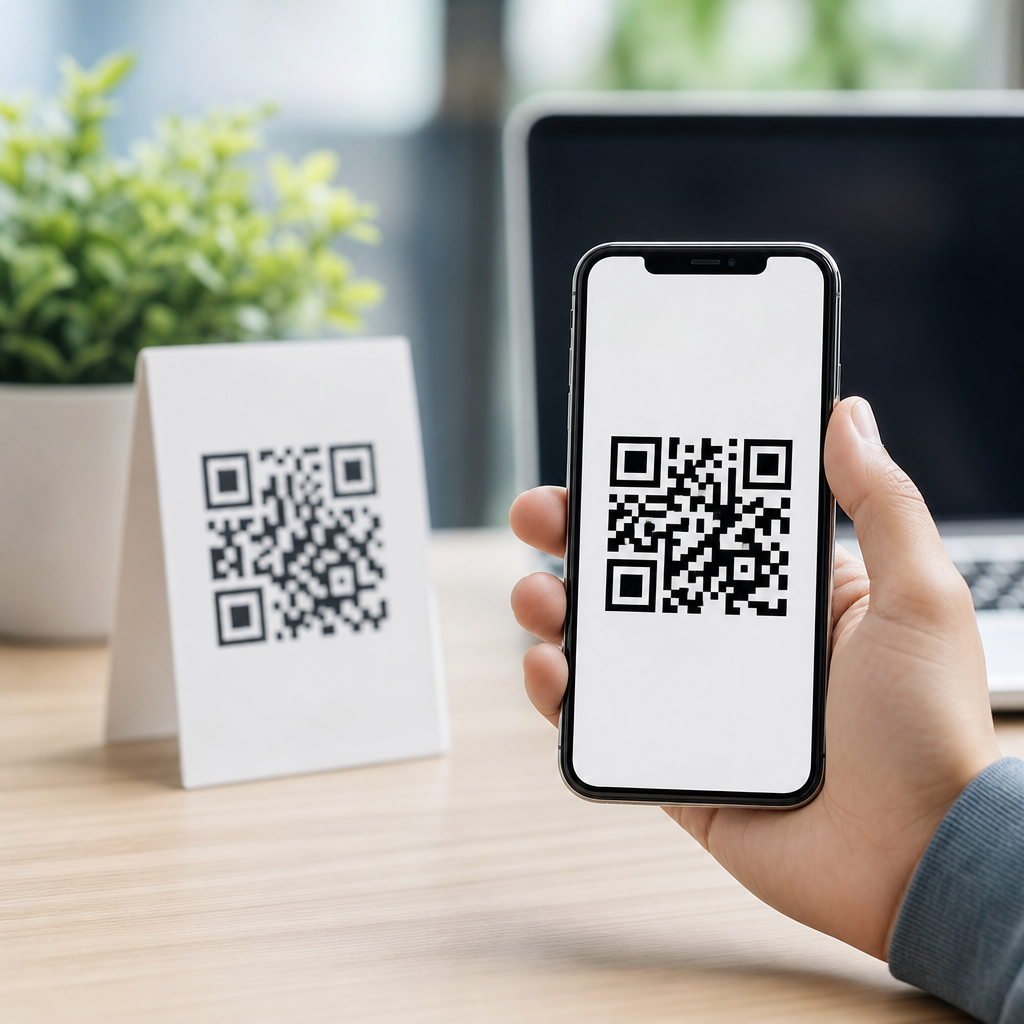
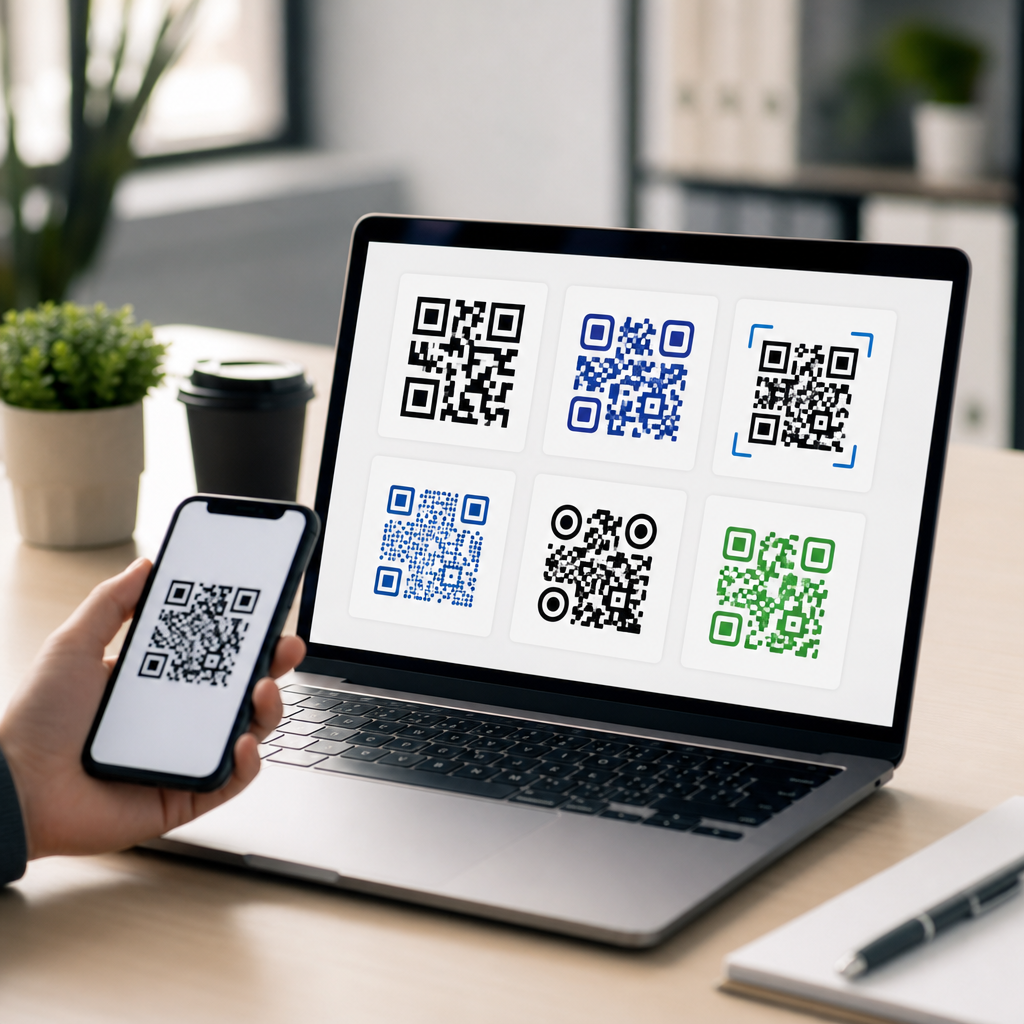
Design affects scan performance more than most teams expect. Use high contrast, usually black on white, and preserve the quiet zone around the code. Print at a size appropriate for the scan distance; a practical rule is roughly one inch of code width for every ten inches of scanning distance, though environment and camera quality matter. Do not distort the square shape. If adding a logo, keep error correction high enough to preserve readability, but do not overbrand the code until it fails in low light. For posters, shelf talkers, and mailers, test on older phones as well as current flagship devices.
| Decision area | Best practice | Why it matters for SMS campaigns |
|---|---|---|
| Code type | Use dynamic when campaigns may change | Lets you update destinations, tags, and routing after print |
| Prefilled message | Keep it to one short keyword | Improves compatibility across messaging apps and devices |
| Print size | Match size to expected scan distance | Prevents failed scans in stores, events, and outdoor signage |
| Call to action | State the benefit beside the code | Users scan more when the reward is immediate and specific |
| Testing | Check iPhone, Android, and multiple apps | Verifies SMS prefill behavior and analytics before launch |
The call to action next to the code often determines whether anyone scans at all. “Scan to text JOIN for 15% off” is stronger than “Scan me.” If there is a compliance disclosure, make it readable and adjacent, not hidden on another panel. For product packaging, include a fallback instruction like “Text JOIN to 12345” for users who cannot scan. For venues with poor connectivity, consider whether a simple SMS initiation is more resilient than sending visitors to a media-heavy mobile page. Good QR code design is not decorative; it reduces friction and preserves intent at the moment of action.
Track performance, troubleshoot failures, and connect the code to broader mobile strategy
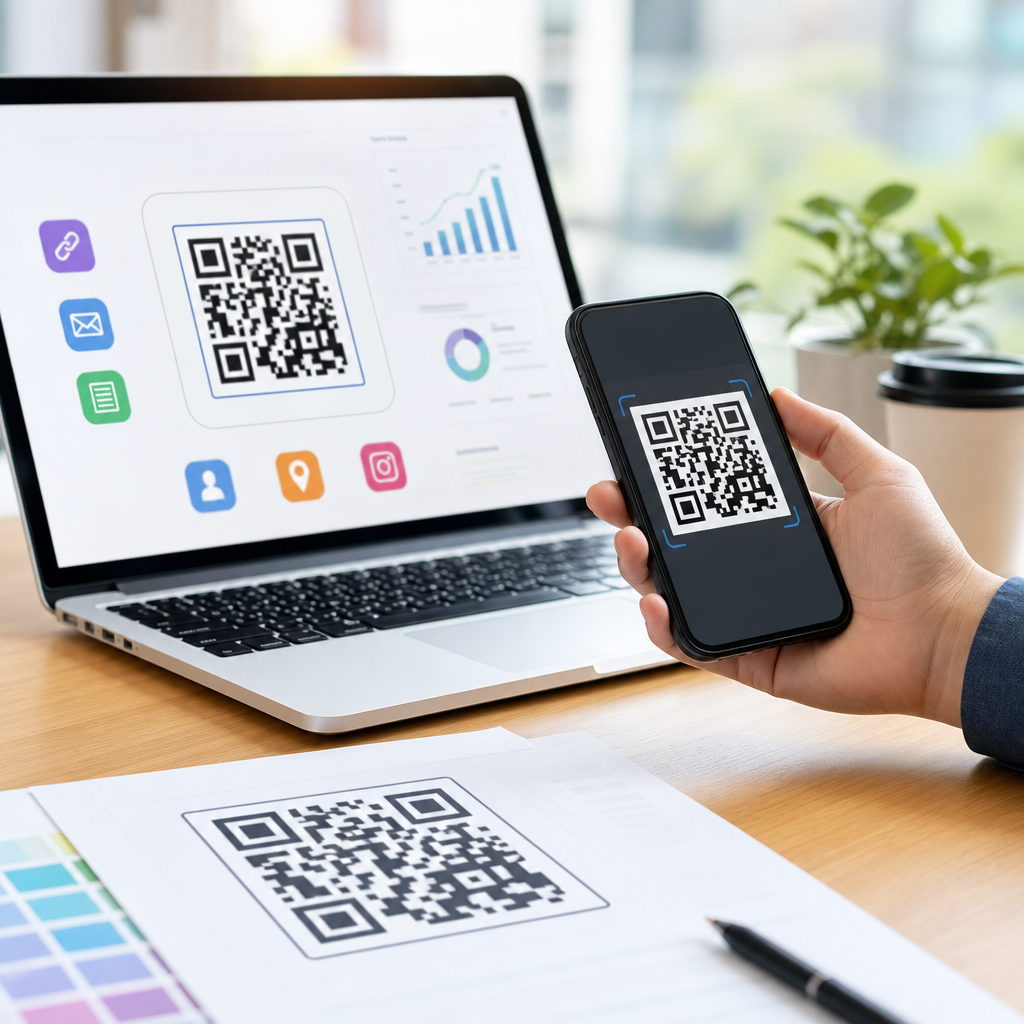
A mobile QR code should be measurable from scan to outcome. Dynamic QR platforms typically report scans by time, device, and location. Your SMS platform reports messages received, opt-ins confirmed, clicks, and downstream conversions. Tie those datasets together with campaign naming conventions and, when using landing pages, UTM parameters. In a retail rollout, for example, store-specific dynamic codes can reveal which locations drive scans, while distinct SMS keywords show which creative variant converts better. Without this structure, teams see activity but cannot explain what actually improved results.
Testing should simulate the real environment. I check bright sunlight, glossy print stock, wrinkled labels, and low-signal areas because those are where failures happen. Common problems include tiny codes, insufficient contrast, cluttered backgrounds, aggressive logo overlays, and SMS body text that breaks on certain Android apps. Another recurring issue is using a code that opens a browser intermediary before messaging, which adds delay and reduces completions. If the goal is immediate texting, the path from scan to composer should be as direct as possible. Every extra step lowers response rates.
As the hub for creating mobile QR codes, this topic extends beyond SMS. A strong mobile QR program standardizes naming, design rules, redirect governance, and testing checklists across URL, app, contact, payment, and SMS use cases. Internal documentation should specify approved generators, minimum print specs, ownership of destinations, and archiving rules for retired codes. Teams that treat QR codes as infrastructure, not one-off graphics, avoid broken links and compliance gaps. That is especially important for long-lived assets like packaging and in-store signage, where a single code may remain in circulation for months or years.
Creating a QR code for SMS campaigns is most effective when you start with the user action, not the artwork. Choose the right mobile QR code type, set up the texting workflow and consent language, generate a code that opens the message cleanly, and design it for dependable scanning in the real world. Use dynamic codes when flexibility and analytics matter, keep prefilled SMS text short, place a clear benefit beside the code, and test on multiple devices before printing at scale.
The larger lesson is that mobile QR codes work best as a connected system. SMS QR codes are excellent for fast opt-ins and conversations, while URL, app, and contact QR codes support broader mobile goals. When you standardize creation, tracking, and governance across these formats, campaigns become easier to launch and easier to improve. Review your current mobile touchpoints, identify where a scan could remove friction, and build your next QR code with the same discipline you would apply to any high-converting mobile channel today.
Frequently Asked Questions
How do you create a QR code that opens a prefilled SMS message?
To create a QR code for an SMS campaign, you typically start with an SMS URI that tells a smartphone which number to text and, in many cases, what message to place in the text field. A common format looks like sms:+15551234567?body=I%20want%20to%20learn%20more. When someone scans the QR code with a mobile device, their phone opens the default messaging app with the recipient number and message body already prepared. From there, the user can review the text and tap send. That last step matters because the best SMS QR flows reduce friction without removing user control.
In practice, building it well means thinking beyond the code string itself. You need to choose the right destination number, keep the prefilled text short and clear, and make sure the message reflects the user’s likely intent. For example, a keyword-based reply such as “DEMO” or “COUPON” is often cleaner than a full sentence because it is easier to read, easier to process on the back end, and less likely to break across devices. You should also test the QR code on both iPhone and Android because SMS handling can vary slightly by operating system, browser, and camera app. Some devices interpret SMS links differently, especially when special characters, spaces, or punctuation are involved, so proper URL encoding is essential.
It is also smart to think about the campaign context. If the code appears on packaging, signage, direct mail, or in-store displays, the call to action next to it should explain exactly what happens after the scan, such as “Scan to text DEALS and get this week’s offer.” That kind of clarity improves scan confidence and conversion rates. In other words, creating the QR code is the technical first step, but designing the full scan-to-send experience is what makes an SMS campaign effective.
What should you include in an SMS QR campaign besides the phone number?
A successful SMS QR campaign should include far more than just a phone number embedded in a code. At minimum, you should define the user action, the message intent, the expected response, and the measurement plan. The QR code itself is only the trigger. The experience around it determines whether people scan, complete the action, and move forward in the campaign. That is why strong implementations usually include a concise call to action, a benefit statement, a prefilled keyword or message, and a clear explanation of what happens next.
You should also consider compliance and trust signals. If the scan leads into a promotional SMS flow, users should understand what they are opting into. Depending on the use case, that can mean including terms such as message frequency, eligibility, HELP and STOP instructions, or a reference to privacy terms nearby. Even when the QR code only opens a text message rather than automatically subscribing the user, transparency improves trust and reduces drop-off. People are more likely to engage when the next step feels expected and legitimate.
Tracking is another critical component. If you want to know which poster, event booth, store display, mailer, or product insert is driving engagement, you need a method to attribute scans and responses. That may involve unique destination numbers, unique keywords, or an intermediate mobile landing page that captures analytics before guiding users into SMS. Without tracking, you may know that messages arrived but not which creative or placement worked best. The strongest campaigns treat the QR code, the SMS flow, the analytics setup, and the reply logic as one connected system rather than separate pieces.
Should you use a direct SMS QR code or send users to a mobile landing page first?
The right choice depends on the campaign goal. A direct SMS QR code is best when speed is the priority and the action is simple. If you want someone to text a keyword, request a coupon, confirm interest, or start a straightforward support flow, opening the messaging app immediately can be the shortest path from scan to action. This works particularly well in offline settings where users have only a few seconds of attention, such as on posters, retail displays, packaging, or trade show signage.
A mobile landing page is often better when you need to provide context, collect more information, offer multiple actions, or track engagement in greater detail. For example, if the user may need to choose a location, review terms, select a product, or understand what they will receive by text, a landing page gives you room to explain the offer before initiating the SMS step. It also gives you stronger analytics because you can measure visits, clicks, device type, referral source, and conversion behavior more reliably than with a raw SMS link alone.
Many high-performing campaigns use a hybrid approach. The QR code points to a fast-loading mobile page optimized for smartphones, and that page contains a prominent button such as “Tap to text DEALS.” This preserves user intent while adding flexibility for branding, measurement, A/B testing, and compliance messaging. If your article is framed as the foundation for building mobile QR codes, this is an important principle: choose the flow based on user intent and operational needs, not just technical simplicity. The easiest setup is not always the highest-converting or most measurable one.
How can you track and optimize the performance of an SMS QR code campaign?
Tracking starts with defining what success means. For some teams, success is the number of scans. For others, it is the number of drafted SMS messages, sent texts, qualified leads, redemptions, appointments, or purchases that result from the scan. Once that goal is clear, you can choose the right measurement approach. A direct SMS QR code offers a fast user experience, but it can limit visibility into what happened between the scan and the final message send. If analytics are a priority, consider routing users through a mobile landing page, a redirect with campaign parameters, or a trackable short URL before opening the SMS step.
You can also segment performance by placement. Use different QR codes, different keywords, different phone numbers, or different tracking URLs for each medium, location, or audience segment. That allows you to compare how a store window performs against product packaging, or how one event sign performs against another. If you rely on one identical QR code everywhere, you lose the ability to attribute results accurately. Good optimization requires clean data, and clean data comes from deliberate campaign structure.
Optimization itself usually comes from improving the surrounding experience rather than only changing the code design. Test the call to action, the incentive, the message wording, the placement size, and the contrast around the QR code. Make sure the code scans quickly under real-world lighting conditions and from realistic distances. Review drop-off points: are people scanning but not sending, or sending but not converting? Those are different problems. One may point to unclear messaging or device friction, while the other may indicate weak follow-up automation. The most effective teams treat SMS QR campaigns as conversion funnels that can be measured, diagnosed, and improved over time.
What are the most common mistakes to avoid when creating QR codes for SMS campaigns?
The most common mistake is treating the QR code as the strategy instead of the delivery mechanism. Teams often generate a code quickly, attach it to a print asset, and assume the campaign is ready. But if the destination flow is unclear, the prefilled message is awkward, the call to action is vague, or the follow-up process is weak, the campaign underperforms regardless of how technically correct the QR code is. A QR code should support a specific mobile action with a specific outcome, not simply exist as a scannable object.
Another frequent problem is poor mobile experience design. This includes using text that is too small around the code, placing the code where it is hard to scan, choosing low-contrast colors, or linking to a slow page that interrupts momentum. On the SMS side, mistakes include overlong prefilled messages, missing URL encoding, unsupported formatting, or assumptions that every device handles SMS links the same way. Testing across devices is essential because small implementation issues can create major friction at the exact moment users are ready to act.
Teams also commonly overlook compliance, trust, and attribution. If users do not understand why they should text, what they will receive, or how their information will be used, response rates suffer. If marketers do not set up campaign tracking, they cannot prove ROI or improve future placements. And if back-end workflows are not prepared to respond quickly to inbound texts, even a strong scan rate can lead to a disappointing customer experience. The best way to avoid these mistakes is to plan the entire scan journey: what prompts the scan, what opens on the phone, what the user sees next, how the response is handled, and how performance will be measured from the first scan to the final conversion.